
Reviewed · CHAMPAGNE REGION TOURS
Champagne: Canard-Duchêne Champagne House Tour
If you like wine tech, this tour works. You get the underground cellars of Canard-Duchêne, plus a pause in a restored chapel with stained-glass windows made by Simon-Marq glassmakers, all guided in English or French. You also learn how champagne moves from grape growing to aging in the right cellar conditions.
My only real heads-up is logistics: the tour is a stairs workout. You’ll go down and back up 130 steps each way, there’s no elevator, and the cellars max out at about 50°F, so bring a real layer.
In This Review
- Quick hits before you go
- A one-hour Champagne House visit built around real production
- Entering the underground cellars: 130 steps, 50°F, and four levels
- The 19th-century architecture and the feel of hand-carved stone
- The old chapel stop and Simon-Marq stained glass
- The vineyard walk: how the grapes connect to what you taste
- Champagne tasting options: choose your glass lineup
- Price and value at about $25 for an hour
- What to wear and how to make the tour feel easy
- Who this tour suits best (and who should pass)
- Should you book the Canard-Duchêne Champagne House Tour?
- FAQ
- How long is the Canard-Duchêne Champagne House Tour?
- What languages is the tour guide available in?
- Is there an elevator for the wine cellars?
- How cold are the wine cellars?
- Is champagne tasting included, and how many glasses do you get?
- What tasting options are available?
- Do you visit the vineyards?
- Is lunch included?
- Can I cancel and get a refund?
- Who is the tour not suitable for?
Quick hits before you go
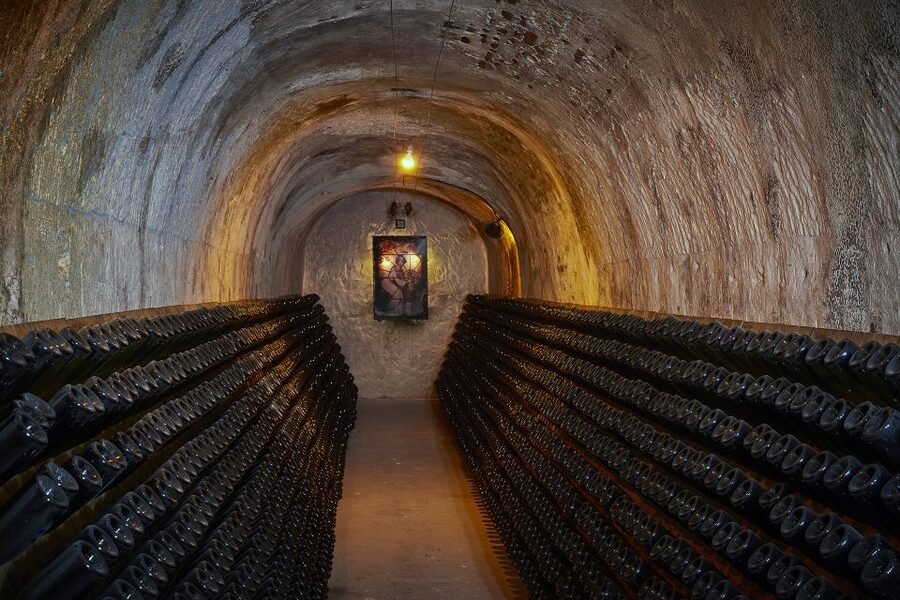
- Four cellar levels and nearly four miles of tunnels make the underground feel bigger than you expect
- 40 to 60 feet underground, with cellars kept around 50°F for aging conditions
- Simon-Marq stained glass in a renovated old chapel gives the tour a memorable art stop
- Guided vineyard walk shows how the grapes get grown before the wine work even starts
- Tasting options let you choose your glass lineup based on what you booked
A one-hour Champagne House visit built around real production
This is a short tour, about 1 hour, but it’s not random sightseeing. The flow is practical: you meet your guide, then you move through the spaces where champagne actually gets made and aged, and you finish with a tasting tied to what you learned.
You’ll like this most if you enjoy explanations you can picture. The cellars are described in terms of temperature and humidity, not vague romance. And the vineyard stop is about grape growing, not just scenic views.
One practical detail to keep your expectations set: it includes champagne tasting, but it’s not a full meal. So if you arrive hungry, plan to eat before or after.
Entering the underground cellars: 130 steps, 50°F, and four levels
The highlight for me is the cellar segment because it’s both technical and atmospheric. You descend about 40 to 60 feet underground, then you explore a network that spans nearly four miles across four levels. That scale makes it easier to understand why champagne houses treat cellar time as a big deal.
You’ll see how the cellars help champagne mature by maintaining optimal conditions. The tour emphasizes temperature and humidity, which is exactly what you’d want explained for this style of wine. Champagne is not just about the grapes, it’s also about how long and how steadily the wine rests.
Now, here’s the part you should plan for: there’s no elevator access. Entry to the cellars involves 130 steps each way. If you’re even slightly worried about stairs, you’ll want to think twice before booking. Also, the maximum temperature in the wine cellars is about 50°F. It may feel chilly the whole time, even if the surface weather is pleasant.
What I’d do in your shoes: wear comfortable shoes with good grip and bring a warm layer you’ll be happy to keep on for about an hour. A scarf is useful too, since it’s not just warm-up cold, it’s steady cellar cold.
The 19th-century architecture and the feel of hand-carved stone
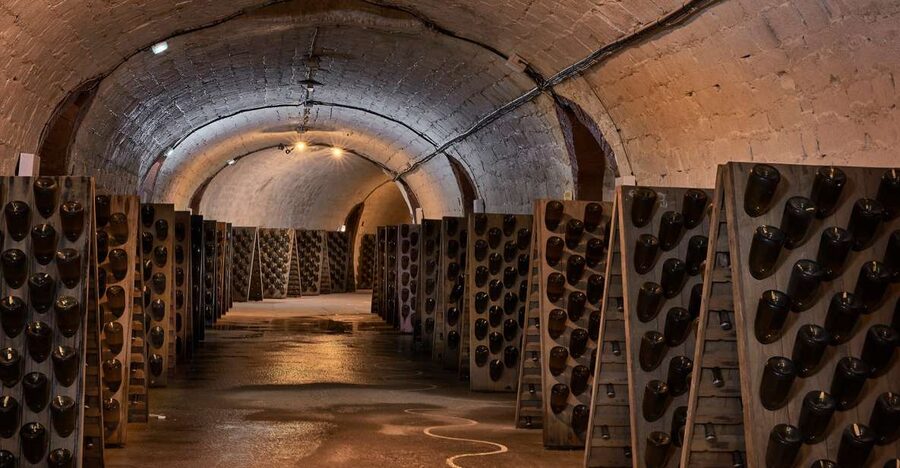
A lot of champagne cellars are impressive. Canard-Duchêne adds something specific: hand-carved 19th-century architecture and an overall atmosphere that feels carefully preserved. The underground spaces are not just functional tunnels. They look made by people, with real craftsmanship.
That matters because it changes how you experience the explanation. When a guide talks about aging and conditions, you’re in the environment where that work happens. It clicks faster.
Also, the cellar walk keeps you moving, so you’re not stuck staring at one room for the whole tour. You get a sense of progression as you go through the levels, rather than a single static stop.
The old chapel stop and Simon-Marq stained glass
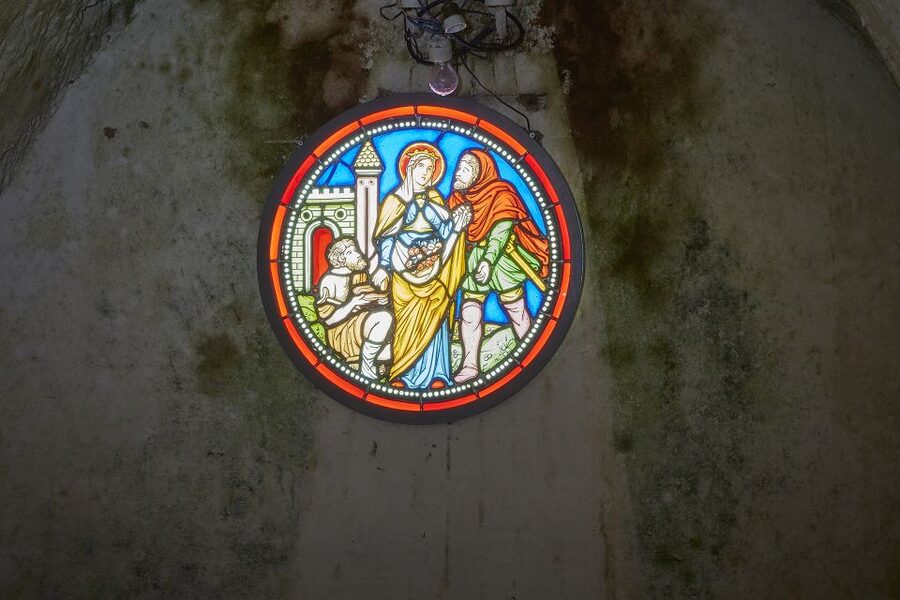
Between the underground work and the vineyard walking, there’s an art and architecture pause that makes the tour feel more like a visit to a working historic site.
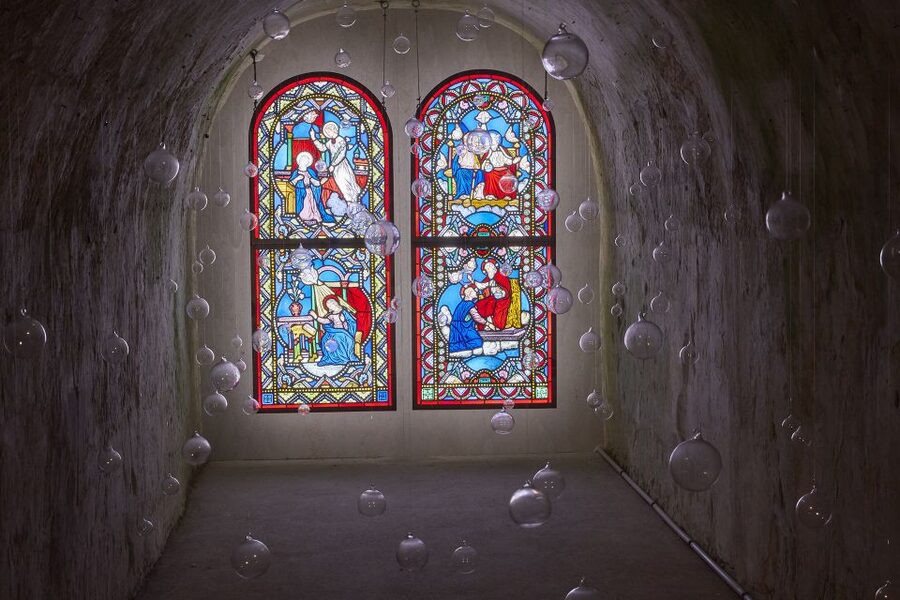
You’ll admire the sights in the house, including stained glass windows from an old chapel that was renovated by the workshop of master glassmakers Simon-Marq. You stop and look, not just pass through. It’s one of those details that helps the house feel like a place with identity, not only a production facility.
Even if you’re not an art person, this stop helps break up the technical cellars segment. It adds color and story, and it gives your photos a chance to be more interesting than just wine barrels and stone walls.
The vineyard walk: how the grapes connect to what you taste
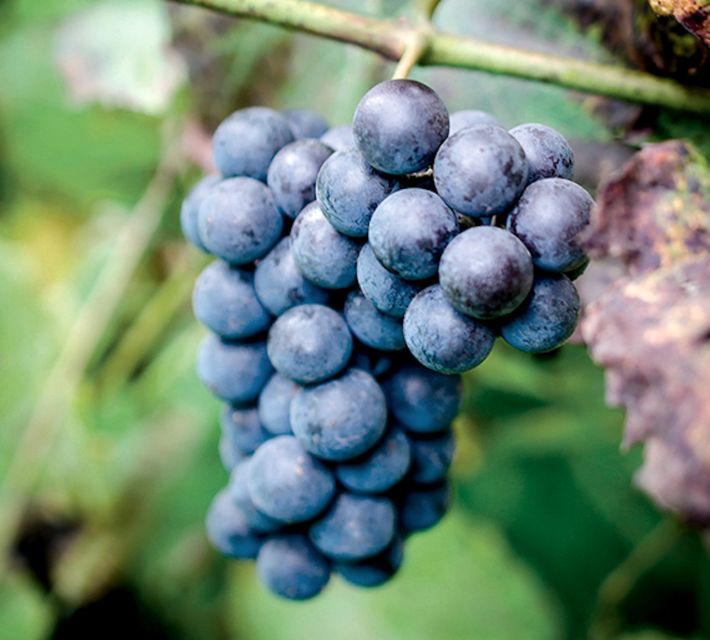
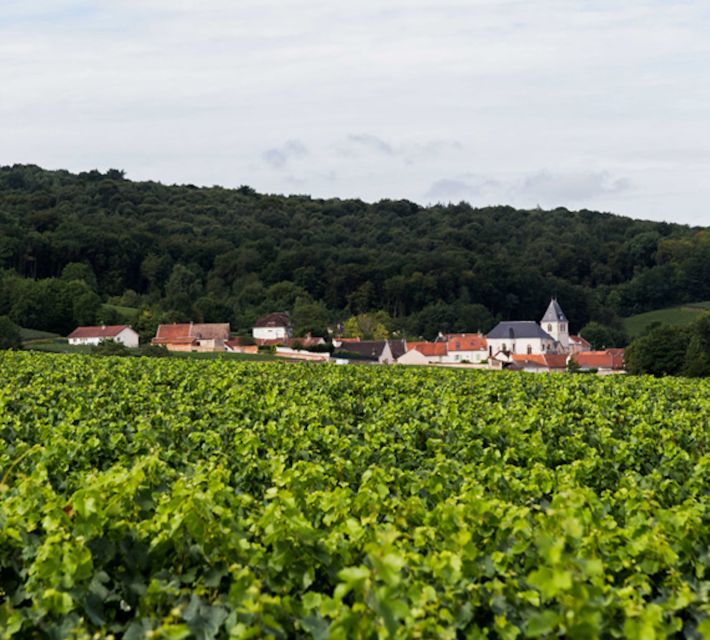
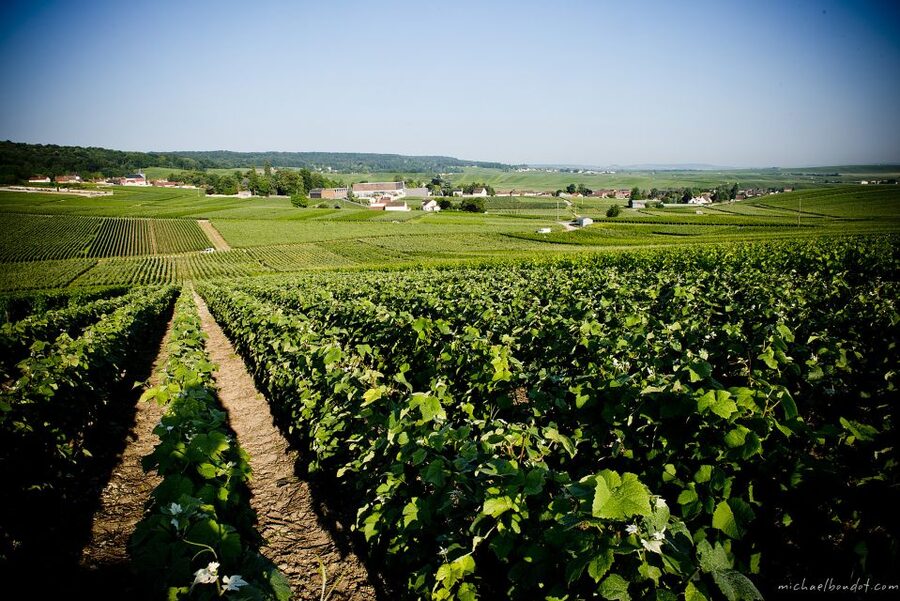
After the underground segment, you stroll through the vineyards where the champagne grapes are grown. This part is guided, so you’re not left wandering. You learn how grape growing feeds into the flavor and complexity you later meet in the glass.
That vineyard connection is a big value point. It helps you understand that tasting is not just a final step. It’s the result of decisions earlier in the process, from how grapes are grown to how the wine matures in the cellars.
If you’re the kind of person who enjoys questions like, Why does this taste like it does? you’ll probably leave with a clearer mental map. Champagne production is easy to make mysterious. This tour tries to keep it grounded.
Champagne tasting options: choose your glass lineup
Yes, tasting is included. Depending on the option you select, you’ll have 1 or 2 glasses of champagne as part of the experience.
Here’s how the choices work:
- Decouverte option: includes a tasting of a brut or demi-sec
- Liberté option: includes tasting of Cuvée Léonie Brut and Cuvée Léonie Rosé, or Cuvé Bio P181
- Charles VII option: includes tasting of Cuvée Charles VII
You’ll likely enjoy the tasting more if you go in with a small plan. For example, if you usually prefer dry, go for the brut style. If you like something a touch softer, consider the demi-sec option. The names above give you a starting point, and the tour explanation helps you interpret the differences.
One more honest note: the tasting is champagne only. Some people would have liked a small toast or biscuit pairing, and that’s a fair expectation if you’re thinking of it as a light food moment. If you want something more substantial with your glass, eat nearby before you start.
Price and value at about $25 for an hour
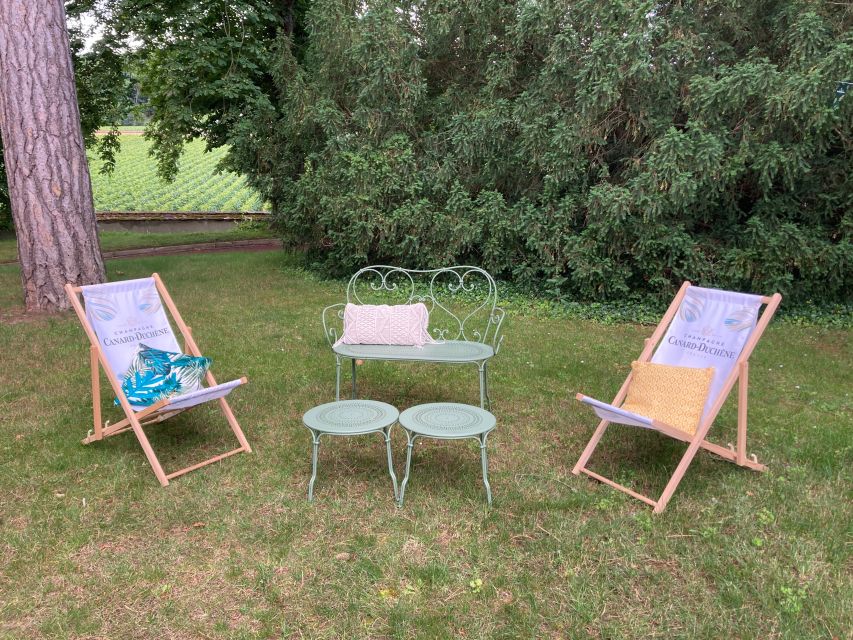
At about $25 per person for a 1-hour experience, this tour can be good value if you want a focused production-and-tasting outing.
Why it works for the price:
- You get guided time in multiple parts of the property: cellars, chapel windows, and vineyards
- You get direct explanation tied to how champagne matures, not just a surface walk
- Tasting is built in, and the choice of cuvées lets you tailor what you sample
When it might not be ideal:
- If you’re expecting a long, multi-course tasting day with lots of food, this is shorter and simpler than that
- If stairs and cold spaces are a deal breaker, it’s not the right fit
For many people, the best way to judge value is to ask: do you want production details you can follow, plus a real glass at the end? If yes, this price feels reasonable.
What to wear and how to make the tour feel easy
Even though it’s listed as only 1 hour, your body will work a bit, because of the cellar stairs. Comfortable clothes matter. Warm clothing matters more than you think.
Your key prep checklist:
- Wear warm layers. The cellar temperature max is about 50°F
- Choose comfortable shoes for going up and down 130 steps each way
- Bring something that keeps you warm without limiting movement, like a light jacket
Also, arrive 15 minutes early at the meeting point. That gives you time to find the group and settle before you head underground.
A small tip for your experience quality: slow down when you reach the stained glass and cellar interiors. It’s easy to rush on a short schedule. Taking 30 seconds to look closely makes the whole thing feel richer.
Who this tour suits best (and who should pass)
This experience suits:
- People who want a short, guided look at how champagne is produced and aged
- Fans of both wine logistics (cellar conditions) and place details (architecture and Simon-Marq glasswork)
- Anyone who likes a guided vineyard stop instead of an unguided stroll
You should pass if:
- You have mobility impairments, since there’s no elevator and lots of stairs
- You’re over 70, since the tour is not suitable for that age group
If those points apply to you, it’s better to save the day for another kind of tasting experience that matches your comfort level.
Should you book the Canard-Duchêne Champagne House Tour?
If you’re aiming for a focused Champagne House visit, I think this is a smart booking. The cellar scale, the temperature-and-humidity explanations, and the chapel stained glass give you a mix that feels both practical and memorable. Add the vineyard walk and an included tasting, and you’ve got a full hour that actually teaches.
Book it if you can handle stairs and cold spaces. Don’t book it if you can’t, because the 130 steps each way is central to the experience.
If you want, tell me what tasting option you’re considering (Decouverte, Liberté, or Charles VII) and what style you usually prefer (dry, semi-sweet, or rosé). I can help you pick the best fit.
FAQ
How long is the Canard-Duchêne Champagne House Tour?
The tour lasts 1 hour.
What languages is the tour guide available in?
The live tour guide is available in English and French.
Is there an elevator for the wine cellars?
No. Entry to the cellars involves 130 steps each way, and there is no elevator access.
How cold are the wine cellars?
The maximum temperature in the wine cellars is 50°F.
Is champagne tasting included, and how many glasses do you get?
Yes. Champagne tasting is included, and you get 1 or 2 glasses depending on the option you select.
What tasting options are available?
You can choose between Decouverte (brut or demi-sec), Liberté (Cuvée Léonie Brut and Cuvée Léonie Rosé, or Cuvée Bio P181), or Charles VII (Cuvée Charles VII).
Do you visit the vineyards?
Yes. The experience includes a guided tour of the vineyards.
Is lunch included?
No. Lunch is not included.
Can I cancel and get a refund?
Yes. You can cancel up to 24 hours in advance for a full refund.
Who is the tour not suitable for?
The tour is not suitable for people with mobility impairments and people over 70 years old.
Champagne Region Tours, in full.
 ★ 4.7Paris: Moulin Rouge Cabaret Show Ticket with ChampagneFrom $11516,088 reviews
 ★ 4.6Paris: Paradis Latin Cabaret Show with Optional ChampagneFrom $1062,231 reviews
 ★ 4.0Paris 3-Courses Gourmet Dinner Seine River Cruise with ChampagneFrom $1361,659 reviews
 ★ 5.0Top Private Cruises in Paris with French Champagne and surprisesFrom $4821,553 reviews
 ★ 4.8From Paris: Day Trip to Champagne with 8 Tastings & LunchFrom $3451,501 reviews
 ★ 4.0Paris: Champagne at the Moulin Rouge & Seine River CruiseFrom $2961,216 reviews
 ★ 4.7Paris: La Nouvelle Eve Cabaret Show with ChampagneFrom $1161,192 reviews
 ★ 5.0Champagne Day Trip with 6 Tastings, Reims and Winery from ParisFrom $278902 reviews
Also on these France lists