
Reviewed · CHAMPAGNE REGION TOURS
Champagne: Champagne Tasting Class with Lunch
Bubbles, food, and a nose training class. At Le Clos Corbier in Aÿ-Champagne, you get a hands-on Champagne tasting with cellars, a traditional press, and a playful blind tasting quiz led by guides such as Emma, Charlotte, and Estelle (English and French). I also like the focus on the 1850s dug cellars and how Champagne really gets made, not just how it gets marketed.
One practical heads-up: the cellars average about 10°C, so even in early fall or spring, plan for cool air. Bring a jacket, and you’ll enjoy the tour more instead of wishing for warmth.
In This Review
- Key highlights at a glance
- Le Clos Corbier in Aÿ-Champagne: what you get in 3 hours
- Finding the doorbell and setting expectations
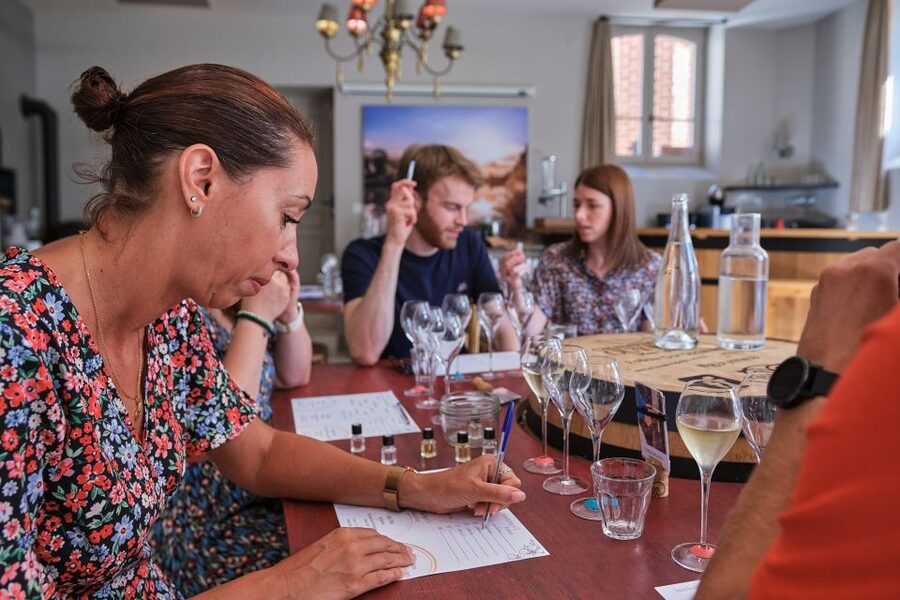
- Train your nose: the olfactory workshop and Champagne quiz
- Blind tasting three champagnes, then branching out with red and Ratafia
- Inside the 1850s cellars: the traditional press and why it matters
- Lunch at a family table: pâté en croute, Langres, and pink biscuit cake
- Price, language, and who should book this Champagne class
- Should you book Champagne Tasting Class with Lunch at Le Clos Corbier?
- FAQ
- How long does the Champagne tasting class with lunch last?
- What’s included in the price?
- Do I need to arrange transportation?
- Is it wheelchair accessible?
- Can children join?
- What should I bring, and what should I wear?
Key highlights at a glance
- 6 wine tastings across Champagne, a local red (Côteaux Champenois), and Ratafia
- Olfactory workshop to train your nose for aromas and flavors
- Blind tasting game comparing 3 different Champagnes, plus a quiz
- Cellar visit featuring family-domain history and an older press
- Lunch paired with regional favorites like pâté en croute and Langres cheese
Le Clos Corbier in Aÿ-Champagne: what you get in 3 hours
This is a tight, efficient Champagne experience in the Grand Est region. In about 3 hours, you’re guided through the basics of Champagne, taught how to taste it more accurately, then fed a very French lunch paired with multiple pours.
What makes this class feel worth the price is that it mixes three things most Champagne tours keep separate: learning, tasting, and eating. You start with the why and the how behind Champagne, then you practice it right away using structured tastings. The lunch is not an afterthought. It’s built as part of the same session, with regional specialties and plenty of pairings.
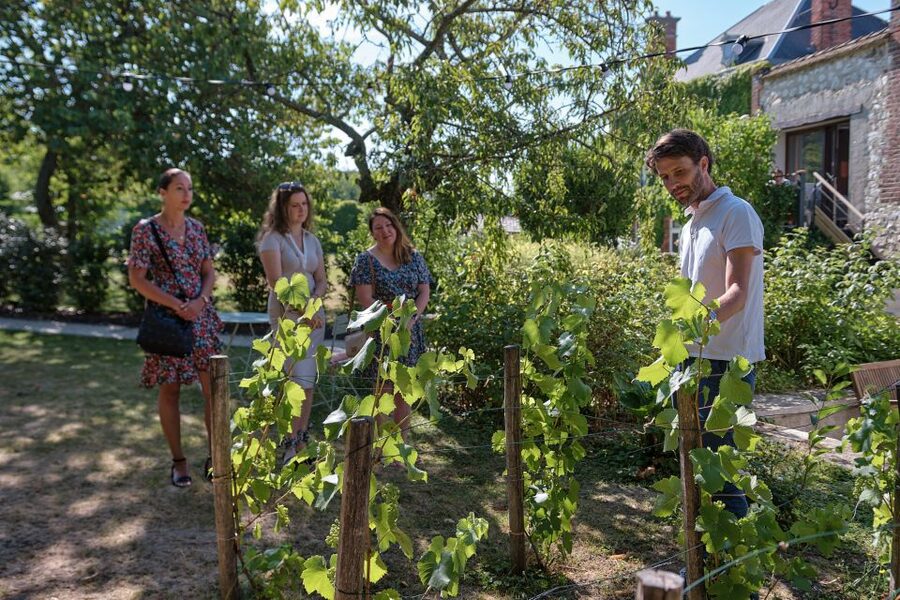
At Le Clos Corbier, you’re not in a huge corporate showroom. You’re at a family domain, in the middle of the vineyard area around Aÿ-Champagne. That matters because the tone stays personal and practical, the kind of place where questions get answered without a sales script.
Other Champagne houses we have visited
Finding the doorbell and setting expectations
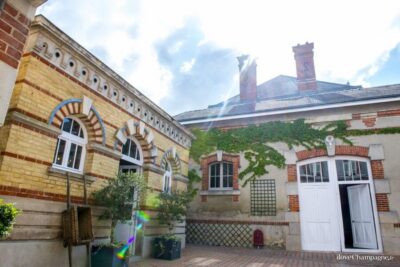
Meeting point is simple but specific. Look for the sign Clos Corbier, then ring the doorbell. Once you arrive, the schedule moves at a smooth pace, with guided stops and short workshop moments.
You’ll also want to set expectations correctly. This is a tasting class plus lunch, not a long day spent wandering vineyards with a picnic and sweeping views. You do get cellar time and production-focused history, but the emphasis stays on learning how to taste Champagne like a pro, even if you’re starting from scratch.
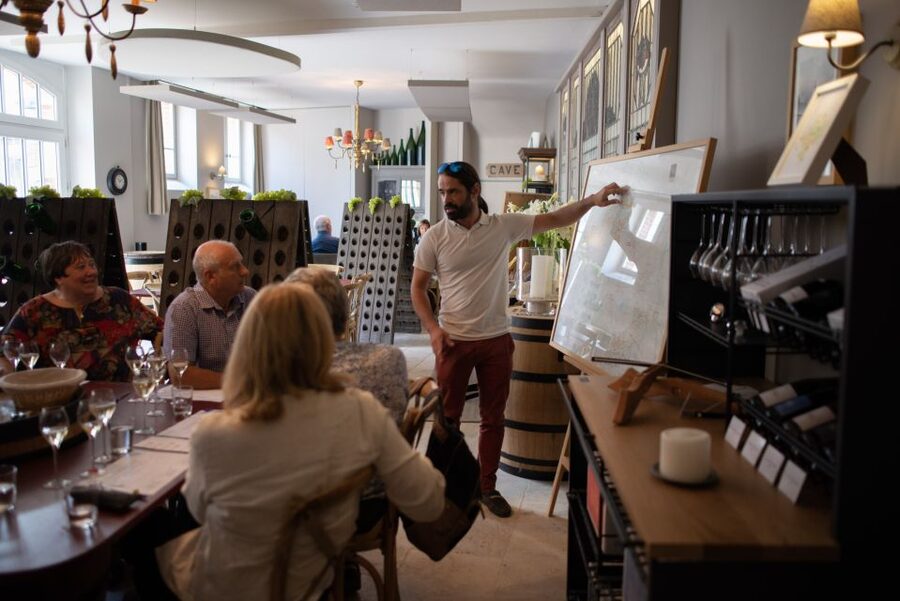
Group size tends to feel small and friendly. That’s a big deal for this kind of activity because blind tastings and aroma exercises work better when you’re not shouting over a crowd. You’ll also hear the same instructions in English and French, so you’re not left out if your French is rusty.
Train your nose: the olfactory workshop and Champagne quiz
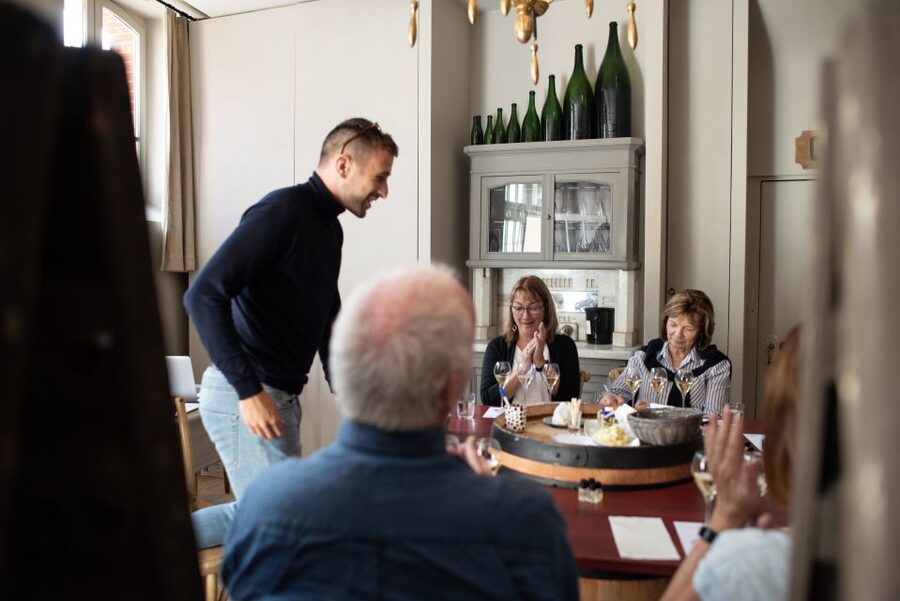
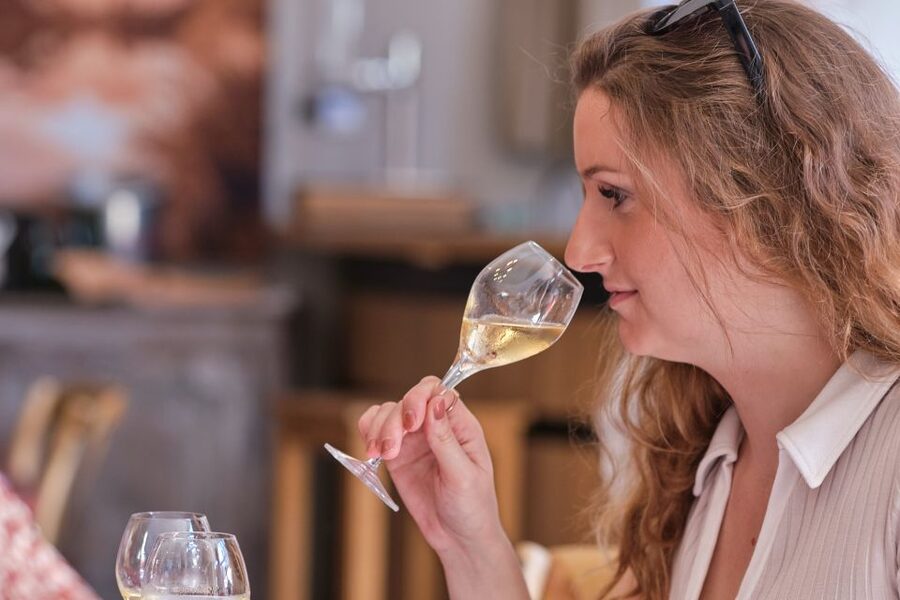
The standout learning part is the nose training. Instead of treating Champagne tasting like a vague exercise in personal opinion, the class gives you a method. You do an olfactory workshop designed to help you identify common aromas found in Champagne.
This is useful because most people struggle with the same thing: you taste bubbles and think, sure, it’s good. Then you freeze when someone asks what you’re smelling. The workshop format gives you handles. It teaches you to notice specific aroma families instead of chasing a single “perfect flavor.”
Right after the tasting lessons, there’s a Champagne quiz element, and it’s intentionally fun. Some people describe it like a friendly competition, with a certificate at the end. Even if you’re not trying to win, the quiz helps you remember what you just learned because you’re putting terms into action.
If you like structured lessons, this part will click. If you prefer total freedom, you might find the guided format more “classroom” than “wander.” Still, it’s short enough that it never feels heavy.
Blind tasting three champagnes, then branching out with red and Ratafia
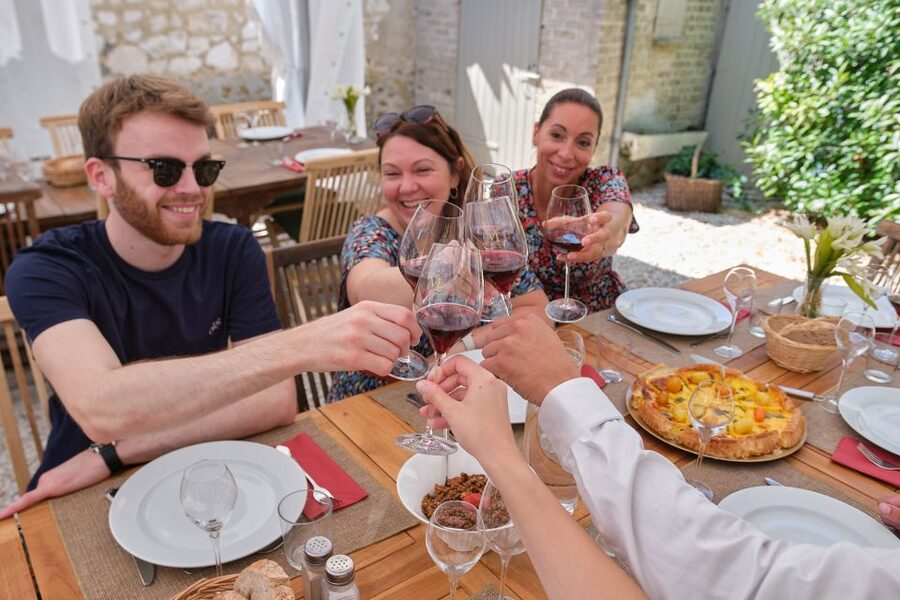
Here’s where the class turns into a real skill-building exercise. You compare and taste three different champagnes, and part of the fun is that you’re asked to identify them in a blind tasting format. Snacks are served during this tasting portion, so you can focus on the flavors without feeling wiped out.
This blind setup is the best way to learn quickly. Champagne tastes can be subtle, and it’s easy to get fooled by label expectations. Without those cues, you start noticing patterns: how acidity feels, how fruit and toast notes show up, and how the finish changes from one style to another.
After the Champagne portion, the experience widens to show you what else tastes like home in this region. You continue with the local red wine Côteaux Champenois and a regional liquor called Ratafia. That’s a smart addition because it helps you understand the broader flavors of Champagne country, not just the sparkling grape story.
You also get 6 wine tastings total. That’s a lot for a 3-hour activity, and it’s one reason the price can feel reasonable if you’re comparing against tastings that only pour once or twice.
Inside the 1850s cellars: the traditional press and why it matters
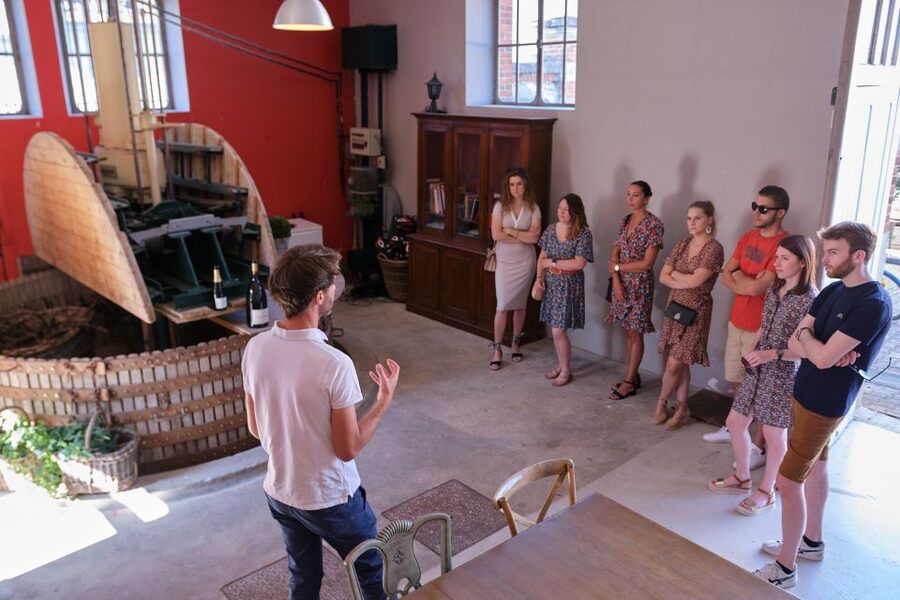
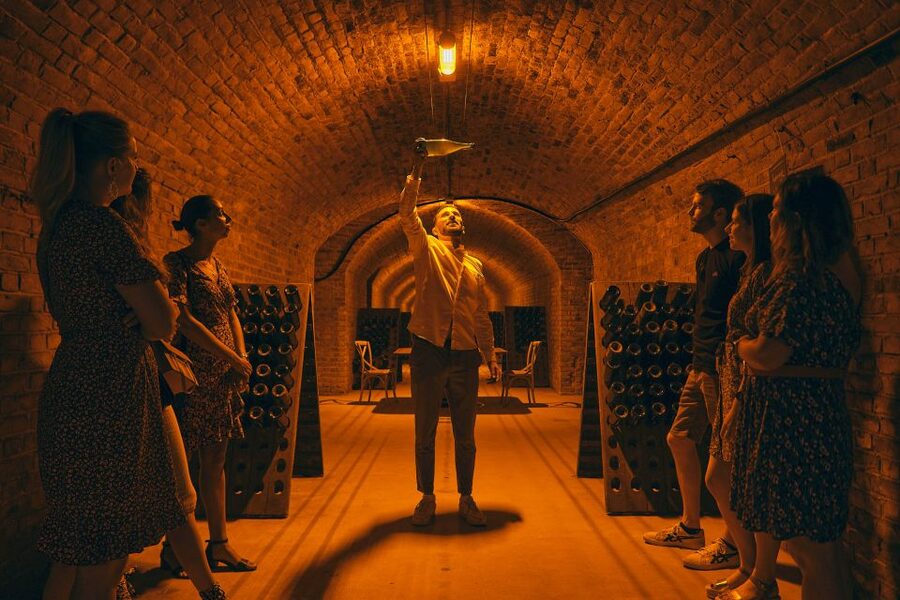
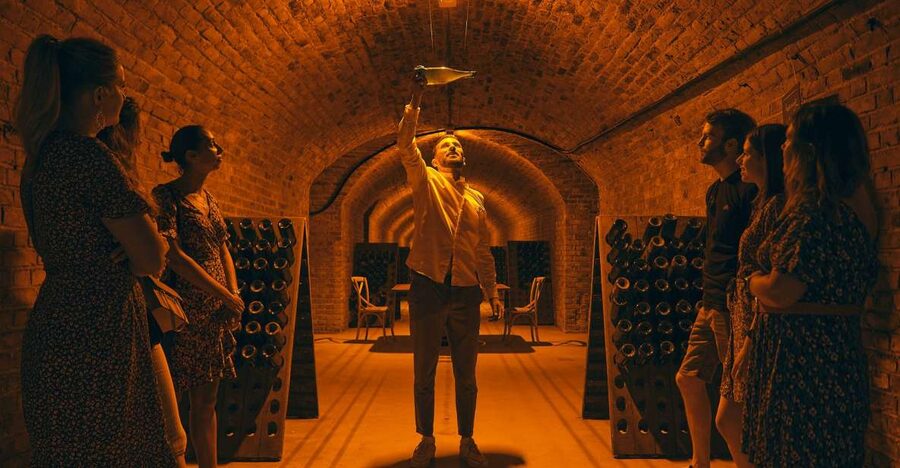
The cellar visit is not just scenic. It gives you context for what you’re tasting. You step into cellars dug in the 1850s, which makes the Champagne process feel grounded in time, not trend.
You’ll also see a traditional press, and that’s where the tour gets practical. A press is an early step that influences how juice quality and character develop. Even if you’ve never seen one before, the guide’s explanations connect it to what ends up in the bottle.
Average cellars temperature is about 10°C, so expect cool air and plan for it. The good news is that once you’re dressed for it, you’ll enjoy the cellars more. The temperature also keeps the experience comfortable for tasting, since wine in a cool room tends to behave better than wine warmed in a sunlit patio.
This is one of the reasons the experience works for both beginners and repeat Champagne fans. Beginners get the “how it works” story. People who have tasted plenty still get value from seeing the physical side of the process.
Lunch at a family table: pâté en croute, Langres, and pink biscuit cake
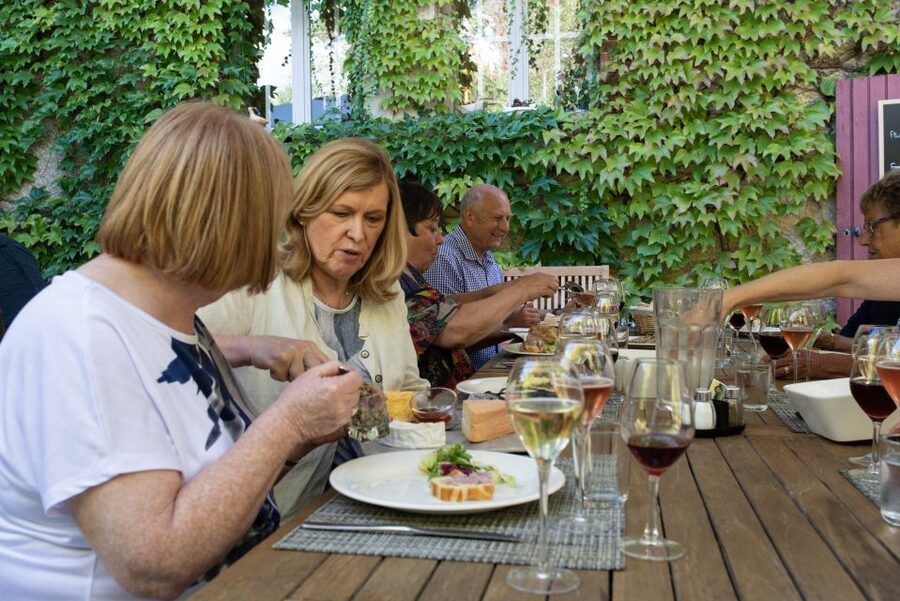
Lunch is casual, French, and genuinely filling. You sit down after the workshops and tastings, then move into a meal of homemade regional specialties.
The menu may include items like pâté en croute (meat-filled pastry), Langres cheese, and pink biscuit cake. These aren’t random tourist foods. They’re local flavors that pair well with Champagne and help you understand why sparkling wines work at the table.
Pairing matters here. Champagne brings acidity and lift, which can cut through rich pastry and cheese. When the meal is paired thoughtfully, you get less of that tired “everything tastes the same” feeling that can happen at some tastings. The lunch also comes with a variety of champagnes, so you’re still tasting while you eat.
One extra plus is dietary flexibility. The lunch can be adapted for allergies or specific diets, so it’s not a one-size-fits-all situation.
Dessert shows up for many sessions, and the overall tone stays relaxed. People also mention that lunch portions feel generous, which helps justify the price if you’re used to tastings where the food is basically a token snack.
Price, language, and who should book this Champagne class
At $106 per person for a 3-hour session, you’re paying for more than “a few glasses.” You get entry fees, a winery tour, 6 wine tastings, local snacks, and lunch included. If transportation is on you (it is not included), that can add cost depending on where you’re staying, but the base experience is still fairly complete.
In value terms, it’s a good fit when you want structure. You’re not just drinking, you’re learning how to taste. The blind tasting game and aroma workshop give you take-home skill, not only happy memories.
This is also a good match for:
- First-time Champagne visitors who want a clear starter map
- Food lovers who like regional French cooking paired with wine
- People who enjoy hands-on games and quizzes more than lecture-only tours
It may be less ideal if you’re looking for a long outdoor vineyard hike. The focus is cellar, tastings, and lunch.
Language support is built in. Hosts and greeters speak English and French, and the experience is described as wheelchair accessible.
Should you book Champagne Tasting Class with Lunch at Le Clos Corbier?
I’d book it if you want a Champagne experience that teaches you to taste, then rewards you at the table. The combination of aroma training, a blind tasting quiz, and cellar visits with real production context makes it feel efficient and fun, not just expensive bubbly.
Don’t book it if your top priority is outdoor vineyard roaming, or if cool cellars are a dealbreaker for you without a jacket. The good news is that packing a warm layer is easy, and the rest of the experience is designed to keep moving and engaging.
If you’re in the Champagne region, especially with a base near Epernay, this is the kind of activity that fills half a day in a satisfying way, leaving you free to explore the area afterward.
FAQ
How long does the Champagne tasting class with lunch last?
The experience lasts 3 hours.
What’s included in the price?
It includes a local guide, winery entry fees, the winery tour, 6 wine tastings, local snacks, and lunch.
Do I need to arrange transportation?
No. Transportation is not included, so you’ll need to handle getting there on your own.
Is it wheelchair accessible?
Yes, the tour is listed as wheelchair accessible.
Can children join?
Children under 18 years old are not allowed to drink alcohol, but the tour is described as having an alcohol rule for minors.
What should I bring, and what should I wear?
Bring a jacket. The cellars average about 10°C, so you’ll be cooler underground. Pets are not allowed, though assistance dogs are allowed.
More Ay Champagne Bistro Tables and Cellars
- Aÿ-Champagne: Champagne House Tour and Tasting Class
★ 4.9 · 209 reviews
The Whole Ay Champagne Shelf
- Aÿ-Champagne: Champagne House Tour and Tasting Class
★ 4.9 · 209 reviews
Champagne, More Houses
- Aÿ-Champagne: Champagne House Tour and Tasting Class
★ 4.9 · 209 reviews
The rest of the Ay Champagne write-ups
- Aÿ-Champagne: Champagne House Tour and Tasting Class★ 4.9 · 209 reviews
Champagne Region Tours, in full.
 ★ 4.7Paris: Moulin Rouge Cabaret Show Ticket with ChampagneFrom $11516,088 reviews
 ★ 4.6Paris: Paradis Latin Cabaret Show with Optional ChampagneFrom $1062,231 reviews
 ★ 4.0Paris 3-Courses Gourmet Dinner Seine River Cruise with ChampagneFrom $1361,659 reviews
 ★ 5.0Top Private Cruises in Paris with French Champagne and surprisesFrom $4821,553 reviews
 ★ 4.8From Paris: Day Trip to Champagne with 8 Tastings & LunchFrom $3451,501 reviews
 ★ 4.0Paris: Champagne at the Moulin Rouge & Seine River CruiseFrom $2961,216 reviews
 ★ 4.7Paris: La Nouvelle Eve Cabaret Show with ChampagneFrom $1161,192 reviews
 ★ 5.0Champagne Day Trip with 6 Tastings, Reims and Winery from ParisFrom $278902 reviews
Also on these France lists