
Reviewed · MARSEILLE & CALANQUES TOURS
La Ciotat: Calanques National Park Guided Kayak Tour
Calanques National Park looks unreal from water. I really like how this trip mixes sea kayaking skills with real stories about La Ciotat and nature, not just scenery. One thing to consider: the tour depends on weather, and you do need to be comfortable in the water and in a small craft.
I’m also drawn to the way the guides pace the day, with stops for caves, photos, and swims, plus extra time on the full-day option. The group size stays small (generally 5 to 16), so you get attention when you need it. A possible drawback is that food is not included, so you’ll want to plan what you’ll eat on breaks.
In This Review
- Key things I’d make sure you notice
- Why kayaking the Calanques near La Ciotat feels special
- Half-day versus full-day: what really changes on the water
- Getting ready at Duo Trail and what to pack
- Île Verte paddle: how the green island part plays out
- Calanque du Mugel: short stop, big photos, quick viewpoint payoff
- Figuerolles stretch: the long break that makes the full day worth it
- How the guide changes your experience (and who you might meet)
- Water time, swimming, and caves: what you’ll actually do
- Price and value: is $89 worth it?
- Who this suits best (and who should skip it)
- Weather and sea conditions: the reality check
- Should you book this Calanques kayak tour?
Key things I’d make sure you notice
- Small-group sea kayaking, with a guide focused on safety and local context
- Île Verte time built in, including guided paddling and sea views from the water
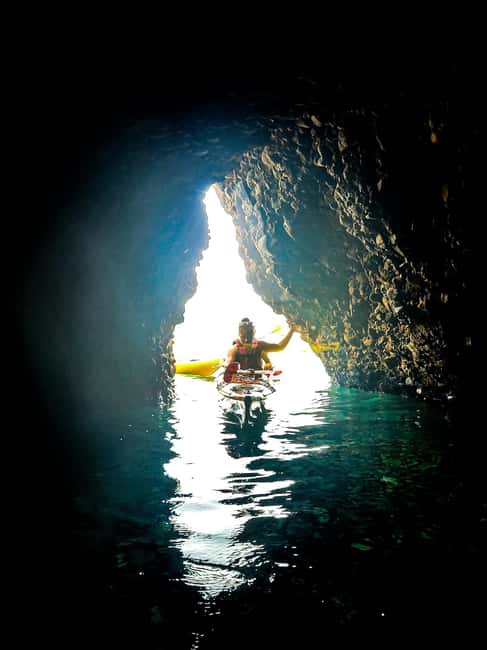
- Caves and cliff stops, where you get a closer look at limestone formations
- Swim breaks in clear water, and more of them on the full-day option
- Pictures during the activity, so you do not have to play photographer the whole time
Why kayaking the Calanques near La Ciotat feels special
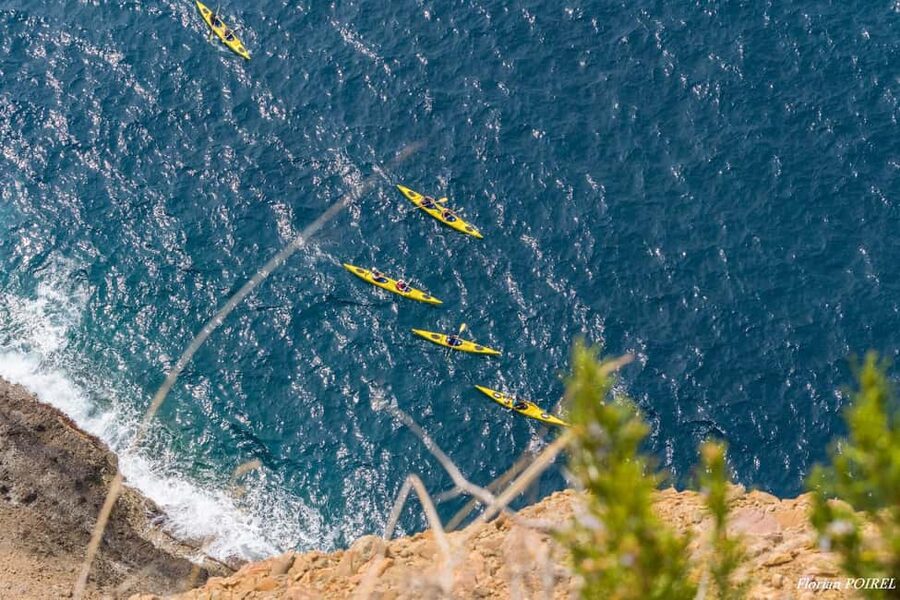
The Calanques around La Ciotat are famous for their limestone cliffs dropping straight into bright, clear Mediterranean water. From land, it’s impressive. From a kayak, it’s different. You’re not just looking at the rocks, you’re moving along them at eye level, slow enough to notice details and fast enough to reach the good spots.
What I like most is that you get more than a paddle workout. Your guide ties the scenery to place, including stories about La Ciotat itself and what you’re seeing in the water. That turns it from a pretty photo session into something that feels more personal and more real. I also like that you learn practical kayaking basics in a sea setting, so even first-timers can feel steady instead of overwhelmed.
The tradeoff is that this is outdoors and water-based, so wind can change the plan. You’ll be outside your comfort zone at least a little, even if you’re fit and experienced. That’s part of the charm, just not for everyone.
More of Marseille and the calanques
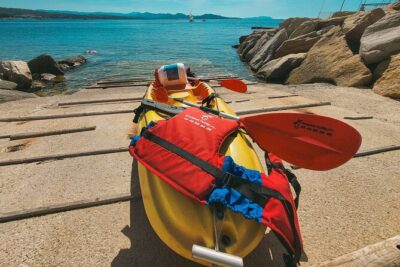
Half-day versus full-day: what really changes on the water
You can choose between a shorter half-day and a longer full-day. The key difference is not that the full day is necessarily harder. It’s that you get more time to enjoy the Calanques at a slower rhythm.
On a half-day, you’re likely to focus on the highlights near La Ciotat and either the island or the first Calanques du Mugel. It’s ideal if you’re tight on time and want the best “greatest hits” without a long day on the water.
On a full-day, you should expect a more relaxed pace, more time for swimming and eating together on a calanque, and deeper explanations during breaks. You’ll generally cover more ground, and the tour has extra chances to look at the marine environment during the longer option.
If your priority is learning skills fast, getting a few top views, and being back for dinner, half-day makes sense. If your priority is time in the water, more stops, and calmer breaks, pick the full day.
Getting ready at Duo Trail and what to pack
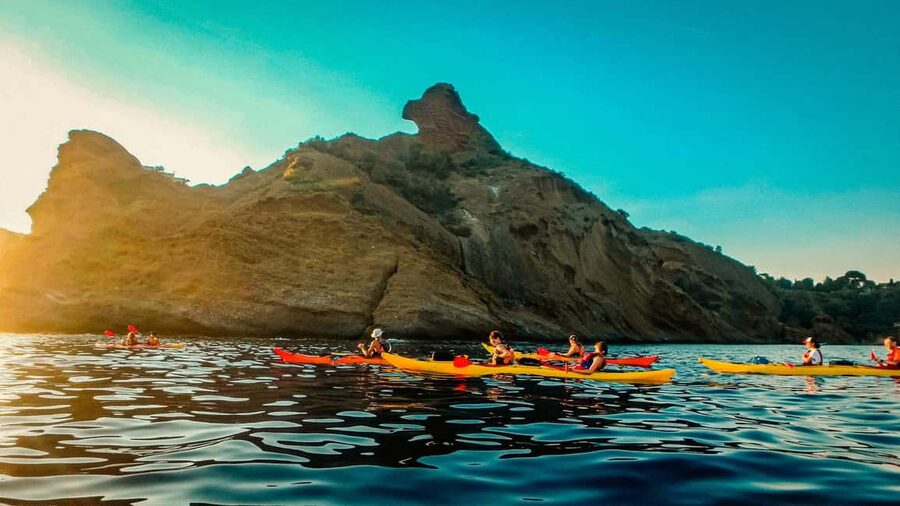
The meeting point is at Duo Trail. When you arrive, look for a small grey/black building with lots of kayaks around, near the sail club and Halles les flots bleus. Continue to the desk after the brown gate to check in.
Bring what you need for water comfort. Swimwear matters because you will likely be switching between paddling and swimming. Wear sports shoes and sportswear you can move in. Avoid sandals or flip-flops, since you’ll be on and around gear and uneven coastal ground.
Also bring drinks. Food is not included, so plan for what you’ll drink and eat during breaks. If you choose the full-day option, there is time to eat together on a calanque, but the tour does not list food as included, so treat that as a shared break, not a fully catered meal.
One more practical note: you may get a message from the operator after booking about wind and timing. Check email and messaging so you are not surprised by any day-of adjustments.
Île Verte paddle: how the green island part plays out
A big anchor stop is î6le Verte, the green island in front of La Ciotat. This is where you’ll put your kayak skills to work and settle into the style of the day.
You start with a 15-minute safety briefing, then you get moving. The guidance here is practical, not theoretical. In past tours, guides have been praised for clear explanations that help nervous paddlers feel better quickly, and you’ll want to listen early so you can paddle confidently once you’re out.
During the Île Verte portion, expect guided kayaking for about 2 hours. That gives you enough time to learn how to handle the boat smoothly at sea, keep direction, and feel comfortable near the cliffs and rock edges. It’s also the part of the day where the scenery often feels most intimate, because you’re close enough to read the coastline and see the water change as you move.
Calanque du Mugel: short stop, big photos, quick viewpoint payoff
Next comes Calanque du Mugel. This part is shorter, more like a focused pause than a long paddle block, roughly 30 minutes.
Here you’ll have time for a break and a photo stop, plus a guided walk-by or visit moment to help you connect the cliffs and caves to the local environment. There’s also a bit of kayaking time around this stop, so you get movement rather than standing around.
What I like about this structure is how it prevents the day from feeling like one long stretch. You paddle, you look, you swim or rest if conditions allow, then you paddle again. The downside is you will not have hours here. If you want “stare at the rocks all afternoon” time, you may prefer the full-day option where breaks are longer overall.
Figuerolles stretch: the long break that makes the full day worth it
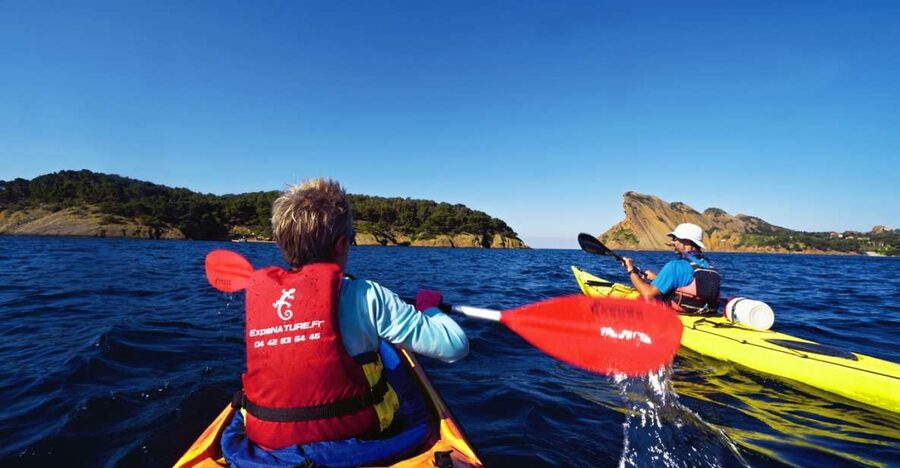
Figuerolles is where the pacing shifts. In the longer itinerary, this is a longer block, about 3 hours, with sightseeing and a lunch break.
This is also a chance to catch the Calanques from different angles. From the water, the limestone forms can look like they’re sculpted for impact. From a break, you notice textures and scale. And since the full-day style emphasizes a calmer rhythm with more time to eat and swim, this portion is often the reason people feel like the day goes faster than expected, even though it’s longer.
You should plan to use this time. Eat what you brought, drink water, and reset your body. If you’re prone to getting cold in sea air, keep an eye on how you feel after swimming, because the water can be clear but not always warm.
How the guide changes your experience (and who you might meet)
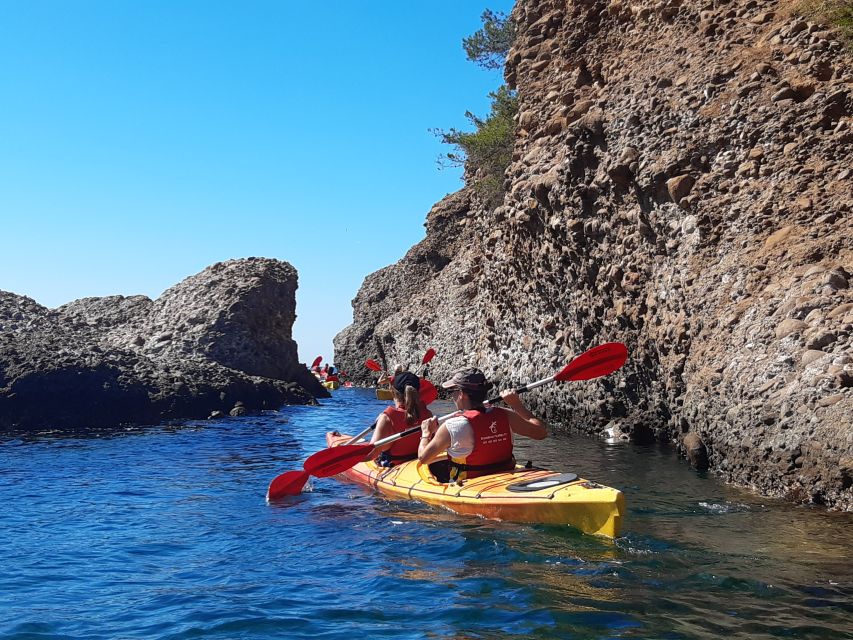
The guide is the difference between a “cool ride” and a safer, more meaningful outing. The tour is led by an experienced local team that started in 2007 and has guided groups through the Calanques National Park and beyond. That long run matters because it usually means better instincts about route, timing, and what to teach on the fly.
You also get a strong safety focus. In the reviews, people highlighted how guides explain things well and keep a calm tone, especially when someone is nervous or falls behind. Names that have stood out in the feedback include Oliver (good explanations), Ellie (fun and informative), Romy (enthusiastic, patient, great with the group), Alexi (keeping safety and fun balanced), and Thomas (kind and patient, especially for beginners). I can’t guarantee who you’ll get, but the theme is consistent: clear instruction and a guide who enjoys the area.
Expect the guide to teach kayaking and nature together. That’s why the tour feels more like learning outdoors than just transportation across water.
Water time, swimming, and caves: what you’ll actually do
This type of sea kayaking tour is built around movement plus short experiences: cave exploration, a swim when conditions allow, and time for photos. The caves and cliff stops are where you get that wow factor, because you’re close enough to see how sea passageways and rock pockets shape the coastline.
On a full-day tour, you’ll usually have more time for swimming, and you get extra chances to learn about local marine life. On a half-day, you still get swims and cave interest, but the focus is more on the core highlights and shorter blocks.
What matters for you is comfort and readiness. You should wear swimwear and sports shoes, bring drinks, and be honest about your comfort level in open water. The tour is not suitable for non-swimmers, and you should think twice if you feel uneasy in the sea environment.
Price and value: is $89 worth it?
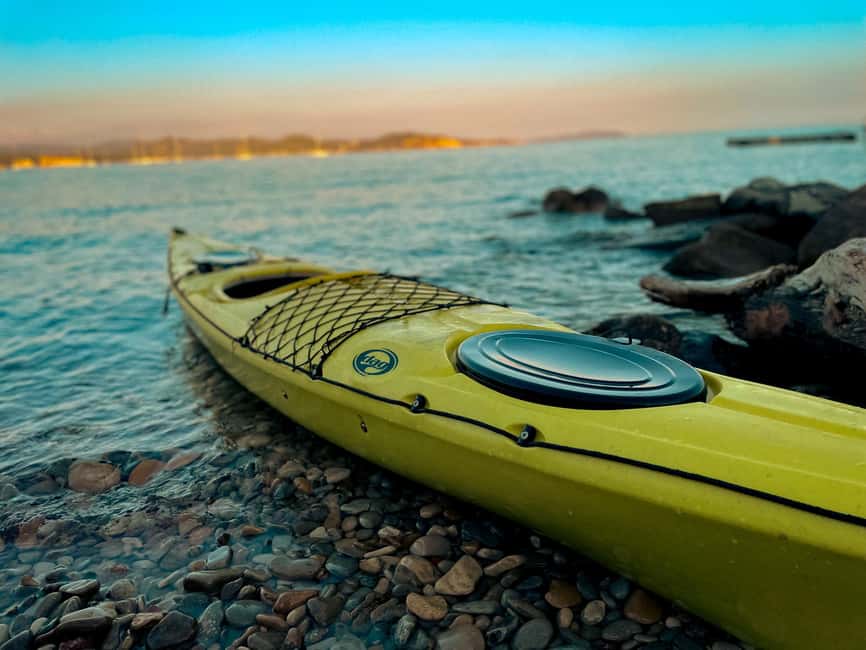
At $89 per person, the value comes from what’s included and what you get to do in one day.
Included:
- Kayak, paddle, and life jacket
- A guide
- Pictures during the activity
Not included:
- Food and drinks
So you’re paying for guided sea access plus the gear rental, not for snacks and a meal. For that price, I think it’s a fair deal if you compare it to paying for a kayak rental plus trying to navigate the coastline yourself. The guide helps you reach the sights and teaches you how to paddle safely in real conditions, which is the main cost you would otherwise add with a second booking or a private lesson.
Also, the tour structure gives you variety. You are not just paddling in one straight line. You get caves, cliffs, a green island segment, and at least one swim break, with more time in the full-day option. That mix is where the money feels justified.
Who this suits best (and who should skip it)
This tour is described as suitable for all kayaking levels, and the group size stays manageable (typically 5 to 16). It’s a good date idea too, since it’s active, scenic, and guided enough that you can relax rather than map every stop on your own.
It also works well for solo travelers. You join a group and get local context, rather than feeling like you’re dropped off to figure everything out.
Families can consider it, with a clear boundary: kids must be at least 7, and everyone needs to be comfortable with the water and movement involved. If you have an existing health condition, you should check with your doctor first.
There are also weight limits listed. The data includes multiple thresholds, so the safest move is to confirm your eligibility before booking. The operator notes it is not suitable for people with difficulties moving themselves, even though there is a tourism label for handicap and a wheelchair accessible mention. In practice, that means you should ask direct questions about how they handle gear and the water transfer for your specific needs.
Finally, it’s not a good fit if you are a non-swimmer.
Weather and sea conditions: the reality check
This activity is weather dependent. Wind can affect where you can safely paddle, and the operator may contact you to prevent schedule problems due to wind. That’s normal for sea kayaking, but you should build flexibility into your day.
When conditions are choppy, you may still be able to go, but expect more effort. Reviews mention gorgeous water even when it was a bit choppy, and that matches how coastal kayaking tends to feel. If you get motion sick easily or you are not confident with stability, it’s worth thinking about your tolerance.
Also remember: no sandals, no slippers. Your footwear needs to grip and handle getting wet.
Should you book this Calanques kayak tour?
Book it if you want a guided sea kayaking experience that goes beyond generic sightseeing. This is a strong pick if you care about learning real paddling basics, seeing the Calanques close up, and having a guide who tells you how to look at the place.
I’d hesitate if you hate open-water water time, you are a non-swimmer, or you need a trip with guaranteed calm conditions. Also, if food and drinks are your main priority, know that only equipment and the guide are included, so plan your own snacks or meals accordingly.
If you’re fit, comfortable in swim breaks, and okay with a weather-sensitive plan, this is one of those outings that makes the Calanques feel personal fast.
Everything Else Filed Under La Ciotat
- Kayak Tour at Calanques National Park (Ciotat)
★ 4.5 · 124 reviews
The Whole La Ciotat Shelf
- Kayak Tour at Calanques National Park (Ciotat)
★ 4.5 · 124 reviews - La Ciotat Private Kayak Rental in the Calanques National Park
★ 5.0 · 78 reviews
Marseille and the Calanques
- Kayak Tour at Calanques National Park (Ciotat)
★ 4.5 · 124 reviews - La Ciotat Private Kayak Rental in the Calanques National Park
★ 5.0 · 78 reviews
The rest of the La Ciotat write-ups
- La Ciotat Private Kayak Rental in the Calanques National Park★ 5.0 · 78 reviews
- Kayak Tour at Calanques National Park (Ciotat)★ 4.5 · 124 reviews
Marseille & Calanques Tours, in full.
 ★ 3.8Marseille: City Sightseeing Hop-On Hop-Off Bus TourFrom $272,820 reviews
 ★ 4.7Marseille: Côte Bleue Calanques Half-Day Kayak TourFrom $64877 reviews
 ★ 4.8Cannes: 2.5-Hour Esterel Calanques Boat ExcursionFrom $88808 reviews
 ★ 5.0From Sagone/Cargèse: Scandola Calanques Piana Girolata SwimmingFrom $76670 reviews
 ★ 5.0Marseille Food Tour – Full Meal of Local Tastes by Do Eat BetterFrom $89530 reviews
 ★ 4.9Marseille: Calanques National Park Guided Hike with PicnicFrom $41516 reviews
 ★ 4.8From Marseille: Calanques National Park Guided HikeFrom $41489 reviews
 ★ 4.1Marseille: Musée de l’Illusion Entry TicketFrom $22488 reviews
Also on these France lists