
Reviewed · LOUVRE MUSEUM TOURS
Mona Lisa & Louvre Masterpieces Tour with Reserved Access
Mona Lisa without the stress. This reserved-access Louvre tour links the museum’s biggest name paintings and sculptures with an expert English-speaking guide, and I love that you get reserved access plus personal headsets so you hear the stories clearly. You also get a focused route through masterpieces like Mona Lisa and the grand classical sculptures, instead of aimless wandering.
One heads-up: you’ll cover a fair amount of ground, and the Mona Lisa area is always popular, so plan on crowds and bring comfortable shoes. If you want a slow, museum-without-a-plan day, this format might feel a bit like a fast sampler.
In This Review
- Key highlights you should care about
- Reserved access at the Louvre, and what it really buys you
- Meeting at Arc de Triomphe du Carrousel, not the Louvre doors
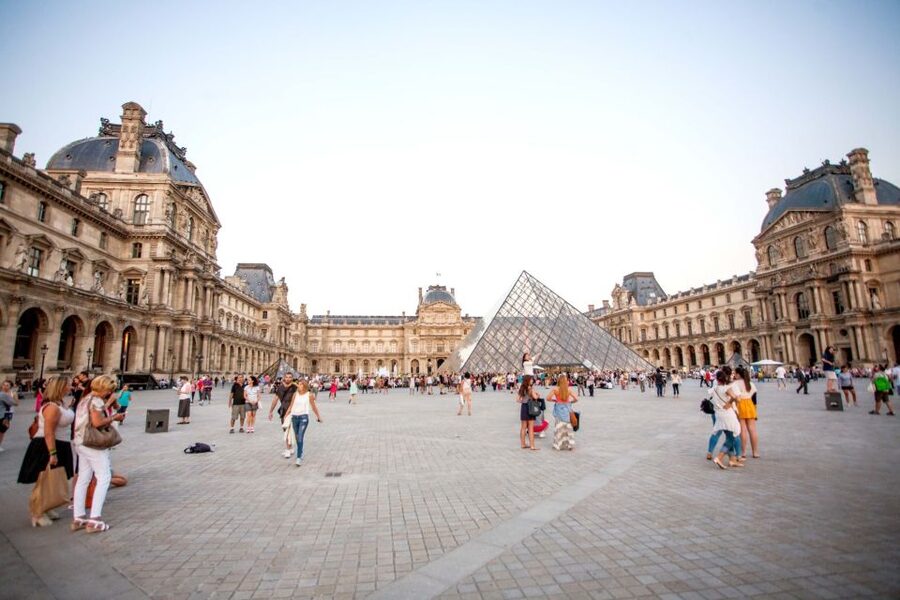
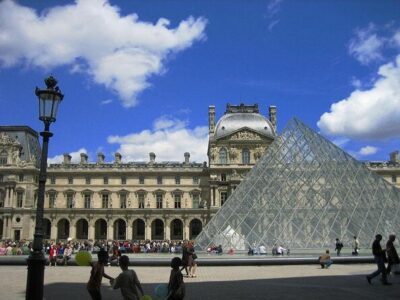
- The Louvre Pyramid photo stop: a quick reset before the real work
- A 2.5-hour guided circuit through the Louvre’s top treasures
- Mona Lisa: how reserved routing changes the experience
- Venus de Milo and Winged Victory: the sculptures that reset your perspective
- Renaissance power: Da Vinci, Raphael, and the human drama in paint
- Caravaggio and Michelangelo: faces, flesh, and high drama
- Greek and Roman antiquities, plus the Great Sphinx of Tanis
- Michelangelo’s Dying Slave and Canova’s Psyche Revived
- Apollo Gallery and Napoleon Apartments: when the Louvre shifts from art museum to palace
- What your 2 hours of free time are for
- How guides make the difference, and why it shows in ratings
- Optional wine and cheese: a smart add-on if you like a Paris reset
- Logistics that affect comfort: walking, bags, and security checks
- Price and value: is $80 fair for a Louvre highlights tour?
- Who should book this Louvre tour
- Should you book the Mona Lisa and Louvre Masterpieces Tour?
- FAQ
- Where is the meeting point for this tour?
- Is the tour starting at the Louvre Pyramid?
- How long is the tour, and is there free time inside the Louvre?
- What does reserved access include?
- What famous art and areas does the tour focus on?
- Is wine and cheese tasting included?
- Are there restrictions on bags or items I can bring?
- Is there free cancellation, and how far in advance can I cancel?
- Is the tour suitable for wheelchair users or mobility impairments?
Key highlights you should care about
- Reserved access at the Louvre so you lose less time to queues
- Headsets included, which matters in a loud, crowded museum
- Mona Lisa viewing with expert routing, not just standing in the crush
- A smart sweep of top hits, from Renaissance art to major antiquities
- Optional wine and cheese upgrade right after your guided time
Reserved access at the Louvre, and what it really buys you
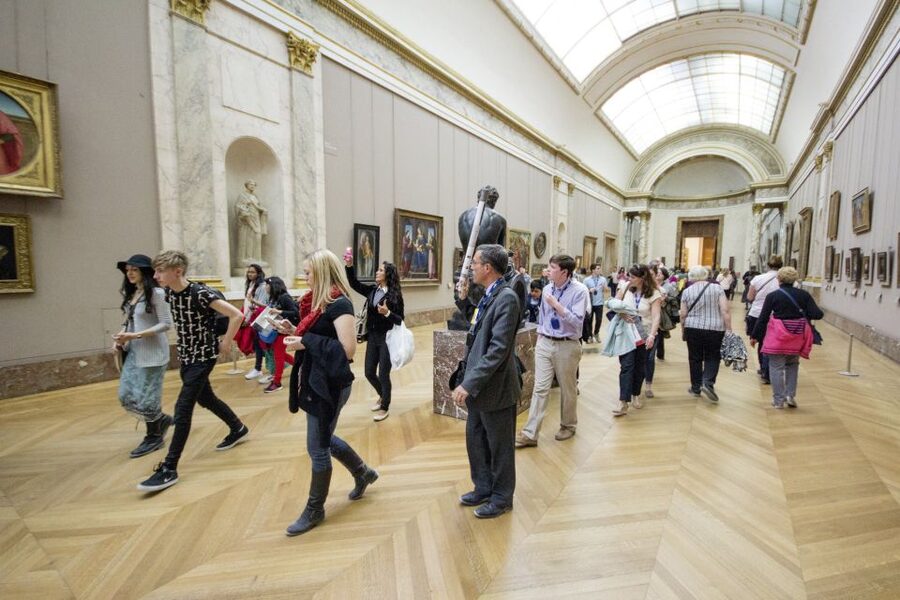
The Louvre is not a normal museum. It is huge, and it eats time fast. The big value here is that your entry is pre-arranged, plus the tour includes admission, so you’re not trying to figure out tickets and lines while everyone around you is moving. That reserved access is the difference between feeling rushed and feeling oriented.
The other quiet win is the headset. Even with a great guide, group tours can become a game of guesswork when people shuffle around. With the headset setup, you can actually follow the explanation while you’re looking at the artwork, instead of turning your head every time someone steps in front of you.
Other ways into the Louvre, compared
Meeting at Arc de Triomphe du Carrousel, not the Louvre doors
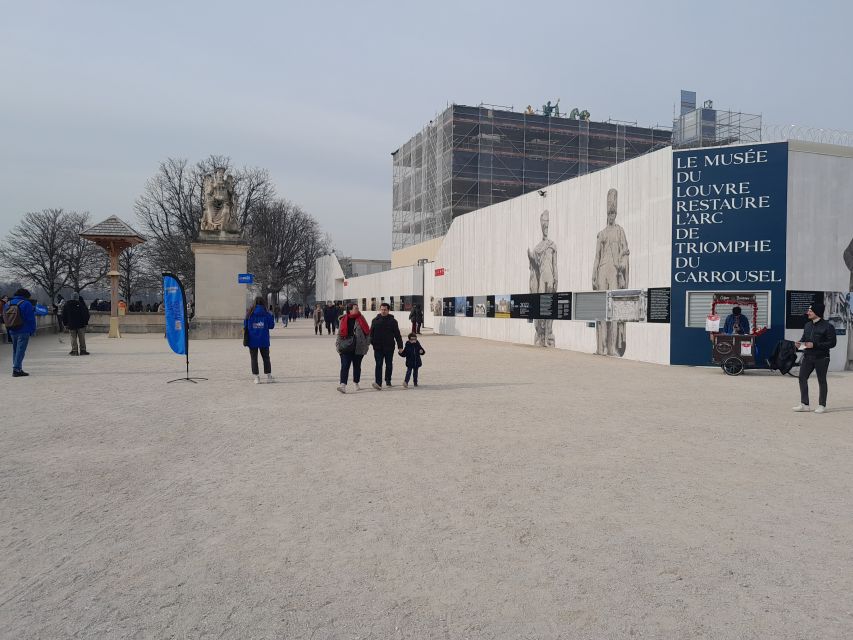
You do not meet at the Louvre entrance. You meet at Arc de Triomphe du Carrousel, and the guide team wears blue. It sounds simple, but this is one of the most common “where do we go?” moments for people on tours, so it’s worth paying attention to the directions.
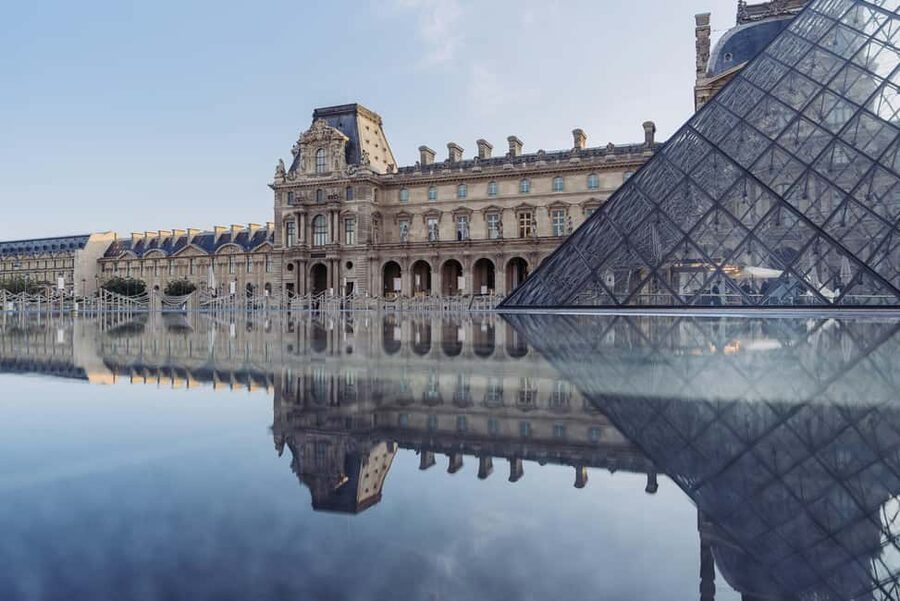
Stand with your back to the Louvre Pyramid. Look across the road and you should spot the arch near the entrance to the Tuileries Garden. The coordinators are along the wall railing to the left of the Arc. Once you find them, the rest of the morning tends to feel much smoother.
The Louvre Pyramid photo stop: a quick reset before the real work
You start with a photo stop at the Louvre Pyramid, then you roll into the guided portion. That first moment is more useful than it looks. It gives you a visual landmark so your brain can map the area before you get swallowed by museum corridors.
You also get a short guided window right away, which helps you understand how the Louvre is laid out. The museum can overwhelm you in minutes, so getting that orientation early is a practical advantage.
A 2.5-hour guided circuit through the Louvre’s top treasures
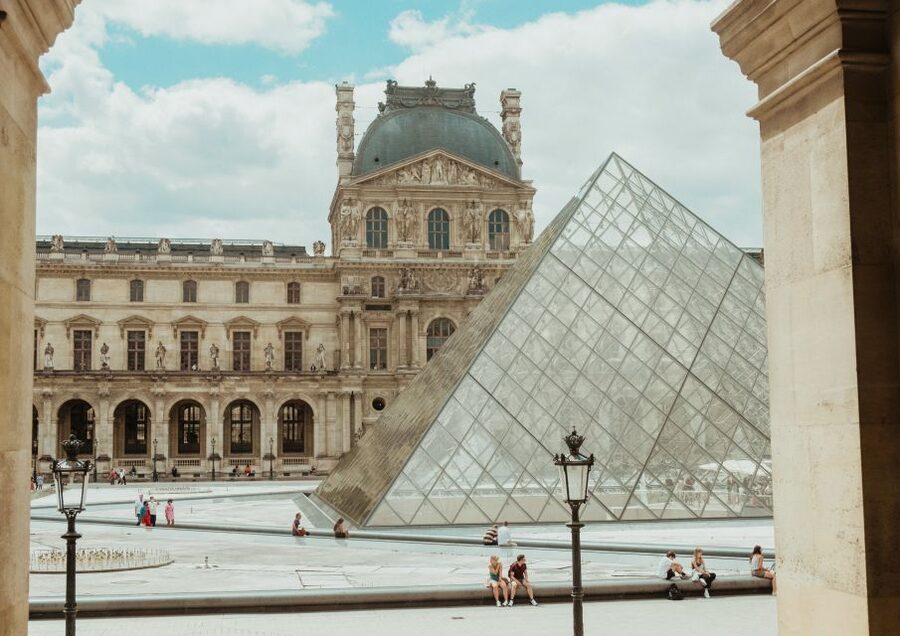
This tour is built around concentration: the best-known works, plus enough context to make them click. You spend about 2.5 hours on the guided route, which is long enough for the guide to tell you what to notice, but short enough that you can still breathe after.
What you’ll see is a mix of eras on purpose. That lets you follow the Louvre’s story without needing days of planning. You go from Renaissance masters like Da Vinci and Raphael into classical antiquities and major sculptures, then toward royal areas that show how power and art were tied together.
Mona Lisa: how reserved routing changes the experience
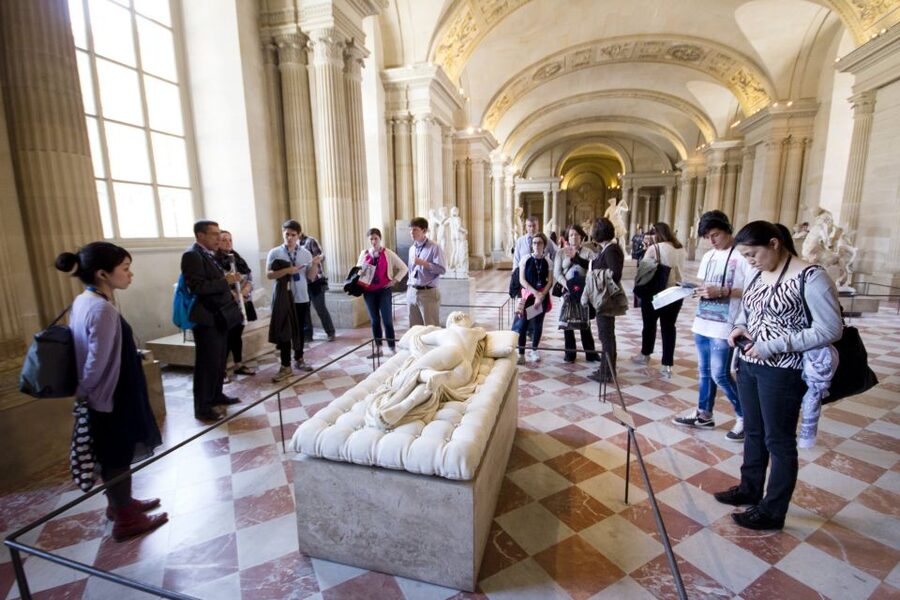
Let’s talk about the Mona Lisa reality. The painting is famous for a reason, but the viewing area is crowded. The trick is not only getting in faster, it’s being routed with a plan so you’re not stuck waiting for a chance that never comes.
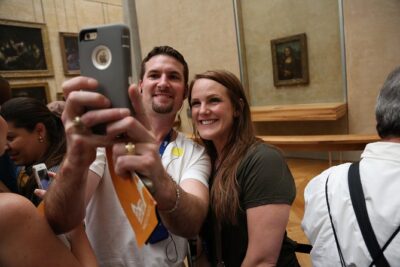
The guide is the key here. With a focused group and expert pacing, you get to stand close enough to take in details and scale, instead of spending your time outside the viewing ring. And because you have headsets, you can hear the guide’s point about what makes the painting so compelling, right when you’re actually looking at it.
If you’re expecting a quiet, reflective moment, temper those expectations. But if you want to see the Mona Lisa as part of a smarter Louvre day, this approach works.
Venus de Milo and Winged Victory: the sculptures that reset your perspective
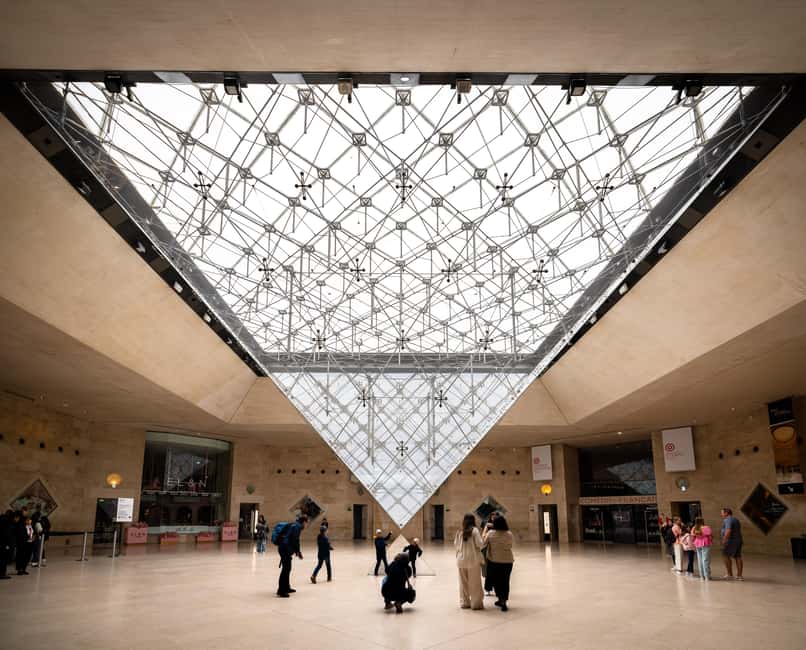
When you move from paintings to sculpture at the Louvre, you notice how different the museum’s superpowers are. The tour includes major classical pieces like Venus de Milo and the Winged Victory of Samothrace, and this is where the guided timing really helps.
In these rooms, people crowd around “the spot.” Without a guide, you can end up stuck on the edges. With a guided route, you’re more likely to get a better angle and a clearer sense of what makes the works iconic, like how the proportions and pose communicate movement even when the subject is stone.
That combination is a big reason this tour earns strong ratings. People often come in thinking they know the famous pieces. They leave noticing new details, because the guide points out what your eyes would usually skip.
- Paris: Louvre Museum Timed-Entrance Ticket
★ 4.6 · 71,977 reviews - Disneyland® Paris 1-Day Ticket
★ 4.6 · 49,412 reviews - Paris: Versailles Palace and Gardens Full Access Ticket
★ 4.6 · 41,579 reviews - Paris: Evening River Cruise with Music
★ 4.4 · 22,721 reviews - Paris: Louvre Guided Tour with Reserved Access & Boat Cruise
★ 4.3 · 16,353 reviews
Renaissance power: Da Vinci, Raphael, and the human drama in paint

You’ll see Da Vinci’s Mona Lisa as the headline, but this tour also places other Renaissance works into the same conversation. Raphael is mentioned as part of the route, so you get the sense of how the Louvre became a magnet for refined painting during the Renaissance.
What’s practical about this is that the guide’s stories help you connect style choices to emotion and craft. You don’t just learn dates in a vacuum. You learn what to look for while you’re looking, which is exactly what you want at the Louvre.
Caravaggio and Michelangelo: faces, flesh, and high drama
The tour calls out masterpieces by Caravaggio and Michelangelo, and that’s a strong mix. Caravaggio’s world feels intense and immediate. Michelangelo’s work feels muscular and monumental, even when you’re moving through a room full of people.
This is one of those places where headsets and pacing matter. You need a second to stand still long enough to absorb a painting’s lighting choices or a sculpture’s physical tension. The guided route helps you get that time without the chaos of trying to “discover” everything yourself.
Greek and Roman antiquities, plus the Great Sphinx of Tanis
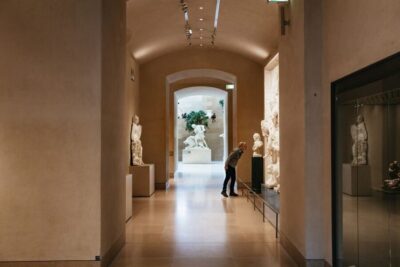
The antiquities stop is where the Louvre stops feeling like a portrait gallery and starts feeling like a time machine. The tour includes Greek and Roman antiquities, including the imposing Great Sphinx of Tanis, noted as more than 4,000 years old.
That kind of stop does two things for you. First, it breaks up the crowd fatigue you can get after multiple famous paintings. Second, it gives you a wider Louvre context. The museum is not only about French and Italian masterpieces. It’s also about how civilizations displayed power, belief, and artistry through objects that survived for thousands of years.
Michelangelo’s Dying Slave and Canova’s Psyche Revived
Later in the route, you’ll see works like Michelangelo’s Dying Slave and Canova’s Psyche Revived by Cupid’s Kiss. These selections sit in the space between dramatic Renaissance sculpture and later European taste for classical themes.
The value here is that you’re not just seeing famous names. You’re being guided toward understanding mood and message, why certain figures are shown in states of tension, collapse, or revival. A good guide makes these works legible fast, even if you don’t have an art history background.
Apollo Gallery and Napoleon Apartments: when the Louvre shifts from art museum to palace
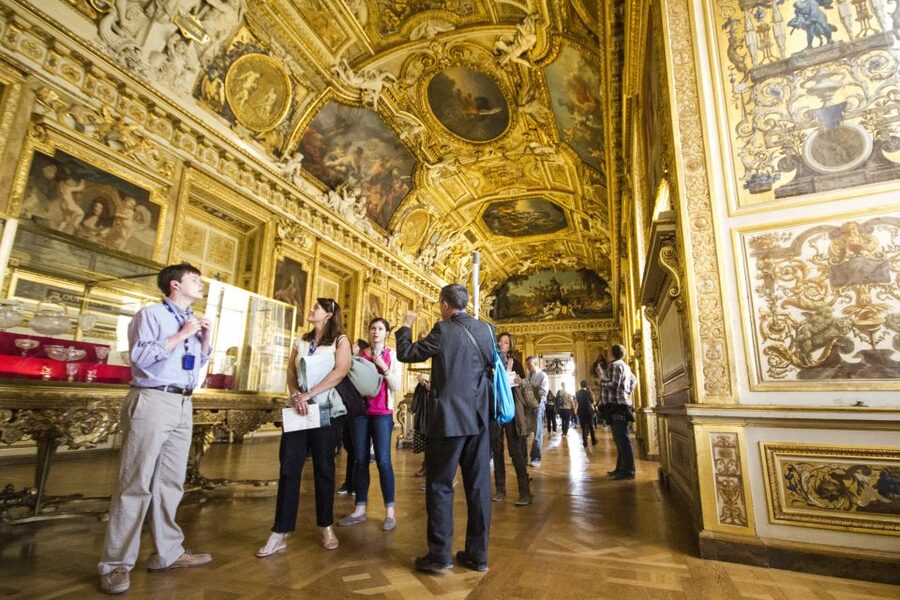
A standout part of the experience is the move into spaces tied to royal heritage. You’ll step into the Apollo Gallery and then see the Napoleon Apartments, with opulent décor reflecting the Second Empire era.
This matters because it changes your mental model of the Louvre. You stop thinking only about canvases and sculptures, and you start noticing the building as part of the story. The Louvre was not designed for casual strolling. It was a statement of grandeur, and these areas make that obvious.
What your 2 hours of free time are for
After the guided portion, you get around 2 hours of free time. This is where you can control the pace. You can circle back to a piece you want to study longer, or you can swap to a section that interests you more than what the guide prioritized.
One smart move is to use your free time to confirm what clicked during the tour. You remember the guide’s point, so when you look again on your own, you’ll actually see the details you missed the first time.
Also, keep in mind that the Mona Lisa area is famously hard to linger in. If you want extra time near it, your best chance is to plan for short, focused visits rather than expecting a long empty moment.
How guides make the difference, and why it shows in ratings
Names from past tour guides give you a sense of what the experience can feel like. People highlight guides like Saeed, Hugo, Juliette, Omar, Summer, Crystal, and Omar again, with comments that they managed crowds well and explained what you’re looking at in a way that stays understandable.
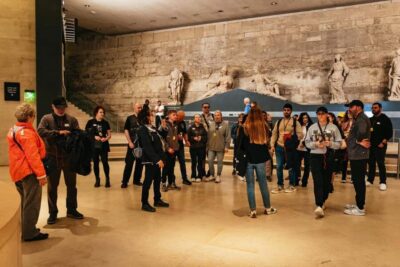
You’ll also notice a recurring theme: guides actively manage the group. There are mentions of guides keeping everyone together, counting after stops, and negotiating busy galleries so you spend time seeing art instead of getting lost or waiting.
If you like structure, that’s a plus. If you hate being herded, you should consider whether this “highlights-first” format matches your style.
Optional wine and cheese: a smart add-on if you like a Paris reset
There’s an upgrade option for wine and cheese tasting at a high-end Parisian wine bar in central Paris. If you select it, that tasting is paired with artisanal cheese and charcuterie, designed to round out the museum visit with something easy and social.
This is a good choice if you want a built-in decompression after a concentrated museum session. It also gives you an immediate “reward” for making it through the walking. If you’d rather spend that time exploring on your own, you can skip the upgrade and keep your schedule open.
Logistics that affect comfort: walking, bags, and security checks
This is a museum day with real walking. Comfortable shoes are not optional if you want to enjoy the art instead of counting minutes. The tour also involves security screening at the Louvre, like all museum visits, so arrive ready for the normal checks.
Bag rules matter. Items exceeding 55 x 35 x 20 cm are not permitted. Large bags, luggage, and baby strollers are also listed as not allowed. If you travel light, you’ll feel the difference in how quickly you can move.
Group size can also affect your experience. Parties of 7 or more may be split into different groups on the day of the tour at the meeting point.
And one clear boundary: this tour is not suitable for people with mobility impairments, including wheelchair users.
Price and value: is $80 fair for a Louvre highlights tour?
At about $80 per person for a 3-hour experience (210 minutes), you’re paying for more than entry. You’re paying for reserved access, a guide, and a headset, plus a planned route that concentrates on major highlights like Mona Lisa, Venus de Milo, Winged Victory of Samothrace, and key Renaissance and antiquities stops.
For first-time Louvre visits, that kind of planning is usually worth it. The Louvre can be overwhelming, and a “just buy a ticket” approach can turn into a frantic checklist. This tour gives you a curated framework so you know what matters and why, and you get enough time afterward to keep exploring.
If you’re an EU visitor aged 18 to 26, entry to the Louvre is free. In that case, your value calculation shifts. You’re still likely paying for the guide, reserved access convenience, and headset, which can still be a great trade if your time is limited and you want a guided starting point.
Who should book this Louvre tour
Book it if you want a structured highlights plan, especially if it’s your first Louvre visit. You’ll like it if you enjoy museum storytelling, want help deciding what to prioritize, and appreciate headsets that make group tours actually work.
It also suits couples and small groups who want a clear route plus the freedom to wander afterward. And if you like the idea of moving through eras, from Renaissance painting to classical sculpture to royal interiors, this tour is built for that mix.
Skip it if you need step-by-step ease, wheelchair access, or a super slow pace with minimal crowding.
Should you book the Mona Lisa and Louvre Masterpieces Tour?
I think this tour is a strong pick when you want maximum impact from limited time. The combination of reserved entry, an expert English-speaking guide, and headset audio is what turns the Louvre from a stressful maze into a meaningful art session.
My advice for deciding is simple. If you’d rather spend 3 hours seeing the Louvre’s key masterpieces with context, book it. If you already know exactly which rooms you want and you’re happy building your own route, you might prefer a self-guided approach. But if you want a smart start that keeps you from wasting prime visiting time, this one is an easy yes.
FAQ
Where is the meeting point for this tour?
You meet beside Arc de Triomphe du Carrousel, in blue attire. The meeting point is not at the Louvre entrance. Stand with your back to the Louvre Pyramid, and look across the road for the arch near the entrance to the Tuileries Garden. Coordinators are along the wall railing to the left of the Arc.
Is the tour starting at the Louvre Pyramid?
You start at the Arc de Triomphe du Carrousel, then you have a photo stop and guided start at the Louvre Pyramid.
How long is the tour, and is there free time inside the Louvre?
The tour runs for about 3 hours total. You get guided time and then about 2 hours of free time inside the museum.
What does reserved access include?
It includes pre-reserved access and an entrance ticket to the Louvre Museum, plus skip-the-ticket-line entry.
What famous art and areas does the tour focus on?
The highlights include Mona Lisa, Renaissance works by Da Vinci, Raphael, Caravaggio, and Michelangelo, classical sculptures including Venus de Milo and Winged Victory of Samothrace, plus areas such as the Apollo Gallery and the Napoleon Apartments.
Is wine and cheese tasting included?
Wine and cheese tasting at a high-end Parisian wine bar in central Paris is included if you select the upgrade option.
Are there restrictions on bags or items I can bring?
Yes. Items larger than 55 x 35 x 20 cm are not permitted. Luggage or large bags are also not allowed, and baby strollers are not allowed.
Is there free cancellation, and how far in advance can I cancel?
Free cancellation is available up to 24 hours in advance for a full refund.
Is the tour suitable for wheelchair users or mobility impairments?
No. It is not suitable for people with mobility impairments or wheelchair users.
Everything Else Filed Under Paris
- Paris: Louvre Guided Tour with Reserved Access & Boat Cruise
★ 4.3 · 16,353 reviews - Paris: Big Bus Hop-On Hop-Off Tour with Optional Cruise
★ 4.4 · 13,279 reviews - Louvre Museum Masterpieces Guided Tour with Access
★ 4.5 · 12,023 reviews - Versailles: Skip-the-Line Tour of Palace with Gardens Access
★ 4.7 · 9,778 reviews - Paris Big Bus Hop-On Hop-Off Tour with Optional River Cruise
★ 4.0 · 6,534 reviews
The Whole Paris Shelf
- Paris: Louvre Museum Timed-Entrance Ticket
★ 4.6 · 71,977 reviews - Disneyland® Paris 1-Day Ticket
★ 4.6 · 49,412 reviews - Paris: Versailles Palace and Gardens Full Access Ticket
★ 4.6 · 41,579 reviews - Paris: Evening River Cruise with Music
★ 4.4 · 22,721 reviews - Paris: Eiffel Tower Entry Ticket with Optional Summit Access
★ 4.4 · 20,035 reviews
The Louvre, More Ways In
- Paris: Louvre Museum Timed-Entrance Ticket
★ 4.6 · 71,977 reviews - Paris: Louvre Guided Tour with Reserved Access & Boat Cruise
★ 4.3 · 16,353 reviews - Louvre Museum Masterpieces Guided Tour with Access
★ 4.5 · 12,023 reviews - Paris: Louvre Museum Entry Ticket With Host and River Cruise
★ 4.6 · 9,926 reviews - Paris: Priority Access Louvre with Host -Direct to Mona Lisa
★ 4.1 · 8,387 reviews
The rest of the Paris write-ups
- Montmartre: Guided Tour for Kids and Families★ 4.9 · 57 reviews
- From Paris: Versailles Palace and Gardens Guided Day Trip★ 4.5 · 57 reviews
- Versailles Palace and Garden Tour with Paris Private Transfers★ 5.0 · 58 reviews
- Louvre Evening Escape – Avoid The Crowds! Semi-Private 6ppl Max★ 5.0 · 58 reviews
- Summit Eiffel Tower Audio Guide Tour with Unlimited Time Access★ 4.5 · 58 reviews
- Private Half Day Historic Tour★ 5.0 · 58 reviews
Louvre Museum Tours, in full.
 ★ 4.6Paris: Louvre Museum Timed-Entrance TicketFrom $2671,977 reviews
 ★ 4.3Paris: Louvre Guided Tour with Reserved Access & Boat CruiseFrom $8116,353 reviews
 ★ 4.5Louvre Museum Masterpieces Guided Tour with AccessFrom $8612,023 reviews
 ★ 4.6Paris: Louvre Museum Entry Ticket With Host and River CruiseFrom $1009,926 reviews
 ★ 4.1Paris: Priority Access Louvre with Host -Direct to Mona LisaFrom $748,387 reviews
 ★ 5.0Louvre Museum – Exclusive Guided Tour (Entry Included)From $1816,296 reviews
 ★ 4.0Paris: Louvre Reserved Ticket and River Cruise ComboFrom $376,054 reviews
 ★ 4.6Paris: Louvre Museum Hosted Entry and Mona Lisa AudioguideFrom $815,235 reviews
Also on these France lists