
Reviewed · MONTPELLIER & LANGUEDOC TOURS
Montpellier Wine and Oyster Tour
Three stops, two tastes, one great afternoon. This Montpellier tour pairs French wine with a hands-on oyster farm visit in the Thau Basin, with van rides that keep the day easy. I love how the schedule is tight enough to pack in plenty, but still relaxed, and I especially like the mix of food learning and pure eating. One thing to consider: it starts at 10AM and there is no hotel pickup, so you’ll want to get yourself to the meeting point on time.
The wine side is built around a beautiful estate with a Renaissance-style castle and an 11th century chapel, plus cellar time for white, red, and rosé tastings. Then you switch gears to the oyster world, learning how farming works and tasting oysters that may still be in the water at the start of your visit. The potential drawback is that language can run bilingual (English and French), depending on who is in the group.
In This Review
- Key Things I’d Focus On Before You Go
- A 10AM Start That Actually Works
- Meeting Point at Esplanade de l’Europe, No Hotel Pickup
- The Van Ride Part Is Not Wasted Time
- Stop One: A Renaissance-Style Wine Estate With Cellar Time
- What You See Inside
- The Wine Tasting: White, Red, and Rosé, With Real Context
- How to Make the Tastings Work for You
- How the Estate Visit Helps You Understand the Oyster Stop
- Stop Two: The Oyster and Shellfish Farm Visit
- What Makes an Oyster Farm Visit Different
- Oyster Tastings: Eat Slowly, Ask What Changes Your Flavor
- Midday Stops and Food Tasting: How They Fit the Day
- Transport Quality: Why It Matters More Than You Think
- Languages and Group Size: Small Enough to Feel Personal
- Price and Value: What You’re Really Paying For
- What to Bring, How to Pace Your Palate
- Who Should Book This Tour (and Who Might Skip)
- Should You Book? My Practical Verdict
- FAQ
- What time does the Montpellier Wine and Oyster Tour start?
- How long is the tour?
- Where do I meet the guide?
- Is hotel pickup included?
- What languages is the guide available in?
- What’s included in the price?
Key Things I’d Focus On Before You Go
Small-group pace (up to 8 people) means more questions and less waiting around.
Renaissance-style estate + cellar tour pairs views with real production details.
Oyster farm visit before lunch energy fades helps the tasting feel fresh, not rushed.
Wine-and-food structure is great if you want both education and actual flavor time.
Transport gets high marks for comfort and smooth logistics on the roads around Montpellier.
Bilingual guiding can shift based on group mix, so plan for some French alongside English.
A 10AM Start That Actually Works
This is a 210-minute tour, so you get the feeling of a full half-day without spending the rest of the day in transit or waiting. You meet at 10AM on the Esplanade de l’Europe area, and you’re back in Montpellier around 1PM to 1:30PM.
The timing matters. If you’re like me, you don’t want a wine day that eats your whole day, leaving dinner plans complicated. This one keeps you moving, with van hops that break up the itinerary without turning it into a sprint.
Other Languedoc bookings
Meeting Point at Esplanade de l’Europe, No Hotel Pickup
Your guide picks you up at the parking area on the Esplanade de l’Europe, in front of the bar Austra Rocks. That means you should plan to arrive on foot or by local transport at that spot, then relax once the group is together.
One practical note: since the meeting/pickup point is tied to a specific landmark, I’d treat it like you would any popular pickup in a busy city. If you’re traveling with timing pressure, give yourself a little buffer. Also, in some cases, pickup location can change, so confirm details from your operator close to departure.
The Van Ride Part Is Not Wasted Time
You don’t just sit in a van the whole way. The schedule includes multiple rides, including time built in for scenic views as you head toward the Thau area.
That matters because the wine and oyster region around Montpellier is not just a background. It’s part of why the tastes make sense. You’re going from city energy to lagoon and farming reality, and those transitions help you understand what you’re about to eat.
Stop One: A Renaissance-Style Wine Estate With Cellar Time
The first big experience is the winery visit. You get a guided tour of the estate, including the Renaissance-style castle with an 11th century chapel behind it, surrounded by a landscaped garden setting.
This is one of the reasons the tour feels special. The setting isn’t random, it’s part of the way the winery presents itself. You’re seeing how long the property has existed and how that history shows up in the architecture, not in a lecture that lasts forever.
What You See Inside
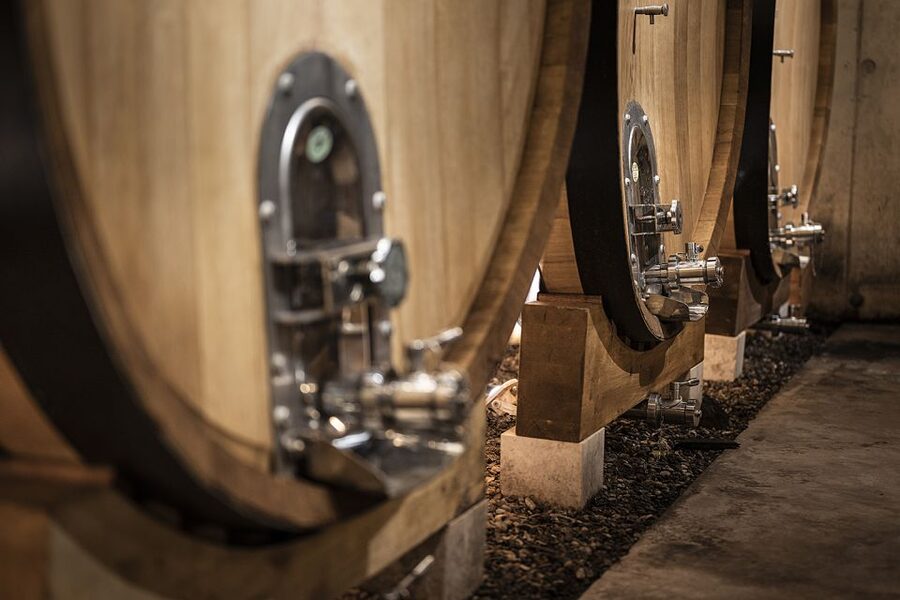
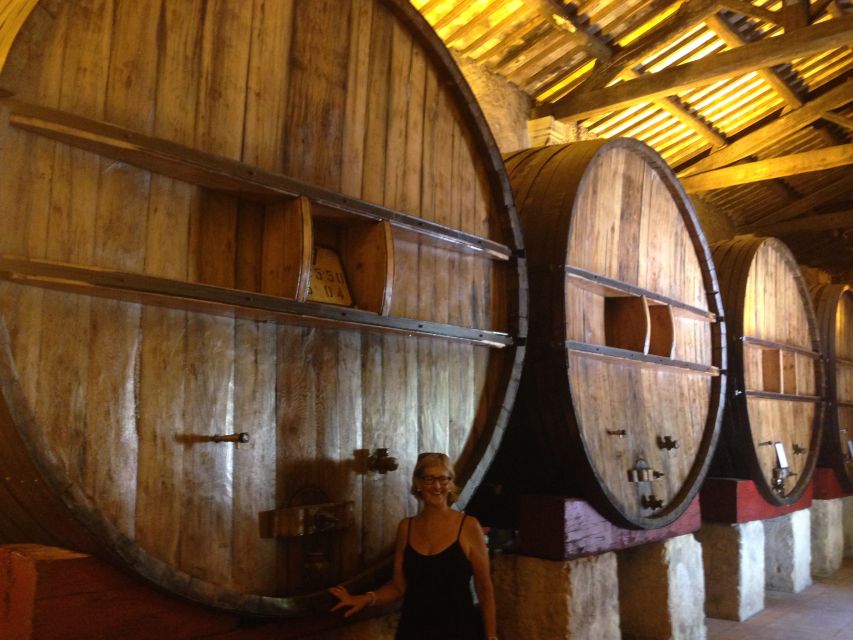
After the estate walk, you move into the practical side of wine production: you visit the vinification cellar and then the oak barrel cellar.
That cellar sequence is useful. Vinification is where your tour learns how grapes become wine, and the barrel room helps you connect that to the flavors you’ll taste right afterward. Even if you don’t consider yourself a wine person, this structure gives you a mental map before you start sipping.
The Wine Tasting: White, Red, and Rosé, With Real Context
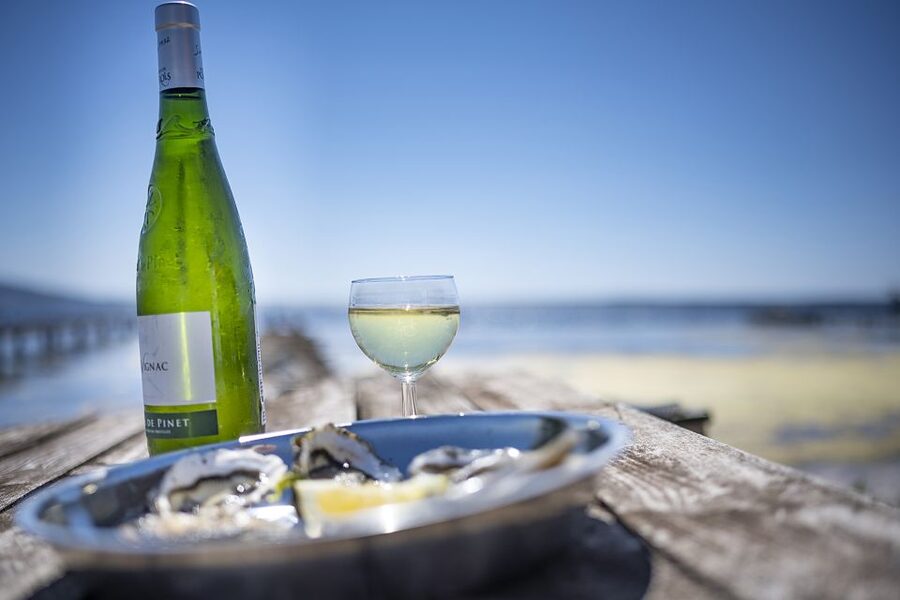
Then comes the tasting: you’ll sample the winery’s range of white, red, and rosé wines. You’re not just tasting blindly. The guide talks through what to notice, so your palate has something to do.
This is also where guide quality matters a lot. Different guides bring different energy, and the strongest part of this tour is how many times the guidance turned into actual learning without feeling like a class. Guides like David, Marc, Mark, Leti, and Nicole have been praised for being friendly and for explaining wine and oyster farming clearly.
Other Montpellier wine visits
- Montpellier: Pic Saint-Loup Wine Tour
★ 4.9 · 243 reviews - Bertrand Bosc wine and food tour in Pic St Loup
★ 5.0 · 242 reviews - Small-Group Half-Day Languedoc Pic Saint-Loup Wine Tour from Montpellier
★ 4.5 · 86 reviews
How to Make the Tastings Work for You
If you want the most out of tastings like this, do something simple:
- Taste in small sips and pause between each one.
- Focus on one thing at a time, like acidity on whites or how oak shows up on certain reds.
- Ask a question about what you liked, not only what you disliked.
That turns a passive sip into a meaningful comparison.
How the Estate Visit Helps You Understand the Oyster Stop
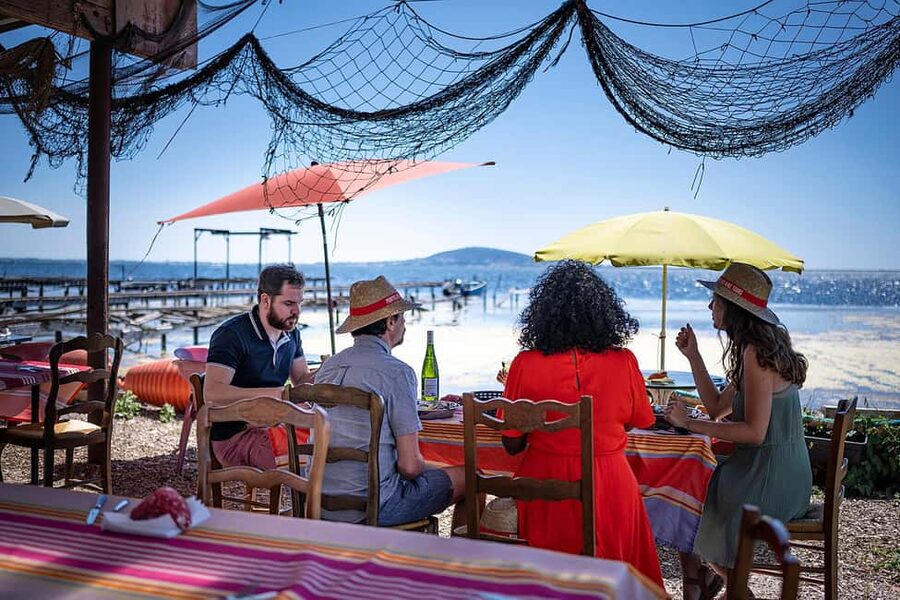
Here’s the quiet payoff of the whole schedule: the day is organized so one taste helps you understand the next. Wine introduces the region’s agricultural logic. The oyster stop then connects that to a different kind of farming that depends on water quality and timing.
It’s not just two random food stops. It’s a themed day with a consistent thread: how locals farm, produce, and serve what they grow.
Stop Two: The Oyster and Shellfish Farm Visit
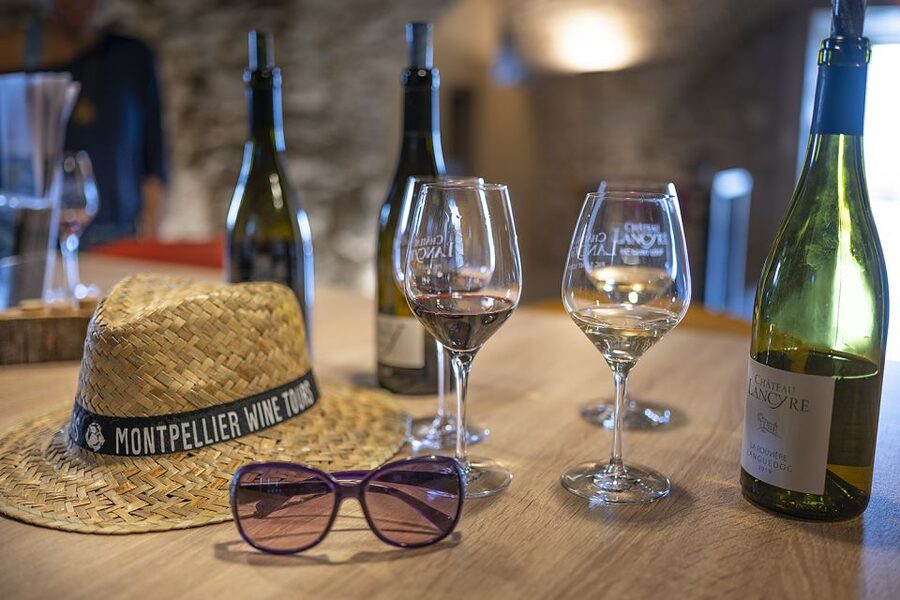
Next you head to an oyster and shellfish farm. This is where the tour becomes a little more unusual than the typical wine outing.
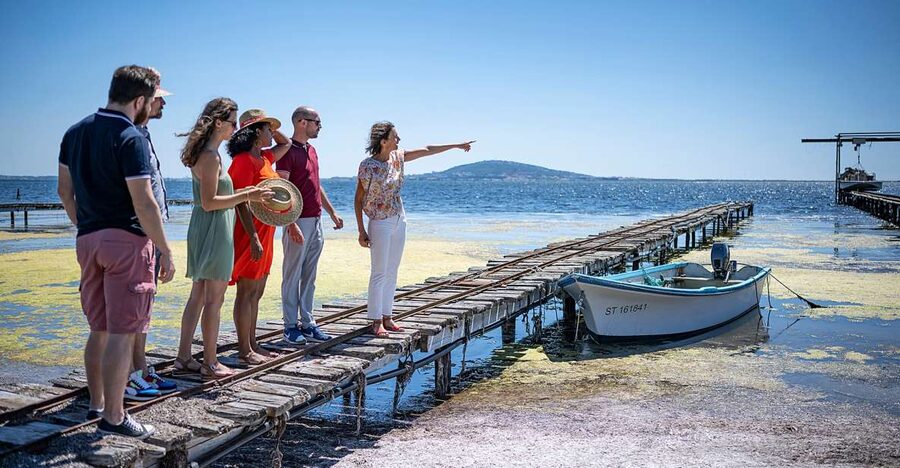
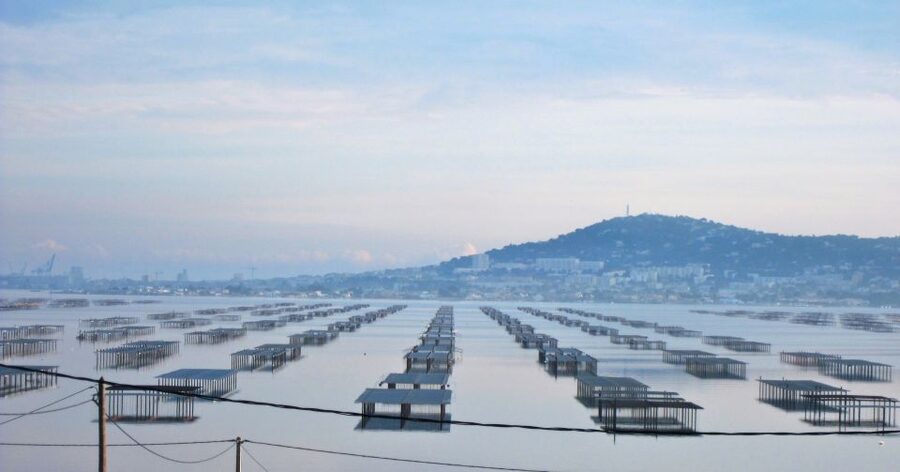
You learn about farming in the Thau Lagoon area, and you get to see how oysters fit into a working water system. The tour also includes the idea that some oysters may still be in the water at the start of your visit, which makes the tasting feel connected to the real world, not pulled from a box.
What Makes an Oyster Farm Visit Different
A restaurant oyster tasting is all about flavor. A farm visit adds:
- the idea of timing (when oysters are ready)
- the importance of water conditions
- the process behind what ends up on your plate
That’s why people consistently call the oyster part a highlight. It’s fun, yes, but it’s also the kind of learning you can use right away, because you can directly connect it to what you taste.
Oyster Tastings: Eat Slowly, Ask What Changes Your Flavor
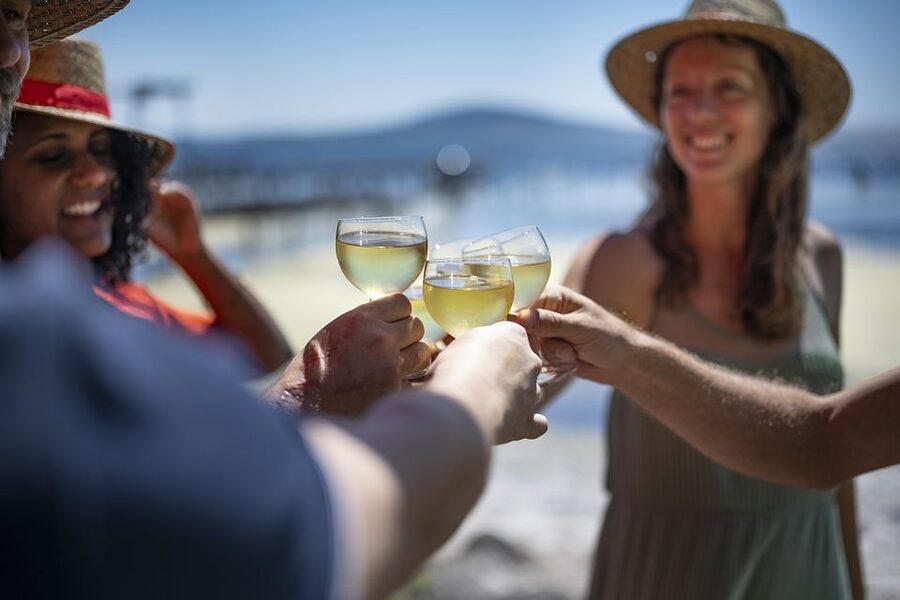
At the tasting stage, your job is simple: let the guide’s info guide your senses.
Try different oysters if they’re offered, and pay attention to small differences. If you’re new to oysters, this is a good place to start because the farm context helps you feel less lost. And if you already like oysters, the farm stop tends to make you more curious, not less.
Also, keep your pace. This is a day with wine and seafood, and the goal is enjoyment, not pushing past your comfort. If you drink wine, sip and hydrate.
Midday Stops and Food Tasting: How They Fit the Day

Between the wine and oyster experiences, you’ll have another van ride and a stop for a food tasting at a special place. The day is built so you aren’t just tasting wine and then jumping straight into seafood without a palate reset.
The food tasting portion has been highlighted as a real favorite, including mentions of guides ordering surprise dishes that tasted delicious. That’s a nice detail because it means you’re not only getting the plan, you might also get small local variations depending on what’s available and how the guide thinks your group will enjoy it.
I like this kind of flexible food moment. It turns the day from a checklist into a lived experience.
Transport Quality: Why It Matters More Than You Think
Transport is included, and it’s one of the most praised parts of the experience. Around 93% of reviewers gave transport a perfect score, which is a strong signal for an activity like this where you want the day to feel smooth.
This tour includes multiple van segments, so comfort and timing help a lot. The roads around Montpellier and toward the lagoon can feel like stop-and-go for visitors, and a good driver and organized timing keeps the day from turning stressful.
Also, the fact that it’s a van tour, not a public transit scramble, makes it more realistic for a wider range of travelers.
Languages and Group Size: Small Enough to Feel Personal
The group is limited to 8 participants, which changes the feel fast. You’re more likely to get answers to questions, and the guide can keep an eye on how the group is doing.
The tour is guided in English and French. One important note: the tour can be bilingual depending on participants. So if you hear some French while you listen to English, it’s not a mistake, it’s part of the flow.
Guides like Leti and Nicole have been praised for making information clear and engaging, and guides like Marc and Mark have been recognized for mixing humor with real insight.
Price and Value: What You’re Really Paying For
At $106 per person for about 3.5 hours, you’re not only paying for tastings. You’re paying for:
- transport out of the city and between stops
- a guide who connects wine production and oyster farming
- multiple tasting experiences tied to the actual production sites
If you were to do this on your own, you’d spend time and money on getting to the wine estate, finding the oyster farm, arranging tastings, and figuring out meal timing. Here, the coordination is handled, and the small group keeps it from feeling like a factory tour.
The big value clue is repeat feedback on the day feeling relaxed and enjoyable, not just packed with stops. It’s also not just about volume, it’s about access, especially with the cellar visits and the farm learning.
What to Bring, How to Pace Your Palate
The tour duration is short enough that you can travel light, but you still want to be ready for an outdoor-to-indoor rhythm: estate paths, farm setting, then tastings.
Bring:
- a light layer (weather can shift around the coast)
- comfortable walking shoes
- water, especially if you’re drinking wine
- a curious attitude, because the guide will have plenty to point out
And pace the tastings. I recommend treating the wine tastings as learning moments, not as a competition. If you taste something you love, ask what made it that way.
Who Should Book This Tour (and Who Might Skip)
This tour fits best if you’re:
- a foodie who wants more than restaurant eating
- curious about how wine and oysters are produced
- someone who likes short, guided experiences with real tastings
- traveling as a small group or as a solo traveler who enjoys meeting people
Skip it if you want a long, slow wine day with no structure, or if you dislike both wine tasting and seafood. This is a flavor-forward outing, not a museum-style stroll.
If you’re celebrating something, it can also work well, because the combination of estate beauty and oyster farm learning feels like a real special day, not a random tour stop.
Should You Book? My Practical Verdict
I’d book this tour if you want a high-value food-and-wine day that feels organized, small-group friendly, and genuinely connected to the land and water behind the flavors. The standout strength is the pairing: wine production context first, oyster farm understanding next, then food tasting to tie the flavors together.
Just be sure to plan around the 10AM start and the exact pickup point at Esplanade de l’Europe near Austra Rocks, since there’s no hotel pickup. If you do that, you’ll be set up for a fun afternoon where you learn a little and eat a lot, without wasting time.
FAQ
What time does the Montpellier Wine and Oyster Tour start?
The guide meets you at 10AM on the Esplanade de l’Europe area (parking in front of the bar Austra Rocks).
How long is the tour?
The total duration is 210 minutes. You’ll head back to Montpellier around 1PM to 1:30PM.
Where do I meet the guide?
You meet at the parking of the Esplanade de l’Europe, in front of the bar Austra Rocks.
Is hotel pickup included?
No. Hotel pick-up and drop-off are not included.
What languages is the guide available in?
The tour is offered in English and French, and it can be bilingual depending on the group.
What’s included in the price?
The tour includes transport, a guide, and wine and oyster tastings. Cancellation is flexible with free cancellation up to 24 hours in advance (as stated in the activity info).
Everything Else Filed Under Montpellier
- Montpellier: Pic Saint-Loup Wine Tour
★ 4.9 · 243 reviews - Bertrand Bosc wine and food tour in Pic St Loup
★ 5.0 · 242 reviews - Small-Group Half-Day Languedoc Pic Saint-Loup Wine Tour from Montpellier
★ 4.5 · 86 reviews - From Montpellier: Half-Day Vineyard & Pic Saint-Loup Tour
★ 4.8 · 61 reviews
The Whole Montpellier Shelf
- Saw2 vs Squid Game – Escape Game Montpellier
★ 5.0 · 752 reviews - Prison Break – Escape game in Montpellier
★ 5.0 · 583 reviews - School of Magic – Escape game Montpellier
★ 4.5 · 536 reviews - Mission Possible – Escape game Montpellier
★ 5.0 · 437 reviews - Montpellier: Pic Saint-Loup Wine Tour
★ 4.9 · 243 reviews
More of the Languedoc
- Saw2 vs Squid Game – Escape Game Montpellier
★ 5.0 · 752 reviews - Prison Break – Escape game in Montpellier
★ 5.0 · 583 reviews - School of Magic – Escape game Montpellier
★ 4.5 · 536 reviews - Mission Possible – Escape game Montpellier
★ 5.0 · 437 reviews - Montpellier: Pic Saint-Loup Wine Tour
★ 4.9 · 243 reviews
The rest of the Montpellier write-ups
- From Montpellier: Half-Day Vineyard & Pic Saint-Loup Tour★ 4.8 · 61 reviews
- Discovery of the Grands Sites de l’Hérault from Montpellier★ 5.0 · 77 reviews
- Private Discovery of Montpellier by Bike-Taxi★ 5.0 · 83 reviews
- The force to escape – Escape game in Montpellier★ 4.5 · 84 reviews
- Small-Group Half-Day Languedoc Pic Saint-Loup Wine Tour from Montpellier★ 4.5 · 86 reviews
- Montpellier: St. Guilhem le Désert and Moureze Day-Trip★ 5.0 · 121 reviews
Montpellier & Languedoc Tours, in full.
 ★ 5.0Saw2 vs Squid Game – Escape Game MontpellierFrom $60752 reviews
 ★ 5.0Prison Break – Escape game in MontpellierFrom $75583 reviews
 ★ 4.5School of Magic – Escape game MontpellierFrom $60536 reviews
 ★ 5.0Mission Possible – Escape game MontpellierFrom $60437 reviews
 ★ 4.9Montpellier: Pic Saint-Loup Wine TourFrom $99243 reviews
 ★ 4.53 Hour of Sea Kayak Trip in the Creeks of SeteFrom $60220 reviews
 ★ 4.8Boat walk in Sete on the singular island 1 hourFrom $23212 reviews
 ★ 4.4La Grande Motte: Le Grau-du-Roi Bay Catamaran CruiseFrom $33168 reviews
Also on these France lists