
Reviewed · FRANCE
Paris: Baking Insider Experience with a Professional Baker
A real French bakery lesson feels like cheating, in the best way. In this small-group class, you learn key techniques like laminating dough and shaping baguettes while a professional baker guides you through the how and the why. You also get tastings along the way, so you connect flavor to technique instead of guessing.
My favorite part is the hands-on pace. You are not watching from the sidelines, and with a max group size of 8 you get personal coaching in a working bakery setting. One thing to consider, though, is the practical setup: there are 15 steps up to the bakery’s 2nd floor with no elevator, and you’ll need to stand for an extended period.
In This Review
- Key Highlights You Will Actually Care About
- Where This Paris Baking Class Fits in Your Trip
- What Happens During the 2-Hour Hands-On Session
- Step One: Getting Oriented in a Working Paris Bakery
- Laminating Dough: The Butter-Layer Skill That Explains Everything
- Bread Basics: Flours, Yeast, and Sourdough, Not Just Recipes
- Shaping Baguettes: How to Make One Look Right and Taste Better
- Croissant Dough and Puffing: The Layers Come to Life
- Tastings Along the Way: How Flavor Ties to Technique
- Small-Group Coaching: Max 8 Means You Get Feedback
- Price and Value: What $108 Buys You in Real Terms
- Who This Class Is Best For
- Before You Go: Stairs, Comfort, and What to Wear
- Should You Book This Paris Baking Insider Experience?
- FAQ
- How long is the Paris baking class?
- What is the group size?
- How much does it cost?
- Is the tour guide available in English?
- Is it suitable for children?
- Are there stairs or accessibility limits?
Key Highlights You Will Actually Care About
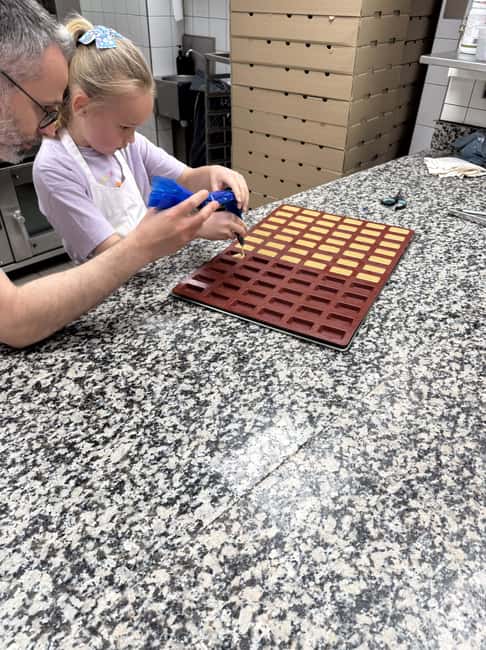
- Max 8 people means you get individual attention while working dough
- Laminate dough skills you can use again at home (not just a one-off trick)
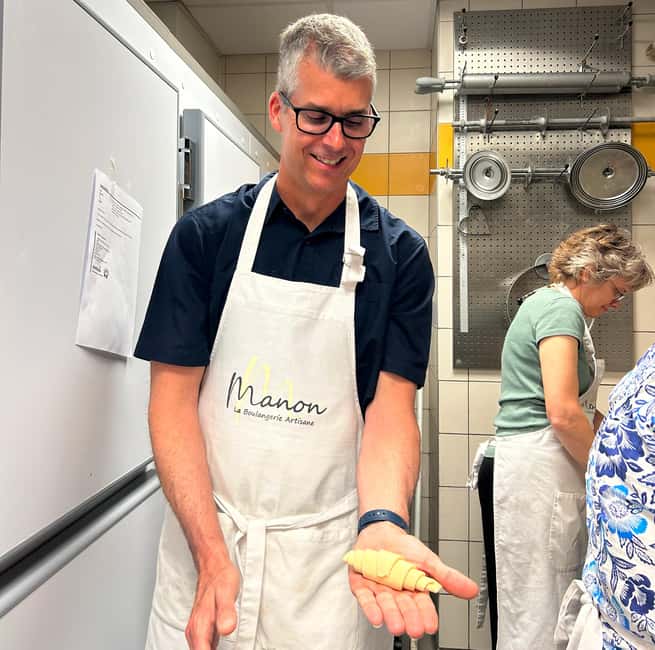
- Baguette shaping practice plus tips for telling different baguettes apart
- Croissant dough handling so you understand puffing and layering
- Sweet and savory tastings tied to what you just learned
- Real Paris bakery workflow with professionals running the shop around you
Where This Paris Baking Class Fits in Your Trip
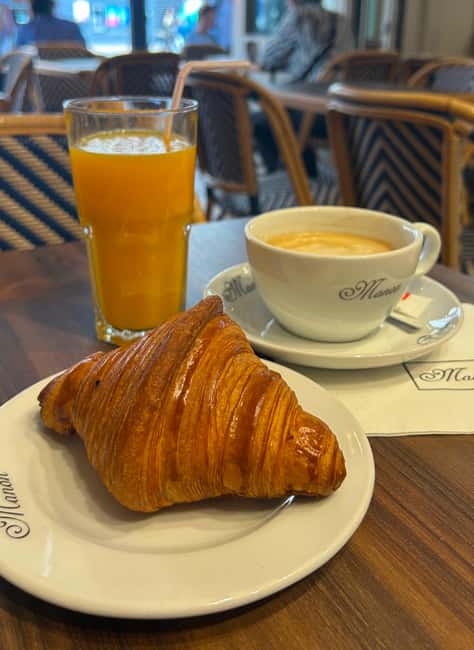
Paris has no shortage of cooking classes, but this one targets the foundation of French baking. Instead of doing one dessert and calling it a day, you learn bread and pastry techniques that explain how French flour, fermentation, and butter work together. That makes the experience useful on more than one level: you leave with skills, and you also leave with better taste.
The setting matters too. You’re working in a traditional bakery environment, not a demo kitchen. That means your “classroom” is a real workspace with professionals in motion, and you learn how routines and timing affect results.
At $108 for about two hours, the price feels reasonable if you want hands-on technique and a guided tasting. This is not just entertainment, and the small group size helps justify the cost because you’re paying for coaching time.
Still comparing options? These are other tours in Paris we have reviewed.




What Happens During the 2-Hour Hands-On Session
You’ll start at a meeting point that can vary by option, and the activity ends back at the meeting point. From there, the rhythm is straightforward: the baker explains a concept, then you practice it with support, then you taste and connect the result to the technique.
While the exact flow can shift by bakery and guide, you can expect a structured progression through classic French items. That typically includes learning about dough ingredients (flours, yeast, sourdough), mastering lamination, shaping a baguette, and working with croissant dough. Along the way, there are tastings in both sweet and savory directions so your senses stay engaged even when dough is resting.
The class is designed for questions, not silence. Because the group is small, you can ask what you’re seeing, why a step matters, and what to do if your dough behaves differently than you hoped.
Step One: Getting Oriented in a Working Paris Bakery
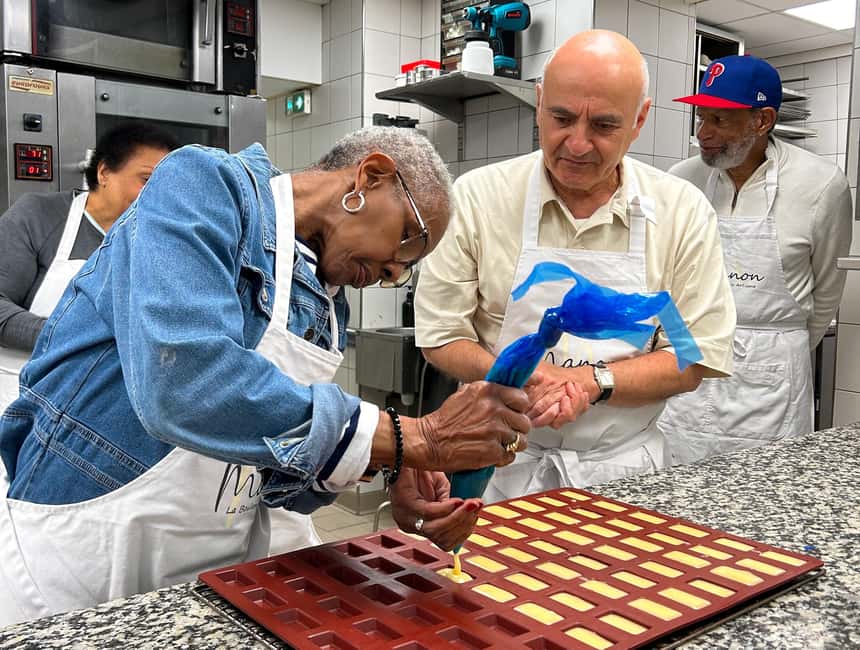
Before you touch dough, you get oriented to how the bakery operates. This part sounds simple, but it’s actually where you learn the mindset behind French bread and pastry. In a working shop, timing is everything, temperatures are controlled on purpose, and tools are chosen for a reason.
You’ll also learn expectations for the hands-on part. For example, you’ll be standing for a while, and the class includes working on dough tasks that require focus and coordination. If you’ve ever baked at home, you know dough rarely cares about your feelings, so the guidance here helps you stay in control.
One practical note that affects your comfort: the bakery meeting point leads to a space on the 2nd floor, reached by about 15 steps, with no elevator. If stairs are a problem for you, this is the main logistical hurdle to plan around.
Laminating Dough: The Butter-Layer Skill That Explains Everything
Laminate dough is the technique behind croissants and many puff pastry styles. Here’s what I like about teaching this early in the class: it gives you a framework you can use across multiple pastries. You learn that you’re not just mixing dough, you’re managing layers.
You’ll practice the core motions of lamination, which is all about keeping butter and dough properly aligned. That’s where many home bakers struggle, because it’s less about strength and more about temperature and timing. Too warm and layers merge. Too cold and dough becomes hard to work.
You’ll also hear stories and context about why these iconic pastries exist and how French bakers perfected methods over time. That matters because it turns “because the recipe says so” into “because the structure needs this behavior.”
If you’ve ever wondered why one croissant tastes richer, flakes differently, or browns faster than another, lamination is the answer hiding in plain sight. When you practice it, you start noticing what good layers look and feel like.
Bread Basics: Flours, Yeast, and Sourdough, Not Just Recipes
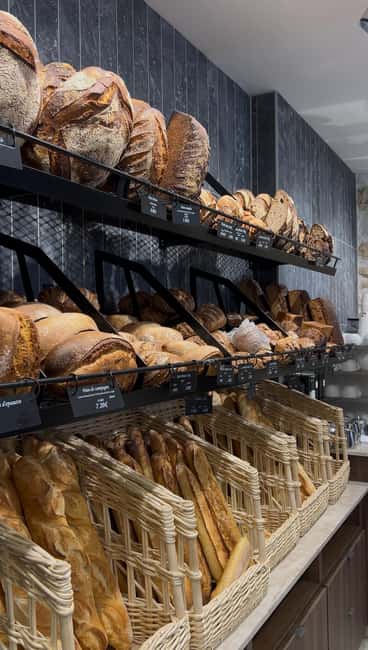
A standout part of this experience is the ingredient education. You’ll learn the difference between bread flours, and you’ll also cover yeast versus sourdough. That’s not trivia. It changes how dough develops, how it tastes, and how it behaves while fermenting.
Even if you don’t plan to bake bread at home tomorrow, this knowledge upgrades your next bakery stop. You’ll start to understand why some breads seem more aromatic, some have a deeper tang, and some taste cleaner or more neutral. And yes, this helps you better compare baguettes, too.
There’s also the “feel” aspect. French bread and pastry are built around texture: crumb, chew, and crust. Learning what each ingredient does makes it easier to predict results. You won’t be stuck thinking you followed the recipe perfectly but still got something wrong.
Shaping Baguettes: How to Make One Look Right and Taste Better
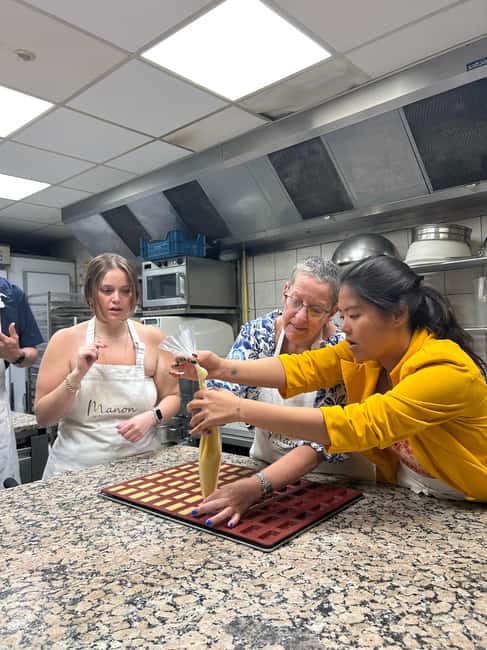
Baguette shaping gets a lot of attention online, but what’s really useful here is the explanation behind the form. You learn baguette-shaping techniques and you also get tips to differentiate one baguette from another. That could mean crust color, scoring style, crumb cues, or fermentation differences, depending on what the baker teaches in that session.
The hands-on part matters. Shaping is one of those skills where your hands learn faster than your brain. When you do it under guidance, you feel what correct tension looks like and how the dough should respond. Then, when you eat, you connect the mechanics to the outcome.
This is also where the class’s small-group structure pays off. With max 8 participants, you can get quick corrections before you build bad habits into your technique.
If you care about bread in a serious way, this section is worth the price by itself. Even a modest baguette effort at home feels more attainable when you understand what the baker is targeting.
- Paris: Louvre Museum Timed-Entrance Ticket
★ 4.6 · 71,977 reviews - Disneyland® Paris 1-Day Ticket
★ 4.6 · 49,412 reviews - Paris: Versailles Palace and Gardens Full Access Ticket
★ 4.6 · 41,579 reviews - Paris: Evening River Cruise with Music
★ 4.4 · 22,721 reviews - Paris: Louvre Guided Tour with Reserved Access & Boat Cruise
★ 4.3 · 16,353 reviews
Croissant Dough and Puffing: The Layers Come to Life
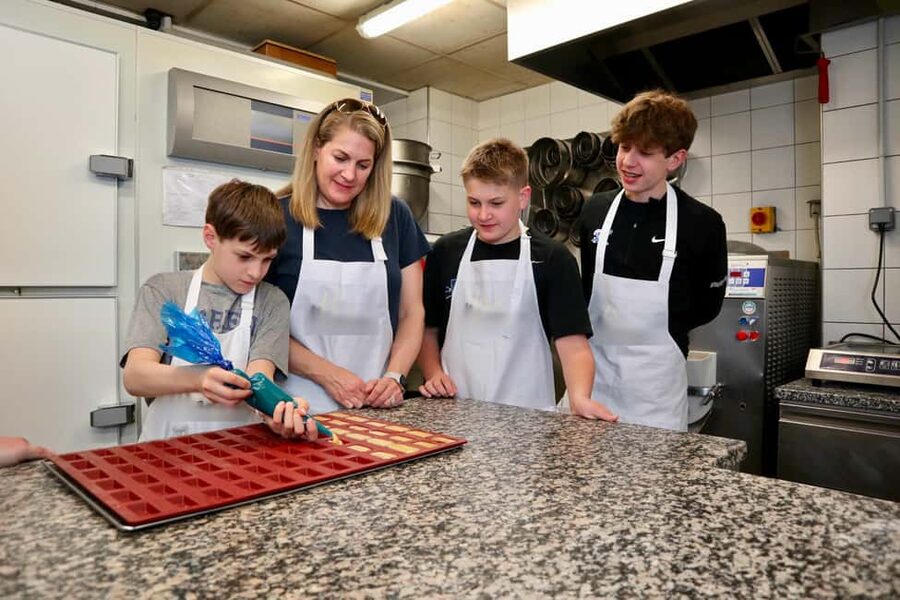
Croissant dough is where “French baking” stops being a vague idea and turns into a hands-on skill. You’ll learn how to puff croissant dough, which is basically learning how to encourage air pockets and expansion through lamination and baking.
You’re also guided through the process of working with croissant dough after lamination. That includes understanding how the dough should be handled and how layers affect the final structure. The concept is simple to say, hard to do. The class keeps it doable by breaking it into steps and giving you coaching while you work.
You’ll hear histories and stories about iconic French treats. That storytelling isn’t fluff. It gives context for why specific methods exist, and it helps you remember the steps when you later attempt something at home.
If you’re the type who likes to understand systems, you’ll enjoy this part. Croissants are a balancing act of fat, dough structure, and time. Once you see how your technique influences the result, it’s hard to go back to treating croissants like magic.
Tastings Along the Way: How Flavor Ties to Technique
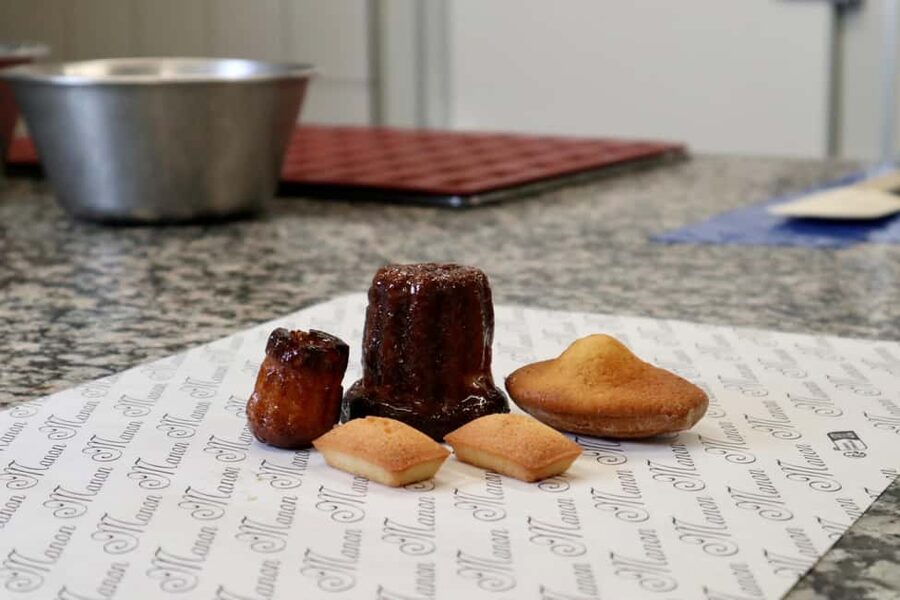
The class includes tastings throughout, covering both sweet and savory French flavors. This is a practical way to train your senses. You taste while your memory is fresh, so you connect what you did in the dough to what you’re eating.
I like that the tastings aren’t only dessert. The contrast between sweet and savory helps you notice differences in fermentation, butter richness, and how salt and acidity shape the finish. You also start to recognize why the same base techniques create very different outcomes depending on ingredients and handling.
If you come hungry, you’ll get what you need. The experience includes snacks, and the overall structure encourages you to eat along the way rather than saving everything for the end.
Small-Group Coaching: Max 8 Means You Get Feedback
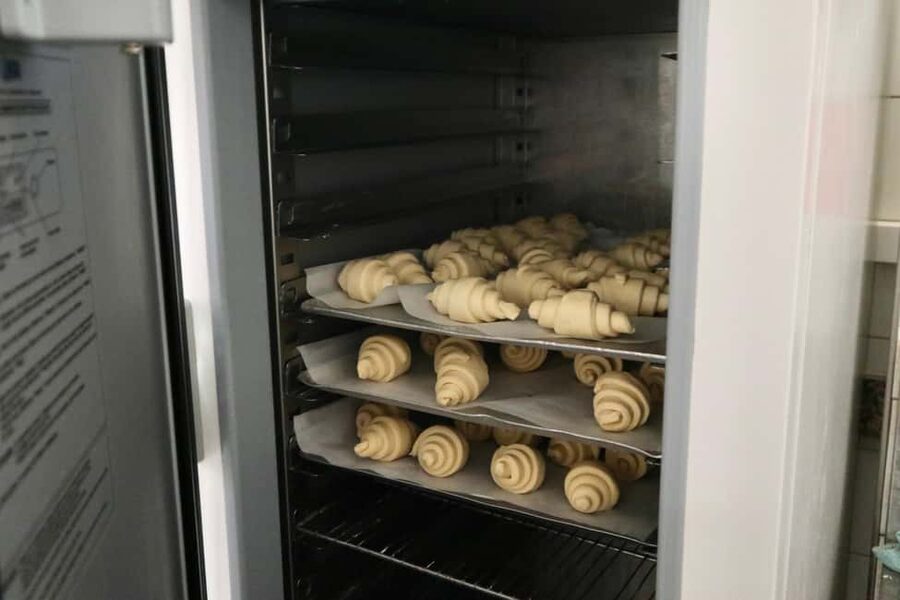
This is capped at 8 participants, which is exactly what you want for dough work. Dough does not behave the same for every person, and it moves on a schedule. Smaller groups allow the guide to notice when your dough is a little too warm, a little too tight, or a little off in shaping.
You’ll also get a live English tour guide. Many sessions are led by professional instructors with names like Pierre, Igor, Jessica, Martin, Candice, David, and Rachel. Whoever you get, the goal is consistent: you’re learning techniques in a real bakery environment, not just hearing about them.
There’s also a social benefit. With a small group, you see different approaches to the same task, and that makes it easier to copy what works. It’s hands-on learning with just enough conversation to keep it fun.
Price and Value: What $108 Buys You in Real Terms
Let’s talk value honestly. At $108 per person for about 2 hours, you’re paying for three things at once:
- A professional baker’s coaching time in a real working bakery
- Hands-on technique instruction that covers multiple classic French items
- Tastings and included snacks tied to what you make
If you only wanted to eat, you could spend similar money on pastries in a department store line. But you’d miss the practical education: lamination, shaping, and dough handling are skills. You also get a small-group size that reduces the “watching” time, which is where many food tours become overpriced.
This class is best value if you plan to be active during the session. If you’re hoping to stand back and take photos, you won’t get the full payoff.
Who This Class Is Best For
This experience is a great fit if you want a hands-on break from the typical sightseeing loop. It works particularly well for:
- Food lovers who like learning the mechanics behind famous pastries
- People who enjoy baking and want guidance on technique
- Families with older kids who can manage standing and stair access
- Couples looking for an activity that feels more personal than a generic tour
You should consider skipping it if you cannot stand for an extended period. It is also not suitable for wheelchair users, mainly because of the 2nd-floor access and stairs.
For kids, the rule is specific: children under 5 are free of charge, but they cannot participate in the hands-on baking due to safety concerns.
Before You Go: Stairs, Comfort, and What to Wear
Plan your clothing like you’re going to work, because you are. You’ll be standing and moving around a working bakery space. Wear shoes with solid grip, and tie back long hair. You’ll be handling dough, and you’ll want to stay comfortable during the standing portion.
Then, plan for the stairs. The bakery access includes about 15 steps to the 2nd floor with no elevator. If you’re traveling with mobility limitations, this is the big factor to weigh before you book.
If you’re traveling with a group, also think about timing and energy. Two hours sounds short until you realize that dough tasks take attention and repeats, and you’ll be standing the entire time.
Should You Book This Paris Baking Insider Experience?
Yes, if you want something practical and distinctly French. This class gives you more than a snack. It gives you technique: lamination, baguette shaping, and croissant puffing, plus ingredient context like flours and yeast versus sourdough. The small group size and hands-on format make it feel worth the time.
I would not book it if stairs and standing are hard for you, or if you want a relaxed sit-down food tasting only. Dough work takes full participation, and the session is built for active learners.
If you’re in Paris and you want to leave with real skills you can use, this is one of the better bets.
FAQ
How long is the Paris baking class?
The duration is 2 hours.
What is the group size?
The class is limited to a small group of up to 8 participants.
How much does it cost?
The price is $108 per person.
Is the tour guide available in English?
Yes, the live tour guide is available in English.
Is it suitable for children?
Children under age 5 are free of charge, but they cannot participate in the hands-on baking experience for safety reasons.
Are there stairs or accessibility limits?
Yes. It requires you to be able to stand for an extended period of time, and there are 15 steps to the bakery on the 2nd floor with no elevator. It is not suitable for wheelchair users.
The Whole Paris Shelf
- Paris: Louvre Museum Timed-Entrance Ticket
★ 4.6 · 71,977 reviews - Disneyland® Paris 1-Day Ticket
★ 4.6 · 49,412 reviews - Paris: Versailles Palace and Gardens Full Access Ticket
★ 4.6 · 41,579 reviews - Paris: Evening River Cruise with Music
★ 4.4 · 22,721 reviews - Paris: Eiffel Tower Entry Ticket with Optional Summit Access
★ 4.4 · 20,035 reviews
The rest of the Paris write-ups
- Montmartre: Guided Tour for Kids and Families★ 4.9 · 57 reviews
- From Paris: Versailles Palace and Gardens Guided Day Trip★ 4.5 · 57 reviews
- Versailles Palace and Garden Tour with Paris Private Transfers★ 5.0 · 58 reviews
- Louvre Evening Escape – Avoid The Crowds! Semi-Private 6ppl Max★ 5.0 · 58 reviews
- Summit Eiffel Tower Audio Guide Tour with Unlimited Time Access★ 4.5 · 58 reviews
- Private Half Day Historic Tour★ 5.0 · 58 reviews