
Reviewed · DESSERT TOURS
Paris: Entrance Ticket to the Chocolate Museum
Chocolate history moves fast here. Le Musée Gourmand du Chocolat turns Paris into a cocoa timeline, with 4,000 years of stories, artifacts, and hands-on tastings inside a compact museum space.
I especially liked the free chocolate samples you can try as you go, plus the way the museum connects what you taste with what you see. You also get virtual chocolate demonstrations featuring 2 Meilleurs Ouvriers de France, so it is not just looking at displays.
One thing to plan for: this is a self-guided visit, so if you want every demo moment, you will need a little flexibility with your timing. Also, the audioguide costs extra, and the hot chocolate stop may have an extra charge depending on how it is served that day.
In This Review
- Key highlights worth your time
- Stepping Into Le Musée Gourmand du Chocolat (and what that means for your day)
- Ticket value: what the $21 entrance price really buys you
- The chocolate timeline: from Olmecs and Aztecs to the Europe that tried (and rejected) cacao
- The part you will actually remember: tastings, praliné, ganache, and chocolate-making demos
- Getting the shiny coat right: why modern chocolate looks and tastes the way it does
- Kids treasure hunt, kid booklet, and keeping adults from getting bored
- Timing: when to go and how to plan around last entry
- Museum shop: what to buy and the best moment to buy it
- Should you book the Chocolate Museum Paris ticket?
- FAQ
- Where is the Chocolate Museum Paris located?
- How long is the experience?
- What is included in the ticket?
- Is the tour self-guided?
- Is an audioguide available, and what does it cost?
- Are there tastings during the museum visit?
- What languages are the museum panels in?
- Is the museum wheelchair accessible?
- Can I bring luggage or large bags?
- What is the last admission time?
Key highlights worth your time
- Tasting-forward visit, with samples and tastings built into the route
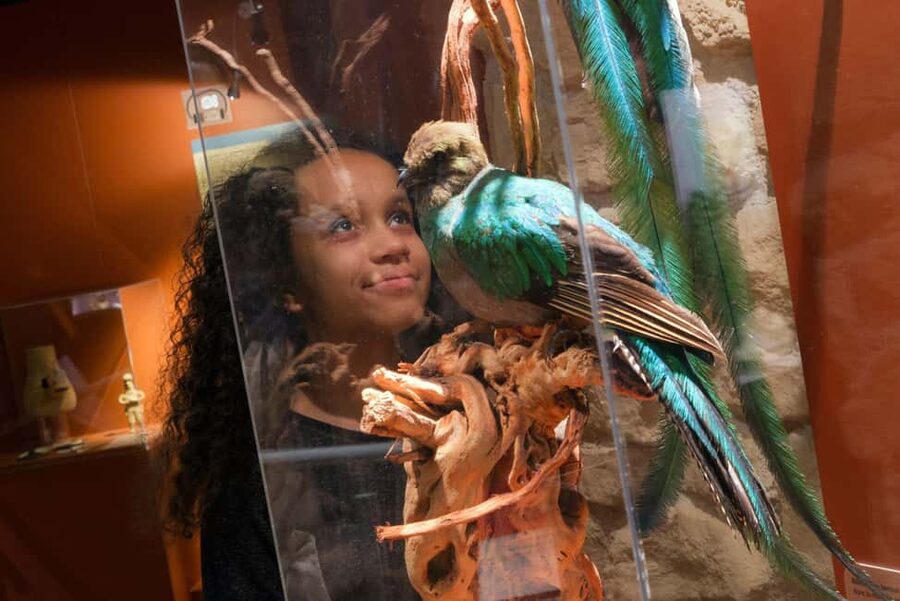
- 4,000 years of chocolate history, told with 1,000+ chocolate-related artifacts
- Virtual demonstrations featuring 2 Meilleurs Ouvriers de France
- Region-by-region chocolate tastings, including Costa Rica, Peru, and Vanuatu
- Praliné and ganache tastings, plus a chocolate-making focus
- Kids get a real mission, with a treasure hunt and kid activities
Stepping Into Le Musée Gourmand du Chocolat (and what that means for your day)
If you want a Paris activity that is equal parts museum and snack break, this one is hard to beat. The Chocolate Museum Paris, Le Musée Gourmand du Chocolat, is at 28 Boulevard de Bonne Nouvelle, 75010 Paris, and it is designed for wandering at your own pace.
You are not committing to a long sit-down tour. This feels more like a chocolate-themed circuit you can complete in a couple of hours, then carry on with the rest of your day in the city. The exhibits cover about 2,789 square feet (850 square meters), so it is not a huge, exhausting maze.
I like that the museum gives you a clear path through time, starting with ancient Mesoamerican cultures and moving forward. The labels are in English, French, and Spanish, so you are not trapped reading only one language.
Plan on stopping to taste more than once, and do not feel rushed. One review said the visit took less than 30 minutes, which tells you it can be done fast, but other people reported spending around 3 hours when they actually read and tasted along the way.
Other Paris musees worth the detour
Ticket value: what the $21 entrance price really buys you
The price listed is about $21 per person for the entrance ticket. What makes this feel like good value is that it is not just entry. Your ticket includes chocolate samples, plus the experience includes a virtual demonstration with 2 Meilleurs Ouvriers de France and a treasure hunt for kids.
You should also know about a couple of add-ons so nothing surprises you. The audioguide is available at the welcome desk for 3 euros per person, and it covers multiple languages (French, English, German, Dutch, Spanish, Italian, Portuguese). If you prefer reading panels, you can skip it, since the descriptive panels are already in English, French, and Spanish.
Then there is the hot chocolate question. Some people loved the hot chocolate at the end, while at least one person noted paying 3 euros per cup. I would treat hot chocolate as a “bonus if offered,” not something to count on as fully included.
Finally, there is the practical stuff. Large bags and luggage are not allowed, so show up with a smaller day bag you can manage inside a museum.
The chocolate timeline: from Olmecs and Aztecs to the Europe that tried (and rejected) cacao
The museum’s big selling point is that it makes chocolate history feel chronological instead of random. You move through displays that cover more than 4,000 years, guided by the idea that chocolate was never just candy. It was ritual, trade, and social status, long before it became a dessert.
Early on, you will see the story start with ancient cultures such as the Olmecs, Mayas, and Aztecs. The exhibits explain how cocoa mattered in ancient rituals, including the mystical side of chocolate culture. If you think you know chocolate only as something sweet, this part gives you a different mental picture.
The museum also touches the European introduction through the 1500s. It highlights how Montezuma is connected to cocoa reaching Europe, and it includes the Christopher Columbus angle. You learn that Columbus was the first European to taste the drink called tchocoatl, and that he did not like it. The result, at least in this telling, was that Europe paid little attention at first.
This historical thread is why this museum works even if you are not a hardcore chocolate expert. It turns “chocolate facts” into a story about cultural change, not just flavors.
The part you will actually remember: tastings, praliné, ganache, and chocolate-making demos
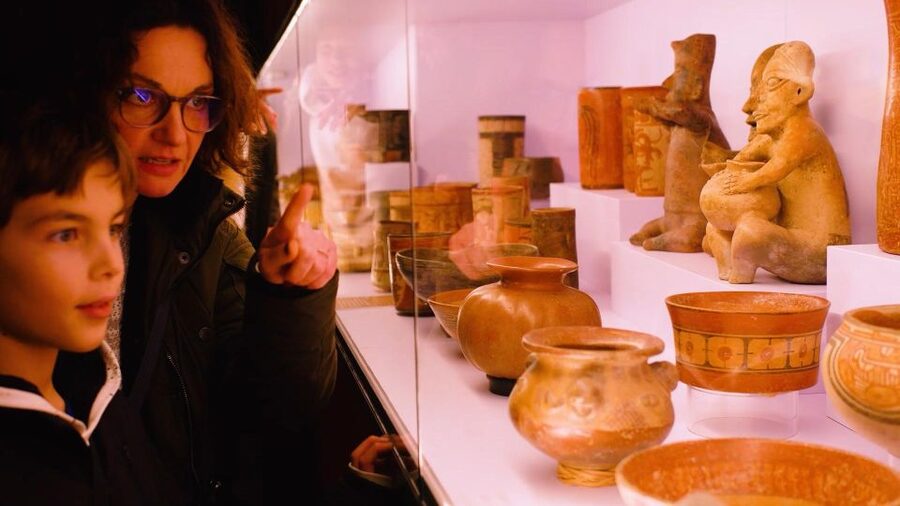
Let’s be honest. You came for chocolate, not scrollwork history panels. The museum delivers on that expectation in a very direct way.
As you follow the self-guided route, you can try chocolate samples. Several people specifically said the tastings were the best part, and that the experience felt worth the money partly because the chocolate kept coming.
A major stop is the chocolate demonstration content tied to 2 Meilleurs Ouvriers de France. Even though the demonstrations are virtual, it still matters because you are learning technique and reasoning, not just branding. It also breaks up the museum walking so you get a moment to sit, watch, and connect what you saw earlier with what you will taste later.
You also learn about making chocolate sweets and get tastings of praliné and ganache. I like this approach because it turns names you often hear in chocolate shops into something sensory. You taste, then you move through the exhibits with those flavors in your mind.
Then comes the regional tasting education. The museum encourages you to notice differences by origin, with tastings described like Costa Rican chocolate with a milky smoothness, Peruvian chocolate with fruit-forward notes, and cocoa beans from Vanuatu with sweet aromas. You are basically training your palate while you walk.
Getting the shiny coat right: why modern chocolate looks and tastes the way it does
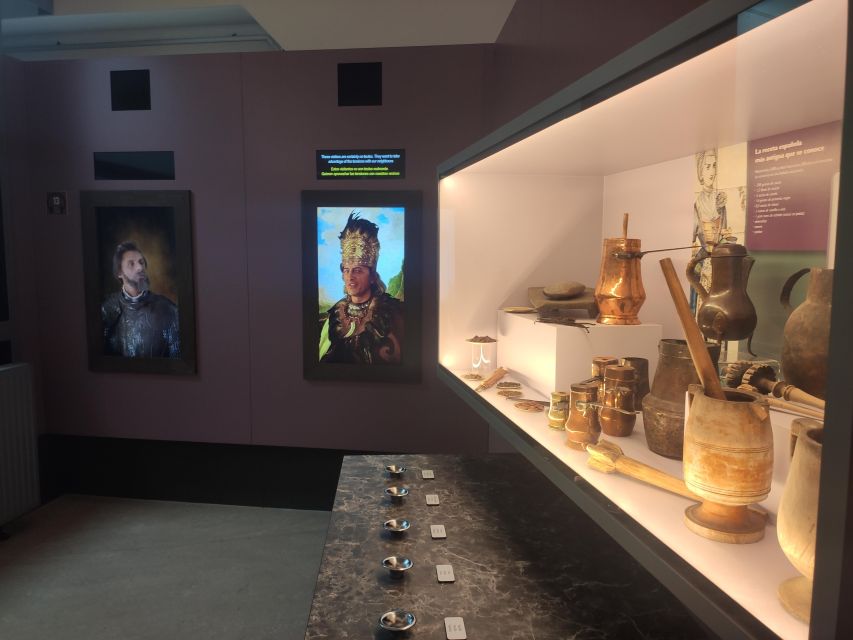
Another reason people enjoy this museum is that it does not pretend chocolate is magic. It spends time on how chocolate becomes what you recognize in modern candy form.
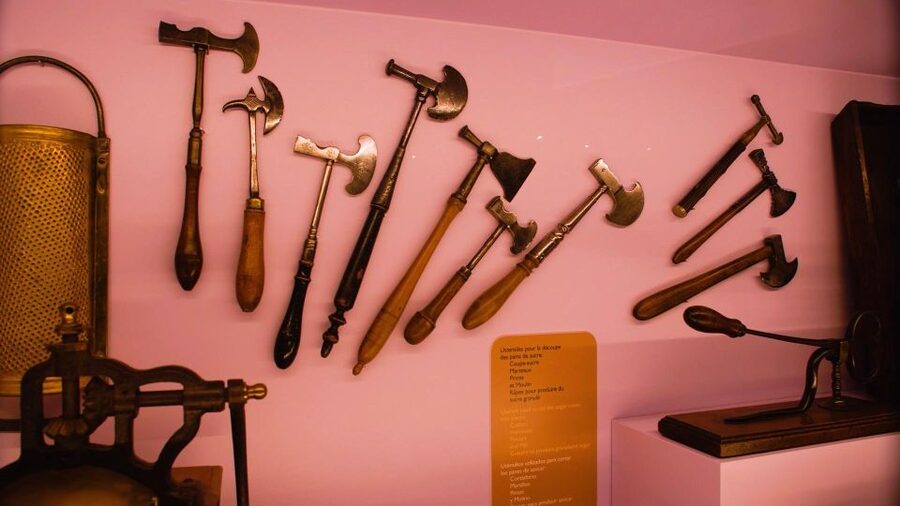
You will see the story shift as the trade and the process become more streamlined in the modern era. Then you get virtual demonstrations aimed at the technical side, including why chocolate treats get that shiny outer finish.
You do not need food-science training to follow along. The value here is practical curiosity. You start asking, Why does that surface look glossy? Why does it melt the way it does? The museum gives you a guided answer, then lets you test it with tastings.
For me, this section is where the museum earns its place in your Paris itinerary. It connects the fun part, tasting, to a real explanation of production and transformation across time. That makes it more satisfying than a “look, taste, leave” experience.
Kids treasure hunt, kid booklet, and keeping adults from getting bored
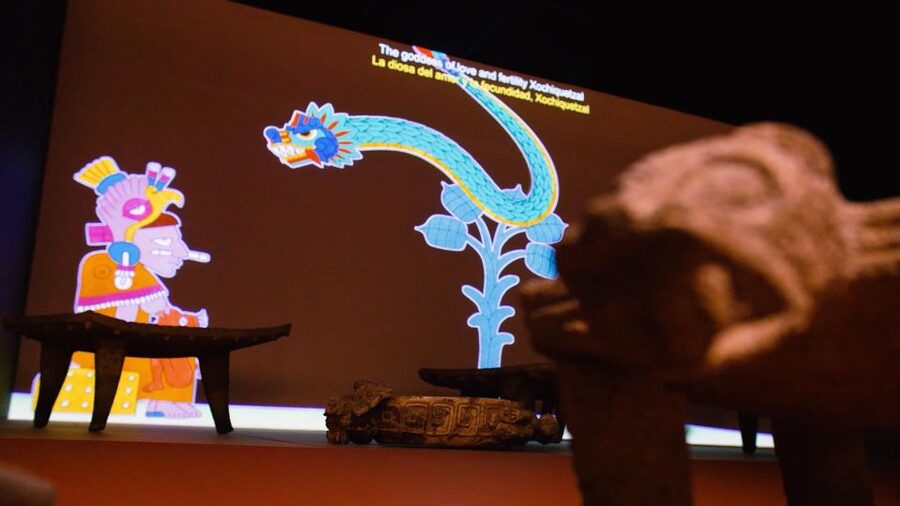
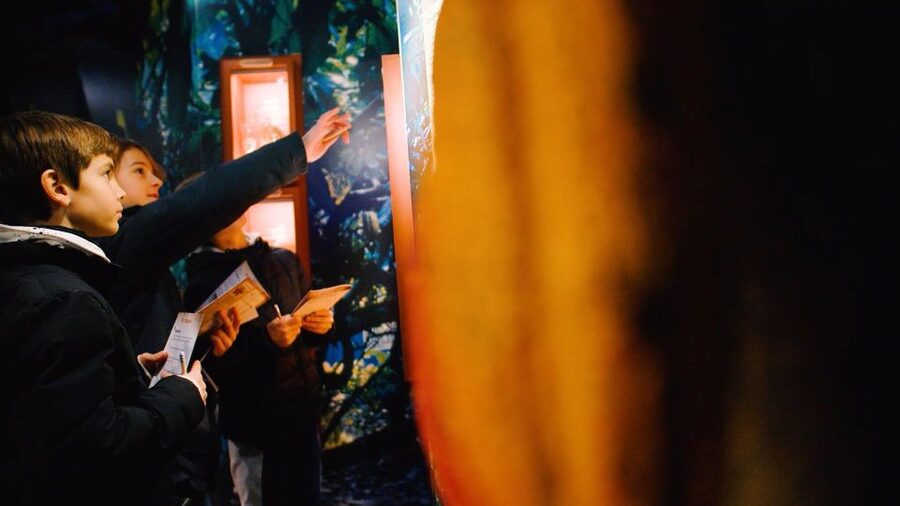
If you are traveling with children, this is one of the easier “yes” decisions in Paris. The museum includes children’s activities, including a treasure hunt. People with kids mentioned that it genuinely kept younger ages engaged, including children around 5 to 8 years old.
One review described the kids’ booklet as a hit, while another mentioned a scavenger hunt with stickers that even pulled in a teenager. That matters. It means the museum is not only entertaining toddlers. It gives structure for older kids too.
Here is how to use it well. Start the treasure hunt early so you build momentum before you snack too much. Then let the kids read the panels that match their clues. If they are enjoying it, you will naturally fill in the adult parts with less effort.
This is also a smart break for parents and grandparents because you are not just watching kids sprint around. You are all inside the same story, with the same tastings and the same “find it and learn it” approach.
More Paris entries to book
- Paris: Louvre Museum Timed-Entrance Ticket
★ 4.6 · 71,977 reviews - Disneyland® Paris 1-Day Ticket
★ 4.6 · 49,412 reviews - Paris: Versailles Palace and Gardens Full Access Ticket
★ 4.6 · 41,579 reviews - Paris: Moulin Rouge Cabaret Show Ticket with Champagne
★ 4.7 · 16,088 reviews - Paris: Montparnasse Tower Observation Deck Entry Ticket
★ 4.5 · 10,532 reviews
Timing: when to go and how to plan around last entry
This is a self-guided experience with flexible pacing, but there is still a key cutoff. The last admission is at 4:30 PM, so do not treat this as a late-afternoon afterthought.
If you want time for tastings, demonstrations, and a relaxed read-through, aim to arrive earlier rather than later. Most people fall into a middle range for time commitment. Some did it in under 30 minutes, while others reported about 3 hours when they actually read and tasted.
Because it is self-guided, you can also adjust if you are traveling with a mix of ages. Kids can move faster between tastings. Adults can slow down for the historical panels and the explanation sections.
One more small planning note: there is an audioguide option at the welcome desk for a fee. If you are language-sensitive or you like a spoken layer while reading, budget that extra time to pick it up.
Museum shop: what to buy and the best moment to buy it
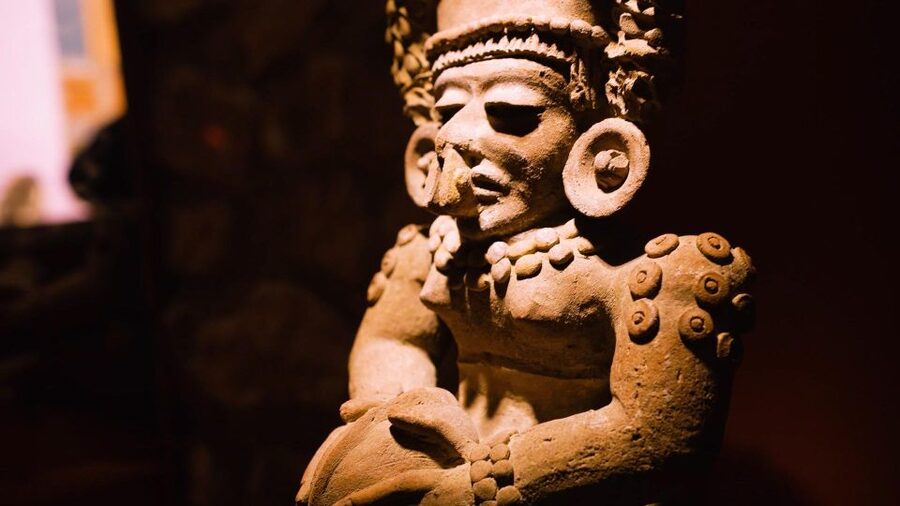
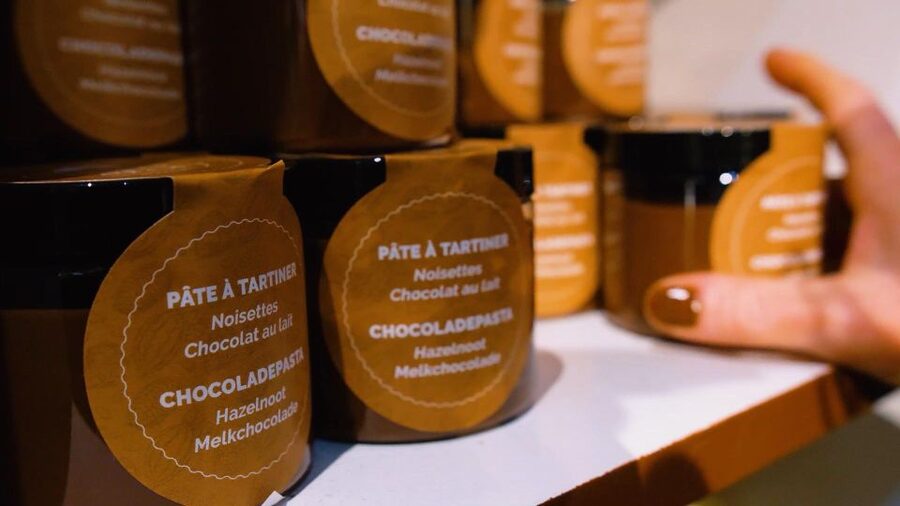
At the end, you can browse the museum shop for books, souvenirs, and chocolate-related products. This is a good place to pick up a small memory that is actually tied to the experience, not just generic Paris trinkets.
Some people said they bought unique items like chocolate molds. You can treat the shop as your “carry-out” moment. Taste first, then shop while your favorites are still fresh in your mind.
Also, because large bags are not allowed inside, keep your shopping light and plan to carry it comfortably. It is easier after the visit when you can leave with less worry about where to stash something.
Should you book the Chocolate Museum Paris ticket?
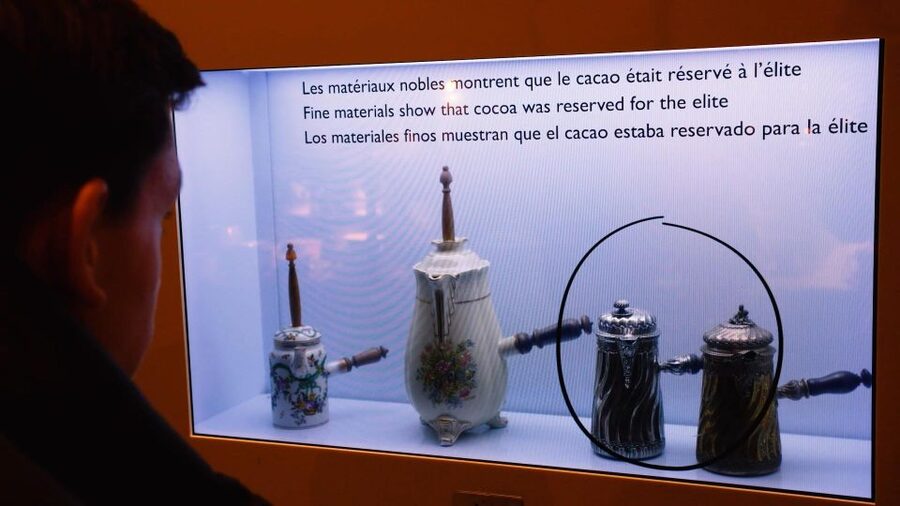
I think you should book this if you fit any of these boxes:
- You want a Paris activity where tasting is part of the structure, not an afterthought
- You are curious about chocolate as a cultural story, not just a sweet treat
- You are traveling with kids and you want an activity that gives them real tasks like a treasure hunt
- You like interactive learning moments, especially the virtual chef demonstration and the tasting stops
I would hesitate if you mainly want a big, sprawling museum day with lots of time to get lost in galleries. This one is compact, and some people complete it quickly. It is also self-guided, so if you prefer a fully guided flow with zero choices, you might want an audio guide or simply accept that you control the pace.
If you go in with expectations set right, this becomes a very satisfying stop in a city full of bigger landmarks. You get history, technique, and a steady stream of chocolate learning, all under one ticket price.
FAQ
Where is the Chocolate Museum Paris located?
The meeting point is the Chocolate Museum (Le Musee Gourmand du Chocolat), 28 Boulevard de Bonne Nouvelle, 75010 Paris.
How long is the experience?
It is listed as a 1-day activity. Many visitors report spending a few hours, depending on how closely they read and how much they taste.
What is included in the ticket?
The entrance fee includes chocolate samples, a virtual demonstration with 2 Meilleurs Ouvriers de France, and a treasure hunt for kids.
Is the tour self-guided?
Yes. The visit is self-guided, and you can pick up an audioguide at the welcome desk.
Is an audioguide available, and what does it cost?
An audioguide is available at the welcome desk for 3 euros per person. It is offered in French, English, German, Dutch, Spanish, Italian, and Portuguese.
Are there tastings during the museum visit?
Yes. The experience includes chocolate samples and tastings, including praliné and ganache chocolate.
What languages are the museum panels in?
The descriptive panels are in English, French, and Spanish.
Is the museum wheelchair accessible?
Yes, the museum is wheelchair accessible.
Can I bring luggage or large bags?
No. Luggage or large bags are not allowed.
What is the last admission time?
The last admission to the museum is at 4:30 PM.
More Paris Entries to Book
- Paris: Louvre Museum Timed-Entrance Ticket
★ 4.6 · 71,977 reviews - Disneyland® Paris 1-Day Ticket
★ 4.6 · 49,412 reviews - Paris: Versailles Palace and Gardens Full Access Ticket
★ 4.6 · 41,579 reviews - Paris: Eiffel Tower Entry Ticket with Optional Summit Access
★ 4.4 · 20,035 reviews - Paris: Moulin Rouge Cabaret Show Ticket with Champagne
★ 4.7 · 16,088 reviews
More Paris Musees to Book
- Paris: Louvre Museum Timed-Entrance Ticket
★ 4.6 · 71,977 reviews - Louvre Museum Masterpieces Guided Tour with Access
★ 4.5 · 12,023 reviews - Paris: Louvre Museum Entry Ticket With Host and River Cruise
★ 4.6 · 9,926 reviews - Les Invalides: Napoleon’s Tomb & Army Museum Entry
★ 4.6 · 9,185 reviews - Louvre Museum – Exclusive Guided Tour (Entry Included)
★ 5.0 · 6,296 reviews
The Whole Paris Shelf
- Paris: Louvre Museum Timed-Entrance Ticket
★ 4.6 · 71,977 reviews - Disneyland® Paris 1-Day Ticket
★ 4.6 · 49,412 reviews - Paris: Versailles Palace and Gardens Full Access Ticket
★ 4.6 · 41,579 reviews - Paris: Evening River Cruise with Music
★ 4.4 · 22,721 reviews - Paris: Eiffel Tower Entry Ticket with Optional Summit Access
★ 4.4 · 20,035 reviews
The rest of the Paris write-ups
- Montmartre: Guided Tour for Kids and Families★ 4.9 · 57 reviews
- From Paris: Versailles Palace and Gardens Guided Day Trip★ 4.5 · 57 reviews
- Versailles Palace and Garden Tour with Paris Private Transfers★ 5.0 · 58 reviews
- Louvre Evening Escape – Avoid The Crowds! Semi-Private 6ppl Max★ 5.0 · 58 reviews
- Summit Eiffel Tower Audio Guide Tour with Unlimited Time Access★ 4.5 · 58 reviews
- Private Half Day Historic Tour★ 5.0 · 58 reviews
Dessert Tours, in full.
 ★ 4.4Paris: Day or Sunset Cruise with Drink, Ice Cream or DessertFrom $224,225 reviews
 ★ 5.0Private Montmartre Food Tour with Wine, Cheese & PastriesFrom $3021,027 reviews
 ★ 4.5Paris French Sweets Tasting Tour with Pastries and ChocolatesFrom $168947 reviews
 ★ 5.0A Morning in Paris Food Tour: Croissants, Baguettes & ChocolateFrom $125556 reviews
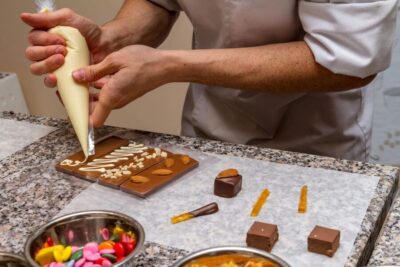 ★ 4.4Paris: 45-minute Chocolate Making Workshop at Choco-StoryFrom $58444 reviews
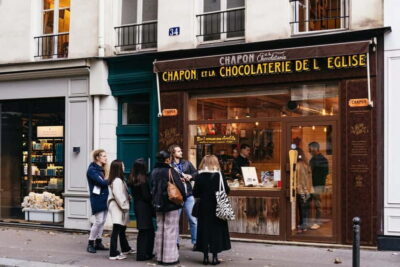 ★ 4.8Paris: Chocolate & Patisserie Walking Tour with TastingsFrom $113397 reviews
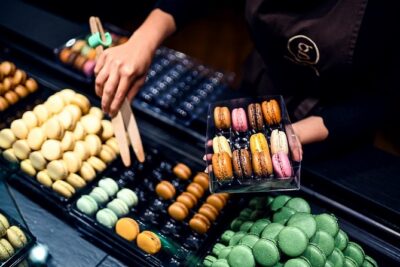 ★ 5.0Paris Chocolate, Macaron & Pastry Food Tour: 10 Gourmet TastingsFrom $118339 reviews
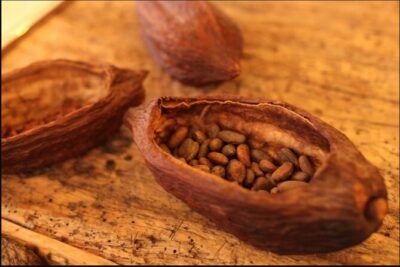 ★ 4.5Saint-Germain The Original Chocolate Tasting Tour with Pastries and MacaronFrom $119215 reviews
Also on these France lists