
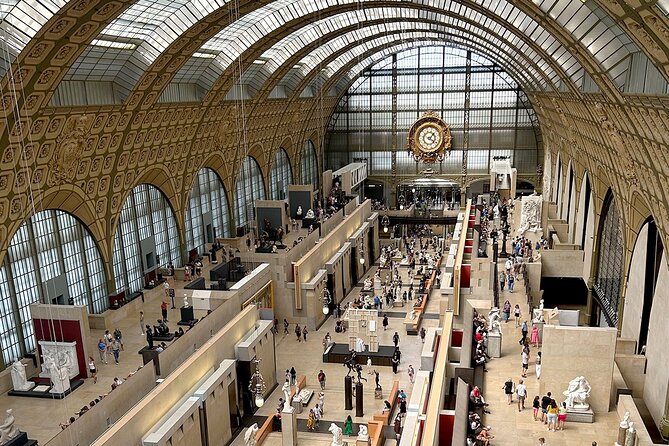
Reviewed · MUSEUMS
Paris Museum Pass: 2, 4, or 6 Days
This pass turns museum chaos into a plan. My favorite part is the coverage, including the Louvre, and the time-saving skip-the-line priority at many stops. The tradeoff is that a few major museums still need advance reservations, and Louvre entry can be tough in peak periods.
What makes it work so well in real life is that you can build your days around your interests instead of buying tickets one by one. You’re also not limited to one neighborhood, since the pass reaches sights in and around Paris, including classic day trips like Versailles.
One more thing I’d flag early: you’ll only get full value if you plan a little. The pass covers a lot, but certain top venues require timed entry, and your “day” is based on consecutive calendar days, not 24 hours from pickup.
In This Review
- Key things to know before you buy
- What the Paris Museum Pass gets you, and what it does not
- Choosing 2, 4, or 6 days: pick your pace, not your wish list
- Pickup near the Louvre: start your sightseeing quickly
- Skip-the-line priority: faster entrances, but not a magic wand
- Your must-book reservations: Louvre, Orangerie, and key add-ons
- Inside Paris: building a smart museum route by area
- The Louvre, Tuileries, and nearby classics
- Sainte-Chapelle and the Latin Quarter feel
- The Left Bank art day: Orsay and beyond
- Montmartre-adjacent? Not in your list, but think museum variety
- Arc de Triomphe and the rest of the top monument lineup
- Outside Paris included: Versailles, Châteaux, and day trips that feel worth the extra train ride
- Versailles and its neighbors
- Saint-Denis, Saint-Germain-en-Laye, and historic France beyond postcards
- Famous names and countryside days
- River cruise add-on: a slower, scenic way to use your pass day
- Cost and value: when $129 makes sense
- Smart planning tips I use so you do not waste your pass days
- Who this pass is for, and who should think twice
- Should you book the Paris Museum Pass?
- FAQ
- How many days is the Paris Museum Pass valid?
- What’s included with the pass?
- Does the pass work for the Louvre and Musée d’Orsay?
- Do I need a reservation for the Louvre?
- Do I need reservations for other museums?
- Where do I pick up the pass?
- Can I start the pass at any time?
- Is Louvre entry guaranteed with the pass?
- Are children and young EU citizens free without a pass?
- Is there a river cruise included?
Key things to know before you buy
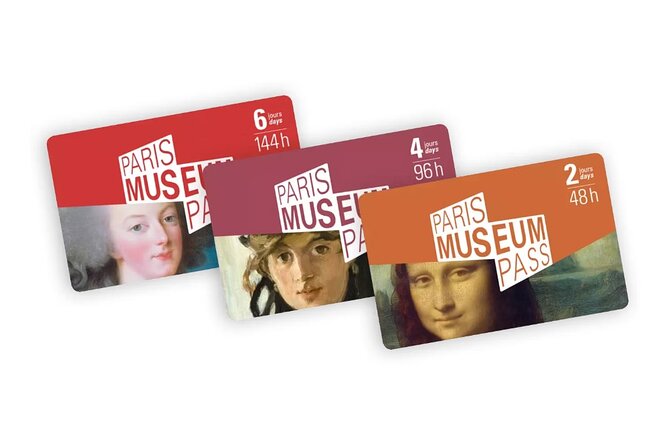
- 60+ included sights: museums and monuments across Paris and nearby towns
- Skip-the-line priority at many popular venues, with less time wasted in queues
- Timeslots still matter for specific museums, including the Louvre
- Pick-up near the Louvre lets you start fast, but you’ll want to arrive prepared
- Choose 2, 4, or 6 days and match the pass length to your sightseeing pace
- River cruise add-on may be available if you select that option
What the Paris Museum Pass gets you, and what it does not
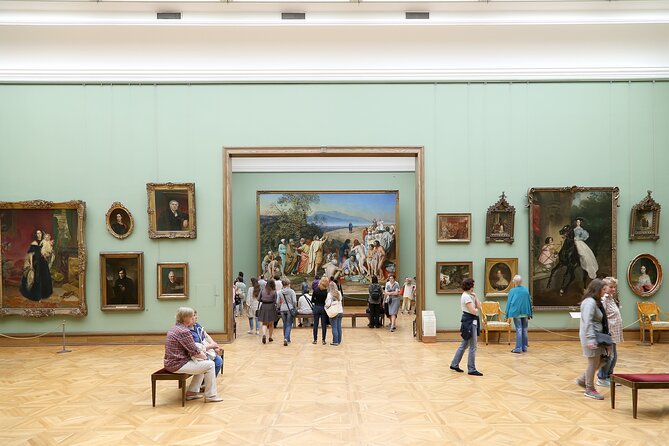
The Paris Museum Pass is basically a sightseeing key. For a set number of consecutive days, you can enter 60+ museums and monuments in and around Paris without paying at each gate. The big names included are the Louvre and Musée d’Orsay, plus major classics like Arc de Triomphe, Sainte-Chapelle, Panthéon, and Musée Rodin.
The pass includes access to the permanent exhibitions. That matters because some sites also have temporary shows, special exhibits, or add-on experiences that may not be covered by the pass.
What it does not do is guarantee you sail through every line. Even with priority entry, some places get so crowded that your experience still depends on timing and your ability to book required reservations.
Other Paris musees worth the detour
Choosing 2, 4, or 6 days: pick your pace, not your wish list
If you’re doing Paris for the first time, I think the pass is most satisfying when it matches how many museums you realistically can handle in a day. Two days is great if your plan is mostly “greatest hits.” Four days is where you start stacking neighborhoods and day trips. Six days is for true art-and-history mode.
A practical way to choose:
- 2 days: Louvre plus one or two other heavy hitters, plus a couple of smaller included museums
- 4 days: Louvre area museums, a Left Bank day, and one day trip (or two medium days)
- 6 days: more museums per day, plus more outside-Paris options like Versailles and Saint-Denis
Remember, the pass days are consecutive calendar days. If you start on your first day at 14:00, that calendar day counts as day 1. This is easy to mess up if you’re arriving late and trying to stretch a short pass.
Pickup near the Louvre: start your sightseeing quickly

You collect the pass at the tour office near the Louvre. It’s open 7 days a week from 9:00 to 16:00, and it’s described as about a 10-minute walk from the Louvre area. Meeting point can vary depending on what you booked, but the key is that you are dealing with a physical pick-up location.
This is one of those details that makes a difference. If you’re landing in Paris and rushing straight to museums, you’ll feel the stress if you haven’t picked up your pass. I like to plan pick-up early in the trip, then go straight into your first major stop.
Also note: some bookings mention an electronic pass experience, but the reliable rule in your materials is that you’ll pick up at the office near the Louvre. I’d plan your schedule based on that, then treat anything digital as a bonus.
Skip-the-line priority: faster entrances, but not a magic wand
The pass gives skip-the-ticket-line benefits and priority entry at many locations. In plain terms, it helps you avoid the worst of the waiting that happens when you show up without timed entry.
In practice, the size of the crowd still matters. The Louvre is the obvious example. Even with the pass, you may face difficulty entering depending on crowds and renovation realities. One Louvre timeslot requirement is also non-negotiable, which means you should treat the pass as part of a planning system, not a replacement for it.
Where you’ll feel the payoff most is when you’re stacking multiple museums in one day. Instead of spending your afternoon buying tickets and searching for entry windows, you spend it walking galleries, then heading to your next stop.
Your must-book reservations: Louvre, Orangerie, and key add-ons
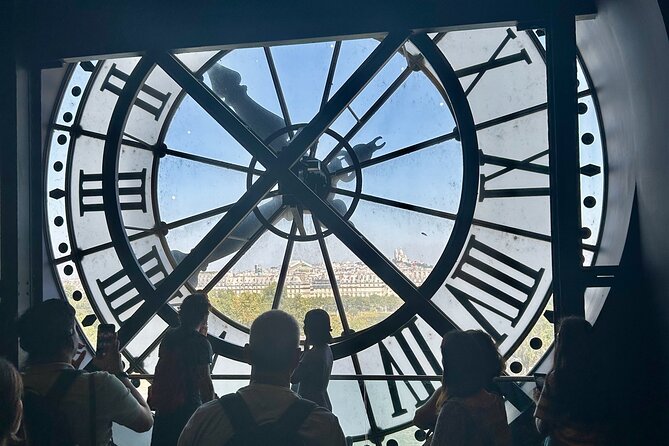
Here’s the big planning checklist. You need advance timeslots for the Louvre to ensure entry. The voucher includes a link to book that time.
Reservations are also mandatory for these included sites:
- Musée de l’Orangerie
- Musée de l’Art et d’Histoire du Judaïsme (Museum of the Art and History of Judaism)
- Hôtel de la Marine
- Cité de l’architecture et du patrimoine
So, how should you handle this? I treat these as “anchor” reservations. Pick your anchor museum first, then build the rest of your day around what you can do before and after your entry time.
One more reality check from how these systems work: even if the pass gives priority, the reservation rules can change how quickly you actually get in. Sainte-Chapelle is another venue that tends to be time-sensitive in high season, so I’d avoid scheduling it as your last stop of the day unless you’re confident your timing is locked in.
Inside Paris: building a smart museum route by area
Because the pass covers so many venues, the best strategy is not to chase everything at once. It’s to group museums that are close enough that you can walk, then take breaks when you feel museum fatigue.
Here are some classic “routes” that fit how Paris lays out:
- Paris: Louvre Museum Timed-Entrance Ticket
★ 4.6 · 71,977 reviews - Disneyland® Paris 1-Day Ticket
★ 4.6 · 49,412 reviews - Paris: Versailles Palace and Gardens Full Access Ticket
★ 4.6 · 41,579 reviews - Paris: Evening River Cruise with Music
★ 4.4 · 22,721 reviews - Paris: Louvre Guided Tour with Reserved Access & Boat Cruise
★ 4.3 · 16,353 reviews
The Louvre, Tuileries, and nearby classics
Start here if you want instant structure to your day. The Louvre Museum is included and timed entry is required, so this becomes your anchor.
Once you’re in the broader Louvre area, you can add:
- Musée national des Arts asiatiques, Guimet
- Les Arts décoratifs
- Musée des Arts et métiers
- Musée de la Monnaie
- Musée du quai Branly
These are the kinds of stops that let you vary your experience. One day might be painting and sculpture, another might shift to decorative arts, science and invention, or collections that are less “tour bus standard.”
Sainte-Chapelle and the Latin Quarter feel
Sainte-Chapelle is included, and it’s one of those churches you visit for the light and the stained glass drama. The tricky part is that it can still be a time-slot and crowd-management challenge in busy periods, so you should keep it high on your list for planning.
Pair it with nearby included sights such as:
- Conciergerie
- Musée national du Moyen Âge, Thermes et hôtel de Cluny
- Panthéon
This is the zone where you feel historic Paris as a set of layers, from medieval remnants to grand monuments.
The Left Bank art day: Orsay and beyond
Musée d’Orsay is included and is usually a big draw. Like the Louvre, it can have lines during peak travel times, but the pass priority can help reduce the pain.
You can also add:
- Musée Rodin
- Musée Picasso Paris
- Musée national Eugène Delacroix
I like this cluster because it gives you different “schools” without moving across the city. One museum can change your mood fast, and that is the whole point of having so many included options.
Montmartre-adjacent? Not in your list, but think museum variety
Your included list leans strongly into major monuments and major museums rather than neighborhoods only locals explore. That’s good for first timers. It also means you’ll likely want at least one “small” included museum day to keep the schedule from feeling like a checklist.
Included smaller or niche options that can break up the pace:
- La Cinémathèque française
- Musée du Cinéma
- Musée de l’Assistance Publique, Hôpitaux de Paris
- Musée Gustave Moreau
If you’re tired of the biggest names, these stops can be a mental reset.
Arc de Triomphe and the rest of the top monument lineup
Arc de Triomphe is included. You also get Musée de l’Armée and Tomb of Napoléon I, both of which pair well if you’re into military and imperial history.
The monument strategy I recommend is simple. Don’t try to do every view platform in one day. Pick Arc de Triomphe as your “big outside moment,” then balance it with a museum afterwards so you don’t end up with all standing around, all the time.
If you also want a “France at street level” experience, Musée des Égouts de Paris is included. It’s not classical art, but it’s memorable and very Paris-specific.
Outside Paris included: Versailles, Châteaux, and day trips that feel worth the extra train ride
One reason the pass is popular is that it doesn’t stop at the city limits. Your included outside-Paris options list is long, and that is where the pass can become a real value play.
Versailles and its neighbors
Musée national des Châteaux de Versailles et de Trianon is included, plus you can visit the château and grounds subject to what’s covered.
One practical note I’d follow from people who used it: the pass does not automatically cover everything at Versailles. In particular, the gardens can require extra payment at the garden gates. Plan your Versailles day assuming you might still pay for certain parts.
Saint-Denis, Saint-Germain-en-Laye, and historic France beyond postcards
If you want a day that feels less like a single ticket line, consider:
- Villa Savoye
- Basilique cathédrale de Saint-Denis
- Musée d’Archéologie nationale de Saint-Germain-en-Laye
- Château de Fontainebleau
- Château de Chantilly
These can give you a different Paris story than the museum-only itinerary.
Famous names and countryside days
Your list also includes:
- Abbaye royale de Chaalis
- Musée et domaine nationaux du Château de Compiègne
- Château de Rambouillet
- Château de Malmaison and Bois-Préau
- Château de Vincennes
If you’re traveling with people who love iconic buildings, these day trips can save the day when you realize you need more than one city block of culture.
River cruise add-on: a slower, scenic way to use your pass day
If you selected the river cruise option, it’s included with the pass. This is a great low-effort pairing because it lets you rest your feet while still seeing big views.
One practical tip: the meeting point can be confusing because river cruise services can differ by operator. When you have your voucher details, pay attention to the company name and the stated meeting location so you don’t end up at the wrong dock.
Timing wise, you’ll usually get the best experience by doing it after you’ve seen a major landmark like the Eiffel Tower area, then letting the cruise close the evening.
Cost and value: when $129 makes sense
At a listed price around $129 per person, the question isn’t whether the pass is “good.” It’s whether it matches your list of paid attractions.
The pass tends to pay off when you plan to visit several included ticketed sites, especially heavy hitters like the Louvre, Orsay, and Versailles, plus a handful of additional included museums. The real savings comes from two places:
- Avoiding separate ticket purchases across many museums
- Losing less time to queues, which means you can actually fit more visits into your limited days
I also like the emotional value. You feel permission to move between museums based on what you feel like, instead of treating each purchase like a decision that locks you in.
Where it can feel weaker is when your travel style is “just two museums.” In that case, buying individual tickets might be simpler and sometimes cheaper. Also, if you don’t want to manage reservations, a pass can become work, not freedom.
Smart planning tips I use so you do not waste your pass days
Here’s how to make the pass feel easy, not annoying:
- Treat required reservations as your first task, before you even design your day. The Louvre timeslot comes first.
- Start your pass usage with a plan for what you’ll do next. Since the days are calendar-based, late starts can shrink your effective time.
- Group museums by neighborhood and accept that museum days are tiring. You’ll see more when you’re not running on fumes.
- Plan for at least one “wild card” museum slot each day, from the included list. That way, if crowds slow you down at one spot, you can switch without losing everything.
- Double-check that what you want is covered as part of permanent exhibitions. Temporary exhibits might not be included.
A small detail from the way people describe pickup and museum flow: it helps to have a simple map or organization system. Not everyone finds the museum list equally easy to scan, so I’d pick your top 8 to 12 before you arrive.
Who this pass is for, and who should think twice
This is ideal if:
- You’re visiting for the first time and want an efficient way to sample a lot of Paris culture
- You already know you’ll hit major museums like the Louvre and Orsay
- You like structure but still want flexibility to choose your next stop
- You want to reduce queue time and spend more time inside
It may be less ideal if:
- Your priority is only a couple of attractions and you don’t want any reservation juggling
- You’re traveling during peak season and hate planning around timed entry systems
- You expect the pass to automatically guarantee entrance at the most crowded sites, without any friction
Should you book the Paris Museum Pass?
If you’re the type who loves stacking museums and you’re willing to do the one essential step, booking required timeslots, I think it’s a strong buy. The ratings reflect that reality, with an average around 4.1 from thousands of reviews, and the consistent theme is time saved and fewer hassles than buying tickets one at a time.
My final advice: only buy the length that matches your sightseeing rhythm. Two days works for a highlight reel. Four and six days give you real freedom to roam the included lineup and actually use the pass to its full potential.
If you can’t commit to timed reservations for key museums, or you’re only aiming for one or two big stops, you might be happier buying individual tickets instead.
FAQ
How many days is the Paris Museum Pass valid?
You can choose a pass for 2, 4, or 6 days.
What’s included with the pass?
It includes free admission to over 60 museums and monuments in and around Paris, plus priority entry and access to permanent exhibitions at the museums.
Does the pass work for the Louvre and Musée d’Orsay?
Yes, the Louvre and Musée d’Orsay are included.
Do I need a reservation for the Louvre?
Yes. To ensure entry to the Louvre, you need to book a timeslot in advance using the link provided on your voucher.
Do I need reservations for other museums?
Reservation is mandatory for the Orangerie, the Museum of the Art and History of Judaism, Hôtel de la Marine, and the Cité de l’architecture et du patrimoine.
Where do I pick up the pass?
You collect it at the tour office near the Louvre. It is open 7 days a week from 9:00 to 16:00.
Can I start the pass at any time?
You can start when you begin using it, but the pass days are consecutive calendar days. If you start at 14:00, that day counts as day 1.
Is Louvre entry guaranteed with the pass?
No. Due to renovation works and the high number of visitors, entry to the Louvre cannot be guaranteed.
Are children and young EU citizens free without a pass?
Public museum entrance is free for children under 18 and for EU citizens under 26. Even then, museums may still request a time slot booked for entrance.
Is there a river cruise included?
A river cruise is included if you select the option.
More Paris Musees to Book
- Paris: Louvre Museum Timed-Entrance Ticket
★ 4.6 · 71,977 reviews - Louvre Museum Masterpieces Guided Tour with Access
★ 4.5 · 12,023 reviews - Paris: Louvre Museum Entry Ticket With Host and River Cruise
★ 4.6 · 9,926 reviews - Les Invalides: Napoleon’s Tomb & Army Museum Entry
★ 4.6 · 9,185 reviews - Louvre Museum – Exclusive Guided Tour (Entry Included)
★ 5.0 · 6,296 reviews
The Whole Paris Shelf
- Paris: Louvre Museum Timed-Entrance Ticket
★ 4.6 · 71,977 reviews - Disneyland® Paris 1-Day Ticket
★ 4.6 · 49,412 reviews - Paris: Versailles Palace and Gardens Full Access Ticket
★ 4.6 · 41,579 reviews - Paris: Evening River Cruise with Music
★ 4.4 · 22,721 reviews - Paris: Eiffel Tower Entry Ticket with Optional Summit Access
★ 4.4 · 20,035 reviews
The rest of the Paris write-ups
- Montmartre: Guided Tour for Kids and Families★ 4.9 · 57 reviews
- From Paris: Versailles Palace and Gardens Guided Day Trip★ 4.5 · 57 reviews
- Versailles Palace and Garden Tour with Paris Private Transfers★ 5.0 · 58 reviews
- Louvre Evening Escape – Avoid The Crowds! Semi-Private 6ppl Max★ 5.0 · 58 reviews
- Summit Eiffel Tower Audio Guide Tour with Unlimited Time Access★ 4.5 · 58 reviews
- Private Half Day Historic Tour★ 5.0 · 58 reviews
Museums, in full.
 ★ 4.6Paris: Louvre Museum Timed-Entrance TicketFrom $2671,977 reviews
 ★ 4.5Louvre Museum Masterpieces Guided Tour with AccessFrom $8612,023 reviews
 ★ 4.6Paris: Louvre Museum Entry Ticket With Host and River CruiseFrom $1009,926 reviews
 ★ 4.6Les Invalides: Napoleon’s Tomb & Army Museum EntryFrom $209,185 reviews
 ★ 5.0Louvre Museum – Exclusive Guided Tour (Entry Included)From $1816,296 reviews
 ★ 4.6Paris: Louvre Museum Hosted Entry and Mona Lisa AudioguideFrom $815,235 reviews
 ★ 4.7Paris: Louvre Museum Tour Mona Lisa & Iconic MasterpiecesFrom $794,536 reviews
 ★ 4.6Louvre Museum: Skip-the-Line Small Group Guided TourFrom $1143,960 reviews
Also on these France lists