
Reviewed · TICKETS
Paris: Paris Zoological Park Entrance Ticket
One zoo in Paris that feels like a world tour. The five biozones take you from Africa to Patagonia and the Amazon, and I like how it turns animal viewing into an easy walk-through experience. The second win for me is the close-up, family-friendly setup with healthy-looking animals and lots of places to pause. One note to plan for, a photo shoot in progress in parts of the park can interrupt the calm in that moment.
I also enjoy that this zoo is refurbished, with two years of upgrades finished in 2014. Expect a clean, well-signposted park with the kind of variety that works for kids and adults who want more than one exhibit. If you are thinking you will do it fast and leave, you will probably find yourself lingering.
You can treat this like a half-day outing or a slow full-day stroll. I suggest budgeting 3 to 4 hours minimum, and if the weather cooperates, give yourself extra time for shade, seating, and any shows or feedings you catch.
In This Review
- Key things to know before you go
- Paris Zoological Park across five biozones, not just one enclosure
- Price, tickets, and timing so you do not feel rushed
- Entering through the separate entrance and finding your rhythm
- African Zone: lions, giraffes, zebras, and the big-animal anchor
- Europe Zone with wolves, lynxes, and otters for a cooler vibe
- Madagascar and the in-between stops that make the zoo feel bigger
- Amazon zone: jaguars, monkeys, macaws, plus rainforest-style surprises
- Patagonia zone: penguins, pumas, and pudus for the contrast effect
- What you might see beyond the headline animals
- Shows, feeding moments, and how to plan for animal activity
- Food, comfort, and getting real value out of a zoo day
- Where this fits in your Paris trip
- Who should book this ticket, and who might want a different plan
- Should you book Paris Zoological Park?
- FAQ
- Where is Paris Zoological Park located?
- How much is the entrance ticket?
- Is food and drink included?
- How long should I plan to spend at the zoo?
- What animals and zones should I expect to see?
- Can I skip the line?
- What should I bring?
- When is the last time I can enter?
Key things to know before you go

- Five biozones, one ticket: Europe, Africa, Madagascar, Patagonia, and the Amazon let you “travel” without the jet lag.
- City-friendly layout: You can get lots of variety without walking for days, and the park is signposted well.
- African highlights on display: Lions, giraffes, and zebras are part of the African zone’s core draw.
- South America and polar favorites: The Amazon brings jaguars, monkeys, and macaws, while Patagonia has penguins, pumas, and pudus.
- Expect small animals too: Birds, lizards, snakes, tarantulas, frogs, fish, plus mammals big and small show up around the zones.
- Bring a camera: It is one of those places where you actually want pictures, and you will likely use them.
Paris Zoological Park across five biozones, not just one enclosure

Paris Zoological Park (formerly Bois de Vincennes Zoological Park) is set up like a mini planet tour. Instead of a straight line of disconnected cages, you move through biozones that shift the scenery and the animal mix as you go. You start with familiar big species and then you get pulled into the weird and wonderful details, birds and reptiles, animals you do not see in everyday city life.
What makes this especially good in Paris is the “fit.” You are not fighting your way across the city for a zoo-day that feels too long or too far. The park sits at the intersection of Avenue Daumesnil and Ceinture du Lac in the 12th arrondissement, which makes it a realistic plan between museums, parks, and long walking days.
And because it was refurbished with two years of upgrades completed in 2014, the park experience feels updated. It reads as a modern zoo that still keeps the family-friendly ease. In practical terms, that means fewer moments where you feel lost or stuck waiting, more moments where you are simply walking, looking, and taking photos.
More Paris entries to book
Price, tickets, and timing so you do not feel rushed
The entrance ticket price is about $25 per person, and in a city like Paris, that is the kind of rate that makes sense if you want a guaranteed “day out” without a big commitment. You are paying for a lot of walking and lots of different animals, not a single signature exhibit.
Two timing things matter. First, your ticket is valid for 700 days, so you can choose a calmer day instead of forcing a visit on the first available date. Second, the last admission is 1 hour before closing. That is not a minor detail, because it changes how you pace the last part of your walk. If you stroll slowly at the start, you will want to pick up the pace near the end so you are not cutting off the final zones.
Also note the ticket offices close 1 hour before the park closes, so do not plan to handle everything at the last minute. If you have any rental or loan equipment, it has to be returned no later than 30 minutes before closing.
Entering through the separate entrance and finding your rhythm

One small perk that makes the day smoother is skip-the-line entry through a separate entrance. When you are traveling with kids, or when you are simply tired from the rest of Paris, fewer queues feel like a real upgrade.
Once you are inside, the best strategy is simple: start with the zone that excites you most, but do not lock yourself into a strict order. The park is broken into clear zones, and it is signposted well enough that you can adjust based on what you see active and comfortable. I like that kind of flexibility. It keeps the day from feeling like a checklist.
Also plan for walking and weather. Summer heat comes up in people’s feedback, and shade is available, plus there are benches along the way. That matters because this is not a “quick peek and go” kind of place. You will want downtime, especially if you are visiting with children.
African Zone: lions, giraffes, zebras, and the big-animal anchor

If you like the classic zoo feel, the African zone is your anchor. This is where you should expect lions, giraffes, and zebras, plus more beyond those headline animals. The design intent here is clear: you get a strong first impression and then you build momentum into the less expected zones.
For families, this is a smart starting point. Kids usually latch onto the big, instantly recognizable animals first, and once they are engaged, they are more likely to keep looking when you turn toward birds, reptiles, and smaller species.
For photos, this zone tends to work well because big animals create strong visual moments. Even if your camera is basic, lions and giraffes give you a straightforward subject. Just remember that animal behavior can be slow, especially during hot hours, so bring patience, not just expectations.
Europe Zone with wolves, lynxes, and otters for a cooler vibe
After the African zone, the Europe zone shifts the mood. Here you are looking for wolves, lynxes, and otters. I like this part of the route because it gives contrast. You are not repeating the same animal shapes and sounds, you are changing geography and animal types.
This is also where you might catch a different style of enclosure experience. Otters are often active around water, and that can create the kind of “stand right here” viewing that is great for families. If you have older kids who love spotting patterns and behaviors, wolves and lynxes can reward that attention.
One practical tip: do not rush this zone. If you catch animals resting early, give it a bit. Walk a little, come back. The best moments often happen after you have stopped scanning for the big quick action and started looking for small behaviors.
Madagascar and the in-between stops that make the zoo feel bigger
The park includes a Madagascar biozone, which helps the visit feel like a genuine “world map” loop instead of a few country labels stuck to fences. While the provided highlights focus more on the other zones for named species, the whole point of Madagascar in this layout is variety in scenery and animal categories.
This is also where you can notice that the zoo is not just built for mammals. You have birds, reptiles, and other smaller creatures showing up across the zones. So even if your must-see animals are in Africa, Patagonia, or the Amazon, Madagascar is often the part that keeps the day interesting when you are not locked onto one species.
If you like zoos that feel like an open-air learning day, Madagascar is a good chapter. It breaks up the routine and gives your feet a chance to walk through different themes instead of repeating similar paths.
- Paris: Louvre Museum Timed-Entrance Ticket
★ 4.6 · 71,977 reviews - Disneyland® Paris 1-Day Ticket
★ 4.6 · 49,412 reviews - Paris: Versailles Palace and Gardens Full Access Ticket
★ 4.6 · 41,579 reviews - Paris: Evening River Cruise with Music
★ 4.4 · 22,721 reviews - Paris: Louvre Guided Tour with Reserved Access & Boat Cruise
★ 4.3 · 16,353 reviews
Amazon zone: jaguars, monkeys, macaws, plus rainforest-style surprises
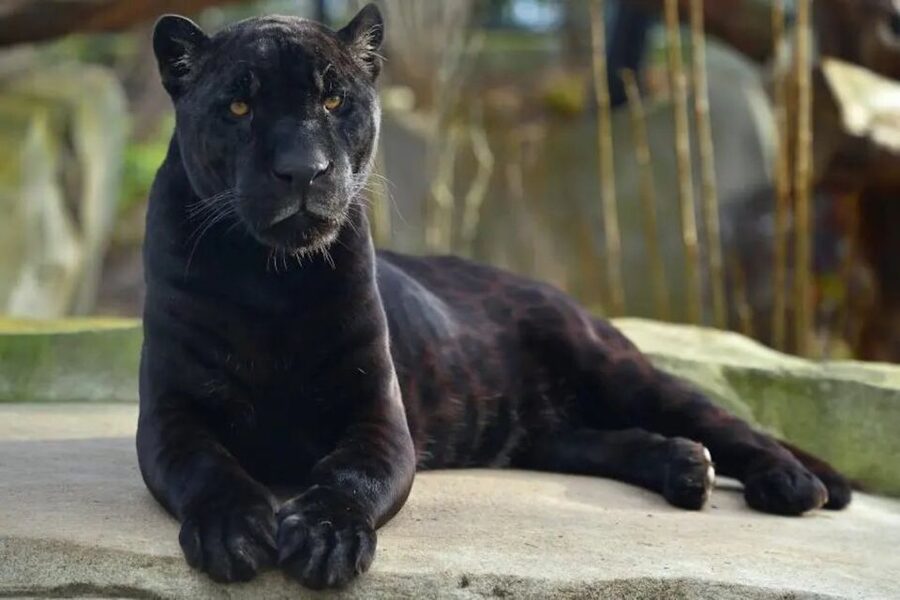
The Amazon zone is a highlight for a reason. Expect jaguars, monkeys, and macaws, and be ready for more than just the simple headline list. One review noted a rainforest area with caimans, sloths, and anacondas, and that kind of mix is exactly what makes this part of the park feel like a real themed environment rather than a set of separate exhibits.
If you are traveling with children, this zone often wins because it feels like a story. Jaguars and monkeys give you action potential. Macaws bring color. Then the reptiles and rainforest-style elements add the “wait, that is here?” factor.
A good way to enjoy this zone is to slow down and let your eyes adjust. In themed zoo spaces, your first glance often shows the big animals, but your best moments can be the smaller movements: a bird shifting position, a reptile hidden in a shaded area, or a subtle change in how an animal is positioned.
Patagonia zone: penguins, pumas, and pudus for the contrast effect
Patagonia is your “south” stop and a nice counterweight to the Amazon. The highlights call out penguins, pumas, and pudus. That lineup is a good reminder that the park does not just do big cats and farm-style animals. Pudus are especially interesting because they are not animals many people expect to see in Paris.
This zone also offers contrast in how you experience the walk. You are moving from rainforest vibes to a cooler-feeling animal mix. Even if you are visiting during a warm season, the themed setup and the animal categories help your brain treat it as a new environment.
For value, Patagonia matters because it broadens your “I saw a zoo” outcome. You leave with the big wildlife moments like penguins, plus more unusual species like pudus, so the day feels more varied than a typical city zoo visit.
What you might see beyond the headline animals
The park is not limited to the named species per zone. You can also find birds, lizards, snakes, tarantulas, frogs, fish, and mammals of all sizes. This matters because it changes how you experience the zoo if you are traveling with mixed ages.
Kids sometimes get bored when they see the same type of animal repeatedly. Adding reptiles, amphibians, and birds breaks that rhythm. Adults get their own payoff too. If you like learning by observation, these smaller animals make the day more interesting even when the big animals are resting.
If you want a “best of both worlds” visit, the park is built for it. You can focus on the zones with lions and penguins, then fill gaps with the smaller creatures you would not usually seek out on a city walking day.
Shows, feeding moments, and how to plan for animal activity
Some visitors mention shows as part of the fun, and others say they could watch feeding moments. While you should not count on a specific schedule without checking on the day, the presence of these activities means the zoo can feel more alive than a static walk.
Here is how I would plan if I were trying to maximize the day. Start with the zones likely to have your top animals. Then, as you go, use the times when you see activity to adjust your route. If you catch a feeding, hang around. If you see a show start, it can be a good reset for tired legs.
One thing to keep in mind: a photo shoot can slow your experience in certain areas, which is worth factoring if you hate waiting. The work-around is to keep moving between zones. If a space is busy, shift your focus to the next biozone while the moment passes.
Food, comfort, and getting real value out of a zoo day
Food and drinks are not included with the ticket, so plan how you will handle lunch. The park does offer lunch options, and one review said the value lunch options were good. Another review complained the cafe food was overpriced and poor quality. That is a classic sign you should treat food like you would in any tourist area: expect convenience over perfect value.
For comfort, the feedback is more consistent. People like the benches and the shade, and they found the park clean. In summer heat, those details are not “nice to have,” they are what makes the zoo enjoyable instead of exhausting.
Bring a camera, because the zoo layout and the animal variety give you plenty of subjects. Also, wear shoes you can walk in for a few hours. Even if you aim for 3 to 4 hours, you may end up drifting into more because it is hard to choose just one or two zones once you are there.
Where this fits in your Paris trip
Paris Zoological Park works best as a break from the city grind. It is a good option after a few intense museum days, or if you need something that lets kids burn energy without turning into a long transit hassle.
It is also a smart half-day alternative if you want nature and animals without leaving the city. You get the “travel” effect from the biozones, so your day still feels like an excursion, even when you are staying close to central Paris.
If you are a wheelchair user, the park is wheelchair accessible, so you can plan a route that works for you. The park also has benches, which helps everyone, including anyone who needs frequent pauses.
Who should book this ticket, and who might want a different plan
I would book this if you:
- Want a family-friendly zoo that includes both big animals and smaller creatures
- Like themed environments that move across continents through five biozones
- Prefer a city outing that still feels like a full-day option when you expand your route
You might pause before booking if:
- You only want one type of animal and are not interested in seeing birds, reptiles, and smaller species too
- You need quiet, no-distraction viewing at all times, since photo shoots can interrupt some areas
Should you book Paris Zoological Park?
Yes, I think you should, if your goal is a varied zoo day that fits into a Paris itinerary. The value comes from the structure: you are not paying for one exhibit, you are paying for a full route through multiple themed zones. The second reason is the overall ease, clear navigation, shade and benches, and the option to enter via a separate line.
Book it especially if you want a planet-tour feel, from African icons to penguins and rainforest-style surprises, in a park that is practical for families and easy to manage.
FAQ
Where is Paris Zoological Park located?
It is located at the intersection of Avenue Daumesnil and Ceinture du Lac, 75012 Paris.
How much is the entrance ticket?
The price is listed as about $25 per person.
Is food and drink included?
No. Food and drinks are not included with the entrance ticket.
How long should I plan to spend at the zoo?
Many visitors recommend at least 3 to 4 hours, and others say you may need the whole day to see everything.
What animals and zones should I expect to see?
The park is divided into five biozones, including Africa (lions, giraffes, zebras), Europe (wolves, lynxes, otters), the Amazon (jaguars, monkeys, macaws), Patagonia (penguins, pumas, pudus), and Madagascar. You can also find birds, lizards, snakes, tarantulas, frogs, fish, and mammals of different sizes.
Can I skip the line?
Yes. Entry is available through a separate entrance for skipping the main line.
What should I bring?
Bring a camera if you want photos.
When is the last time I can enter?
The last admission is 1 hour before the park closes, and the ticket offices close 1 hour before closing.
More Paris Entries to Book
- Paris: Louvre Museum Timed-Entrance Ticket
★ 4.6 · 71,977 reviews - Disneyland® Paris 1-Day Ticket
★ 4.6 · 49,412 reviews - Paris: Versailles Palace and Gardens Full Access Ticket
★ 4.6 · 41,579 reviews - Paris: Eiffel Tower Entry Ticket with Optional Summit Access
★ 4.4 · 20,035 reviews - Paris: Moulin Rouge Cabaret Show Ticket with Champagne
★ 4.7 · 16,088 reviews
The Whole Paris Shelf
- Paris: Louvre Museum Timed-Entrance Ticket
★ 4.6 · 71,977 reviews - Disneyland® Paris 1-Day Ticket
★ 4.6 · 49,412 reviews - Paris: Versailles Palace and Gardens Full Access Ticket
★ 4.6 · 41,579 reviews - Paris: Evening River Cruise with Music
★ 4.4 · 22,721 reviews - Paris: Eiffel Tower Entry Ticket with Optional Summit Access
★ 4.4 · 20,035 reviews
The rest of the Paris write-ups
- Montmartre: Guided Tour for Kids and Families★ 4.9 · 57 reviews
- From Paris: Versailles Palace and Gardens Guided Day Trip★ 4.5 · 57 reviews
- Versailles Palace and Garden Tour with Paris Private Transfers★ 5.0 · 58 reviews
- Louvre Evening Escape – Avoid The Crowds! Semi-Private 6ppl Max★ 5.0 · 58 reviews
- Summit Eiffel Tower Audio Guide Tour with Unlimited Time Access★ 4.5 · 58 reviews
- Private Half Day Historic Tour★ 5.0 · 58 reviews
Tickets, in full.
 ★ 4.6Paris: Louvre Museum Timed-Entrance TicketFrom $2671,977 reviews
 ★ 4.6Disneyland® Paris 1-Day TicketFrom $6149,412 reviews
 ★ 4.6Paris: Versailles Palace and Gardens Full Access TicketFrom $1741,579 reviews
 ★ 4.4Paris: Eiffel Tower Entry Ticket with Optional Summit AccessFrom $2920,035 reviews
 ★ 4.7Paris: Moulin Rouge Cabaret Show Ticket with ChampagneFrom $11516,088 reviews
 ★ 4.5Paris: Montparnasse Tower Observation Deck Entry TicketFrom $2210,532 reviews
 ★ 4.6Paris: Louvre Museum Entry Ticket With Host and River CruiseFrom $1009,926 reviews
 ★ 4.5Paris: Sainte-Chapelle and Conciergerie Combined TicketsFrom $278,580 reviews