
Reviewed · CHAMPAGNE REGION TOURS
Passy-Grigny: Chocolate and Champagne Tasting Tour
Chocolate and Champagne is a great pairing.
This English guided tour at Champagne Dom Caudron in Passy-Grigny mixes behind-the-scenes Champagne-making with 3 chocolate pairings that actually make sense, not just a sweet add-on. One thing to plan for is getting to a small village location, since public transit is limited.
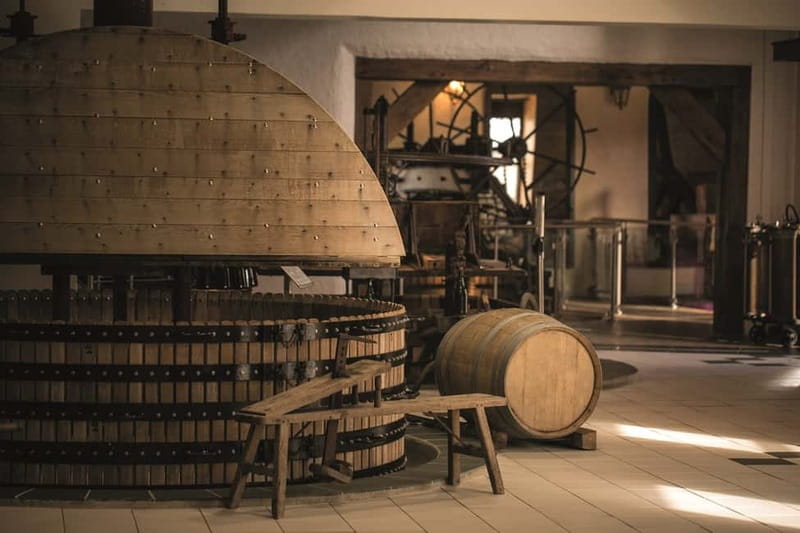
I like that this is built around production, not just speeches. You walk through the Champagne process from the first pressing to the modern vat house setup, then finish with tastings that help you connect the dots between grape, method, and flavor. And yes, you also get a look at why the Marne Valley became such a Champagne cornerstone.
In This Review
- Key highlights worth marking on your map
- Where Passy-Grigny fits in Champagne country
- Getting there: small village, simple plan
- The 75-minute guided tour: from pressing to modern vats
- What you should watch for during the production walk
- The heart of it: 3 Champagne tastings with 3 chocolates
- Why this pairing format is good value
- What you learn about Champagne making, in plain terms
- Price and value at about $31 per person
- Who should book this tasting tour
- Should you book the Passy-Grigny Chocolate and Champagne Tour?
- FAQ
- How long is the tour?
- What will I taste during the tour?
- Is the tour offered in English?
- Where is the meeting point?
- Is the experience wheelchair accessible?
- Can I cancel for a refund, and can I reserve without paying right away?
Key highlights worth marking on your map
- English tour focused on Champagne production, from first pressing to the vat house
- 3 Champagne tastings paired with 3 chocolates, with pairing that makes the flavors click
- A look at the Passy-Grigny origins, tied to Meunier grape development
- 75 minutes of guided time, so you get a full story without a half-day commitment
- Supportive, enthusiastic hosting, with guides named Clémentine, Fanny, and Katja showing up in feedback
- Wheelchair accessible, so more people can join the experience
Where Passy-Grigny fits in Champagne country
Passy-Grigny sits in the heart of the Marne Valley, one of the most important regions for Champagne. What makes this stop feel different is that you are not just touring brand marketing. You are learning how Champagne is made at a local house tied to the area’s winemaking roots.
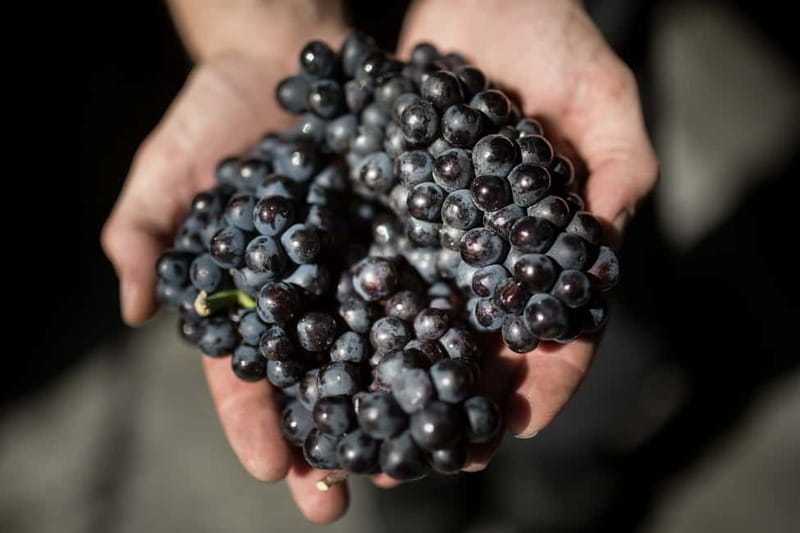
Champagne Dom Caudron traces back to a village idea led by a famous priest, Aimé Caudron. In 1929, he brought village winemakers together to develop what became known as the Meunier grape. That origin story matters because Meunier is not just a name on a label. It helps shape the personality of many Champagne styles, especially in blends made to deliver fruit, approachability, and balance.
Getting there: small village, simple plan
The meeting point is at CHAMPAGNE DOM CAUDRON, 10 Rue Jean-York, 5170, Passy-Grigny. The tour ends back at the same place, so you are not solving the logistics puzzle afterward.
Here’s the practical bit: this is not a downtown stop you can hop to by accident. Feedback points out that access can be difficult without a car, ride-share, or taxi. If you are basing yourself in Reims or Épernay, plan your timing so you are not rushing your arrival.
If you are driving, you’re usually fine. If you are relying on public transport, build in extra buffer time and have a backup option ready.
The 75-minute guided tour: from pressing to modern vats
Your visit starts at Champagne Dom Caudron and then shifts into a structured, English-language walk through the Champagne process. The guided portion is 75 minutes, which is a sweet spot: long enough to understand the flow, short enough to keep it lively.
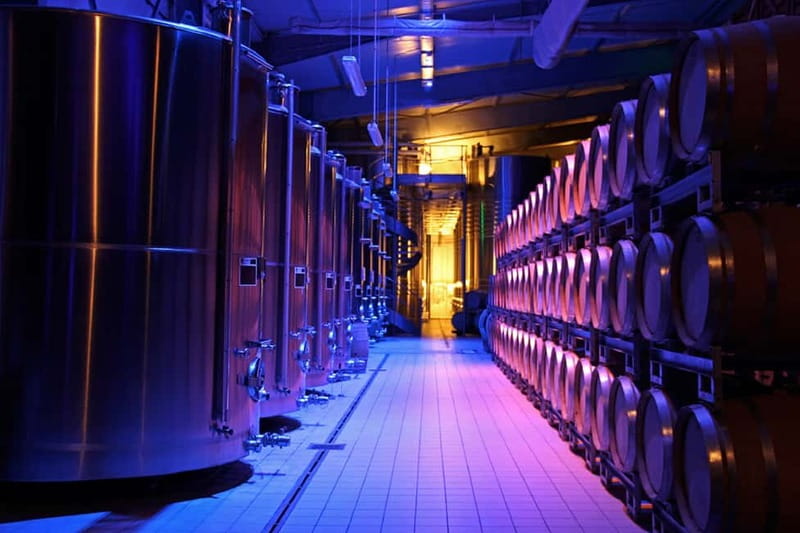
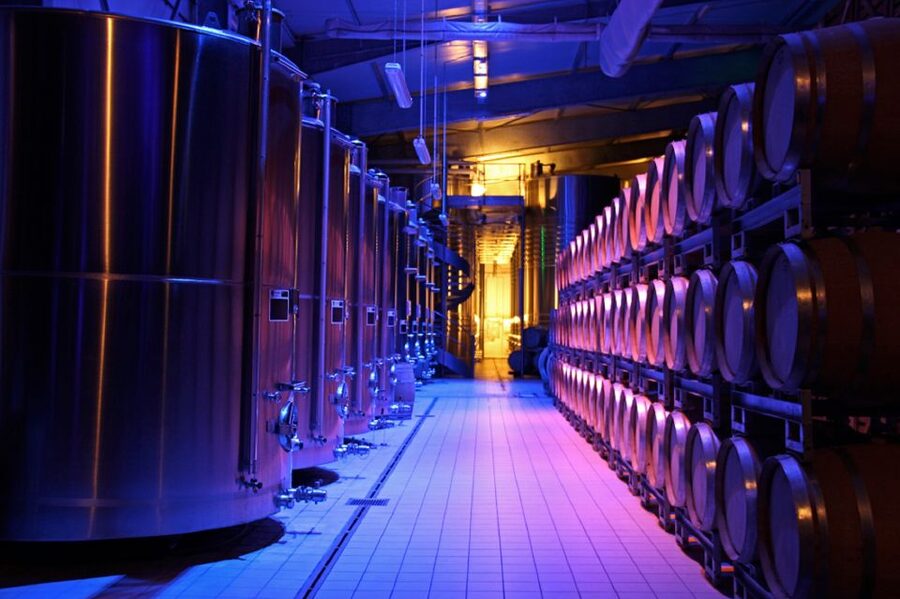
The tour route is production-forward. You start with the first press stage and work through how grapes move from harvest to the controlled environment where Champagne gets made. You’ll also get a look at the modern vat house, which is where the process becomes real, industrial, and precise.
A common theme in feedback is the balance between learning and actually enjoying the experience. People describe the pacing as structured, with a friendly guide who knows their material and explains it clearly, often mixing pride in the craft with questions you can ask in the moment.
You may also encounter a documentary-style video element during the tour. It’s meant to tie the stages together, so you can follow the story even if you are newer to Champagne.
One more small detail I’d call out: in some sessions, the host may add fun touches like a sabre bottle-opening demonstration. That kind of moment is not the core of the tour, but it makes the experience feel less like a lecture and more like a welcome.
What you should watch for during the production walk
As you move through the stages, focus on how the house talks about process choices. You’re trying to notice patterns like how pressing stage matters, how storage and controlled steps fit into consistency, and how modern tools support repeatable results.
If you came expecting a heavy historical museum tour, shift your expectations. This experience is built to explain Champagne-making as it happens in a working facility, and that practical angle is the point.
The heart of it: 3 Champagne tastings with 3 chocolates
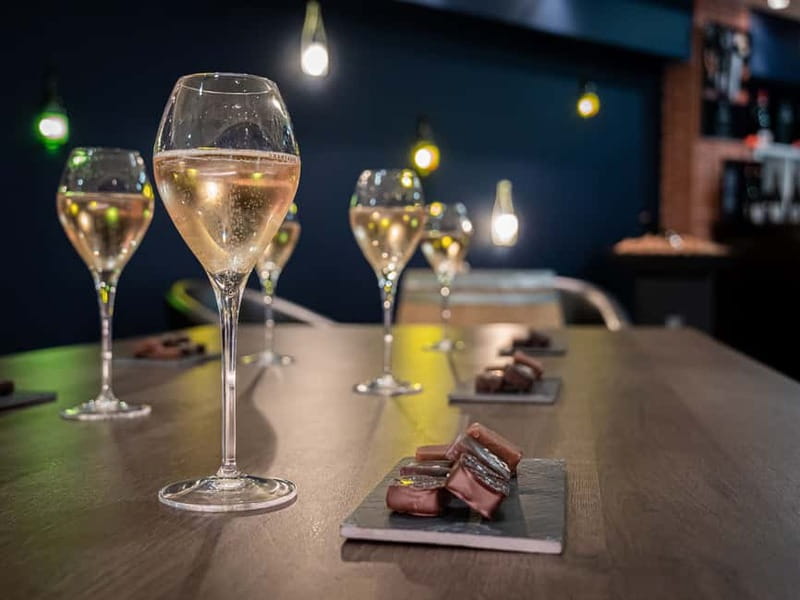
The finish is the part most people remember. You end with a tasting of 3 Champagnes paired with 3 chocolates. This is a clever setup because it forces you to taste with context instead of treating Champagne like a standalone drink.
Chocolate can overpower delicate bubbles, so good pairing is about matching intensity. A darker or richer chocolate usually needs Champagne with enough fruit and structure to stand up to it. Lighter sweets can be better with styles that feel crisp and clean.
The tour format helps you learn by comparison. You go through multiple Champagne expressions across the tasting lineup, then you hear how each one plays with a specific chocolate. That pairing logic is what turns the experience from a simple sampling into something you can carry home with you.
In feedback, people repeatedly mention that the explanation stays in sync with enjoyment, not turning into a dry lecture. If you like tasting sessions where you can ask questions and still relax, this is designed for that.
Why this pairing format is good value
You are getting three separate tastings, not one. And you are not just paying for the drink, you are paying for the pairing framework that teaches you what to look for next time you shop.
At $31 per person, the pricing feels realistic because the tour includes both the guided production education and the structured tasting experience. Even if you only mildly care about Champagne production, the chocolate pairing usually wins people over fast.
What you learn about Champagne making, in plain terms
You don’t need to be a wine pro to get value from this tour. The structure is built for beginners, yet it still gives experienced wine folks something to chew on, especially because you see both the earliest stage and the modern setup.
The way the house connects its roots to the Meunier grape is useful too. When you taste later, you can start thinking about why certain Champagne styles emphasize fruit character and balance. That turns your tasting into pattern recognition rather than random sip-and-swallow.
If you like asking questions, this is a good format for it. Feedback highlights guides who are friendly, enthusiastic, and willing to answer questions without brushing people off.
Price and value at about $31 per person
At $31 per person, this tour lands in the category of good, straightforward value for Champagne region experiences. Full brand tours can get expensive, and they often feel like a long conveyor belt of history and photos. Here, you get a guided production story plus a tasting with multiple pairings.
Think of it as paying for three things:
- A guided English explanation of the Champagne process
- Access to a real production setting, not just a showroom
- A structured tasting of 3 Champagnes and 3 chocolates
If you’re doing a few stops in the Marne Valley, this can also be a smart way to keep your schedule tight. The total time is about 1.5 hours, and you return to the meeting point afterward, so you can plug it into a day without chaos.
Who should book this tasting tour
This tour is especially good if you:
- Want a short Champagne experience that still feels informative
- Like food pairings and want a reasoned tasting format
- Prefer a production-focused visit over purely historical museum storytelling
- Want an experience led in English, with a guide who answers questions
It can also work well as a break during a multi-day Champagne itinerary. People often mention it as a refreshing change from larger, more corporate tours, and it can be a practical option if you want something that feels welcoming and well organized.
Should you book the Passy-Grigny Chocolate and Champagne Tour?
Book it if you want a fun, structured introduction to Champagne that ends with a real payoff in taste. The combination of guided production plus 3 Champagne and 3 chocolate pairings is the main reason it works, and the time commitment is short enough to fit around other Marne Valley plans.
Skip or reconsider if you need a deep, history-heavy tour. This one is built to explain how Champagne is made and how the house produces it today. If that’s what you care about, it’s an excellent match. If you care more about museum-style Champagne heritage, you might want a different kind of tour.
FAQ
How long is the tour?
The experience lasts about 1.5 hours. The guided tour portion is 75 minutes, with the rest of the time focused on tasting.
What will I taste during the tour?
You’ll taste 3 Champagnes and 3 chocolates, paired together as part of the tasting experience.
Is the tour offered in English?
Yes. The tour guide gives the tour in English.
Where is the meeting point?
You meet at CHAMPAGNE DOM CAUDRON, 10 Rue Jean-York, 5170, Passy-Grigny. The tour ends back at the same meeting point.
Is the experience wheelchair accessible?
Yes, it is wheelchair accessible.
Can I cancel for a refund, and can I reserve without paying right away?
There is free cancellation up to 24 hours in advance for a full refund. You can also reserve now and pay later to keep your plans flexible.
Champagne Region Tours, in full.
 ★ 4.7Paris: Moulin Rouge Cabaret Show Ticket with ChampagneFrom $11516,088 reviews
 ★ 4.6Paris: Paradis Latin Cabaret Show with Optional ChampagneFrom $1062,231 reviews
 ★ 4.0Paris 3-Courses Gourmet Dinner Seine River Cruise with ChampagneFrom $1361,659 reviews
 ★ 5.0Top Private Cruises in Paris with French Champagne and surprisesFrom $4821,553 reviews
 ★ 4.8From Paris: Day Trip to Champagne with 8 Tastings & LunchFrom $3451,501 reviews
 ★ 4.0Paris: Champagne at the Moulin Rouge & Seine River CruiseFrom $2961,216 reviews
 ★ 4.7Paris: La Nouvelle Eve Cabaret Show with ChampagneFrom $1161,192 reviews
 ★ 5.0Champagne Day Trip with 6 Tastings, Reims and Winery from ParisFrom $278902 reviews
Also on these France lists