
Reviewed · ALSACE WINE ROUTE TOURS
Alsace: Full-Day Wine Tour & Tastings from Strasbourg
Alsace tastes better with a local guide. I love the small max 8-person group and the Grand Cru focused tastings that dig into grapes like Riesling, guided in English by pros such as Jerome and Laurence. It is a long day, but the structure keeps it lively, with real time for views and real time for questions.
One possible drawback: the price can feel steep if you count only three winery visits, since meals and any monument stops are on your own.
In This Review
- Key things that make this Alsace wine day work
- Your day starts in Strasbourg, then heads into real Alsace wine country
- Mittelbergheim, where Riesling has the home-field advantage
- Your first flight: Pinot Blanc, Sylvaner, and Riesling
- Dambach-la-Ville and Frankstein, the next step in the Alsace puzzle
- Lunch and walking time in Ribeauvillé, slow down and read the town
- Riquewihr and the five Grand Crus that shape the region
- How many wines you might taste, and why that pacing matters
- Guides, van rides, and the little details that make it feel personal
- Value check: is $253 per person worth it?
- Practical stuff that can make or break the day
- Should you book this Alsace wine tour from Strasbourg?
- FAQ
- Where does the tour start in Strasbourg?
- How long is the Alsace wine tour?
- What is the group size?
- Is the tour in English?
- What wines and grape varieties will you taste?
- Are meals included?
- Is it adults only?
- Does the tour run in bad weather?
Key things that make this Alsace wine day work
- Mittelbergheim first, in the heart of the Zotzenberg, Kastelberg, and Wiebelsberg Grand Crus area
- A guided tasting start with Pinot Blanc, Sylvaner, and Riesling to set your tasting brain
- Two major village phases, including walk time in Ribeauvillé and an Riquewihr stop in the wine zone
- Grand Cru names you can actually place, like Frankstein and five others tied to the region around Ribeauvillé and Riquewihr
- English live commentary throughout, with guides who know how to keep the day moving without rushing the wine
Your day starts in Strasbourg, then heads into real Alsace wine country
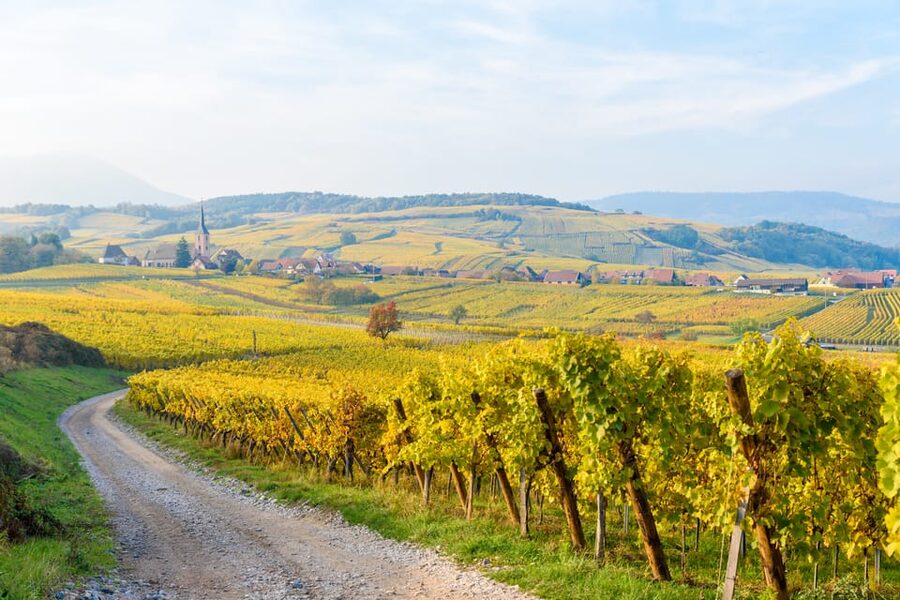
The meeting point is easy to find, 17 Pl. de la Cathédrale in Strasbourg. From there, you switch into a comfortable mini-van and settle in for a day that mixes countryside drives, winery time, and medieval town wandering. The whole experience is built for a small group, so you are not stuck watching a tour guide herding a crowd.
This is also a practical choice if you do not want to rent a car or deal with timing between villages and tasting rooms. You get live English commentary on the way, which matters here because Alsace wine is not just about the bottle. It is about hills, soils, and centuries of people fighting for the best exposure.
One quick planning note: this runs rain or shine, and it includes walking time in the villages. Bring comfortable shoes, and do not rely on the van to do all the work for you.
Further along the Alsace wine route
Mittelbergheim, where Riesling has the home-field advantage
The day’s first big wine base is Mittelbergheim, a key producer region tied to the Zotzenberg, Kastelberg, and Wiebelsberg Grand Crus. What makes this start smart is that the tour is not random wine sampling. You begin in an area where Riesling has especially favorable soils, so your tasting experience has context right away.
That matters for you because Alsace wines can feel similar at first sip. Starting here helps you learn what “difference” means on the ground: the same grape can taste different when the vineyard site changes. Your guide connects those dots while you are still fresh, before your palate gets tired.
Expect the morning to include a guided drive and then your first wine tasting session. In many cases, you will get a structured introduction to the wines rather than just wandering into a cellar and guessing what you are tasting.
Your first flight: Pinot Blanc, Sylvaner, and Riesling
You start tasting with a selection that includes Pinot Blanc, Sylvaner, and Riesling. This is a good mix for a first stop because it shows you Alsace’s range beyond one grape. Pinot Blanc and Sylvaner are a nice setup for learning texture and balance. Then Riesling gives you the contrast, especially if you are used to sweeter styles from other countries.
From there, the day keeps moving, with tastings timed so you do not feel abandoned between stops. You also get a chance to ask the basics, like how the wine is made and what the grape is doing on that specific day in those specific vineyards.
Also, do not plan on snacking your way through the tasting rooms. In France, snacks are usually not provided during wine tastings to preserve the wine flavor, so you will want a good breakfast and/or lunch beforehand.
Dambach-la-Ville and Frankstein, the next step in the Alsace puzzle
After Mittelbergheim, you head toward the Dambach La Ville wine area. This is in the heart of Alsace wine country and includes Grand Cru Frankstein, one of the key names tied to the region’s reputation.
The tour’s value here is that it keeps connecting vineyard location to taste. Instead of only naming grapes, you also learn why certain areas are linked with certain styles and why Riesling keeps showing up as the king of grapes in these zones.
You get another tasting session after the drive, with time built in to reset your palate. If you tend to get overwhelmed by too many wines at once, you will appreciate that the day is chunked into clear segments: drive, tasting, short breaks, village time, then more wine.
Lunch and walking time in Ribeauvillé, slow down and read the town
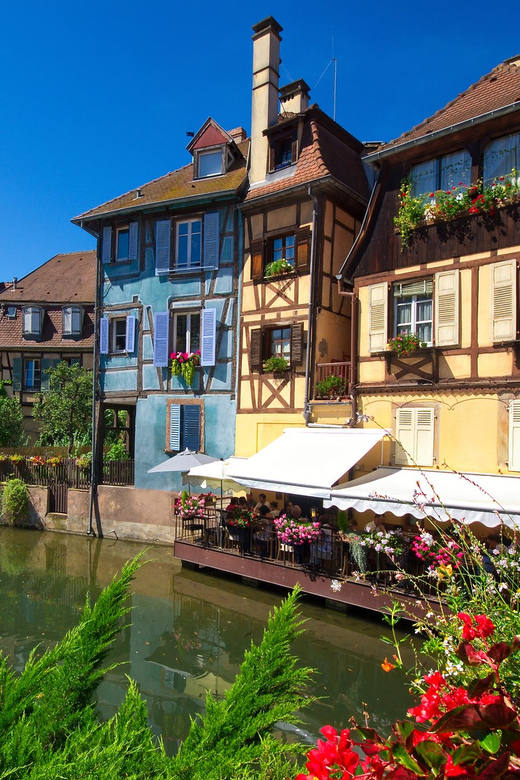
A highlight of the day is the chance for free time in a traditional Alsatian village, with Ribeauvillé as the lunch and walking focus. This is not just a stop for a quick photo. You get time to walk, take in the medieval feel, and look at how the town sits in the wine-producing area.
This is also where the day feels most like Alsace and not just a tasting circuit. The villages help you understand how wine culture is part of everyday life here, not a side attraction.
If you are hungry and want a solid plan, one well-regarded restaurant name that comes up in the tour experience is Au Passage de la Tour in Ribeauvillé. Your guide may have suggestions, so if you hear that name, it is worth considering.
Riquewihr and the five Grand Crus that shape the region
After lunch, you head to the Ribeauvillé and Riquewihr wine area, where five Grand Cru appellations are part of the story: Geisberg, Kirchberg, Osterberg, Schoenenbourg, and Sporen. The tour does not throw these names at you like trivia. It uses them to give the tastings a map in your mind.
Yes, Riesling is often the star, but this region can also produce standout Pinot Gris, Muscat, and Gewürztraminer. So even if Riesling is your personal favorite, you are not stuck only tasting Riesling all day.
You will also learn about historic families behind the wines, including the Trimbach family (making wine since 1626) and the Hugel family (started in 1639). That context helps you see why Alsace wineries often feel both traditional and precise at the same time.
Then, in the afternoon, you get two tasting sessions at highly selected wineries. This is where the day often clicks into place, because the earlier tasting gives you a baseline and the later tastings let you confirm what you like and why.
More of Strasbourg
- Strasbourg: Euro Guided Tour by Segway
★ 4.7 · 808 reviews - 2-Hour Strasbourg Euro Tour by Segway
★ 5.0 · 642 reviews - Strasbourg Food Tour – A Taste of Tradition by Do Eat Better
★ 5.0 · 614 reviews - Strasbourg: Walking Tour with a Local Guide
★ 4.3 · 607 reviews - Strasbourg: Walking Tour with Local Guide
★ 5.0 · 598 reviews
How many wines you might taste, and why that pacing matters
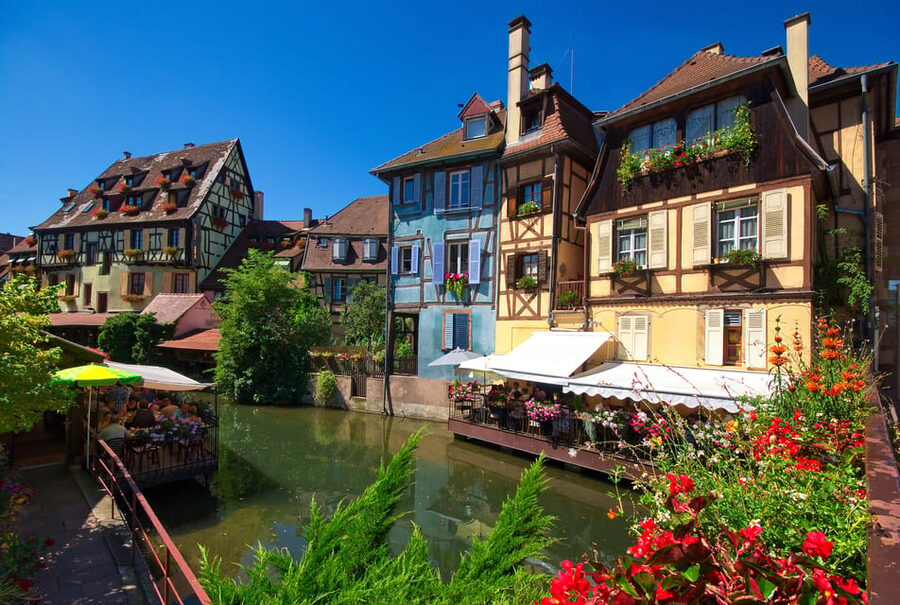
The structure is built around tastings at three typical wineries. Depending on the selection that day and the hosts, you may sample a wide range, and some groups report tasting a dozen-plus wines, with others mentioning 15 to 16 or even 20 to 22 different wines across the day.
That range is why this tour tends to score well. You are not just buying a ticket to visit a pretty town and take a sip. You get enough pours that you can start to identify patterns, like which winery’s Riesling leans more aromatic, or which Pinot Gris style feels rounder and more textured.
The pacing also helps. You get a mix of driving time, tasting time, and village time. The goal is a day you remember for flavor and places, not a day where your palate shuts down and your notes become scribbles.
Guides, van rides, and the little details that make it feel personal
The tour experience gets a big boost from the guide dynamic. Multiple guides show up across dates, including Jerome, Laurence, Pauline, Laetitia, Florence, and Jerome again, and they tend to share a similar approach: connect what you are tasting to what you are seeing and keep the group on track without turning it into a rush.
In real terms, this means you are more likely to get:
- Clear explanations during tastings
- Helpful context when passing through wine-route villages
- A friendly tone that makes you ask questions, even if you are not a wine expert
One small detail to consider: because the day involves lots of village glimpses from the van, where you sit can affect what you see. If you want the best views, choose your seat thoughtfully and ask the driver where you can get a good window view.
Also, alcohol is part of tastings, and this is adults-only (18+). If you are traveling with mixed-age groups, you will need a different plan for anyone under 18.
Value check: is $253 per person worth it?
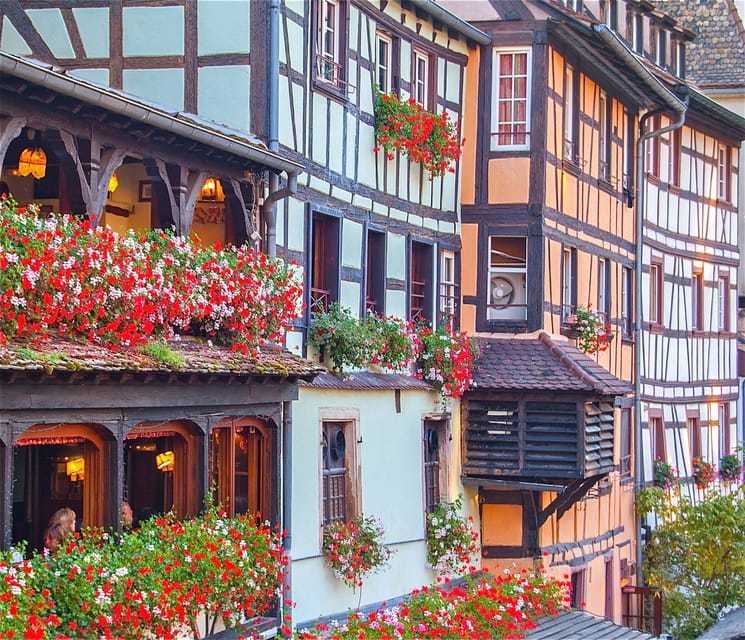
At $253 per person for an 8-hour day, you are paying for three things that add up:
- Transport in a comfortable mini-van
- English speaking driver/guide with live commentary
- Tastings at three wineries, in a guided format
What is not included is equally important. You are on your own for meals, and entrance fees to monuments and museums are also not included. That means you should budget for lunch and any extra snacks you want outside the tasting rooms.
So here is the honest way to judge value for you: this is worth it if you want a guided day where the wine, the grape choices, and the vineyard geography are all tied together. It is less satisfying if your main goal is seeing tons of monuments or if you prefer a more free-form, stop-when-you-want plan.
If you do not want to drive through the Alsace wine route, the guided transport alone can feel like money well spent.
Practical stuff that can make or break the day
This tour has a few simple rules that affect your comfort:
- Bring a passport or ID card
- Wear comfortable shoes for village walking
- It operates rain or shine
- No pets are allowed
- It is not suitable for wheelchair users
- Adults-only, minimum age 18, and it is set up for drinking during tastings
If you are going in winter, plan for chilly weather because village walking still happens. Layers help. Also, make sure you eat before you start, since the tour itself does not position you for constant snacking between tastings.
During the Christmas period, the tour returns to Strasbourg just outside the Grande-Ile district, with the exact address arranged with the guide. If you are traveling around the holidays, do not assume your return spot is the exact same place you started.
Should you book this Alsace wine tour from Strasbourg?
I think you should book it if you want a structured Alsace wine day that teaches you where the wines come from, not just how they taste. The big win is the combination of vineyard geography (Grand Crus like Zotzenberg, Kastelberg, Wiebelsberg, and Frankstein) plus medieval villages (Ribeauvillé and Riquewihr) plus guided tastings that include Pinot Blanc, Sylvaner, and Riesling.
Skip it or consider alternatives if you are chasing a long list of monuments, because the day focuses on wine and villages, not museum hopping. Also, if you are extremely budget sensitive, keep in mind the value depends on how much you enjoy guided tastings and how many pours you get that day.
FAQ
Where does the tour start in Strasbourg?
The tour starts at 17 Pl. de la Cathédrale.
How long is the Alsace wine tour?
It lasts 8 hours.
What is the group size?
This is a small group, limited to a maximum of 8 participants. The tour also requires a minimum of 2 adult passengers to operate.
Is the tour in English?
Yes, the tour is English only, with live commentary.
What wines and grape varieties will you taste?
You will taste wines including Pinot Blanc, Sylvaner, and Riesling. The region may also include Pinot Gris, Muscat, and Gewürztraminer.
Are meals included?
No, meals are not included. You’ll have free time for lunch, and it’s recommended to eat beforehand since snacks are usually not provided during tastings.
Is it adults only?
Yes, it is adults only, and the minimum age to participate and drink alcohol is 18 years old.
Does the tour run in bad weather?
Yes, it operates rain or shine.
The Whole Strasbourg Shelf
- Strasbourg: Euro Guided Tour by Segway
★ 4.7 · 808 reviews - Colmar, Medieval Village & Castle Small Group from Strasbourg
★ 5.0 · 769 reviews - 2-Hour Strasbourg Euro Tour by Segway
★ 5.0 · 642 reviews - From Strasbourg: Best Of Alsace Historical Day Trip
★ 4.7 · 633 reviews - Strasbourg Food Tour – A Taste of Tradition by Do Eat Better
★ 5.0 · 614 reviews
Strasbourg, Keep Going
- Strasbourg: Euro Guided Tour by Segway
★ 4.7 · 808 reviews - Colmar, Medieval Village & Castle Small Group from Strasbourg
★ 5.0 · 769 reviews - 2-Hour Strasbourg Euro Tour by Segway
★ 5.0 · 642 reviews - From Strasbourg: Best Of Alsace Historical Day Trip
★ 4.7 · 633 reviews - Strasbourg Food Tour – A Taste of Tradition by Do Eat Better
★ 5.0 · 614 reviews
More of the Alsace Route
- Colmar, Medieval Village & Castle Small Group from Strasbourg
★ 5.0 · 769 reviews - From Strasbourg: Best Of Alsace Historical Day Trip
★ 4.7 · 633 reviews - Alsace Wine Route Small Group Half-Day Tour with Tasting from Strasbourg
★ 4.5 · 291 reviews - Alsace Wine Route Wineries & Tasting Small Group Guided Tour from Strasbourg
★ 5.0 · 229 reviews - BOAT ALSACE Visit Strasbourg in a private boat + Captain
★ 5.0 · 178 reviews
The rest of the Strasbourg write-ups
- Private Tour: From Strasbourg to Colmar, Eguisheim, Riquewhir★ 4.5 · 58 reviews
- Strasbourg Food Tour : Gourmet private Tour with tastings★ 4.7 · 58 reviews
- Capture the Magic of Strasbourg with an Exclusive Photoshoot★ 4.9 · 61 reviews
- Explore Strasbourg in 60 minutes with a Local★ 5.0 · 82 reviews
- Strasbourg : Private Custom Walking Tour With A Local guide★ 4.5 · 83 reviews
- Strasbourg: 90-Minute Sightseeing Tour by Pedicab★ 4.9 · 85 reviews
Alsace Wine Route Tours, in full.
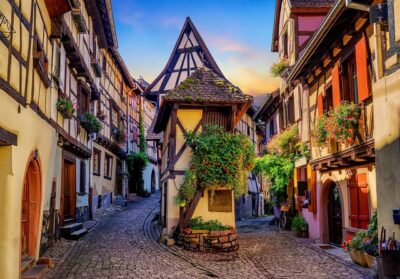 ★ 5.0Colmar, Medieval Village & Castle Small Group from StrasbourgFrom $241769 reviews
 ★ 4.7From Strasbourg: Best Of Alsace Historical Day TripFrom $147633 reviews
 ★ 4.9From Colmar: 4 Wonders of Alsace Day TourFrom $159492 reviews
 ★ 5.0Alsace 4 Wonders Small-Group Day Trip from ColmarFrom $163380 reviews
 ★ 4.5Colmar: 2-Hour Segway TourFrom $70379 reviews
 ★ 4.8Alsace Half-Day Wine Tour from StrasbourgFrom $153346 reviews
 ★ 4.5Alsace Wine Route Small Group Half-Day Tour with Tasting from StrasbourgFrom $157291 reviews
 ★ 5.0Alsace Wine Route Wineries & Tasting Small Group Guided Tour from StrasbourgFrom $260229 reviews
Also on these France lists