
Reviewed · STRASBOURG TOURS
Strasbourg: Walking Tour with a Local Guide
Strasbourg hits different on foot. You get the big photo moment at Strasbourg Cathedral and the postcard canals of Petite France, plus real street-level context from a local guide. One drawback to plan for: cathedral entry and any food stops are on you, so bring a little extra budget.
This 2-hour walk starts at Place Gutenberg in the Grande Île area, a UNESCO World Heritage core. Your guide (UTG Experience, blue company badge) helps you connect the dots between monuments and everyday life, including practical photo advice and where to eat and explore after the tour.
Because the tour can be multi-lingual (German and English), you may sometimes hear both languages in a mixed group. If you prefer one language only, it is worth double-checking what you booked and watching how the guide paces explanations.
In This Review
- Key Highlights You Will Actually Use
- Why This Route Works So Well in Only 2 Hours
- Meeting at Place Gutenberg: The Easiest Possible Start
- Strasbourg Cathedral: What to Notice and How to Photograph It
- Petite France: The Canal Neighborhood That Feels Like a Postcard
- Place Gutenberg: Why the Printing Press Story Belongs Here
- Tanners’ Quarter: A Local-Focused Walk, Not Just a Photo Stop
- Place Kléber: The Main Square With a Revolution-Era Connection
- What the Pacing Feels Like, and How to Handle It
- Multi-Lingual Tours: How to Get the Experience You Want
- Price and Value: What $28 Buys You, and What It Does Not
- What to Bring for a Comfortable, Camera-Friendly Walk
- Who This Tour Fits Best in Your Trip
- After the Tour: How to Keep the Momentum Going
- Should You Book This Strasbourg Walking Tour?
- FAQ
- How long is the Strasbourg walking tour?
- Where do I meet the guide?
- Is the Strasbourg Cathedral ticket included?
- Are food and drinks included in the price?
- What languages are available on the tour?
- Is the tour wheelchair accessible?
- What should I bring?
- Is it possible to cancel for a refund?
Key Highlights You Will Actually Use
- Strasbourg Cathedral stop focused on what to look for and how to photograph it without rushing
- Petite France walk through canals, bridges, and colorful historic streets
- Gutenberg and printing history explained where it matters, at Place Gutenberg
- Tanners’ Quarter with a local vibe, including where to grab a drink or bite nearby
- Place Kléber tied to a French Revolution figure, so the square feels less random
- Photo tips that help you frame the city like a person, not a tourist
Why This Route Works So Well in Only 2 Hours
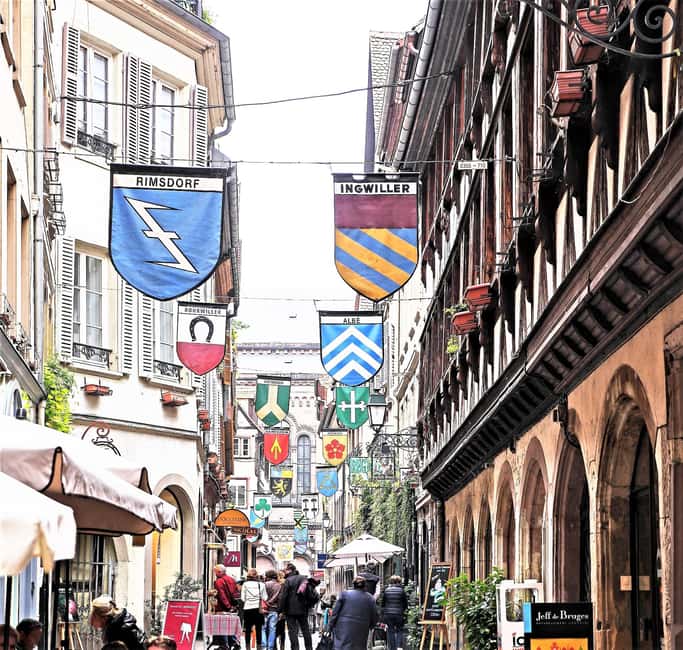
A short walking tour like this has one job: help you get your bearings fast, then make you want to come back for more. Here, the route is built around Strasbourg’s most instantly recognizable spaces, with enough “in between” streets to make the city feel real rather than staged.
Starting at Place Gutenberg puts you right in the historic center zone, so you are not wasting your first hour trying to find your way. Then the tour moves through areas that each tell a different side of Strasbourg, from landmark religion to canal neighborhoods to a major public square. It is a smart way to learn the city’s layout while you still have energy.
More of Strasbourg
Meeting at Place Gutenberg: The Easiest Possible Start
You meet at Place Gutenberg, 67000 Strasbourg, near the statue and the tree. That detail matters more than you might think, because Strasbourg’s center is compact, and it is easy to arrive late if the meeting point is vague.
Look for your guide wearing a blue UTG Experience badge. If you are traveling with a camera and want to hit good light, arriving 5 to 10 minutes early is a simple move. It also gives you a moment to settle your water, hat, and comfortable shoes before the walk begins.
Strasbourg Cathedral: What to Notice and How to Photograph It
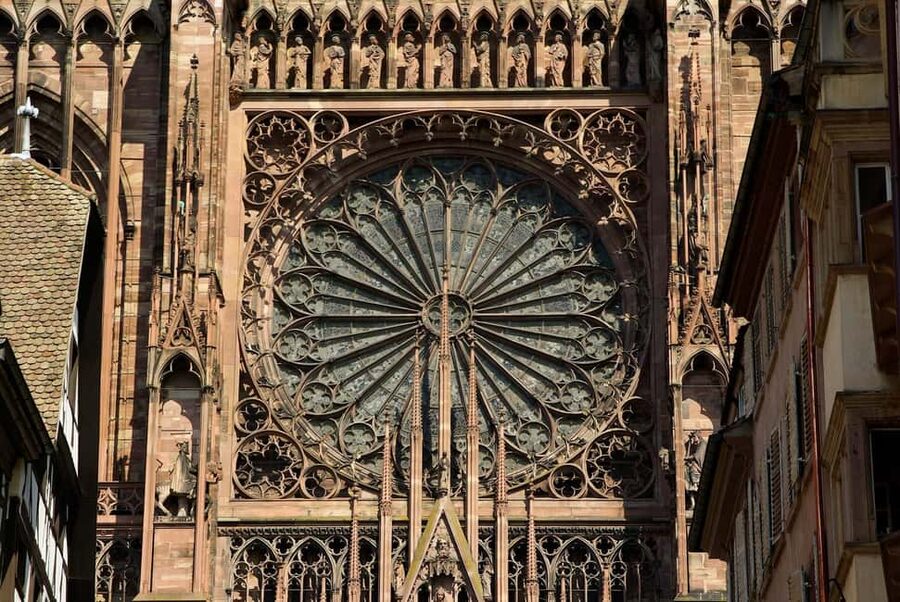
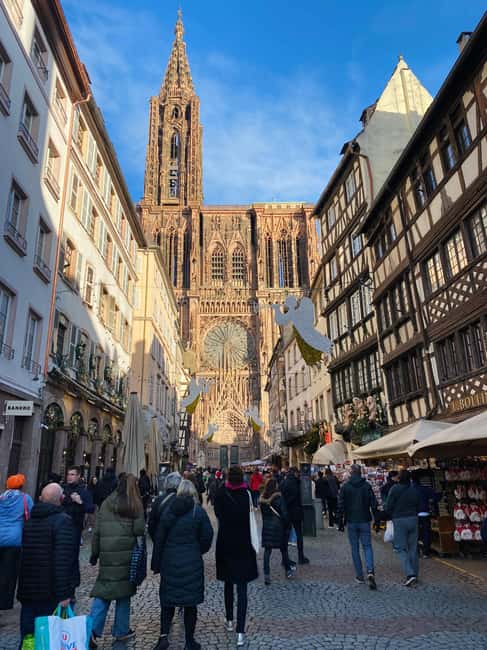
The first major stop is the Strasbourg Cathedral, one of the city’s famous buildings. Even if you are not buying entry tickets, this stop is still about getting value from time: the guide helps you see details that you would usually miss at street level.
Expect to:
- stop for facts and observations,
- look closely at the decorations,
- and take photos with direction from your guide.
The best part here is not just the building itself, it is the guide’s timing. A little guidance on angles and where to stand can turn an average cathedral snapshot into something that looks like you planned the shot. Bring your camera, but also keep one hand free, so you can adjust quickly when the guide says to shift positions.
Practical note: entry tickets to the cathedral are not included. If you want to go inside, check your timing after the tour and plan for an extra visit. If you only want the exterior views, you can still walk away with strong photo memories.
Petite France: The Canal Neighborhood That Feels Like a Postcard
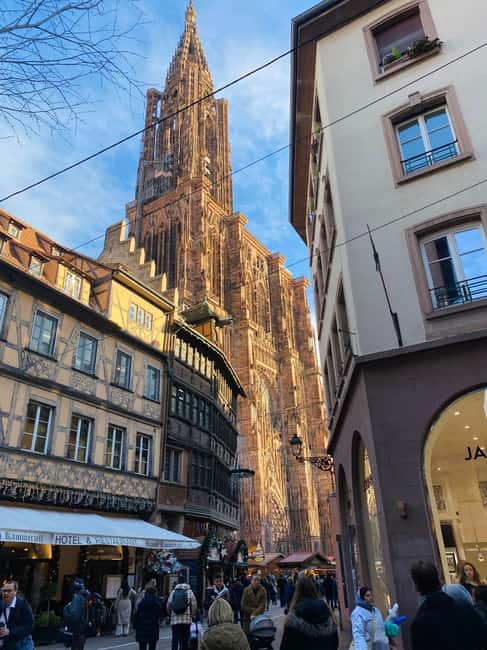
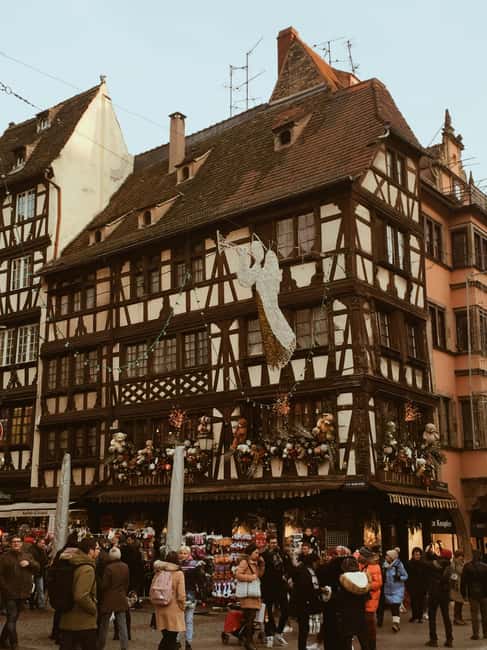
Next comes the Petite France area, described as a charming zone of canals, bridges, and colorful houses. This is the part of Strasbourg that most people picture before they arrive, and a guide makes it far more than just sightseeing.
As you walk through Petite France, the guide shares stories about the people who used to live here. That human layer is what turns a pretty neighborhood into something you understand. You are not only seeing the facades, you are learning how this place fit into daily life.
What I like about this stop for first-time visitors is that it naturally slows you down. You will likely pause more often here for photos, and the guide helps you find spots that make the canals and bridges look stacked and layered instead of flat.
Place Gutenberg: Why the Printing Press Story Belongs Here
After Petite France, you head to Place Gutenberg, named after the man who invented the printing press. This is one of those moments where a name can feel like trivia until someone connects it to place.
The tour explanation is simple and useful: your guide explains why this square matters in Strasbourg’s history, and you get the context without needing a museum ticket to feel oriented. If you like learning through real locations, this stop lands well because you are standing in the exact spot the story is tied to.
For photos, public squares are also easier than narrow streets because you can step back and frame wider views. Even if you are not into architecture, this is a good spot to reset your camera technique.
Tanners’ Quarter: A Local-Focused Walk, Not Just a Photo Stop
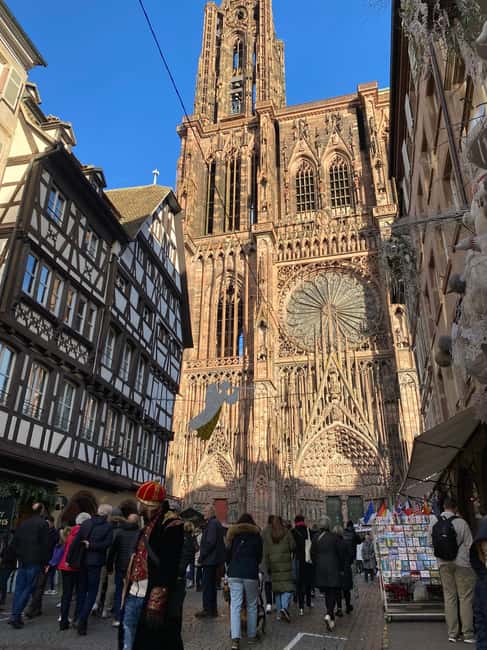
Then you pass through the Tanners’ Quarter, an area where locals still enjoy dining and relaxing in cozy restaurants and bars. The tour keeps this stop grounded, with an emphasis on how the neighborhood feels now, not just how it looked in the past.
Two practical benefits come from this section:
- You get ideas for what to do next, since the guide later shares where to eat and explore.
- You learn the city’s rhythm, where people actually hang out.
One thing to remember: you are walking. If the weather is chilly or hot, this is a section where having water and a hat helps you stay comfortable. The guide’s dining recommendations are especially useful because you leave with options that make sense for the neighborhood you just walked through.
More Strasbourg tours that come with a guide
- Strasbourg: Walking Tour with a Local Guide
★ 4.3 · 607 reviews - Strasbourg: Walking Tour with Local Guide
★ 5.0 · 598 reviews - Strasbourg: 1.5-Hour Guided Segway Tour
★ 4.8 · 383 reviews - Strasbourg: Guided Historical Neighborhoods Walking Tour
★ 4.9 · 275 reviews - Alsace Wine Route Wineries & Tasting Small Group Guided Tour from Strasbourg
★ 5.0 · 229 reviews
Place Kléber: The Main Square With a Revolution-Era Connection
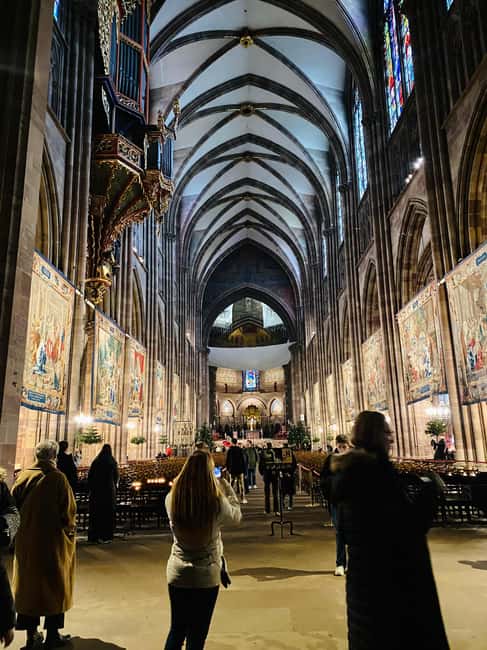
The tour ends at Place Kléber, the main square of the city, with time to learn about the life of Jean-Baptiste Kléber, a famous figure from the French Revolution. Main squares can feel like open space unless the tour gives you a storyline, and this one does.
What makes this stop valuable is that you connect Strasbourg’s public space to a named person and a real historical period. That means you can look at the square after the tour and understand why it sits where it does in the city’s story.
Place Kléber is also a great “before you scatter” moment. It is a natural place to regroup, ask your remaining questions, and figure out your next move, whether that is shopping, coffee, or heading back toward the river.
What the Pacing Feels Like, and How to Handle It
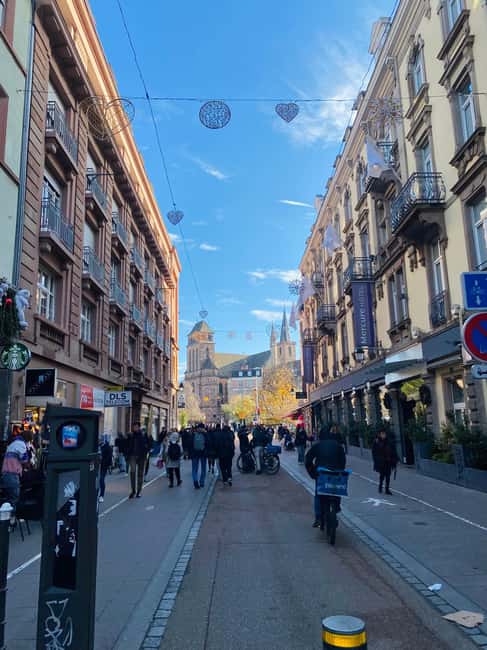
This is a 2-hour walking tour with multiple passes between stops. The itinerary includes short walk segments and focused time in key areas, so you are not stuck in one place too long.
That said, pace is personal. Some people prefer a slower stroll to absorb details. If you ever feel like you are rushing to keep up, you can ask the guide to slow down. It is a simple request, and it usually makes a big difference to how much you enjoy the stories and photo stops.
Another pacing tip: keep your breaks micro. Instead of stopping constantly for water, take sips during natural pauses at monuments and squares. That keeps the tour flowing while also helping you avoid getting overheated or chilled.
Multi-Lingual Tours: How to Get the Experience You Want
The tour runs with live guides in German and English, and it can be multi-lingual. In practice, that means the guide may switch between languages or explain certain parts to different parts of the group.
If you booked in English, stay alert to when the guide is speaking to you directly versus talking to the other language track. When explanations overlap, you may still catch everything, but you should not assume the pacing will be perfectly equal in both languages.
My practical advice: if language clarity is critical, arrive ready to ask one or two questions in the language you prefer. Most guides can tailor the response and help you catch up on any missed details.
Price and Value: What $28 Buys You, and What It Does Not
At about $28 per person for a 2-hour guided walk, this tour is priced like a solid introduction, not a full-day program. You are paying for guided orientation, storytelling, and photo help, not for entrances or meals.
Included:
- 2-hour walking tour with a local guide
Not included:
- entry tickets to the Strasbourg Cathedral
- food and drinks
So the value equation looks like this: if you want a guided route that stops at the big landmarks and connects them with city life, $28 is a reasonable spend for that kind of “start here” experience. If you also want to do cathedral entry during the tour, you will need to add ticket time and money separately.
For budgeting, I suggest planning one meal or snack after the tour rather than expecting it to be part of the package. The guide typically shares where to eat and explore next, and that alone can save you time later.
What to Bring for a Comfortable, Camera-Friendly Walk
Bring the basics and you will enjoy the walk more:
- Comfortable shoes (this is a walking tour, and the streets can be uneven)
- a hat
- your camera
- sunscreen
- water
If you are visiting in cold weather, add a layer you can put on during cathedral and square stops. If it is hot, plan to stay hydrated and use your hat early, not only when you feel tired.
Also, keep your camera accessible. Photo moments come in bursts, especially around the cathedral exterior and the Petite France canal scenes. If your camera is buried deep in your bag, you will miss some of the best angles.
Who This Tour Fits Best in Your Trip
This tour is a great fit if you are:
- visiting Strasbourg for the first time and want your bearings quickly,
- short on time but still want the main landmarks and the canal neighborhood,
- the type who enjoys history when it is tied to real streets and squares,
- and you want practical photo help instead of only reading captions.
It is also wheelchair accessible, which matters for comfort and confidence if you need mobility-friendly routes. If you use mobility devices, you still benefit from a guide because they can manage the flow of the walk across the city’s center.
After the Tour: How to Keep the Momentum Going
One nice part of the design is that the guide does not just point you at landmarks and send you away. You get recommendations on where to eat and where to explore after the walk.
Here is how to use that advice well:
- pick one neighborhood to revisit (Petite France is an easy second stop),
- base your meal choice on where the guide suggests nearby options,
- and use Place Kléber as your meeting point for the rest of the day.
If you want to go inside the cathedral, treat the tour as your orientation first visit. You will know where to stand and what details to look for when you return.
Should You Book This Strasbourg Walking Tour?
I think you should book if you want a focused, 2-hour way to understand Strasbourg’s center without getting lost in it. You get the big hits, including Strasbourg Cathedral, Petite France, and Place Kléber, with a local guide who also offers photo tips and helpful suggestions for food and next stops.
Skip or adjust expectations if:
- you want a cathedral entry included in the same price,
- you are extremely sensitive to language switching and want guaranteed English-only commentary,
- or you prefer long, slow walks with lots of museum time.
If you are doing a quick trip, this tour is a smart first move. You finish it with better orientation, better photos, and a clear plan for what to do next in Strasbourg.
FAQ
How long is the Strasbourg walking tour?
The tour lasts 2 hours.
Where do I meet the guide?
You meet at Place Gutenberg, 67000 Strasbourg, France. The guide meets you in the square near the statue and the tree, wearing a blue UTG Experience badge.
Is the Strasbourg Cathedral ticket included?
No. Cathedral entry tickets are not included.
Are food and drinks included in the price?
No. Food and drinks are not included.
What languages are available on the tour?
The live guide can speak German and English. The tour can be multi-lingual.
Is the tour wheelchair accessible?
Yes, the activity is wheelchair accessible.
What should I bring?
Bring comfortable shoes, a hat, a camera, sunscreen, and water.
Is it possible to cancel for a refund?
Yes. You can cancel up to 24 hours in advance for a full refund.
Everything Else Filed Under Strasbourg
- Strasbourg: Euro Guided Tour by Segway
★ 4.7 · 808 reviews - 2-Hour Strasbourg Euro Tour by Segway
★ 5.0 · 642 reviews - Strasbourg Food Tour – A Taste of Tradition by Do Eat Better
★ 5.0 · 614 reviews - Strasbourg: Walking Tour with Local Guide
★ 5.0 · 598 reviews - Strasbourg: Guided Bike Tour with a Local Guide
★ 4.8 · 573 reviews
The Whole Strasbourg Shelf
- Strasbourg: Euro Guided Tour by Segway
★ 4.7 · 808 reviews - Colmar, Medieval Village & Castle Small Group from Strasbourg
★ 5.0 · 769 reviews - 2-Hour Strasbourg Euro Tour by Segway
★ 5.0 · 642 reviews - From Strasbourg: Best Of Alsace Historical Day Trip
★ 4.7 · 633 reviews - Strasbourg Food Tour – A Taste of Tradition by Do Eat Better
★ 5.0 · 614 reviews
Strasbourg, Keep Going
- Strasbourg: Euro Guided Tour by Segway
★ 4.7 · 808 reviews - Colmar, Medieval Village & Castle Small Group from Strasbourg
★ 5.0 · 769 reviews - 2-Hour Strasbourg Euro Tour by Segway
★ 5.0 · 642 reviews - From Strasbourg: Best Of Alsace Historical Day Trip
★ 4.7 · 633 reviews - Strasbourg Food Tour – A Taste of Tradition by Do Eat Better
★ 5.0 · 614 reviews
The rest of the Strasbourg write-ups
- Private Tour: From Strasbourg to Colmar, Eguisheim, Riquewhir★ 4.5 · 58 reviews
- Strasbourg Food Tour : Gourmet private Tour with tastings★ 4.7 · 58 reviews
- Capture the Magic of Strasbourg with an Exclusive Photoshoot★ 4.9 · 61 reviews
- Explore Strasbourg in 60 minutes with a Local★ 5.0 · 82 reviews
- Strasbourg : Private Custom Walking Tour With A Local guide★ 4.5 · 83 reviews
- Strasbourg: 90-Minute Sightseeing Tour by Pedicab★ 4.9 · 85 reviews
Strasbourg Tours, in full.
 ★ 4.7Strasbourg: Euro Guided Tour by SegwayFrom $70808 reviews
 ★ 5.0Colmar, Medieval Village & Castle Small Group from StrasbourgFrom $241769 reviews
 ★ 5.02-Hour Strasbourg Euro Tour by SegwayFrom $71642 reviews
 ★ 4.7From Strasbourg: Best Of Alsace Historical Day TripFrom $147633 reviews
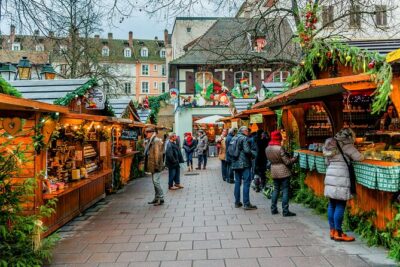 ★ 5.0Strasbourg Food Tour – A Taste of Tradition by Do Eat BetterFrom $95614 reviews
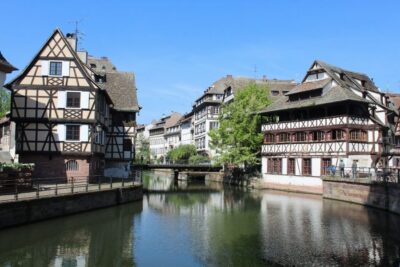 ★ 5.0Strasbourg: Walking Tour with Local GuideFrom $41598 reviews
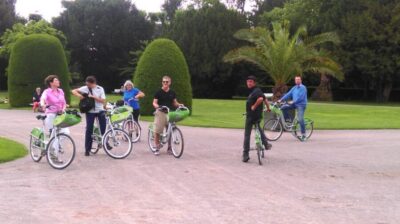 ★ 4.8Strasbourg: Guided Bike Tour with a Local GuideFrom $46573 reviews
 ★ 4.8Strasbourg: 1.5-Hour Guided Segway TourFrom $57383 reviews
Also on these France lists