
Reviewed · TOURS
Behind the Scenes of a Boulangerie: French Bakery Tour in Paris
Baguettes start before the oven. In just about 1 hour, you get behind the scenes of a working Paris boulangerie in Montmartre, watching how pain and pastries become real, not just theoretical.
I really like the small-group feel (max 8), because you can actually hear the guide and ask questions in a cramped production space. I also like the practical payoff: you don’t leave empty-handed, with a freshly baked baguette and a croissant to enjoy later.
One possible drawback to weigh: this tour can feel more watch-and-learn than hands-on, depending on the day and the flow in the bakery.
In This Review
- Key things to know before you go
- Montmartre Meeting Point, a Working Bakery You Can Sense
- What Happens Once You Enter the Boulangerie Kitchens
- Behind the scenes, you’ll spot three worlds
- The Baguette Portion, Why It’s More Than Shaping Dough
- Why you’ll care about the technique
- Croissants and Pastries, Where You Learn the Craft Feel
- The Real-Life Group Size and the Rooming Reality
- Hands-On Expectations, What You Can Probably Control
- What You Take Home, and Why It’s Part of the Value
- A note on the price question
- Who This Tour Fits Best
- Practical Tips to Make Your Hour Go Smoothly
- Should You Book This French Bakery Tour?
- FAQ
- How long is the French bakery tour?
- Where does the tour start in Paris?
- Is the tour offered in English?
- What is the group size?
- What do I take home at the end?
- Is the tour hands-on or mostly watching?
- What ages can join?
- Is it suitable for travelers with food allergies?
- What happens if the tour is canceled?
Key things to know before you go
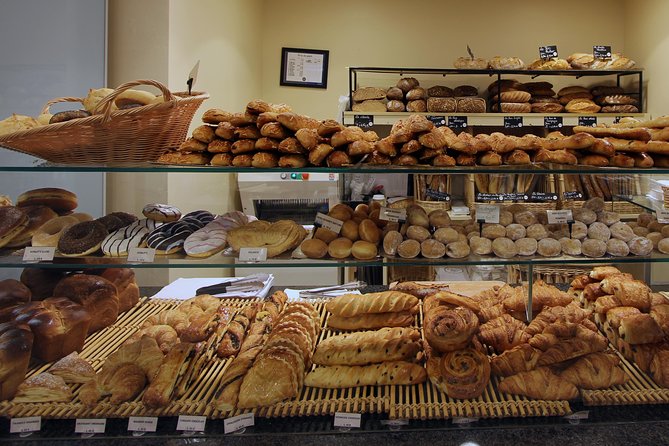
- Montmartre production rooms: You step into the working kitchen where baguettes and pastries are made daily.
- Machines get explained: Your guide shows how the bakery’s equipment fits into the bread-making process.
- Take-home bread matters: You receive one baguette and one croissant to bring away.
- Baker facts you can use: You’ll learn about French baking rules and bread-making tips you can take home.
- Sometimes a bit hands-on: Some groups get more involvement (like helping with release cuts), but it is not guaranteed.
- Plan for flour and slippery floors: Comfortable, non-skid shoes help in a bakery where the space is tight.
Montmartre Meeting Point, a Working Bakery You Can Sense
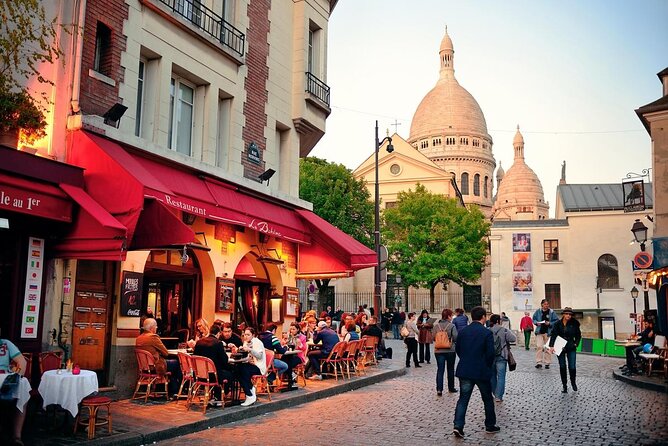
This tour begins at Le Grenier à Pain Caulaincourt, 127 Rue Caulaincourt in the 18th arrondissement, right by Montmartre. It is designed for an intimate visit, and that matters, because bakeries at this scale are busy and compact.
I like that you get a mobile ticket and you can find your way via public transportation. No hotel pickup means you control your timing, and you can arrive when you want without getting shuffled into another schedule.
Still comparing options? These are other tours in Paris we have reviewed.




What Happens Once You Enter the Boulangerie Kitchens
You meet an expert guide and your visit quickly moves from the shop side into the production area. The big idea is simple: this is not a themed show kitchen, and it is not an industrial bread factory.
Instead, you see the day-to-day workflow of a small, independent Parisian bakery where skilled bakers work on real demand. You also get context as you go, including history and technique, because bread in France is tied to rules, culture, and daily rhythm.
Behind the scenes, you’ll spot three worlds
As the tour progresses, you’ll hear how the bakery handles:
- Pain (bread), especially the classic baguette
- Gateaux (cakes)
- Patisseries (pastries)
You may not spend equal time in each area, but you do get the sense of how everything ties together in one operation. The bakery’s machinery gets discussed too, so you understand what is automated and what is still very much craft.
The Baguette Portion, Why It’s More Than Shaping Dough
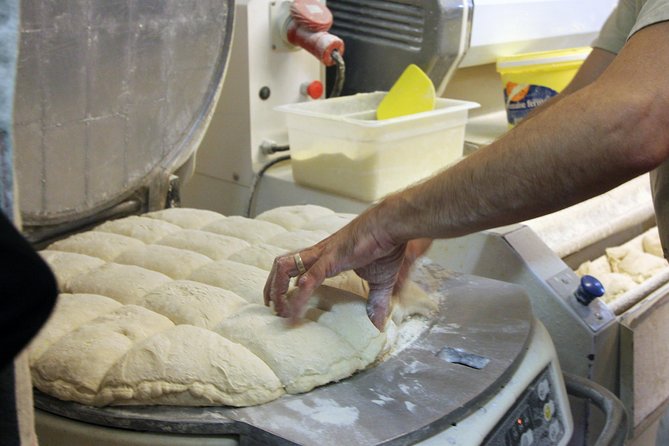
Baguette making is the heart of this tour. Your guide explains how French baguettes are produced and demonstrates how the bakery equipment works during the process.
You’ll likely focus on the sequence: dough preparation, shaping, and how the bakery handles baking so the crust and interior come out the way French bakers expect. One of the smartest parts is that you learn the bread-making tips and practical baguette rules your baker follows.
A detail that stuck with people in the experience is that some groups get to help with release cuts on the baguettes they take home. If that option is available on your day, it turns a passive viewing tour into something more memorable.
Why you’ll care about the technique
At home, it is easy to treat baguettes as just flour, water, and luck. In a real Paris workshop, you see that timing and process are everything, and you get language for what to pay attention to, even if you never bake professionally.
Croissants and Pastries, Where You Learn the Craft Feel
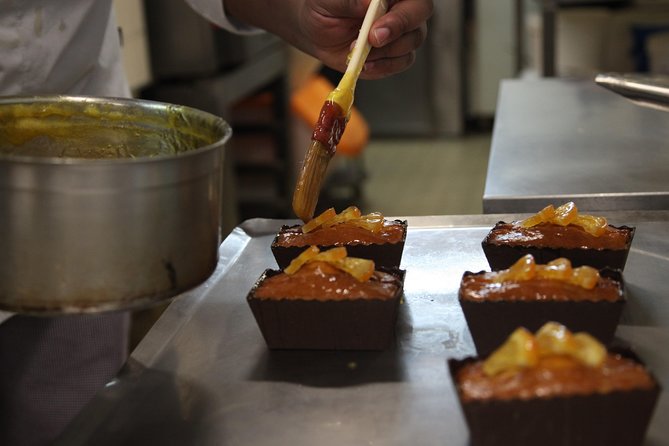
After the baguette focus, the tour turns toward pastries, including croissants. You’ll watch how pastries are assembled and explained, and your guide shares interesting facts that help the steps make sense.
In some groups, the guide is named in the moment and can be a major reason the tour feels lively. Names that have come up include Marie, Mariette, and Vincent, and the common thread is clear: a friendly guide who can translate what you are seeing into something you can picture later.
You also get tasting time, and people often mention the samples and the end-of-tour treats. That is not just a nice extra. It helps you connect the description to the result, so the visit sticks.
- Paris: Louvre Museum Timed-Entrance Ticket
★ 4.6 · 71,977 reviews - Disneyland® Paris 1-Day Ticket
★ 4.6 · 49,412 reviews - Paris: Versailles Palace and Gardens Full Access Ticket
★ 4.6 · 41,579 reviews - Paris: Evening River Cruise with Music
★ 4.4 · 22,721 reviews - Paris: Louvre Guided Tour with Reserved Access & Boat Cruise
★ 4.3 · 16,353 reviews
The Real-Life Group Size and the Rooming Reality
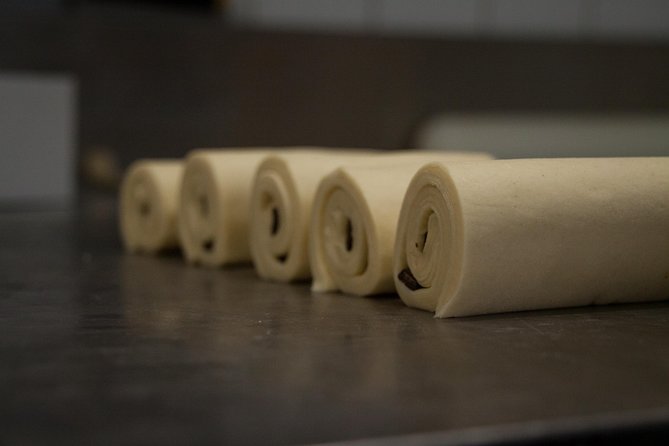
This tour caps at 8 travelers, and that is a big deal in a bakery space. These kitchens are not designed for tourist comfort, and that is why the small group size is part of the value.
Still, there are tradeoffs. Some visitors felt the tour stayed mainly in observation mode, because bakers have to keep producing. If you are hoping to fully run the process yourself, you might need to accept that most of the work stays in the bakers’ hands.
Also, the space can be tight. One common practical warning from people who have done it: flour on the floor can make surfaces slippery, so non-skid shoes help a lot. Wear clothes you do not mind if a little flour gets on them.
Hands-On Expectations, What You Can Probably Control
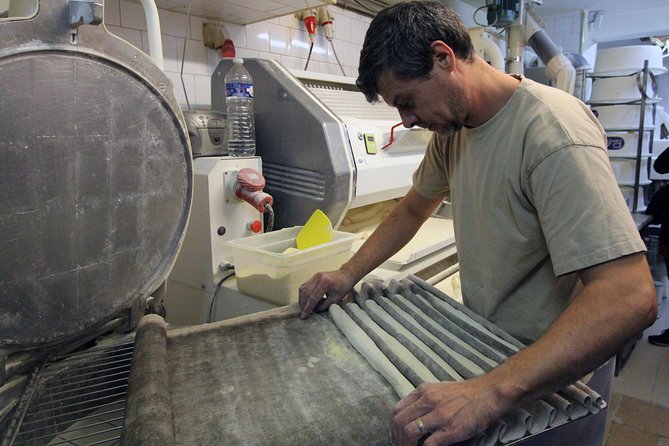
Here is the honest balance. This experience is set up as a guided walk through real bread and pastry production. That means you may not get the same level of hands-on work you’d find in a full bread-making class where you knead and bake your own batch from start to finish.
That said, there are moments where interaction can happen. Some groups report doing something specific, like making cuts on baguettes they receive later. If hands-on is your priority, come with the right mindset: expect learning, and treat participation as a bonus if the baker allows it.
If you want to ask questions, this is where you can shine. Bring curiosity, and ask about timing, shaping, and why certain steps happen in a particular order. In a small group, your questions land faster.
What You Take Home, and Why It’s Part of the Value
The included take-home items are the easiest way to judge value here:
- One freshly baked French baguette
- One freshly baked croissant
You also get samples during the tour. People often mention tasting warm bread and enjoying pastry samples, which helps justify the price if you’re hungry and you want more than just watching.
This is where I think the tour can be worth it even if you feel a bit “watching-only.” You’re leaving with items that match what you just learned about, and that makes the whole hour feel like a complete experience instead of a quick peek.
A note on the price question
Some people have said it felt expensive for the time and format. I get that reaction, especially if you compare it to hands-on baking classes. But if you value a working-bakery behind-the-scenes visit in Montmartre, plus fresh baguette and croissant, you’re paying for access and insight, not a long baking session.
Who This Tour Fits Best
This is a strong match if you want a realistic slice of Paris food culture without turning it into a museum day. It is also a great fit for families, especially kids age 6 and up, because the production looks real and active, and guides tend to keep things moving.
It can be less ideal if:
- You have sensitive airborne food allergies (this is explicitly noted as not recommended).
- You need a highly interactive class where you do most of the baking yourself.
- You are uncomfortable in tight spaces where people move around production areas.
Practical Tips to Make Your Hour Go Smoothly
A few small moves help you enjoy this more:
- Wear non-skid shoes. Bakery floors can be slick.
- Dress for flour. It is a bakery, not a gallery.
- Come hungry for bread. The tour ends with take-home goodies and tastes along the way.
- Bring questions. In a max-8 group, asking about baguette rules and technique is the easiest way to turn watching into learning.
- Use the English tour format. The experience is offered in English, and your guide supports you through the process.
Should You Book This French Bakery Tour?
Book it if you want a short, focused behind-the-scenes visit to a working Paris boulangerie, with serious technique and a real payoff in the form of fresh take-home bread. It is a great alternative when you want something cultural and delicious without committing to a half-day activity.
Skip it or choose a different format if you expect a fully hands-on class where you produce your own baguettes start to finish. Also consider your comfort with food environments if you have airborne allergies.
If you get the right expectations, this is the kind of experience that makes the taste of a baguette in Paris feel like it has a story behind it, not just a reputation.
FAQ
How long is the French bakery tour?
The tour lasts about 1 hour.
Where does the tour start in Paris?
It starts at Le Grenier à Pain Caulaincourt, 127 Rue Caulaincourt, 75018 Paris, France, and it ends back at the meeting point.
Is the tour offered in English?
Yes, the tour is offered in English.
What is the group size?
This is a small-group tour with a maximum of 8 travelers.
What do I take home at the end?
You receive one freshly baked French baguette and one freshly baked croissant.
Is the tour hands-on or mostly watching?
It is primarily a behind-the-scenes visit. You may get some hands-on moments, but the format can lean toward watching and listening while the bakers work.
What ages can join?
The tour is for ages 6 and up, and children must be accompanied by an adult.
Is it suitable for travelers with food allergies?
It is not recommended for travelers with sensitive airborne food allergies.
What happens if the tour is canceled?
There is free cancellation up to 24 hours in advance for a full refund. If the minimum number of travelers is not met or the class is overbooked, you will be offered an alternate date or a full refund.
Everything Else Filed Under Paris
- Paris: Louvre Guided Tour with Reserved Access & Boat Cruise
★ 4.3 · 16,353 reviews - Paris: Big Bus Hop-On Hop-Off Tour with Optional Cruise
★ 4.4 · 13,279 reviews - Louvre Museum Masterpieces Guided Tour with Access
★ 4.5 · 12,023 reviews - Versailles: Skip-the-Line Tour of Palace with Gardens Access
★ 4.7 · 9,778 reviews - Mona Lisa & Louvre Masterpieces Tour with Reserved Access
★ 4.6 · 6,812 reviews
The Whole Paris Shelf
- Paris: Louvre Museum Timed-Entrance Ticket
★ 4.6 · 71,977 reviews - Disneyland® Paris 1-Day Ticket
★ 4.6 · 49,412 reviews - Paris: Versailles Palace and Gardens Full Access Ticket
★ 4.6 · 41,579 reviews - Paris: Evening River Cruise with Music
★ 4.4 · 22,721 reviews - Paris: Eiffel Tower Entry Ticket with Optional Summit Access
★ 4.4 · 20,035 reviews
The rest of the Paris write-ups
- Montmartre: Guided Tour for Kids and Families★ 4.9 · 57 reviews
- From Paris: Versailles Palace and Gardens Guided Day Trip★ 4.5 · 57 reviews
- Versailles Palace and Garden Tour with Paris Private Transfers★ 5.0 · 58 reviews
- Louvre Evening Escape – Avoid The Crowds! Semi-Private 6ppl Max★ 5.0 · 58 reviews
- Summit Eiffel Tower Audio Guide Tour with Unlimited Time Access★ 4.5 · 58 reviews
- Private Half Day Historic Tour★ 5.0 · 58 reviews
Tours, in full.
 ★ 4.3Paris: Louvre Guided Tour with Reserved Access & Boat CruiseFrom $8116,353 reviews
 ★ 4.4Paris: Big Bus Hop-On Hop-Off Tour with Optional CruiseFrom $4313,279 reviews
 ★ 4.5Louvre Museum Masterpieces Guided Tour with AccessFrom $8612,023 reviews
 ★ 4.7Versailles: Skip-the-Line Tour of Palace with Gardens AccessFrom $749,778 reviews
 ★ 4.6Mona Lisa & Louvre Masterpieces Tour with Reserved AccessFrom $806,812 reviews
 ★ 4.0Paris Big Bus Hop-On Hop-Off Tour with Optional River CruiseFrom $466,534 reviews
 ★ 5.0Louvre Museum – Exclusive Guided Tour (Entry Included)From $1816,296 reviews
 ★ 4.6Versailles: Skip-the-Line Guided Palace Tour and Full AccessFrom $885,214 reviews