
Reviewed · TOULOUSE & CARCASSONNE TOURS
Carcassonne During World War 2
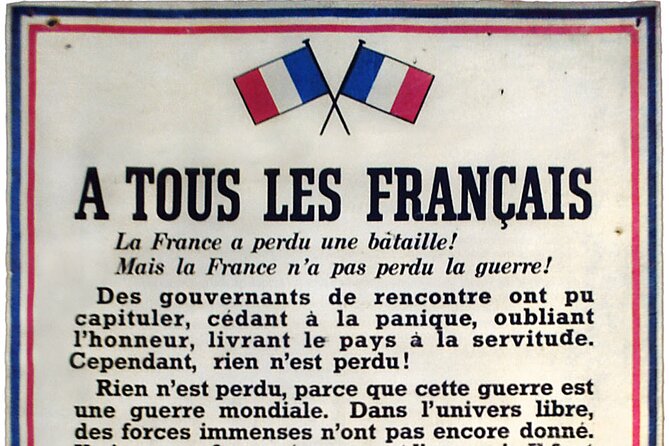
Wartime Carcassonne is hiding in plain sight. This private English guided walking tour uses black-and-white WWII photos and a local WWII expert guide to connect the medieval streets to real life between 1939 and 1945. I love how it turns big events into human-scale stories, and I love the way the guide keeps history grounded in the town you are actually standing in.
One thing to consider: it is a walking tour through older streets, and if your group runs large, hearing can get tricky.
If you want Carcassonne beyond the postcard view, this is the side most people miss. You will walk the streets between key World War II sites, then finish at the Resistance memorial in Square Gambetta. The mood can swing from sobering to reflective, with the guide using context, not just facts.
In This Review
- Key things to know before you go
- Carcassonne’s wartime story fits between medieval stones
- How the tour walks you through 1939 to 1945
- The Fall of France and why Carcassonne changed
- Occupied and non-occupied zones, and the shifting lines
- The invasion of the Free Zone
- Rationing, the Milice, and day-to-day pressure
- The S.T.O. and what it meant for families
- Resistance and collaboration as a spectrum, not a switch
- Liberation and the emotional aftermath
- Post-war purges, heroes, traitors, and forgotten names
- Your guide, Paul, and the photos that bring facts into focus
- Stop-by-stop: from the meeting point to the Resistance memorial
- Starting at Brasserie a 4 Temps
- Walking the key WWII-connected streets
- Ending at Square Gambetta memorial
- Duration, start time, and how to plan your morning
- Price and value: is $24.19 worth it?
- Who this tour is best for, and who might want to rethink
- Should you book Carcassonne During World War 2?
- FAQ
- What is the duration of the Carcassonne During World War 2 tour?
- Is the tour in English?
- Is this a private tour?
- Where does the tour start and end?
- What topics are covered during the guided walk?
- What happens if the weather is bad or I cancel?
Key things to know before you go
- Private, English guided walk focused on Carcassonne’s wartime years
- WWII expert guide with local knowledge and a clear, story-driven approach
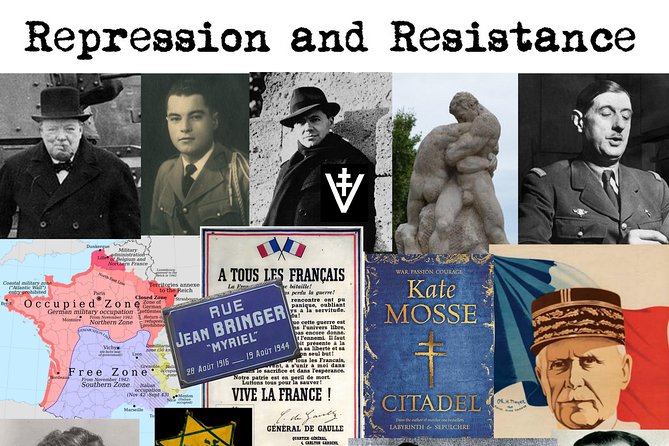
- Repression and Resistance theme, explained through what happened in town
- B&W period photos used as visual anchors along the route
- Takes in both national and local angles, including heroes and forgotten stories
- Ends at a Resistance memorial so the themes land with real meaning
Carcassonne’s wartime story fits between medieval stones
Carcassonne is famous for its layered look, from medieval ramparts to quieter neighborhoods below. What surprised me is how easily World War II can fit into that same physical space. You are not just hearing about occupation from a distance. You are walking past places where decisions were made, rumors spread, and ordinary people tried to survive.
This tour is built around the idea that wartime France was not one single experience. It split into occupied and non-occupied areas, then shifted again as the war moved. In Carcassonne, those shifts mattered, because they changed daily life, access to food, and the risks of helping others.
The guide also helps you see the difference between national events and local outcomes. The story stays rooted in Carcassonne, but it keeps widening just enough to explain why people acted the way they did. That balance is what makes the walk feel practical, not gloomy for the sake of it.
More around Toulouse and Carcassonne
How the tour walks you through 1939 to 1945
The whole experience centers on one main guided route: a walking tour of Carcassonne that moves through wartime themes in a clear sequence. The timing is about 2 hours, plus whatever time you spend asking questions at stops. It is paced to keep the story understandable as it gets heavier.
Here is what you can expect as the narrative unfolds, in the order you will likely hear it on the walk:
The Fall of France and why Carcassonne changed
The tour starts by setting up the shock of 1940, when France’s situation flipped fast. You will get the big picture, but with a local lens, so it does not stay abstract. This matters because the rest of the tour depends on understanding how quickly life became restricted and dangerous.
Occupied and non-occupied zones, and the shifting lines
You will also cover how the occupied and non-occupied zones worked in practice. That part can be hard to picture without a human explanation, and this tour does that job by linking the geography to what people experienced on the ground.
The invasion of the Free Zone
As the war spreads, the Free Zone stops being a safe assumption. The tour frames why that shift raised risks for civilians and resistance networks. It also gives you language and context to understand what later topics mean, like rationing and forced labor.
Rationing, the Milice, and day-to-day pressure
Then the tour gets into the daily squeeze: rationing and the role of the Milice. If you have ever wondered how occupation shows up in normal life, this is the section that answers it. It is not just about military control. It is about how control tightened social behavior and choices.
- Languedoc: Tour and Tasting at Domaine de Baronarques
★ 4.8 · 64 reviews
The S.T.O. and what it meant for families
You will hear about the S.T.O., forced labor. The tour treats it as a turning point for many people, because it put families and communities under stress. Even without personal details, the topic explains why resistance and collaboration were not just political labels, but survival math.
Resistance and collaboration as a spectrum, not a switch
One of the most important themes is the spectrum of resistance and the spectrum of collaboration. Instead of painting one group as purely heroic and another as purely villainous, the guide explains how choices could be mixed, forced, and complicated. That approach helps you understand how people negotiated a path through the war years without turning the story into propaganda.
Liberation and the emotional aftermath
The liberation section matters too, because it is not the end of fear. The tour connects liberation to the next phase: what happened after the war, when blame, survival stories, and justice collided.
Post-war purges, heroes, traitors, and forgotten names
Finally, you reach post-war purges and the tour’s focus on national heroes, local heroes, and forgotten heroes. That last part is where the walk feels personal. You stop thinking about World War II as a single timeline and start seeing it as countless individual lives.
Your guide, Paul, and the photos that bring facts into focus
The standout strength here is the guide style. Several people highlight Paul’s preparation and his ability to keep the walk both informative and engaging. You get a lot of detail, but it is delivered in an order that makes sense as a story.
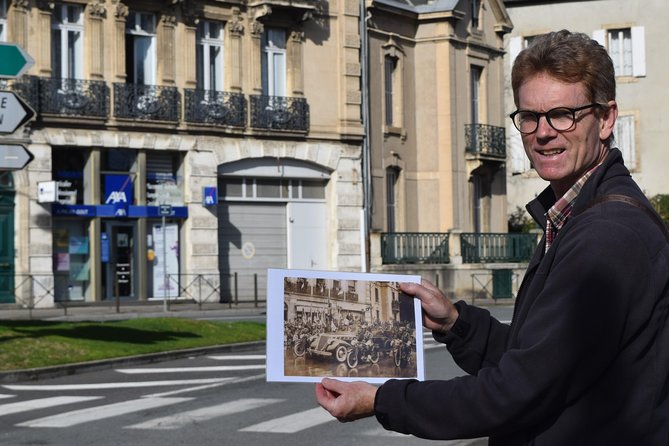
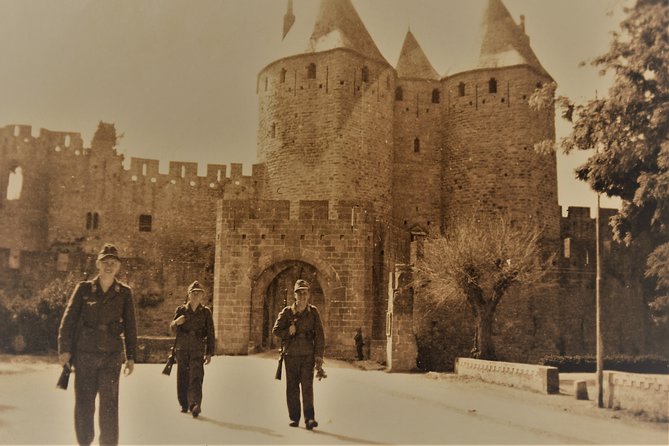
The guide uses B&W photos from the time as visual evidence while you stand in relevant places. That technique does two helpful things:
- It prevents the tour from feeling like a lecture. You see the era in front of you.
- It anchors memories in real faces and real conditions, not just dates.
Paul is also described as accommodating and personable, which matters on a tour where questions can naturally come up. When you are dealing with sensitive topics like repression, collaboration, and forced labor, being able to ask questions and get clear answers makes the experience better, not harder.
One more practical note: the tone can include humor in the right moments, even while the topics stay serious. That balance helps the tour move at a human pace, so you can absorb it without feeling crushed.
Stop-by-stop: from the meeting point to the Resistance memorial
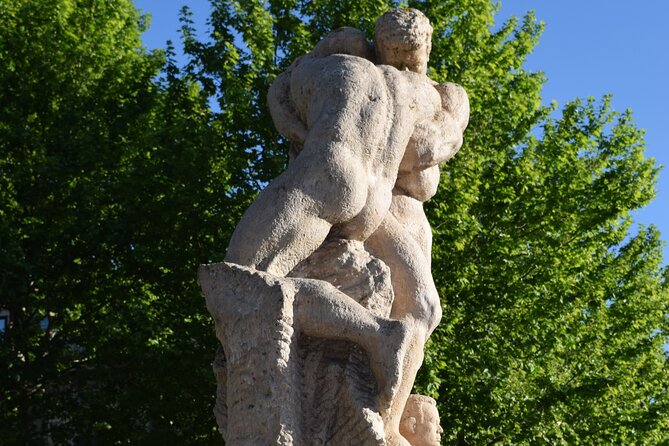
This is a one-route walking tour, but it still has a natural beginning and ending that help the themes land.
Starting at Brasserie a 4 Temps
You meet at Brasserie a 4 Temps, 2 Bd Barbès, 11000 Carcassonne. Starting from a public-facing spot is helpful if you are arriving from town, and it keeps the tour from feeling like you are trudging to a hidden alley right away.
From the start, the guide sets the wartime context. Expect the early minutes to focus on getting oriented in the story, so you know what you are looking for as you move.
Walking the key WWII-connected streets
As you go, the tour links Carcassonne streets to events like rationing, the role of the Milice, and resistance activities. You are also guided to look for specific details the guide mentions. That style of interaction can be a big deal, because it turns a passive walk into an active one.
This is also where group size can affect your comfort. One important consideration: narrow medieval streets can limit space to stand and move safely, especially if your group ends up at the higher end of size. If hearing matters to you, try to position yourself near the front of your group, and be ready for the fact that you might need to shuffle once or twice.
Ending at Square Gambetta memorial
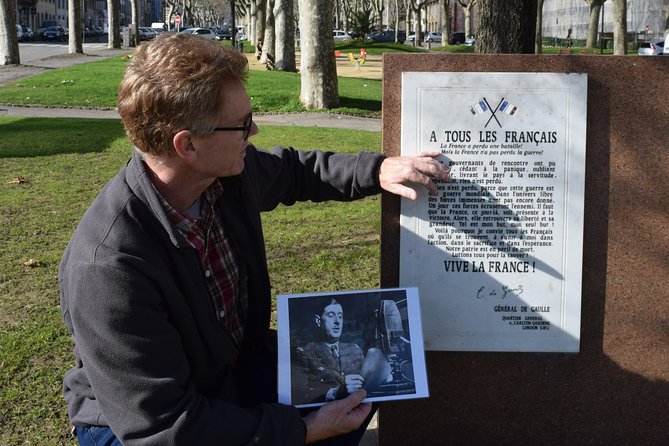
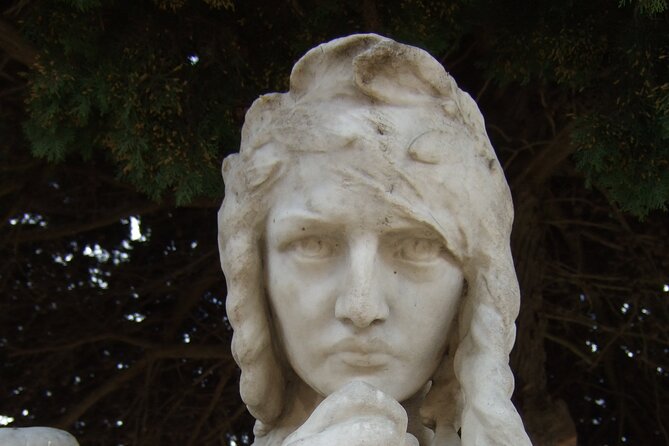
The tour finishes at the memorial to the Resistance in Square Gambetta, 16 Av. Arthur Mullot, 11000 Carcassonne. Ending at a memorial is not just symbolic. It gives you closure to the themes you covered, especially the parts about forgotten heroes and post-war purges.
If you like connecting historical topics to physical landmarks, this ending is a plus. It helps the walk stick in your mind.
Duration, start time, and how to plan your morning
The tour runs about 2 hours 15 minutes. Start time is 9:30 am. That matters because it is early enough to still enjoy the rest of your day in Carcassonne, but late enough that you can get coffee without rushing.
It is offered in English, and it uses a mobile ticket. So, you will want your phone charged and ready. The tour is also near public transportation, which can help if you do not want to depend entirely on taxis or parking.
Weather matters. This experience requires good weather, so if skies look unstable, plan to check the forecast the day before and again in the morning. If it gets canceled due to poor weather, you should expect a different date or a full refund.
One more planning detail: it tends to get booked ahead, on average around 32 days. If you are visiting in a busy season or on a weekend, I would not treat it like a last-minute option.
Price and value: is $24.19 worth it?
At $24.19 per person, this is priced like a serious specialty tour, not a basic sightseeing stroll. The value comes from what you get for that price:
- A private tour format so you are not stuck behind strangers for every stop.
- A WWII expert guide who knows how to connect local sites to major events.
- Real period photos used during the walk, which helps the story feel grounded.
- A clear thematic focus on repression and resistance, which is exactly the kind of niche that standard city tours rarely cover.
In other words, you are paying for focus. If you want a generic overview of Carcassonne, you can do that on your own. If you want the wartime side explained with local detail and context, this price can feel fair fast, especially because the tour length is long enough to stay meaningful without dragging on.
If you are history-driven, the value tends to be even better. If you are only casually interested in World War II, I would still say it can work, but you will enjoy it most if you bring curiosity about how ordinary people made choices under pressure.
Who this tour is best for, and who might want to rethink
I think this tour fits three types of travelers best.
- World War II fans who want a local angle, not just the usual headline story.
- People who like story-led walking tours, where you stop, listen, and connect facts to place.
- Visitors who want Carcassonne beyond la Cité, because the walk focuses on the town experience in wartime years, not only the big tourist views.
If you want a relaxed photo walk, you might find the subject matter heavy. This is not a tour that avoids difficult topics. It covers occupation, repression, forced labor, and post-war purges. You will also hear about collaboration and resistance as a spectrum, which can be thought-provoking.
And if you are sensitive to hearing in crowded places, pay attention to group size. Narrow streets can squeeze sound, and it can be hard to find a safe spot if the group is large. The good news is that because it is a private setup, it is easier to manage your position than on a huge open-group tour.
Should you book Carcassonne During World War 2?
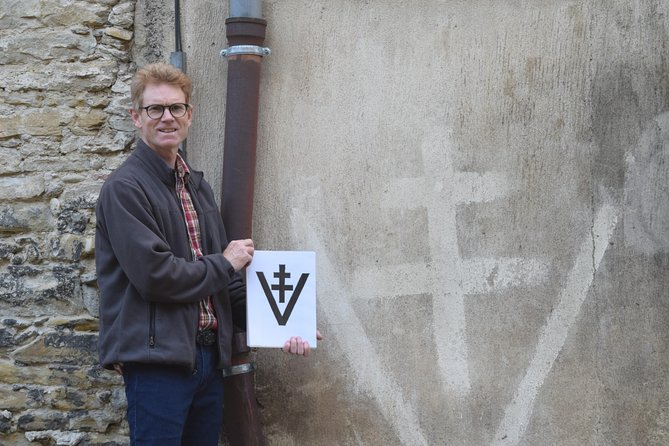
Book it if you want to understand Carcassonne as a living community during World War II, not just as a beautiful medieval backdrop. The mix of a WWII expert guide, a personal wartime theme, and B&W period photos gives the tour real weight. The ending at the Resistance memorial also makes the experience feel complete.
Think twice if you dislike walking tours or you get worn down by somber historical subjects. Also, if hearing is crucial for you, plan to arrive on time and position yourself well at the start, because older streets can make sound carry unevenly.
If your goal is authentic history in a real town setting, this one is an easy yes.
FAQ
What is the duration of the Carcassonne During World War 2 tour?
It runs for about 2 hours 15 minutes.
Is the tour in English?
Yes, the tour is offered in English.
Is this a private tour?
Yes. It is a private tour or activity, and only your group will participate.
Where does the tour start and end?
It starts at Brasserie a 4 Temps, 2 Bd Barbès, 11000 Carcassonne, France. It ends at the memorial to the Resistance in Square Gambetta, 16 Av. Arthur Mullot, 11000 Carcassonne, France.
What topics are covered during the guided walk?
The tour covers repression and resistance, the Fall of France, occupied and non-occupied zones, the invasion of the Free Zone, rationing, the Milice, S.T.O., the spectrum of resistance and collaboration, the liberation, and post-war purges, including national, local, and forgotten heroes.
What happens if the weather is bad or I cancel?
The experience requires good weather. If it is canceled due to poor weather, you will be offered a different date or a full refund. You can also cancel for a full refund if you cancel up to 24 hours in advance of the experience start time.
The Whole Carcassonne Shelf
- Languedoc: Tour and Tasting at Domaine de Baronarques
★ 4.8 · 64 reviews - Carcassonne: Private Guided Tour of the Medieval Fortress
★ 4.5 · 64 reviews - Private guided tour of the city of Carcassonne
★ 5.0 · 58 reviews
Toulouse and Carcassonne, More
- Carcassonne: Private Guided Tour of the Medieval Fortress
★ 4.5 · 64 reviews - Private guided tour of the city of Carcassonne
★ 5.0 · 58 reviews
The rest of the Carcassonne write-ups
- Private guided tour of the city of Carcassonne★ 5.0 · 58 reviews
- Carcassonne: Private Guided Tour of the Medieval Fortress★ 4.5 · 64 reviews
- Carcassonne During World War 2★ 5.0 · 127 reviews
Toulouse & Carcassonne Tours, in full.
 ★ 4.4Toulouse: Carcassonne Day Trip by Coach with AudioguideFrom $35580 reviews
 ★ 5.0Toulouse Food & History Tour with a Chef (in English)From $133503 reviews
 ★ 4.5Toulouse: Albi and Cordes/Ciel Day Trip with Audio GuidesFrom $35486 reviews
 ★ 5.0Toulouse Victor Hugo Market Small Group Tasting TourFrom $139337 reviews
 ★ 5.0The essential of Toulouse by bikeFrom $47221 reviews
 ★ 4.8Toulouse: Electric Tuk-Tuk Tour with Photo Stops and AudioFrom $82138 reviews
 ★ 5.0Explore Toulouse Wine Bars with a Local Wine ExpertFrom $12689 reviews
 ★ 4.5Toulouse Tour in Electric Tuk TukFrom $8486 reviews
Also on these France lists