
Reviewed · ALSACE WINE ROUTE TOURS
Cellar visit and Alsace wine tasting with a feminine touch
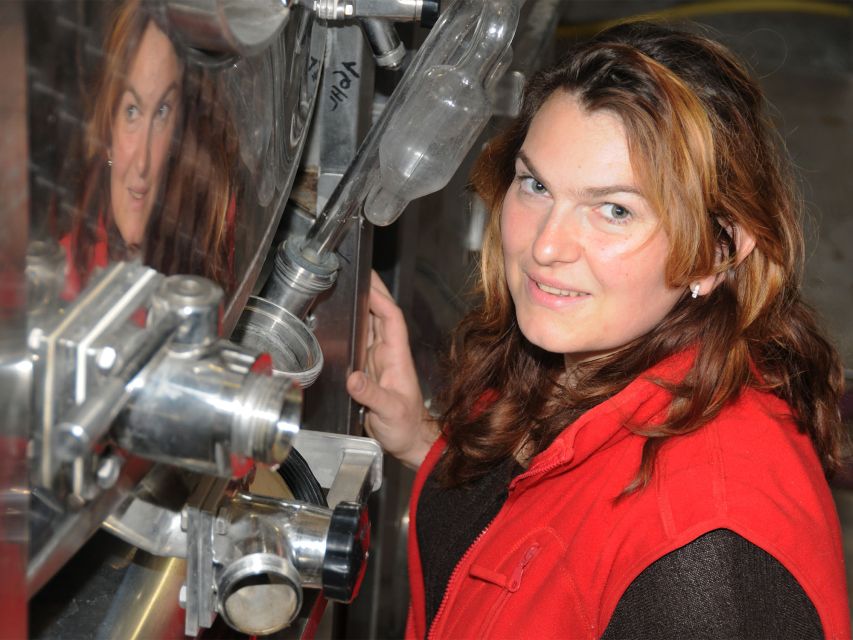
Alsace wine, with a feminine point of view. At Domaine Gueth on the Alsace wine road, Muriel hosts a 1-hour cellar visit and tasting that mixes organic farming, spontaneous fermentation, and a modern philosophy. I love the way the explanations stay clear and practical, tying what you taste back to terroir and how the wine is made.
I also like the hands-on format, because you choose which wines you taste from their selection rather than getting a fixed set. One possible drawback to consider: the tasting is labeled as feminine-focused, but if you want a very explicit, step-by-step story about what makes the approach feminine in every part of the process, you may have to listen closely to catch it.
Plan for a relaxed hour with adult-only wine tasting, paired with small Alsatian nibbles. If you prefer not to drink wine, you can swap to 100% organic grape juice from their vineyards.
In This Review
- Key points to know before you go
- Domaine Gueth’s 1-hour tasting, where conversation beats crowds
- Meet Muriel at the Domaine Gueth cellar, then see how they work
- What the feminine focus really means in this tasting
- The tasting flight: 7 organic wines, spontaneous fermentation, and choosing what fits
- Organic farming, High Environmental Value, and why it affects what you taste
- Snacks and pacing: pretzel or kougelhopf keeps the hour friendly
- Buying wine direct from Domaine Gueth, and getting better value
- Why the $20 price often feels fair for what you get
- Alsace wine typicities you can spot after this visit
- Who this experience suits best in Alsace
- Should you book Domaine Gueth’s feminine wine cellar visit?
- FAQ
- How long is the Domaine Gueth wine tasting?
- What does the price include?
- Are the wines organic, and is spontaneous fermentation used?
- Is the tasting for adults only?
- Can I drink something non-alcoholic instead of wine?
- Can I buy wine at the end?
- What languages are available for the guide?
- Is parking available, and is it wheelchair accessible?
Key points to know before you go
- Cellar and installations visit at Domaine Gueth, not just a pour at a counter
- 7 organic wines tasted from across their vintages, including spontaneous fermentation
- A feminine, modern philosophy connected to organic farming and High Environmental Value practices
- You pick what you taste, so the flight better matches your style
- Alsatian snacks included, with pretzel or kougelhopf and crackers
Domaine Gueth’s 1-hour tasting, where conversation beats crowds
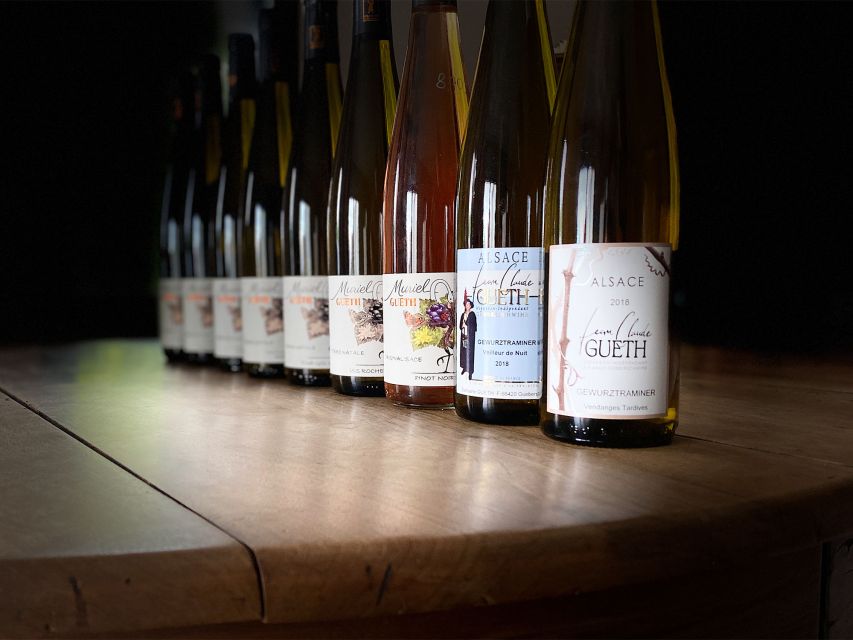
This is the kind of Alsace wine stop that feels more like a focused visit than a production line. Domaine Gueth is an independent grower setting, and the experience is timed tightly enough to keep it lively, but slow enough that you are not rushed through the important stuff.
You start at the domain itself, then move into the cellar and wine-making installations. The goal is not just to hand you a glass. They want you to understand how they think about wine, from vine to bottle, and how their approach connects to the Alsace you are exploring.
The size also matters. With 10 places available, the group stays small, which makes it easier to ask questions and actually talk about what you like. If you enjoy organic wine and you want a human scale experience, this format fits.
Still comparing options? These are other tours in France we have reviewed.

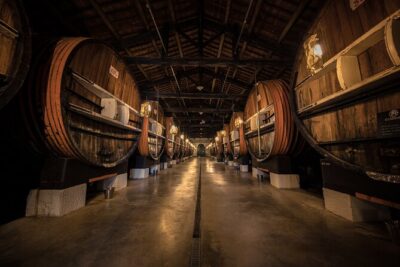
Meet Muriel at the Domaine Gueth cellar, then see how they work
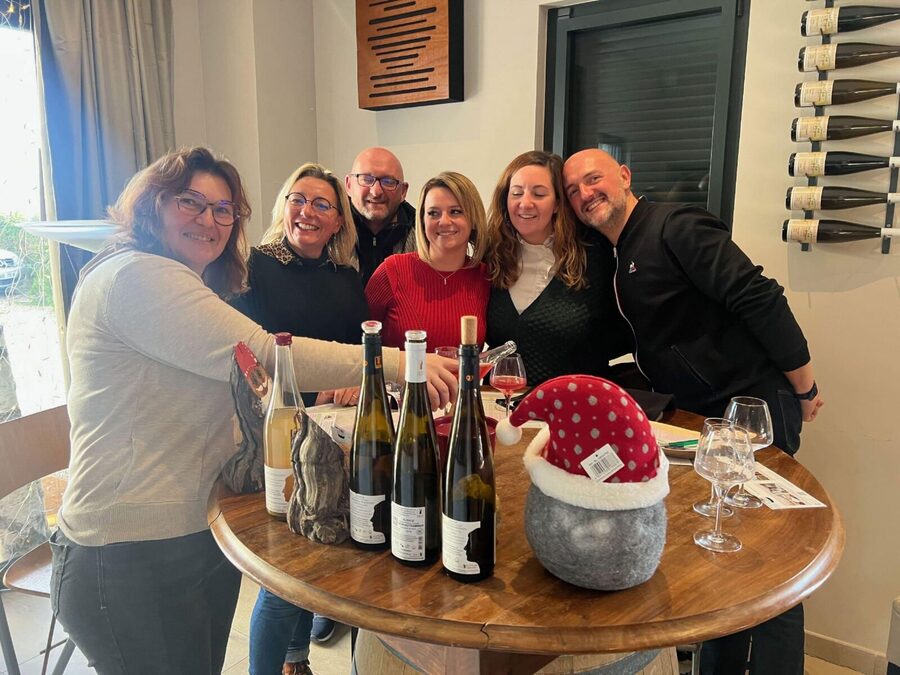
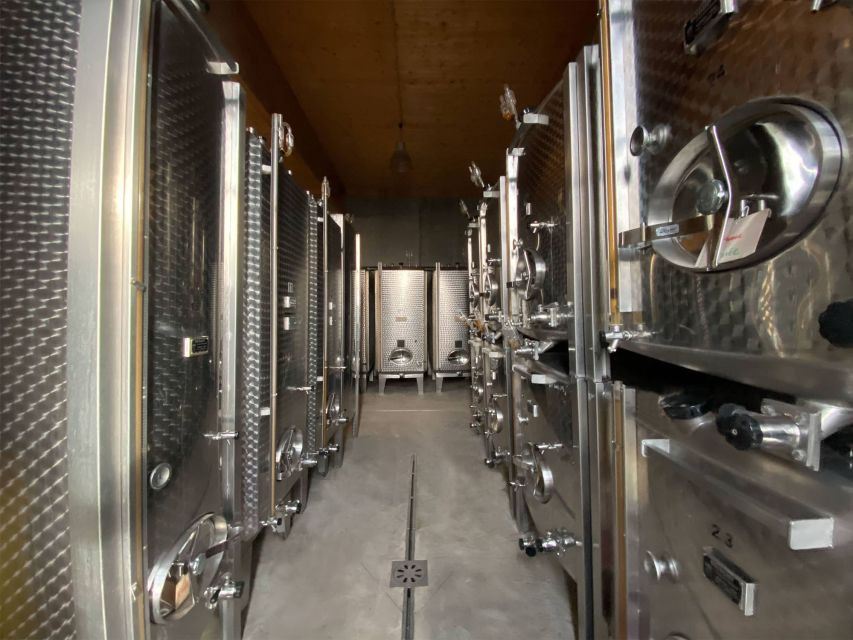
The visit begins at Domaine Gueth, with parking inside the domain and a straightforward meeting setup. From there, you tour the cellar and the winery installations. Seeing the place helps you connect words like vinification and cellar choices to real equipment and real decisions.
The narration is built around a specific theme: a feminine approach to wine after 7 generations of winemakers. Muriel brings a modern touch, but the message is still rooted in tradition, just expressed through how they farm and make wine.
Two things you should pay attention to during the cellar portion:
- How they describe their respect for the environment. They reference both Organic Farming and a High Environmental Value approach, which tells you they are aiming for farming practices that reduce chemical impact and keep the vineyard ecosystem healthier.
- How they explain their idea of letting the wine follow its own path. In practical terms, that usually means they try to avoid heavy-handed interventions and allow natural momentum from fermentation onward.
If you learn visually, this part helps a lot. Even if you are not a wine expert, you can still ask about why the cellar layout or process choices matter.
What the feminine focus really means in this tasting
The experience is explicitly presented as a feminine wine approach, and the theme is part of the pitch. In the cellar tour and tasting talk, you get the philosophy behind the wines: fruity and elegant styles, made close to nature and with a contemporary setting on the wine road.
Here is the key point for your expectations. The most satisfying way to experience this is not by looking for a single magic moment. Instead, treat the feminine theme like a lens for the whole visit: how they frame decisions, how they describe restraint and respect for the vineyard, and how the approach emphasizes balance and pleasure.
A note of fairness based on the kind of feedback this experience attracts: some people want an even more direct explanation of what exactly makes it feminine, beyond how it is practiced and presented. If that is your priority, ask questions early. You can politely ask:
- What part of the process is where the feminine touch shows most clearly?
- Is it mainly about cultural practices in the vineyard, how the wine is handled, or how the story is told?
If they respond with specific examples, you will feel that theme snap into focus. If not, at least you will still leave with a solid, well-explained tasting of organic Alsace wines.
The tasting flight: 7 organic wines, spontaneous fermentation, and choosing what fits
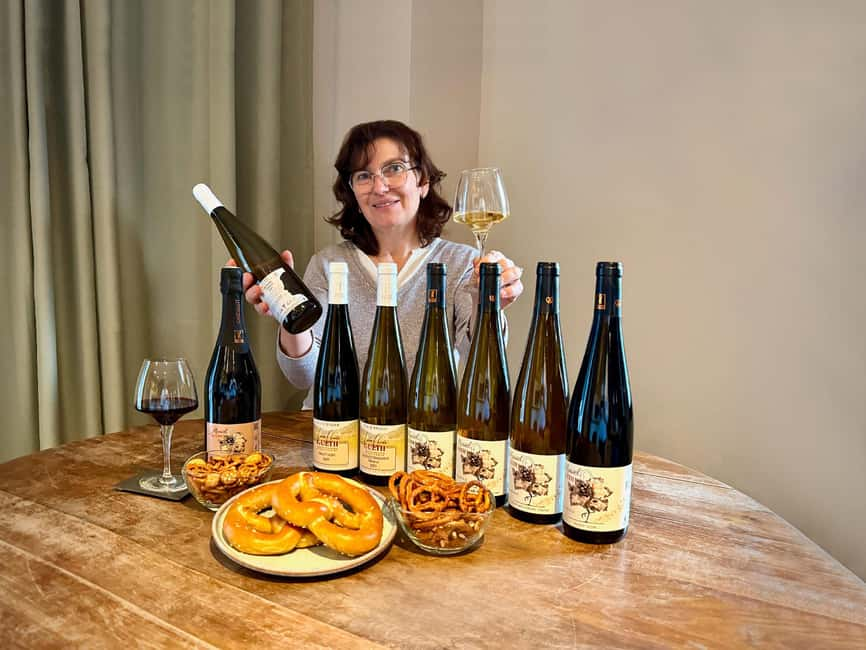
The heart of this experience is the tasting of 7 organic wines. They come from selected vineyards, and the wines involve spontaneous fermentation. That combination matters. Spontaneous fermentation often means the winery relies more on natural yeasts, which can add personality and freshness, especially in aromatic regions like Alsace.
Instead of a pre-set flight where you taste what they want, you are invited to select and taste from their range that best suits you among their vintages. In other words, you are not locked into a path. You can steer toward the style you want, which is a big deal if you have strong preferences.
During the tasting, listen for how they explain typicities of Alsace. Alsace wines are often recognized for aroma, clarity, and a sense of place, even when styles range from dry to more gently off-dry. You will likely be helped to connect:
- Aromatic character to vineyard and fermentation choices
- Texture and balance to how the wine was handled
- Overall style to the estate’s organic approach and philosophy
Even if you cannot name every grape, you can still learn what Alsace tastes like in their hands.
Practical tip: take notes as you taste. Since you will be able to buy what you like, having quick reminders helps you order confidently later.
Organic farming, High Environmental Value, and why it affects what you taste
This is not a “numbers-only” organic tour. The farming labels show up as part of their story about how they treat the vineyards and how they aim to respect the environment. They mention High Environmental Value and Organic Farming, which is your signal that the estate is aligning with recognized sustainability standards.
Why should you care as a visitor?
Because farming choices tend to show up in taste in subtle ways. Organic farming can affect vine vigor, soil life, and grape health. Spontaneous fermentation can affect aromatic expression. Together, these choices can make the wine feel more alive and less engineered.
You do not need a PhD to get value here. You just need curiosity and a willingness to taste with attention. The best moment is when the guide links an idea to a sensation in your glass, like how a lighter touch in cellar handling might lead to a more lifted aromatic profile.
One more thing: they offer a menu with more than twenty different wines, including traditional options, selections of old vines, and also atypical and local wines. That matters because the tasting flight is not meant to represent everything they do. It is a sampler that helps you find a starting point.
Snacks and pacing: pretzel or kougelhopf keeps the hour friendly
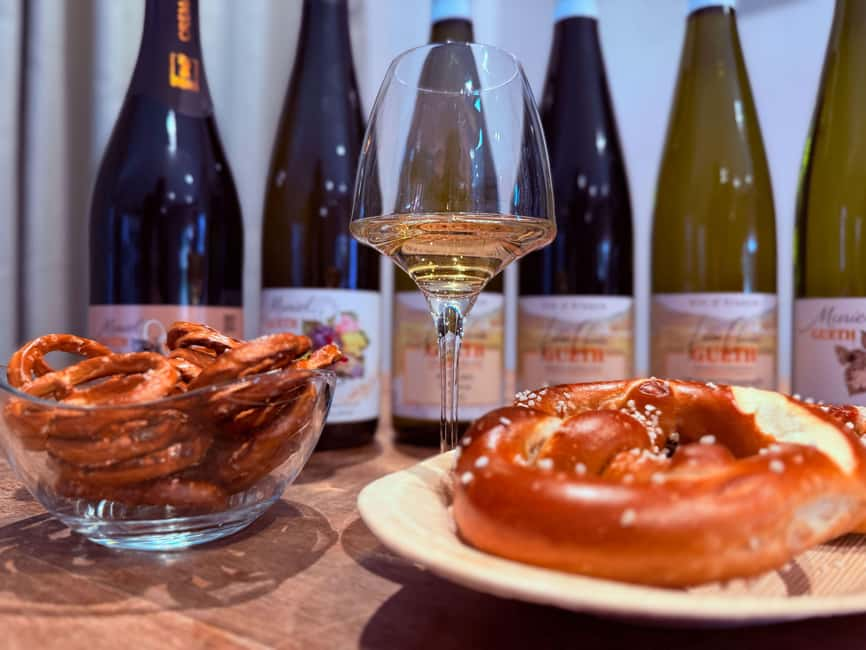
Wine tasting can get stiff fast if it feels like a classroom exam. Here, the experience includes simple Alsatian nibbling: a pretzel or a slice of kougelhopf, plus crackers.
That small detail does two jobs:
- It keeps the tasting comfortable for an hour, especially if you are trying multiple styles.
- It reinforces that this is rooted in Alsace everyday food culture, not just wine tourism.
The pace is also part of the value. The explanations are given with time to understand and ask questions, which helps you get more out of the flight. If you tend to forget what you are tasting, the food pairing and relaxed rhythm helps you stay oriented.
Other tastings and blending sessions
- Winery Tour & Wine Tasting – Deli Plate & 3 Wines
★ 5.0 · 72 reviews
Buying wine direct from Domaine Gueth, and getting better value
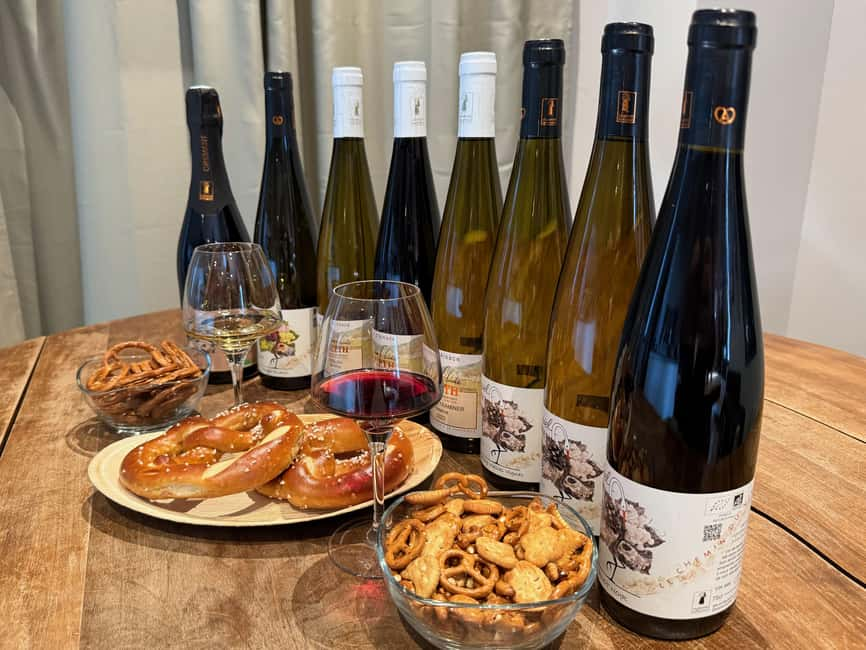
After the tasting, you can buy the wines you tried directly from the producer. This is one of the simplest ways to improve value on a wine stop: you are not paying for a middle layer.
It also helps you match bottle to your own tastes. Since the flight is chosen to fit you, buying on-site is more likely to result in a bottle you actually want to open later.
Here is how to make this work for you:
- Taste with the idea that you might buy one or two bottles, not a whole case.
- Write down which bottles hit your favorite note, like aromatic lift, elegance, or fruit-forward freshness.
- Ask how those wines pair with food if you are traveling with plans.
If you are souvenir-minded, this beats random gifts. If you are wine-minded, it is a focused way to bring home a true Alsace profile from a single estate.
Why the $20 price often feels fair for what you get
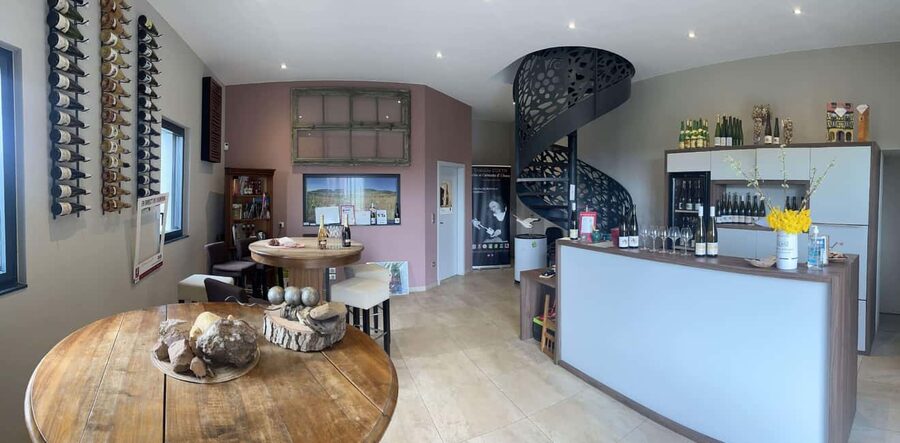
At $20 per person for a 1-hour experience, the value comes from three parts working together.
First, you get more than a quick tasting. You get a visit of the cellar and installations, plus a philosophy talk tied to their organic and environmental approach.
Second, the tasting itself is substantial: 7 organic wines. That is a lot for one hour, and it gives you a better chance to find your style rather than hoping you like the single bottle that comes next.
Third, you get small Alsatian snacks included, which makes the whole thing feel like a real visit, not a sterile exchange of money for pours.
Price is always personal, but if you care about organic wine, Alsace character, and learning in a human-scale setting, this one is priced in a reasonable zone.
Alsace wine typicities you can spot after this visit
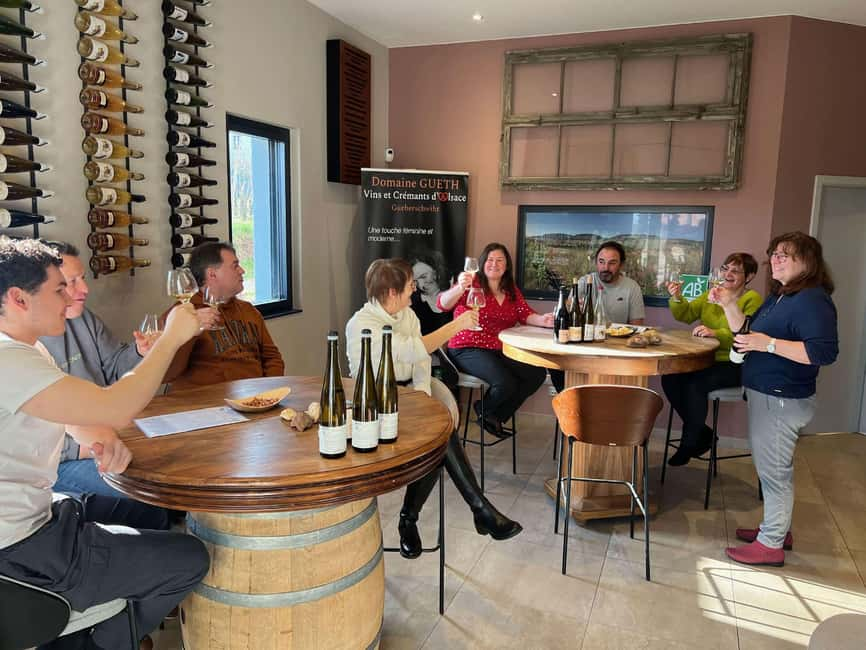
Alsace is famous for expressing terroir through aromatic and precise wines, and this tasting is designed to help you recognize that signature character. The guide will point you toward what makes Alsace wines feel distinct and unique.
You can leave with practical “taste cues,” like:
- Why spontaneous fermentation can highlight perfume and freshness
- How organic farming choices can influence grape expression
- What elegance feels like in Alsace, even when wines vary in dryness and style
Even if you only remember a few sensations, you will be better prepared for your next wine stop. You will know what to ask for, and you will be able to compare wines more intelligently.
And if you later browse bottles on your own, the tasting can help you understand why some Alsace wines feel more aromatic, more textured, or more lifted.
Who this experience suits best in Alsace
This is a strong match if you:
- Prefer organic wine and want a tasting that actually explains what organic means in practice
- Like small, conversational experiences rather than big groups
- Want Alsace character with a philosophy behind it, especially the feminine, modern framing after 7 generations
- Enjoy aromatic wines and want to find bottles you would actually buy
It may be less ideal if you want a strictly structured, overly literal explanation of the feminine theme with lots of named examples for each step. In that case, go in prepared to ask direct questions.
Should you book Domaine Gueth’s feminine wine cellar visit?
I think you should book this if you want a focused, friendly Alsace wine experience with real learning built in. The combination of a cellar tour, a 7-wine organic tasting, and the chance to buy direct from Domaine Gueth makes it feel like more than just a stop.
If you care about the story as much as the wine, you will probably enjoy the philosophy talk led by Muriel and the way it connects to farming and cellar choices. Just go in knowing the feminine angle may be expressed through approach and framing more than through an endlessly detailed checklist of what is feminine at every step.
If that kind of interpretive style still sounds fun to you, reserve your 1-hour slot and plan to taste with questions in mind. You will likely leave with a better understanding of Alsace, and at least a couple of bottles you genuinely want.
FAQ
How long is the Domaine Gueth wine tasting?
The experience lasts 1 hour.
What does the price include?
The visit includes the cellar and winery installations tour, a presentation of their feminine approach and philosophy, a tasting of 7 organic wines, and Alsatian snacks (pretzel or kougelhopf) with crackers.
Are the wines organic, and is spontaneous fermentation used?
Yes. The tasting is of organic wines, and spontaneous fermentation is part of their wine-making approach.
Is the tasting for adults only?
Yes, the wine tasting is for adults only.
Can I drink something non-alcoholic instead of wine?
Yes. You can replace the wines with 100% organic grape juice from their vineyards.
Can I buy wine at the end?
Yes. You can buy the wines you taste directly from the producer.
What languages are available for the guide?
The live guide offers French, English, and German.
Is parking available, and is it wheelchair accessible?
Parking is available inside the domain, and the activity is wheelchair accessible.
The Whole France Shelf
- Leisure ride on an electric scooter
★ 5.0 · 276 reviews - Canyoning Annecy Angon Discovery
★ 5.0 · 181 reviews - Cave Museum Village Troglodyte of Rochemenier Admission Ticket
★ 4.5 · 143 reviews - Maison Noilly Prat VIP tour, wine and vermouth tastings
★ 4.5 · 134 reviews - Puy du Fou Theme Park Multi Day Entrance Dated Ticket
★ 4.5 · 103 reviews
More Tastings and Blending Sessions
- Winery Tour & Wine Tasting – Deli Plate & 3 Wines
★ 5.0 · 72 reviews
The rest of the France write-ups
- Picnic at the Château de la Selve!★ 5.0 · 26 reviews
- Cross electric skateboard ride★ 5.0 · 26 reviews
- Discovery Day in the footsteps of the Builder Monks★ 5.0 · 28 reviews
- Discover Béziers differently with a Food Tour★ 5.0 · 28 reviews
- Electric scooter tour in Hossegor★ 5.0 · 31 reviews
- From Cargèse: Scandola Day Tour & Girolata Lunch Stop★ 4.5 · 31 reviews
Alsace Wine Route Tours, in full.
 ★ 5.0Colmar, Medieval Village & Castle Small Group from StrasbourgFrom $241769 reviews
 ★ 4.7From Strasbourg: Best Of Alsace Historical Day TripFrom $147633 reviews
 ★ 4.9From Colmar: 4 Wonders of Alsace Day TourFrom $159492 reviews
 ★ 5.0Alsace 4 Wonders Small-Group Day Trip from ColmarFrom $163380 reviews
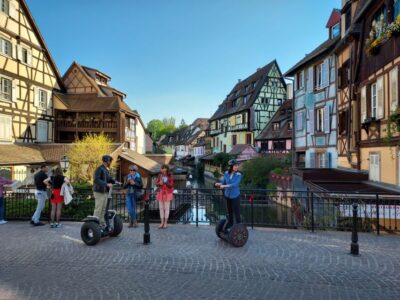 ★ 4.5Colmar: 2-Hour Segway TourFrom $70379 reviews
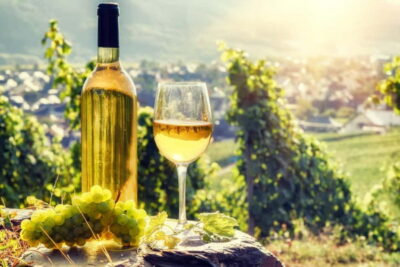 ★ 4.8Alsace Half-Day Wine Tour from StrasbourgFrom $153346 reviews
 ★ 4.5Alsace Wine Route Small Group Half-Day Tour with Tasting from StrasbourgFrom $157291 reviews
 ★ 5.0Alsace Wine Route Wineries & Tasting Small Group Guided Tour from StrasbourgFrom $260229 reviews
Also on these France lists