
Reviewed · MUSEUMS
Cave Museum Village Troglodyte of Rochemenier Admission Ticket
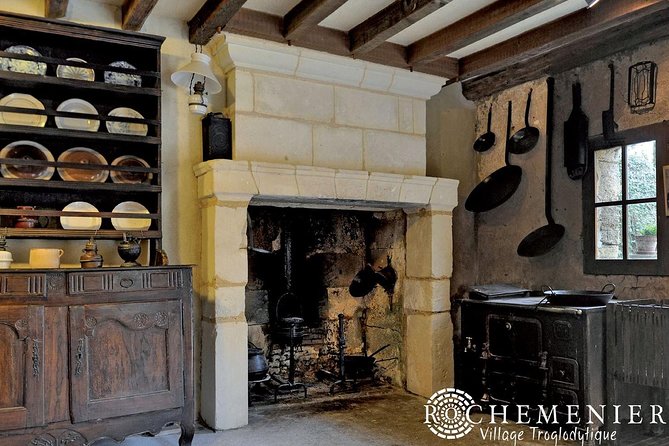
250 rooms under rock, that’s the trick. I love the self-guided setup, because you can pause and read at your own speed. I also really like the hands-on feel of the displays, with period furniture, tools, and photos that show how people actually lived. One thing to plan around: if you join the included guided visit, it’s French only, so you’ll rely mostly on the leaflet for English.
What makes this visit so satisfying is the setting itself. You’re touring a troglodyte village carved into sandstone, so the “museum” never feels staged or far removed from reality. The air stays cool down there, so bring a sweater, and give yourself 1 to 3 hours to take it in without rushing.
If you want a straightforward, authentic slice of rural France, this is a good stop. At about $10.26 per person with the admission ticket included, it’s strong value, especially if you like history that you can actually see up close.
In This Review
- Key Reasons This Cave Museum Ticket Works
- Entering Rochemenier’s Troglodyte Village of Rock-Cut Homes
- Ticket Value for About $10: What You Actually Get
- Touring the Two Farms and the Living-Home Feel
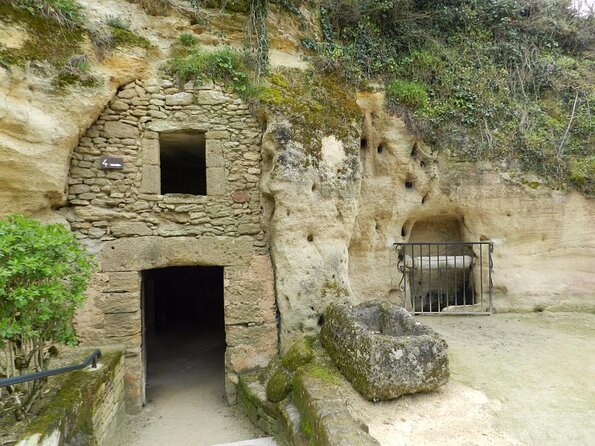
- The Rock Itself: Sandstone, Sea Shells, and Why Farmers Used It
- From the 13th Century Onward, How the Village Grew
- Language and the Timed French Guided Visit
- Practical Tips: Timing, Warm Layers, and Strollers
- Group Size and Why That Small Ceiling Matters
- Who Should Book This Cave Museum Village Ticket
- Should You Book the Rochemenier Cave Museum Village Ticket?
- FAQ
- How long does the self-guided cave museum visit take?
- Is the guided visit included, and is it in English?
- What can I expect to see during the visit?
- Are strollers allowed?
- When is it open?
- Can I cancel for a full refund?
Key Reasons This Cave Museum Ticket Works
- 250 underground rooms: real space, not just a few display corridors
- About 40 farm areas to explore across the site
- Period details like tools, furniture, and photographs tied to last residents
- Cool underground temperatures with an easy sweater fix
- Leaflet in 18 languages for self-guided clarity
- Small groups for the timed French guided visit (maximum 15)
Entering Rochemenier’s Troglodyte Village of Rock-Cut Homes
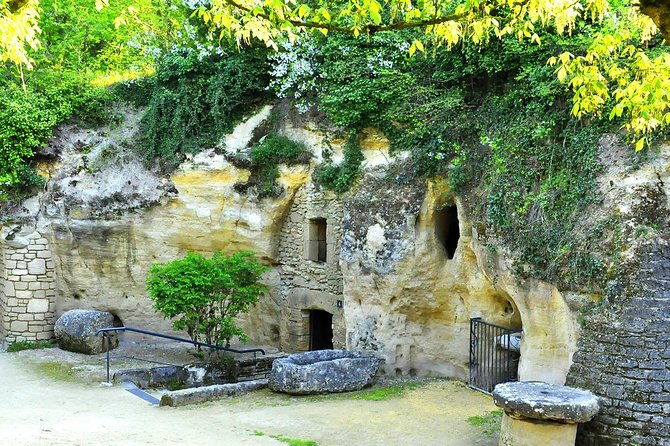
Rochemenier is one of those places where you immediately understand the point of cave life. People weren’t doing this for drama. They were using the rock they had, and shaping it into rooms for daily living.
What hits you fast is scale. The village consists of around 250 underground rooms, excavated into rock and spread across roughly 40 farms. Even before you get deep into the exhibits, you start to sense how an entire community could function underground, from work to home routines.
I also like that the visit is built for all ages. It’s self-guided, so kids can move at their pace, and adults can slow down where the details catch their eye. It’s not a high-speed “see it all” kind of tour. It’s the opposite, which makes it feel more relaxed and more human.
Still comparing options? These are other tours in France we have reviewed.


Ticket Value for About $10: What You Actually Get
This ticket is priced around $10.26 per person, and the value comes from what’s included. You’re not paying just for entry. You get access to the cave museum experience plus an explanatory leaflet available in 18 languages.
You also get a guided visit at a scheduled time, and it’s included in the ticket. The catch is language: the guided visit is in French only. If you don’t read French well, that part may feel less useful, but the leaflet helps bridge the gap for the self-guided portion.
In practice, this works best if you treat the visit as two layers. First, you do the self-guided route with the leaflet. Then, if the French guided slot is running and you feel like it, you join for a shorter add-on. That way, you’re not forced to “figure it out” in one language.
Touring the Two Farms and the Living-Home Feel
Your main stop is the Cave Museum, Village Troglodytique de Rochemenier. The site is organized around sections of the village, including two farms that were abandoned at the beginning of the 20th century and later opened to the public in 1967.
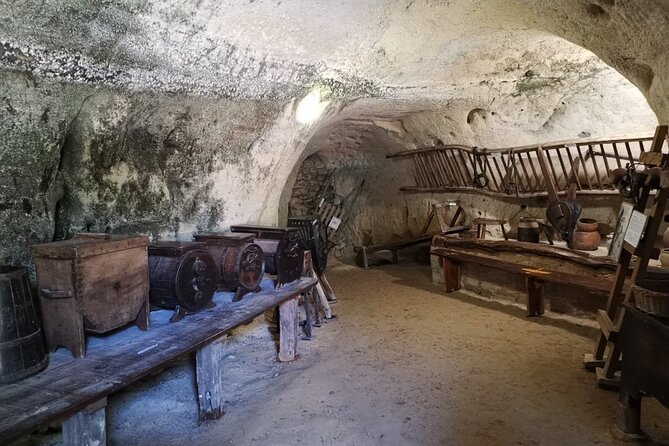
That matters because it changes how you read the rooms. You’re not just looking at empty cavities. You’re seeing living spaces presented with context, so the rooms connect to routines: daily tasks, storage, and how residents arranged furniture and tools where they belonged.
The exhibits focus on the last inhabitants, which is a smart approach. It keeps the experience grounded in everyday life rather than only offering big-picture history. You can walk room to room and build a mental map of how people organized their world underground.
One practical note, and it’s worth knowing before you go: the underground setting stays cool. The air can feel chilly even when the weather above is mild, so pack a sweater. It’s not a long trek in the open, but it is a longer sit-and-read kind of visit inside.
The Rock Itself: Sandstone, Sea Shells, and Why Farmers Used It
One of the most interesting details you’ll pick up here is what the village is carved from. The dwellings are excavated from sandstone that contained sea shells. That’s a big clue that the rock is not just “stone,” it’s material with a whole backstory.
Even more useful is what farmers did with it. The stone is a kind of calcareous sand, and it was used by farmers to help neutralise soil acidity. So the cave village is tied to the land above, not cut off from it. The rock that made homes also mattered for farming.
That connection turns the visit from “cool caves” into “how people adapted.” You start noticing cause and effect. People shaped their environment to make living and growing possible, then they expanded into rooms as the population increased.
From the 13th Century Onward, How the Village Grew
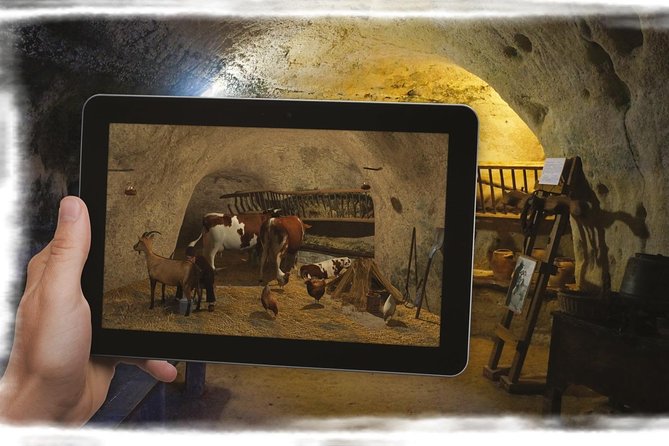
The village did not appear all at once. Habitation here goes back to around the 13th century, and the site gradually expanded up through the 19th century.
As you explore, think of it like layered growth. The oldest habitation sets the baseline, and later additions reflect changing needs. As the population increased, more rooms were added to meet daily life requirements. That’s why the village can feel both old and functional at the same time.
This long timeline is one of the reasons I think this museum works so well for independent travelers. You can read and move without a strict script. When you see different rooms presented with different furnishing and tool contexts, you naturally start imagining how family life changed across generations.
Language and the Timed French Guided Visit
If you’re English-speaking, the good news is you have tools. The self-guided visit comes with an explanatory leaflet available in 18 languages, so you’re not left guessing.
The other news is about the included guided component. There is a guided visit at specific times, but it’s French only. That doesn’t mean the whole visit is a problem. It just means you should decide what you want from it.
My advice: focus on the self-guided pace first. Use the leaflet to understand what you’re seeing. Then, if a French guided visit is scheduled during your time, you can decide on the spot whether you want to sit in for the extra framing. Even if the language limits you, the structure can still help you orient faster.
Also, the visit is designed for people of all ages, which usually means the materials are approachable. You don’t need a degree in French archaeology to enjoy it.
More France entries to book
- Cave Museum Village Troglodyte of Rochemenier Admission Ticket
★ 4.5 · 143 reviews - Puy du Fou Theme Park Multi Day Entrance Dated Ticket
★ 4.5 · 103 reviews - CAVES of CERDON and Prehistoric Leisure Park – Entrance ticket
★ 4.5 · 76 reviews - Puy du Fou Theme Park 1 Day Entrance Dated Ticket
★ 4.5 · 57 reviews
Practical Tips: Timing, Warm Layers, and Strollers
Duration is about 1 to 3 hours, depending on how closely you read and how often you pause. If you like museums that reward walking slowly, aim for the longer end. If you just want the big highlights and a smooth route, you can probably finish sooner.
The underground temperature is part of the experience. You’ll feel that freshness, so don’t treat it like a “walk through one room” stop. You’ll likely be standing and reading for stretches, which makes warmth a real comfort issue. Bring a sweater, and if you run cold easily, add an extra layer.
Strollers are possible, which is great for families. One limitation: the underground chapel is not accessible for strollers. Plan around that if you’re traveling with a stroller, and consider whether a child can handle the route comfortably without needing to reach every corner.
One more small but helpful detail: service animals are allowed, and most people can participate. This is a museum visit that generally feels manageable for a wide range of visitors.
Group Size and Why That Small Ceiling Matters
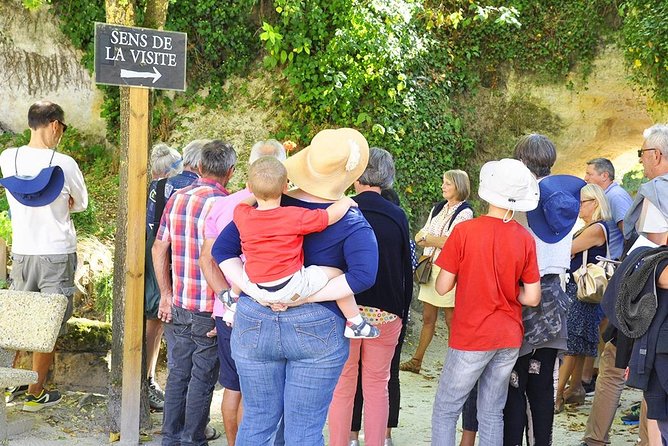
Even though it’s a self-guided experience, the timed guided portion is capped at a maximum of 15 travelers. That small size can make a difference in how quickly you get oriented when a guide is speaking.
It also helps you feel less packed in. You can read at your own pace without feeling like you’re being herded through tight spaces. If you prefer quiet, this kind of cap usually aligns with that preference.
Who Should Book This Cave Museum Village Ticket
You’ll be happiest here if you like practical history, not just big names. Rochemenier fits travelers who enjoy:
- rural traditions and how daily life worked
- hands-on style museum displays (tools, furniture, photos)
- exploring on your own, then optionally adding a short guided layer
This is also a strong choice for mixed-age groups. Because it’s self-paced and spread across a village of rooms, you can match the visit to your own energy level.
If you want a full day of outdoor sightseeing, this might not be long enough by itself. Think of it as a focused cultural stop, usually easiest when paired with other nearby French countryside experiences.
Should You Book the Rochemenier Cave Museum Village Ticket?
Yes, I’d book it if you want an authentic cave museum experience without a lot of fuss. The combination of self-guided wandering, a leaflet in 18 languages, and an included admission ticket makes it a straightforward value play at around $10.26.
Book it with confidence if you like museums that are tidy, well presented, and built around real objects. That presentation matters underground, because you’re relying on displays and readable context rather than just scenery.
I’d skip or rethink it if you only want English-guided narration. The guided visit included is in French only, so your experience will lean on the leaflet for English.
If you’re flexible and ready to enjoy a cool, rock-carved village at a calm pace, this ticket is a smart stop in France.
FAQ
How long does the self-guided cave museum visit take?
Plan on about 1 to 3 hours.
Is the guided visit included, and is it in English?
A guided visit is included at specific times, but it is in French only. The self-guided tour uses an explanatory leaflet available in 18 languages.
What can I expect to see during the visit?
You’ll explore the troglodyte village of Rochmenier, including underground rooms across farm areas, plus exhibits with furniture, tools, and photographs describing the lifestyle of the last inhabitants.
Are strollers allowed?
Strollers are possible, but the underground chapel is not accessible for strollers.
When is it open?
Hours vary by season. For example, it is open Tuesday to Sunday from 10:00 AM to 5:00 PM from 02/01/2026 to 04/15/2026, and Monday to Sunday from 9:30 AM to 5:30 PM from 04/16/2026 to 09/15/2026. In the later period 09/16/2026 to 11/20/2026, it is open Tuesday to Sunday from 10:00 AM to 5:00 PM.
Can I cancel for a full refund?
Yes. You can cancel up to 24 hours in advance for a full refund. Canceling less than 24 hours before the start time is not refunded.
More France Entries to Book
- Puy du Fou Theme Park Multi Day Entrance Dated Ticket
★ 4.5 · 103 reviews - CAVES of CERDON and Prehistoric Leisure Park – Entrance ticket
★ 4.5 · 76 reviews - Puy du Fou Theme Park 1 Day Entrance Dated Ticket
★ 4.5 · 57 reviews - Entrance ticket for guided tour of the Maginot Line at the Michelsberg
★ 5.0 · 53 reviews
The Whole France Shelf
- Leisure ride on an electric scooter
★ 5.0 · 276 reviews - Canyoning Annecy Angon Discovery
★ 5.0 · 181 reviews - Maison Noilly Prat VIP tour, wine and vermouth tastings
★ 4.5 · 134 reviews - Puy du Fou Theme Park Multi Day Entrance Dated Ticket
★ 4.5 · 103 reviews - Aigues Mortes: Jeep Photo Safari in Camargue
★ 4.5 · 100 reviews
The rest of the France write-ups
- Picnic at the Château de la Selve!★ 5.0 · 26 reviews
- Cross electric skateboard ride★ 5.0 · 26 reviews
- Discovery Day in the footsteps of the Builder Monks★ 5.0 · 28 reviews
- Discover Béziers differently with a Food Tour★ 5.0 · 28 reviews
- Electric scooter tour in Hossegor★ 5.0 · 31 reviews
- From Cargèse: Scandola Day Tour & Girolata Lunch Stop★ 4.5 · 31 reviews
Museums, in full.
 ★ 4.6Paris: Louvre Museum Timed-Entrance TicketFrom $2671,977 reviews
 ★ 4.5Louvre Museum Masterpieces Guided Tour with AccessFrom $8612,023 reviews
 ★ 4.6Paris: Louvre Museum Entry Ticket With Host and River CruiseFrom $1009,926 reviews
 ★ 4.6Les Invalides: Napoleon’s Tomb & Army Museum EntryFrom $209,185 reviews
 ★ 5.0Louvre Museum – Exclusive Guided Tour (Entry Included)From $1816,296 reviews
 ★ 4.6Paris: Louvre Museum Hosted Entry and Mona Lisa AudioguideFrom $815,235 reviews
 ★ 4.7Paris: Louvre Museum Tour Mona Lisa & Iconic MasterpiecesFrom $794,536 reviews
 ★ 4.1Paris Museum Pass: 2, 4, or 6 DaysFrom $1294,421 reviews
Also on these France lists