
Reviewed · FRANCE
Découverte Bénédictine
A fairy tale palace smells like herbs. This is an easy, one-and-a-half-hour taste of Bénédictine culture in Fécamp, starting in the Palais de la Bénédictine and ending with a guided look at how the liqueur is made. I love how you get real atmosphere fast, from the neo-Renaissance building outside to the sacred art inside.
Two things I really like: the museum lets you wander at your own pace, and the distillery tour is practical and specific, with the kind of hardware you do not see in most spirit tastings. One possible drawback: the experience has a French-heavy feel in places, and if your plan depends on QR codes working smoothly, you may want to be ready to switch to plain signage and the on-site leaflet.
In This Review
- Key highlights
- The Palais de la Bénédictine: why this building matters
- Museum time: sacred art and the Benedictine legend thread
- Distillery and cellars: hammered stills you can actually picture
- Winter Garden tasting at La Vérrière: how to make it enjoyable
- The shop: bottlings and souvenirs that feel tied to the visit
- Price and logistics: what $12 buys you, and what could annoy you
- Who should book this, and who should think twice
- Should you book Découverte Bénédictine?
- FAQ
- How long is the Découverte Bénédictine experience?
- What is included in the ticket?
- Where does the tour start?
- Is the tasting included, and is it for adults only?
- What languages are available for the self-guided museum part?
- Do I need a paper ticket, or is it mobile?
- When is the last admission time?
- Is cancellation free?
Key highlights
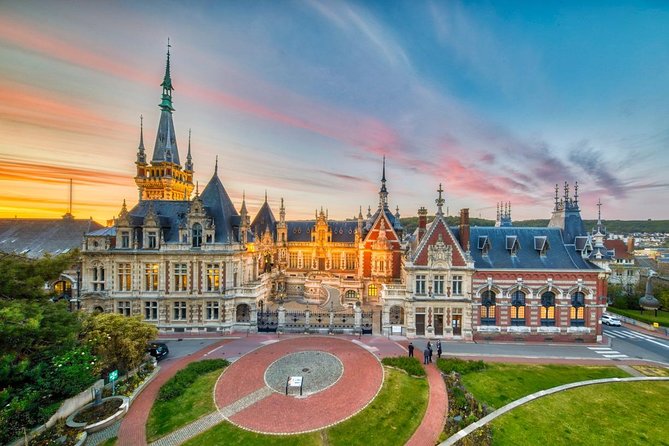
- Palais de la Bénédictine in Fécamp, a showpiece building built for the liqueur
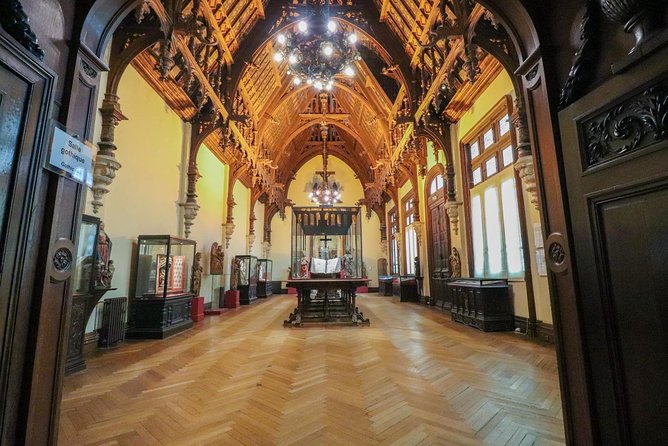
- Self-guided museum with religious art, including gilded chalices and illuminated books
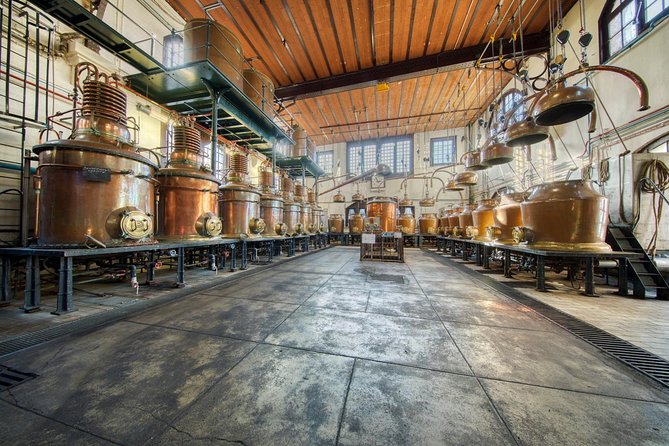
- Only Bénédictine distillery in the world, toured with historic hammered copper stills
- Cellars and traditional cellaring techniques, explained in a guided format
- Winter Garden tasting with a relaxed stop before you head to the shop
The Palais de la Bénédictine: why this building matters
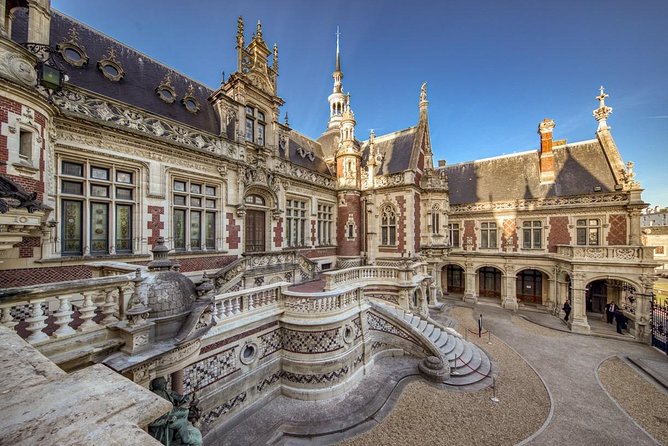
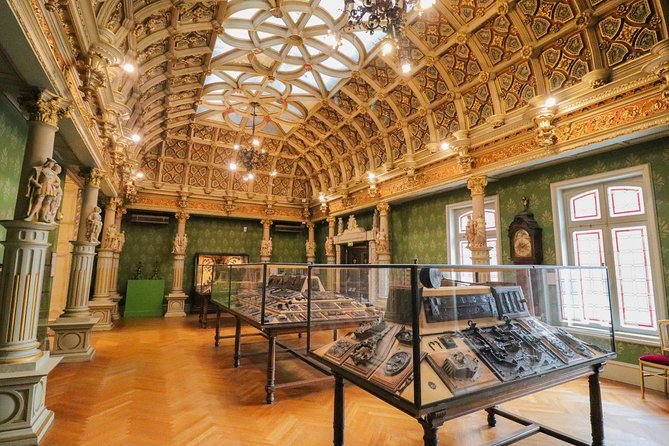
Fécamp is a Normandy port town, and the Palais de la Bénédictine turns that everyday setting into something storybook. Think tall campaniles, spires, and stonework that makes the place feel like it was designed to be photographed from every angle. Even if you only have about 90 minutes, the building gives you instant context for why this spirit is such a point of pride here.
The tour is small group style, with a maximum of 48 people, so you do not feel totally swallowed by a crowd. You also get a mobile ticket, which is handy when you are bouncing between sights in Normandy and do not want extra paper to manage.
Value-wise, the price feels reasonable because it is not only about sampling. You are also paying for access to a guided distillery and cellars portion, plus a tasting time window in a proper setting. For many people, that is the difference between a quick stop and a visit that actually teaches you something.
Still comparing options? These are other tours in Normandy we have reviewed.

Museum time: sacred art and the Benedictine legend thread
You start with the museum on your own. This is one of the best parts for me because you can move at your pace. If you want to look closely at details, you can. If you are more into the story, you can skim and still keep up.
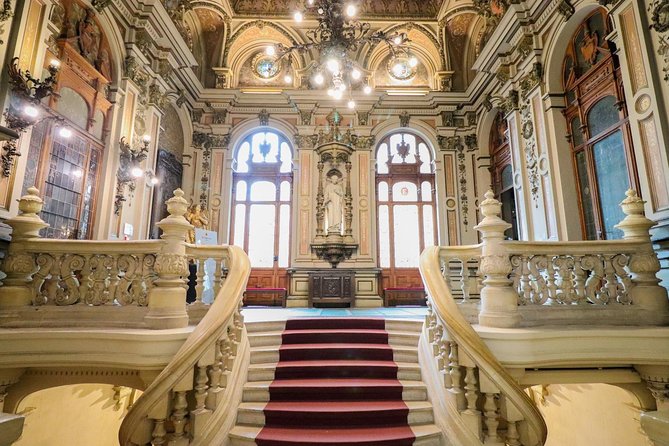
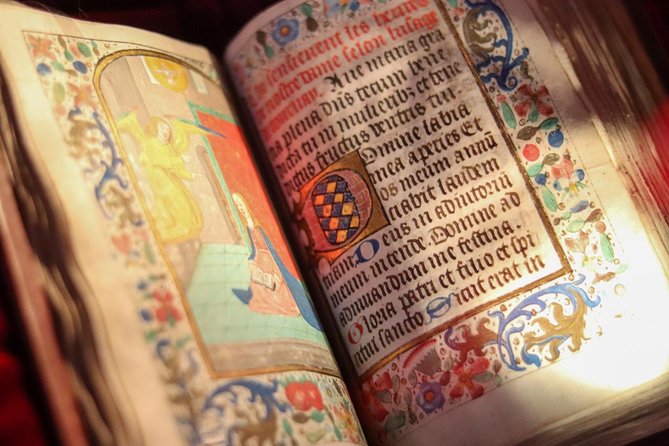
The museum focuses on religious art connected to the Benedictine heritage. You will see gilded chalices and illuminated books, plus other sacred items that explain how religious life, symbolism, and ritual shaped the wider Benedictine world. It is not just decoration. The objects help you understand why a liqueur brand would build a palace around the idea of monastic craft.
Then the story connects to the legend of Dom Bernardo Vincelli, a monk linked to Venice. You learn the tale that he created a healthful elixir using 27 herbs and spices sourced from around the world. Even if you take the legend with a pinch of salt, the point is clear: this spirit is marketed as part medicine, part craft, and part global ingredients story.
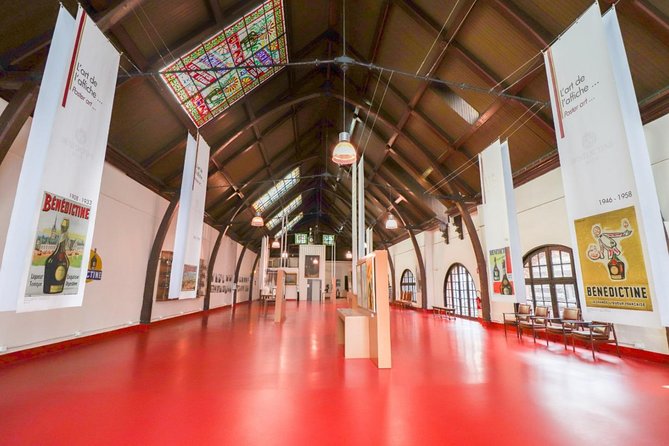
You also get the 19th-century bridge to production. The tale here is that Alexandre Le Grand, a wine merchant from Fécamp, discovered the recipe in an abbey library and turned it into production. That is the moment where the museum shifts from religious objects to industrial origin, and it sets you up nicely for the guided distillery tour later.
One practical detail: you get a leaflet for self-guided touring in multiple languages, including French, English, Italian, Dutch, Spanish, Russian, and German. That helps a lot if your French is limited, and it means you are not forced to rely on the guide for every sentence.
Distillery and cellars: hammered stills you can actually picture
After the museum, the guided portion takes over. This is where the experience becomes more than a brand stop. You are taken to the distillery and cellars, with an explanation of the process and why it is historically unusual.
The biggest bragging right is that this is the only Bénédictine distillery in the world. That alone changes the feel. You are not walking through a generic tour setup in some industrial zone. You are seeing the place designed to produce a specific identity, in a setting that is closely tied to the legend and the company history.
The tour highlights 19th-century hammered copper stills. That phrase matters because hammered copper is not just aesthetic. It reflects a particular era of craftsmanship, and it visually connects you to the idea of traditional methods rather than a modern assembly-line approach. The guided explanations focus on how the spirit is made and how it is traditionally matured.
Then comes the cellars and cellaring techniques. The exact step-by-step technical details are not spelled out in the information you get, but the tour framing does a good job of explaining that aging is part of the formula, not an afterthought. When you taste the liqueur later, you will understand why the brand talks about patience and storage.
Small groups help here. You are close enough to hear the guide and see the key areas, without spending your whole time craning your neck. If you care about food and drink history, this is the section that turns curiosity into understanding.
Winter Garden tasting at La Vérrière: how to make it enjoyable
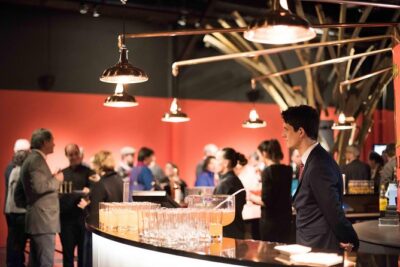
The last major portion happens in the Winter Garden at La Vérrière. This is a calmer, more scenic break after the museum and production tour, and it is a nice pacing choice. You learn and look, then you sit down and sample.
The tasting is included, but with one clear condition: it is for adults only, age 18+. That means this is a great choice for adults traveling together, and it can still work for families who want the building and museum, as long as you know the tasting itself is not for kids.
How you should approach the tasting is simple. Take a slow sip, then pause. Bénédictine is an herb-forward liqueur, and rushing at the first taste makes it harder to notice the balance. If you have a sweet tooth, you might want to remember that the drink is complex, so try not to treat it like only a dessert syrup.
One more practical perk: the café at the Winter Garden area lets you buy pastries and drinks. You might not want to add a full lunch, but this is a good place to top up energy before you move on through Fécamp.
The shop: bottlings and souvenirs that feel tied to the visit
When you are done tasting, plan time for shopping inside the palace. The shop is where you can browse unique bottlings and souvenirs that are specific to this location. If you like gifts with a story, this is where the visit pays off. You are not just buying a bottle and calling it done. You are buying something that is literally connected to the building and the distillery you just saw.
My advice: before you head into the store, decide what you want the bottle to be for. Is it a personal souvenir, a gift for a host, or something you plan to open on a special evening? That quick mental decision helps you avoid impulse buys when the selection gets tempting.
Also, plan for space in your luggage. Liqueur bottles are easy to pack badly. If you travel with other fragile items, choose carefully.
Price and logistics: what $12 buys you, and what could annoy you
At about $12, the biggest question is whether you are paying for a real experience or a marketing label. In my view, this ticket is a good deal because it bundles three things: museum access, a guided distillery and cellars tour, and a tasting. Many short tastings elsewhere are basically only the tasting plus a bit of brand storytelling. Here, you also get the built-in context of the palace and the production area.
Timing is another factor. The tour lasts around 1 hour 30 minutes, and you can choose either a morning or afternoon departure. You will also want to respect the closing rhythm, because the last admission is one hour before closing.
Language and tech are the one place I would be cautious. Some visitors have flagged that the experience can feel expensive and that certain parts may be in French only. Others have reported QR code trouble, with the code switching off or failing due to signal issues inside the building. That does not mean your visit will go that way, but it is worth planning for. Bring the assumption that you will rely on the leaflet and signage if your phone does not cooperate.
Location is straightforward, with the start and end at 110 Rue Alexandre le Grand in Fécamp. You stay local, and you do not have to worry about transport being part of the ticket. If you are using public transportation, you are near it, and that is a big plus in a small town where walking is often the easiest option.
If you need accessibility support, there is a lift for disabled people, and service animals are allowed. That makes it simpler if you are traveling with mobility needs.
Who should book this, and who should think twice
Book it if you like:
- Architecture and museums where the setting actually supports the story
- Food and drink tours that explain how a product is made
- Adults-only tastings where you get to sit and focus for a bit in a garden setting
Also, book it if you want a compact activity. You can fit it into a busy Normandy day without losing half of your afternoon to transit.
Think twice if you:
- Want a completely English-only experience in every moment
- Get frustrated easily when a tech feature like a QR code does not work on the first try
- Are looking for a deep technical class about distillation chemistry (this is more about understanding the process and heritage than running a lab)
If you are traveling with kids, remember that the tasting is for adults over 18. Still, the museum and palace visit itself can be a strong outing, as long as you plan for the fact that the main tasting payoff will be happening without them.
Should you book Découverte Bénédictine?
Yes, I think you should book it if you want a smart, time-efficient Normandy stop that connects the art, the legend, and the production of an iconic local liqueur. For the money, you are getting more than a sip, you are getting a guided look at the distillery and cellars plus a tasting in a pleasant setting.
Skip or reassess if your expectations are strictly English-only throughout, or if you are the type who will be stressed by phones and QR codes not cooperating. Even then, the leaflet-based approach and the palace signage should help you keep your footing.
If you want one simple strategy, do this: arrive with enough time to visit the museum calmly, then treat the guided distillery tour as your main learning moment, and save your questions for the guide rather than trying to multitask during the tasting.
FAQ
How long is the Découverte Bénédictine experience?
It runs about 1 hour 30 minutes.
What is included in the ticket?
You get a self-guided museum with a multilingual leaflet, a guided tour of the distillery, and a Bénédictine liqueur tasting.
Where does the tour start?
The meeting point is 110 Rue Alexandre le Grand, 76400 Fécamp, France.
Is the tasting included, and is it for adults only?
Yes, the tasting is included, and it is for adults over 18 years old only.
What languages are available for the self-guided museum part?
The leaflet is available in French, English, Italian, Dutch, Spanish, Russian, and German.
Do I need a paper ticket, or is it mobile?
It uses a mobile ticket.
When is the last admission time?
Last admission is one hour prior to closing.
Is cancellation free?
Yes. You can cancel for a full refund up to 24 hours in advance of the experience start time.
The Whole Normandy Shelf
- Mont Saint Michel: Walking Tour & Optional Abbey Ticket
★ 4.3 · 562 reviews - Immersive tour DISTILLERIE PERE MAGLOIRE
★ 5.0 · 314 reviews - Bay of Mont Saint-Michel : Quicksands And Discovery
★ 4.9 · 168 reviews - Mont-Saint-Michel: Private Guided Tour with Abbey Entrance
★ 4.9 · 115 reviews
The rest of the Normandy write-ups
- Mont-Saint-Michel: Private Guided Tour with Abbey Entrance★ 4.9 · 115 reviews
- Découverte Bénédictine★ 4.0 · 138 reviews
- Bay of Mont Saint-Michel : Quicksands And Discovery★ 4.9 · 168 reviews
- Immersive tour DISTILLERIE PERE MAGLOIRE★ 5.0 · 314 reviews