
Reviewed · LILLE & NORTHERN FRANCE TOURS
Dunkirk: Operation Dynamo and Battlefield of Dunkirk Tour
Dunkirk hits different when you walk the route. This 2-hour tour brings Operation Dynamo to life with stops at the evacuation beaches and the East Mole in Dunkirk’s port, plus options to connect it with Dunkirk filming locations. It’s mostly by coach (or car on the individual VIP option), but there is some walking, so plan for a bit on foot even though you are seated for much of the time.
I like that the tour doesn’t treat Dunkirk as one big viewpoint. It breaks the story into the places where choices were made, from shore to port, and it frames the event as hope and resistance, not just tragedy. One small consideration: because it is short, you will leave with strong highlights, not every detail you could get from longer museum time.
What really makes it work is the guide. People often name guides like Emmanuel, Fred, Elise, and Onno as the reason it clicked, praising clear explanations and a story that feels grounded in the exact spots you’re standing near.
In This Review
- Key highlights worth knowing before you go
- Two Hours That Actually Gives You Bearings
- Coach or Car, With Real Port Viewpoints and Short Stops
- Evacuation Beaches: Peaceful Sand, Real Pressure
- The Port Stop at the East Mole: Where Most Evacuation Took Shape
- The British Memorial and Cemetery: The Part That Stays With You
- Where the Movie Dunkirk Fits Into the Route
- The Guide Is the Main Attraction, and the Reviews Show Why
- Price, Group Size, and What You’re Really Paying For
- Who This Tour Suits Best (And Who Might Want Something Different)
- A Simple Plan for Getting the Most Out of the Tour
- Should You Book This Dunkirk Operation Dynamo Tour?
- FAQ
- How long is the Dunkirk Operation Dynamo and Battlefield tour?
- Is there walking during the tour?
- What main sites does the tour cover?
- Can the tour include filming locations from the movie Dunkirk?
- What languages are available for the live guide?
- How much does it cost, and how big is the group?
- Is there an option to cancel or reserve flexibly?
Key highlights worth knowing before you go
- Operation Dynamo, place by place: beaches, port, and memorial in a tight 2-hour route
- East Mole stop with the preserved bunker section: you get the port context most self-guided visits miss
- British Memorial and cemetery: a moving close tied to the soldiers who have no known grave
- Movie and reality connections: optional Dunkirk (Christopher Nolan, 2017) filming locations you can add
- Private-group feel with strong transport ratings: comfortable coach time and good punctuality reported often
Two Hours That Actually Gives You Bearings
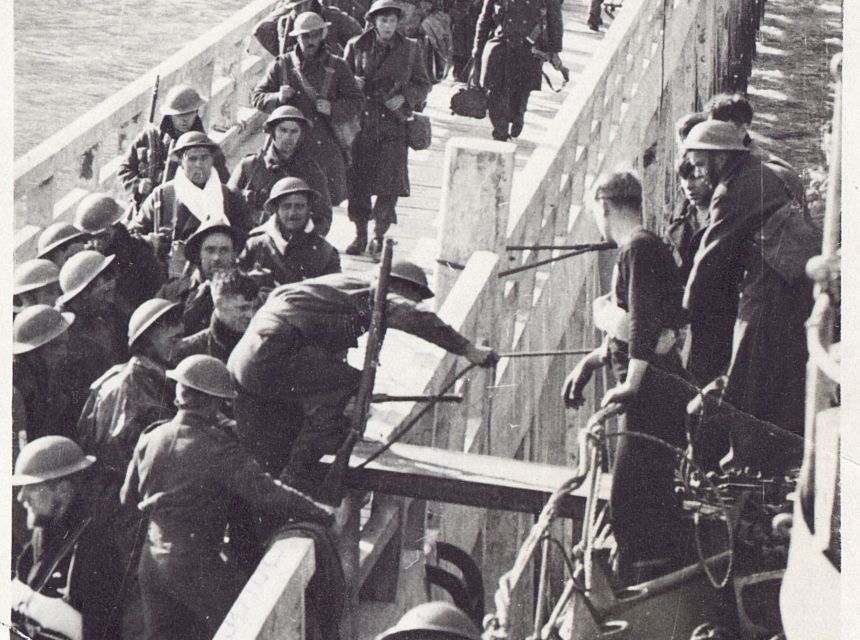
Operation Dynamo ran from May 26 to June 4, 1940, and it was one of the biggest evacuations in military history. In that window, 338,000 Allied soldiers were evacuated via a flotilla of more than 800 ships. The tour’s payoff is that you’re not learning this as a timeline on paper. You are seeing the geography that shaped the decisions and the desperation.
I also like how the story is framed around the Dunkirk spirit, not just the mechanics of evacuation. Standing at the sites where troops moved from beach to port makes the numbers feel human. And it helps you understand why people still talk about Dunkirk as a symbol of resistance and hope.
The “fast but focused” format matters. If you only have a short time in Hauts-de-France, this gives you a solid map of the event. If you have extra days, it also works as a launchpad before you add museum time or more reading later.
Other trips across the north
Coach or Car, With Real Port Viewpoints and Short Stops
The tour runs on a coach that drives around Dunkirk (or by car if you choose the individual VIP option). That matters because a lot of key places are spread out, and you do not want to waste half your visit figuring out logistics.
You’ll get guided commentary as you travel between stops. Then you’ll have the short walk-and-look moments where the guide points out what changed between then and now. Reviews consistently praise the transport comfort and a high satisfaction score for the ride quality, which is a big deal when you’re traveling with limited time.
Because the duration is only 2 hours, plan your expectations. This is not a full day of battlefield study. It’s a concentrated tour designed to get you oriented quickly, and then leave you with places you can return to on your own.
Evacuation Beaches: Peaceful Sand, Real Pressure
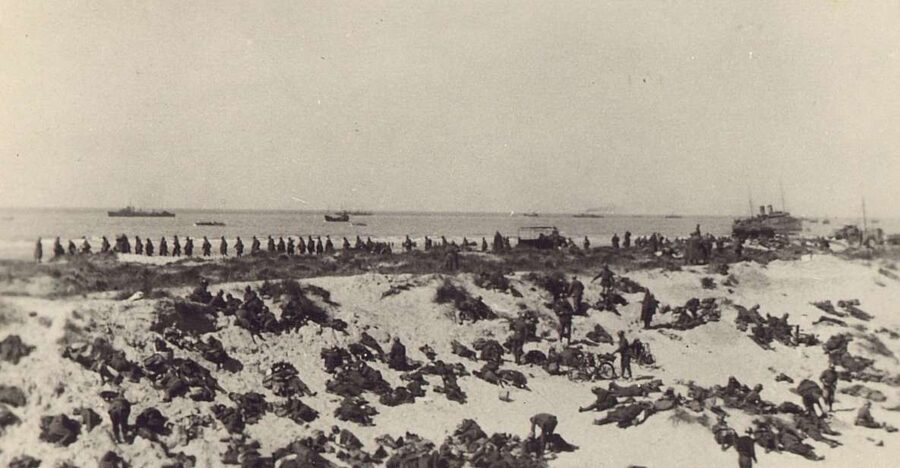
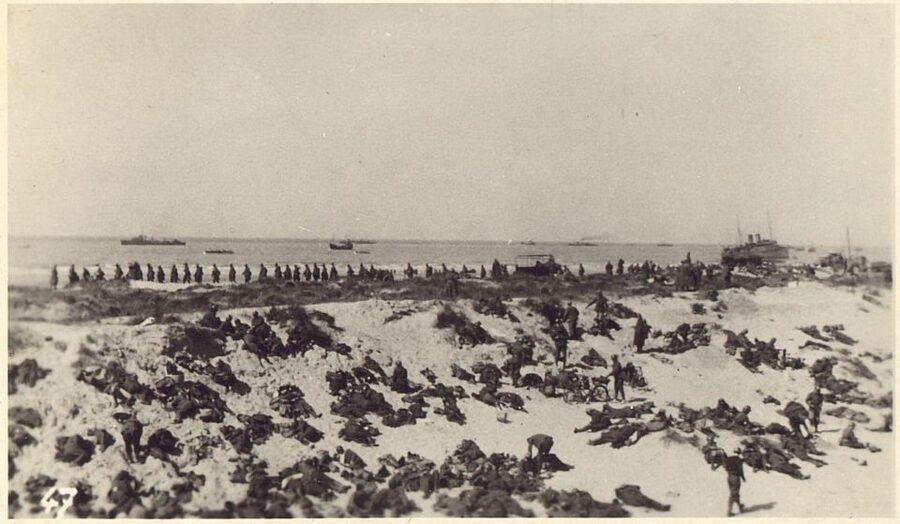
The evacuation beaches are now wide, calm, and easy to picture as a holiday coastline. That’s exactly why this stop is powerful. Your guide asks you to imagine spring 1940, when the beach was not peaceful at all but a desperate waiting area.
You’ll follow the evacuation logic as the guide explains the soldiers’ path. The tour is built around the idea of “what it felt like” to be stuck with one goal in mind, climb aboard and escape. You are not just hearing general history, you are repeatedly anchoring the story to a specific shoreline.
A practical tip: bring comfortable footwear. The walking is not described as long, but it is enough that you will enjoy the tour more if your feet are happy. If the weather is wet, you will likely be on mixed surfaces near memorial areas, so shoes with decent grip help.
The Port Stop at the East Mole: Where Most Evacuation Took Shape
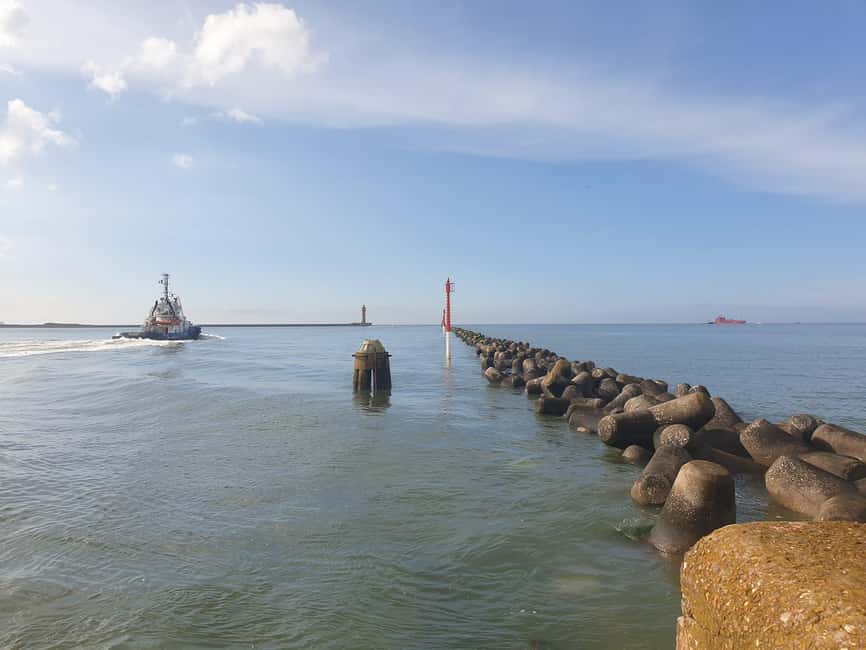
In the port, the East Mole is presented as the point where most soldiers were evacuated. This is the kind of detail that is hard to get right on your own, because port layouts and historical references do not always match what you see today.
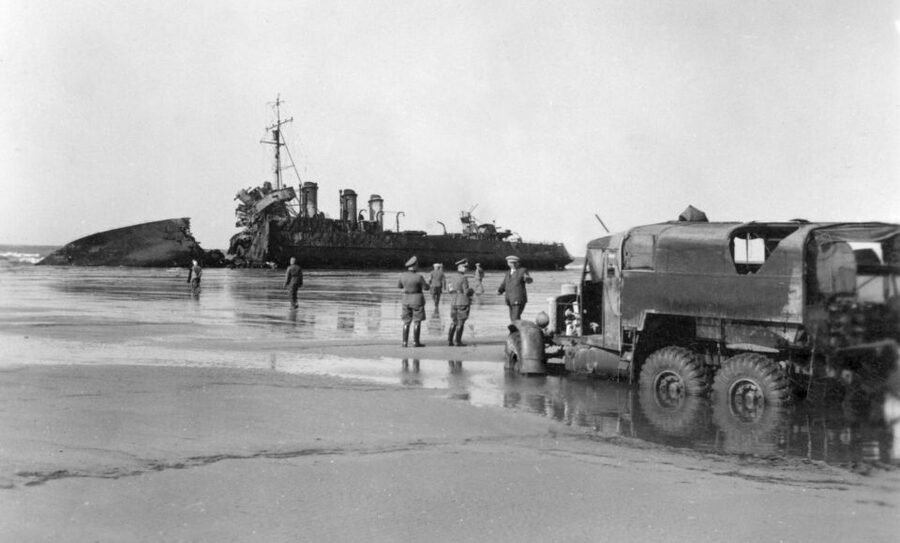
You’ll make a stop at an impressive bunker built by the Germans during the occupation. The tour includes a preserved part of the original East Mole, and that preservation is what makes this moment different. Instead of waving at a general harbor view, you are seeing a surviving structure tied to the operation.
If you like history that has physical proof, this is where it lands. Bunkers are not subtle, and the guide’s job is to connect that hard architecture back to the soft, frantic human story happening around it. It’s one of the most important places for understanding why Dunkirk became a bottleneck, a lifeline, and a symbol all at once.
The British Memorial and Cemetery: The Part That Stays With You
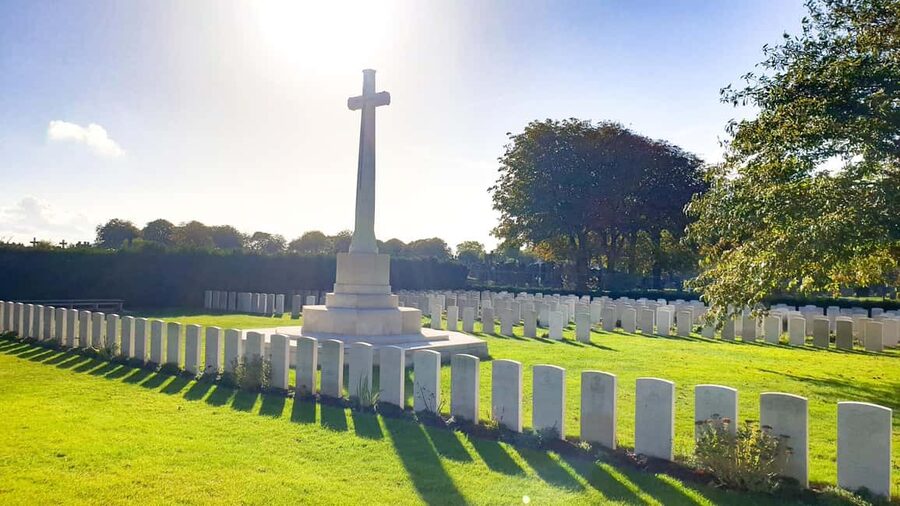
This stop is the emotional center of the tour. The British Memorial commemorates 4,528 soldiers of the British Expeditionary Force who died during 1940 and have no known grave. Next to it is a cemetery of 810 graves, many connected to the defense of the Dunkirk perimeter during the May-June evacuation period.
I appreciate that the tour does not treat this area as a quick photo stop. You’ll slow down, and the guide ties the memorials to what you just learned at the beaches and the port. That connection is what makes the cemetery feel like part of the same story, not a separate detour.
If you’re sensitive to war memorials, plan for a moment of quiet after this stop. It’s the kind of place where you naturally think about families, names, and the people who never got home. And since the tour is only 2 hours, this final segment gives you a strong closing note without rushing you out.
Where the Movie Dunkirk Fits Into the Route
One of the tour’s stand-out options is adding filming locations from Dunkirk, directed by Christopher Nolan and released in July 2017. If you watched the film, this is where you start noticing how Hollywood translated geography and mood into scenes.
What you gain is comparison. You can stand near a place and then match it to the feeling of the movie. That doesn’t mean the film is the same as the real operation. It does mean you get better visual context, and the places stop being abstract.
A key practical point: only add movie filming locations if it helps your learning style. If you are the type who loves fact-first, you might prefer to focus strictly on Operation Dynamo sites. If you are a film fan, those optional stops can make the tour feel more personal and easier to remember later.
The Guide Is the Main Attraction, and the Reviews Show Why
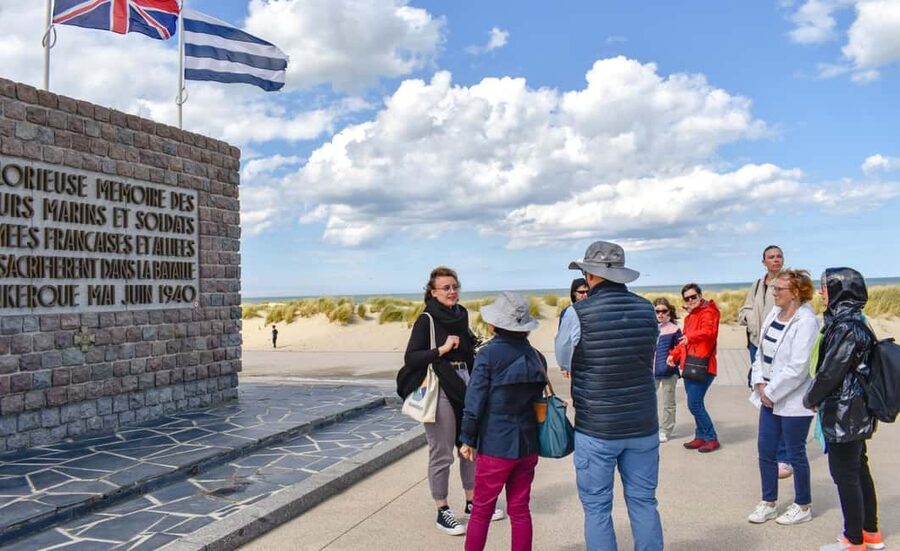
This tour lives or dies on the guide, and the pattern in feedback is consistent. People highlight guides like Emmanuel, Fred, Elise, and Onno for making the operation feel real, not generic.
You can also see the emphasis on clarity. Some guides are described as having very clear, easy English, which matters a lot in history tours. When you’re hearing about dates, units, and routes, clarity is the difference between, I sort of get it and, I actually understand what I’m seeing.
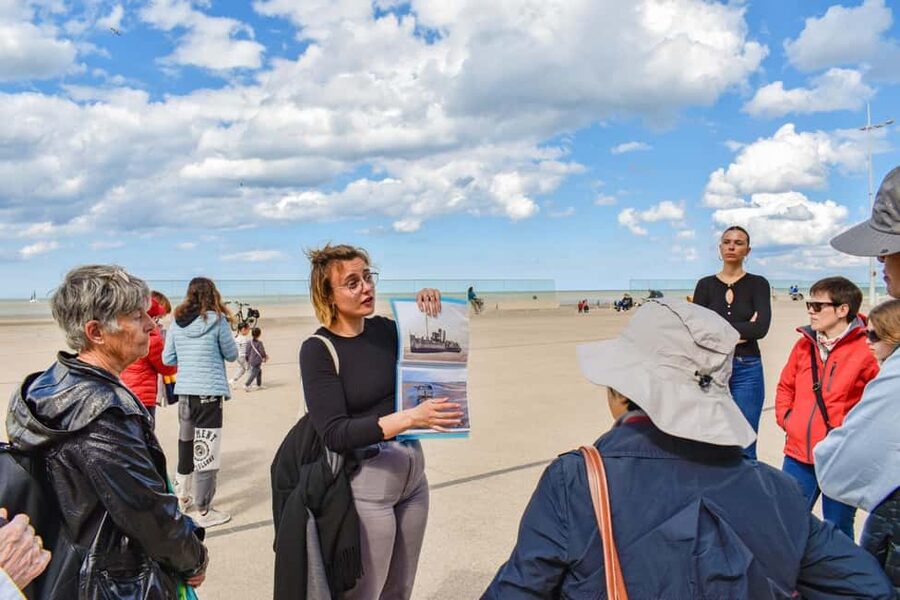
Reviews also mention thoughtful touches like using a visual booklet with pictures to explain what you’re looking at. That’s a great approach for a subject this complex. When you get a visual scaffold, you do not get lost when the guide jumps between shore, port, and memorial meanings.
And yes, occasionally things happen. One review mentioned a minor vehicle hiccup that got fixed quickly with a replacement, and the tour still ran smoothly. That’s a reminder to expect a live, real-world experience, not a robotic script.
Price, Group Size, and What You’re Really Paying For
The listed price is $188 per group up to 20, and the tour lasts 2 hours. That group pricing is where value starts to make sense. Even if you are a couple, you are still paying for one guided experience and transportation, not a stack of individual tickets that could spike quickly.
The tour also includes a guide, and car transportation if that option is selected. It’s not framed as a budget “quick hit,” but the short duration and private-group approach help keep it focused.
Is it worth it if you could read a guidebook? For many people, yes, because the value is in guided interpretation and sequencing. The stops are meaningful only if you understand why they matter in the evacuation story. A good guide saves you from wandering around the memorial areas with questions you never quite answer.
That said, if you want to spend hours at each site, or you’re planning to pair the tour with a museum deep study, you might prefer a longer format. This one is best as your “get the story straight” experience.
Who This Tour Suits Best (And Who Might Want Something Different)
I’d recommend this tour if you fit one of these profiles:
- You want a strong overview of Operation Dynamo in a short time.
- You enjoy connecting film and real-world locations, especially if you watched Dunkirk.
- You like guided storytelling that ties numbers to specific places.
- You’re traveling with someone who loves history but you also want it to stay engaging.
If your perfect day is long stays and slow museum pacing, you may feel the time limit. Because the tour is 2 hours, you’ll likely want follow-up time somewhere else. And since food and drinks are not included, plan to handle refreshments before or after.
A Simple Plan for Getting the Most Out of the Tour
Because this is mostly an outside-and-site experience, I suggest you treat it like an active history walk, even with the coach. Wear comfortable shoes, bring a water bottle since drinks are not included, and consider a light layer for wind off the coast.
If you are a movie fan, decide early whether to add the Dunkirk filming locations. If you wait until the day-of, you could end up short on time for the most important Operation Dynamo stops.
Finally, if you are the type who likes closure, plan a reflective stop after the tour. The British Memorial and cemetery can hit hard, and having a little downtime afterwards helps you process what you just learned.
Should You Book This Dunkirk Operation Dynamo Tour?
Book it if you want the story of Operation Dynamo anchored to the places where it happened, beaches, East Mole port area, and the British memorial and cemetery. The biggest strength is sequencing, you go from evacuation logic to port reality to remembrance, without feeling lost.
Skip it or consider a different format if you need hours at each site, or if you’re looking for a strictly documentary style without movie connections. This tour is guided, focused, and designed to leave you with clear bearings fast.
If you like history tours with a human voice, based on real locations, and you want to understand Dunkirk in the time you have, this one is a very strong choice.
FAQ
How long is the Dunkirk Operation Dynamo and Battlefield tour?
The tour is 2 hours.
Is there walking during the tour?
Yes. The experience includes some walking.
What main sites does the tour cover?
You’ll visit the evacuation beaches, the port area at the East Mole with a preserved part of the original East Mole and a bunker, and the British Memorial and Cemetery.
Can the tour include filming locations from the movie Dunkirk?
Yes. Locations where Dunkirk was filmed can be added.
What languages are available for the live guide?
The live tour guide is available in English and French.
How much does it cost, and how big is the group?
The price is $188 per group, up to 20 people.
Is there an option to cancel or reserve flexibly?
Yes. Free cancellation is offered up to 24 hours in advance for a full refund, and you can reserve now and pay later.
Everything Else Filed Under Dunkirk
- Private battle of Dunkirk Operation Dynamo Tour
★ 5.0 · 99 reviews
The Whole Dunkirk Shelf
- Private battle of Dunkirk Operation Dynamo Tour
★ 5.0 · 99 reviews
More Across the North
- Private battle of Dunkirk Operation Dynamo Tour
★ 5.0 · 99 reviews
The rest of the Dunkirk write-ups
- Dunkirk: Operation Dynamo and Battlefield of Dunkirk Tour★ 5.0 · 85 reviews
Lille & Northern France Tours, in full.
 ★ 4.9Lille Driving Tour by Convertible Citroen 2CVFrom $34711 reviews
 ★ 5.0Unique Tour of Lille by Convertible 2CV – 1h00From $54470 reviews
 ★ 4.3Lille: 24, 48 or 72-Hour City Pass & 24-Hour TransportationFrom $41205 reviews
 ★ 4.8NO DIET CLUB – LET’S GET THICK IN Lille !From $7793 reviews
 ★ 5.030-Minutes Private Guided Tour of Lille by Convertible 2CVFrom $3579 reviews
 ★ 5.01 Hour Private Lille Tour by Convertible 2CV with a Local Products TastingFrom $7278 reviews
 ★ 4.5Lille : Vieux-Lille Walking TourFrom $4161 reviews
Also on these France lists