
Reviewed · TICKETS
Entrance ticket for guided tour of the Maginot Line at the Michelsberg
Concrete tunnels beat most museum halls. The guided tour of Ouvrage Michelsberg is a walk through WWII fortifications, then a look at how the Maginot Line concept was revived during the Cold War for fears of a Soviet advance.
Two things I love. First, you get to see a typical Maginot Line fortification up close, with rooms, equipment, and the underground layout you would never fully grasp from photos. Second, the guide ties the engineering to the human story, showing what life for soldiers was like as the space turns from one functional room to the next.
One consideration: you will be underground for about two hours, and it can feel chilly, especially if you go outside of summer. If you hate confined spaces or cold air, pack a warm layer and take it easy on stairs or tight passages.
In This Review
- Key things to know before you go
- Why the Michelsberg matters in the Maginot Line story
- Price and logistics for the 2-hour guided visit
- Entering Ouvrage Michelsberg: underground galleries and soldier life
- WWII resistance meets Cold War plans in the same space
- The guided format: what you will actually do for two hours
- French or German: choosing the language that fits you
- What to wear for a cool underground bastion
- Who should book this Maginot Line tour
- Should you book the Michelsberg tour?
- FAQ
- How much does the Maginot Line guided tour at Michelsberg cost?
- How long is the guided tour?
- Where is the meeting point?
- What time does the tour start?
- Is the admission ticket included?
- What languages are the group tours offered in?
- What is the maximum group size?
- What is the cancellation policy?
Key things to know before you go
- Underground galleries where you can picture how the fort worked, not just how it looked on a map
- WWII plus Cold War context, so you understand why this place mattered long after the first conflict
- Professional guide with French or German options, keeping the experience clear and focused
- Small-group feel (max 50), which helps your questions actually get answered
- Engineering details that can surprise you, including how major components were operated
Why the Michelsberg matters in the Maginot Line story
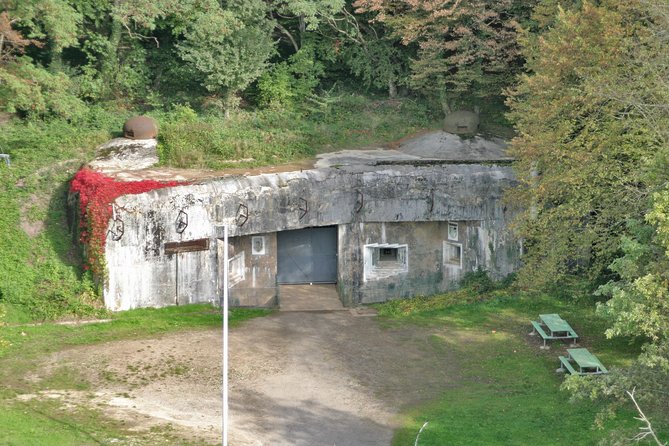
The Maginot Line is famous, but most people only know the headlines. The Michelsberg fortifications give you the real feel of the system, where strategy was translated into concrete and steel and then tested under pressure.
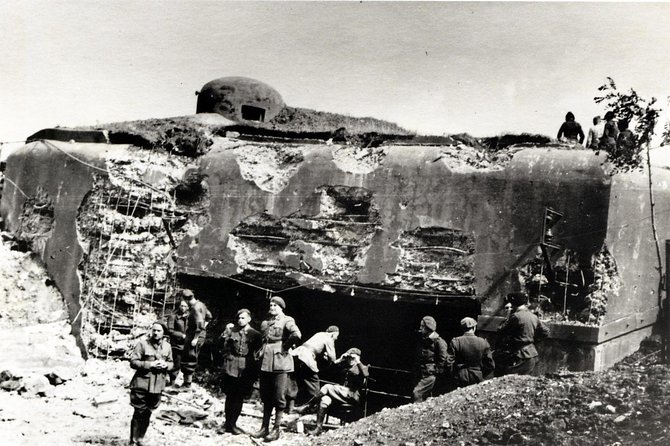
This specific site resisted many attacks during the Second World War. Then it came back into the conversation in the Cold War, when the Maginot Line was treated as a kind of prepared warning system in case of a possible Soviet advance. That shift in purpose is a big deal, because it shows how the same physical infrastructure can take on different meanings across decades.
What I like is the way the tour connects the big story to the smaller, practical one. You are not just hearing that a fortifications line existed. You are seeing the spaces where soldiers lived, worked, and relied on equipment to do its job.
More France tours that come with a guide

Price and logistics for the 2-hour guided visit
At $9.29 per person, this is one of those prices that makes you wonder why more people do it. The cost feels especially fair because the tour includes an admission ticket, and the total time is around two hours, so you are not paying for a long, drawn-out schedule.
You will start at Ouvrage Michelsberg in Ébersviller, Lorraine. The meeting point is on Rte de Dalstein, and the tour starts at 2:30 pm. It is set up as a group activity, with a maximum of 50 travelers, so you will get a guided flow rather than wandering around on your own.
I suggest planning your day so you arrive with time to settle in and use the restroom before you go underground. When you are about to enter a fort, small delays turn into more waiting in the cold, and nobody wants that.
Entering Ouvrage Michelsberg: underground galleries and soldier life
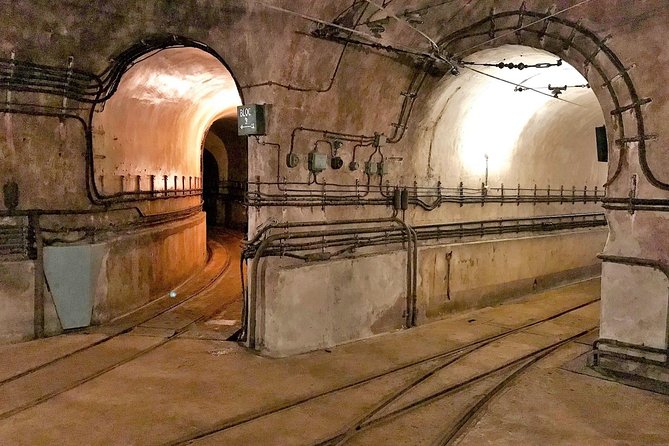
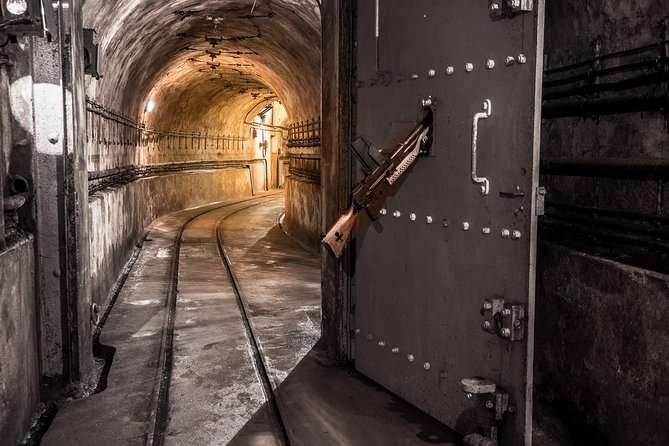
The main event is the guided tour of Ouvrage du Michelsberg, with access through its underground galleries. This is where the Maginot Line stops being an idea and becomes physical space you can walk through.
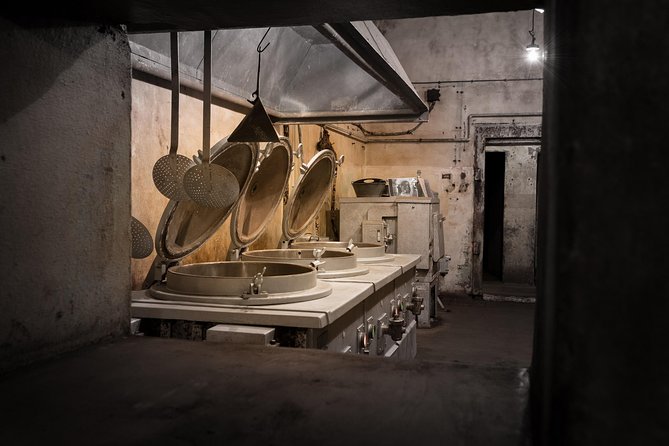
Expect lots of time in the underground rooms and corridors, where the guide explains what each section was for. The fort is described as a monster of concrete and steel, and that matches the feeling you will get when you look at the walls, the layout, and the equipment that makes the place feel built for function first.
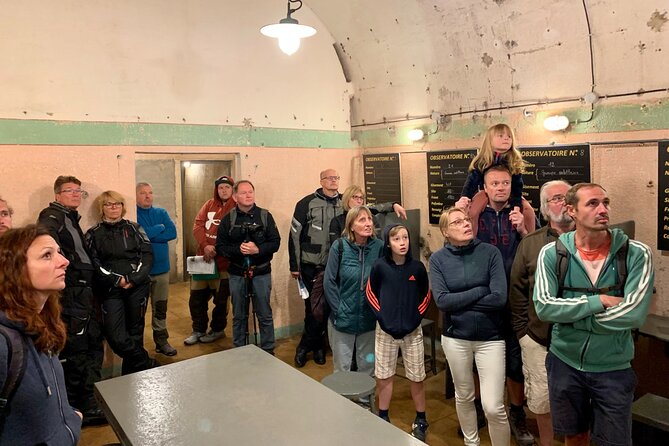
A key part of the tour is how it covers the life of the soldiers inside. You will hear how they moved through the fort and how the different rooms supported the daily rhythm of wartime readiness. One of the best things about a guided format here is that you get the context to understand why a room exists, not just what it looks like.
In the same underground run, the guide also highlights the fort’s active systems. One recent review notes the experience felt like a hike through an underground bastion, with power generators encountered along the way. Even if you are not seeing everything in motion, the point is that the tour frames the space as operational, not decorative.
And yes, it can feel cold. A guide described it as chilly around 30 meters below ground in April. Even if your weather is different, going in with a layer is smart.
WWII resistance meets Cold War plans in the same space
What surprised me when I read about the place is how clearly the two eras overlap in the tour. WWII explains why these fortifications mattered, focusing on resistance and survival under attack. Then the Cold War piece explains why the same type of infrastructure stayed relevant when the threat picture changed.
This matters because it teaches you how military planning evolves. The fort is not just a relic of one moment. It is part of a longer mindset about deterrence and preparedness.
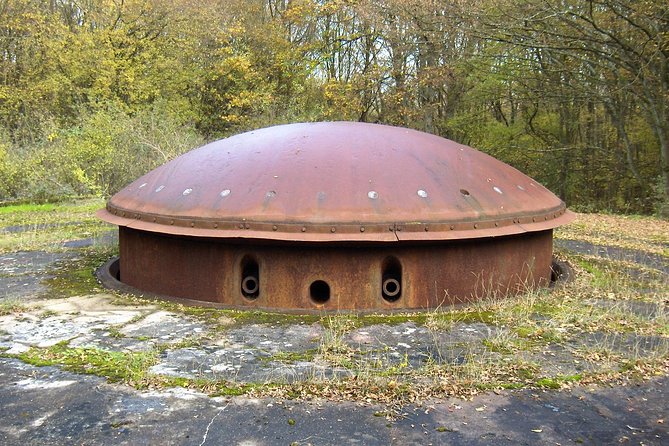
You will also get specific examples of engineering and practical design. One review mentions the guide highlighting how an enormous turret could be moved using a single operator. Even if you do not remember the exact mechanism, the broader takeaway sticks: this place was built for human scale. Machines were there, but the system still depended on people doing precise work.
The tour’s strength is that it keeps you connected to cause and effect. Why build underground? Why organize rooms the way they are? How do you keep the operation going when the surface is under pressure? The guide keeps steering you back to those realities instead of turning the site into a purely abstract history lesson.
The guided format: what you will actually do for two hours
This is a true guided tour, not a self-paced walk. The duration is about two hours, and with a group size up to 50, the pace is designed to keep everyone moving while still giving the guide room to explain.
The itinerary is simple and focused. You go to the Ouvrage Michelsberg and tour the fortifications through the underground galleries. Then the experience ends back at the meeting point. That straightforward layout is a plus, especially if you are traveling with limited time or you dislike overly complex tours.
Because it is a compact itinerary, you can plan your day around it easily. I like that it is not a half-day commitment, so you can still do a meal stop or another sight afterward. The most important timing trick is to make sure you do not arrive late. Underground tours get tight quickly, and you do not want to spend part of your two hours catching up.
You also get a real sense of the site’s scale. The fort feels like a labyrinthe souterrain from the moment you enter. The guide’s job is to prevent you from getting lost in the feeling of it. If you pay attention to the explanations, the layout starts to make sense as a working system.
French or German: choosing the language that fits you
Tours are available in French or German, and that choice can change your experience a lot. If you speak either language, you will get more of the nuance when the guide explains the equipment, soldier routine, and why different spaces mattered.
If you are not fluent, you can still follow the big picture thanks to visual context, but you may feel you are missing some of the details. The best bet is to pick the language you can understand most comfortably, even if your level is not perfect.
The guide is described as excellent and the tour as instructive. That is exactly what you want in a site like this, because good guidance turns a difficult space into an understandable one. The best tours here are the ones that explain the human purpose behind the structures.
More France entries to book
- Cave Museum Village Troglodyte of Rochemenier Admission Ticket
★ 4.5 · 143 reviews - Puy du Fou Theme Park Multi Day Entrance Dated Ticket
★ 4.5 · 103 reviews - CAVES of CERDON and Prehistoric Leisure Park – Entrance ticket
★ 4.5 · 76 reviews - Puy du Fou Theme Park 1 Day Entrance Dated Ticket
★ 4.5 · 57 reviews
What to wear for a cool underground bastion
Pack for the fact that you are going underground. One review calls out how cold it can feel, with the tour happening around 30 meters below ground in April. Even on warmer days, the fort stays cool.
I recommend:
- A warm layer you can take off if needed
- Closed-toe shoes with decent grip
- A small day bag to keep your hands free
If you are sensitive to tight spaces or lots of stair movement, keep your pace slow and steady. Also, check whether you are comfortable spending two hours in a confined environment. The good news is that the tour states most travelers can participate, so it is not marketed as extreme, but underground sites always have their own quirks.
Who should book this Maginot Line tour
This tour is a strong match if you like:
- Military history that explains how things worked, not just dates and names
- Hands-on learning, where you can see the physical logic of a system
- Guided experiences that reduce confusion, especially underground
It is also a good pick if you want an authentic experience away from the biggest tourist magnets. The site is not as widely covered as other attractions, and that makes it feel more “local” and less performative.
If your idea of a history visit is mostly plaques and gift shops, you may prefer something else. This is more physical and more technical. You will be walking through a fortification and thinking about function, not just scenery.
Should you book the Michelsberg tour?
If you are choosing between doing one Maginot Line stop or skipping it, I would book this. The combination of two hours, a low price of $9.29, an included admission ticket, and a professional guide makes the value hard to beat.
Do it if you want WWII and Cold War themes tied together in one real underground location. Do it if you like guided explanations that make concrete and steel feel human again.
I would reconsider only if you strongly dislike cold conditions underground or you know you struggle with confined passageways. Otherwise, it is a practical, focused tour that turns a famous historical idea into a place you can actually understand.
FAQ
How much does the Maginot Line guided tour at Michelsberg cost?
The price is $9.29 per person.
How long is the guided tour?
The tour lasts about 2 hours.
Where is the meeting point?
Meet at Ouvrage Michelsberg, Lorraine, Rte de Dalstein, 57320 Ébersviller, France.
What time does the tour start?
The start time is 2:30 pm.
Is the admission ticket included?
Yes, the admission ticket is included.
What languages are the group tours offered in?
The guided tour is available in French or German.
What is the maximum group size?
The tour has a maximum of 50 travelers.
What is the cancellation policy?
You can cancel for a full refund if you cancel up to 24 hours in advance of the experience start time.
More France Tours That Come With a Guide
- Guided tour of the Chablis Vineyards by e-bike
★ 5.0 · 37 reviews
Everything Else Filed Under France
- Maison Noilly Prat VIP tour, wine and vermouth tastings
★ 4.5 · 134 reviews - Porto Vecchio: Ospedale Forest & Bavella Needles 4×4 Tour
★ 4.9 · 77 reviews - Winery Tour & Wine Tasting – Deli Plate & 3 Wines
★ 5.0 · 72 reviews - Seignosse electric scooter excursion
★ 5.0 · 57 reviews - Guided tour of the Chablis Vineyards by e-bike
★ 5.0 · 37 reviews
The Whole France Shelf
- Leisure ride on an electric scooter
★ 5.0 · 276 reviews - Canyoning Annecy Angon Discovery
★ 5.0 · 181 reviews - Cave Museum Village Troglodyte of Rochemenier Admission Ticket
★ 4.5 · 143 reviews - Maison Noilly Prat VIP tour, wine and vermouth tastings
★ 4.5 · 134 reviews - Puy du Fou Theme Park Multi Day Entrance Dated Ticket
★ 4.5 · 103 reviews
The rest of the France write-ups
- Picnic at the Château de la Selve!★ 5.0 · 26 reviews
- Cross electric skateboard ride★ 5.0 · 26 reviews
- Discovery Day in the footsteps of the Builder Monks★ 5.0 · 28 reviews
- Discover Béziers differently with a Food Tour★ 5.0 · 28 reviews
- Electric scooter tour in Hossegor★ 5.0 · 31 reviews
- From Cargèse: Scandola Day Tour & Girolata Lunch Stop★ 4.5 · 31 reviews
Tickets, in full.
 ★ 4.6Paris: Louvre Museum Timed-Entrance TicketFrom $2671,977 reviews
 ★ 4.6Disneyland® Paris 1-Day TicketFrom $6149,412 reviews
 ★ 4.6Paris: Versailles Palace and Gardens Full Access TicketFrom $1741,579 reviews
 ★ 4.4Paris: Eiffel Tower Entry Ticket with Optional Summit AccessFrom $2920,035 reviews
 ★ 4.7Paris: Moulin Rouge Cabaret Show Ticket with ChampagneFrom $11516,088 reviews
 ★ 4.5Paris: Montparnasse Tower Observation Deck Entry TicketFrom $2210,532 reviews
 ★ 4.6Paris: Louvre Museum Entry Ticket With Host and River CruiseFrom $1009,926 reviews
 ★ 4.5Paris: Sainte-Chapelle and Conciergerie Combined TicketsFrom $278,580 reviews