
Reviewed · GIVERNY & MONET DAY TRIPS
Giverny: Monet’s House and Gardens Skip-the-Line Tour
Monet’s gardens feel close when you skip the line. I like the skip-the-line access to Claude Monet’s house and gardens, and I love how the guide links what you see to what Monet painted. Instead of just touring pretty grounds, you get a clear story of how Giverny became his creative engine.
One heads-up: the house is not wheelchair or stroller accessible, even though the gardens are. If mobility is tight, you’ll want to plan your expectations around garden time first.
In This Review
- Key things to know before you go
- Giverny village stroll and Monet’s grave in the churchyard
- Monet’s house and skip-the-line value that actually shows up
- The flower gardens: scent, color planning, and why Monet obsessed
- Japanese bridge and lily ponds you recognize from the paintings
- Inside Monet’s thatched roof house, kitchen, and Japanese prints
- Who this 2-hour Monet tour is best for
- Simple planning tips before you arrive
- Should you book this Monet house and gardens tour?
- FAQ
- How long is the tour?
- Where do I meet the guide?
- What’s included in the price?
- What is not included?
- Is it wheelchair accessible?
- What should I bring?
Key things to know before you go
- Skip-the-line entry saves time at Monet’s house and gardens.
- Giverny village walk includes cobblestone streets and a visit to Monet’s grave in the churchyard.
- Impressionist backstory ties the garden to Monet’s life from 1883 to 1926.
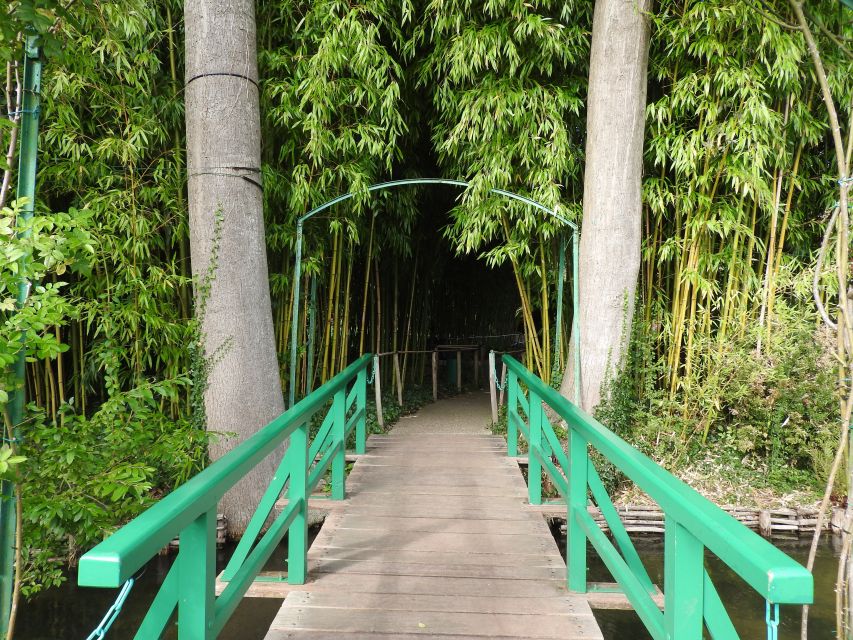
- Japanese Water Garden highlights include the bridge and lily ponds you recognize from his paintings.
- House interior contrasts with the outdoors, from the cheerful kitchen to Japanese prints.
- Garden access is easier than house access for wheelchairs and strollers.
Giverny village stroll and Monet’s grave in the churchyard
Your tour begins in Giverny with a guide and a plan: get your bearings fast, then flow into the gardens with context. You meet your guide outside Les Capucines, 80 Rue Claude Monet, 27620 Giverny, and you’ll return to that same meeting spot at the end.
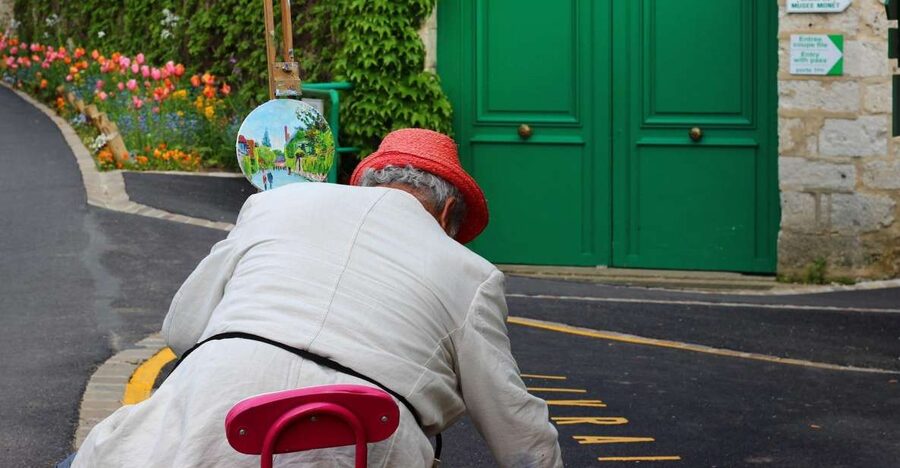
Before you even reach the house, you walk the village itself. This matters more than it sounds. Giverny is small, and Monet’s story is not only about paintings on paper, it is also about life in a quiet Norman village. During the walk, you’ll stroll the cobblestone streets and see the grave of Claude Monet in the churchyard. It adds a grounding moment, like you are standing in the same landscape that outlived the artist.
You’ll also get a human sense of why this place mattered. Monet lived in Giverny until his death, and the time period highlighted on this tour runs from 1883 to 1926. That time range is useful because it frames the gardens not as a one-time decoration, but as something he kept shaping over years while his career and influence grew.
If you are the type who rushes when things are crowded, you’ll appreciate that the tour starts with the calmer village atmosphere. You get a sense of place first, then you hit the main site with less stress.
Other days out to Giverny


Monet’s house and skip-the-line value that actually shows up
The headline here is skip-the-line entrance to Claude Monet’s house and gardens. At Giverny, the lines can be long, and wasting half your short visit waiting in queues is a fast way to drain the fun out of the day. This tour is only about 2 hours, so anything that protects that time feels like real value, not marketing.
Once you are inside, the guide does the job that audio plaques rarely do. Instead of only listing facts, the guide explains how Monet led the Impressionist movement from the village, and how other famous artists ended up joining him there. You’ll hear that an unofficial artists’ colony formed in the sleepy village, with names tied to Monet’s circle such as John Singer Sargent, Paul Cézanne, and Mary Cassatt.
This is where the tour earns its keep. The garden is beautiful, yes, but it also becomes easier to understand when you know what influenced Monet’s choices. You start noticing the “why” behind what looks like effortless nature.
If you are wondering about how the guide experience can vary, the names that pop up in customer comments include guides such as Mwamini, Bertrand, and Sheela. Across those mentions, the common theme is that the storytelling is clear, and the guide makes sure you do not get trapped in a crowd shuffle for every photo. Even if groups can vary on the day, the tour is designed around a smooth flow: listen, move, look, then pause to enjoy.
The flower gardens: scent, color planning, and why Monet obsessed
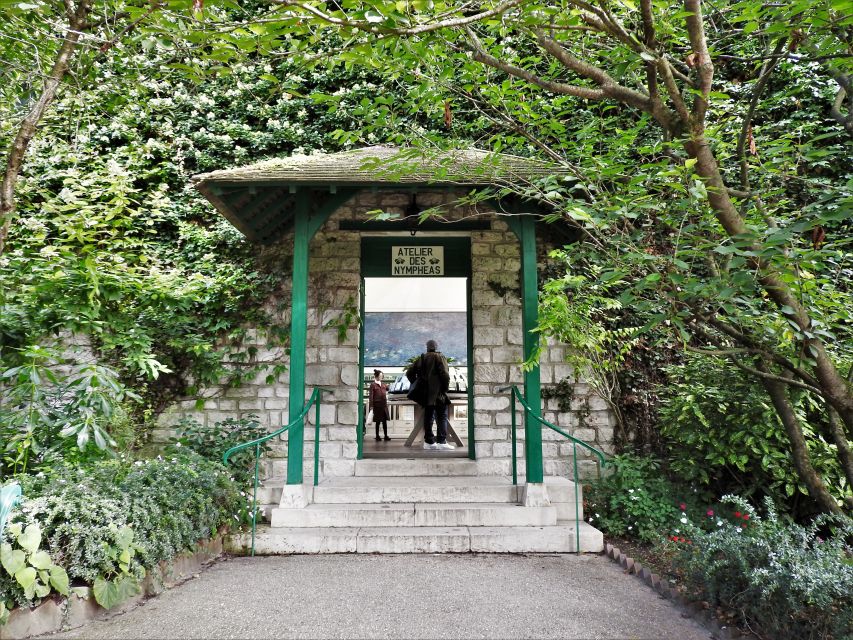
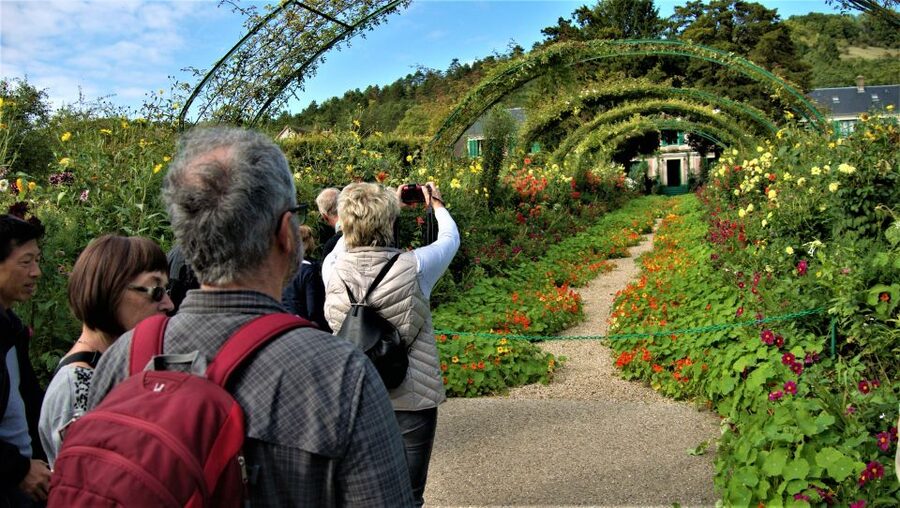
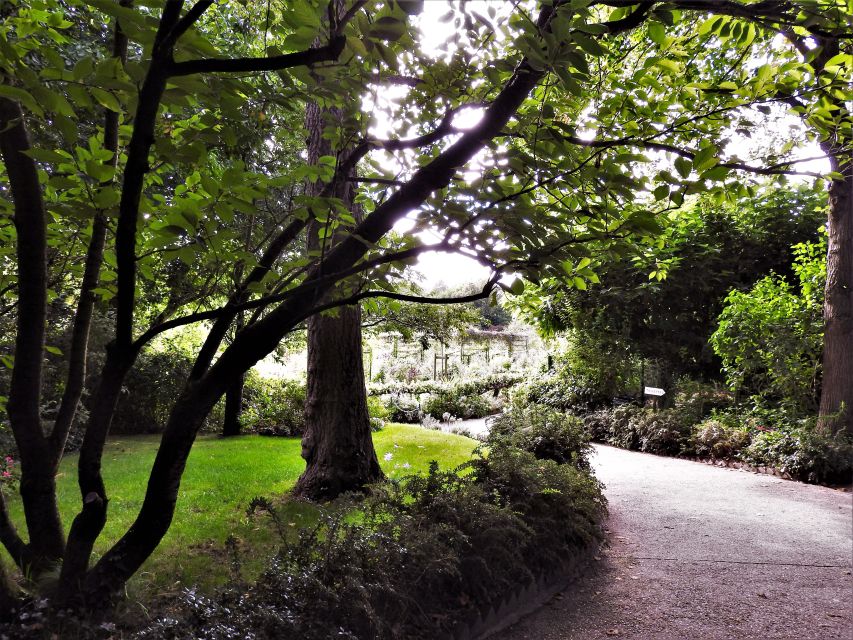
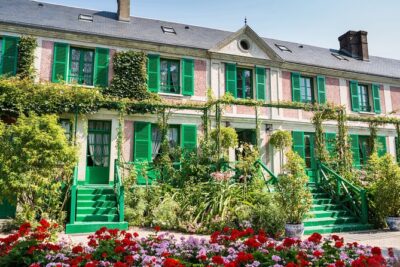
After the initial orientation, the focus lands on the flower-filled gardens that inspired Monet’s work. The tour highlights how Monet built the garden with intention. You’ll hear about how plant placement and color choices supported his paintings, and you’ll see features that match what made it into his most recognizable scenes.
What makes this part special is that the tour gives you multiple ways to experience it. You are not only looking at flowers, you are learning what you are looking at.
Depending on what is in bloom when you visit, you might encounter seasonal highlights such as:
- wild roses
- hollyhocks
- poppies
- honeysuckle
The guide also points out recurring garden elements tied to Monet’s visual world. Weeping willows show up as a strong visual cue, and they show up for a reason. They create movement and rhythm near the water, and they give the kind of soft, emotional atmosphere people associate with Monet’s style.
One practical benefit of having a guide here is pacing. The tour is short, about two hours, and the gardens can feel like an endless photowalk if you wander with no plan. With a guide, you hit the core scenes and learn enough to make your own observations feel sharper.
For your comfort, wear shoes that handle gravel paths and uneven edges. Giverny is charming, but it is still a working garden site.
Japanese bridge and lily ponds you recognize from the paintings
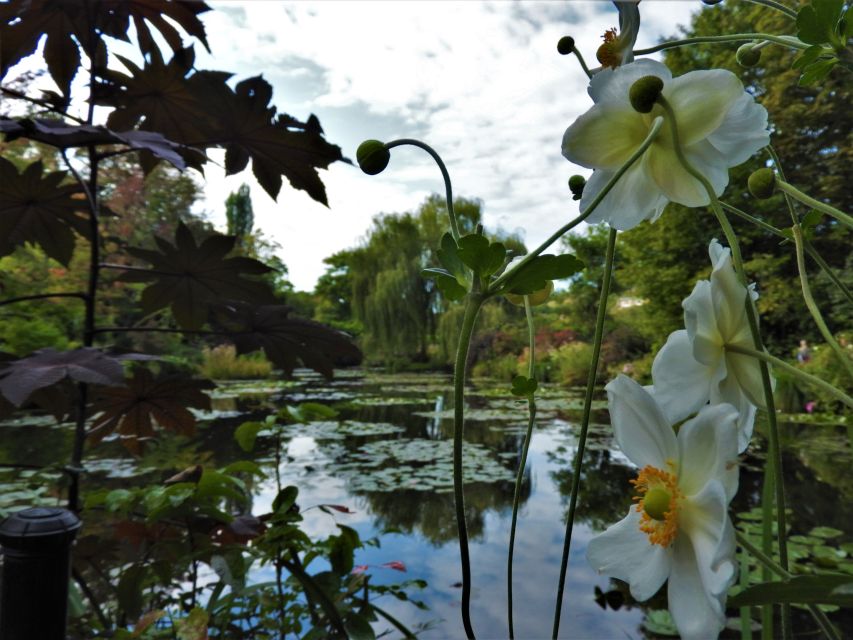
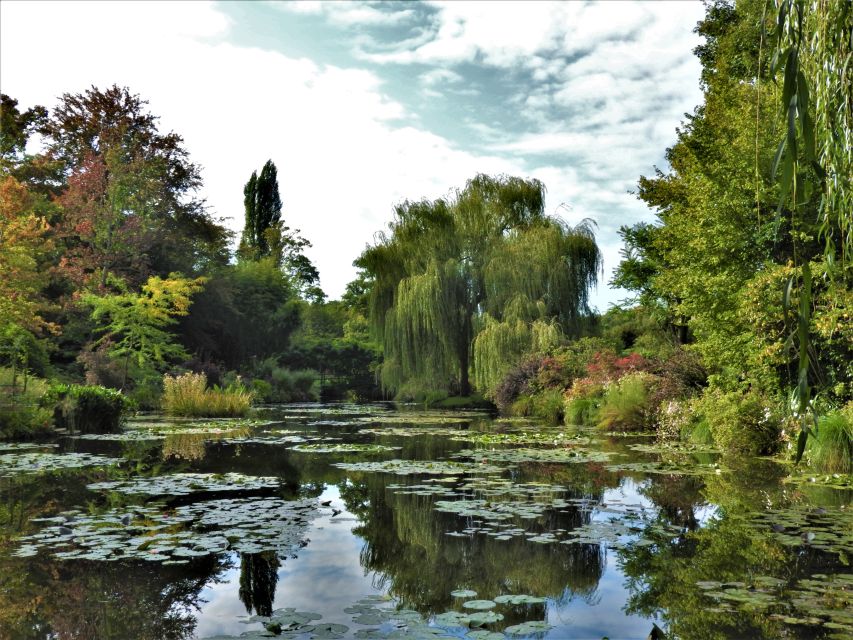
If you came for Monet’s best-known imagery, this is the heart of the visit. The tour spends time in the Oriental water garden, where you see the classic composition elements that made their way into his work: the Japanese bridge and the water lilies in the pond.
This section is not just “look at a pond.” It is more like seeing the stage where Monet set up his visual experiments. The Japanese bridge is a focal point, and the lily pads and reflections help create that signature blend of water, light, and softness. When a guide explains the setting and what Monet was aiming to capture, your eyes naturally start tracking the relationship between the bridge, the lilies, and the way the scene changes as you move.
You’ll also hear about the visual inspiration behind the pond area, including how these features became a repeating subject in his paintings. The guide’s story helps you stop treating the lilies as a pretty add-on and start seeing them as the center of the creative goal.
Photo tip, simple and practical: do not rush to snap from the first angle. Take a moment to reposition. Even small movement changes the reflection and the way the lilies frame the view. If you are traveling with a partner, this is also a good area to split tasks. One person can take a wide shot while the other checks details, then you swap.
Inside Monet’s thatched roof house, kitchen, and Japanese prints
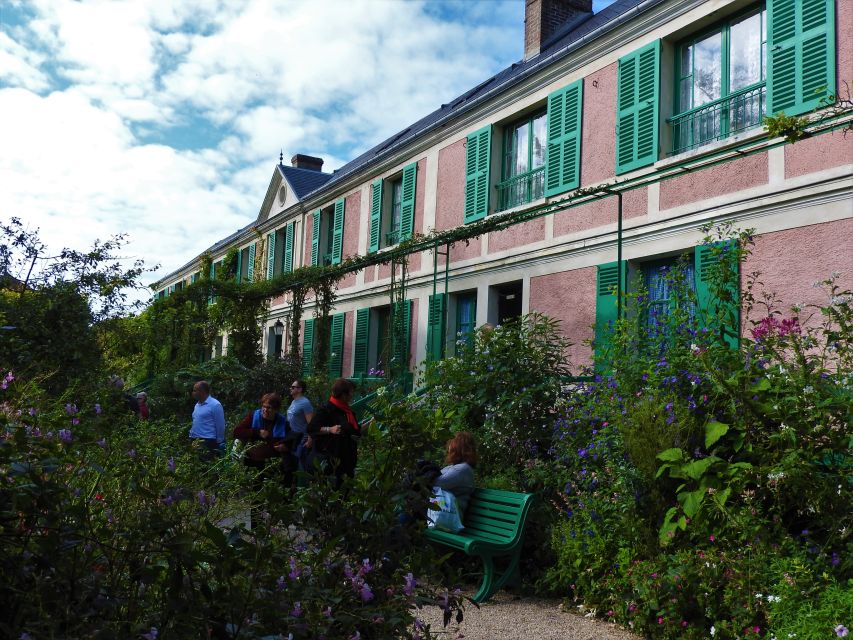
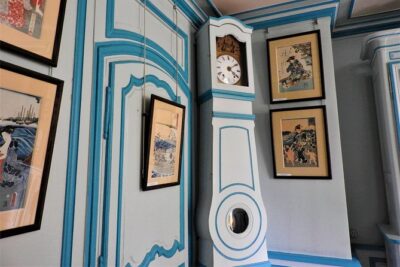
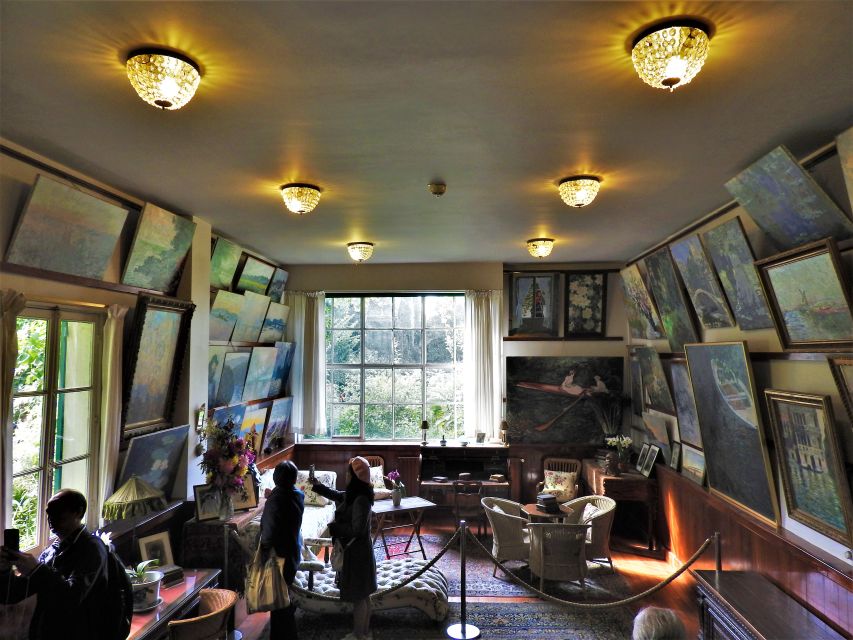
Next comes a change of pace: the house interior. The tour includes a look inside Monet’s home, which adds a different kind of understanding. Outdoors, you see the work. Indoors, you get a glimpse of what surrounded him day to day.
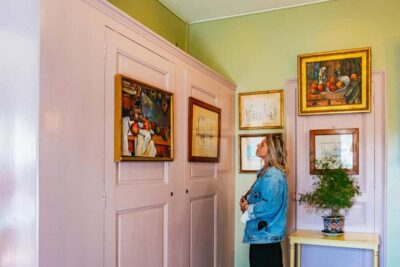
The tour notes that inside you’ll find the house features, including the cheerful kitchen and Monet’s collection of Japanese prints. That last detail is especially interesting because it connects art to influence. You get a sense that Monet’s interests did not end at flowers and ponds. He collected visual ideas from elsewhere, and those kinds of references mattered to how artists thought about composition and decoration.
One important limitation: the tour information is clear that the gardens are wheelchair and stroller accessible, but the house is not. That means if mobility is a concern, you can still enjoy the main creative landscape, but you may not be able to see everything inside. Consider this a design reality of older buildings, not a tour shortcoming.
If you love interiors, this indoor visit helps balance the day. If you mostly care about views, you can treat the house as context, then spend your attention where you can move more freely.
Who this 2-hour Monet tour is best for
At about 2 hours and $63 per person, this tour makes the most sense if you want focused access without burning time. Skip-the-line entry plus a live guide is the key value math here. You are paying for time saved and interpretation added, not for a long scenic day.
This tour is a strong match if:
- You want Monet’s Giverny experience in a tight window.
- You care about understanding what inspired the paintings, not only sightseeing.
- You like having someone set the story so your visit feels organized.
It might be less ideal if:
- You want a long, slow, do-it-yourself wander all day. A short tour can leave you wanting more time after the highlights.
- House access is critical for you. The gardens work well for strollers and wheelchairs, but the house does not.
Group size can vary. One guest mentioned that a group of around 10 felt manageable, and multiple comments praise guides for keeping the tour personal and not turning into a constant herd-movement. If you prefer quieter movement through big sites, this is the right style of tour.
Also, this is an English-language guided experience. If you prefer guided context while you’re moving through crowded places, you should enjoy the flow.
Simple planning tips before you arrive
You only need a couple essentials to keep the experience smooth.
Bring a face mask or protective covering. Even if you are not sure what the day requires, it is stated as a required item to bring.
Dress for a garden walk. You’ll spend time outdoors on paths and around ponds. Light layers help because weather can shift, and one guest even noted that a bit of rain did not ruin the day.
Finally, have a plan for after. Giverny is not only Monet. If you still have energy, it is a village where you can keep exploring, including nearby museums and places to eat.
Should you book this Monet house and gardens tour?
I think you should book this tour if your priority is efficient access plus meaning. Skip-the-line entry plus a guide who explains how the garden connects to Monet’s life and Impressionism is a good use of a limited schedule. The best part is that you do not just see iconic sights like the Japanese bridge and water lilies, you also learn why they became so central to his work.
If your main goal is maximum time in the gardens and you do not care about the story, you might be happier with a self-guided approach. But if you want the visit to feel organized, story-led, and easier in a crowded place, this is the kind of experience that earns its place on your Normandy trip.
FAQ
How long is the tour?
The tour duration is about 2 hours. Starting times vary, so you’ll want to check availability for the times offered.
Where do I meet the guide?
Meet your guide outside Les Capucines, 80 Rue Claude Monet, 27620 Giverny. The tour ends back at the meeting point.
What’s included in the price?
The tour includes a skip-the-line entrance ticket to Claude Monet’s house and gardens, plus a local guide.
What is not included?
Food and drinks are not included, and there is no pick-up or drop-off.
Is it wheelchair accessible?
The gardens are wheelchair and stroller accessible, but the house is not.
What should I bring?
You should bring a face mask or protective covering.
Everything Else Filed Under Giverny
- Giverny: Monet’s House and Gardens Guided Tour
★ 4.8 · 645 reviews - Giverny Monet House and Gardens Skip the line Walking tour
★ 4.0 · 217 reviews - Monet’s Gardens & House-Private Giverny Tour From Paris
★ 4.5 · 137 reviews - Guided tour Monet’s house and gardens/small group
★ 4.5 · 68 reviews
The Whole Giverny Shelf
- Giverny: Monet’s House and Gardens Guided Tour
★ 4.8 · 645 reviews - Giverny Monet House and Gardens Skip the line Walking tour
★ 4.0 · 217 reviews - Monet’s Gardens & House-Private Giverny Tour From Paris
★ 4.5 · 137 reviews - Guided tour Monet’s house and gardens/small group
★ 4.5 · 68 reviews
Giverny, Other Days Out
- Giverny: Monet’s House and Gardens Guided Tour
★ 4.8 · 645 reviews - Giverny Monet House and Gardens Skip the line Walking tour
★ 4.0 · 217 reviews - Monet’s Gardens & House-Private Giverny Tour From Paris
★ 4.5 · 137 reviews - Guided tour Monet’s house and gardens/small group
★ 4.5 · 68 reviews
The rest of the Giverny write-ups
- Guided tour Monet’s house and gardens/small group★ 4.5 · 68 reviews
- Monet’s Gardens & House-Private Giverny Tour From Paris★ 4.5 · 137 reviews
- Giverny Monet House and Gardens Skip the line Walking tour★ 4.0 · 217 reviews
- Giverny: Monet’s House and Gardens Skip-the-Line Tour★ 4.3 · 460 reviews
Giverny & Monet Day Trips, in full.
 ★ 4.3From Paris: Giverny Day Trip with Audio Guide or Live GuideFrom $932,372 reviews
 ★ 4.5From Paris: Giverny, Monet’s House, & Gardens Half-Day TripFrom $742,174 reviews
 ★ 4.0Versailles Palace and Giverny Monet House Visit with LunchFrom $2421,948 reviews
 ★ 4.5Giverny Monet’s Home and Gardens Half Day Tour from ParisFrom $911,836 reviews
 ★ 5.0Giverny Small-Group Half Day Trip with Monet’s Gardens from ParisFrom $1571,663 reviews
 ★ 4.5From Paris: Giverny and Versailles Palace Guided Day TripFrom $1631,324 reviews
 ★ 4.0Giverny and Monet’s House Half Day Trip from Paris Guide or AudioFrom $1021,319 reviews
 ★ 4.5Giverny and Versailles Small Group Day Trip from Paris with LunchFrom $392755 reviews
Also on these France lists