
Reviewed · BORDEAUX WINE TOURS
Make your own cuvée of Bordeaux wine
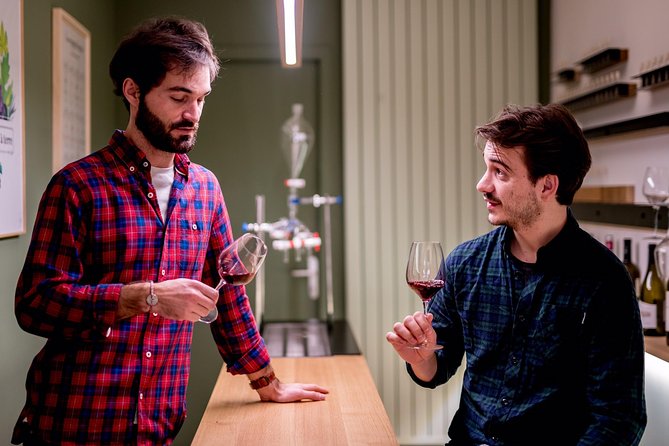
Bordeaux blending feels like adult playtime. In Le Pied à Terre’s cellar workshop, you learn how Merlot, Cabernet Sauvignon, and Cabernet Franc work together, then you test your own percentages with tubes and pipettes. Hands-on blending is the big draw, but do note this is not a full grape-to-bottle production day, so you get small pours for tasting.
The highlight for me is leaving with a name-labeled bottle of your cuvée, made from the blending exercise during the session. Add in the calm cellar setting, an English-speaking guide (James is named as the guide in the description), and a cap of 12 people, and you get a lesson that feels personal instead of rushed.
In This Review
- Key Points You Will Actually Care About
- Where Le Pied à Terre Makes Bordeaux Feel Close-Up
- The Real Lesson: How Merlot, Cabernet Sauvignon, and Cabernet Franc Fit Together
- Tasting With a Plan, Not a Sip-and-Dash
- Mixing Your Own Bordeaux Cuvée With Tubes and Pipettes
- Timing, Group Size, and What the 2.5 Hours Really Feels Like
- Who Should Book This Bordeaux Blending Workshop
- Bonus Benefit: What You Learn Helps After the Workshop
- Should You Book This Bordeaux Cuvée Workshop?
- FAQ
- How long is the Bordeaux cuvée blending workshop?
- What is included in the tasting and workshop?
- Can I take home a bottle from my blend?
- How many people are in the group?
- What language is the workshop offered in?
- What happens if weather is poor?
Key Points You Will Actually Care About
- Small group size (max 12) keeps it interactive, not lecture-only
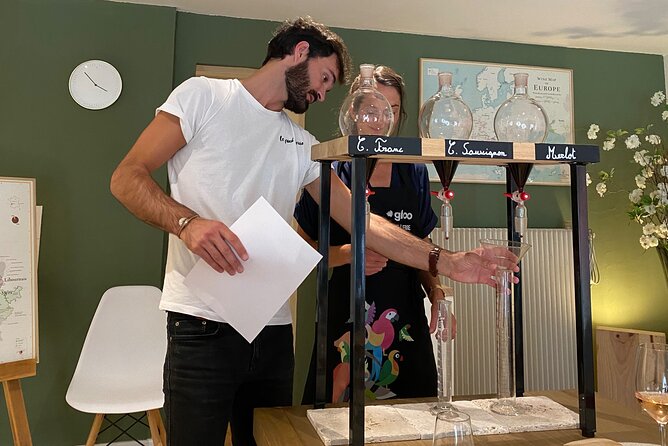
- Create a custom cuvée by experimenting with Merlot, Cabernet Sauvignon, and Cabernet Franc
- English-led workshop that focuses on how to taste, not just what to taste
- Tasting with food: Basque cheese and charcuterie helps you learn what you like
- Take-home souvenir bottle with your label makes it feel real, not like a throwaway tasting
- Blind tasting practice helps you connect aromas and flavors to what you are blending
Where Le Pied à Terre Makes Bordeaux Feel Close-Up
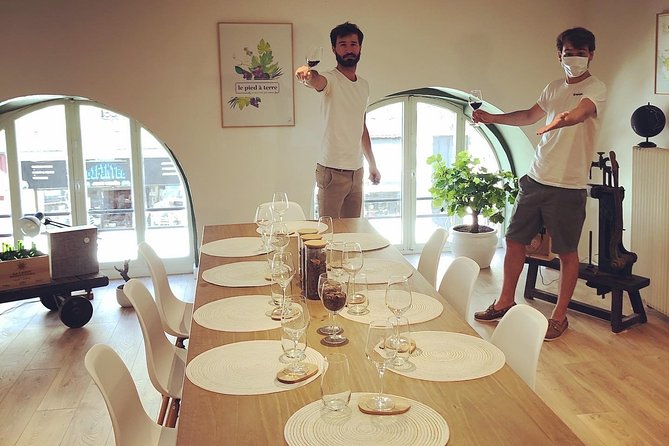
Your session starts at Le Pied à Terre, in a place that is built for wine education, not a big tourist hall. The meeting point is Le Pied à Terre – Cave à vin & atelier dégustation, 22 Rue Judaïque, 33000 Bordeaux. It is also near public transportation, which matters if you are juggling train time, dinner reservations, or another wine stop that day.
Because the workshop is limited to a maximum of 12 travelers, the room usually works like a class, not a conveyor belt. You are seated close enough that you can actually smell and compare the wines without playing catch-up. You will also get a mobile ticket, which is handy in the city where you might be hopping between sights.
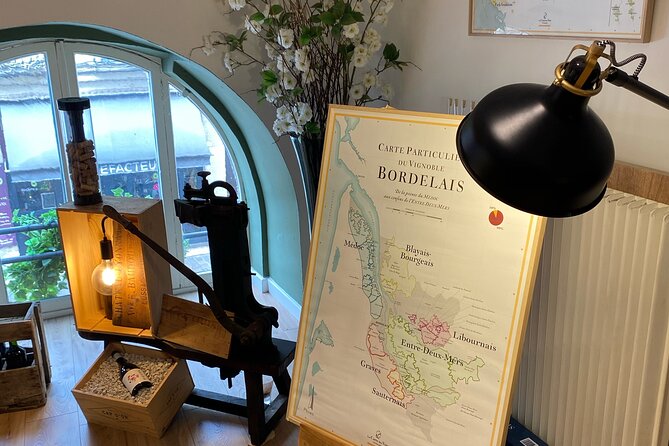
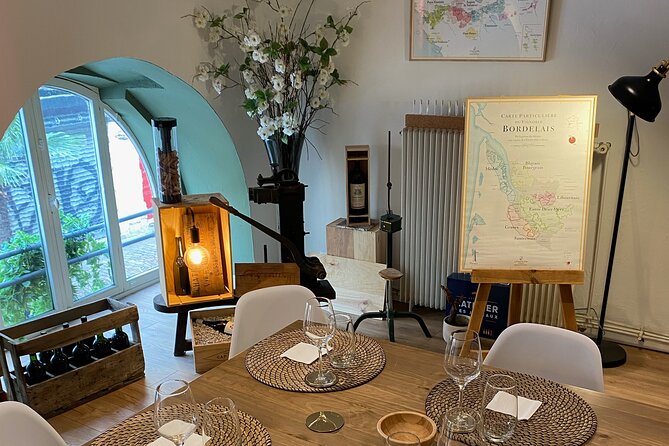
I like that the format is built around the cellar atmosphere. You are surrounded by the kind of setting that makes Bordeaux feel less like a label on a shelf and more like a craft. Reviews also mention that the visuals and the flow of the lesson help a lot, especially if you are new to tasting.
One practical tip: give yourself some breathing room before and after. This is a 2.5-hour experience on the schedule, and some sessions seem to run closer to 3 hours depending on pacing and how many questions people ask.
More Bordeaux estates and tastings
The Real Lesson: How Merlot, Cabernet Sauvignon, and Cabernet Franc Fit Together
Bordeaux blending can sound abstract until you smell and taste the components. This workshop is built around the three grapes that define classic Bordeaux profiles: Merlot, Cabernet Sauvignon, and Cabernet Franc.
Here is what that means in practice. You learn what each variety tends to bring to the glass. Merlot often reads as softer and more rounded in character, while Cabernet Sauvignon is usually the one associated with structure, tannins, and a more backbone-style feel. Cabernet Franc typically shows up with its own aromatic style that can add charm and lift.
The guide team also talks about Bordeaux’s geography in plain terms. Reviews mention coverage of the Left Bank, Right Bank, and Entre-Deux-Mers, plus the idea that terroir and grape choice go together. One review even highlights soil samples as an interesting add-on, which is a smart way to connect where grapes grow with what ends up in your glass.
You are not just memorizing facts. The goal is to help you predict taste. When you start blending, you are essentially running a small flavor experiment. Do you want more tension? Try more of the grape that drives structure. Do you want softness and approachability? Increase the grape that brings that character. Do you want extra aromatic detail? Adjust toward the grape that contributes brightness.
If you come in thinking Bordeaux is only about fancy reds for experts, this workshop is a confidence builder. The tone is playful, but the lesson stays focused on what you can taste and adjust.
Tasting With a Plan, Not a Sip-and-Dash
This is not a random tasting where someone pours and you nod. The session is structured around tasting techniques, and you get guided steps that make the learning stick.
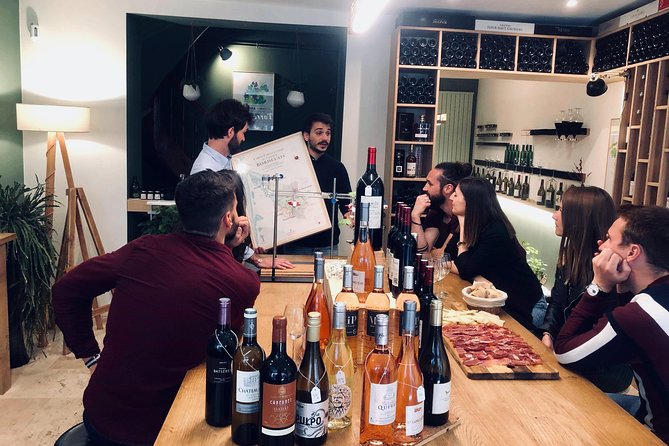
You start with explanations of how to taste, including how smell and palate work together, and how components like tannins show up in the wine. Multiple reviews mention tasting basics, then a more assisted approach, then a blind tasting. That sequence is valuable because it forces you to stop relying on label cues and start trusting your senses.
Here is why the blind part matters. Even experienced drinkers can be fooled by expectations. Blind tasting trains your brain to separate aroma, taste, and mouthfeel so you can actually describe what you are getting. In reviews, people say they felt more confident judging Bordeaux wines afterward. That is the whole point: you should leave knowing what to look for next time you are tasting on your own.
Food is part of the process. The workshop includes a starter of Basque cheese and charcuterie. I like this because it makes the tasting feel like a real meal, not just wine in isolation. Cheese and cured meats can heighten the experience, and they also help you learn what tastes good together, which is how wine becomes useful while you travel.
A practical tip you can use during your session: if you get the chance, try to smell and taste all three varieties in a clear, side-by-side way rather than only one after another. One review specifically recommends that approach because it makes differences click faster, especially how Cabernet Sauvignon can show tannic structure while Merlot and Cabernet Franc can balance aromas and acid style.
Mixing Your Own Bordeaux Cuvée With Tubes and Pipettes
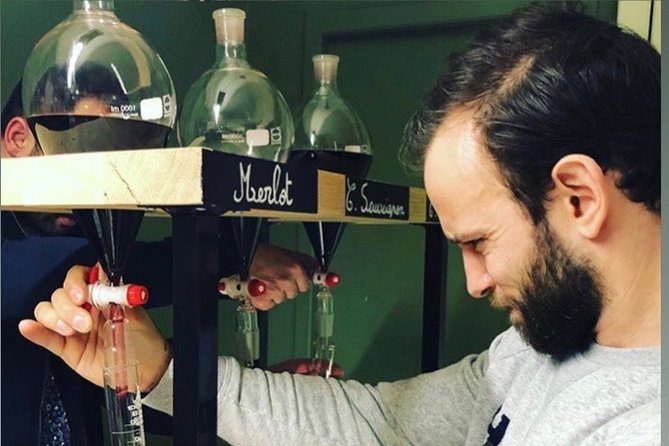
This is the fun part, and it is where the learning turns into a souvenir.
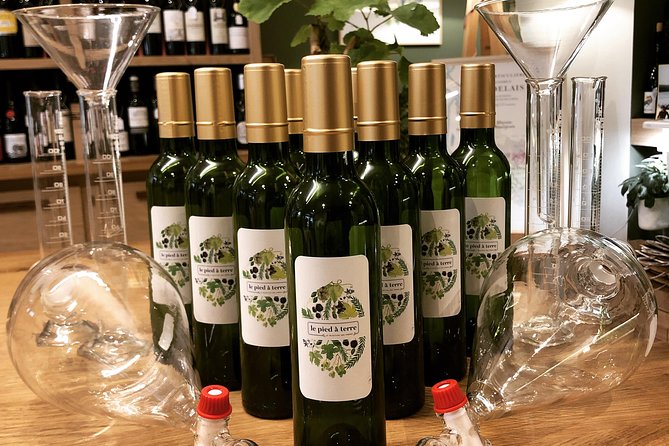
You create your cuvée from several selected single-varietal wines. Guided by the instructor, you experiment with proportions using tubes and pipettes. That setup is clever. It keeps the process manageable in a classroom setting and lets you make meaningful changes without needing vineyard-scale equipment.
As you mix, you are doing two things at once:
1) applying what you learned from tasting
2) learning how your taste preferences translate into a blend
Many reviews highlight that this part is both fun and educational, and that the instructors explain the process clearly. A big theme in the feedback is that people like seeing how blending decisions connect to sensory results.
One more detail that makes this workshop feel special: you can take home a bottle labeled with your name. That means you are not leaving with only memories and a few notes. You leave with proof that you created something, even if it is in a guided format.
Now, a balanced note. A small number of reviews complained about what guests expected from the title, specifically whether a cuvée was actually produced and whether the experience matched the length advertised. That does not fit the overall description, which includes making your cuvée and taking home a bottle, but it does suggest you should confirm what you will receive at the end of your specific booking.
My advice: read your booking confirmation carefully, and if anything in the wording feels vague, ask the team directly what your take-home bottle includes and how the blending is handled. That way you get the experience you think you booked, with minimal surprises.
Timing, Group Size, and What the 2.5 Hours Really Feels Like
The official duration is about 2 hours 30 minutes. In reality, the time can feel like a smooth class or like a slightly extended afternoon, depending on how much discussion happens and how fast your group moves through the tasting steps.
I would plan your day with this in mind:
- Give yourself a little buffer around the start time.
- Avoid stacking this immediately before an event where you must be seated at a fixed minute.
- If you are doing multiple Bordeaux activities in one day, treat this as the anchor event, not the quick stop.
Value is closely tied to the format. At $71.20 per person, you are paying for:
- a structured tasting lesson
- hands-on blending activity
- Basque starter food
- and the take-home bottle souvenir
A lot of reviews explicitly praise the price-to-experience ratio. Even if you are already familiar with Bordeaux, the confidence-building blind tasting practice and the step-by-step blending process can be worth more than a basic tasting where you only sample and move on.
Also, with a max group size of 12, you get a better chance to ask questions and get feedback during blending, not just at the start.
Who Should Book This Bordeaux Blending Workshop
This workshop is best for people who want more than background and more than casual sipping.
You will likely enjoy it if:
- you are new to Bordeaux wines and want a clear starting framework
- you are curious about how blends are built, not just what single wines taste like
- you enjoy hands-on activities that turn learning into something tangible
- you like red wine more than white wine, because the blending lesson focuses on classic red grapes
One review warning is worth taking seriously: if you strongly prefer white wine only, you might not feel it hits your personal taste. This is a Bordeaux red blend workshop at heart.
It also fits well if you are traveling with friends or as a couple. Several reviews describe the guides as funny and friendly, and the group mix adds to the fun. Small-group formats make it easier to feel included, even if you are traveling solo.
Other Bordeaux wine visits
- Saint Emilion Day Trip with Sightseeing Tour & Wine Tastings from Bordeaux
★ 5.0 · 1,120 reviews - Saint Emilion Half-Day Trip with Wine Tasting & Winery Visit from Bordeaux
★ 4.5 · 1,034 reviews - From Bordeaux: St. Emilion Village Half-Day Wine Tour
★ 4.7 · 728 reviews - Saint-Emilion Electric Bike Day Tour with Wine Tastings & Lunch
★ 5.0 · 696 reviews - From Bordeaux: Half-Day Saint-Émilion Tour and Wine Tasting
★ 4.6 · 657 reviews
Bonus Benefit: What You Learn Helps After the Workshop
Here is where this experience goes beyond entertainment. The session trains you to taste with intention.
After tasting and blending, you are more likely to:
- notice tannins and structure instead of only fruit flavors
- connect grape choice to what you taste in your next bottle
- identify what you personally prefer in balance, acidity, and aromatic style
Reviews also mention that the lesson helps people compare Bordeaux wines they drink for the rest of the trip. That makes this a smart activity near the start or the middle of your Bordeaux time, but it can also work near the end, because it helps you review what you experienced already.
If you also plan to shop, Le Pied à Terre has a wine shop downstairs. Reviews say it has a nice selection. That means you can use what you learned immediately, choosing bottles with more confidence.
Should You Book This Bordeaux Cuvée Workshop?
I think you should book it if you want a hands-on Bordeaux experience with real instruction, and you care about bringing home something personal, your own labeled bottle. The small-group format, English-led guidance (James is named in the description, and reviews also mention Pierre and Geoffroy as presenters), and the combination of tasting plus blending make it a strong value.
Book it with eyes open if you are expecting a full winemaking day or a longer, grape-to-bottle production process. This is blending in a workshop setting, with small tasting pours and a guided structure.
My final decision rule is simple:
- If you want to learn how Bordeaux blends work by doing the mixing, this is worth your afternoon.
- If you need a very exact match to the word cuvée in every sense, message the provider before you go and confirm what you will take home.
FAQ
How long is the Bordeaux cuvée blending workshop?
The experience is listed as about 2 hours 30 minutes.
What is included in the tasting and workshop?
You create your own Bordeaux blend and you also do a guided tasting. The starter includes Basque cheese and charcuterie.
Can I take home a bottle from my blend?
Yes. The experience includes the possibility of taking home a bottle labeled with your name.
How many people are in the group?
The workshop has a maximum of 12 travelers.
What language is the workshop offered in?
It is offered in English.
What happens if weather is poor?
The experience requires good weather. If it is canceled due to poor weather, you will be offered a different date or a full refund.
More Bordeaux Wine Visits
- Bordeaux: Cité du Vin Entry Ticket and Wine Tasting
★ 4.6 · 3,885 reviews - Bordeaux: River Garonne Cruise with Glass of Wine and Canelé
★ 4.5 · 3,630 reviews - From Bordeaux: Afternoon Saint-Emilion Wine Tasting & snack
★ 4.8 · 1,581 reviews - Medoc or Saint Emilion Wine Tasting and Chateau from Bordeaux
★ 5.0 · 1,415 reviews - Saint Emilion Day Trip with Sightseeing Tour & Wine Tastings from Bordeaux
★ 5.0 · 1,120 reviews
The Whole Bordeaux Shelf
- Bordeaux: Cité du Vin Entry Ticket and Wine Tasting
★ 4.6 · 3,885 reviews - Bordeaux: River Garonne Cruise with Glass of Wine and Canelé
★ 4.5 · 3,630 reviews - From Bordeaux: Afternoon Saint-Emilion Wine Tasting & snack
★ 4.8 · 1,581 reviews - Medoc or Saint Emilion Wine Tasting and Chateau from Bordeaux
★ 5.0 · 1,415 reviews - Saint Emilion Day Trip with Sightseeing Tour & Wine Tastings from Bordeaux
★ 5.0 · 1,120 reviews
More Bordeaux Estates
- Bordeaux: Cité du Vin Entry Ticket and Wine Tasting
★ 4.6 · 3,885 reviews - Bordeaux: River Garonne Cruise with Glass of Wine and Canelé
★ 4.5 · 3,630 reviews - From Bordeaux: Afternoon Saint-Emilion Wine Tasting & snack
★ 4.8 · 1,581 reviews - Medoc or Saint Emilion Wine Tasting and Chateau from Bordeaux
★ 5.0 · 1,415 reviews - Saint Emilion Day Trip with Sightseeing Tour & Wine Tastings from Bordeaux
★ 5.0 · 1,120 reviews
The rest of the Bordeaux write-ups
- Bordeaux: Saint-Emilion Village Day Trip, 2 Chateaux & Lunch★ 4.8 · 57 reviews
- The Ultimate Bordeaux Food Tour: Full Meal & Fine Wines★ 4.8 · 61 reviews
- Bordeaux Food and Wine Tour : Authentic Artisanal Flavors★ 5.0 · 62 reviews
- No Diet Club : Bordeaux Food Tour in Bordeaux center !★ 4.9 · 62 reviews
- Bordeaux: Private Tour in a Citroën 2CV★ 4.7 · 64 reviews
- Bordeaux: St-Emilion and Medoc Wine Day Tour with Lunch★ 4.8 · 64 reviews
Bordeaux Wine Tours, in full.
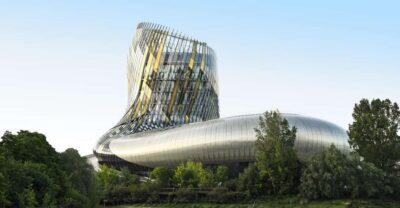 ★ 4.6Bordeaux: Cité du Vin Entry Ticket and Wine TastingFrom $273,885 reviews
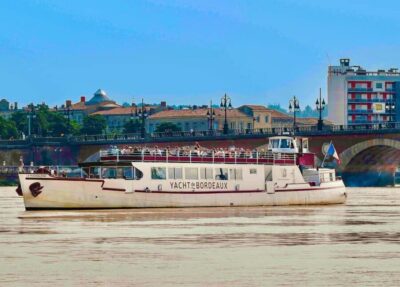 ★ 4.5Bordeaux: River Garonne Cruise with Glass of Wine and CaneléFrom $223,630 reviews
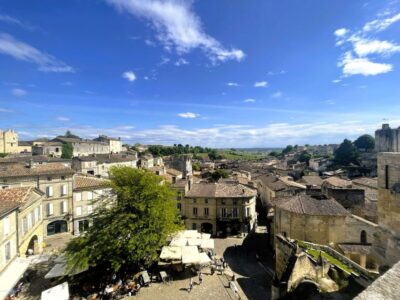 ★ 4.8From Bordeaux: Afternoon Saint-Emilion Wine Tasting & snackFrom $1121,581 reviews
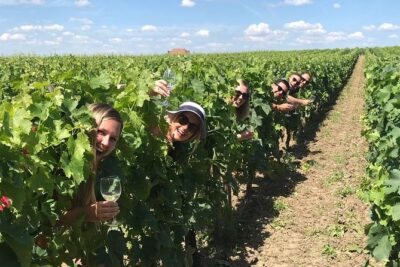 ★ 5.0Medoc or Saint Emilion Wine Tasting and Chateau from BordeauxFrom $1141,415 reviews
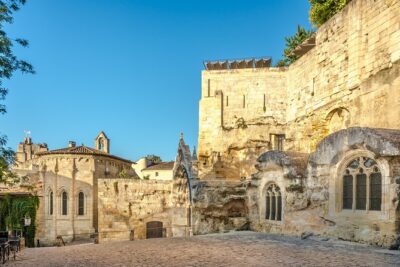 ★ 5.0Saint Emilion Day Trip with Sightseeing Tour & Wine Tastings from BordeauxFrom $2501,120 reviews
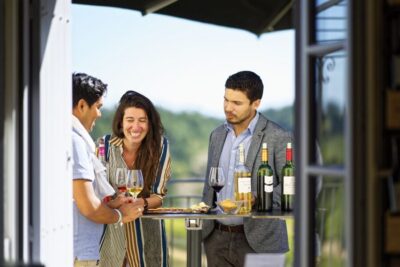 ★ 4.6Saint-Émilion: Grand Cru Classé Winery Visit and TastingFrom $231,118 reviews
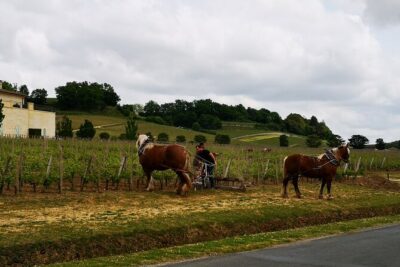 ★ 4.5Saint Emilion Half-Day Trip with Wine Tasting & Winery Visit from BordeauxFrom $1331,034 reviews
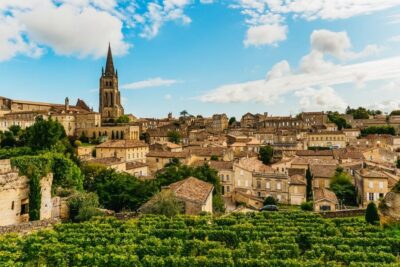 ★ 4.7From Bordeaux: St. Emilion Village Half-Day Wine TourFrom $129728 reviews
Also on these France lists