
Reviewed · BORDEAUX WINE TOURS
Bordeaux: Cité du Vin Entry Ticket and Wine Tasting
Wine museum, but it plays like a game. The Cité du Vin entry ticket sends you into interactive wine storytelling, guided by a digital audio companion that helps you navigate the permanent exhibition at your pace. I like that it is structured enough to feel satisfying, but flexible enough that you can slow down when something catches your nose, eyes, or curiosity.
I especially enjoy two parts: the sensory exhibition stations (where you test aromas and learn through your senses) and the grand finale, the 8th-floor belvedere. From there, you get a 360-degree view of Bordeaux, then finish with a complementary glass chosen from about 15 world wines.
One consideration: the audio headsets can be temperamental. In one case, headphones did not connect to a hearing aid, and the experience was less smooth than it should be, so plan to ask staff for quick help if you run into audio issues.
In This Review
- Key Things You Should Know Before You Go
- Cité du Vin Entry Ticket, what you’re really paying for
- Enter on the 2nd Floor, skip the ticket desk and start on time
- Inside the 18 permanent exhibition spaces, wine learning that sticks
- The digital travel companion and interactive stations, your pace is the plan
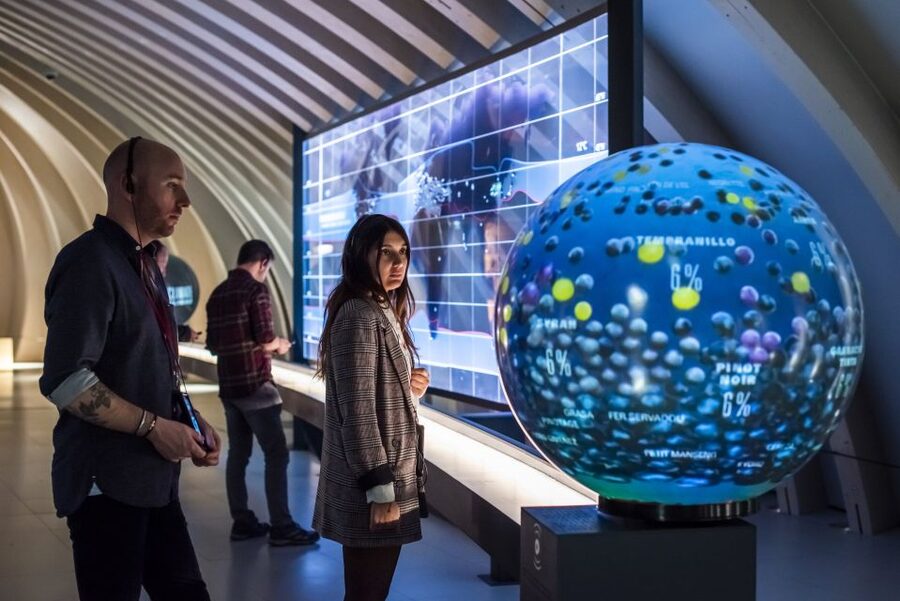
- Sensory testing and the wow factor, why the museum feels hands-on
- Belvedere on the 8th floor, 35-meter views plus your included glass
- After the museum, restaurants, boutique, wine cellar, and reading room
- Price and value vs. typical Bordeaux wine stops
- How long to plan, and how to avoid museum fatigue
- Who should book this Cité du Vin ticket, and who might want more
- Practical tips that make your visit smoother
- Should you book the Bordeaux Cité du Vin entry ticket with wine tasting?
- FAQ
- What is included with the Bordeaux Cité du Vin ticket?
- How much does it cost, and how long is the visit?
- Where do I enter the museum?
- Is the wine tasting included?
- What languages are available for the audio guide?
- What should I bring with me?
- When does Cité du Vin close on December 24?
Key Things You Should Know Before You Go
- Go straight to the 2nd floor and scan your voucher, so you skip the ticket desk line downstairs
- 18 themed permanent exhibition spaces focus on wine worldwide, not just Bordeaux
- Digital guide in 8 languages lets you control the pace, station by station
- 35-meter-high belvedere gives you 360-degree city views before or after your tasting glass
- 1 complementary glass is included, from a selection of about 15 wines
- The ticket includes the permanent exhibition, but not tasting workshops or temporary exhibitions
Cité du Vin Entry Ticket, what you’re really paying for
At $27 per person for a 1-day ticket, you are not buying a quiet lecture. You are buying access to a modern wine museum experience, plus guidance (the digital companion) and a small payoff at the end (a tasting glass and a big view).
What makes the value feel real is the mix: you get the permanent exhibition entry, time to explore 18 themed spaces, and then you finish with the belvedere and a glass from a curated range. That combination is hard to replicate with separate tickets for museum entry plus a tasting plus a viewpoint.
Also, pre-purchasing matters. It does not create a shortcut that skips all other visitors, but it does save you the trip to the ticket desk. In a museum that rewards time and wandering, saving time at the start is a big deal.
More Bordeaux estates and tastings
Enter on the 2nd Floor, skip the ticket desk and start on time
The simplest move is also the right one: go straight up to the second floor and scan your voucher to enter. You do not need to queue at reception downstairs.
This matters for two reasons. First, you start sooner. Second, you avoid getting caught in that first-floor shuffle, which is where a lot of people spend extra minutes they could spend inside the exhibition.
If you want a smooth visit, aim to arrive with enough time to do the full flow: browse the permanent exhibition, then head up to the belvedere later. Reviews suggest many people naturally end up around the 3-hour mark for the exhibition, plus extra time for the view and browsing what is open afterward.
Inside the 18 permanent exhibition spaces, wine learning that sticks
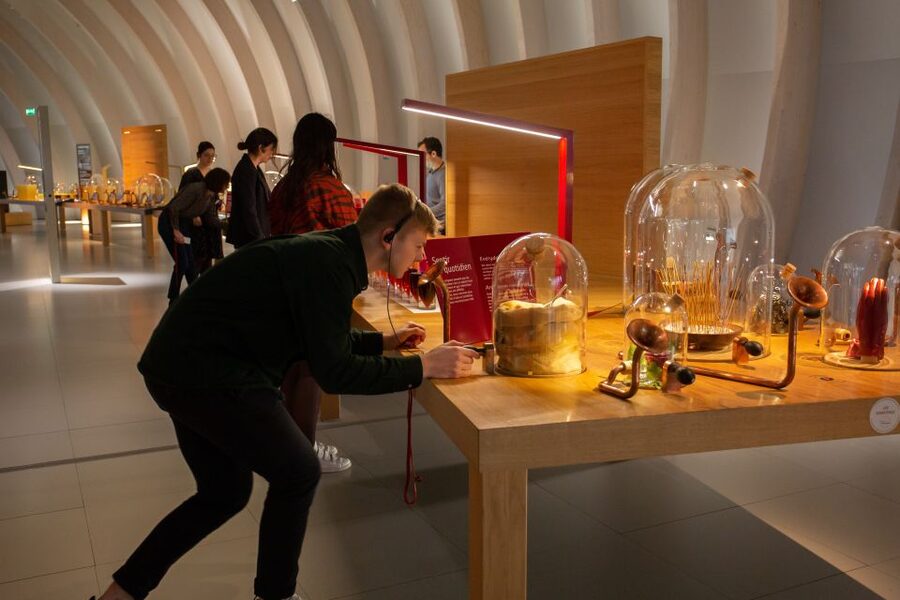
This is the core of the visit. The permanent exhibition covers the world of wine through 18 themed spaces, with interactive stations built around how wine is grown, made, and enjoyed.
You should expect a mix of formats. Some areas focus on big-picture context, like how vineyards and wine cultures connect across countries. Other areas push you to use your senses, like smell and perception, to understand what you are really experiencing when you taste wine.
The museum is designed so you can go in order or bounce around. The digital travel companion helps you follow the story, but it also supports a more self-directed rhythm. That is useful if you travel with mixed interest levels, like one person who wants every detail and another who just wants to touch everything that looks fun.
Even if you are not a hardcore wine person, this kind of structure helps. You leave with a clearer idea of what winemaking actually involves, not just the glamour words that float around on wine labels.
The digital travel companion and interactive stations, your pace is the plan
The digital travel companion is included, with audio guide support in Chinese, Dutch, English, French, German, Italian, Spanish, and Portuguese. Practically, this means you can avoid being stuck with only one language option, which can be a big deal in a museum experience.
In many places, the audio works as you scan or move between stations, so each stop feels like it has its own mini story. Reviews mention the guide being easy to use when you follow the prompts, and that the station setup supports a paced visit.
Two smart tips if you want it to go smoothly:
- Keep your headset ready and take a second to confirm you are hearing audio before you rush to the next station.
- If something feels off, stop and get help right away rather than pushing through in silence.
Because, yes, there can be friction. One experience described headphones not connecting to a hearing aid, which changed how the visit unfolded. Another mentioned that the audio behavior can be a bit tricky at busy times, which can slow you down if the system does not restart the way you expect for each new person.
If you are sensitive to audio delays or you prefer a fully friction-free experience, go earlier in the day when it is less crowded.
Sensory testing and the wow factor, why the museum feels hands-on
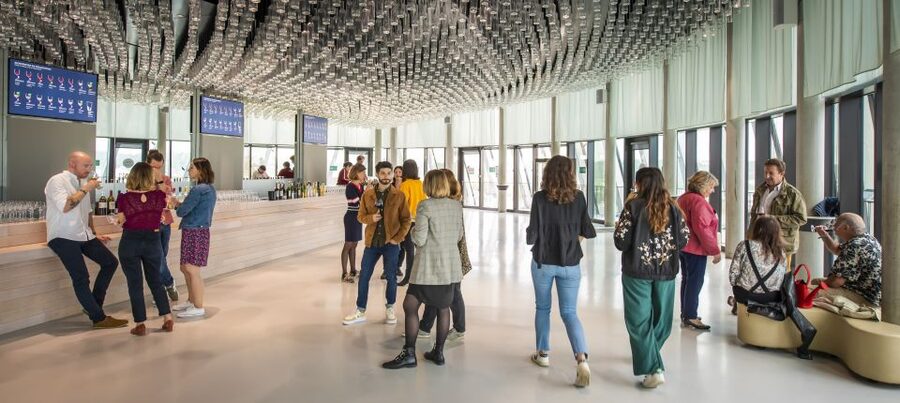
A lot of people love this museum for one reason: it uses your senses as the learning tool. Instead of only reading about wine, you are pushed to notice smell, aroma, and perception.
Reviews also point to the sensory sections as a top highlight, with descriptions like visuals and aromatics that help you understand why tasting is more complex than picking a flavor you recognize. That is exactly the kind of education that sticks. It gives you a vocabulary and a mental framework you can use later when you taste Bordeaux wines or compare styles from other regions.
You do not need to be a trained taster to enjoy these moments. The interactive design makes it approachable for beginners, but it still feels rewarding for people who already know wine basics.
One minor caution: interactive rooms can be busy and people will cluster. If you want less crowd pressure, plan a slower pace around the sensory sections, and be ready to share space.
Belvedere on the 8th floor, 35-meter views plus your included glass
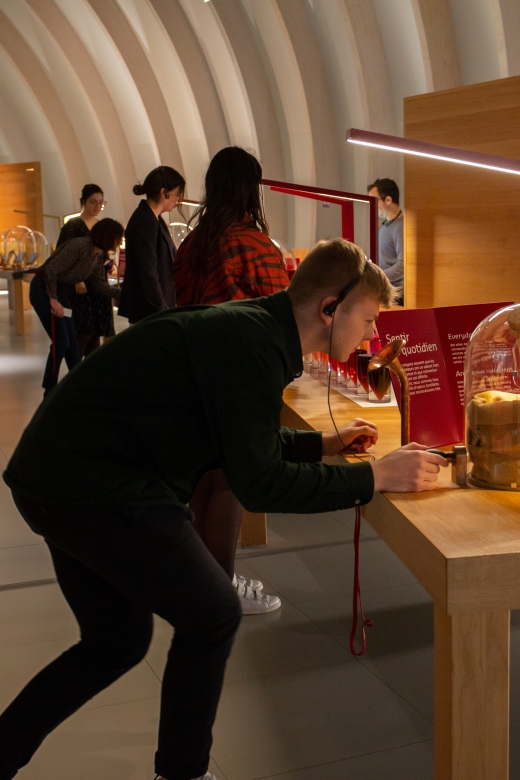
When you finish the exhibition, you get the payoff. Head to the 8th floor and the belvedere for panoramic, 360-degree views over Bordeaux and the surrounding area.
The museum is built around the idea that the view should land after you have learned something. So save your energy for this part, especially if you are visiting on a day when Bordeaux might also be calling you outdoors.
Then comes the tasting. Your ticket includes one glass of wine, chosen from a renewed selection of about 15 world wines. That means it is not just one local pour, and it is not a complicated flight that demands intense decision-making. It is a simple tasting moment paired with a great view, and it is a nice capstone.
If you want the best experience, do not rush the belvedere. Take a few minutes for the scenery first, then sip and let the museum’s wine concepts connect in your head to what you actually taste.
Other tastings and blending sessions
- Saint Emilion Half-Day Trip with Wine Tasting & Winery Visit from Bordeaux
★ 4.5 · 1,034 reviews - From Bordeaux: Half-Day Saint-Émilion Tour and Wine Tasting
★ 4.6 · 657 reviews - Bordeaux Wine and Trade Museum Admission Ticket with Wine Tasting
★ 4.5 · 599 reviews - Bordeaux: Vineyards Wine Tasting Half-Day Trip
★ 4.2 · 470 reviews - From Bordeaux: Saint-Émilion Half-Day Tour with Wine Tasting
★ 4.9 · 389 reviews
After the museum, restaurants, boutique, wine cellar, and reading room
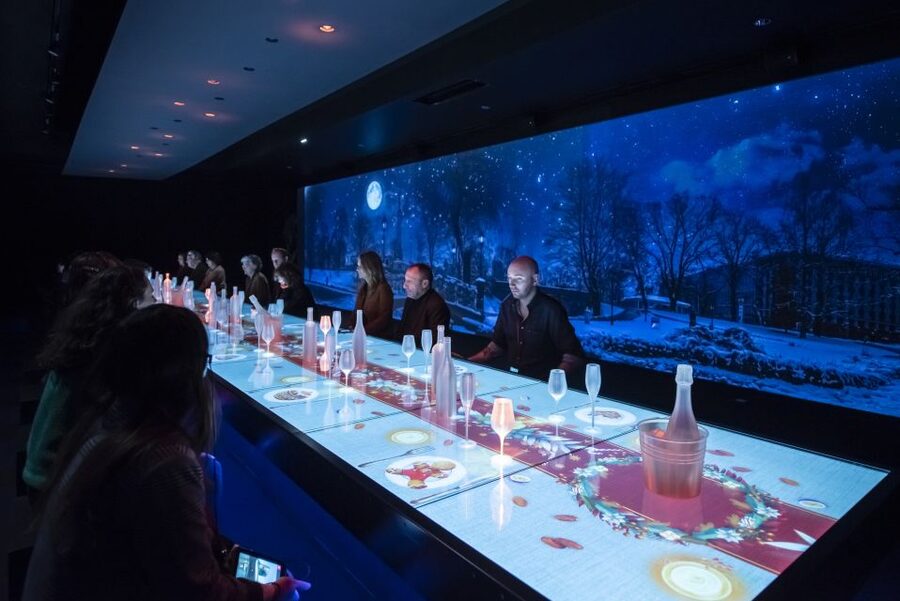
Your ticket does not end when the exhibition ends. You can browse the on-site boutique, access the wine cellar with an international selection, and stop by the restaurants.
One restaurant on the 7th floor offers a panoramic view, which is great if you want a longer sit-down break after the sensory and audio work. Even if you do not plan to eat there, it is worth knowing it exists, because it can turn your visit into a half-day plan instead of a quick museum stop.
There is also a reading room. Think of it as a calm corner if you want to slow down after moving from station to station.
If you are the kind of traveler who likes to compare what you learned with what you can buy or taste, this is a practical structure. It keeps the money question close to the learning moment, so you can make choices with context.
Price and value vs. typical Bordeaux wine stops
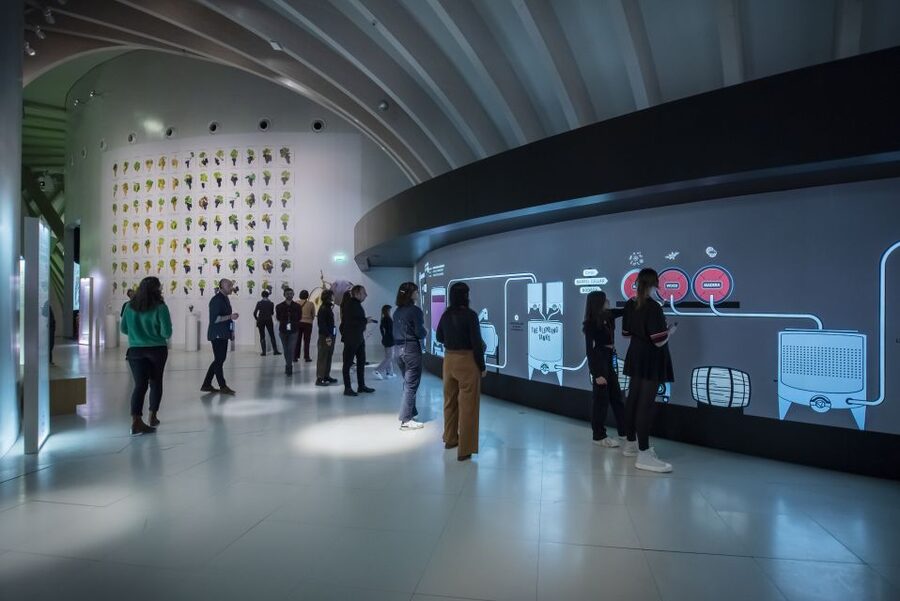
$27 for entry, 18 exhibition spaces, a digital guide, belvedere access, and a complementary glass is a pretty strong deal in Bordeaux terms.
Here is why. Many wine experiences cost you for the tasting alone, and then you still pay to see anything cultural. With this ticket, the museum is the main event, and the tasting glass feels like a reward inside that same experience.
Also, the museum visit can act as a filter. If you walk in knowing almost nothing, you get clarity quickly. If you walk in already curious, you still get new connections, especially from the worldwide lens and sensory learning.
What is not included matters too. The ticket includes the permanent exhibition, but it does not include tasting workshops or temporary exhibitions. Reviews suggest people sometimes add more wine tasting after, and if that is your goal, you might want to plan for it financially and time-wise.
How long to plan, and how to avoid museum fatigue
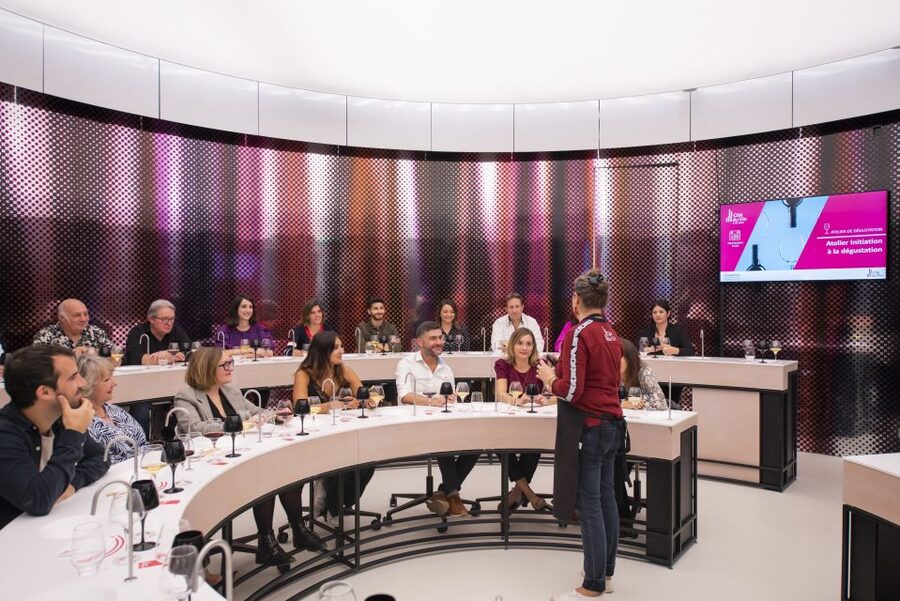
Most visits land around a 3-hour window for the permanent exhibition, guided by the digital companion. But the practical range is wider: reviews describe anything from about 1.5-2 hours for a faster pass to closer to 4.5 hours when people go station by station and really absorb the experience.
I recommend planning 2.5 to 4 hours total if you want a comfortable pace. That gives you time for the sensory stations, the belvedere, and the included glass without feeling like you are sprinting through a learning experience.
One comfort note: some visitors mention standing for long periods can be tiring. So wear comfortable shoes, and take short breaks when you see space to sit or step back from the flow.
Who should book this Cité du Vin ticket, and who might want more
This works best for people who want wine culture without needing to already know wine jargon.
You will enjoy it if:
- You like interactive museums and learning with your senses
- You want a Bordeaux wine experience that also covers the wider world of wine
- You want a day-plan that fits families and mixed interest levels
It is also a strong choice if you are planning a busy Bordeaux itinerary and need one “anchor” activity that delivers value fast.
You might want more than this ticket if:
- You specifically want a guided tasting workshop beyond the single included glass
- You care about temporary exhibitions, which are not included with this ticket
Practical tips that make your visit smoother
Before you go, bring your passport or ID card.
Plan your entry early enough to finish at a relaxed pace. The museum closes at 4 PM on December 24, so do not leave it for the last moment around the holidays.
Once inside, start on the second floor, scan your voucher, and settle into the rhythm of station browsing. If you run into audio problems, pause and get help rather than pushing through with missing sound. And if it is a busy day, accept that interactive rooms can mean you share space, so build in some patience around the sensory areas.
Finally, if you want to get your money’s worth, do the belvedere and the tasting glass as a deliberate end point. It is the moment when the museum turns into your own experience, not just your learning.
Should you book the Bordeaux Cité du Vin entry ticket with wine tasting?
Book it if you want a modern wine experience with structure, time built in, and a tasting that feels like a reward rather than a separate chore. For $27, you get a full museum visit plus a belvedere moment and a glass, which is a strong deal for Bordeaux.
Skip it or upgrade your plan if you are chasing a full workshop-style tasting. This ticket gives you one glass from a selection of about 15 wines, but tasting workshops and temporary exhibitions are not included.
If you can spare half a day and you like interactive learning, this is one of the easiest “yes” picks in Bordeaux.
FAQ
What is included with the Bordeaux Cité du Vin ticket?
Your ticket includes direct entry to the permanent exhibition with 18 themed spaces, access to the 8th floor with panoramic views, a digital guide, and one complimentary glass of wine chosen from a selection of about 15 wines. You can also use the on-site boutique, restaurants, wine cellar, and reading room.
How much does it cost, and how long is the visit?
The price is $27 per person, and the ticket is valid for one day. The permanent exhibition visit is typically around 3 hours, but you can spend more time depending on your pace.
Where do I enter the museum?
Go straight up to the second floor and scan your voucher to enter. You do not need to queue at the reception downstairs.
Is the wine tasting included?
Yes. Your ticket includes 1 glass of wine, chosen from a renewed selection of approximately 15 world wines. Tasting workshops are not included.
What languages are available for the audio guide?
The audio guide is available in Chinese, Dutch, English, French, German, Italian, Spanish, and Portuguese.
What should I bring with me?
Bring a passport or an ID card.
When does Cité du Vin close on December 24?
The museum closes at 4 PM on December 24.
The Whole Bordeaux Shelf
- Bordeaux: River Garonne Cruise with Glass of Wine and Canelé
★ 4.5 · 3,630 reviews - From Bordeaux: Afternoon Saint-Emilion Wine Tasting & snack
★ 4.8 · 1,581 reviews - Medoc or Saint Emilion Wine Tasting and Chateau from Bordeaux
★ 5.0 · 1,415 reviews - Saint Emilion Day Trip with Sightseeing Tour & Wine Tastings from Bordeaux
★ 5.0 · 1,120 reviews - Saint Emilion Half-Day Trip with Wine Tasting & Winery Visit from Bordeaux
★ 4.5 · 1,034 reviews
More Tastings and Blending Sessions
- From Bordeaux: Afternoon Saint-Emilion Wine Tasting & snack
★ 4.8 · 1,581 reviews - Medoc or Saint Emilion Wine Tasting and Chateau from Bordeaux
★ 5.0 · 1,415 reviews - Saint Emilion Half-Day Trip with Wine Tasting & Winery Visit from Bordeaux
★ 4.5 · 1,034 reviews - From Bordeaux: Half-Day Saint-Émilion Tour and Wine Tasting
★ 4.6 · 657 reviews - Bordeaux Wine and Trade Museum Admission Ticket with Wine Tasting
★ 4.5 · 599 reviews
More Bordeaux Estates
- Bordeaux: River Garonne Cruise with Glass of Wine and Canelé
★ 4.5 · 3,630 reviews - From Bordeaux: Afternoon Saint-Emilion Wine Tasting & snack
★ 4.8 · 1,581 reviews - Medoc or Saint Emilion Wine Tasting and Chateau from Bordeaux
★ 5.0 · 1,415 reviews - Saint Emilion Day Trip with Sightseeing Tour & Wine Tastings from Bordeaux
★ 5.0 · 1,120 reviews - Saint Emilion Half-Day Trip with Wine Tasting & Winery Visit from Bordeaux
★ 4.5 · 1,034 reviews
The rest of the Bordeaux write-ups
- Bordeaux: Saint-Emilion Village Day Trip, 2 Chateaux & Lunch★ 4.8 · 57 reviews
- The Ultimate Bordeaux Food Tour: Full Meal & Fine Wines★ 4.8 · 61 reviews
- Bordeaux Food and Wine Tour : Authentic Artisanal Flavors★ 5.0 · 62 reviews
- No Diet Club : Bordeaux Food Tour in Bordeaux center !★ 4.9 · 62 reviews
- Bordeaux: Private Tour in a Citroën 2CV★ 4.7 · 64 reviews
- Bordeaux: St-Emilion and Medoc Wine Day Tour with Lunch★ 4.8 · 64 reviews
Bordeaux Wine Tours, in full.
 ★ 4.5Bordeaux: River Garonne Cruise with Glass of Wine and CaneléFrom $223,630 reviews
 ★ 4.8From Bordeaux: Afternoon Saint-Emilion Wine Tasting & snackFrom $1121,581 reviews
 ★ 5.0Medoc or Saint Emilion Wine Tasting and Chateau from BordeauxFrom $1141,415 reviews
 ★ 5.0Saint Emilion Day Trip with Sightseeing Tour & Wine Tastings from BordeauxFrom $2501,120 reviews
 ★ 4.6Saint-Émilion: Grand Cru Classé Winery Visit and TastingFrom $231,118 reviews
 ★ 4.5Saint Emilion Half-Day Trip with Wine Tasting & Winery Visit from BordeauxFrom $1331,034 reviews
 ★ 4.7From Bordeaux: St. Emilion Village Half-Day Wine TourFrom $129728 reviews
 ★ 4.9From Bordeaux: St-Emilion Day Tour with Tastings and LunchFrom $177714 reviews
Also on these France lists