
Reviewed · TOURS
Paris: French Revolution Tour Relive the 14th July 1789
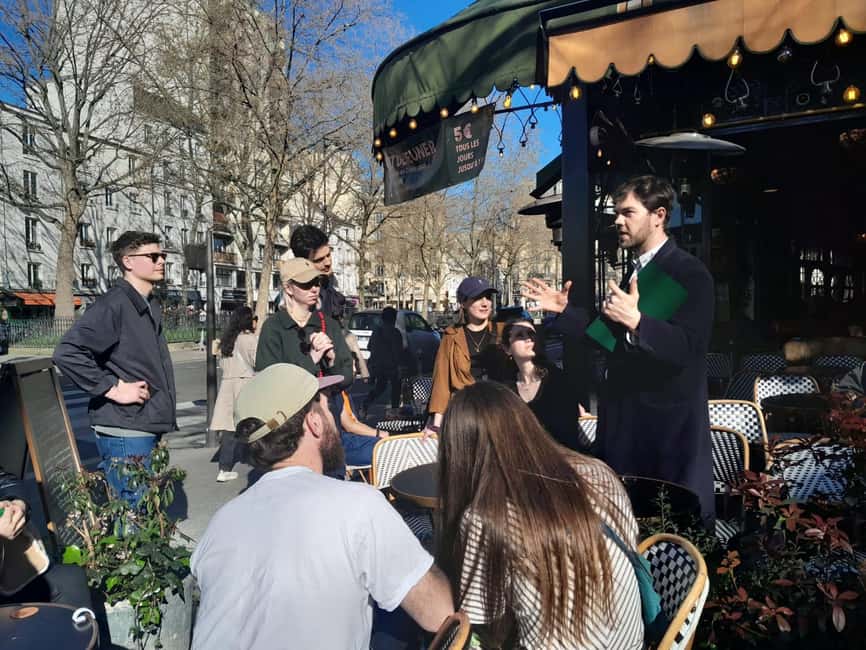
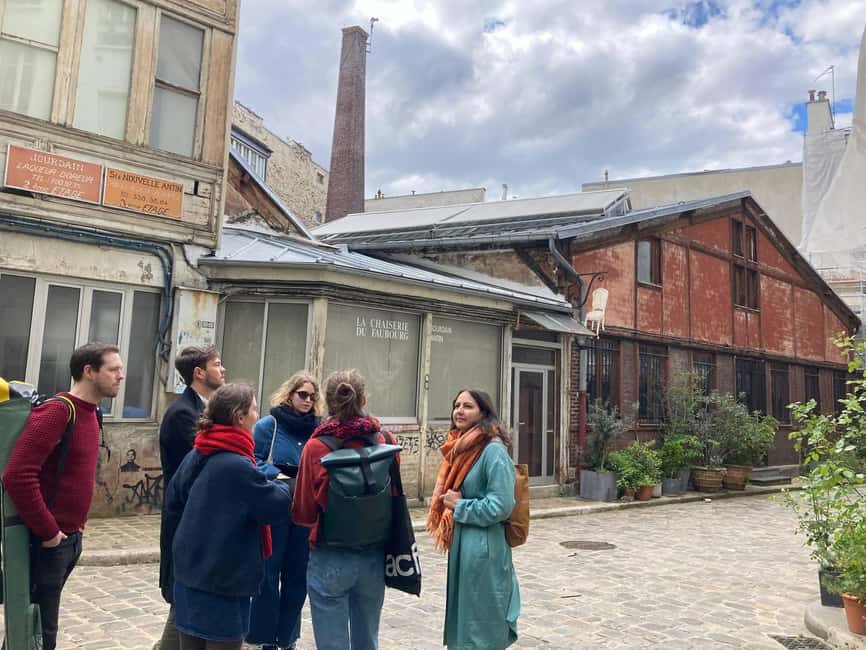
Bastille Day, explained by your feet. ParisVu’s French Revolution tour uses the streets themselves to retell July 14, 1789, with Robin bringing the day to life in a small group format that’s built for questions and real talk. You move from the lead-up conditions to the moment people surged, then keep following the story as you walk from neighborhood clues to the final crescendo near the Bastille.
I love two things most: first, Robin’s story style, including humor and practical explanations that make it feel like the city is giving context, not just dates. Second, the route is built around real places tied to how ordinary Parisians lived and why they acted, especially around Le Faubourg Saint Antoine and named stops like La Folie Titon and Le passage de Lhomme. One possible drawback is time, because at 90 minutes you may only get through the July 14, 1789 thread, and some people want more years after that without switching tours.
In This Review
- Key points
- Starting on Pl. du Dr Antoine Béclère, then steering toward the Bastille
- Le Faubourg Saint Antoine: where everyday life turns into action
- La Folie Titon: a named stop that makes the past feel close
- Le passage de Lhomme: walking through the kind of space that changes the story
- Photo stops and the hour-by-hour build-up toward July 14
- Finishing at Place de la Bastille: where your new context meets your photos
- Price, group size, and whether $37 feels fair for 90 minutes
- Who this tour suits best, and who may want a different option
- Should you book ParisVu’s French Revolution tour to the Bastille?
- FAQ
- How long is the French Revolution tour?
- Where does the tour start and where does it end?
- How much does it cost?
- What languages are available?
- What group size should I expect?
- Is there a live guide?
- Are there additional fees during the tour?
- What is the cancellation policy?
Key points
- Small group energy with a maximum group size that keeps it interactive, not lecture-style
- Robin’s storytelling uses clear explanations and visual support to help you picture the past
- Neighborhood focus around Le Faubourg Saint Antoine, in the working-class spirit of the 18th century
- Specific named stops like La Folie Titon, Le passage de Lhomme, and the walk ending at Place de la Bastille
- Ends where your photos matter, right by the Bastille square so you can anchor what you learned
Starting on Pl. du Dr Antoine Béclère, then steering toward the Bastille
This tour is designed to be simple to follow. It starts at 1 Pl. du Dr Antoine Béclère, and the meeting point is set between Café les Blouses Blanches and Mon Café. That matters because you are not hunting for a vanishing sign in a maze of streets. You also know the end point ahead of time: 28 Pl. de la Bastille, where the whole day’s story lands.
The timing also shapes how the experience feels. You get about 90 minutes, which is long enough to get a true sense of place, but short enough that you will still have energy to continue exploring the rest of the neighborhood afterward. Many walking tours stop with a quick overview and move on fast. This one tries to slow you down just enough to connect events to streets, architecture, and everyday life.
One more practical note: the guide teaches in English, French, and German (live guide). If you’re traveling with mixed language comfort, this is helpful. Also, small group size is repeatedly emphasized, with a cap described as up to 12-15 and also as limited to 10 in the small-group description. Either way, the goal is the same: enough people that you can ask questions and still hear what’s happening without strain.
Still comparing options? These are other tours in Paris we have reviewed.


Le Faubourg Saint Antoine: where everyday life turns into action
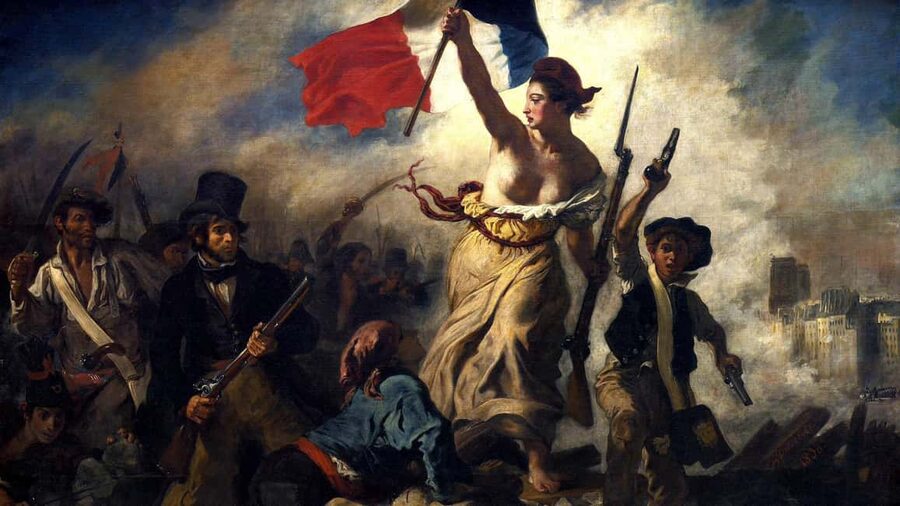
The heart of this tour is not just the famous monument. It’s the streets that helped produce the moment. You spend time around Le Faubourg Saint Antoine, an area strongly associated with artisans and the kinds of working-class realities that made July 1789 combustible.
Here’s what you’ll love about this focus: it changes how you read Paris. Instead of treating history as something sealed behind museum glass, you start noticing patterns. The route nudges you to pay attention to how neighborhoods function, how people gather, and how daily pressures can push a city toward sudden change. In interviews and feedback, people highlight that the guide explains the why behind the revolt, not only what happened.
Robin’s approach seems especially good for this part. Several comments mention his ability to make history feel accessible, including how social conditions shaped the crowd psychology leading into Bastille Day. If you have ever wondered how a revolution becomes personal, this is the angle you get. You see the uprising as a response to lived experience, not just a sequence of famous scenes.
Also, the route helps you get away from the busiest tourist lanes. Some of the best feedback is about discovering a Paris you would not naturally pick on your own. That’s a big deal because it makes the tour double-use: you learn history, then you leave with a better sense of where to walk next on your own.
La Folie Titon: a named stop that makes the past feel close
A great trick in historical walking tours is using specific place names that most people ignore. In this one, La Folie Titon is exactly that kind of stop. Even if you do not know the name before you start, you’ll end up understanding why it matters in the story you’re being told.
What you’ll probably appreciate here is the guide’s habit of zooming in. People describe Robin as someone who spots small details that hint at what could have been happening in the 18th century. That is how a tour like this earns its spot on your itinerary. You are not just hearing a timeline. You’re learning to read the city.
La Folie Titon also helps because it breaks up the heavy emotion of the revolution plot with a sense of real geography. Revolution is often presented as drama. This tour reminds you it was also movement through space, choices made block by block, and gatherings that followed the urban logic people already lived inside.
Is this stop for everyone? If you want pure spectacle only, you might feel it slows things down. But if you like the way history becomes concrete when you connect a name to a corner of Paris, you’ll find it satisfying.
Le passage de Lhomme: walking through the kind of space that changes the story
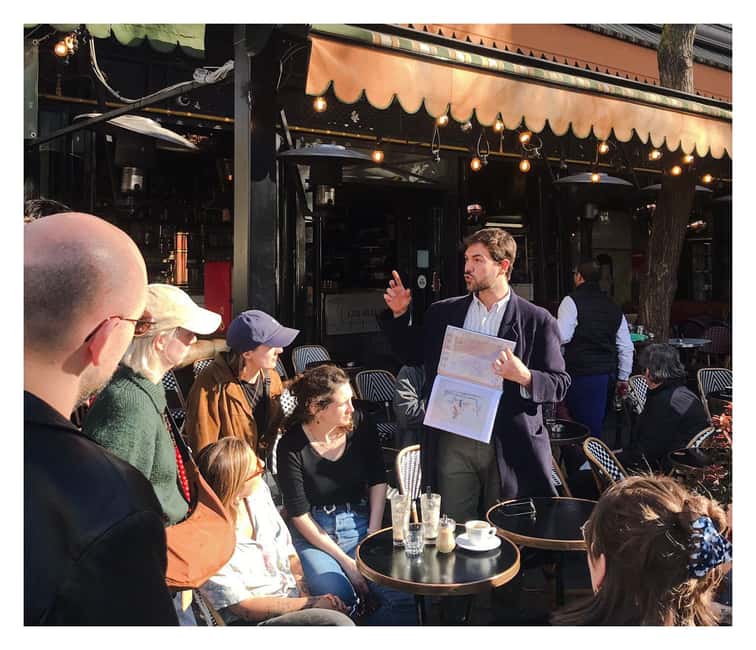
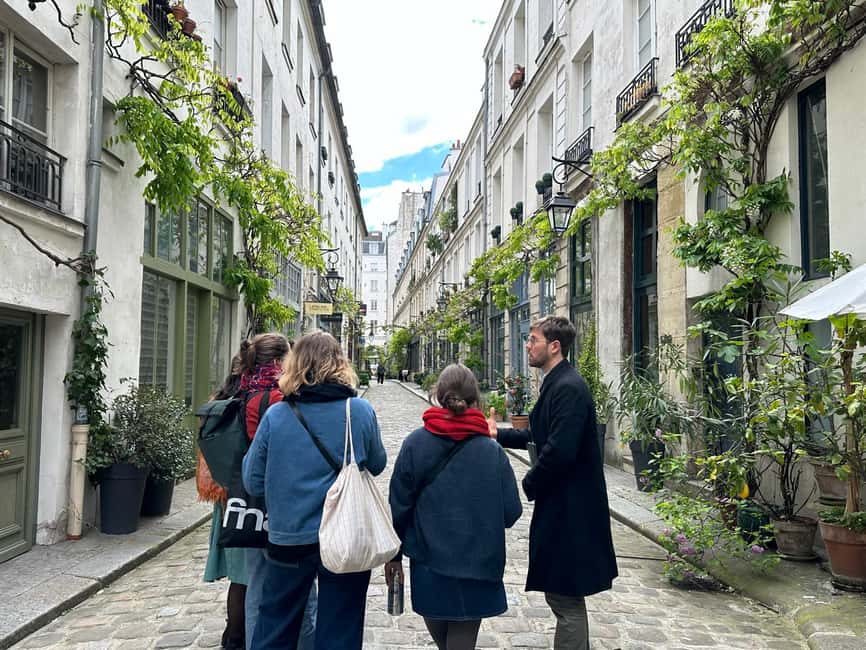
Next comes Le passage de Lhomme, and this is where the tour gets cinematic without pretending you’re in a movie set. Passages and in-between spaces tend to create a different sense of time. You feel how people could move, pause, and regroup. You also start understanding that crowd energy does not only happen in grand squares.
In feedback, people mention the guide pointing out details you might walk past without a second look. That kind of guidance is gold in passages like this, because the space itself invites forgetting you are in a modern city. A good guide then does the opposite. He helps you build a mental picture of earlier life, street flow, and how people would have navigated their world.
This is also a strong section if you’re the type who likes questions. Comments describe Robin as engaging and willing to invite discussion. In a place that’s easy to treat as a quick photo stop, turning it into a conversation about how people gathered helps you remember it later.
One small caution: you are still walking. If you’re hoping for long pauses and lots of indoor time, this is not that style. It’s a guided walk that uses space as a teaching tool.
Photo stops and the hour-by-hour build-up toward July 14
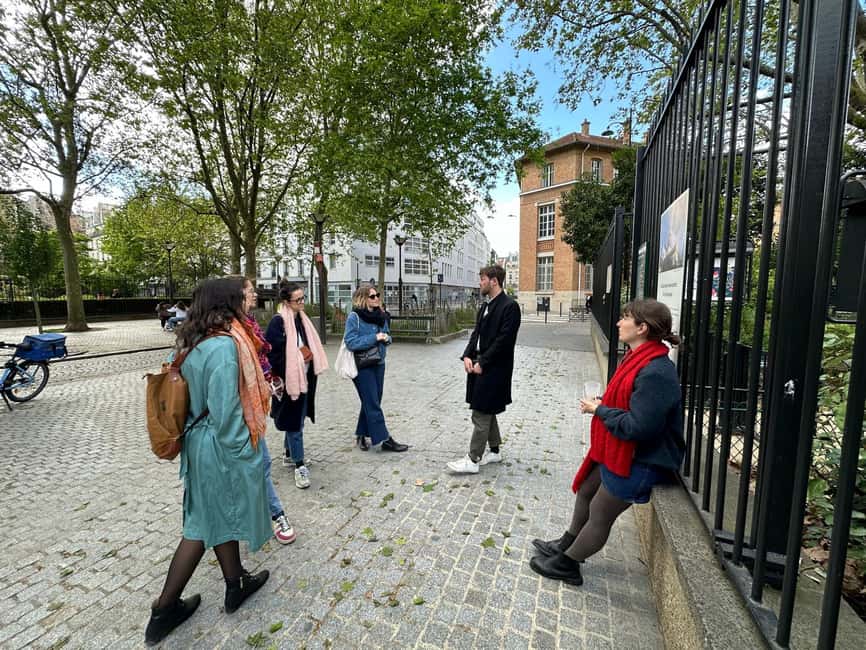
The tour is explicitly built to relive the day hour by hour on 14th July 1789. In practice, that means the pacing is not only about reaching landmarks. It’s about stacking context. Each segment adds a piece, so the later moments do not feel like they appeared out of nowhere.
You also get a viewpoint photo stop as part of the walk. Even without special permission or grand views, this matters because it gives your brain a reset point. You can look around, absorb the layout, and connect what you’re seeing to the story you just heard. Many history tours skip this and keep you moving until you’re too tired to process. Here, the design supports memory.
Robin’s storytelling style is repeatedly praised in the feedback, including how he uses humor and asks the group to engage. People also mention he can explain why the revolt escalated, not only what the final outcome was. That emphasis on escalation is important for first-time learners. Revolutions are rarely a single ignition. They’re a chain reaction.
If you are coming to Paris with a tight schedule, this section helps you turn the Bastille Day legend into a timeline you can actually use when you’re wandering afterward. You’ll know what to look for, and more importantly, you’ll know what questions to ask yourself.
Finishing at Place de la Bastille: where your new context meets your photos
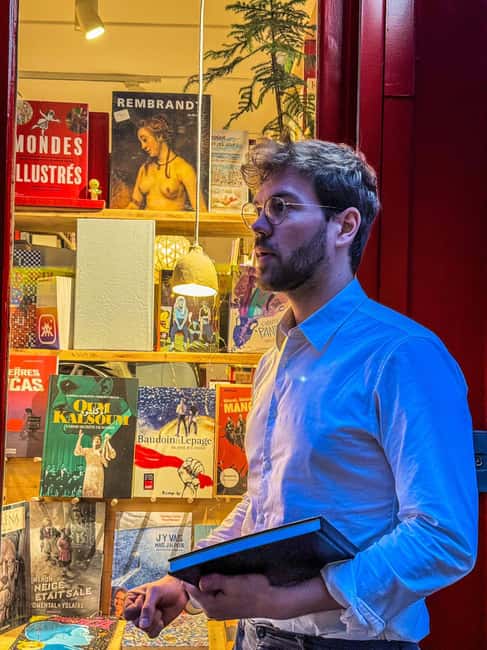
You end at 28 Pl. de la Bastille, which is the perfect finish line. You can stand in the square and let your brain connect the last stretch of the walk to what made July 14 unforgettable.
This ending point also helps because it gives you two travel benefits at once. First, you get closure on the tour’s narrative. Second, you leave with better instincts for what you want to photograph and what you want to spend extra time reading or looking at on your own. If you’ve ever felt like you saw the Bastille area but did not know what you were looking at, this tour’s ending solves that.
Many comments stress that the tour helps you see Paris in a more local way. Ending at Place de la Bastille is the obvious landmark, but the way the tour gets you there is less obvious and more useful. You don’t just arrive at a famous site. You arrive carrying neighborhood context.
One possible mismatch to watch for: some people felt the tour focuses mainly on reaching 1789 and does not go far beyond that. The tour description mentions later developments and even Napoleon, but with only 90 minutes, it may not cover everything you hoped for. If your goal is a longer arc, consider pairing this with another Revolution or Napoleonic-era walking tour so you can extend the story in the second half of your sightseeing day.
- Paris: Louvre Museum Timed-Entrance Ticket
★ 4.6 · 71,977 reviews - Disneyland® Paris 1-Day Ticket
★ 4.6 · 49,412 reviews - Paris: Versailles Palace and Gardens Full Access Ticket
★ 4.6 · 41,579 reviews - Paris: Evening River Cruise with Music
★ 4.4 · 22,721 reviews - Paris: Louvre Guided Tour with Reserved Access & Boat Cruise
★ 4.3 · 16,353 reviews
Price, group size, and whether $37 feels fair for 90 minutes
Let’s talk value, because $37 in Paris can be either a bargain or a letdown depending on what you get.
Here, the value case is pretty strong. You’re paying for:
- a live guide in English, French, or German
- a 90-minute walking format
- no additional fees mentioned
- a small group cap that’s described as up to 12-15, and also as limited to 10
Most of the praise focuses on how Robin actually teaches, not just how long the route is. People highlight his storytelling, humor, willingness to answer questions, and the way he helps you see details you would otherwise miss. When the guide is that strong, the price stops being about minutes and becomes about what clicks for you.
You’ll especially feel this value if you want more than a basic overview. Several comments mention that the tour gave extra context for the rest of their sightseeing. That is a hidden benefit. When your mental map connects multiple landmarks, you spend less time Googling and more time enjoying what’s in front of you.
If you’re the type who dislikes walking tours or gets tired fast, $37 for 90 minutes might not feel as good. But if you like learning by moving through a city, it’s a practical use of time.
Who this tour suits best, and who may want a different option
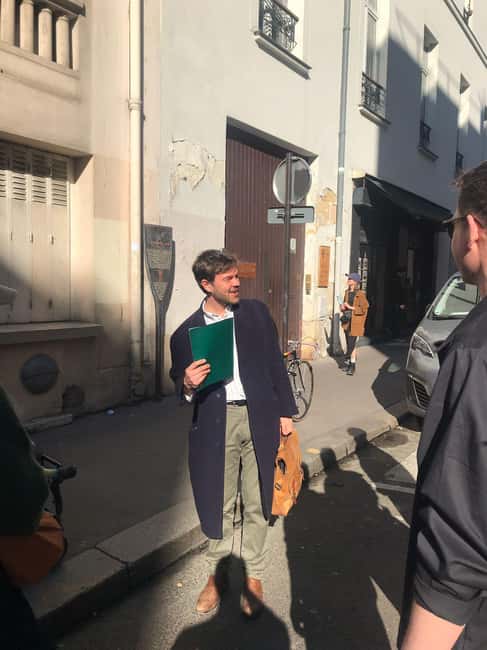
This French Revolution tour is a strong match for three types of visitors.
First, history lovers who want the real-feel version. Robin is described as funny, engaging, and able to make social conditions understandable. If you care about why people acted, not only the famous headline moments, you’ll likely enjoy the approach.
Second, people who want a different slice of Paris. Comments emphasize that the route takes you into parts of the city outside the typical tourist focus, including areas linked to working-class neighborhoods and the social fabric behind the uprising.
Third, travelers who prefer interaction. Multiple reviews mention Robin inviting questions and making it feel like a conversation, not a passive lecture. In a small group, that makes the whole experience more memorable.
If you’re hoping for a huge museum-style chronology with lots of stopping inside buildings, you might feel limited by the street-focused nature of a walking tour. And if you want the Revolution to continue far beyond 1789, you may want to plan a follow-up, since the walk is only 90 minutes.
Should you book ParisVu’s French Revolution tour to the Bastille?
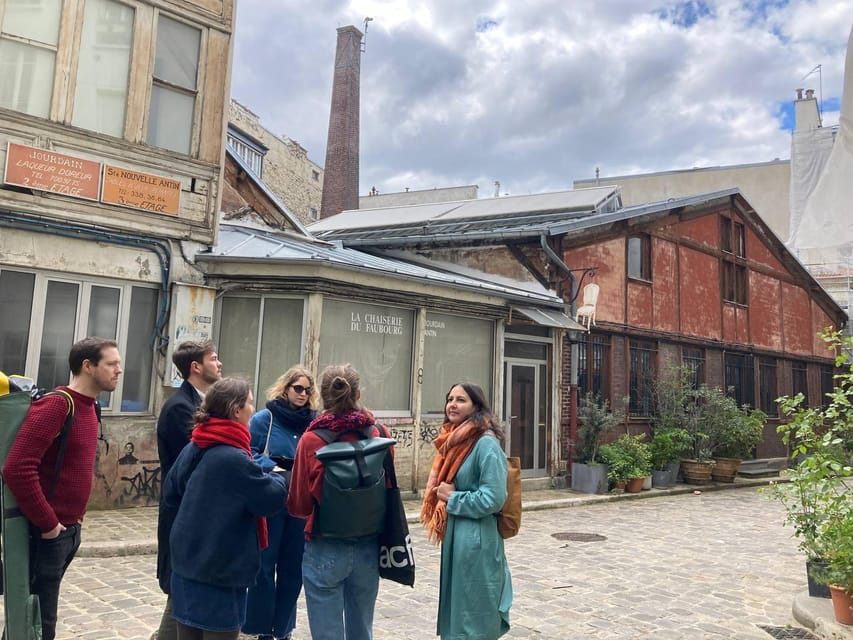
Book it if you want a guided walk that turns July 14, 1789 into something you can picture. The mix of small group size, Robin’s storytelling style, and the route’s emphasis on Le Faubourg Saint Antoine, La Folie Titon, Le passage de Lhomme, and finally Place de la Bastille gives you a full loop from neighborhood conditions to the day’s climax.
Skip or rethink it if you want a longer, multi-decade timeline with extensive post-1789 coverage in one sitting. In that case, treat this as the anchor day, then add another tour later to extend the story.
If you’re on your first or second day in Paris and you want history that improves every later walk, this is a smart place to start. You’ll leave with a better sense of the city, and with that rare souvenir, the feeling that you understand why a street corner matters.
FAQ
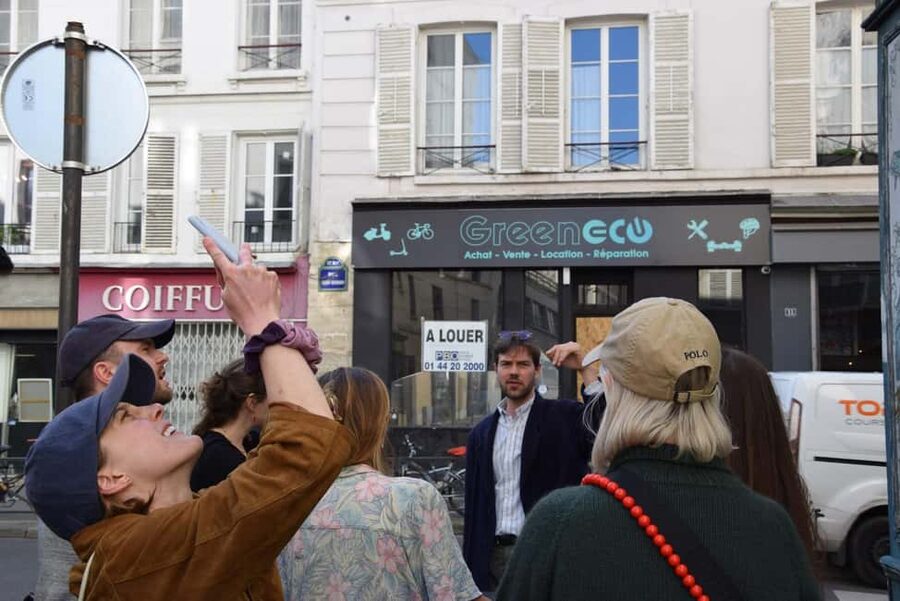
How long is the French Revolution tour?
The tour lasts about 90 minutes.
Where does the tour start and where does it end?
It starts at 1 Pl. du Dr Antoine Béclère and meets between Café les Blouses Blanches and Mon Café. The tour finishes at 28 Pl. de la Bastille.
How much does it cost?
The price is $37 per person.
What languages are available?
The live guide is available in English, French, and German.
What group size should I expect?
The tour is described as a small group with a maximum of 12 to 15 participants, and it also notes a limit of up to 10 participants in the small-group description.
Is there a live guide?
Yes, the tour includes a live tour guide.
Are there additional fees during the tour?
No additional fees are listed.
What is the cancellation policy?
Free cancellation is offered if you cancel up to 24 hours in advance for a full refund.
Everything Else Filed Under Paris
- Paris: Louvre Guided Tour with Reserved Access & Boat Cruise
★ 4.3 · 16,353 reviews - Paris: Big Bus Hop-On Hop-Off Tour with Optional Cruise
★ 4.4 · 13,279 reviews - Louvre Museum Masterpieces Guided Tour with Access
★ 4.5 · 12,023 reviews - Versailles: Skip-the-Line Tour of Palace with Gardens Access
★ 4.7 · 9,778 reviews - Mona Lisa & Louvre Masterpieces Tour with Reserved Access
★ 4.6 · 6,812 reviews
The Whole Paris Shelf
- Paris: Louvre Museum Timed-Entrance Ticket
★ 4.6 · 71,977 reviews - Disneyland® Paris 1-Day Ticket
★ 4.6 · 49,412 reviews - Paris: Versailles Palace and Gardens Full Access Ticket
★ 4.6 · 41,579 reviews - Paris: Evening River Cruise with Music
★ 4.4 · 22,721 reviews - Paris: Eiffel Tower Entry Ticket with Optional Summit Access
★ 4.4 · 20,035 reviews
The rest of the Paris write-ups
- Montmartre: Guided Tour for Kids and Families★ 4.9 · 57 reviews
- From Paris: Versailles Palace and Gardens Guided Day Trip★ 4.5 · 57 reviews
- Versailles Palace and Garden Tour with Paris Private Transfers★ 5.0 · 58 reviews
- Louvre Evening Escape – Avoid The Crowds! Semi-Private 6ppl Max★ 5.0 · 58 reviews
- Summit Eiffel Tower Audio Guide Tour with Unlimited Time Access★ 4.5 · 58 reviews
- Private Half Day Historic Tour★ 5.0 · 58 reviews
Tours, in full.
 ★ 4.3Paris: Louvre Guided Tour with Reserved Access & Boat CruiseFrom $8116,353 reviews
 ★ 4.4Paris: Big Bus Hop-On Hop-Off Tour with Optional CruiseFrom $4313,279 reviews
 ★ 4.5Louvre Museum Masterpieces Guided Tour with AccessFrom $8612,023 reviews
 ★ 4.7Versailles: Skip-the-Line Tour of Palace with Gardens AccessFrom $749,778 reviews
 ★ 4.6Mona Lisa & Louvre Masterpieces Tour with Reserved AccessFrom $806,812 reviews
 ★ 4.0Paris Big Bus Hop-On Hop-Off Tour with Optional River CruiseFrom $466,534 reviews
 ★ 5.0Louvre Museum – Exclusive Guided Tour (Entry Included)From $1816,296 reviews
 ★ 4.6Versailles: Skip-the-Line Guided Palace Tour and Full AccessFrom $885,214 reviews