
Reviewed · BORDEAUX WINE TOURS
Bordeaux Wine and Trade Museum Admission Ticket with Wine Tasting
Bordeaux wine has a trade story, not just grape juice. This ticket blends a compact museum visit in the vaulted Musée du Vin et du Negoce building with a guided tasting of two classic reds. You get the “how Bordeaux sold wine” angle, with the practical payoff of learning what you are actually tasting at the end.
I especially liked the setting: the museum is in real working-style wine spaces, including vaulted cellars tied to centuries of aging and coopers’ craft. And I also liked how the wine tasting focuses on plain comparisons, like Merlot vs Cabernet Sauvignon and how to think about Merchant wine versus Château wine. The one drawback to consider is that the cellars can feel humid, and some people have noted a musty, mouldy smell that makes the rooms less comfortable than a polished, modern museum.
In This Review
- Key highlights to plan around
- Into the Royal Broker Cellars: Musée du Vin et du Negoce
- What the museum visit feels like: quick, readable, and a bit old-school
- The Bordeaux wine trade story you actually walk away with
- The tasting at the end: Merlot, Cabernet, and the Merchant vs Château lens
- How long it takes, and how to fit it into a Bordeaux day
- Where this beats a bigger wine museum, and where it might not
- Price and value: why $14.51 can be a smart buy
- Small tips that help you get more from the visit
- Who should book this ticket
- Should you book the Bordeaux Wine and Trade Museum ticket with tasting?
- FAQ
- What does the ticket include?
- How many wines will I taste?
- How long does the experience take?
- Is the experience offered in English?
- When are the opening hours?
- Is there more food or drink included besides the tasting?
- Is the museum visit self-guided?
- Is it easy to get to?
- Is this suitable for people who do not drink alcohol?
Key highlights to plan around
- Vaulted 18th-century cellars built for wine storage and trade, not a generic exhibit space
- Self-guided museum route with English notes that make a small museum easy to navigate
- Two-wine tasting that teaches you what to look for between Merlot and Cabernet Sauvignon
- Bordeaux wine trade history, including merchant families and the work behind the scenes
- English explanations during the tasting, with staff ready to answer questions
- Good value for an hour or two, especially if you want Bordeaux wine know-how without a full-day museum marathon
Into the Royal Broker Cellars: Musée du Vin et du Negoce
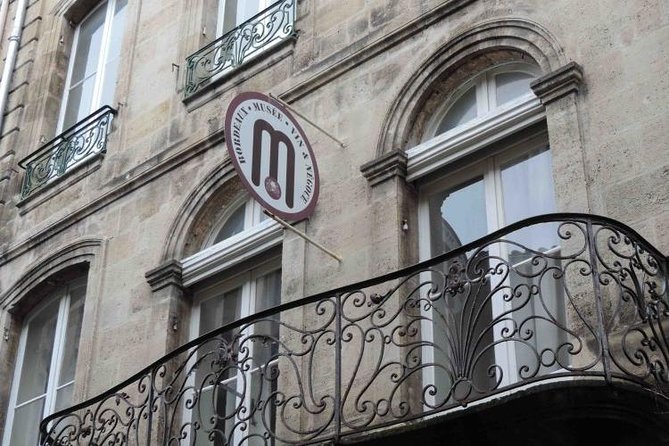
If you want Bordeaux wine history in a small, human scale, this museum fits the bill. The Musée du Vin et du Negoce sits in a building linked to Louis XV-era wine trade, and the museum tells you why that matters. Bordeaux was not just about growers. It was about brokers, merchants, aging, packaging, and shipping wine that could travel and still feel like Bordeaux.
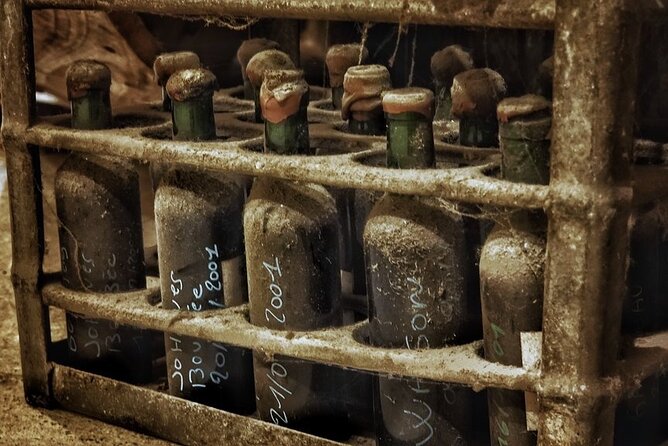
The museum’s heart is the cellar world. Think vaulted rooms built to manage humidity and aging conditions. Even if you have seen photos of “the Bordeaux caves” before, it hits different when you are walking through them. The walls, the architecture, and the straight-up physical reality of wine storage make the story feel less like trivia and more like process.
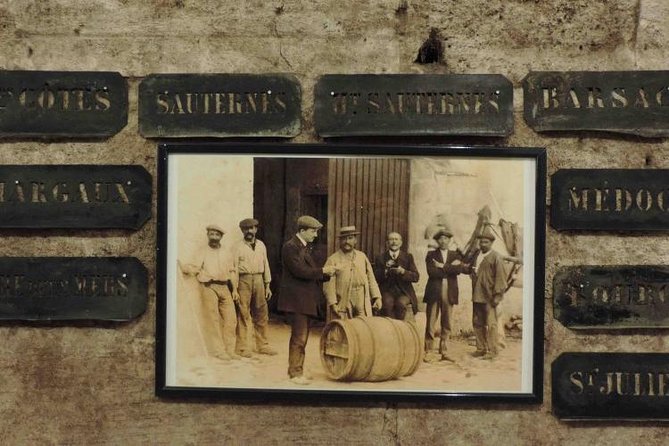
This is also where the “trade” part shows up. You do not just get a timeline of French wine. You get a sense of the business machine behind it, including the coopers’ work and the traditional ways traders handled aging practices in the 19th century.
More Bordeaux estates and tastings
What the museum visit feels like: quick, readable, and a bit old-school
Your museum time is designed to be manageable. It is not a huge, sprawling complex, so you can see a lot without getting lost for hours. Most of the experience is self-guided, and the support materials are in English, which helps you move at your own pace.
That said, it is still an older-style museum presentation. Information is delivered through a mix of exhibits and printed materials. Some displays lean on folders or smaller wall text, and the audio can feel a little confusing if you are trying to follow every track at once. Translation note for your planning brain: if you like reading, you can spend longer and catch more. If you prefer a fast, clean visit, you can still get the core story quickly.
One practical detail to keep in mind: the museum is physically small. You are basically moving through two main vaulted areas plus the tasting boutique. That is good for time. It also means there are fewer “wow” moments than you might find in a big, modern museum. The payoff is accuracy of the theme, not scale.
Also, a note on comfort. One visitor mentioned the restroom situation was in poor shape. If that is a deal-breaker for you, you might plan to use facilities before you arrive, or at least expect the cellar setting to come with rougher edges.
The Bordeaux wine trade story you actually walk away with
The museum is built around the idea that Bordeaux wine is inseparable from commerce. You learn how wine moves from production to merchants, how it gets aged and handled, and why Bordeaux’s identity is tied to selling and exporting.
Here are the specific pieces the visit highlights:
- Louis XV-era association of the building, tying the setting to the historical importance of trade
- Vaulted cellars built around 1720, described as spaces shaped by the realities of storing wine
- Coopering and the traditional crafts connected to aging
- 19th-century trader practices, plus collections that track Bordeaux wine beyond its local walls
- The Chartrons spirit, which is basically Bordeaux’s historic commercial energy, shown through the museum’s architecture and design
If you are used to wine museums that focus only on vineyards and grape varieties, this one shifts your thinking. You end up understanding why a Bordeaux wine label can feel confusing at first. You start seeing the roles: different actors in the chain, how aging and blending relate to styles, and why the market mattered.
The tasting at the end: Merlot, Cabernet, and the Merchant vs Château lens
The best part is the tasting portion at the end. The museum visit culminates in a wine tasting in the museum boutique, with staff who explain what you are tasting and why. You sample two wines, and the whole point is to help you differentiate between Merlot and Cabernet Sauvignon.
The tasting is short, but it is not random. You get guidance on how to think through the differences. Merlot often comes across with a softer, rounder profile, while Cabernet Sauvignon tends to feel more structured, with firmer tannins. You do not need to be a wine nerd to follow along. The guidance helps you connect what you smell and taste to grape identity.
Then comes a second layer that many tasting sessions skip: the difference between a Merchant wine and a Château wine. That might sound like label mumbo jumbo, but it matters in Bordeaux. It helps you interpret what you see when you are shopping later. Instead of just grabbing a bottle because the label is pretty, you learn to ask: Is this wine tied directly to a château production, or is it shaped through the merchant trade system?
This is where the museum earns its keep. The historical exhibits set the stage. The tasting turns it into something you can use the next time you stand in front of a Bordeaux wine shelf.
One encouraging note: English explanations are part of the experience. A guide named Cristina appears in the feedback as someone who gave attentive explanations during the visit. So if you are looking for staff who can answer questions without making you feel silly, this experience tends to deliver.
How long it takes, and how to fit it into a Bordeaux day
Expect about 1 to 2 hours. That time range is honest and useful. It is long enough to read, wander, and take your time with the cellar story. It is also short enough to slot into a tight itinerary when you do not want to lose half your day to museums.
This is especially good if your Bordeaux plan includes tastings at multiple places. You want one “learning stop” that gives context. This museum can act like that anchor.
If you are pairing it with other wine stops, keep the museum as a foundation. It helps you understand what you are tasting at the wineries or enotecas later. If you do it the other way around, you might feel like you are collecting details without a framework.
Also, the museum offers multiple times throughout the day, so you can choose a slot that matches your energy. If you are hitting it on a day with a lot of walking, do not book it as your very last stop unless you enjoy museum sprints.
Where this beats a bigger wine museum, and where it might not
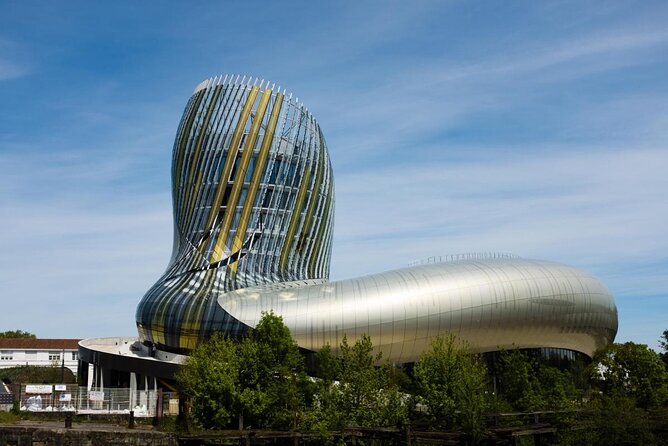
Cité du Vin is the big, modern, high-tech wine museum in Bordeaux. People compare the two, and the comparison makes sense. This museum is smaller and more old-school. It is not trying to be a giant audiovisual experience.
Where this ticket shines is focus. You get the wine trade angle, in the actual cellar setting connected to centuries of storage and commerce. The tasting also gets practical fast: two wines, guided explanations, and label logic (merchant vs château) you can take into real buying decisions.
Where it might disappoint you is polish and comfort. If you want temperature-controlled, ultra-modern design, the cellar atmosphere can be a letdown. If you want lots of interactive screens and a giant collection of immersive content, this is more like an informed walk through a compact museum with printed support and a tasting at the end.
So my rule of thumb:
- Book this if you want Bordeaux wine history that you can apply to real bottles.
- Consider Cité du Vin first if you want the biggest multimedia show and a more comfortable, modern flow.
Other tastings and blending sessions
- Saint Emilion Half-Day Trip with Wine Tasting & Winery Visit from Bordeaux
★ 4.5 · 1,034 reviews - From Bordeaux: Half-Day Saint-Émilion Tour and Wine Tasting
★ 4.6 · 657 reviews - Bordeaux Wine and Trade Museum Admission Ticket with Wine Tasting
★ 4.5 · 599 reviews - Bordeaux: Vineyards Wine Tasting Half-Day Trip
★ 4.2 · 470 reviews - From Bordeaux: Saint-Émilion Half-Day Tour with Wine Tasting
★ 4.9 · 389 reviews
Price and value: why $14.51 can be a smart buy
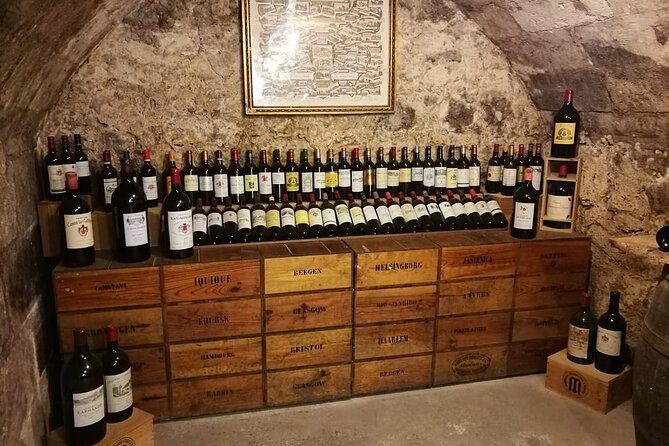
At about $14.51 per person, you are paying for two things: admission to the museum and an included wine tasting of two wines. That combination is the value.
If you were to pay separately for museum entry plus a tasting, this kind of bundled format often costs more. Here, the tasting is tied directly to the museum theme. The exhibits help you understand the tasting, and the tasting gives you a reason to care about the trade story you just read.
You also get a practical time investment. Spending 1 to 2 hours is often exactly right in Bordeaux, where you can easily burn your day on transit time and meal stops. This ticket gives a high “learning per hour” score, without forcing you into a full-day museum circuit.
One more value note from the overall experience: the staff tend to answer questions and guide you in English. That kind of human help is hard to price, but it is part of what makes the tasting feel worth your time.
Small tips that help you get more from the visit
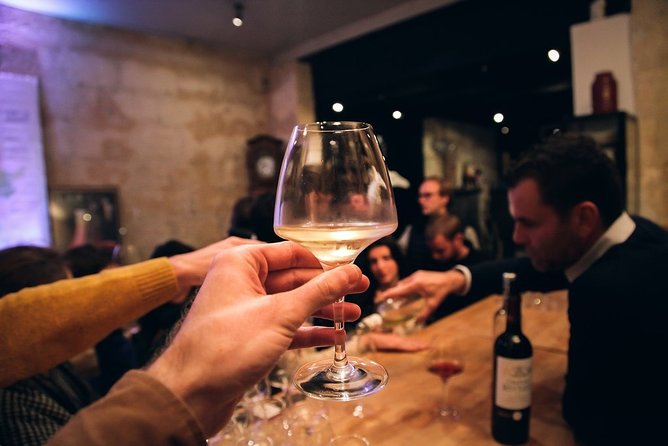
A few things can help you squeeze extra value out of your time in the cellars and tasting boutique.
Go in ready to read. This is not purely visual. The museum uses notes, folders, and smaller printed text. If you like scanning and learning, you will do well. If you hate reading in galleries, you may still enjoy the tasting, but the museum portion may feel thin.
Ask about what you are tasting. During the tasting, the explanations are part of the product. Even basic questions like how Merlot and Cabernet usually differ can make the tasting feel more personal.
Bring label curiosity. The merchant vs château distinction is the kind of thing you can carry into your next Bordeaux purchase. If you are planning to buy wine, even a couple of bottles, this knowledge makes shopping less random.
Plan for cellar air. If you are sensitive to smells or humidity, do not ignore that possibility. The cellars are historic and intentionally humid to preserve wine. One downside some people noted is musty or mouldy odor. That is not the fault of the theme, it is the reality of storage spaces.
Who should book this ticket
This fits best if you:
- Want Bordeaux wine education focused on trade and how wine moves from producers to merchants
- Like guided tasting instruction that explains grape differences, not just drinking
- Prefer a smaller museum you can finish in about an hour or two
- Enjoy asking questions and want English support during the tasting
It may not be ideal if you:
- Need a very modern, comfortable museum setting above all else
- Get frustrated by older exhibit formats with printed materials and possibly confusing audio
Should you book the Bordeaux Wine and Trade Museum ticket with tasting?
Yes, if you want a smart, time-friendly way to understand Bordeaux. The museum setting in historic vaulted cellars makes the trade story feel real, and the included tasting gives you two direct takeaways: Merlot vs Cabernet Sauvignon and a clearer idea of merchant versus château wine.
The only reason to skip is comfort preference. If cellar humidity and smell could ruin your day, you might choose a more modern option instead. But if you can handle an atmospheric older space, this ticket is a strong value, especially as a first or middle stop in a wine-focused Bordeaux itinerary.
FAQ
What does the ticket include?
The ticket includes admission to the Bordeaux Wine and Trade Museum and a wine tasting.
How many wines will I taste?
You taste two wines during the tasting, Merlot and Cabernet Sauvignon.
How long does the experience take?
Plan for about 1 to 2 hours.
Is the experience offered in English?
Yes, it is offered in English.
When are the opening hours?
The museum is open daily from 10:00 AM to 6:00 PM.
Is there more food or drink included besides the tasting?
No. Additional food and drinks are not included unless specified.
Is the museum visit self-guided?
The museum experience is presented with English notes, and the wine tasting part is led.
Is it easy to get to?
The venue is near public transportation.
Is this suitable for people who do not drink alcohol?
People who do not consume alcohol have reported being served grape juice during the tasting.
The Whole Bordeaux Shelf
- Bordeaux: Cité du Vin Entry Ticket and Wine Tasting
★ 4.6 · 3,885 reviews - Bordeaux: River Garonne Cruise with Glass of Wine and Canelé
★ 4.5 · 3,630 reviews - From Bordeaux: Afternoon Saint-Emilion Wine Tasting & snack
★ 4.8 · 1,581 reviews - Medoc or Saint Emilion Wine Tasting and Chateau from Bordeaux
★ 5.0 · 1,415 reviews - Saint Emilion Day Trip with Sightseeing Tour & Wine Tastings from Bordeaux
★ 5.0 · 1,120 reviews
More Tastings and Blending Sessions
- Bordeaux: Cité du Vin Entry Ticket and Wine Tasting
★ 4.6 · 3,885 reviews - From Bordeaux: Afternoon Saint-Emilion Wine Tasting & snack
★ 4.8 · 1,581 reviews - Medoc or Saint Emilion Wine Tasting and Chateau from Bordeaux
★ 5.0 · 1,415 reviews - Saint Emilion Half-Day Trip with Wine Tasting & Winery Visit from Bordeaux
★ 4.5 · 1,034 reviews - From Bordeaux: Half-Day Saint-Émilion Tour and Wine Tasting
★ 4.6 · 657 reviews
More Bordeaux Estates
- Bordeaux: Cité du Vin Entry Ticket and Wine Tasting
★ 4.6 · 3,885 reviews - Bordeaux: River Garonne Cruise with Glass of Wine and Canelé
★ 4.5 · 3,630 reviews - From Bordeaux: Afternoon Saint-Emilion Wine Tasting & snack
★ 4.8 · 1,581 reviews - Medoc or Saint Emilion Wine Tasting and Chateau from Bordeaux
★ 5.0 · 1,415 reviews - Saint Emilion Day Trip with Sightseeing Tour & Wine Tastings from Bordeaux
★ 5.0 · 1,120 reviews
The rest of the Bordeaux write-ups
- Bordeaux: Saint-Emilion Village Day Trip, 2 Chateaux & Lunch★ 4.8 · 57 reviews
- The Ultimate Bordeaux Food Tour: Full Meal & Fine Wines★ 4.8 · 61 reviews
- Bordeaux Food and Wine Tour : Authentic Artisanal Flavors★ 5.0 · 62 reviews
- No Diet Club : Bordeaux Food Tour in Bordeaux center !★ 4.9 · 62 reviews
- Bordeaux: Private Tour in a Citroën 2CV★ 4.7 · 64 reviews
- Bordeaux: St-Emilion and Medoc Wine Day Tour with Lunch★ 4.8 · 64 reviews
Bordeaux Wine Tours, in full.
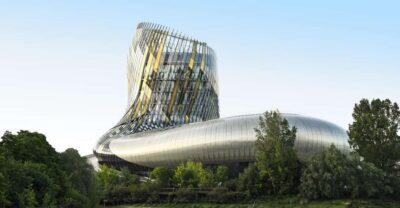 ★ 4.6Bordeaux: Cité du Vin Entry Ticket and Wine TastingFrom $273,885 reviews
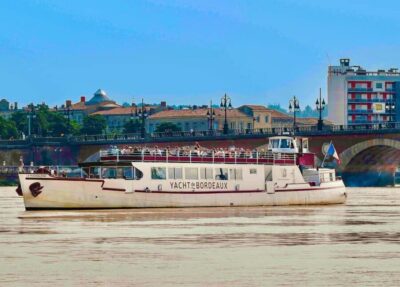 ★ 4.5Bordeaux: River Garonne Cruise with Glass of Wine and CaneléFrom $223,630 reviews
 ★ 4.8From Bordeaux: Afternoon Saint-Emilion Wine Tasting & snackFrom $1121,581 reviews
 ★ 5.0Medoc or Saint Emilion Wine Tasting and Chateau from BordeauxFrom $1141,415 reviews
 ★ 5.0Saint Emilion Day Trip with Sightseeing Tour & Wine Tastings from BordeauxFrom $2501,120 reviews
 ★ 4.6Saint-Émilion: Grand Cru Classé Winery Visit and TastingFrom $231,118 reviews
 ★ 4.5Saint Emilion Half-Day Trip with Wine Tasting & Winery Visit from BordeauxFrom $1331,034 reviews
 ★ 4.7From Bordeaux: St. Emilion Village Half-Day Wine TourFrom $129728 reviews
Also on these France lists