
Reviewed · BORDEAUX WINE TOURS
Bordeaux Wine Masterclass: Blending workshop with appetizer
Want to learn French wine fast? This Bordeaux masterclass turns wine tasting into a hands-on lesson, with blending and a real chance to build your own taste vocabulary. I like that it is guided by a professional sommelier, and it stays relaxed and participatory, not stuffy or intimidating.
I also love how practical the format is. You taste 7 different French wines along the way, learn terms like terroir and appellation, and practice reading labels while you smell and sip. The class is capped at 12 people, so you are not just watching from the back row.
One thing to consider: the food is an appetizer platter, not a full meal. If you are arriving hungry, plan to eat before, because the charcuterie and cheese are there to support the tastings, not replace dinner.
In This Review
- Key highlights
- Bordeaux Wine Masterclass with Appetizer: a hands-on lesson, not a lecture
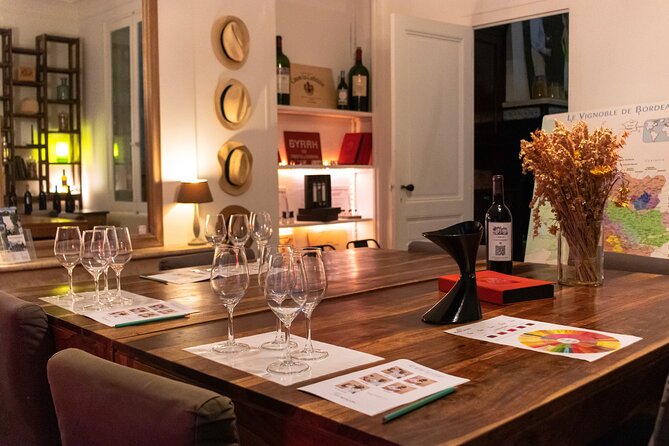
- Where it starts on 3 Rue d’Enghien: the tone of the class right away
- The guided wine map: terroir, appellation, and French labels you can actually read
- Tasting skills that travel with you: aroma, flavor, and quick comparisons
- The blending workshop: Merlot meets Cabernet Sauvignon in your own bottle
- Appetizers and pairing: cheese, cured meats, fresh bread, and chocolate
- Small-group size and the instructor factor: why the experience feels personal
- Price and value at $54.42: what you are really paying for
- Timing that works in a Bordeaux day: morning plans and pacing
- Tips to get the most from your Bordeaux wine masterclass
- Should you book this Bordeaux wine masterclass?
- FAQ
- How long is the Bordeaux Wine Masterclass?
- Is the masterclass offered in English?
- How many people are in the group?
- What food is included with the wine tastings?
- What wines will I taste?
- What are the varietals used in the blending workshop?
- Can I cancel and get a full refund?
Key highlights
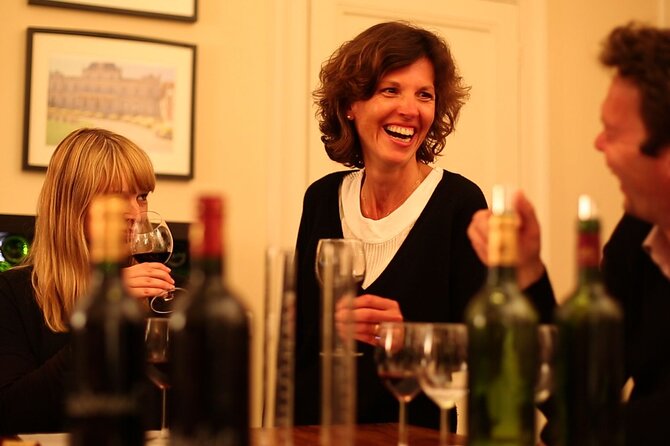
- Build a custom blend using Bordeaux varietals Merlot and Cabernet Sauvignon
- Learn label reading and the “what you are seeing” basics like color interpretation
- Taste-test technique work with aroma and flavor ID, not just random pours
- Small group size with up to 12 people so questions actually get answered
- French appetizer pairing including cheese, cured meats, fresh bread, and chocolate
- A diploma at the end to make your new wine skills feel official
Bordeaux Wine Masterclass with Appetizer: a hands-on lesson, not a lecture
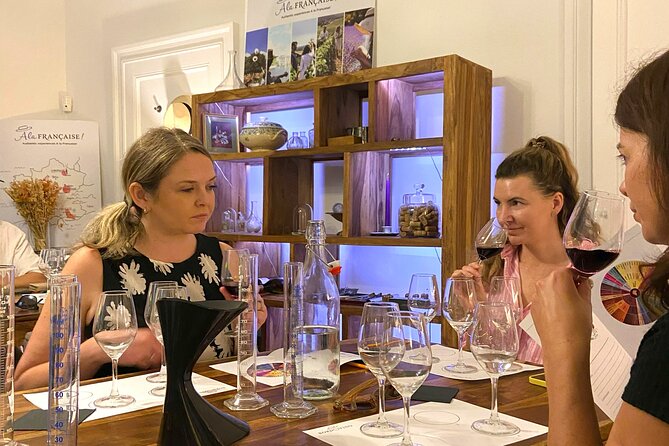
This is a classic “show me, then let me try” kind of wine class. In about 1 hour 30 minutes, you go from beginner-friendly vocabulary to making decisions about what you like, then you put it into action with your own blend. It is also a nice way to get Bordeaux context without immediately jumping into vineyard tours.
The small-group setup matters. When your class is limited to 12 people, the guide can slow down for questions and bring everyone into the tasting. In past sessions, guides have included wine educators such as Gabriel, Victoire, Fabian, Chloe, Dorian, Hugo, and Remi, and the consistent theme is hands-on instruction plus a friendly atmosphere.
And yes, you get to eat while you learn. You will sample cheeses and cured meats, plus fresh bread, and chocolate makes an appearance too. It is not a banquet, but it is the right kind of support for wine tasting, especially reds.
More Bordeaux estates and tastings
Where it starts on 3 Rue d’Enghien: the tone of the class right away
Your session starts at 3 Rue d’Enghien, 33000 Bordeaux, with a 10:30 am start. The end goes back to the meeting point. That matters if you like keeping your day simple: you can park yourself near the center of Bordeaux, do the class, and then stroll or plan your next stop without complicated logistics.
You also use a mobile ticket, which tends to make the arrival phase smooth. Since there is no hotel pickup or drop-off, you will want to build a little buffer in your schedule so you do not rush to find the exact place.
One practical tip: arrive with a curious mindset, not a “perfect palate” mindset. The lesson is built for all levels, including wine lovers who already know their way around a menu. The point is to sharpen your ability to describe what is in the glass, not to test whether you are worthy of wine.
The guided wine map: terroir, appellation, and French labels you can actually read
The lesson starts with the big picture of French wine, then narrows into how to decode what you see on a bottle. You will cover key terms like terroir and appellation, and you will learn what those labels are trying to tell you before you ever take a sip.
You also practice reading a French wine label in a way that sticks. Instead of memorizing by rote, the guide connects terms to the sensory experience you are going to have. You will also look at wine color and learn what to pay attention to visually, because color can hint at style and age.
During the tastings, you sample from multiple regions across France, not only Bordeaux. You will taste wines associated with Burgundy, Côtes du Rhône, Bordeaux, and the Loire Valley. That spread helps you place Bordeaux in context, which is useful even if you are planning a future day trip to Saint-Émilion or the Médoc.
Tasting skills that travel with you: aroma, flavor, and quick comparisons
This is where you get real technique practice. You will be taught how to identify aromas and flavors, and how to describe what you are tasting in a way that is meaningful. If you have ever wondered why one wine smells like dark fruit while another feels more floral or earthy, this class gives you a framework to sort those differences out.
There is also a strong “taste, talk, taste again” rhythm. That is what turns it from a passive tasting into a learning experience. You will get help from the guide to improve your observations, and the pace keeps things interesting without feeling frantic.
A big plus is that the teaching is interactive. The best moments tend to be when the guide asks you to compare, then explains the “why” behind what you are noticing. It is the kind of skill-building that makes restaurant ordering less guessy after you go home.
The blending workshop: Merlot meets Cabernet Sauvignon in your own bottle
The finale is the fun part for most people: you create a custom blend using two Bordeaux varietals, Merlot and Cabernet Sauvignon. This is not just pouring from two carafes. You learn how different components behave, then you make choices based on flavor and balance.
It is also a memorable way to understand the idea of blending as a craft. You start thinking in terms of structure, fruit, and other sensory traits instead of treating wine like a mystery liquid. Once you make your own blend, you stop asking, What is this wine? and start asking, What does this style taste like, and why?
If you already love Bordeaux reds, this will click fast because Merlot and Cabernet Sauvignon are central to the region’s identity. If you are new to wine, it gives you training wheels that still feel like real winemaking thinking.
Appetizers and pairing: cheese, cured meats, fresh bread, and chocolate
Food here is simple but smart. You will nibble on an appetizer platter featuring cheese, meat, fresh bread, and chocolate. The job is to reset your palate between tastings and give you a savory, slightly salty baseline that helps you notice changes in the wine.
One practical note, based on what people have said about the format: do not expect a full meal. There is plenty of wine and enough snacks to keep tasting comfortable, but the platter is still an appetizer. If you are doing this before a big lunch, you will likely be fine, but if you are skipping breakfast, you may want to grab a light bite beforehand.
The best pairing moments often happen when the guide has you notice how fats and salt behave with reds. That kind of pairing lesson is useful because it translates directly to how you might order cheese and charcuterie in Bordeaux later.
Other tastings and blending sessions
- Saint Emilion Half-Day Trip with Wine Tasting & Winery Visit from Bordeaux
★ 4.5 · 1,034 reviews - From Bordeaux: Half-Day Saint-Émilion Tour and Wine Tasting
★ 4.6 · 657 reviews - Bordeaux Wine and Trade Museum Admission Ticket with Wine Tasting
★ 4.5 · 599 reviews - Bordeaux: Vineyards Wine Tasting Half-Day Trip
★ 4.2 · 470 reviews - From Bordeaux: Saint-Émilion Half-Day Tour with Wine Tasting
★ 4.9 · 389 reviews
Small-group size and the instructor factor: why the experience feels personal
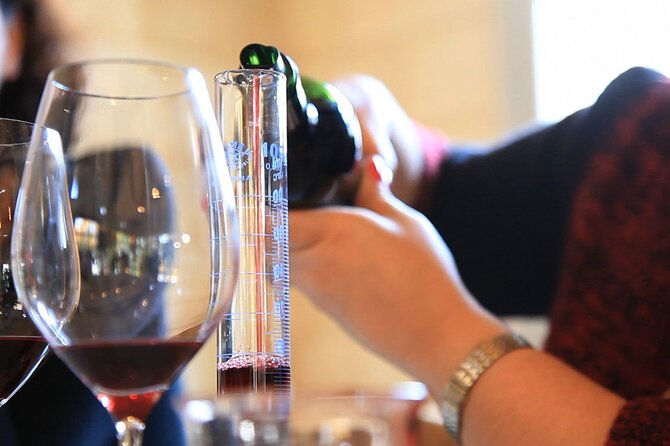
With a maximum of 12 travelers, the class stays social. You get your turn to taste, you can ask questions, and the guide can adjust explanations based on the group. That is why this kind of Bordeaux wine lesson often gets such high praise.
The instructors are repeatedly praised for being friendly, clear, and able to answer questions without making people feel silly. Names that show up often include Gabriel, Victoire, Fabian, Chloe, Dorian, Hugo, and Remi, and the consistent pattern is teaching through interaction.
If you like learning in a room with other wine-minded people, this fits perfectly. If you prefer silent sightseeing, this may feel more like a class than a stroll. But if you are craving something active and social, it is hard to beat.
Price and value at $54.42: what you are really paying for
At $54.42 per person, you are paying for three things: structured instruction, guided tastings across multiple French regions, and a hands-on blending activity plus pairing food.
You are not just getting wine. You are getting a method for recognizing aromas, understanding label terms like appellation, and describing what you like. That is why the class can feel worth it even if you do not consider yourself a serious collector. If you plan to buy wine in Bordeaux, this kind of lesson makes shopping less stressful and more fun.
Also, the group size helps value. With up to 12 people, the guide can spend more time with you, and that tends to make the experience feel less generic than larger tastings.
Timing that works in a Bordeaux day: morning plans and pacing
Starting at 10:30 am, this is a great “set the tone” activity. It gets you oriented to French wine before you start navigating menus. It also gives you a good chunk of your afternoon free for something else, like a walk through the city or a visit to a local shop for bottles you now know how to think about.
Duration is listed around 1 hour 30 minutes, and the workshop content covers both a wine-region overview and the blending exercise. You should expect a steady sequence: explanation, tastings, pairing snacks, then your own blend at the end.
If you are booking multiple wine experiences, this fits well as the learning anchor. Later tastings will feel less random because you already know what to look for.
Tips to get the most from your Bordeaux wine masterclass
Come with at least a little curiosity. You do not need to know varietals or vineyards, but you will enjoy the class more if you are ready to practice describing scents and flavors.
Be ready to participate. The format works best when you smell, sip, and compare, then ask questions when something clicks or confuses you.
Do not skip the appetizers. They help reset your palate and keep the experience comfortable through multiple tastings.
And if you are the type who loves taking notes, this is a good class to do it in. You will learn terms like terroir and appellation, plus how to interpret color and labels. Those details are the kind you forget unless you write them down.
Should you book this Bordeaux wine masterclass?
Book it if you want a structured, small-group wine education with a real payoff at the end. The Merlot and Cabernet Sauvignon blending part plus the multi-region tastings make it more memorable than a basic tasting room visit.
Skip or consider another option if you want a heavy food experience. This class is built around learning and tasting, with a supporting appetizer platter, not a full meal.
If English instruction and a professional sommelier-led format matter to you, this is a strong fit. And if you like the idea of leaving with a diploma and a practical skill set you can use at home, this one is worth putting on your Bordeaux schedule.
FAQ
How long is the Bordeaux Wine Masterclass?
The experience runs for about 1 hour 30 minutes.
Is the masterclass offered in English?
Yes, it is offered in English.
How many people are in the group?
The workshop has a maximum of 12 travelers.
What food is included with the wine tastings?
You get a French appetizer platter that includes cheese, meat, fresh bread, and chocolate.
What wines will I taste?
The workshop includes tasting 7 different wines.
What are the varietals used in the blending workshop?
Your custom blend uses Merlot and Cabernet Sauvignon, both local to Bordeaux.
Can I cancel and get a full refund?
Yes. You can cancel up to 24 hours in advance for a full refund. If you cancel less than 24 hours before the start time, the amount paid is not refunded.
The Whole Bordeaux Shelf
- Bordeaux: Cité du Vin Entry Ticket and Wine Tasting
★ 4.6 · 3,885 reviews - Bordeaux: River Garonne Cruise with Glass of Wine and Canelé
★ 4.5 · 3,630 reviews - From Bordeaux: Afternoon Saint-Emilion Wine Tasting & snack
★ 4.8 · 1,581 reviews - Medoc or Saint Emilion Wine Tasting and Chateau from Bordeaux
★ 5.0 · 1,415 reviews - Saint Emilion Day Trip with Sightseeing Tour & Wine Tastings from Bordeaux
★ 5.0 · 1,120 reviews
More Tastings and Blending Sessions
- Bordeaux: Cité du Vin Entry Ticket and Wine Tasting
★ 4.6 · 3,885 reviews - From Bordeaux: Afternoon Saint-Emilion Wine Tasting & snack
★ 4.8 · 1,581 reviews - Medoc or Saint Emilion Wine Tasting and Chateau from Bordeaux
★ 5.0 · 1,415 reviews - Saint Emilion Half-Day Trip with Wine Tasting & Winery Visit from Bordeaux
★ 4.5 · 1,034 reviews - From Bordeaux: Half-Day Saint-Émilion Tour and Wine Tasting
★ 4.6 · 657 reviews
More Bordeaux Estates
- Bordeaux: Cité du Vin Entry Ticket and Wine Tasting
★ 4.6 · 3,885 reviews - Bordeaux: River Garonne Cruise with Glass of Wine and Canelé
★ 4.5 · 3,630 reviews - From Bordeaux: Afternoon Saint-Emilion Wine Tasting & snack
★ 4.8 · 1,581 reviews - Medoc or Saint Emilion Wine Tasting and Chateau from Bordeaux
★ 5.0 · 1,415 reviews - Saint Emilion Day Trip with Sightseeing Tour & Wine Tastings from Bordeaux
★ 5.0 · 1,120 reviews
The rest of the Bordeaux write-ups
- Bordeaux: Saint-Emilion Village Day Trip, 2 Chateaux & Lunch★ 4.8 · 57 reviews
- The Ultimate Bordeaux Food Tour: Full Meal & Fine Wines★ 4.8 · 61 reviews
- Bordeaux Food and Wine Tour : Authentic Artisanal Flavors★ 5.0 · 62 reviews
- No Diet Club : Bordeaux Food Tour in Bordeaux center !★ 4.9 · 62 reviews
- Bordeaux: Private Tour in a Citroën 2CV★ 4.7 · 64 reviews
- Bordeaux: St-Emilion and Medoc Wine Day Tour with Lunch★ 4.8 · 64 reviews
Bordeaux Wine Tours, in full.
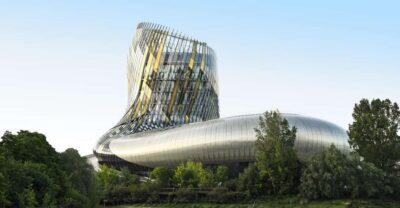 ★ 4.6Bordeaux: Cité du Vin Entry Ticket and Wine TastingFrom $273,885 reviews
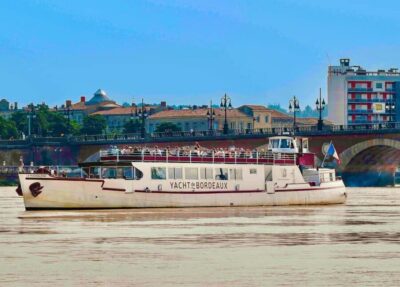 ★ 4.5Bordeaux: River Garonne Cruise with Glass of Wine and CaneléFrom $223,630 reviews
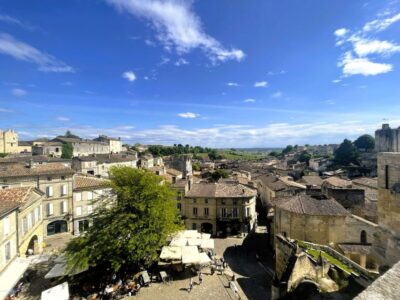 ★ 4.8From Bordeaux: Afternoon Saint-Emilion Wine Tasting & snackFrom $1121,581 reviews
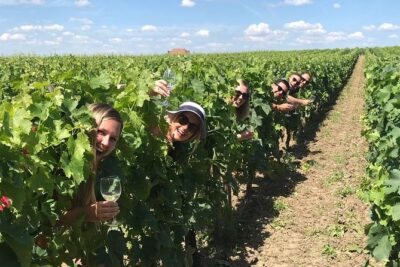 ★ 5.0Medoc or Saint Emilion Wine Tasting and Chateau from BordeauxFrom $1141,415 reviews
 ★ 5.0Saint Emilion Day Trip with Sightseeing Tour & Wine Tastings from BordeauxFrom $2501,120 reviews
 ★ 4.6Saint-Émilion: Grand Cru Classé Winery Visit and TastingFrom $231,118 reviews
 ★ 4.5Saint Emilion Half-Day Trip with Wine Tasting & Winery Visit from BordeauxFrom $1331,034 reviews
 ★ 4.7From Bordeaux: St. Emilion Village Half-Day Wine TourFrom $129728 reviews
Also on these France lists