
Reviewed · CHAMPAGNE REGION TOURS
Bubble Champagne Tour from Epernay (Small group half day tour)
Champagne has a hometown, and you can tour it. This small-group Bubble Champagne Tour from Épernay mixes village history, UNESCO vineyard views, and serious sipping with Grand Cru stops.
I like the tight group size of 2 to 8 people, because it keeps the pace friendly and the guide questions actually get answered. I also love that you don’t just visit big names, you get a look at how Champagne is made in real-world settings, plus tastings that go beyond one style.
The main thing to consider is pace. It is a half-day, photo stops can be short, and the tastings can feel quick, so if you want slow sipping and lots of lingering, this might not match your style.
In This Review
- Key Highlights That Matter
- Why This Half-Day Champagne Tour Feels Different From a Typical Tasting
- Hautvillers: The Dom Pérignon Stop That Sets the Tone
- UNESCO Vineyard Views: Where You Learn Terroir Without Getting Stuck in Lectures
- Côte des Blancs: Chardonnay Grand Cru Country and a Smart Drive-By Tour
- Oger: The Independent Producer Stop Where the Tastings Get Specific
- Cramant and Aÿ: Ratafia, Marc, and Fine de la Marne
- Avenue de Champagne in Épernay: The Famous Street With Cellar Power Behind It
- What You Actually Get From the Tasting Portion (and How to Use It)
- Who This Tour Is Best For
- Should You Book the Bubble Champagne Tour From Épernay?
- FAQ
- How long is the Bubble Champagne Tour from Épernay?
- How many people are in the group?
- What language is the tour offered in?
- What does the tour include in terms of tastings?
- Is hotel pickup included?
- Where does the tour start and end?
- Is admission included for the stops?
- Can I buy Champagne during the tour?
- Is luggage allowed on the tour?
- What is the cancellation policy?
Key Highlights That Matter
- Hautvillers and Dom Pérignon’s church stop: you get the origin story in the place people link to early Champagne experiments.
- Côte des Blancs in Grand Cru villages: Cramant and Avize sit in Chardonnay country, not just Pinot noir territory.
- Oger family grower visit with 100% Chardonnay options: you taste multiple expressions, including natural style without dosage and oak-aged versions.
- Extra pours at the Goyard Distillery in Aÿ: Ratafia Champenois plus Fine de la Marne and Marc de Champagne bring the region’s older traditions to your glass.
- Avenue de Champagne pass in Épernay: you see the fancy face of Champagne while hearing how the industry grew into a cellar empire.
Why This Half-Day Champagne Tour Feels Different From a Typical Tasting
Épernay is the obvious starting point for Champagne. The tricky part is that many tours feel like a carousel: quick look, quick sip, back on the road. This one works because it builds context as you go, so each tasting lands with meaning instead of just being another glass.
You start at the Office de Tourisme d’Epernay, then ride through the Champagne countryside in a premium air-conditioned vehicle. The small-group cap of 8 people matters more than it sounds. When the group is tight, you get time to ask, and you can actually hear the guide over the van’s motion and the constant excitement.
At $187.06 per person for about 3 hours 30 minutes, you are paying for more than Champagne. You are paying for transport, guided storytelling across multiple villages, and multiple tastings packed into a short window. The value sweet spot is that you taste three Grand Cru Champagnes plus additional regional alcohols, not just one house’s lineup. That is six tasting moments minimum, and they cover different styles, from classic bruts to natural and oak-aged options.
If you are a first-timer, this is a strong sampler. If you already know Champagne basics, you still get value because you are tasting Grand Cru expressions in a structured way, including Chardonnay territory in the Côte des Blancs.
Other Champagne houses we have visited
Hautvillers: The Dom Pérignon Stop That Sets the Tone
Hautvillers is one of those villages you keep hearing about for a reason. It is tied to the origin myths and early experimentation that made Champagne famous. This tour starts by going there, and the signature moment is a private church visit at Abbaye Saint-Pierre d’Hautvillers.
Inside, you tour the church and see the grave of Dom Pérignon, often described as a spiritual father of Champagne. The guide story here is not just name-dropping. You get the narrative of how Champagne’s reputation took shape in this region, and you also get a chance to sort out the question people ask again and again: was he truly the inventor of Champagne?
After the church, you get history woven into the landscape around you. People sometimes think Champagne history is just about famous houses. This stop reminds you it is also about the people who worked the vines and refined the process long before modern branding took over.
Practical tip: plan on this being one of the quieter, more reflective parts of the tour. If you like learning the “why” before the “what,” you will appreciate the slow start. The admission here is listed as free, which helps you feel less like you are nickel-and-diming your way through the morning.
UNESCO Vineyard Views: Where You Learn Terroir Without Getting Stuck in Lectures
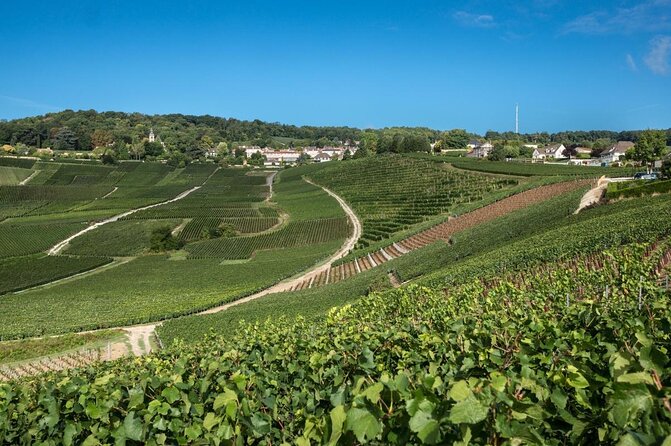
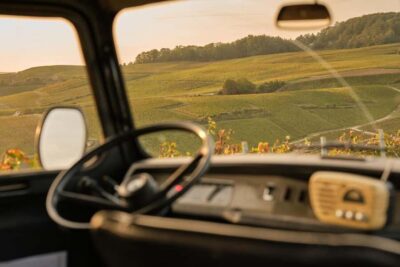
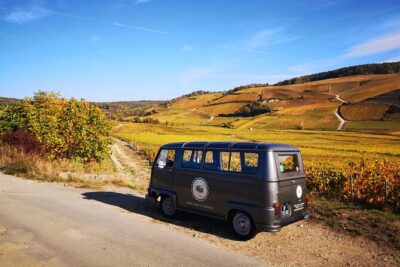
From Hautvillers, you move into the vineyard hills where Hautvillers sits within UNESCO-listed Champagne sites. This is the part where you look out over the Marne Valley and get those wide Champagne panoramas that people come for.
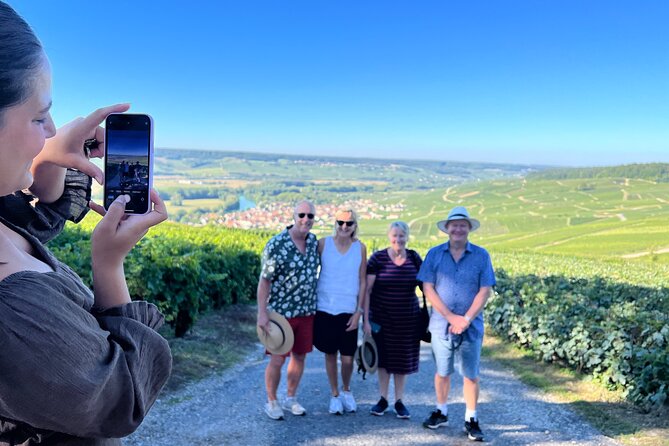
You get a stop in the historical hillsides to take photos and watch the vines roll away into the distance. Then comes the practical lesson: what matters in this area, and why it matters. The focus is on the work of the vines, the grape varieties, and the idea of terroir, plus sustainable viticulture practices.
Why this matters: Champagne is not one grape and one method. It is a system of soil, climate, slope, and harvesting decisions, all turned into bubbles through time. If you only taste Champagne, you can miss how much the region shapes the flavor. This vineyard view segment helps you connect what you see to what you later taste.
Time check: this portion runs about 45 minutes, which is long enough to breathe, take pictures, and still keep momentum toward the tasting stops.
Possible drawback: a few people noted that photo time can feel limited. So if you have a must-have photo spot in mind, treat this as a moment to move early, not something you can perfect later.
Côte des Blancs: Chardonnay Grand Cru Country and a Smart Drive-By Tour
After the Marne Valley area, the tour heads to the Côte des Blancs, often described as the kingdom of Chardonnay. This is Grand Cru country at the highest level of Champagne appellation, and it matters because Chardonnay tends to show a different personality than Pinot noir.
You will pass through Cramant and Avize, both famous Grand Cru villages. Along the way, you get a guided “see and understand” drive. The tour includes glimpses in front of major industry sites, including the largest bottles factory and the area associated with Château de Saran, plus the Montaigu site linked to Moët & Chandon.
You are not just sitting in the van. The guide ties those landmarks to the bigger story of Champagne as an industry, not only a craft. The Avenue de Champagne later makes this more visual, but this early passing section gives you the industry context before your tastings.
A note on expectations: this is still a half-day, so the drive-by sections are not a full behind-the-scenes visit at every major property. What you are getting is the geography and the names in the right order, so later in the trip, when you hear Champagne terminology like Grand Cru or dosage, it lands with clarity.
Oger: The Independent Producer Stop Where the Tastings Get Specific
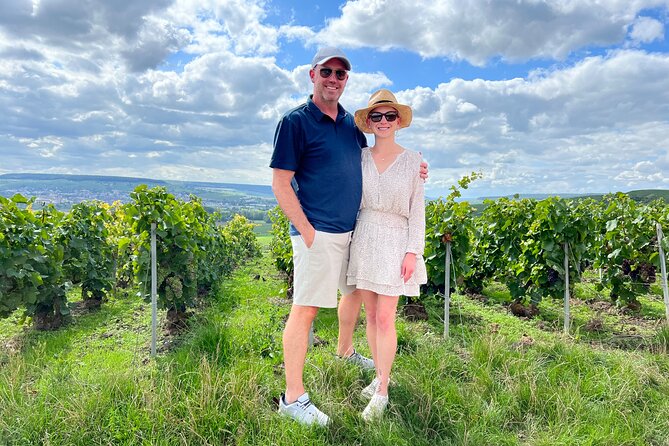
Oger is another renowned Grand Cru village in the Côte des Blancs zone, especially for Blanc de Blancs, which is 100% Chardonnay Grand Cru. Here you visit an independent producer or grower, a family estate since 1864.
This is a hands-on stop compared to the drive-by parts. You get explanations on the Champagne making process, and you visit the press, winery, and cellar areas. That combination is valuable because it connects equipment and space to the finished bottle you taste later. When you see where grapes turn into must, then how storage and aging decisions shape the wine, the tasting becomes easier to interpret.
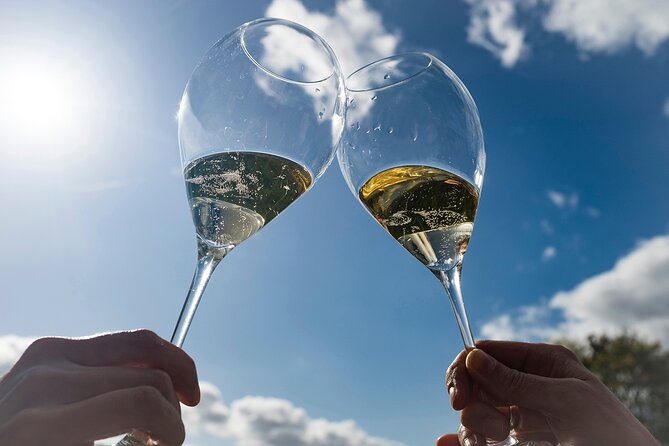
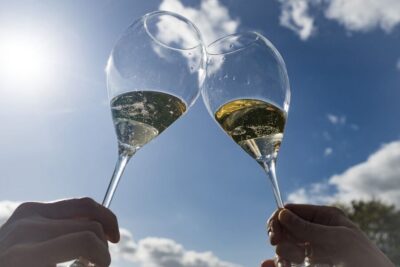
Then comes the main event. You taste three 100% Grand Cru Champagnes, with tasting advice that helps you compare styles. The tour specifically mentions tasting differences such as:
- natural Champagne without dosage
- brut
- vintage
- Champagne aged in oak barrels
Why this tasting structure is useful: it teaches you what to look for, even if you do not yet have a big vocabulary for Champagne. You are not just sipping randomly. You are comparing styles that Champagne lovers argue about for a reason. Natural without dosage can feel different in texture and expression from brut. Vintage bottles can taste less like a single standard and more like a year’s weather. Oak aging adds another layer that can show up in aroma and mouthfeel.
Another value point: the address is described as fairly confidential, and the tone of the tour here is not celebrity Champagne. It is local grower reality. If you love the idea of tasting something that feels closer to the land and the producer rather than the most famous marketing, you are in the right place.
Optional buying: there is a shop where you can buy Champagne and souvenirs if you want.
Cramant and Aÿ: Ratafia, Marc, and Fine de la Marne
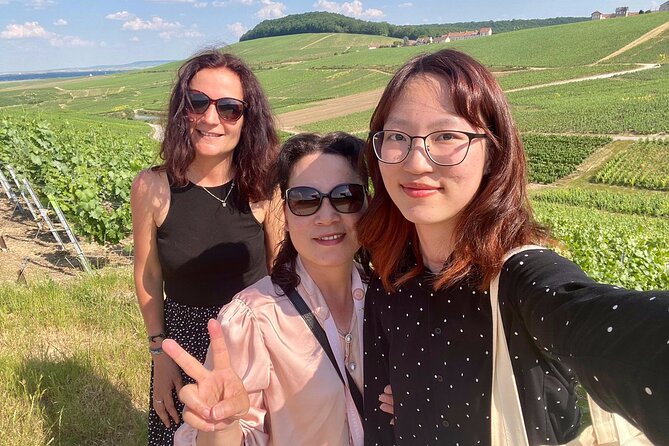
After Oger, the tour adds extra tastings at Cramant, including pours from the Goyard Distillery in Aÿ. This is a distinctive move because it broadens the Champagne experience beyond sparkling wine.
The distillery’s history is part of the story: it has been operating since 1911. The standout tasting here is Ratafia Champenois, produced in Champagne since the 13th century.
Ratafia is a sweet wine made from grape varieties used for Champagne. People enjoy it as an aperitif, digestif, or with food. One of the fun parts of this stop is that it is relatively unknown outside the Champagne region because it is not widely exported, so if your Champagne education is mostly global brands, this can feel like a side door into local tradition.
You also taste Fine de la Marne and Marc de Champagne. These are brandies that are popular as digestives, which means the flavor profile can be more intense and aromatic than standard Champagne. It is not just about more alcohol, it is about learning the Champagne region as a whole food-and-drink culture.
Timing: this segment is about 30 minutes. That is enough to try three items and still keep the momentum to the final Épernay stop.
Practical tip: if you are sensitive to sweet or spirit-style flavors, pace yourself. The tasting order is meant to help you understand differences, but you will still appreciate the sense of control if you sip slowly.
Other Epernay wine visits
- From Epernay: Champagne Small-Group tour with tastings & Lunch
★ 5.0 · 93 reviews - Bubble Champagne Tour from Epernay (Small group half day tour)
★ 5.0 · 58 reviews
Avenue de Champagne in Épernay: The Famous Street With Cellar Power Behind It
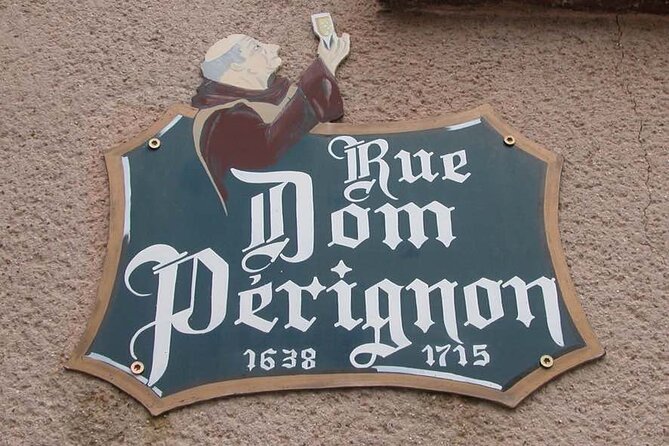
To finish, you do a commented passage through Avenue de Champagne, the celebrated UNESCO World Heritage Site area in Épernay. This is the street that looks like Champagne royalty, with historic mansions and major Champagne house buildings.
The guide explains the history of the mansions and production buildings associated with Champagne houses including Moët & Chandon, Perrier Jouët, Pol Roger, and others. It is called one of the most expensive avenues in the world, and the reason becomes clear when the tour mentions the scale of production infrastructure behind the scenes.
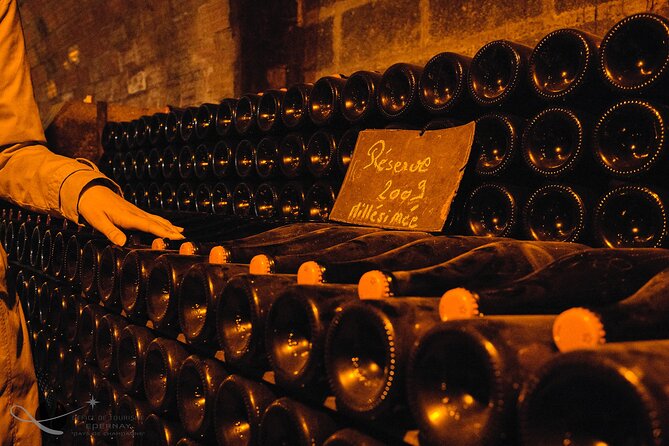
You will hear about the cellars: 100 kilometers of cellars and around 200 million bottles hiding underground. Whether you are a numbers person or not, that kind of scale changes how you understand what you buy in a shop. Champagne is not a single vineyard moment. It is storage, aging, logistics, and patience turned into a product.
Photo tip: this final section is a great time for street shots and classic Champagne architecture photos. If you want your best skyline view photos, do them when the guide calls out the best opportunities, because not every stop gives the same photo time.
What You Actually Get From the Tasting Portion (and How to Use It)
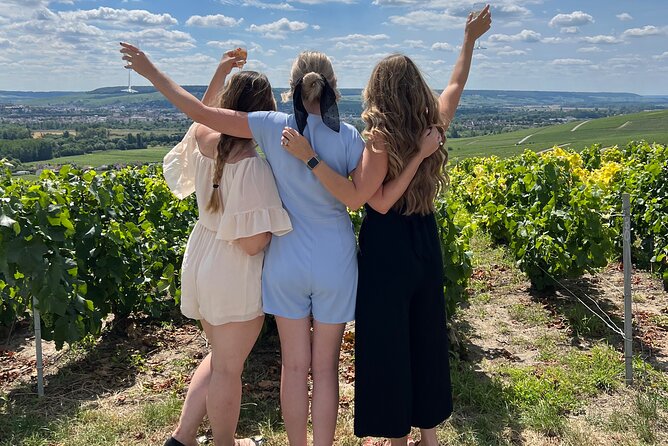
The tour is built around tastings, but it is not just “try three bottles.” It is organized to train your palate. You taste three Grand Cru Champagnes, then additional alcohols like Ratafia and two brandies.
Here is how I recommend using the tasting time:
- Start by noticing bubble size and feel first, then aroma, then taste. If you jump straight to flavor, you may miss the texture cues that separate styles.
- Ask the guide one comparison question, like what makes the natural style feel different or why oak aging changes the finish. This tour is designed for advice, so ask for it.
- If you are buying, take a short moment right after the tasting to decide what you liked most, then buy with that in mind. It is easier than trying to compare bottles in a shop with a crowd moving around you.
One consideration from feedback: a couple of people found the tasting practical side rushed, including how glasses were handled. That does not mean you get a bad tasting, it means you should come ready to taste quickly and move on. If you hate fast tastings, this is the biggest mismatch risk.
Also, the tour is only about 3.5 hours. You will learn a lot in that time, but you also will not become an expert by drinking for half a day. Think of this as a guided way to become a more confident buyer and a more attentive Champagne drinker.
Who This Tour Is Best For
This is a great fit if you:
- want a strong first visit to the Champagne region from Épernay
- care about Grand Cru and want Chardonnay-focused Côte des Blancs tastings
- like small-group tours where the guide can talk and answer questions
- want more than sparkling wine, with Ratafia and regional brandies added
It may be less ideal if you:
- expect long photo sessions and slow stops
- want a very relaxed, no-pressure tasting with lots of repetition
- hate the idea that a half-day program is still a schedule, not an open-ended wander
Should You Book the Bubble Champagne Tour From Épernay?
If you want one high-value Champagne experience that mixes history, UNESCO views, and a real family grower visit, I think you should book this. It is priced like a premium small-group tour, but it gives you multiple tastings across distinct Champagne contexts: church and village origins, UNESCO vineyard views, Côte des Blancs Chardonnay Grand Cru, and then regional spirits like Ratafia.
The decision comes down to your tasting style. If you enjoy structured comparisons, quick learning moments, and leaving with a better sense of what you like, this tour fits. If you need long lingering time at every stop, or you are picky about tasting pacing and glass handling, you may feel the half-day limits.
My call: book it if you want a smart, compact way to understand Champagne and leave with a handful of bottles that match your newly sharpened taste.
FAQ
How long is the Bubble Champagne Tour from Épernay?
The tour runs about 3 hours 30 minutes.
How many people are in the group?
The small-group tour is capped at 8 participants, with a range of 2 to 8 people.
What language is the tour offered in?
English is offered.
What does the tour include in terms of tastings?
You taste three glasses of Champagne (Grand Cru) and also have additional tastings of regional alcohols including Ratafia Champenois, Fine de la Marne, and Marc de Champagne.
Is hotel pickup included?
No. Transfers from your hotel are not included.
Where does the tour start and end?
It starts at Office de Tourisme d’Epernay en Champagne, 7 Av. de Champagne, 51200 Épernay, France and ends back at the meeting point.
Is admission included for the stops?
Admission tickets are listed as free for the main highlighted stops.
Can I buy Champagne during the tour?
Yes, you can buy Champagne in the shop at the independent producer visit, plus some souvenirs.
Is luggage allowed on the tour?
Luggages and suitcases which are not allowed are noted, so you should travel light.
What is the cancellation policy?
Free cancellation is available up to 24 hours in advance for a full refund.
Everything Else Filed Under Epernay
- From Reims: Champagne and Family-Run Wineries Tour
★ 4.8 · 671 reviews - The Essential Tour from Epernay with Champagne Tasting
★ 4.9 · 120 reviews - From Epernay : Bubble Champagne Tour 6 tastings
★ 4.7 · 108 reviews - From Epernay: Champagne Small-Group tour with tastings & Lunch
★ 5.0 · 93 reviews - Discovery tour (2 tastings)
★ 5.0 · 77 reviews
The Whole Epernay Shelf
- From Reims: Champagne and Family-Run Wineries Tour
★ 4.8 · 671 reviews - The Essential Tour from Epernay with Champagne Tasting
★ 4.9 · 120 reviews - Champagne experience with a vintage van from Epernay – 3 hours
★ 5.0 · 108 reviews - From Epernay : Bubble Champagne Tour 6 tastings
★ 4.7 · 108 reviews - From Epernay: Champagne Small-Group tour with tastings & Lunch
★ 5.0 · 93 reviews
Champagne, More Houses
- From Reims: Champagne and Family-Run Wineries Tour
★ 4.8 · 671 reviews - The Essential Tour from Epernay with Champagne Tasting
★ 4.9 · 120 reviews - Champagne experience with a vintage van from Epernay – 3 hours
★ 5.0 · 108 reviews - From Epernay : Bubble Champagne Tour 6 tastings
★ 4.7 · 108 reviews - From Epernay: Champagne Small-Group tour with tastings & Lunch
★ 5.0 · 93 reviews
The rest of the Epernay write-ups
- Bubble Champagne Tour from Epernay (Small group half day tour)★ 5.0 · 58 reviews
- Discovery tour (2 tastings)★ 5.0 · 77 reviews
- From Epernay: Champagne Small-Group tour with tastings & Lunch★ 5.0 · 93 reviews
- Champagne experience with a vintage van from Epernay – 3 hours★ 5.0 · 108 reviews
- From Epernay : Bubble Champagne Tour 6 tastings★ 4.7 · 108 reviews
- The Essential Tour from Epernay with Champagne Tasting★ 4.9 · 120 reviews
Champagne Region Tours, in full.
 ★ 4.7Paris: Moulin Rouge Cabaret Show Ticket with ChampagneFrom $11516,088 reviews
 ★ 4.6Paris: Paradis Latin Cabaret Show with Optional ChampagneFrom $1062,231 reviews
 ★ 4.0Paris 3-Courses Gourmet Dinner Seine River Cruise with ChampagneFrom $1361,659 reviews
 ★ 5.0Top Private Cruises in Paris with French Champagne and surprisesFrom $4821,553 reviews
 ★ 4.8From Paris: Day Trip to Champagne with 8 Tastings & LunchFrom $3451,501 reviews
 ★ 4.0Paris: Champagne at the Moulin Rouge & Seine River CruiseFrom $2961,216 reviews
 ★ 4.7Paris: La Nouvelle Eve Cabaret Show with ChampagneFrom $1161,192 reviews
 ★ 5.0Champagne Day Trip with 6 Tastings, Reims and Winery from ParisFrom $278902 reviews
Also on these France lists