
Reviewed · CHAMPAGNE REGION TOURS
From Reims: Champagne and Family-Run Wineries Tour
Champagne stories begin in a tiny village. From Reims, this afternoon tour takes you into Hautvillers and the cellars behind Champagne, then pairs it with tastings at two family-run producers. It is a smooth half-day format that fits neatly around travel plans, especially if you are using Reims as your base.
I like two things a lot: first, the small group (max 8) keeps the vibe relaxed and makes it easier to ask questions during tastings. Second, you get six total tastings, split between two different houses, so you taste enough to notice how style changes from one producer to the next.
One consideration: Champagne cellars run cold. You are looking at an average 10°C underground, so pack a jacket, and wear shoes you can walk in without rushing.
In This Review
- Key things that make this tour worth your time
- Reims at 2 pm: where the tour actually starts and why it matters
- Hautvillers and Dom Pérignon’s church: the Champagne origin you can walk to
- Two family-run wineries: how six tastings change your understanding fast
- Inside the Champagne process: what the guide helps you notice
- The UNESCO vineyard views: the countryside pause between tastings
- Price and value at $147: what you are paying for, and where it lands
- Who this tour is best for (and who should skip it)
- What to bring so you feel comfortable the whole afternoon
- Should you book this Champagne tour from Reims?
- FAQ
- Where do I meet for the tour in Reims?
- What time does the tour start and end?
- How many people are in the group?
- How many tastings do I get?
- What should I bring?
- Is lunch included?
- Is the tour suitable for children or wheelchair users?
Key things that make this tour worth your time
- Hautvillers and Dom Pérignon’s church: a classic Champagne place to see early roots tied to the religion of bubbles
- Two family-run wineries: you spend real time at smaller producers, not just a quick stop
- Six tastings, three at each stop: enough variety to compare styles, not just sample labels
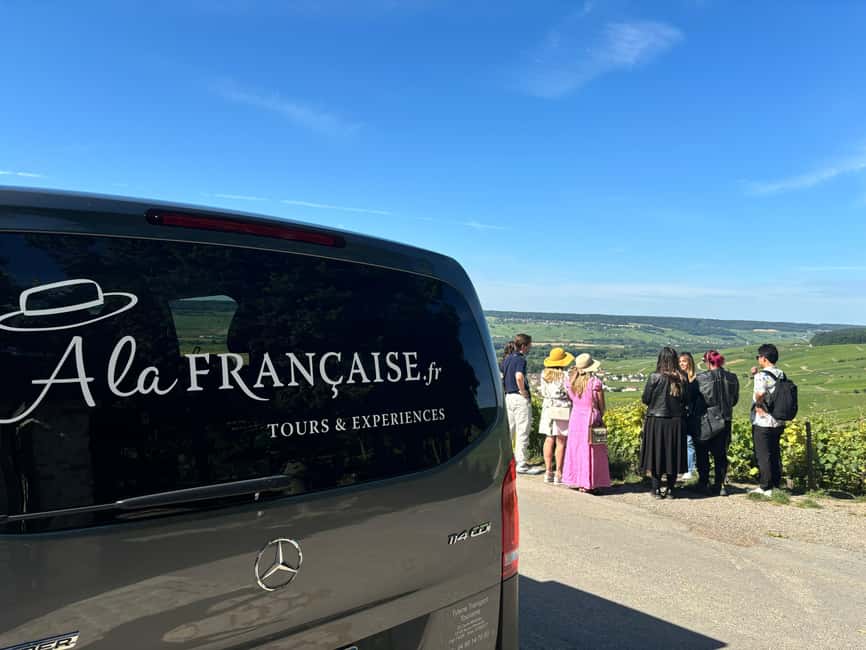
- Small-group van ride: max 8 participants, air-conditioned transport, and an easier schedule than bus tours
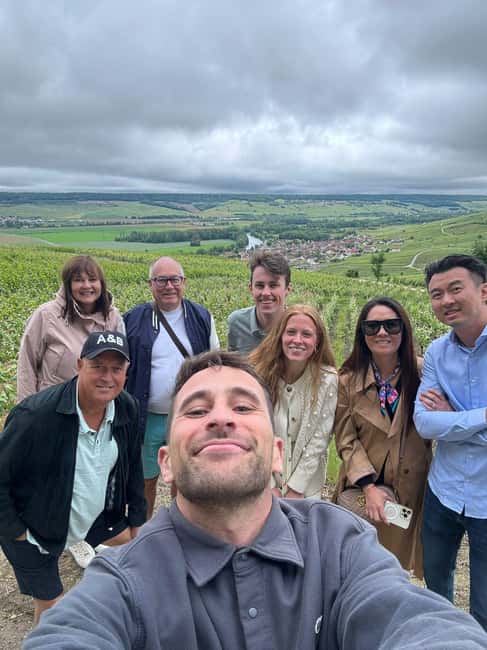
- Guides with local chemistry: you’ll hear from people like Chloe, Etienne, Anne, and others who were praised for storytelling and real hands-on know-how
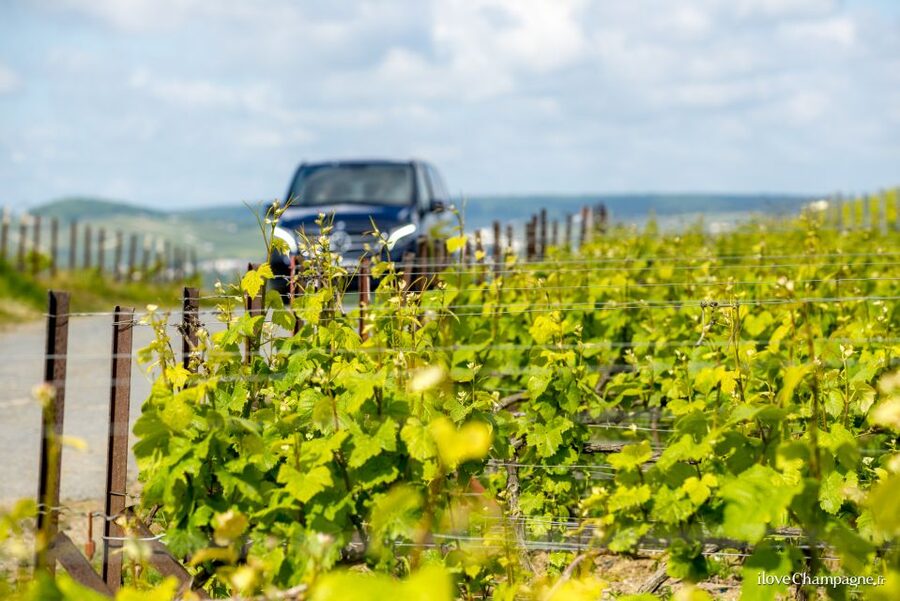
- UNESCO vineyard views: a scenic reset between tasting rooms, with the Champagne countryside in sight
Reims at 2 pm: where the tour actually starts and why it matters
This tour is built for an easy start. You meet outside Reims city center’s train station, in front of the tourist information office at Cour de la Gare, 51100 Reims. There is a clear instruction to take the exit labeled Reims Centre when you leave the station.
The timing is also travel-friendly. You head out at 2:00 pm and you are back at the same starting point by 6:30 pm. That matters because Champagne tours can swallow an entire day. Here, you get a proper tasting experience plus sightseeing, without feeling like you disappeared for hours.
Transport is part of the value. You ride in an air-conditioned minivan, and the tour includes Reims pick-up and drop-off, which saves you the hassle of figuring out local connections. With a small group limited to 8, you are not one face in a crowd. It is the kind of set-up where your guide can actually respond to questions instead of reciting from a script.
Quick practical note: the meeting point is very specific, and the start time is fixed. I suggest aiming to arrive a bit early, so you are not jogging in with your coat half-zipped while everyone else is already boarding.
Other Champagne houses we have visited
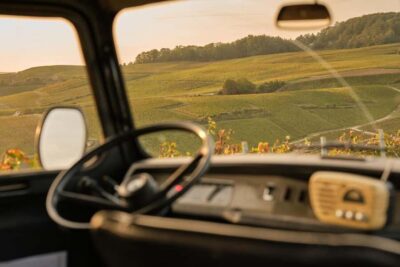
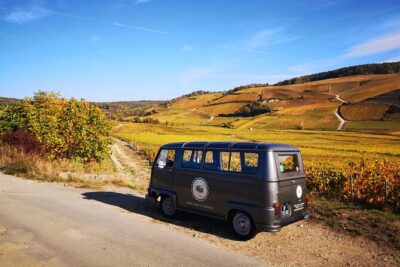

Hautvillers and Dom Pérignon’s church: the Champagne origin you can walk to
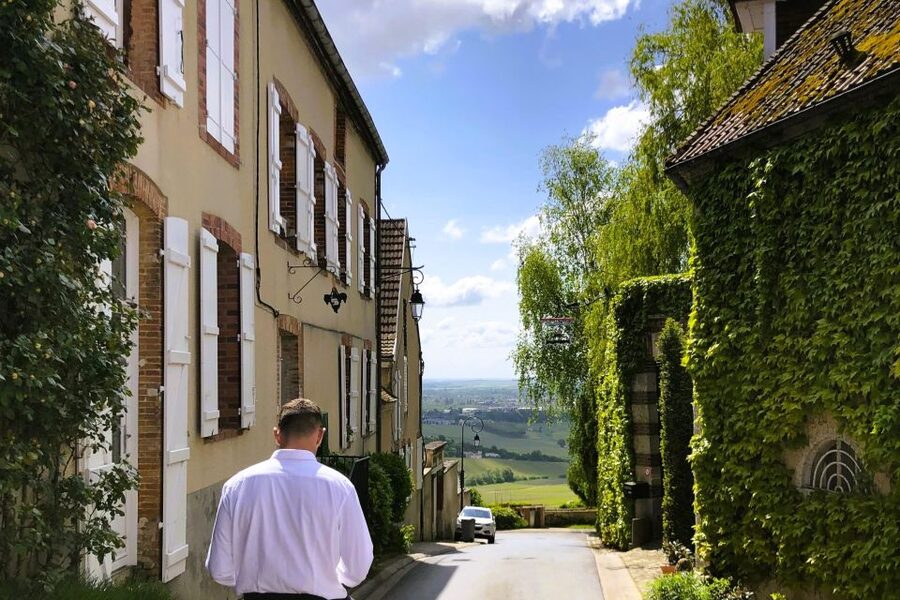
Your first real “place moment” is Hautvillers, described here as the birthplace of Champagne. This is not just a name drop. Hautvillers gives you a sense of why Champagne developed where it did, with a village scale that feels intimate compared to the big brand addresses.
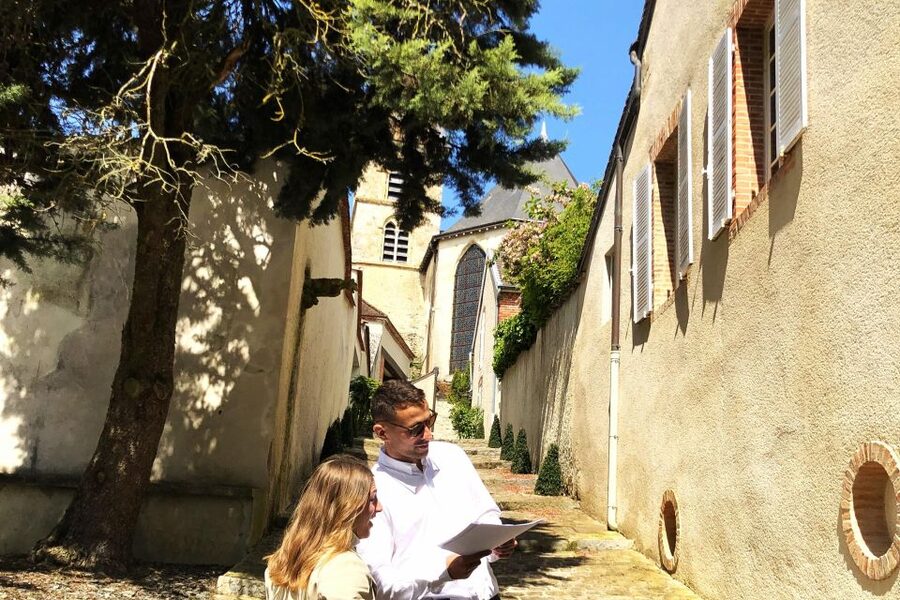
You spend about 45 minutes sightseeing, and the highlight is visiting the church where Dom Pérignon is buried. Even if you are not into religious architecture, it is a meaningful stop. Dom Pérignon is one of the most famous historical figures associated with Champagne’s early story, and seeing his resting place gives context to the modern product sitting in your glass.
What I like about this stop is the pacing. You are not thrown into tastings immediately. You get a short break with walking and viewpoints, then you head to the wineries with your brain ready to connect history to how Champagne is made.
In the colder months, that 45-minute village walk can feel crisp. Bring a jacket even if you do not think you need it for the surface. You will already be thinking about the cellars later.
Two family-run wineries: how six tastings change your understanding fast
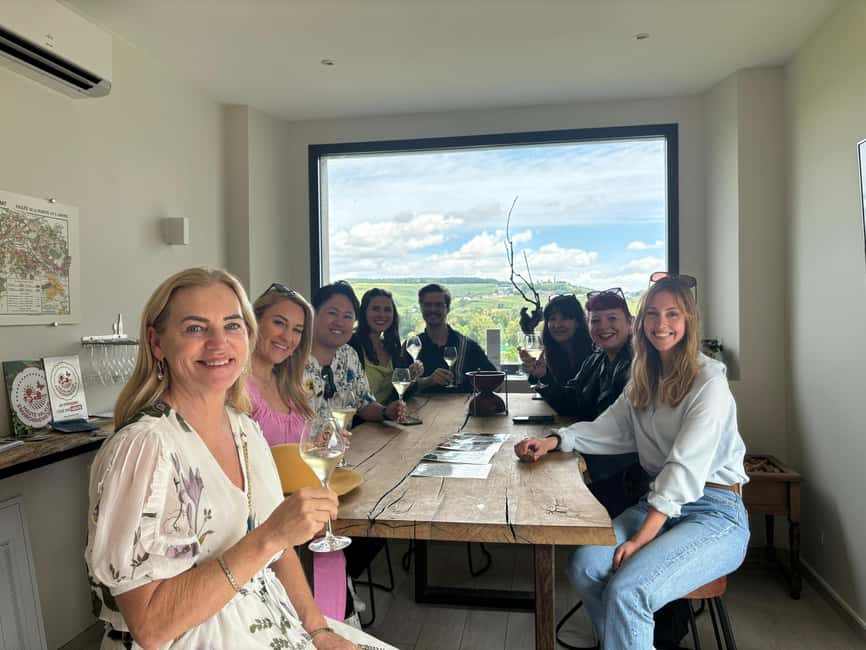
The tour’s heart is the pair of family-run Champagne producers, with 1.5 hours at each. Each winery includes a visit plus three tastings, so you taste six distinct Champagnes total.
Here’s why that matters: tasting one bottle can be fun, tasting six teaches you something. You start noticing patterns like how different grapes and different blends can shift the feel of the wine, and you also get a better sense of what each producer prioritizes. With only one stop, it is easy to conclude that all Champagne tastes similar. With two, you can compare.
The format at these small houses also tends to be more personal. Many people on this tour highlighted the fact that the hosts and contacts at the wineries played a bigger role than they expected. That is often what you want when you are looking for authentic, local production, not just a standardized factory visit.
One possible drawback is time pressure. The day is packed, and each winery window is fixed. If you are the type who wants to linger over every pour, you may feel the schedule moves on quickly. Still, the upside is you get both the production learning and enough tasting variety to make it feel worthwhile.
Inside the Champagne process: what the guide helps you notice
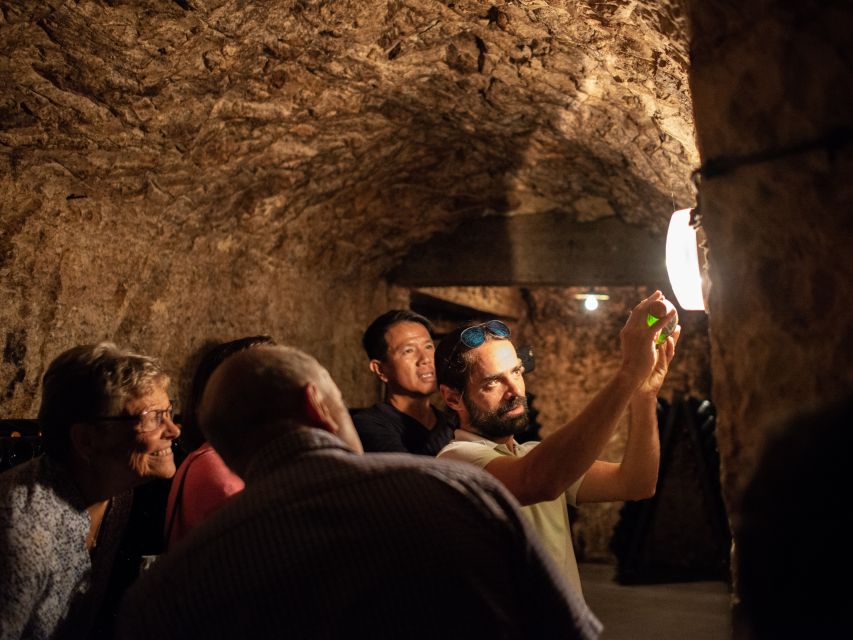
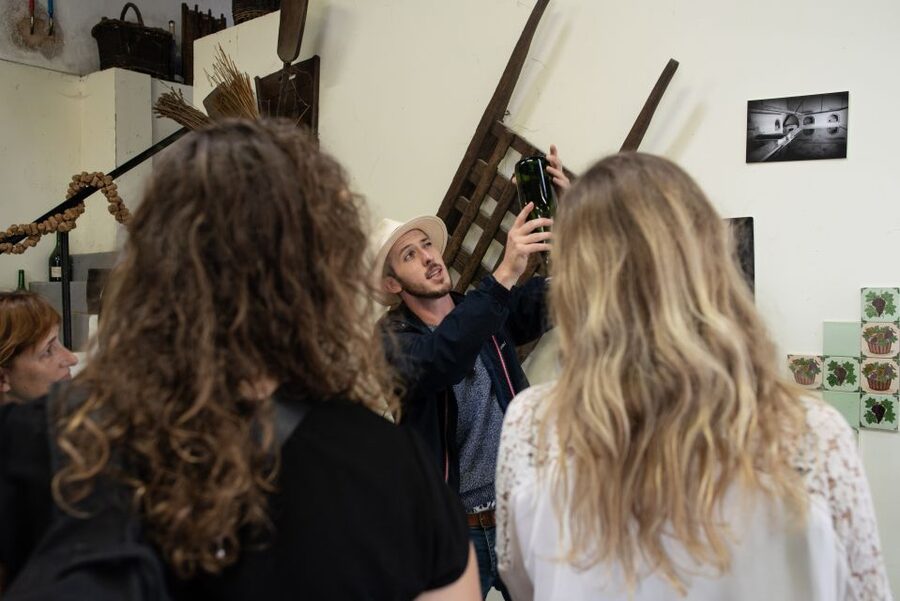
What makes this experience click is that you do not just drink. Your guide is there to connect what you see in the cellar to what you taste in the glass. The tour includes local English-speaking guidance, and many guides connected to this experience, such as Chloe and Etienne, were praised for explaining the Champagne process in a way that actually sticks.
A few practical things you can expect to hear about, based on what people report from these tours:
- How the grapes become still wine before the Champagne method takes over
- How bubbles are produced in the bottle, not by magic and not like normal sparkling wine
- Why cellars matter, including the cool, steady environment where aging happens
And yes, cellars are cold. The tour notes an average cellar temperature of 10°C, so plan for a chill. Bring a jacket that you can keep on during tastings. You will enjoy the experience more if you are not counting minutes until you can thaw out.
Also, the tour includes entrance fees for the visits and tastings at the two wineries. That might sound small, but it is one less thing to manage while you are out there.
The UNESCO vineyard views: the countryside pause between tastings
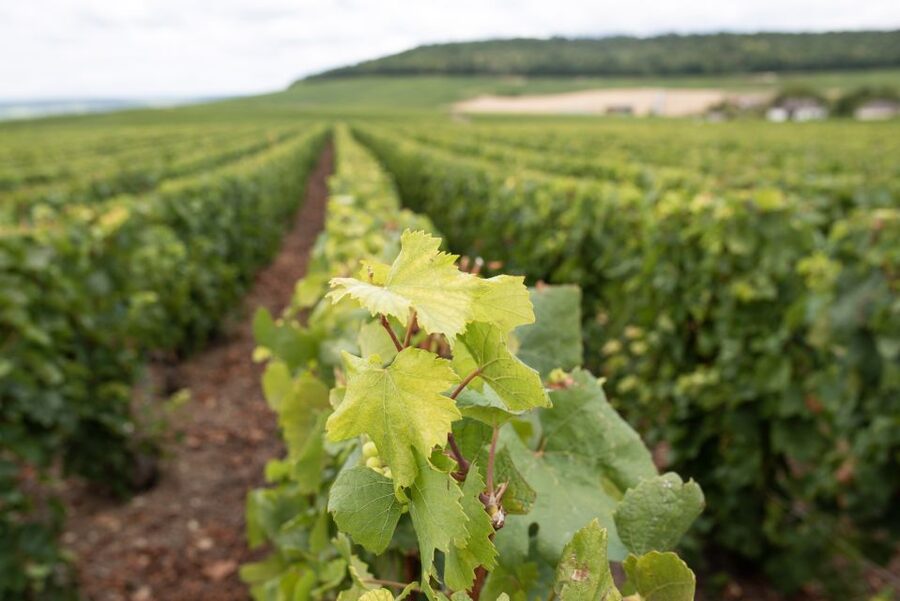
Between winery time, you get a scenic stop connected to the UNESCO vineyard of Champagne. The big point here is the views. You get a sense of the geography that Champagne depends on, including how the vineyards sit in a real working region rather than as a decorative background.
This “breather” matters because it resets your senses. After wine rooms and explanations, it is nice to be outside, to see the slopes and distance, and to remember that Champagne is agriculture first. If you like to connect your glass to the land, this stop helps you do that.
Weather can change the vibe. One reviewer noted the tour was still excellent even when it rained. Even if the view is misty, it can still feel atmospheric and very Champagne-country.
Wear shoes you feel steady in. The tour includes walking time at least in Hautvillers and around stops, and comfortable footwear makes the whole afternoon less stressful.
Price and value at $147: what you are paying for, and where it lands
At $147 per person for a 270-minute experience, you are paying for several bundled costs:
- A local English-speaking guide
- Reims pick-up and drop-off
- Air-conditioned transportation by minivan
- Entrance fees for visits and tastings at two wineries
- Six tastings
That bundle is the real value here. If you tried to piece this together yourself, you would likely spend money on transport and then still pay at least some tasting fees and entrance costs. The tour format removes guesswork and keeps you on a schedule designed for winery access.
Also, the small-group limit of 8 affects value. A tour that crams 30 people into one ride can turn tastings into a rushed checklist. Here, you are more likely to get real attention during the explanations that make tastings meaningful.
The biggest “value risk” is personal taste. If you dislike Champagne styles beyond a sweet, fruit-forward profile, you might find some pours less exciting. The upside of tasting six is that it gives you more chances to find your favorites, including bottles you might not spot in a typical shop shelf selection.
Other Epernay wine visits
- From Epernay: Champagne Small-Group tour with tastings & Lunch
★ 5.0 · 93 reviews - Bubble Champagne Tour from Epernay (Small group half day tour)
★ 5.0 · 58 reviews
Who this tour is best for (and who should skip it)
This is a great fit for:
- Adults who want a structured tasting experience without committing to a full day
- Wine lovers who want both history and production basics, tied to what you are drinking
- People who like meeting smaller producers and getting beyond the big public brands
- Groups who value comfort, with a max 8 group size and air-conditioned transit
You might think twice if you:
- Want an all-day, slow-tour pace with minimal schedule pressure
- Need wheelchair accessibility, because the tour is not suitable for wheelchair users
- Are traveling with children under 12, since the tour is not suited for that age group
- Are traveling with pets, since animals are not allowed on shared tours
If you are traveling with a winter schedule, remember the cold cellars and bring a jacket. It is a small thing, and it makes the tastings feel way more comfortable.
What to bring so you feel comfortable the whole afternoon
This part is simple, but it can make or break your mood.
Bring:
- Comfortable shoes for short walking segments and winery grounds
- A jacket for the cellars (average around 10°C)
And plan your food timing. Lunch is not included, and the tour runs from 2:00 pm to 6:30 pm. If you get hungry easily, arrange a meal either before you start or after you return.
Should you book this Champagne tour from Reims?
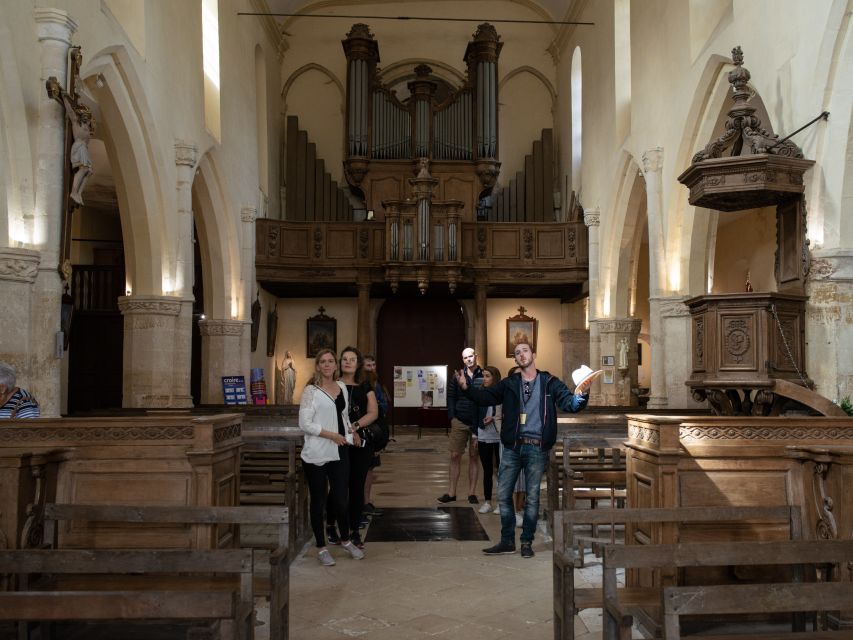
I would book it if you want a smart half-day plan that mixes three things well: Hautvillers history with Dom Pérignon’s church, two family-run winery visits, and six tastings that help you learn what changes from producer to producer.
Skip it only if your priorities are very different. If you want a giant sightseeing bus day, or if you need wheelchair accessibility, or if you are traveling with young kids, this format is not for you.
For most people, especially first-timers in Champagne who are staying in or near Reims, this is the kind of tour that delivers more than just a sip. It gives you context, comparisons, and enough time to actually enjoy the afternoon rather than sprint through it.
FAQ
Where do I meet for the tour in Reims?
You meet outside Reims city center’s train station, in front of the tourist information office at Cour de la Gare, 51100 Reims. Take the exit labeled Reims Centre when leaving the station.
What time does the tour start and end?
The tour starts at 2:00 pm and ends at 6:30 pm. Total duration is 270 minutes.
How many people are in the group?
The tour is a small group limited to 8 participants.
How many tastings do I get?
You get six tastings total, with three tastings at each of the two family-run wineries.
What should I bring?
Bring comfortable shoes. Also pack a jacket for the cellars, where the average temperature is around 10°C.
Is lunch included?
No. Lunch is not included.
Is the tour suitable for children or wheelchair users?
Children under 12 years old are not suitable for this tour, and it is not suitable for wheelchair users. Animals are also not allowed on shared tours.
Everything Else Filed Under Epernay
- The Essential Tour from Epernay with Champagne Tasting
★ 4.9 · 120 reviews - From Epernay : Bubble Champagne Tour 6 tastings
★ 4.7 · 108 reviews - From Epernay: Champagne Small-Group tour with tastings & Lunch
★ 5.0 · 93 reviews - Discovery tour (2 tastings)
★ 5.0 · 77 reviews - The Connoisseurs from Epernay (Private Half day Champagne Tour)
★ 5.0 · 59 reviews
The Whole Epernay Shelf
- The Essential Tour from Epernay with Champagne Tasting
★ 4.9 · 120 reviews - Champagne experience with a vintage van from Epernay – 3 hours
★ 5.0 · 108 reviews - From Epernay : Bubble Champagne Tour 6 tastings
★ 4.7 · 108 reviews - From Epernay: Champagne Small-Group tour with tastings & Lunch
★ 5.0 · 93 reviews - Discovery tour (2 tastings)
★ 5.0 · 77 reviews
Champagne, More Houses
- The Essential Tour from Epernay with Champagne Tasting
★ 4.9 · 120 reviews - Champagne experience with a vintage van from Epernay – 3 hours
★ 5.0 · 108 reviews - From Epernay : Bubble Champagne Tour 6 tastings
★ 4.7 · 108 reviews - From Epernay: Champagne Small-Group tour with tastings & Lunch
★ 5.0 · 93 reviews - The Connoisseurs from Epernay (Private Half day Champagne Tour)
★ 5.0 · 59 reviews
The rest of the Epernay write-ups
- Bubble Champagne Tour from Epernay (Small group half day tour)★ 5.0 · 58 reviews
- Discovery tour (2 tastings)★ 5.0 · 77 reviews
- From Epernay: Champagne Small-Group tour with tastings & Lunch★ 5.0 · 93 reviews
- Champagne experience with a vintage van from Epernay – 3 hours★ 5.0 · 108 reviews
- From Epernay : Bubble Champagne Tour 6 tastings★ 4.7 · 108 reviews
- The Essential Tour from Epernay with Champagne Tasting★ 4.9 · 120 reviews
Champagne Region Tours, in full.
 ★ 4.7Paris: Moulin Rouge Cabaret Show Ticket with ChampagneFrom $11516,088 reviews
 ★ 4.6Paris: Paradis Latin Cabaret Show with Optional ChampagneFrom $1062,231 reviews
 ★ 4.0Paris 3-Courses Gourmet Dinner Seine River Cruise with ChampagneFrom $1361,659 reviews
 ★ 5.0Top Private Cruises in Paris with French Champagne and surprisesFrom $4821,553 reviews
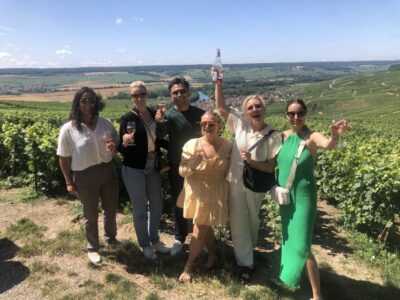 ★ 4.8From Paris: Day Trip to Champagne with 8 Tastings & LunchFrom $3451,501 reviews
 ★ 4.0Paris: Champagne at the Moulin Rouge & Seine River CruiseFrom $2961,216 reviews
 ★ 4.7Paris: La Nouvelle Eve Cabaret Show with ChampagneFrom $1161,192 reviews
 ★ 5.0Champagne Day Trip with 6 Tastings, Reims and Winery from ParisFrom $278902 reviews
Also on these France lists