
Reviewed · ALSACE WINE ROUTE TOURS
Colmar: Highlights Walking Tour and Wine Tasting
Colmar tastes better with a guide. In two hours you get the Old Town orientation plus an Alsatian white wine tasting in the city center, but you will be walking cobblestones. If you hate walking, or you need step-free routes, this may feel like too much.
I like that the guide brings Colmar to life with local perspective, and you can tell it is personal. Many people book this because the tour is small, capped at 6 participants, so questions stay easy and the pacing stays human.
The other big plus is that it runs rain or shine. That matters in Alsace, where weather can change fast, and you still want to enjoy the town rather than wait around.
In This Review
- Key highlights worth your time
- Colmar on foot, with wine at the finish
- Meeting at Parc du Champ de Mars, then heading straight into the Old Town
- Old Town architecture: half-timbered charm and Gothic sanctuaries
- Renaissance dwellings and why Colmar matters as the wine capital
- Cobblestones, canal corners, and stories you can repeat
- The winery stop in Colmar: where the tasting happens
- What wines you’ll taste, and how to ask smart questions
- Small group, 2-hour format, and what the timing really means
- Value check: is $53 worth it for Colmar plus tasting?
- Who should book, and who should skip it
- Should you book the Colmar highlights walking tour and wine tasting?
- FAQ
- How long is the Colmar highlights walking tour and wine tasting?
- Where is the meeting point for the tour?
- What languages are offered on this tour?
- Does the tour run in bad weather?
- How big is the group?
- Is the tour suitable for pregnant women or people with mobility impairments?
Key highlights worth your time
- Nicolas, a Colmar local, leads the walk with stories tied to real places you can point at
- Old Town focus on half-timbered houses, Gothic churches, and Renaissance details you might miss on your own
- Cobblestone medieval streets plus the canals and postcard corners that make Colmar feel like a storybook
- Wine tasting right in Colmar, typically at Domaine Karcher style cellars
- Small group, up to 6 people, which makes the Q and A work
- Alsace white varieties like Gewurztraminer, Riesling, and Pinot Gris are part of the tasting
Colmar on foot, with wine at the finish
This is a smart “start here” tour if you want to understand Colmar quickly. Two hours sounds short, but it is enough time to connect the street layout to the bigger Alsace story, then wrap it up with tasting.
I especially like that the day ends in a winery inside the town. It is not the kind of stop where you get moved around and forgotten, you actually stay in Colmar long enough to feel like the wine culture belongs to the city, not to a separate day trip.
The wine part is built around Alsace whites, so you are not stuck with red-only options or generic explanations. You will hear about local grape varieties such as Gewurztraminer, Riesling, and Pinot Gris, and you get to connect names to flavors instead of just memorizing labels.
One thing to keep in mind: the walking streets are historic, which usually means uneven cobblestones. Comfortable shoes matter more than you think, because the tour is set up to keep you moving.
Further along the Alsace wine route
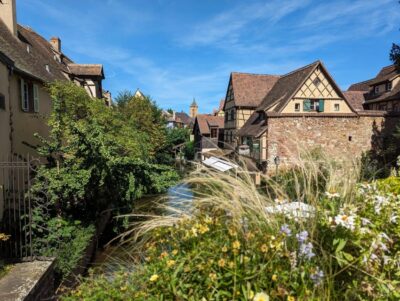
Meeting at Parc du Champ de Mars, then heading straight into the Old Town
You meet your guide in Parc du Champ de Mars, at the fontaine Bruat. This is a good setup because it gets you into Colmar early, before you start chasing the town by trial and error.
At 2 hours total, you will feel the pacing. The goal is not to linger at every corner like a museum day. Instead, you get a guided route that hits the main highlights and the side streets that give Colmar its character.
Because the guide is live and the group is limited to 6, you can ask practical questions as you walk. In past tours like this, the best moments tend to be the ones where the guide explains why a building looks the way it does, or what historical pressure shaped local architecture. Here, that is part of the point.
Also, the tour runs rain or shine. That means you should plan for wet cobblestones and cooler air. Bring a light rain layer, and if you tend to get cold easily, add a warm top you can keep on during stops.
Old Town architecture: half-timbered charm and Gothic sanctuaries
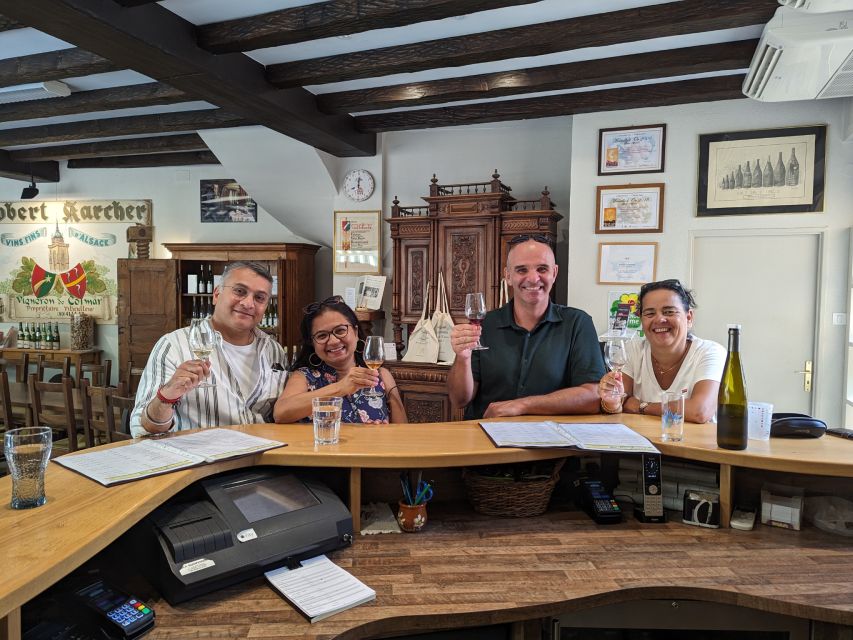
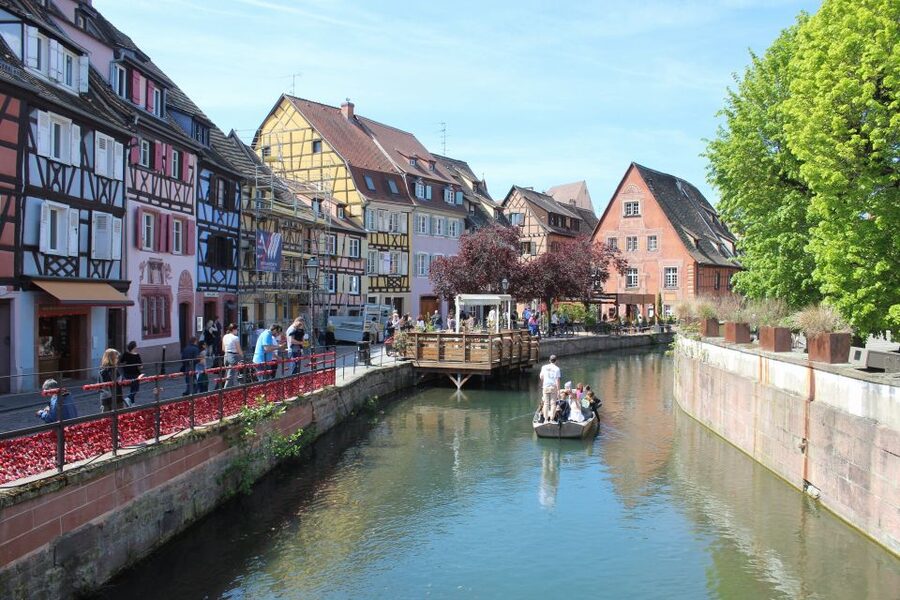
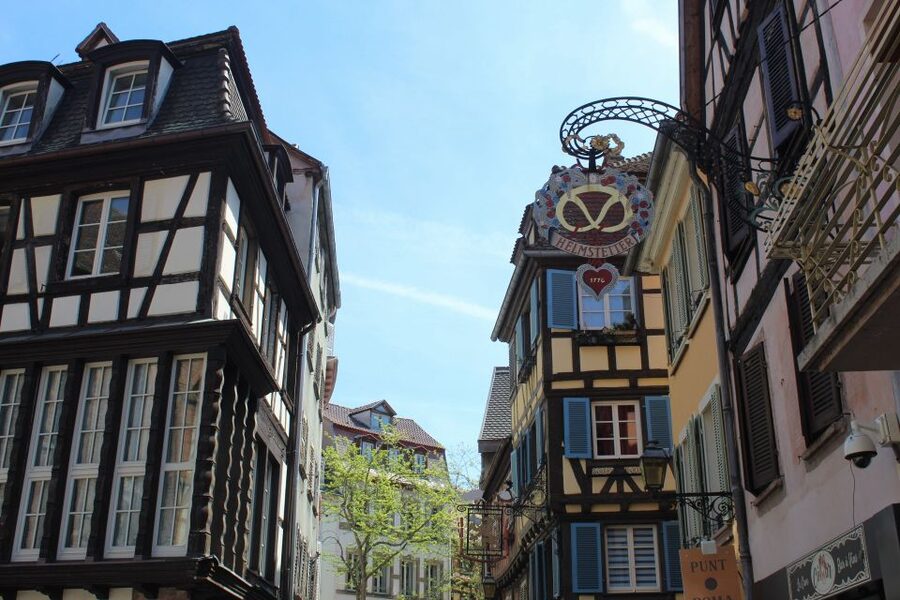
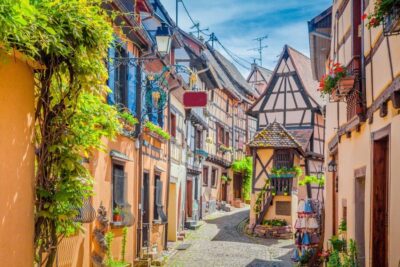
Colmar’s Old Town is the star of the show, and the walk is structured to help you actually see it. You will pass the kinds of streets and facades that make people stop for photos, especially the colorful half-timbered houses that line the area.
The guide’s job here is to make those looks meaningful. Instead of only describing pretty details, you learn what makes the mix work: timber framing style, window rhythms, and the way buildings held identity in a region influenced by different powers over time.
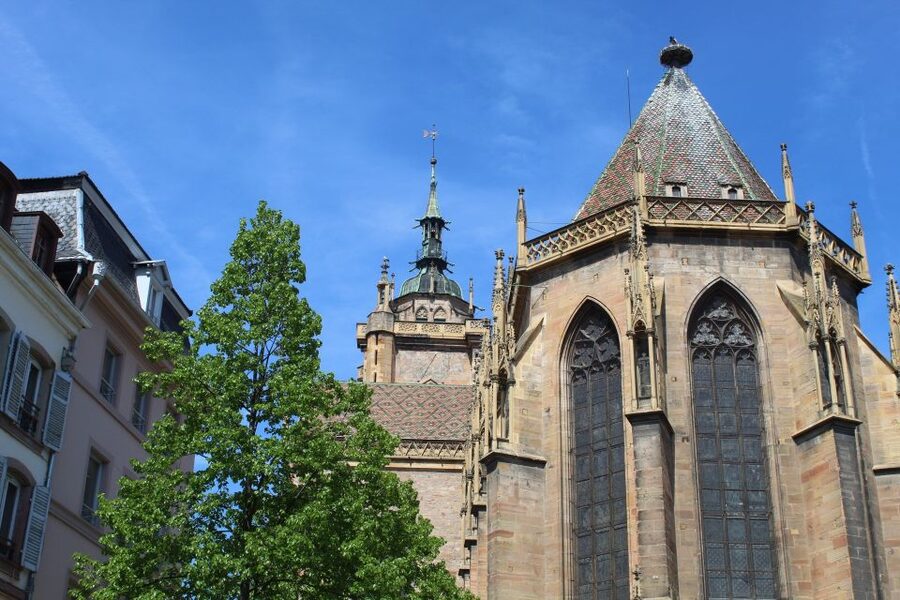
You also get Gothic elements in the route, not just Renaissance sweetness. That balance is useful. Colmar can feel like a postcard, but the town’s religious and civic structures add weight to the story.
The streets themselves matter too. You will walk narrow cobblestone lanes where the scale is intimate. That is where the tour earns its value, because Colmar reads differently on foot than from a bus stop or a parking spot.
Renaissance dwellings and why Colmar matters as the wine capital
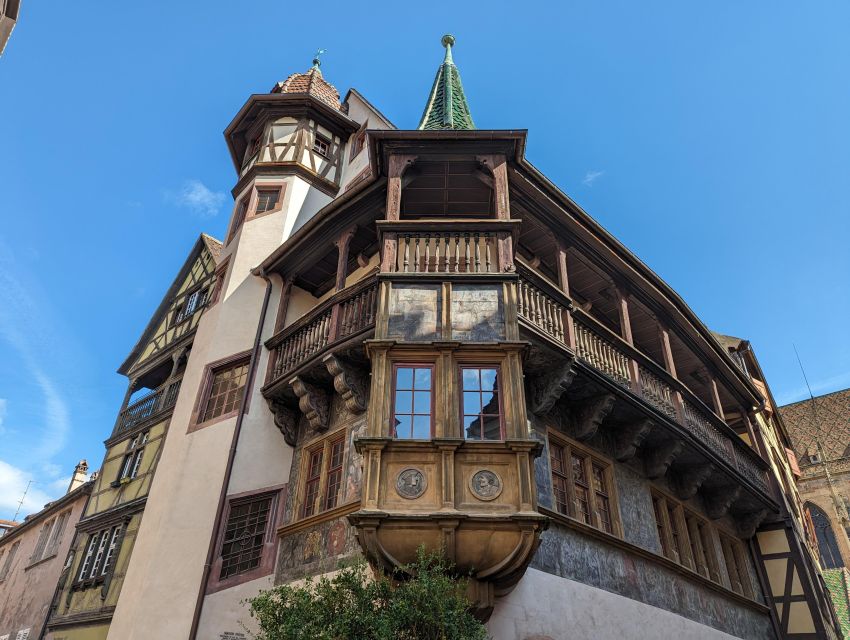
One of the strongest themes is the “why” behind the streets. Colmar is presented as the “Capital of Alsace Wines,” and the tour explains why that matters beyond marketing.
You will hear how the region became known for its wine culture and how that identity shaped daily life. In Alsace, wine is not just a product, it is a lens for understanding land, family businesses, and local pride.
The walk also includes stop-and-explain moments that connect architecture to eras. You can expect reference points from Renaissance dwellings, plus the contrast with Gothic sanctuaries. That time-travel effect is great because it keeps you awake and thinking instead of only passively looking.
And it helps that the guide is local. Many visitors mention that Nicolas is from Colmar and tells stories with a resident’s understanding of what feels normal here. That kind of framing gives you better instincts for later: when you walk around after the tour, you know what you are looking for.
If you like history, this tour does not drown you in dates. It gives you the handful of ideas you can carry with you when you explore independently.
Cobblestones, canal corners, and stories you can repeat
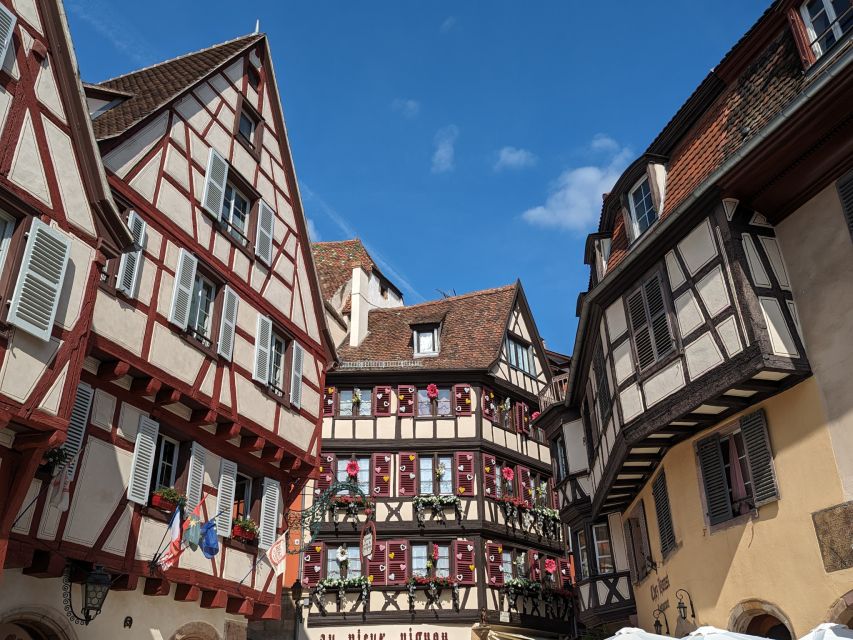
Colmar has a way of creating “wait, look at that” moments. The route includes the famous postcard-feel areas, and it also points out smaller street angles that do not scream for attention from a distance.
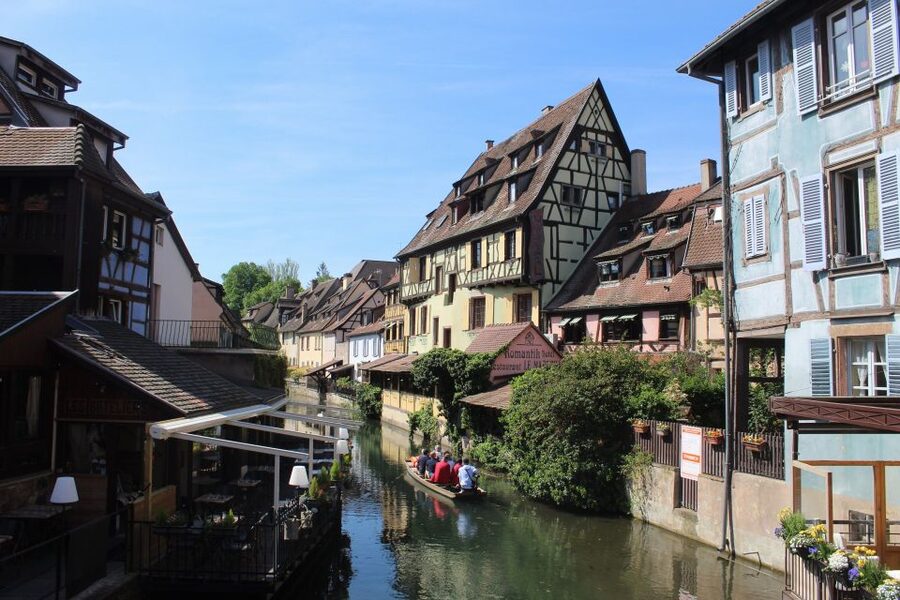
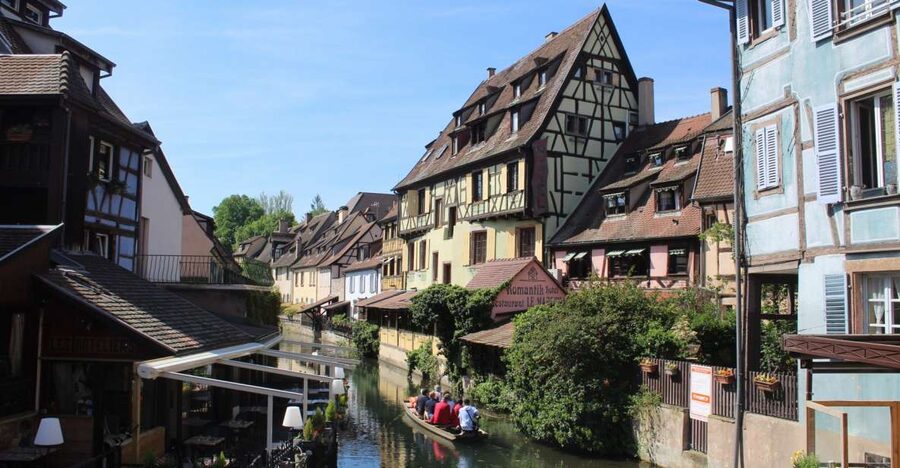
In particular, some walks include the canal-side atmosphere people call little Venice. Even if you have seen pictures, it helps to experience it at walking speed, when you notice bridges, reflections, and the way the streets funnel you toward the next scene.
The guide also connects Colmar’s identity to French and German influences, which is a key part of Alsace. You get help making sense of what you see, like why certain architectural choices look familiar from both sides of the border.
I like that the tour ends with suggestions afterward. The best guides treat the tour as an opener, then they tell you where to go for your next meal or drink based on what you actually like. If you ask, you can usually get tailored advice on what to focus on next.
This is also a good tour if you are trying to understand the layout fast. After 2 hours, you can usually orient yourself enough to wander later without feeling lost or stuck.
The winery stop in Colmar: where the tasting happens
The tour’s payoff is the wine session at an actual winery in Colmar, not just a warehouse storefront. Many tastings take place at Robert Karcher & Fils style cellars, with the older cellar story mentioned as dating back to 1605.
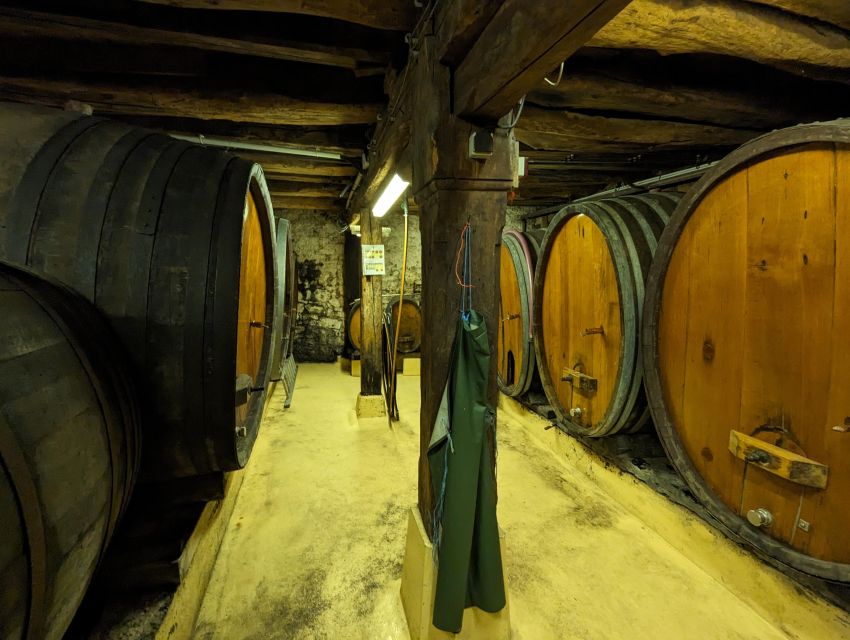
What makes this stop feel valuable is that it is not only about drinking. You get context for how Alsace whites work, and you might even get a brief look inside the production side of the cellar, including references to barrels stored there.
In some groups, the tasting is led by Fannie, and visitors note generous pours around late morning. You also may get the chance to choose wines, with one description mentioning picking three wines from a menu of around 24 options.
That choice factor matters. If you like dry whites, sweet-leaning aromatics, or something in between, you can steer the tasting. It turns the session from a fixed lecture into a tailored flavor check.
The wine culture lesson is practical. You learn how grape varieties behave in Alsace and how that shows up in the glass, so you can shop or order with confidence after you leave.
One practical consideration: it is still a tasting, so it is not a full meal replacement. Plan to eat after, and if you buy bottles to take home, ask questions about transport and storage as you would at any winery.
Other tastings and blending sessions
- From Colmar: Alsace Medieval and Wine Tasting Day Tour
★ 4.7 · 91 reviews - The Emblematic: visit of villages, Haut-Koenigsbourg, Wine tasting
★ 5.0 · 81 reviews
What wines you’ll taste, and how to ask smart questions
This tour is built around Alsace’s signature whites. Expect variety coverage such as Gewurztraminer, Riesling, and Pinot Gris. Those three alone can teach you a lot, because they each have their own aromatic personality.
Gewurztraminer is often the most aromatic and expressive, Riesling can range from crisp to more opulent depending on style, and Pinot Gris tends to bring a softer, rounded feel. You will likely hear how local growers think about those profiles, and how the region’s traditions shape what you taste.
I also like that the guide frames tasting as a way to understand the region, not a blind ritual. You can usually ask what to try next based on what you liked during the pour. That is how you avoid leaving with only a single favorite you cannot remember how to find again later.
If you are a wine beginner, this is an easy entry point. You do not need technical jargon to enjoy it. You just need to pay attention to sweetness level, aroma intensity, and how the wine feels on your palate.
If you are more advanced, you may appreciate that the tasting can include explanations of differences across wines and how production choices affect what changes from bottle to bottle. Some visitors also mention being taught production basics and how the cellar environment fits into the final flavor.
Small group, 2-hour format, and what the timing really means
This is a short tour by design. You have 2 hours, and the route is planned to keep you seeing key places without turning it into an all-day commitment.
Because the group is limited to 6, the experience tends to feel conversational. You are not shoved through with a headset and a silent script. Instead, you can ask things as they come up, like why a detail was built a certain way or what to look for when you pass similar buildings later.
The flip side is obvious: if you want to sit down for long museum breaks or linger for deep architecture study, this tour will not satisfy that alone. Think of it as a guided launchpad.
Also, rain or shine is real. If weather is bad, your walking time still happens, so your clothing matters. If you do not like wet shoes, bring something you can change into or plan a quick dry plan afterward.
For most people, the timing is ideal. It works well as an early outing so the afternoon becomes easier, especially if you plan to wander more on your own after the tasting.
Value check: is $53 worth it for Colmar plus tasting?
Price is $53 per person for a 2-hour experience that includes a guide, the walking portion, and the tasting of Alsatian wines. When you compare that to the cost of a winery visit plus a separate walking guide, it actually stacks up pretty well.
The value comes from two things. First, you are getting an orientation through the Old Town that helps you explore afterward with less guesswork. Second, you are getting wine education in the middle of the story, not tacked on as a side activity.
You also benefit from the group size. Paying for a guide is one thing, paying for a guide where you can actually talk is another. With only 6 people, you are more likely to get your questions answered instead of waiting your turn.
A small caution: you should enjoy wine tastings to get full value. If you are not a wine person, the tasting component may feel like wasted time. But if you are even mildly curious about Alsace whites, it is a satisfying finish.
I would also suggest doing this early in your stay. The guide’s recommendations after the tour can shape your restaurant and bar choices, and that can be worth more than the tour cost in a single good meal.
Who should book, and who should skip it
This tour fits best if you want a fast, guided way to understand Colmar. If you care about architecture, street-level history, and the wine culture that defines Alsace, you will likely love the structure.
It also fits couples and solo travelers who like meeting a guide who can answer questions on the spot. The short format and small group make it easier to stay engaged without feeling rushed.
If you have mobility impairments, or if you are pregnant, the tour is listed as not suitable. Since the route includes cobblestone medieval streets, you should take that seriously.
If you get motion issues easily from walking, or you hate uneven ground, consider a different style of tour. You want this to feel enjoyable, not stressful.
Should you book the Colmar highlights walking tour and wine tasting?
Yes, I would book it if you want a guided taste of Colmar that connects old-town sights to Alsace wine culture. The best reasons to choose it are the local guide perspective (often Nicolas), the small-group format, and the fact that the tasting happens in Colmar itself.
Book it early in your trip so you can use the orientation and recommendations for the rest of your day. And if you like learning through doing, the wine tasting is the moment that turns all the earlier walking into something memorable.
Skip it only if your priority is long stays at specific museums, or if the walking aspect would be uncomfortable for you.
FAQ
How long is the Colmar highlights walking tour and wine tasting?
The tour lasts 2 hours.
Where is the meeting point for the tour?
Meet your guide in Parc du Champ de Mars at the fontaine Bruat.
What languages are offered on this tour?
The live tour guide is available in English and French.
Does the tour run in bad weather?
Yes, it takes place rain or shine.
How big is the group?
It is a small group limited to 6 participants.
Is the tour suitable for pregnant women or people with mobility impairments?
No. It is not suitable for pregnant women or people with mobility impairments.
The Whole Colmar Shelf
- From Colmar: 4 Wonders of Alsace Day Tour
★ 4.9 · 492 reviews - Alsace 4 Wonders Small-Group Day Trip from Colmar
★ 5.0 · 380 reviews - Colmar: 2-Hour Segway Tour
★ 4.5 · 379 reviews - Colmar: Unusual Walking Tour with a local guide
★ 4.9 · 194 reviews - Alsace villages half day tour from Colmar
★ 5.0 · 186 reviews
More Tastings and Blending Sessions
- From Colmar: Alsace Medieval and Wine Tasting Day Tour
★ 4.7 · 91 reviews - The Emblematic: visit of villages, Haut-Koenigsbourg, Wine tasting
★ 5.0 · 81 reviews
More of the Alsace Route
- From Colmar: 4 Wonders of Alsace Day Tour
★ 4.9 · 492 reviews - Alsace 4 Wonders Small-Group Day Trip from Colmar
★ 5.0 · 380 reviews - Colmar: 2-Hour Segway Tour
★ 4.5 · 379 reviews - Colmar: Unusual Walking Tour with a local guide
★ 4.9 · 194 reviews - Alsace villages half day tour from Colmar
★ 5.0 · 186 reviews
The rest of the Colmar write-ups
- Christmas across the 3 borders★ 5.0 · 33 reviews
- Colmar: Private Guided Walking Tour of the City Center★ 4.1 · 36 reviews
- Colmar: Chocolate creation workshop at Choco-Story★ 4.5 · 39 reviews
- Colmar: Express Walk with a Local in 60 minutes★ 4.7 · 39 reviews
- Self-Guided and Interactive City Tour – Colmar★ 4.5 · 45 reviews
- Through Alsace Vineyards and Wine Villages Private Bike Tour★ 5.0 · 47 reviews
Alsace Wine Route Tours, in full.
 ★ 5.0Colmar, Medieval Village & Castle Small Group from StrasbourgFrom $241769 reviews
 ★ 4.7From Strasbourg: Best Of Alsace Historical Day TripFrom $147633 reviews
 ★ 4.9From Colmar: 4 Wonders of Alsace Day TourFrom $159492 reviews
 ★ 5.0Alsace 4 Wonders Small-Group Day Trip from ColmarFrom $163380 reviews
 ★ 4.5Colmar: 2-Hour Segway TourFrom $70379 reviews
 ★ 4.8Alsace Half-Day Wine Tour from StrasbourgFrom $153346 reviews
 ★ 4.5Alsace Wine Route Small Group Half-Day Tour with Tasting from StrasbourgFrom $157291 reviews
 ★ 5.0Alsace Wine Route Wineries & Tasting Small Group Guided Tour from StrasbourgFrom $260229 reviews
Also on these France lists