
Reviewed · PARIS ART MUSEUMS
Paris: Musée d’Orsay Private Guided Tour with Reserved Entry
Orsay is small, but the art hits hard. This private tour gives you reserved entry and a private expert guide so you get more from less time.
I love how the guide keeps the focus on the paintings, and also on the museum itself, not just a quick walk-through.
You also get to set the pace, and you can share what grabs you as you go. The one downside is the price, at $282 per person, so it is only a great deal if you value depth over speed.
In This Review
- Key things to know before you go
- Getting into Musée d’Orsay faster with reserved entry
- How a private guide changes the Orsay experience
- What you will do during the 2-hour museum visit
- Impressionism and Post-Impressionism, from Monet to Degas
- Neoclassicism, Realism, and Symbolism, and why that mix matters
- Museum history and architecture: the context that makes art click
- Pacing, discussion, and choosing what to ask
- Price and value: is $282 per person worth it?
- Who this Musée d’Orsay private tour is best for
- Should you book this private Orsay tour?
- FAQ
- What is included in the Musée d’Orsay private guided tour?
- How long is the tour at Musée d’Orsay?
- What languages are available for the live guide?
- Are temporary exhibitions included?
- Is the tour wheelchair accessible?
- Is admission free for some people?
Key things to know before you go
- Reserved entry plus skip the ticket line, which matters when you are on a tight Paris schedule
- A private 2-hour format with flexible pacing, so you do not feel rushed
- Focus on Impressionist and Post-Impressionist masterpieces, including Monet, Van Gogh, and Degas
- Coverage extends beyond Impressionism, with Neoclassicism, Realism, and Symbolism in the mix
- Your guide brings museum history and architecture into the conversation, not just art talk
- Multiple guide languages, so you can match your comfort level
Getting into Musée d’Orsay faster with reserved entry
Musée d’Orsay is one of those famous stops where time can disappear fast if you are stuck waiting. This tour’s reserved entry helps you start smoothly, and that alone makes the whole 2-hour plan feel calmer. You are not spending your best Paris energy in a line, you are walking into art.
Another practical win is that you are paying for a private guide plus a permanent collection ticket. In plain terms, that removes two common trip headaches at once. It also means your guide can pull you straight into the right galleries right away, instead of pausing for logistics.
Other Paris art collections we have written up
How a private guide changes the Orsay experience
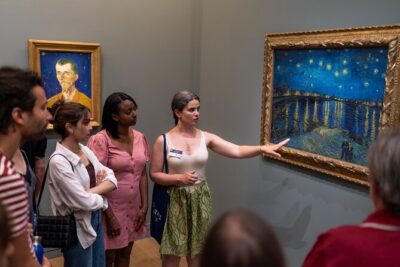
A good museum guide is like a translator, not a lecturer. Here, your guide explains what you are seeing and ties each work to the bigger story of western art from 1848 to 1914. That time span is the heart of Orsay, and the guide’s job is to help it click.
I also like that this is a conversation format. You can share your opinions as you walk, so the tour does not feel like a one-way lecture where you check your phone the second you have heard a sentence you already know. If a painting or a style interests you, you can steer the discussion toward it.
Language is another real-world value. The tour lists Spanish, German, Italian, Portuguese, Russian, Chinese, Japanese, English, and French. That matters because art is easier to understand when you can think in your own rhythm, and the guide can match your level without simplifying everything into generic points.
What you will do during the 2-hour museum visit
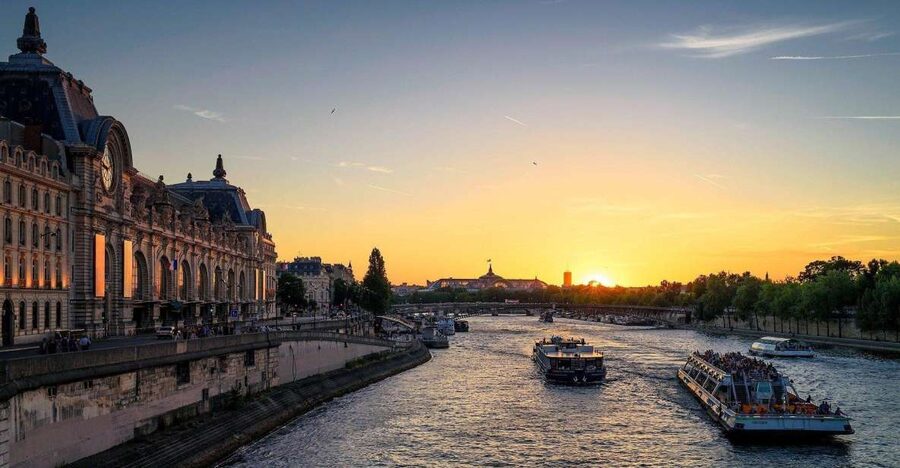
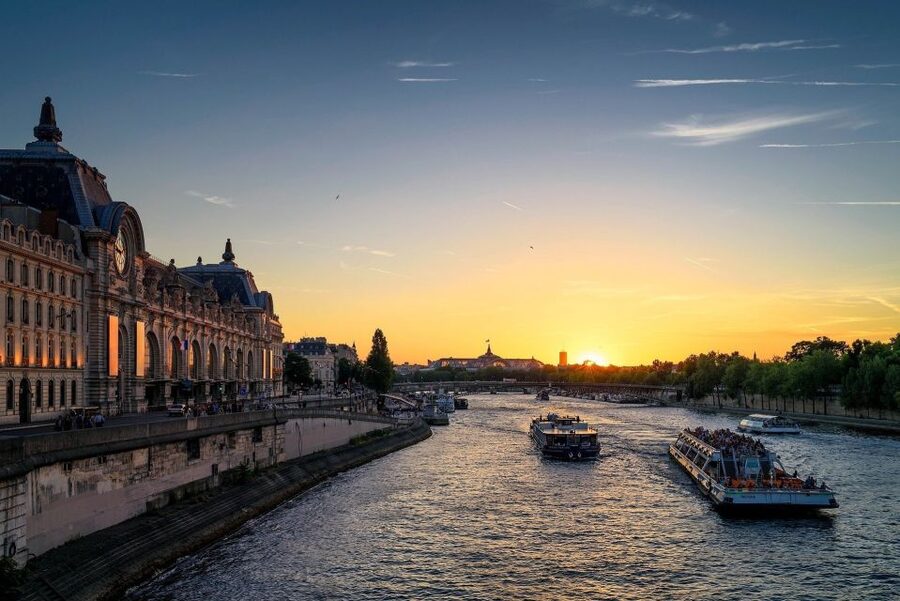
You meet at the Esplanade du Musée d’Orsay. From there, the tour runs for two hours inside the museum, with a guided route through major works of the permanent collection. The guide keeps it moving, but the pacing is flexible, so you do not have to sprint to feel like you are getting value.
Because this is a private group, the tour is shaped around the group size and your interests. If you want more focus on Impressionists, you will likely spend more time in that orbit. If you are curious about how later styles respond to earlier ones, the guide can adjust the emphasis. The result is that the time feels targeted, not generic.
And yes, you are seeing architecture and museum history too. Even if you care more about the paintings, it helps to understand why the museum is laid out the way it is, because it makes the collection feel less like random rooms and more like a designed story.
Impressionism and Post-Impressionism, from Monet to Degas
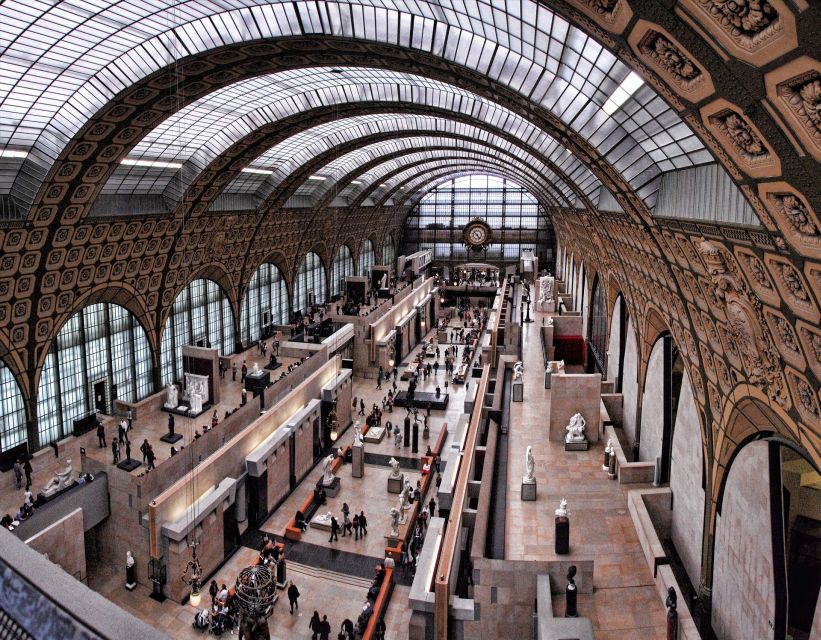
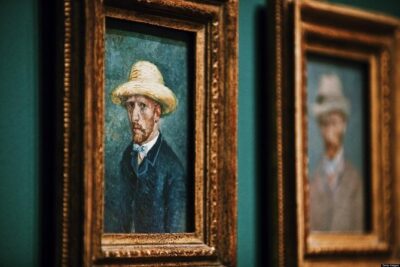
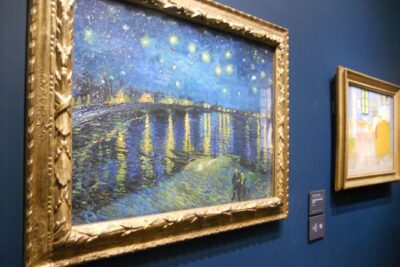
The big draw here is the Impressionist and Post-Impressionist lineup. This tour is built around iconic masterpieces from those movements, including works by Monet, Van Gogh, Degas, and more. Even if you know these artists only from postcards and classroom units, being in the same room can flip your understanding fast.
Impressionism often rewards slow looking. The brushwork, the light, and the way figures sit in a scene can feel confusing if you race from one canvas to the next. With a private guide, you get commentary that helps you notice what to look for, and then you can look again at your own pace.
Post-Impressionism brings a different kind of intensity. Instead of only catching a moment of light, you may find more emotional color, more structure, and stronger personal expression. A guide is helpful here because the style changes can feel like whiplash if you are going in cold. Seeing it with context makes the shift make sense.
Neoclassicism, Realism, and Symbolism, and why that mix matters
Orsay is not only Impressionists. You also encounter Neoclassicism, Realism, and Symbolism as you move through the museum corridors. That mix is valuable because it shows a turning point in western art, right up to 1914.
This is where the guide earns their fee. If you only follow your favorite artist, you can miss how movements talk to each other. Neoclassicism and Realism can change what you think is important in a picture, like form, subject, and moral tone. Symbolism then shifts the focus toward mood and meaning that may not be literal.
I like the way this tour invites opinion. You can react as you go, which is useful because different styles can land differently in the moment. If you walk into a symbolism work and feel lost, you can ask the guide for a clear way to approach it. If you walk in and feel thrilled, you can ask why it works.
Museum history and architecture: the context that makes art click
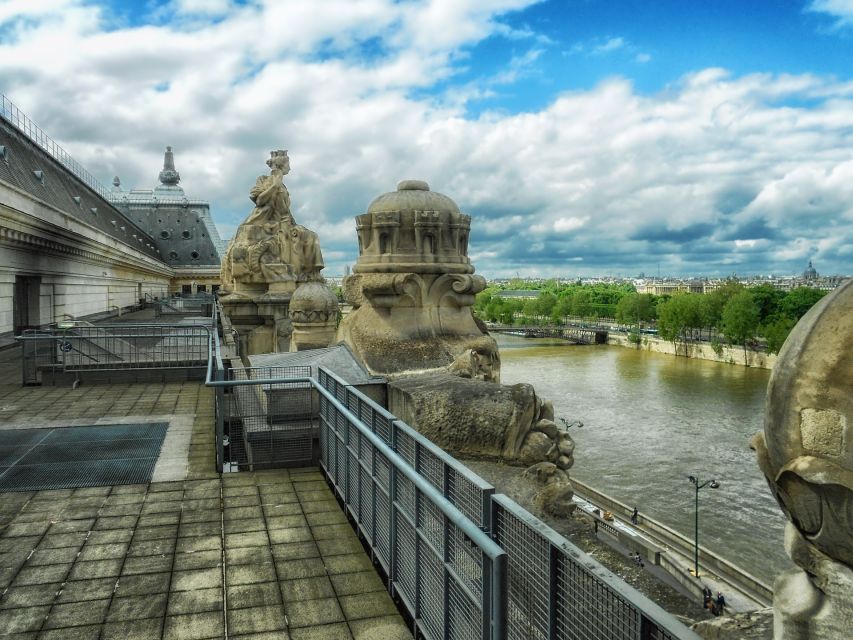
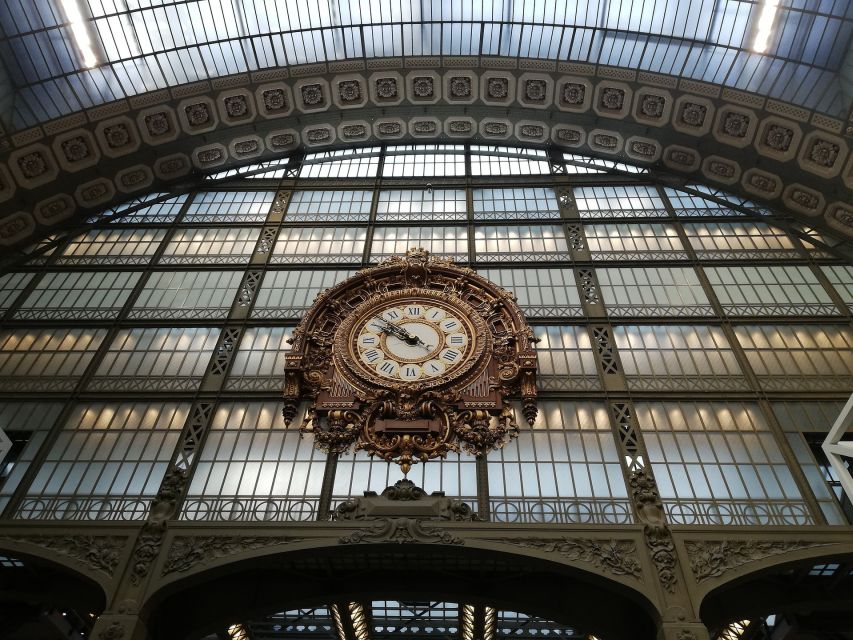
The museum’s history and architecture are part of what your guide covers. That matters more than it sounds. When you understand the museum setting, your brain stops treating the collection like disconnected frames on a wall and starts treating it like an intentional path through time.
In the reviews, one standout example is a guide named Antoine. People praised him for explaining not only the art, but also the museum history and even the broader context of French art and Paris. That is the kind of framing that can turn a museum from something you attended into something you understood.
You also get commentary placed into context with French and Paris history. This is especially helpful if you are not a France-history person. You do not need to know everything already. You just need a guide to connect what you are seeing to what was happening in the world that made these artists possible.
More Paris tours that come with a guide
- Paris: Louvre Guided Tour with Reserved Access & Boat Cruise
★ 4.3 · 16,353 reviews - Louvre Museum Masterpieces Guided Tour with Access
★ 4.5 · 12,023 reviews - Louvre Museum – Exclusive Guided Tour (Entry Included)
★ 5.0 · 6,296 reviews - Louvre Priority Access with Mona Lisa Escort or Guided Option
★ 4.0 · 4,420 reviews - Louvre Museum: Skip-the-Line Small Group Guided Tour
★ 4.6 · 3,960 reviews
Pacing, discussion, and choosing what to ask
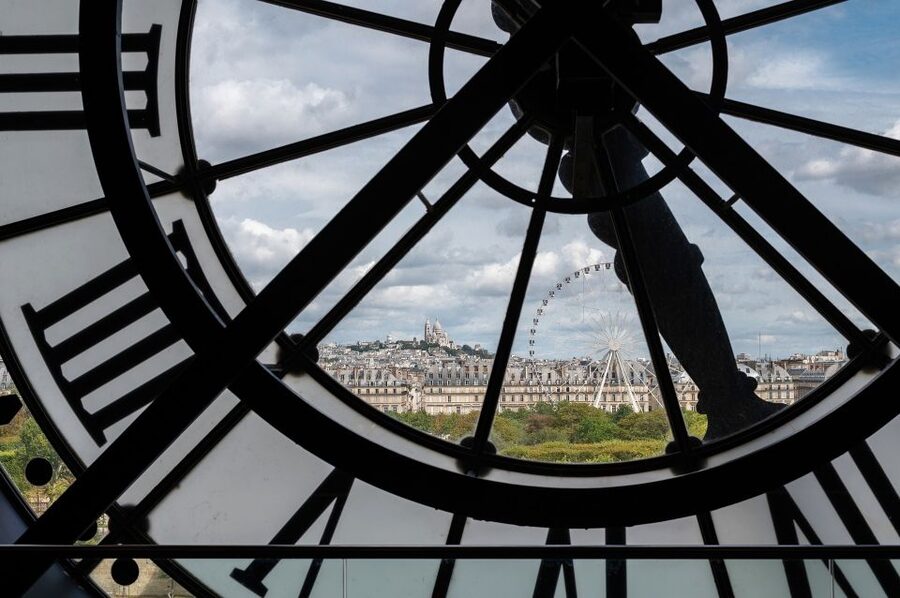
Two hours in a major museum sounds short, and it can be. The difference with a private tour is that the time stays relevant. Your guide can slow down for a work you genuinely want to linger over, and they can move quicker through parts that do not spark your curiosity.
A simple tip: decide before you start what kind of art you like most. If you want Impressionists, you can ask the guide to prioritize Monet, Van Gogh, and Degas. If you want the broader story, ask how Neoclassicism, Realism, and Symbolism connect across the timeline.
Also, bring one or two questions that you are actually curious about. You might ask why a certain style feels different, or how the guide reads a scene when it is not obvious. Since you can share opinions during the walk, the guide can respond in a way that helps you build your own way of looking.
Price and value: is $282 per person worth it?
At $282 per person for a 2-hour private guided tour, the price is not subtle. If you are traveling solo, it can feel like a splurge. If you are budgeting hard, it may not be the right choice.
But here is the value equation that makes it work for the right traveler. You are getting:
- A private 2-hour expert guide
- A permanent collection ticket included
- Skip the ticket line, saving time and reducing stress
- Commentary across multiple movements, not only one artist or one room
- Multilingual options, which can improve how well you absorb the explanations
The tour is also structured around a full art window from 1848 to 1914. You are not trying to plan a self-guided route for that range and guess which masterpieces matter most for your limited time.
One more consideration: temporary exhibitions are not included. If you are only interested in whatever is on view right now in rotating exhibits, you may feel the cost is missing a piece. If your goal is the core collection, this format makes more sense.
If you are tempted to add extra context, note that an audio phone is not included and costs EUR 4.00. With a live guide, though, you may not need it.
Who this Musée d’Orsay private tour is best for
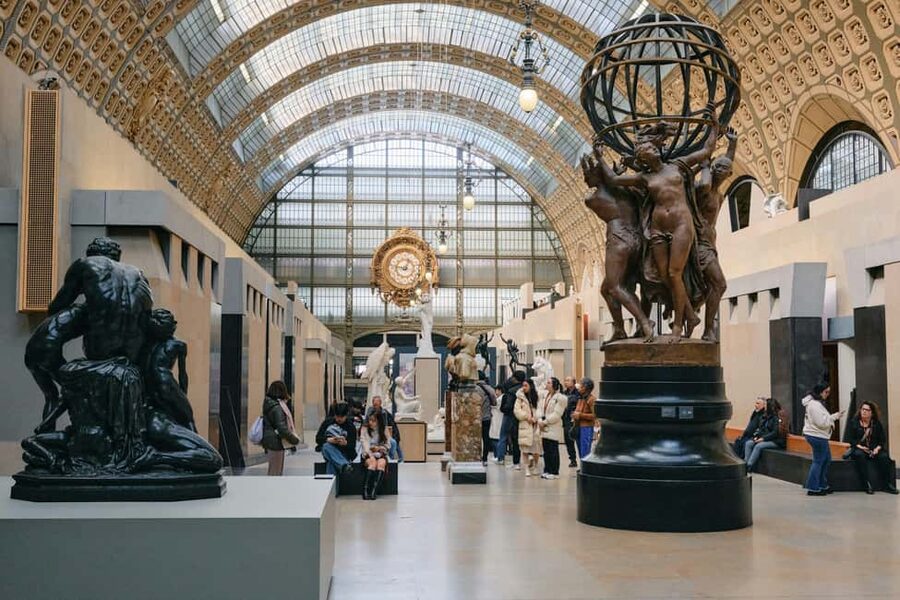
This tour fits best if you want a guided museum experience that still feels flexible. It is a strong match for:
- Art lovers who feel faster progress with expert explanations
- First-time visitors who want the museum’s main masterpieces and story arc
- Travelers who want to compare styles, not just hunt for one famous painting
- Anyone who prefers discussion over silent wandering
- Groups who benefit from a private pace, rather than a fixed group schedule
It can also work well if language is important to you. With the listed guide languages, you can choose comfort level instead of settling for whatever is available.
If you are the type who loves to move quickly and read at your own speed, you might prefer a self-guided option. But if you want to leave the museum with a clearer sense of how movements and artists connect, the private guide format is the point.
Should you book this private Orsay tour?
If you have limited time in Paris and you care about understanding what you are seeing, I would book this. The reserved entry plus skip-the-line start helps you actually use your two hours well, and the guide’s focus on the art movements plus museum history makes the visit feel more complete.
I would think twice only if you are trying to do Orsay on a strict budget, or if your main interest is temporary exhibitions rather than the permanent collection. Otherwise, this is a smart way to turn a famous museum into a personally meaningful one, especially when a guide like Antoine brings both art and context into the same conversation.
FAQ
What is included in the Musée d’Orsay private guided tour?
The tour includes a private 2-hour guided visit and a ticket for the permanent collection. The experience also skips the ticket line so you can start your visit faster.
How long is the tour at Musée d’Orsay?
It lasts 2 hours.
What languages are available for the live guide?
The live guide is available in Spanish, German, Italian, Portuguese, Russian, Chinese, Japanese, English, and French.
Are temporary exhibitions included?
No. Temporary exhibitions are not included.
Is the tour wheelchair accessible?
Yes, the tour can accommodate wheelchair users if you inform the operator beforehand.
Is admission free for some people?
Admission is free for all European Union citizens under 25 years of age.
Everything Else Filed Under Paris
- Paris: Louvre Guided Tour with Reserved Access & Boat Cruise
★ 4.3 · 16,353 reviews - Paris: Big Bus Hop-On Hop-Off Tour with Optional Cruise
★ 4.4 · 13,279 reviews - Louvre Museum Masterpieces Guided Tour with Access
★ 4.5 · 12,023 reviews - Versailles: Skip-the-Line Tour of Palace with Gardens Access
★ 4.7 · 9,778 reviews - Mona Lisa & Louvre Masterpieces Tour with Reserved Access
★ 4.6 · 6,812 reviews
The Whole Paris Shelf
- Paris: Louvre Museum Timed-Entrance Ticket
★ 4.6 · 71,977 reviews - Disneyland® Paris 1-Day Ticket
★ 4.6 · 49,412 reviews - Paris: Versailles Palace and Gardens Full Access Ticket
★ 4.6 · 41,579 reviews - Paris: Evening River Cruise with Music
★ 4.4 · 22,721 reviews - Paris: Eiffel Tower Entry Ticket with Optional Summit Access
★ 4.4 · 20,035 reviews
Other Paris Art Museums
- Paris in a Day: Louvre or Orsay, Eiffel Tower, City Walk & Cruise
★ 5.0 · 1,956 reviews - Paris: Musée d’Orsay Skip-the-Line Tour with Expert Guide
★ 4.5 · 1,145 reviews - Musée d’Orsay Skip-the-Line Tour with Expert Guide
★ 4.8 · 1,088 reviews - The Musée d’Orsay Guided Tour Orsay Museum Semi-Private 6ppl Max
★ 5.0 · 904 reviews - Louvre & Musée d’Orsay Guided Museum Tour Semi-Private 6ppl Max
★ 5.0 · 619 reviews
The rest of the Paris write-ups
- Montmartre: Guided Tour for Kids and Families★ 4.9 · 57 reviews
- From Paris: Versailles Palace and Gardens Guided Day Trip★ 4.5 · 57 reviews
- Versailles Palace and Garden Tour with Paris Private Transfers★ 5.0 · 58 reviews
- Louvre Evening Escape – Avoid The Crowds! Semi-Private 6ppl Max★ 5.0 · 58 reviews
- Summit Eiffel Tower Audio Guide Tour with Unlimited Time Access★ 4.5 · 58 reviews
- Private Half Day Historic Tour★ 5.0 · 58 reviews
Paris Art Museums, in full.
 ★ 5.0Paris in a Day: Louvre or Orsay, Eiffel Tower, City Walk & CruiseFrom $1571,956 reviews
 ★ 4.6Paris: Musée d’Orsay Entry Ticket and Seine River CruiseFrom $491,344 reviews
 ★ 4.5Paris: Musée d’Orsay Skip-the-Line Tour with Expert GuideFrom $671,145 reviews
 ★ 4.8Musée d’Orsay Skip-the-Line Tour with Expert GuideFrom $821,088 reviews
 ★ 3.9Lyon: Musée de l’illusion Entrance TicketFrom $221,023 reviews
 ★ 5.0The Musée d’Orsay Guided Tour Orsay Museum Semi-Private 6ppl MaxFrom $144904 reviews
 ★ 5.0Louvre & Musée d’Orsay Guided Museum Tour Semi-Private 6ppl MaxFrom $288619 reviews
 ★ 4.5Paris Musée d’Orsay Fully Guided TourFrom $71556 reviews
Also on these France lists