
Reviewed · CITY TOURS
Paris: Private Guided City Tour in a Traction Avant or DS 21
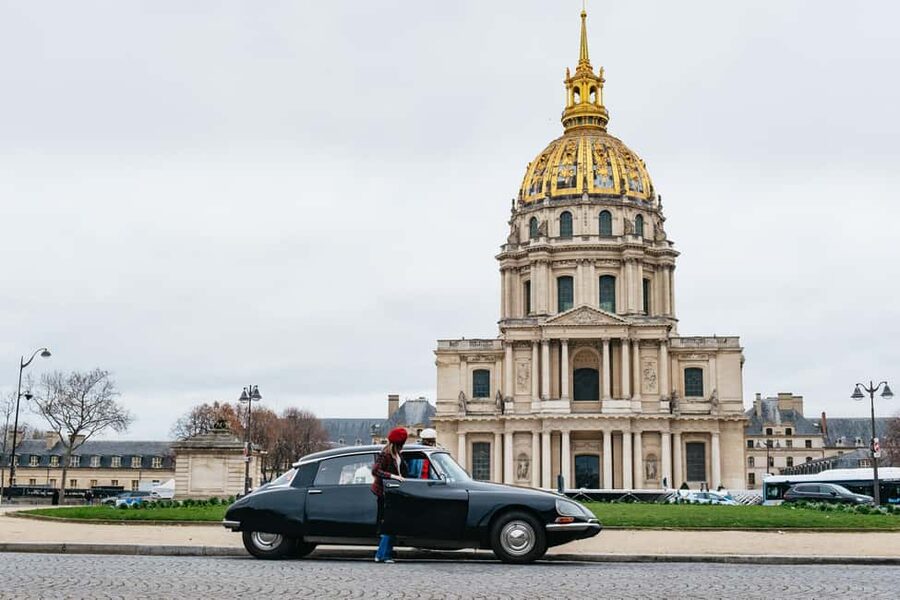
Paris looks better from a vintage hood. This private drive in a classic Citroën turns major sights into a slow, photo-friendly circuit, with pickup right from your hotel and a guide like Abi who knows where to pull over. I also love that you can pick a 1, 2, or 3-hour pace, so you are not forced into a rushed checklist.
What really makes this work is the way the guide handles the small stuff: the exact curb, the right angle, and quick stops that still feel calm. I like that the tour can swing between icons and softer neighborhood energy, like Sacré-Cœur and Saint Germain, without turning into a bus ride.
One drawback to consider: you are mostly seeing Paris from the car with limited time for entrances, and the “short stops” style means you might want a follow-up visit if you plan to go inside big-ticket sites. Also, if you sit toward the back, it can be harder to catch every detail from the guide.
In This Review
- Key points before you go
- A private Citroën tour that feels like Paris on film
- Traction Avant 11B vs DS 21, and why you might care
- How the 1, 2, and 3 hour pace really plays out
- Hotel pickup, private group, and the value of door-to-door touring
- From Place de la Concorde to the Champs-Élysées
- Arc de Triomphe and Eiffel Tower photo stops that actually help
- Les Invalides and the Pont Alexandre III corridor
- Petit Palais and Grand Palais, Place Vendôme, and Palais Garnier
- Moulin Rouge, Sacré-Cœur, and how Paris changes at street level
- Louvre area, Notre-Dame area, and the Pantheon ending
- What the guide does that you cannot get with an audio app
- Practical limits: who this works for, and who should skip it
- A quick note on food, drinks, and ticket expectations
- Final verdict, should you book the Traction Avant or DS 21 tour?
Key points before you go
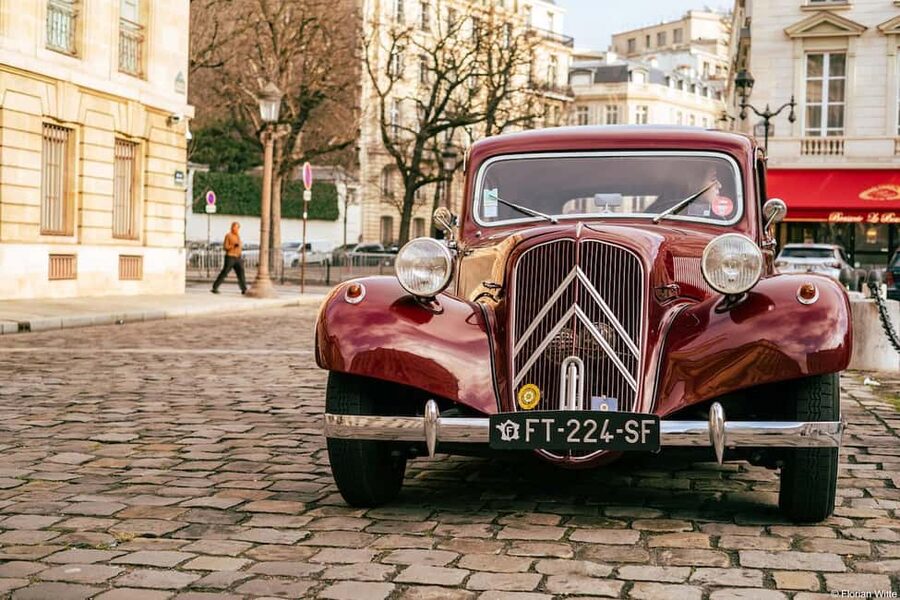
- Two legend cars: 1955 Traction Avant 11B or 1971 DS 21, each with its own cult status
- Hotel pickup and drop-off so you skip the metro shuffle with a camera in hand
- Photo stop timing built around landmarks like Arc de Triomphe and the Eiffel Tower
- Flexible duration (1-3 hours) to match your energy and how many stops you want
- Central Paris focus with optional neighborhood turns such as Sacré-Cœur or Saint Germain
- Strict carry-on limits: no luggage or large bags, and it is not built for wheelchair users
A private Citroën tour that feels like Paris on film
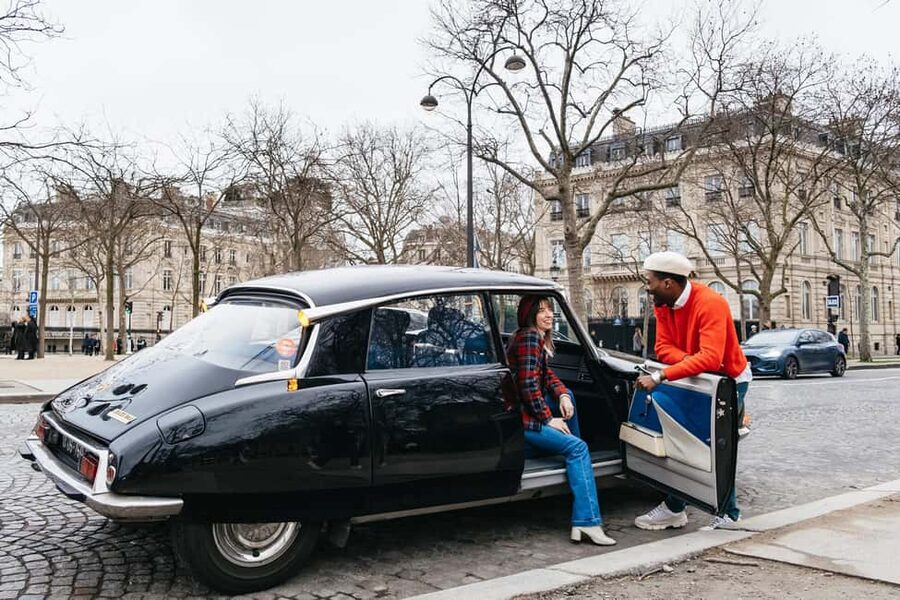
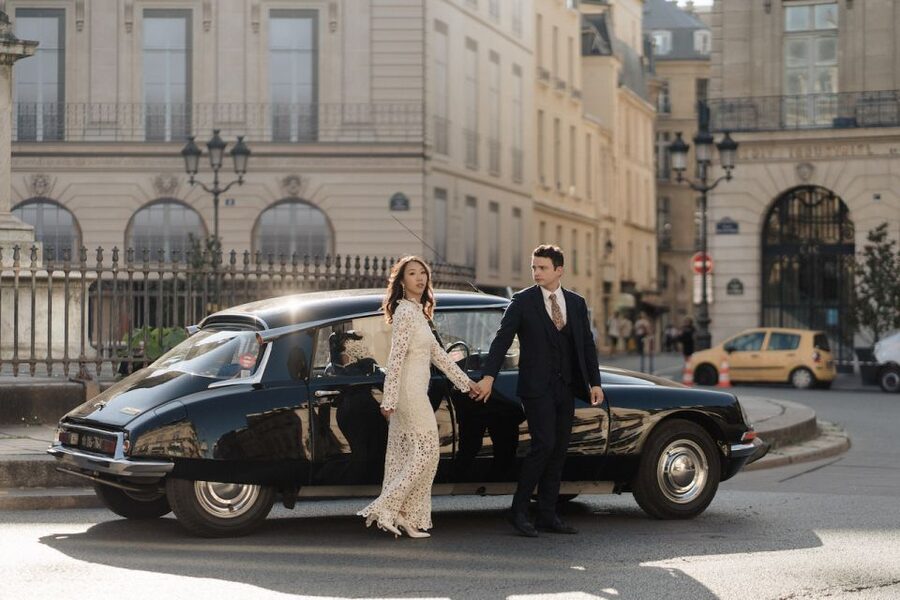
This is the kind of Paris experience that makes you pay attention immediately. You are not trudging between far-apart stops. You’re gliding through central streets in a 1950s or 1970s icon, and people take notice as the car rolls past.
The practical win is that you start and end at your hotel. That matters in Paris, where “just one more transfer” can eat your day faster than you expect. In a 1-3 hour window, the time you save is the difference between a quick look and a real first impression.
And yes, the car itself is part of the show. The 1955 Traction Avant 11B is famous as the world’s first unibody front-wheel-drive car. The 1971 DS 21 is famous as the world’s first hydraulic suspension car. Either way, you’re riding in living design, not a generic tour vehicle.
More Paris tours that come with a guide
Traction Avant 11B vs DS 21, and why you might care
If you love automotive trivia, this detail is fun. The Traction Avant 11B (1955) has that early unibody front-wheel-drive setup that helped change how cars handled. The DS 21 (1971) is known for the hydraulic suspension, which is part of why DS cars are often described as smooth and floaty.
Will you feel all the engineering in a short city drive? Not like you would on a long road test. Still, you’ll notice the ride character, and the car’s “presence” is real either way. In the DS, you’ll often feel the suspension do its thing over bumps. In the Traction Avant, you get that classic mechanical personality.
The bigger reason to choose one is your style. If you want the classic, pre-jet-era Paris poster look, the Traction Avant is a great match. If you want the “this looks futuristic even today” vibe, go for the DS 21.
How the 1, 2, and 3 hour pace really plays out
The tour length controls two things: how many photo moments you can afford, and how much you can customize without feeling rushed. With a 1-hour tour, you will hit a tight set of central sights. With 2 hours, you get more breathing room for landmark stops and photo angles.
A 3-hour tour is the sweet spot if you want both the icons and some softer streets. Many people end up using the extra time for a more relaxed rhythm, including a mix of daylight and dusk. That timing can make a big difference for Paris photos, because the city looks different when the sun drops and the monuments start glowing.
Also, traffic affects everything in Paris. A private guide can juggle the route within that time window, but you should still assume the pace is “smart and efficient,” not “move at highway speed.”
Hotel pickup, private group, and the value of door-to-door touring
For $164 per group up to 4, the value is strongest when you compare it to doing the same route by yourself under Paris constraints. You get a guide/driver, transportation in a vintage car, and hotel pickup and drop-off. That is a lot of logistics bundled into one price.
It also means you can start when you want and finish where you need. The pickup area covers many central Paris postal codes, and drop-off is also available across a wide range of central locations. Translation: you’re less likely to spend your “tour time” in transit.
This is also a private format, so it works well for families of 4, couples who want quiet control, and friends who want a shared first look without splitting up.
From Place de la Concorde to the Champs-Élysées

The tour often starts by rolling into the Place de la Concorde area. This square is a key anchor for understanding how Paris organizes its big royal-era axes, and it’s a good first taste of grand scale. From here, the guide can set the tone quickly, pointing out what you’re seeing and why it matters.
Next up is the Champs-Élysées. Even from the car, it’s a strong “Paris postcard” moment, and the guide can flag perspectives you’d miss if you were walking fast or following a route blindly. The goal here is not just to see the street. It’s to understand the rhythm of the avenue and how it lines up with the next major landmark you’re heading toward.
A small practical note: these areas can be busy, so your ability to get clean photo moments depends on timing and the guide’s skill at finding the right curb spot.
Arc de Triomphe and Eiffel Tower photo stops that actually help

Arc de Triomphe is a classic “yes, of course we’re going” stop. The benefit is that you get a guided setup, then a photo pause without needing to figure out where to stand and how to angle the shot in traffic conditions.
Then comes the Eiffel Tower, with another short photo stop. The value is in doing it efficiently. You get the landmark in your view in a way that feels intentional, not accidental. And if you care about photos, this is where the guide’s habit of pulling over at the best angles really pays off.
Two tips if you want better results:
- Tell your guide which photos matter most, like family shot, wide skyline view, or a tight composition.
- Use the stop to position your phone or camera first, so you’re not fumbling when the car pulls over.
These stops are brief by design. If you want longer viewing time, plan a separate visit later in your trip.
More Paris bookings with the group to yourself
- Paris: Private Photoshoot at the Eiffel Tower
★ 4.7 · 2,636 reviews - Top Private Cruises in Paris with French Champagne and surprises
★ 5.0 · 1,553 reviews - Private Paris Airport Arrival Transfer – CDG & ORLY Airports
★ 4.5 · 1,119 reviews - Paris Private Arrival Transfer from Charles de Gaulle (CDG) or Orly (ORY)
★ 4.0 · 1,084 reviews - Private Montmartre Food Tour with Wine, Cheese & Pastries
★ 5.0 · 1,027 reviews
Les Invalides and the Pont Alexandre III corridor
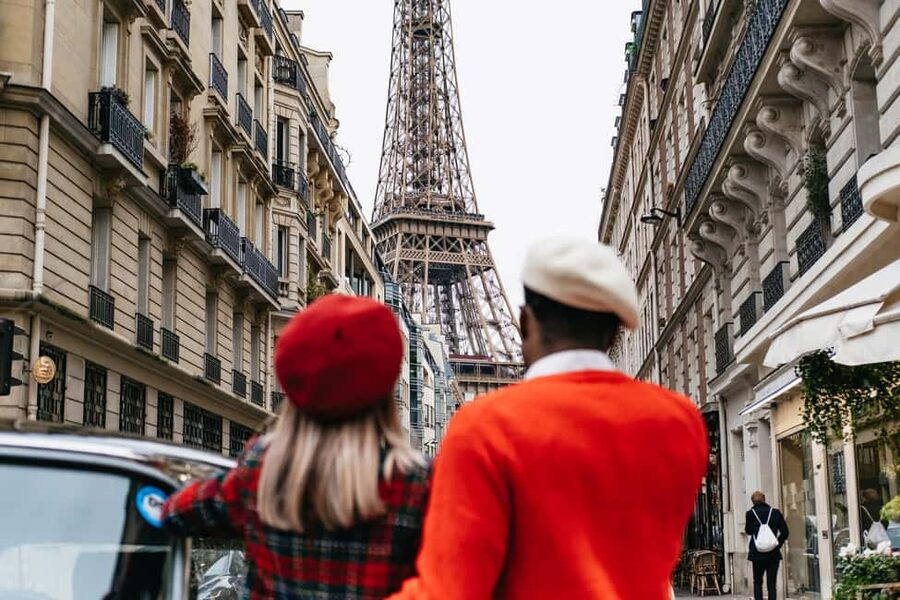
After the Eiffel area, the route can continue through the Les Invalides area. This is a major “Paris monument” zone, and it’s an easy place to appreciate how the city layers its eras. Even without going inside, you get a sense of why this area is such a focal point.
Then you move toward the Pont Alexandre III corridor. This bridge is all about the ceremonial look of Paris, with architecture that feels built for postcards. The guide’s job here is to help you notice details while you’re moving, because the best views are often seconds apart.
If you’re planning one or two more sightseeing days after this tour, consider this segment as your orientation moment. It helps you later decide where you want to walk and where you want to spend time.
Petit Palais and Grand Palais, Place Vendôme, and Palais Garnier
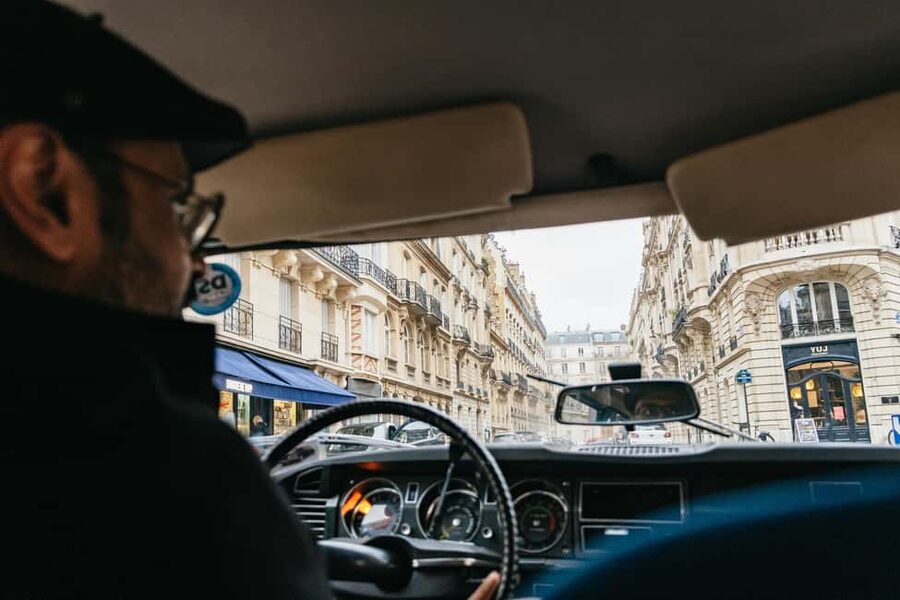
You may also pass by Petit Palais and the Grand Palais. These are the kind of buildings you tend to see only briefly if you’re on foot. From the car, the guide can direct your attention to the façades and give context so it feels more than a quick photo.
Next, you head through the Place Vendôme area. This is more than a pretty square. It gives you a feel for Parisian formality and the way the city builds prestige into its streetscape.
Then the tour can include Palais Garnier. Even if you do not go inside, it’s a strong visual stop that makes your later theater or museum visits feel more grounded. You’re seeing the city’s performance identity in stone.
Moulin Rouge, Sacré-Cœur, and how Paris changes at street level
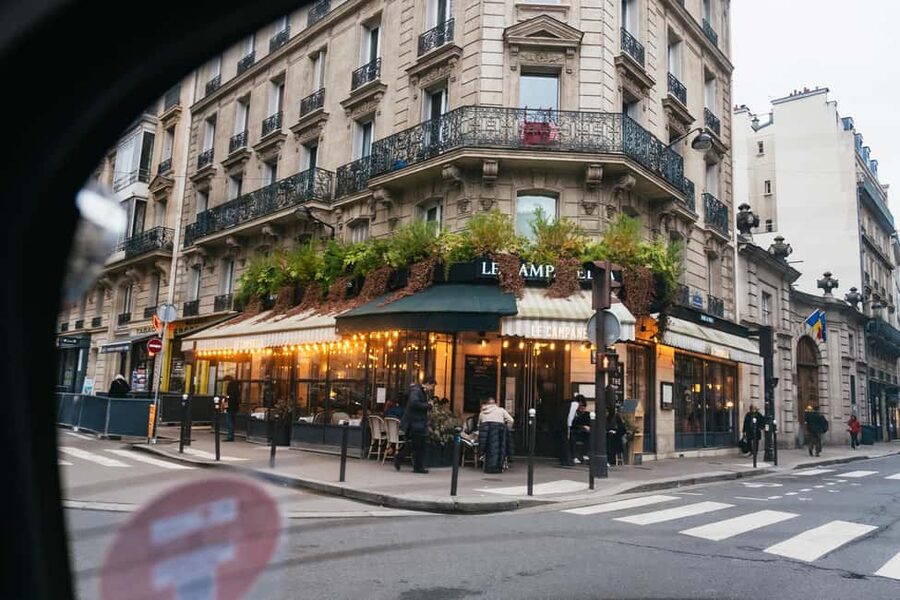
Moulin Rouge is another classic sight, and it works well as a photo stop. You get a quick look with guidance on where to stand for a recognizable frame without spending time wrestling crowds.
If you want something less tourist-boxed, the tour can also adjust toward Sacré-Cœur. The photo stop there is usually short, but Sacré-Cœur is one of those places where even brief time helps. It changes your Paris mood from grand avenues to a more hilltop, everyday neighborhood feel.
This is also where customization starts to matter most. If you want Saint Germain energy instead of more central monuments, your guide can shift the focus within your time window.
Louvre area, Notre-Dame area, and the Pantheon ending
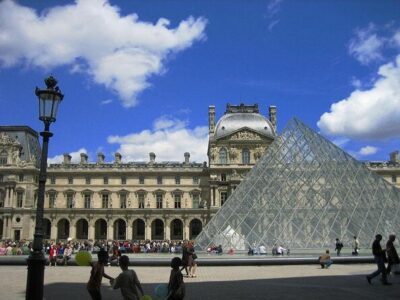
The route can include the Louvre Museum area and even the Louvre Pyramid. Even from outside, this is a “magnet moment.” It helps you calibrate where the museum sits relative to the rest of central Paris, so your next visit is easier.
Then comes Notre-Dame. The car gives you a quick orientation view of the area, which is useful if you plan to walk around it later. After that, the tour may continue toward the Pantheon area, which gives a different kind of monument feeling. It’s a strong way to end with a sense of Paris as a city of civic identity, not just sightseeing.
If you are short on time, this is a smart ending sequence because it keeps you in the central fabric of the city.
What the guide does that you cannot get with an audio app
The best part is not that you see landmarks. It’s how you see them. The guide can adjust stops so you get photos with the right background and fewer headaches. Abi, for example, has a reputation for guiding people to specific photo angles, and for being generous with time when needed.
The guide also tends to bring more than monument facts. You’ll often get practical street-level observations, suggestions for future tours, and restaurant or shopping pointers that help you plan the rest of your trip.
One reality check: the drive is not silent museum mode. If you’re in the back seat, it can be harder to hear every detail, and some guides speak more softly. Bring a phone notes app if you catch something you want to remember.
Practical limits: who this works for, and who should skip it
This tour works best if you want a fast first look at Paris that still feels personal. It is ideal for people who:
- want iconic landmarks and a few photo moments
- prefer comfort and minimal transfers
- are traveling as a small private group (up to 4)
It is not suitable for wheelchair users, and it also is not recommended for people with mobility impairments. Also, luggage or large bags are not allowed. If you have a small day bag, you will likely be fine, but don’t plan on storing bigger items in the car.
A quick note on food, drinks, and ticket expectations
Food and drinks are not included. Entry fees are also not included for any sites. That matters because it keeps your tour time focused on seeing, photographing, and orienting, not ticket lines.
Some people have added champagne as an extra during the experience. If that’s part of your plan, treat it as optional and remember it does not replace choosing specific entry visits on another day.
Final verdict, should you book the Traction Avant or DS 21 tour?
Yes, I’d book this if you want a memorable first impression with minimal effort. The hotel pickup, the vintage car ride, and the smart photo stops make it a strong value when you compare it to piecing together taxis or public transport while juggling timing.
Skip it if your top priority is going inside major attractions during this same outing. This works more like a high-quality city orientation and photo circuit, not an all-access museum day.
If you can only pick one thing to optimize, pick the right time of day. A later-afternoon slot can give you both daylight and dusk vibes, and that usually makes the Eiffel and Arc photos look more magical.
More Paris Tours That Come With a Guide
- Paris: Louvre Guided Tour with Reserved Access & Boat Cruise
★ 4.3 · 16,353 reviews - Louvre Museum Masterpieces Guided Tour with Access
★ 4.5 · 12,023 reviews - Louvre Museum – Exclusive Guided Tour (Entry Included)
★ 5.0 · 6,296 reviews - Versailles: Skip-the-Line Guided Palace Tour and Full Access
★ 4.6 · 5,214 reviews - Louvre Priority Access with Mona Lisa Escort or Guided Option
★ 4.0 · 4,420 reviews
Everything Else Filed Under Paris
- Paris: Louvre Guided Tour with Reserved Access & Boat Cruise
★ 4.3 · 16,353 reviews - Paris: Big Bus Hop-On Hop-Off Tour with Optional Cruise
★ 4.4 · 13,279 reviews - Louvre Museum Masterpieces Guided Tour with Access
★ 4.5 · 12,023 reviews - Versailles: Skip-the-Line Tour of Palace with Gardens Access
★ 4.7 · 9,778 reviews - Mona Lisa & Louvre Masterpieces Tour with Reserved Access
★ 4.6 · 6,812 reviews
The Whole Paris Shelf
- Paris: Louvre Museum Timed-Entrance Ticket
★ 4.6 · 71,977 reviews - Disneyland® Paris 1-Day Ticket
★ 4.6 · 49,412 reviews - Paris: Versailles Palace and Gardens Full Access Ticket
★ 4.6 · 41,579 reviews - Paris: Evening River Cruise with Music
★ 4.4 · 22,721 reviews - Paris: Eiffel Tower Entry Ticket with Optional Summit Access
★ 4.4 · 20,035 reviews
The rest of the Paris write-ups
- Montmartre: Guided Tour for Kids and Families★ 4.9 · 57 reviews
- From Paris: Versailles Palace and Gardens Guided Day Trip★ 4.5 · 57 reviews
- Versailles Palace and Garden Tour with Paris Private Transfers★ 5.0 · 58 reviews
- Louvre Evening Escape – Avoid The Crowds! Semi-Private 6ppl Max★ 5.0 · 58 reviews
- Summit Eiffel Tower Audio Guide Tour with Unlimited Time Access★ 4.5 · 58 reviews
- Private Half Day Historic Tour★ 5.0 · 58 reviews
City Tours, in full.
 ★ 3.8Marseille: City Sightseeing Hop-On Hop-Off Bus TourFrom $272,820 reviews
 ★ 3.5Eiffel Tower Summit Option with Seine River Cruise and City TourFrom $1202,176 reviews
 ★ 5.0Paris in a Day: Louvre or Orsay, Eiffel Tower, City Walk & CruiseFrom $1571,956 reviews
 ★ 4.7Paris: City Highlights Bike TourFrom $501,835 reviews
 ★ 4.0Lyon City Hop-on Hop-off Sightseeing Bus TourFrom $291,614 reviews
 ★ 4.0Paris: Eiffel Tower Hosted Tour, Seine Cruise and City TourFrom $1161,507 reviews
 ★ 5.0Paris City Center Free Walking Tour (Tip-Based)From $31,340 reviews
 ★ 4.6Paris: City and River Seine Tour on an Amphibious BusFrom $461,052 reviews
Also on these France lists