
Reviewed · BORDEAUX WINE TOURS
Saint-Émilion: Vineyard Walking Tour and Tasting
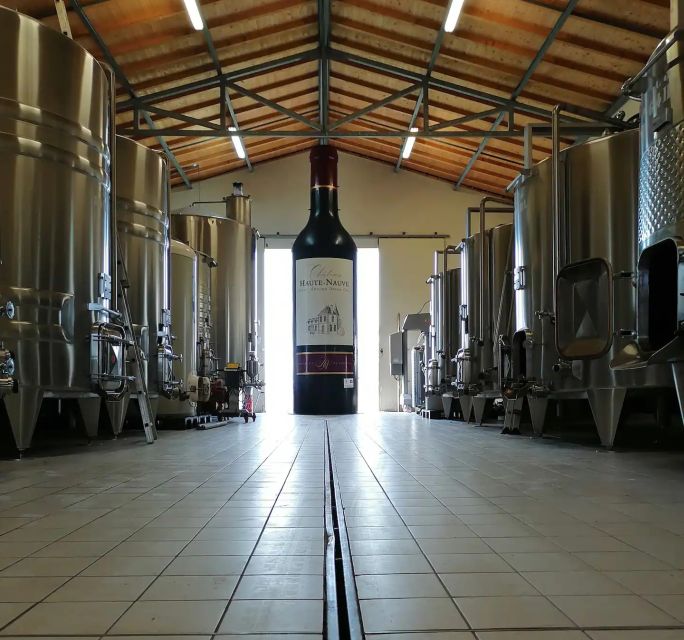
Four wines, one family vineyard estate. At Château Haute-Nauve, Florent or Marie-Anne guides you through Saint-Émilion vineyards and into the cellars, then finishes with a relaxed, educational tasting of four wines from the estate. I like that the tour connects the dots from vine work to fermentation and barrel ageing, and you even get a few standout sights like a wind turbine and a bottle about 6 meters tall.
The only real catch is practical: it is a compact, mostly outdoor-and-cellar visit, and there is no food included. If you want lunch or a full wine-country meal, you will need to plan that on your own before or after.
In This Review
- Key moments that make Château Haute-Nauve special
- At Château Haute-Nauve, you get a family story in real time
- Price and value: why $29 feels fair for 2 hours
- How the meeting point and short drive shape your day
- Vineyard walking tour: plots, seasons, frost protection, and a few odd sights
- From grapes to fermentation: what you see in the vinification cellar
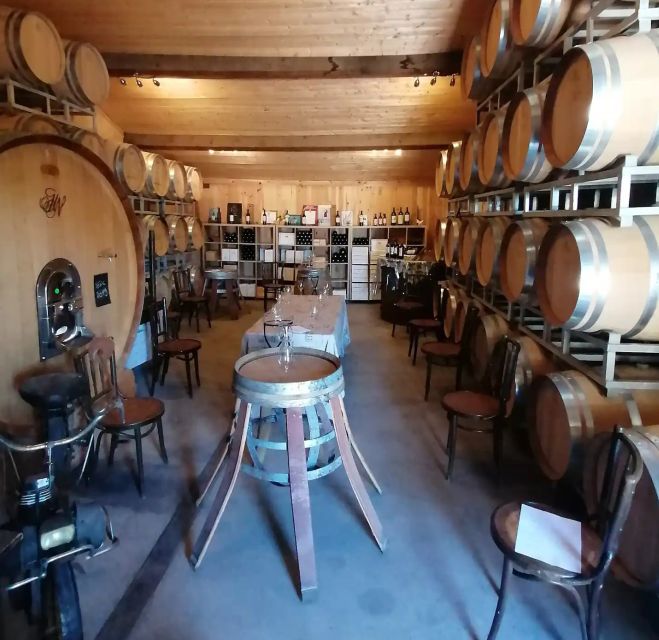
- Barrel cellar ageing: why the last months matter as much as the first grapes
- The guided tasting of four Saint-Émilion wines, including Grand Cru picks
- Buying wine to take home, without turning it into a hard sell
- Who this tour suits best in Saint-Émilion
- Should you book this Château Haute-Nauve vineyard walking tour?
- FAQ
- How long is the Château Haute-Nauve Saint-Émilion vineyard walking tour and tasting?
- What is the price per person?
- What does the tour include?
- How many people are in the group?
- What wines will you taste?
- Is food included?
- Where do I meet the guide, and is parking available?
- Which languages are offered, and is the tour wheelchair accessible?
- Can I cancel, and is there a reserve now pay later option?
Key moments that make Château Haute-Nauve special
- Family-run, 4th-generation access with Marie-Anne or Florent guiding you around their own vines
- A vineyard walk that changes by season, with explanations of how different plots get worked across the year
- Sustainability and hard-weather talk, including crop frost challenges and how the estate responds
- Real production stops you can see, fermentation, pumping, pressing, and then ageing in the barrel cellar
- Four estate wines at the end, including two Grand Cru options during the tasting
- On-site browsing and buying if you want bottles to take home from the same place you toured
At Château Haute-Nauve, you get a family story in real time
Saint-Émilion can feel like a wine theme park if you only do the big-name tastings. This one is different because you are walking in the family vineyard and being shown how the estate thinks, not just what it sells.
You will meet inside Château Haute-Nauve with either Florent or Marie-Anne, mother and son. That matters, because the conversation tends to stay personal and practical, with the kind of details you only hear from people who work the land day after day.
More Bordeaux estates and tastings
Price and value: why $29 feels fair for 2 hours
For $29 per person, you are paying for three things that are usually separate experiences: a vineyard walk, a cellar tour, and a guided tasting. In other parts of wine country, you might get only one of those for the same money, and sometimes even less for more effort.
Also, the timing is smart. Two hours is long enough to see the progression, vineyard to vinification cellar to barrel ageing, then taste four wines. It is not so long that you start feeling like you are stuck in a schedule.
If you are shopping around, this is the value sweet spot: small group (up to 10), hands-on estate access, and four wines, including two Grand Cru.
How the meeting point and short drive shape your day
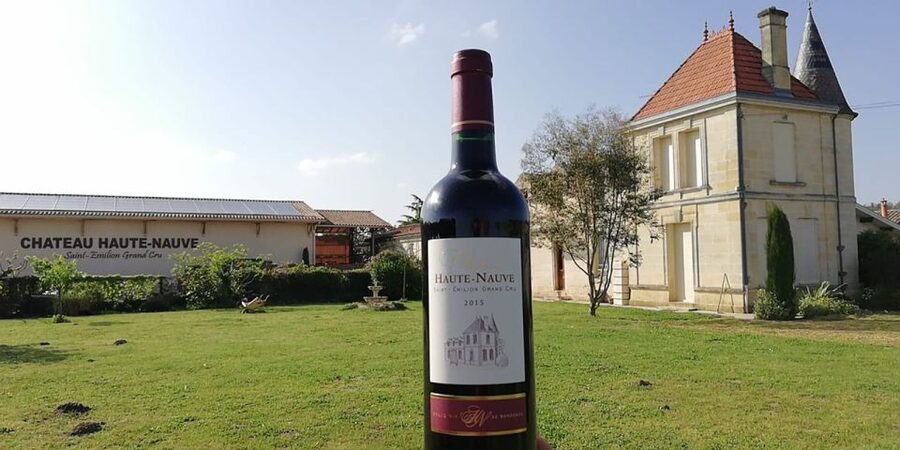
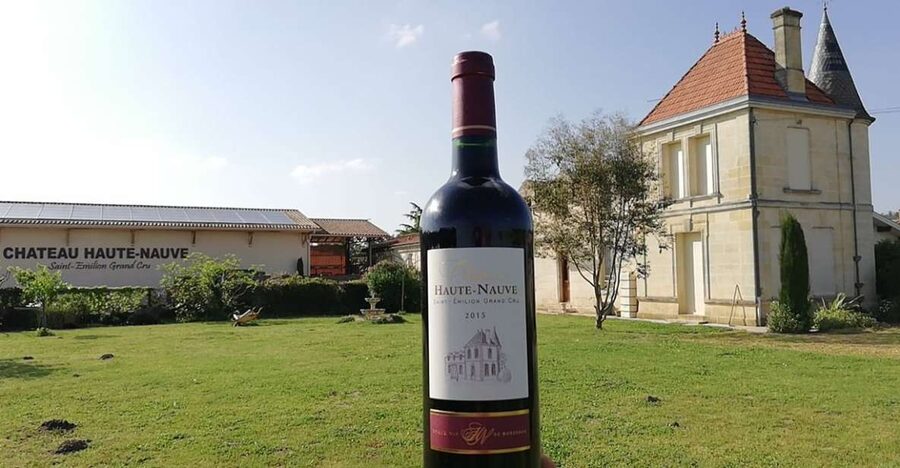
The tour starts inside Château Haute-Nauve. There is car parking near a large building with solar panels, under the Château Haute-Nauve purple sign, and you are about 3 km from the village of Saint-Émilion.
I recommend you plan around a car if you can. Public transport and long walks can eat into your day here, especially since the tour itself is only two hours and you want to arrive calm, not stressed.
Vineyard walking tour: plots, seasons, frost protection, and a few odd sights
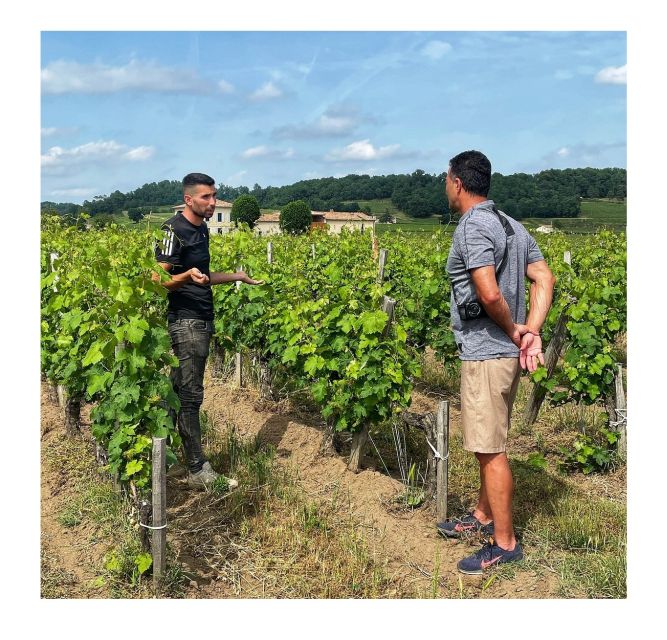
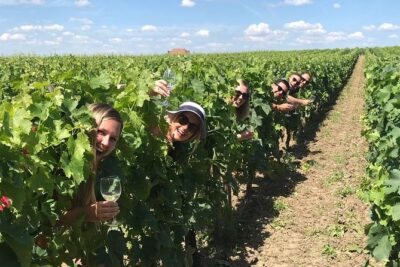
The outdoor part is where the tour earns its keep. You start in the vineyard, and the guide explains the estate’s history and how their Saint-Émilion holdings fit the appellation’s specifics and varieties.
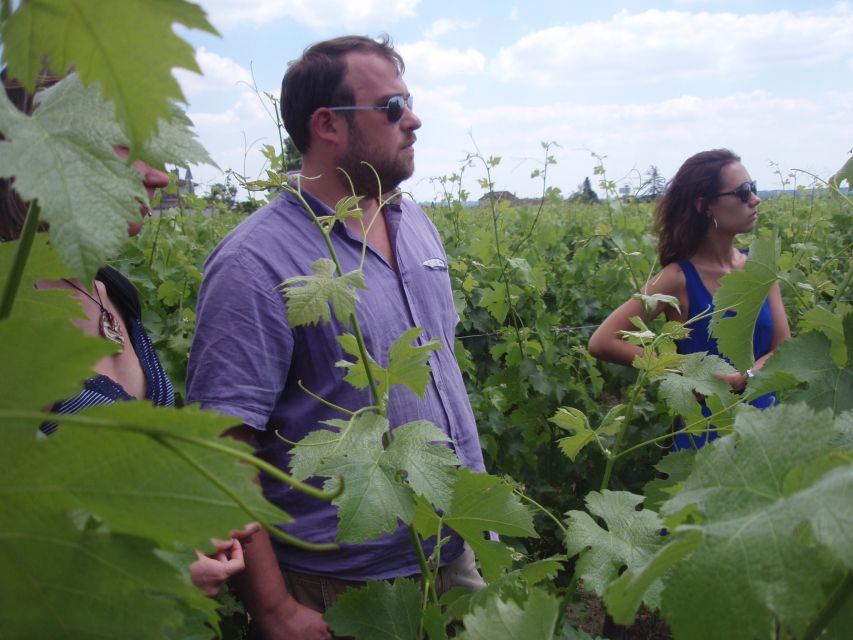
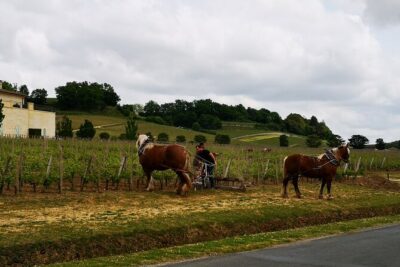
You will walk among different plots of vines, and you get a sense of how work changes throughout the year. That seasonal angle is more useful than generic winery facts because it helps you understand why the same vineyard does not behave the same way in spring versus harvest time.
Then come the practical details that feel grounded. You hear about challenges like crop frost, and how the château approaches sustainability and diversification. There is also mention of developing new wine varieties, which gives you a window into how modern growers protect the future without pretending every year is easy.
And yes, the estate has some unforgettable visuals. You might spot a wind turbine, and you will likely notice a bottle-shaped feature around 6 meters tall. It is the kind of quirky landmark that makes the vineyard walk feel memorable and photo-friendly without turning it into a gimmick.
From grapes to fermentation: what you see in the vinification cellar
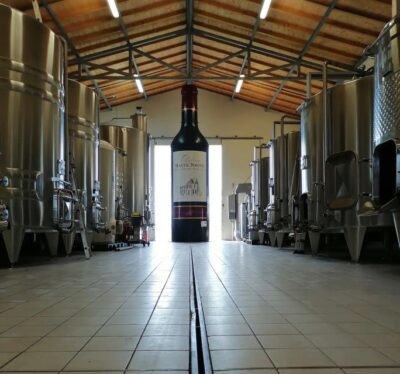
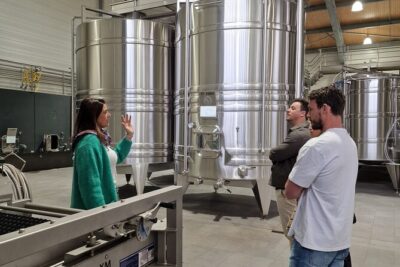
After the vineyard, you head inside to the vinification cellar. This is where the tour shifts from growing to making, and it tends to be the most technical part of the experience, without getting overly complicated.
You learn about the full journey, from the vine side to the winery side. The stops typically cover fermentation, pumping, and pressing, so you can see the steps rather than just hearing broad statements about winemaking.
What I like here is that it connects cause and effect. When you understand what happens during fermentation and pressing, tasting later makes more sense. You start noticing how decisions show up in the glass, even when you cannot instantly name every process.
Barrel cellar ageing: why the last months matter as much as the first grapes
The tour ends in the barrel cellar, where ageing takes center stage. This is the point where time becomes part of the story, because ageing decisions shape texture, aroma development, and overall style.
If you care about why some Saint-Émilion bottles taste more polished, more structured, or more aromatic than others, this stop helps you think in the right direction. You are not just tasting wine, you are tasting choices that happened months earlier.
The overall flow matters too: vineyard walk first, then making, then ageing. It keeps you from treating the tasting as a separate event that has nothing to do with the morning.
- From Saint-Emilion : Electric Bike Day Tour with Wine Tastings and Picnic Lunch
★ 5.0 · 239 reviews - Visit and Tasting Château Saint-Georges Cote Pavie, Grand Cru Classé
★ 5.0 · 135 reviews - Saint-Emilion Grand Cru Classified: Visit & Tasting in French
★ 4.5 · 89 reviews - From Saint-Emilion : Half Day Electric Bike Tour
★ 4.9 · 63 reviews
The guided tasting of four Saint-Émilion wines, including Grand Cru picks
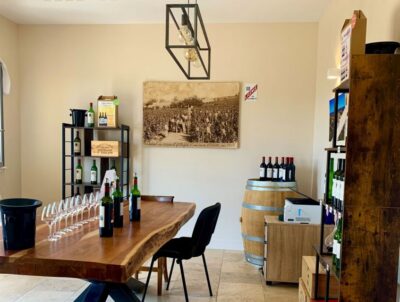
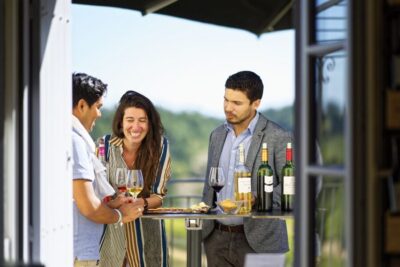
The finish is a guided tasting of four wines from Château Haute-Nauve. Two of those are Grand Cru wines, which is a nice bonus if you want more than just entry-level samples.
Because you have seen the production process, you will get more out of the tasting. The guide can connect what you just walked past in the cellar to what is now in your glass, so the tasting feels like a guided interpretation rather than a quick pour and shuffle.
I also like that the pacing usually leaves room for questions. Many people enjoy this part because it does not feel rushed or overly formal, and you can ask how the estate makes decisions that affect style.
Buying wine to take home, without turning it into a hard sell
After tasting, you have the chance to browse the estate’s collection and buy wine. From what I’ve seen people appreciate, there is typically no heavy pressure, which makes it easier to pick bottles based on what you actually enjoyed tasting.
If you are unsure what to buy, use a simple rule: take one bottle you liked most, then add one that showed a different style. With four wines tasted, you usually have enough comparison to make that decision feel confident, not random.
Transport-wise, check how your travel plans work. If you are flying, pack carefully and consider how you will keep bottles secure. If you are driving, it is more straightforward, and buying a few bottles can become part of the fun.
Who this tour suits best in Saint-Émilion
This is a strong fit if you want a real estate experience. You get the family-run feel, and you also get the practical winemaking explanation, fermentation to pressing to ageing.
It is also a good match if you dislike tours that feel like a lecture. The guide approach, including humor and clear answers to questions, tends to keep things relaxed while still being informative.
Because the group is limited to 10 participants, you will likely get more back-and-forth than you would on bigger coach-style visits. It is also listed as wheelchair accessible, which is helpful if you need that option.
If you are doing a Bordeaux trip and want a “wine highlight” that is not just a photo stop, this one works well. It gives you enough depth to remember, without eating your whole day.
Should you book this Château Haute-Nauve vineyard walking tour?
Book it if you want a compact, high-value Saint-Émilion experience with vineyard walking plus cellar access plus a four-wine tasting, led by the people who run the estate. The price is reasonable for what you see and taste, and the Grand Cru inclusion makes it feel like more than a basic introduction.
Skip it or plan differently if you are looking for a longer, food-centered wine day. There is no food included, and the whole point is a focused two-hour visit, so you will want to pair it with your own lunch plan.
If you can bring comfortable shoes and you are ready to ask questions, you will get a lot from this one. It is the kind of tour that leaves you thinking about wine as a process, not a label.
FAQ
How long is the Château Haute-Nauve Saint-Émilion vineyard walking tour and tasting?
The tour lasts about 2 hours.
What is the price per person?
The price is $29 per person.
What does the tour include?
It includes a guided vineyard walk with the owner, a visit to the cellar areas (vinification and barrel cellar), and a guided tasting of four wines from the estate.
How many people are in the group?
The group is limited to 10 participants.
What wines will you taste?
You will taste four wines from the estate, including two wines with Grand Cru appellations.
Is food included?
No, food is not included.
Where do I meet the guide, and is parking available?
Meet your guide inside Château Haute-Nauve. There is a car park near a large building with solar panels, under the Château Haute-Nauve purple sign, and the site is about 3 km from the village of Saint-Émilion.
Which languages are offered, and is the tour wheelchair accessible?
The tour guide offers French and English. The tour is listed as wheelchair accessible.
Can I cancel, and is there a reserve now pay later option?
You can cancel up to 24 hours in advance for a full refund. There is also a reserve now & pay later option.
Everything Else Filed Under Saint Emilion
- Saint-Émilion: Bordeaux Vineyard Tour and Wine Tasting
★ 4.8 · 578 reviews - Saint-Émilion Wine Tour By Premium Electric Bike, Lunch Included
★ 5.0 · 274 reviews - From Saint-Emilion : Electric Bike Day Tour with Wine Tastings and Picnic Lunch
★ 5.0 · 239 reviews - From Saint-Emilion : Half Day Electric Bike Tour
★ 4.9 · 63 reviews
The Whole Saint Emilion Shelf
- Saint-Émilion: Grand Cru Classé Winery Visit and Tasting
★ 4.6 · 1,118 reviews - Saint-Émilion: Bordeaux Vineyard Tour and Wine Tasting
★ 4.8 · 578 reviews - Saint-Émilion Wine Tour By Premium Electric Bike, Lunch Included
★ 5.0 · 274 reviews - From Saint-Emilion : Electric Bike Day Tour with Wine Tastings and Picnic Lunch
★ 5.0 · 239 reviews - Visit and Tasting Château Saint-Georges Cote Pavie, Grand Cru Classé
★ 5.0 · 135 reviews
More Bordeaux Estates
- Saint-Émilion: Grand Cru Classé Winery Visit and Tasting
★ 4.6 · 1,118 reviews - Saint-Émilion: Bordeaux Vineyard Tour and Wine Tasting
★ 4.8 · 578 reviews - Saint-Émilion Wine Tour By Premium Electric Bike, Lunch Included
★ 5.0 · 274 reviews - From Saint-Emilion : Electric Bike Day Tour with Wine Tastings and Picnic Lunch
★ 5.0 · 239 reviews - Saint-Emilion Grand Cru Classified: Visit & Tasting in French
★ 4.5 · 89 reviews
The rest of the Saint Emilion write-ups
- Saint-Emilion: Grand Cru Classé Gourmet Visit★ 4.5 · 60 reviews
- From Saint-Emilion : Half Day Electric Bike Tour★ 4.9 · 63 reviews
- Saint-Emilion Grand Cru Classified: Visit & Tasting in French★ 4.5 · 89 reviews
- Visit and Tasting Château Saint-Georges Cote Pavie, Grand Cru Classé★ 5.0 · 135 reviews
- From Saint-Emilion : Electric Bike Day Tour with Wine Tastings and Picnic Lunch★ 5.0 · 239 reviews
- Saint-Émilion Wine Tour By Premium Electric Bike, Lunch Included★ 5.0 · 274 reviews
Bordeaux Wine Tours, in full.
 ★ 4.6Bordeaux: Cité du Vin Entry Ticket and Wine TastingFrom $273,885 reviews
 ★ 4.5Bordeaux: River Garonne Cruise with Glass of Wine and CaneléFrom $223,630 reviews
 ★ 4.8From Bordeaux: Afternoon Saint-Emilion Wine Tasting & snackFrom $1121,581 reviews
 ★ 5.0Medoc or Saint Emilion Wine Tasting and Chateau from BordeauxFrom $1141,415 reviews
 ★ 5.0Saint Emilion Day Trip with Sightseeing Tour & Wine Tastings from BordeauxFrom $2501,120 reviews
 ★ 4.6Saint-Émilion: Grand Cru Classé Winery Visit and TastingFrom $231,118 reviews
 ★ 4.5Saint Emilion Half-Day Trip with Wine Tasting & Winery Visit from BordeauxFrom $1331,034 reviews
 ★ 4.7From Bordeaux: St. Emilion Village Half-Day Wine TourFrom $129728 reviews
Also on these France lists