
Reviewed · STRASBOURG TOURS
Strasbourg: Guided Bike Tour with a Local Guide
Strasbourg clicks into place on two wheels. This Strasbourg guided bike tour uses a tight 150-minute route to link the city’s postcard center with its modern European role, all while a local guide keeps you moving and explaining what you’re seeing.
I especially like the way you get both Petite France and the Neustadt in one outing, plus clear stops at landmarks like Notre Dame de Strasbourg Cathedral and the European Institutions. One thing to consider first, though, is bike confidence, you weave through busy pedestrian areas, so you should feel comfortable keeping your line and staying with the group.
In This Review
- Key things to love about this bike tour
- A 2.5-hour Strasbourg loop that covers the highlights without wasting time
- Petite France by bike: the riverfront world that defines Strasbourg
- From Pont du Corbeau to Gutenberg Place: bridges and city rhythm
- Notre Dame de Strasbourg Cathedral: the stop that anchors the whole tour
- Place Broglie and the Opera house: a more elegant side of the center
- The 19th-century Neustadt: imperial streets to European scale
- European Institutions district: seeing the EU story from street level
- Parc de l’Orangerie and the way back along the 14th-century wall
- Bikes, pace, and how to stay comfortable in city traffic
- Price and value: what $46 buys in a short 2.5-hour window
- Who should book this Strasbourg bike tour, and who might prefer a different plan
- Should you book this Strasbourg bike tour?
- FAQ
- How long is the bike tour?
- What language options are available?
- Is a bicycle included?
- Where does the tour start?
- Where do you end the tour?
- What is the cancellation policy?
- Can I reserve without paying right away?
Key things to love about this bike tour
- A fast, logical loop: Old Town and Petite France first, then the 19th-century Neustadt, then the European district.
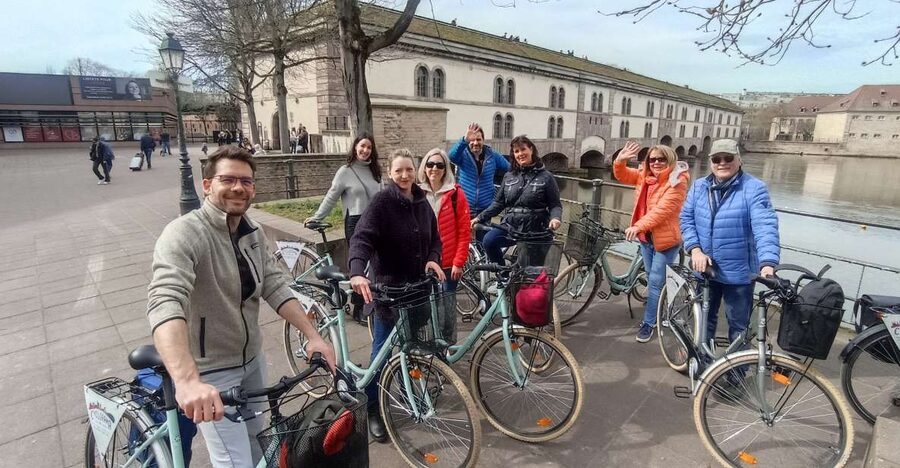
- Real city structure, not random stops: Covered bridges, Vauban Dam, and the Pont du Corbeau connect the story.
- Photo-friendly pacing: You pause at major points like Gutenberg Place, Place Broglie, and the Cathedral.
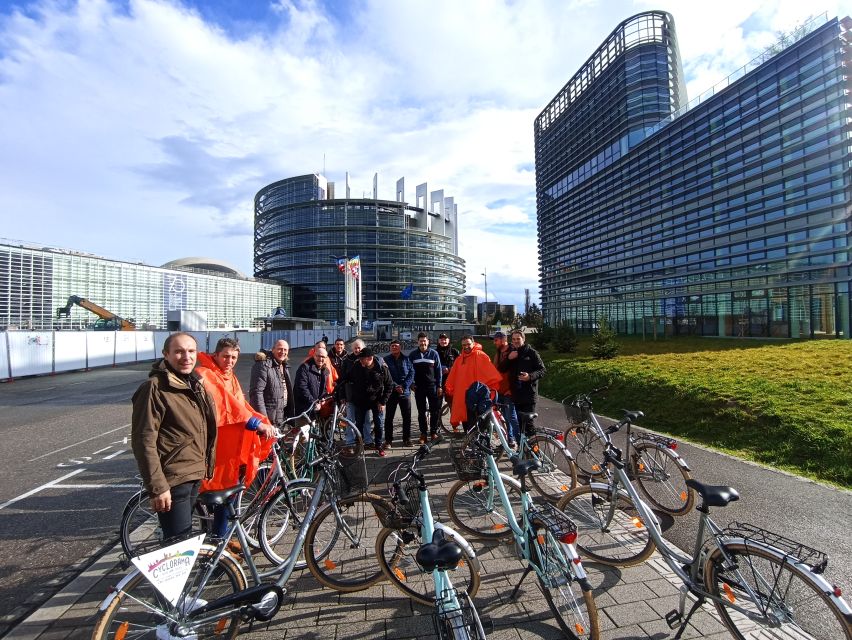
- European Institutions on the ground: You see the European Parliament, Council of Europe, and the European Court for Human Rights from street level.
- A breather built in: Parc de l’Orangerie gives you fresh air after the most intense sightseeing stretch.
- Helmets and gear support: Helmets are available, and baskets can help you carry a small bag.
A 2.5-hour Strasbourg loop that covers the highlights without wasting time
This is a 150-minute guided ride, so you are not trying to “tour the whole city.” Instead, you move through a smart circuit that gives you orientation fast. You start with a short introduction, then roll out to link major eras of Strasbourg, from the old riverfront look to the monumental architecture of the Neustadt, and finally to the European Institutions district.
What I like about this format is that it turns sightseeing into direction. After a couple of neighborhoods, you stop feeling like Strasbourg is just a cathedral and a few pretty bridges. You start understanding where things sit in relation to each other, and that makes self-guided exploring later much easier.
It also helps that the tour is guide-led and multilingual. Options run in German, Dutch, and English, and from past guests’ comments you can tell the guides adjust their explanations so language learners are not left behind. If you’re studying German, for example, you can expect a more supportive pace when understanding is still forming.
More of Strasbourg
Petite France by bike: the riverfront world that defines Strasbourg
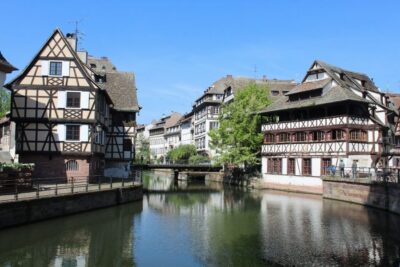
Your ride spends real time in Petite France, Strasbourg’s most famous old-town riverside quarter. You don’t just get a quick glance from one crossing. The route brings you along the riverfront feel and into the charm that made Petite France a magnet for artists, photographers, and walkers.
You also pass the covered bridges, which are a major visual signature of Strasbourg. On a bike, those bridges feel like checkpoints, you glide alongside them and can actually see how they connect the neighborhood lanes. It’s harder to appreciate that on foot when you’re constantly dodging crowds and cutting around corners.
Two other stops you’ll be watching for are the Vauban Dam and the riverside crossings around the canal area. Even if you’re not a civil engineering nerd, the dam and its function help you understand why this city developed where it did, and why the water is not just scenery, it’s infrastructure.
Practical note: the streets here can feel lively. You’ll want to stay alert at intersections and follow the guide’s signals so the group keeps flowing.
From Pont du Corbeau to Gutenberg Place: bridges and city rhythm
Before you get to the big monumental stretch, the tour threads you through key river crossings. Crossing the Pont du Corbeau is one of those moments where Strasbourg looks instantly bigger than you expect. You get a skyline view that frames what’s coming next.
Then you roll onward toward Gutenberg Place, a stop that works well as a mental reset. It’s a place where you can pause, look around, and connect the dots between the old-town streets you just rode through and the cathedral area you’re heading for.
This section is not about one single building. It’s about rhythm. You’re learning how Strasbourg’s old core is laid out, where the pedestrian lanes narrow, where the open views appear, and where you can expect traffic pressure to pick up.
Notre Dame de Strasbourg Cathedral: the stop that anchors the whole tour
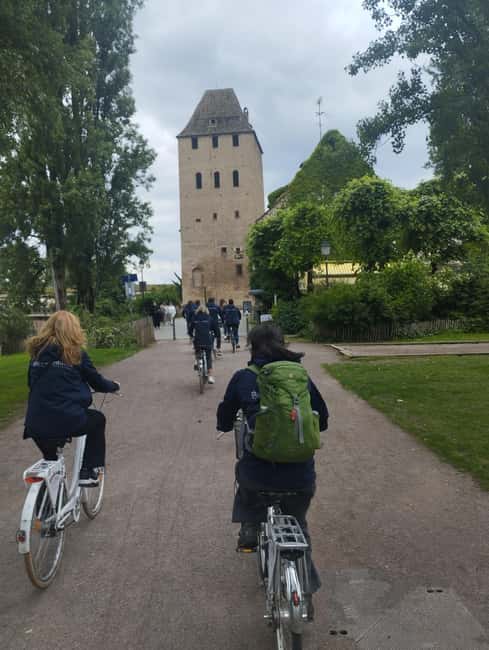
When you arrive in front of Notre Dame de Strasbourg Cathedral, you’ll feel the tour’s structure click into place. The cathedral sits at the center of the city’s long story, and the guide’s explanation helps you connect architecture to identity.
You also get a tour-friendly approach to the area around the cathedral. Instead of only stopping at the main façade, you cycle along small streets nearby and look for less obvious moments close to Place Saint Etienne. That matters because the cathedral is so famous that it can turn into a background photo. These side streets and pauses pull the experience forward so you see how daily life and historic buildings share space.
If you plan to return later, this is the best kind of orientation stop. You’ll know what direction to walk, and which lanes are worth revisiting without guessing.
Place Broglie and the Opera house: a more elegant side of the center
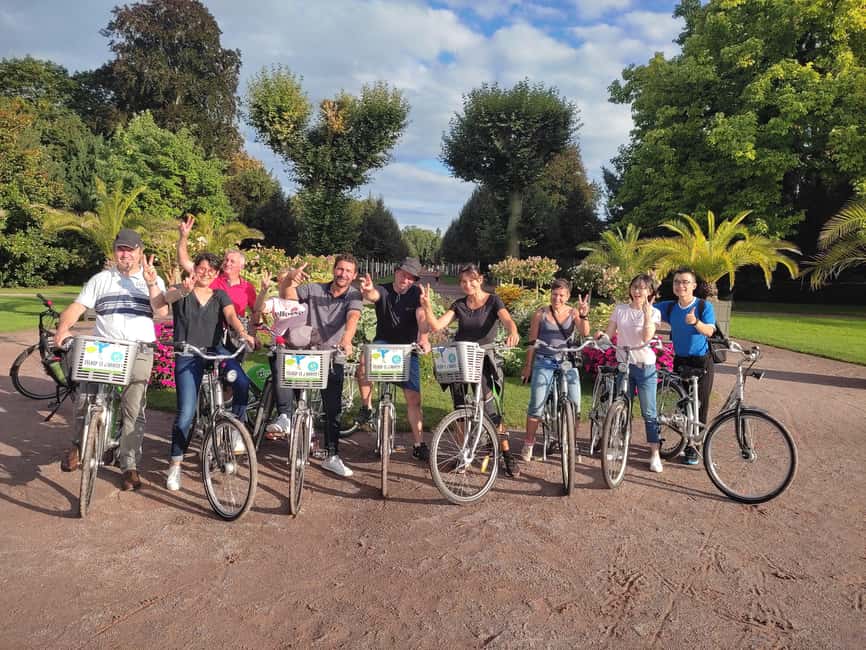
After the cathedral area, the route includes Place Broglie and the Opera house. This part shifts the mood. The architecture feels more formal and the space opens up compared with the tighter alley feel near the historic river lanes.
On a bike, you can take in the scale without feeling like you’re trapped behind a tour bus crowd. It’s a good reminder that Strasbourg’s center is not a museum district only. It’s also a working city with civic and cultural landmarks.
If you like “see it, then understand it,” this is a strong segment. The guide typically ties the landmark to the broader city story so it doesn’t feel like just another postcard backdrop.
The 19th-century Neustadt: imperial streets to European scale
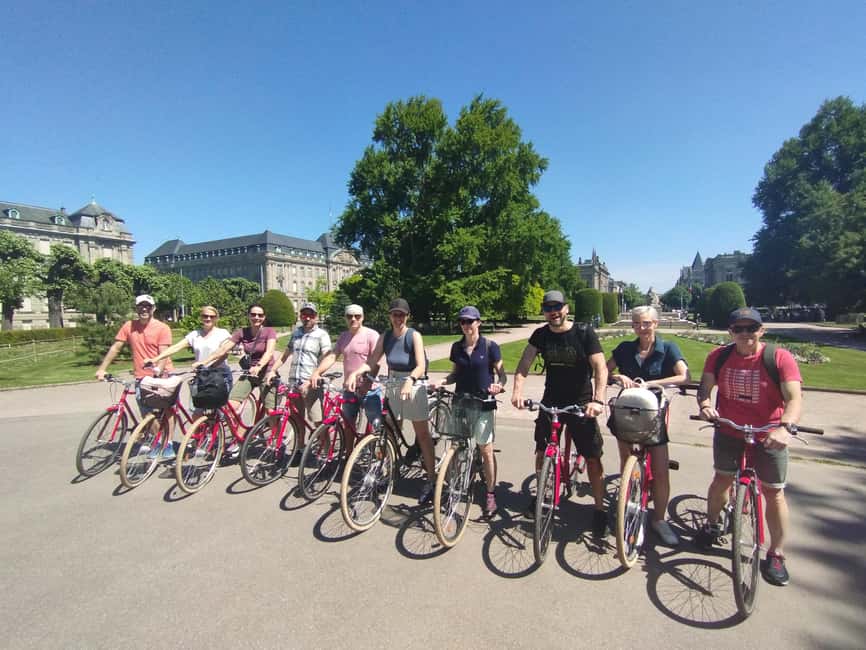
The Neustadt is where Strasbourg flexes its grand, 19th-century ambition. This is a different Strasbourg from Petite France, and the bike helps you cover the distance smoothly without getting tired of walking.
As you cycle through this district, you’ll notice how the streets widen and how the buildings take on a more monumental presence. It feels planned. It feels institutional. And that’s exactly the point, this area sets you up for the European district that comes next.
A practical plus: Strasbourg is famously flat, and bike tours work well because you can keep your pace. Even when the streets are busy, you can maintain momentum, which keeps the tour from dragging.
That said, one considerate reality check: if you came for mostly medieval streets, you may feel the balance shifts toward newer, more institutional architecture once you hit the Neustadt. Still, even that is useful, because Strasbourg’s modern identity is part of its core charm.
More Strasbourg tours that come with a guide
- Strasbourg: Walking Tour with a Local Guide
★ 4.3 · 607 reviews - Strasbourg: Walking Tour with Local Guide
★ 5.0 · 598 reviews - Strasbourg: 1.5-Hour Guided Segway Tour
★ 4.8 · 383 reviews - Strasbourg: Guided Historical Neighborhoods Walking Tour
★ 4.9 · 275 reviews - Alsace Wine Route Wineries & Tasting Small Group Guided Tour from Strasbourg
★ 5.0 · 229 reviews
European Institutions district: seeing the EU story from street level
This section is the “why Strasbourg matters beyond France” part. The route takes you through the heart of the European district where you see the European Parliament, the Council of Europe, and the European Court for Human Rights.
Here’s why this ride works better than a simple landmark list. You’re not parked in one spot listening to a lecture. You experience the distance between buildings while a guide connects them to Strasbourg’s role. That makes the institutions feel real and located, not abstract.
Even if you’re not into politics, the experience lands because the buildings are unmistakable and you can see how the district sits within the city fabric. It also gives you a sense of scale. Strasbourg is big enough to host international institutions, but compact enough that a bike tour ties it all together in one afternoon.
Expect stops and time to look, not just a fast roll-by. The guide typically points out what to notice, and the pacing keeps it from turning into a marathon of photo stops.
Parc de l’Orangerie and the way back along the 14th-century wall
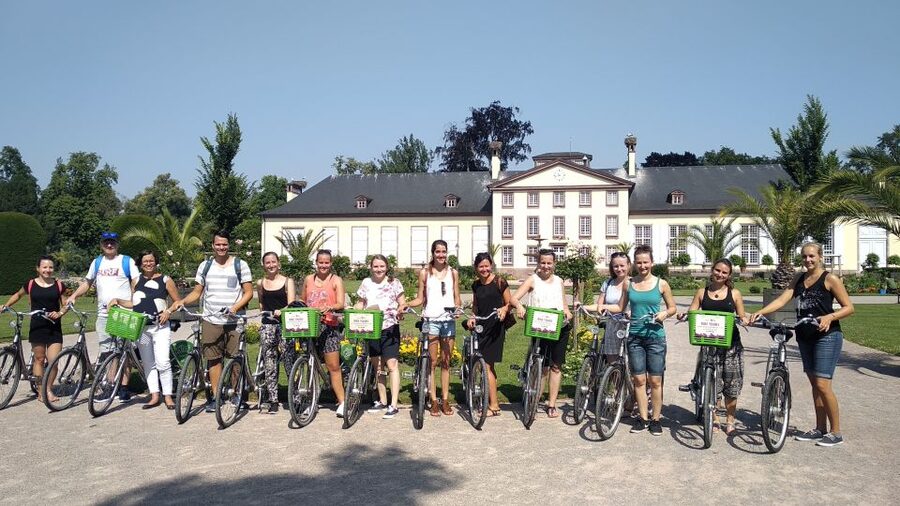
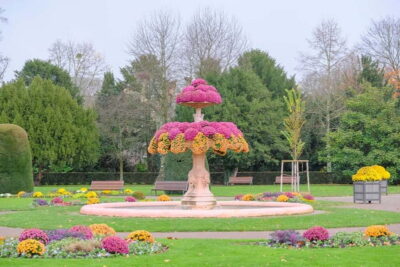
After the European district, you get a breath of fresh air at Parc de l’Orangerie. This park break is more than a scenic pause. It resets your attention and lets your brain rest before the final loop back through central areas.
On the way back, you cycle along a segment of the 14th-century wall. That detail is a quiet highlight because it ties the ride back to earlier centuries. You’re not only riding from attraction to attraction, you’re riding through layers of how Strasbourg protected itself and how the city expanded over time.
The return route also brings you past Place d’Austerlitz, so you end feeling like you’ve traced a loop with a narrative arc, old center, imperial grand district, European institutions, then back to the medieval reference points.
Bikes, pace, and how to stay comfortable in city traffic
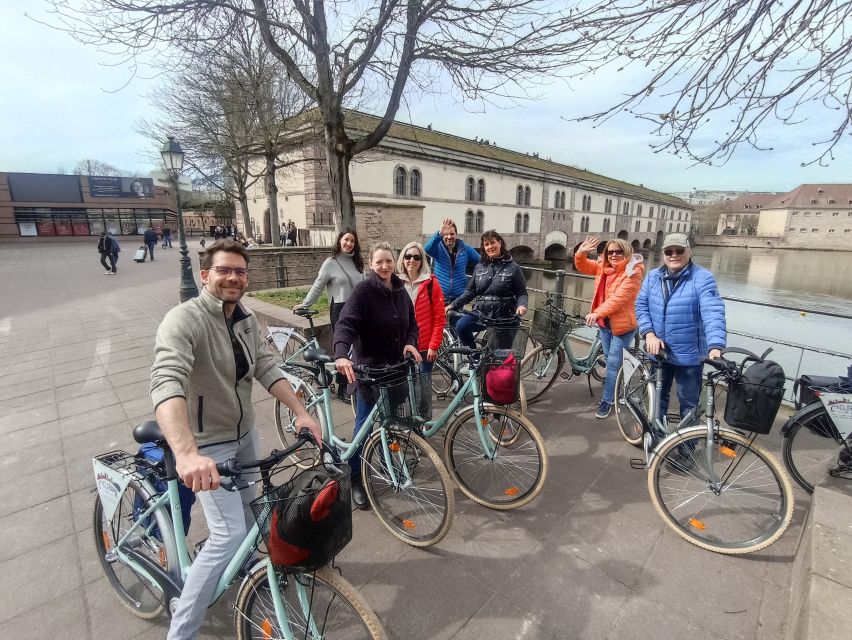
This is mostly an easy bike ride in a flat city, but it is still a city ride. The streets can involve weaving in and out of pedestrians, and you’ll want solid control and confidence around moving crowds. One past guest put it plainly: the route is mostly easy, but the pedestrian mix can feel daunting if you are not used to bike traffic patterns.
Good news: you get support. Helmets are available, and baskets can help carry a small bag. If you prefer having a place for your phone and camera, bring the right strap or small pouch so you do not spend the ride gripping everything.
Pace-wise, the guide builds in time for pictures and short explanations. The tour also tends to work well for different ages. One parent noted their teen enjoyed it, and another comment mentioned that the pace included stops so no one felt rushed.
What to bring:
- Comfortable shoes for short walk-ins and photo moments
- A light layer, even in mild weather
- A phone strap or small crossbody so you can keep one hand ready for balance
- If you’re studying languages, bring your curiosity. Past experiences show guides can slow down and simplify when needed
Price and value: what $46 buys in a short 2.5-hour window
At $46 per person for a 150-minute guided ride, you’re paying for three things you normally struggle to assemble on your own: navigation, interpretation, and time efficiency.
First, navigation. Strasbourg’s center is easy to enjoy, but it’s not always easy to connect neighborhoods in the right order without backtracking. This tour does the sequencing for you.
Second, interpretation. The value is not just that you visit famous places. It’s that you learn what connects them, like why Strasbourg’s old districts and modern European role sit together in one city story.
Third, time. If you have only a couple days, this ride is a practical way to get grounded. You’ll know where you want to return after the tour, and you’ll waste less time wandering without a plan.
Compared to many alternatives, bike tours are also a sweet spot for energy. You cover more distance than walking, but you still move slowly enough to absorb details.
Who should book this Strasbourg bike tour, and who might prefer a different plan
This is a great fit if you:
- Want a quick overview of Strasbourg’s main “must see” areas
- Like learning while you move, not only while standing still
- Plan to explore on your own afterward and want built-in orientation
- Want to see Petite France and the European Institutions in one go
You might want to think twice if you:
- Are not comfortable riding in busy pedestrian zones
- Strongly prefer medieval streets only and want minimal time in more modern, monumental districts
A good mental model: this tour is balanced between old Strasbourg charm and the modern Strasbourg relevance. If that mix matches your interests, it’s very likely your best-use-of-time activity.
Should you book this Strasbourg bike tour?
If you’re trying to make the most of a short stay, I’d book it. The route gives you major landmarks in a compact loop, and the guide element turns stops like Notre Dame de Strasbourg Cathedral and the European Institutions into something you can actually remember and explain.
My tipping point is simple: you get both viewpoints that matter here, Petite France’s riverfront character and the Neustadt plus European district scale. And you do it with a local guide who can support different language levels, including German practice.
If you’re a confident cyclist and want a guided structure that helps you explore the city smarter later, this is one of the best ways to start Strasbourg.
FAQ
How long is the bike tour?
The tour lasts 150 minutes, about 2.5 hours.
What language options are available?
The live tour guide is available in German, Dutch, and English.
Is a bicycle included?
Yes. The activity includes a bicycle.
Where does the tour start?
The meeting point may vary depending on the option you book. Starting locations listed are Café Lové (two options) and La Pépinière.
Where do you end the tour?
You have drop-off options at Café Lové (two options) and La Pépinière.
What is the cancellation policy?
Free cancellation is available up to 24 hours in advance for a full refund.
Can I reserve without paying right away?
Yes. You can reserve now and pay later, so you pay nothing today.
Everything Else Filed Under Strasbourg
- Strasbourg: Euro Guided Tour by Segway
★ 4.7 · 808 reviews - 2-Hour Strasbourg Euro Tour by Segway
★ 5.0 · 642 reviews - Strasbourg Food Tour – A Taste of Tradition by Do Eat Better
★ 5.0 · 614 reviews - Strasbourg: Walking Tour with a Local Guide
★ 4.3 · 607 reviews - Strasbourg: Walking Tour with Local Guide
★ 5.0 · 598 reviews
The Whole Strasbourg Shelf
- Strasbourg: Euro Guided Tour by Segway
★ 4.7 · 808 reviews - Colmar, Medieval Village & Castle Small Group from Strasbourg
★ 5.0 · 769 reviews - 2-Hour Strasbourg Euro Tour by Segway
★ 5.0 · 642 reviews - From Strasbourg: Best Of Alsace Historical Day Trip
★ 4.7 · 633 reviews - Strasbourg Food Tour – A Taste of Tradition by Do Eat Better
★ 5.0 · 614 reviews
Strasbourg, Keep Going
- Strasbourg: Euro Guided Tour by Segway
★ 4.7 · 808 reviews - Colmar, Medieval Village & Castle Small Group from Strasbourg
★ 5.0 · 769 reviews - 2-Hour Strasbourg Euro Tour by Segway
★ 5.0 · 642 reviews - From Strasbourg: Best Of Alsace Historical Day Trip
★ 4.7 · 633 reviews - Strasbourg Food Tour – A Taste of Tradition by Do Eat Better
★ 5.0 · 614 reviews
The rest of the Strasbourg write-ups
- Private Tour: From Strasbourg to Colmar, Eguisheim, Riquewhir★ 4.5 · 58 reviews
- Strasbourg Food Tour : Gourmet private Tour with tastings★ 4.7 · 58 reviews
- Capture the Magic of Strasbourg with an Exclusive Photoshoot★ 4.9 · 61 reviews
- Explore Strasbourg in 60 minutes with a Local★ 5.0 · 82 reviews
- Strasbourg : Private Custom Walking Tour With A Local guide★ 4.5 · 83 reviews
- Strasbourg: 90-Minute Sightseeing Tour by Pedicab★ 4.9 · 85 reviews
Strasbourg Tours, in full.
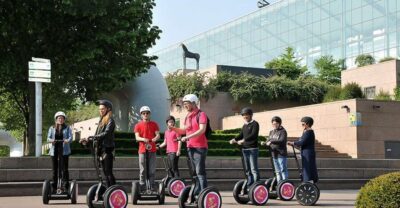 ★ 4.7Strasbourg: Euro Guided Tour by SegwayFrom $70808 reviews
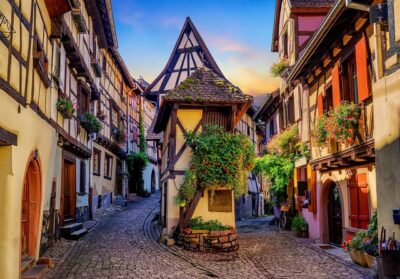 ★ 5.0Colmar, Medieval Village & Castle Small Group from StrasbourgFrom $241769 reviews
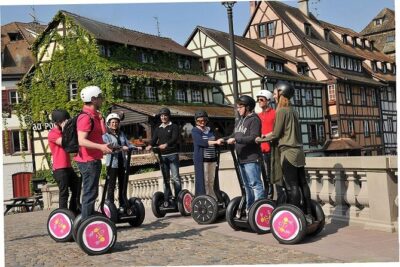 ★ 5.02-Hour Strasbourg Euro Tour by SegwayFrom $71642 reviews
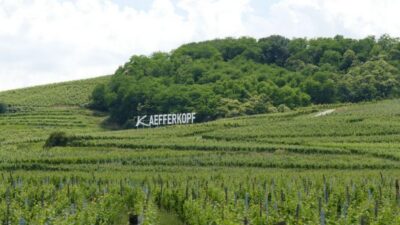 ★ 4.7From Strasbourg: Best Of Alsace Historical Day TripFrom $147633 reviews
 ★ 5.0Strasbourg Food Tour – A Taste of Tradition by Do Eat BetterFrom $95614 reviews
 ★ 4.3Strasbourg: Walking Tour with a Local GuideFrom $28607 reviews
 ★ 5.0Strasbourg: Walking Tour with Local GuideFrom $41598 reviews
 ★ 4.8Strasbourg: 1.5-Hour Guided Segway TourFrom $57383 reviews
Also on these France lists