
Reviewed · STRASBOURG TOURS
Strasbourg: Guided Historical Neighborhoods Walking Tour
Strasbourg history fits in two and a half hours. I like how the walk links the big public spaces to the city’s changing politics, and I really love seeing Petite France up close. The one catch: this tour is outdoors most of the time, so cold weather can make standing feel long.
I also like the small-group feel, limited to 10 people, and the fact that the guide often calls out practical spots to eat and drink afterward. Many groups have gone out with guides like Davide, and the style that comes through is animated, organized, and not preachy.
You end with the Cathedrale Notre Dame de Strasbourg area for photos and stories, but cathedral entry is not included. If you want to go inside, plan a separate ticket time.
In This Review
- Key highlights worth planning around
- Why this walking tour works in Strasbourg
- Starting at Place de la République, not at a random corner
- Neustadt and Place Broglie, the city’s more formal side
- Place Kléber: the square that anchors the visit
- Grand’Rue and the path toward Petite France
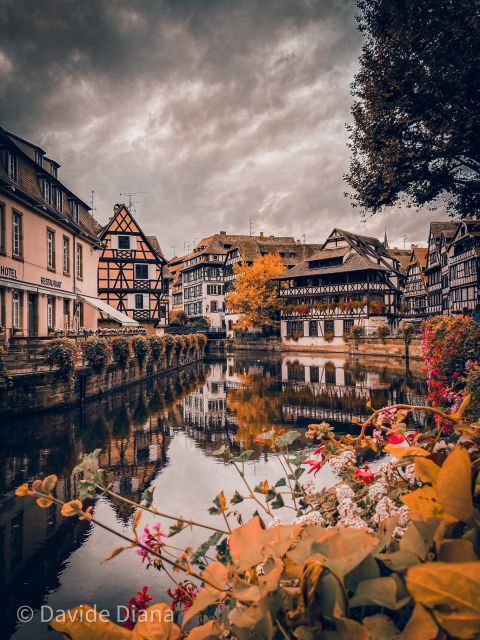
- Petite France: half-timbered streets you will actually remember
- Cathedrale Notre Dame de Strasbourg: exterior stories, not ticket time
- Guide style, pacing, and what the 150 minutes feel like
- Who this tour is for, and who should consider another option
- Value check: is $35 a smart deal for 150 minutes?
- Should you book this guided historical neighborhoods walk?
- FAQ
- Where does the tour start?
- How long is the walking tour?
- What languages is the guide available in?
- Is the cathedral entrance included?
- How big is the group?
- What should I bring for the tour?
- Are there any accessibility limitations?
- How much does it cost?
- What stops are included on the route?
Key highlights worth planning around
- Place de la République and Palais du Rhin context that turns “pretty buildings” into a real story
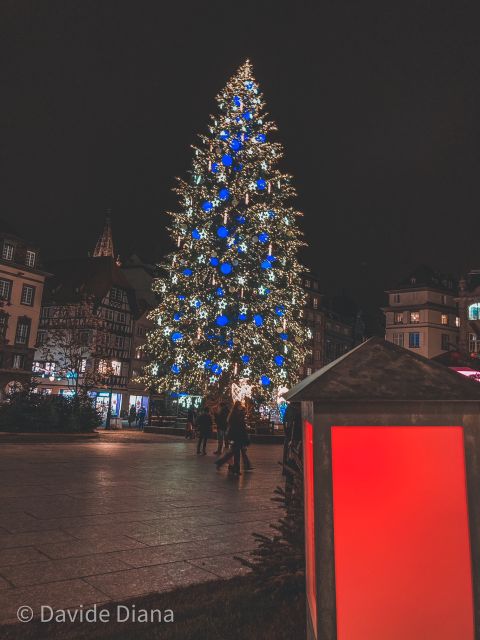
- Place Kléber plus the tradition around its Christmas tree and winter market vibes
- Petite France with photo stops for original half-timbered architecture
- Rayonnant Gothic looks and why the cathedral matters in Strasbourg’s identity
- A tight 10-person group that keeps questions from getting lost
- A helpful guide like Davide who mixes humor with clear historical connections
Why this walking tour works in Strasbourg
Strasbourg can feel like three cities at once: medieval old town, German-influenced Neustadt architecture, and modern borderland life. This tour gives you a quick map of all three without forcing you to jump between neighborhoods on your own. The route is designed for orientation, so after the walk, you know where the important places are and how they connect.
The tour is also priced in a way that makes sense for a first pass. At $35 for about 150 minutes, you are paying mainly for the guide’s storytelling and route planning, not for museum time. That is a good fit if you want context with minimal ticketing stress.
One more reason I like it: the guide’s tone is built for real listening. People often mention an energetic delivery and a funny edge, including Davide. That matters because Strasbourg’s history can get heavy fast, especially when you talk about wars and shifting borders. Humor does not make the past lighter, but it makes it easier to follow.
More of Strasbourg
Starting at Place de la République, not at a random corner
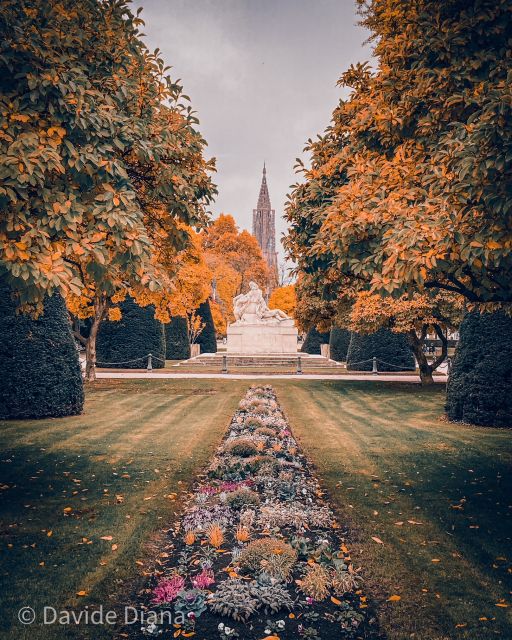
You meet in the center of Place de la République, right in front of the war memorial. That matters more than it sounds. If you arrive by tram or foot, it is easy to orient yourself, and you do not spend the first 10 minutes playing meet-up roulette.
From there, the tour immediately moves into the city’s story: you hear why Place de la République developed the way it did and how the nearby grand settings connect to Strasbourg’s identity. The pacing at the beginning is important because it sets the tone. You are not just collecting stop-by-stop photos, you are learning the “why” behind the scenery.
Tip for you: wear comfortable shoes and be ready for a steady walk right from the start. The tour is about motion plus explanation, so show up with legs that can handle it.
Neustadt and Place Broglie, the city’s more formal side
After the République start, you head toward Neustadt, Strasbourg and then Place Broglie. These are the parts of Strasbourg that shift your mindset from medieval lanes to more planned, monumental city design.
The guide uses these stops to connect history with architecture. You see how public squares functioned as stages for culture and power, and you start to notice details that you would normally miss while just passing through. Even if you are not a “square person,” Place Broglie is one of those locations that makes you slow down once you understand what you are looking at.
This section is short, but it is strategic. It keeps you from getting stuck too long before you reach the places most people come to photograph.
Place Kléber: the square that anchors the visit
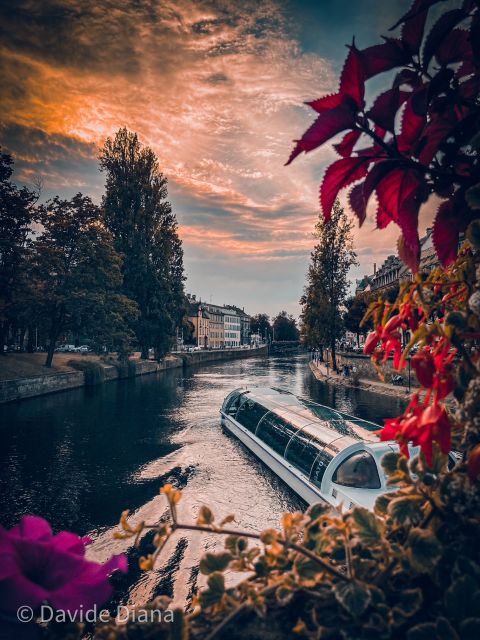
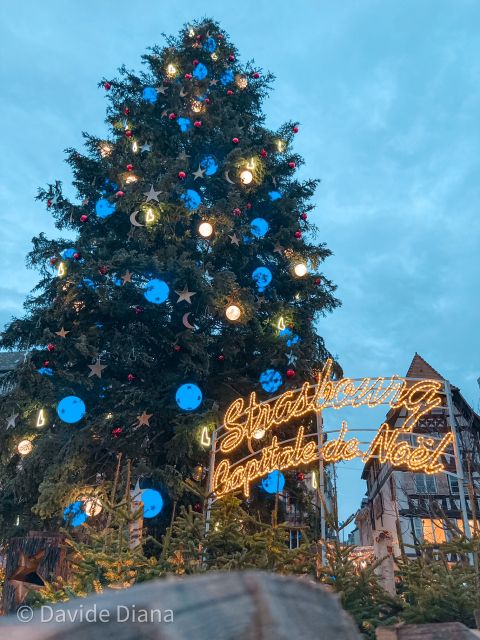
Next comes Place Kléber, which is arguably Strasbourg’s easiest square to love. It is central, scenic, and it sets up the city’s seasonal rhythm. The tour includes the background behind Place Kléber and, specifically, the tradition tied to the Christmas tree there. If your visit overlaps winter market season, that extra context helps you read the square as more than decoration.
This is also where the guide is likely to start feeding you practical ideas. A consistent theme in feedback is that guides like Davide point out good places to eat and drink, and other spots worth seeing after the walking tour. That is valuable because it turns the guided portion into a longer plan for the rest of your day.
Don’t rush your photos here. Take a minute to step back and look at how the buildings frame the square. You will get more from the stories if you are matching the words to the view in front of you.
Grand’Rue and the path toward Petite France
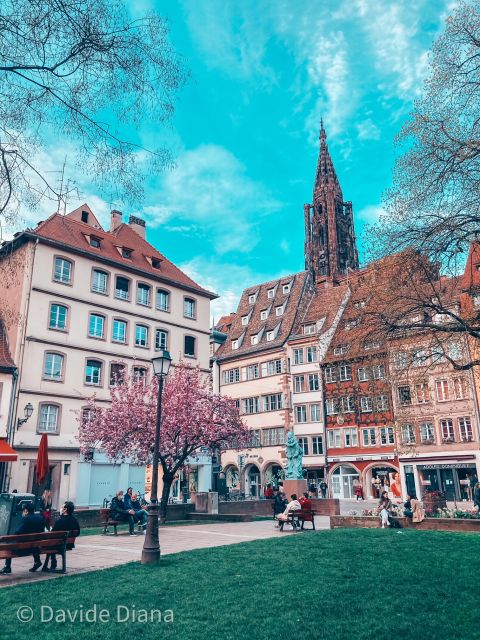
You then walk through Grand’Rue, which serves as a transition corridor. This stretch helps you move from grand squares into the more character-heavy quarters. It is the “in-between” that makes the bigger moments land better.
At this point, the tour starts to reward your attention. You learn what to look for, like the way older streets show survival and adaptation across centuries. If you tend to skim history facts, this part is still worth it because it slows you down just enough to notice architectural cues.
Petite France: half-timbered streets you will actually remember
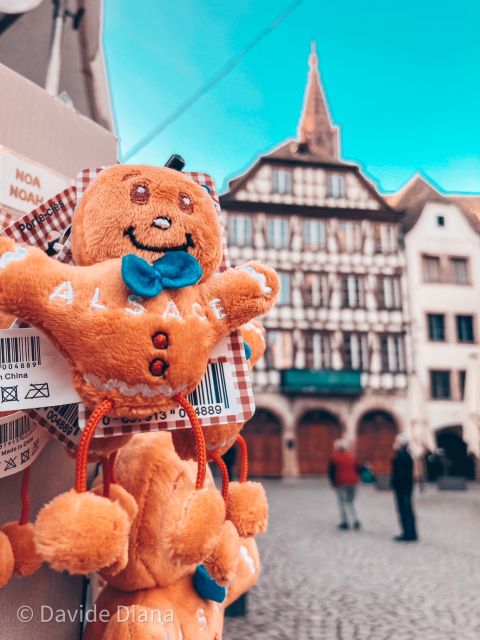
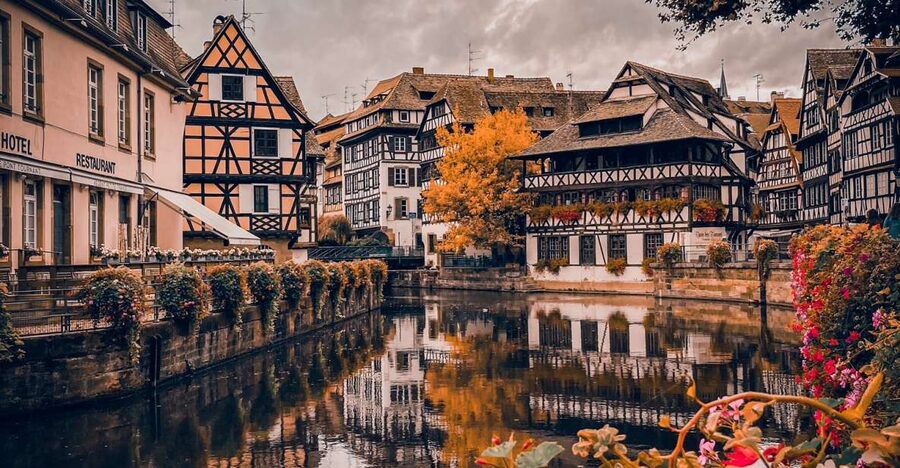
Petite France is the emotional highlight for many people, and it is easy to see why. The tour takes you into one of Strasbourg’s most famous neighborhoods, with a photo stop that centers on original half-timbered homes. That timber-and-plaster look can feel “storybook” from a distance, but up close it has texture, age, and quirks that you only spot when you are standing there with time to look.
You also get the story behind the area’s name and how the neighborhood has changed over the centuries. That matters because Petite France is often reduced to a postcard. The guide helps you understand it as a real neighborhood shaped by social and economic shifts, not just a pretty backdrop.
Practical advice: plan your photos, then do the walking. If you stop too often to shoot without moving, you will feel rushed when the group needs to keep pace. Keep your camera ready, but let the route carry you.
More Strasbourg tours that come with a guide
- Strasbourg: Walking Tour with a Local Guide
★ 4.3 · 607 reviews - Strasbourg: Walking Tour with Local Guide
★ 5.0 · 598 reviews - Strasbourg: Guided Bike Tour with a Local Guide
★ 4.8 · 573 reviews - Strasbourg: 1.5-Hour Guided Segway Tour
★ 4.8 · 383 reviews - Strasbourg: Guided Historical Neighborhoods Walking Tour
★ 4.9 · 275 reviews
Cathedrale Notre Dame de Strasbourg: exterior stories, not ticket time
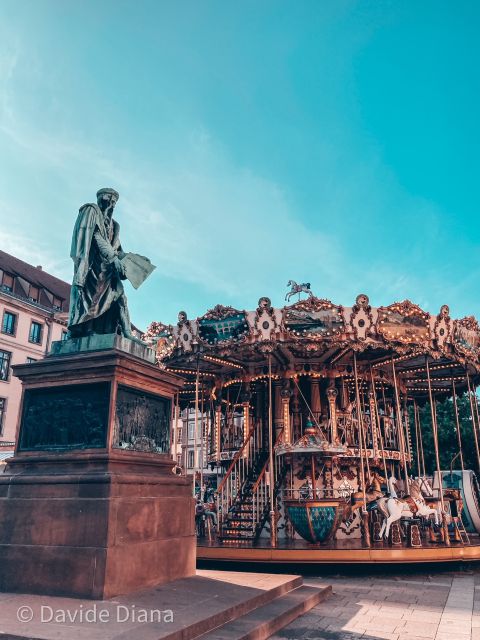
The tour concludes in the cathedral area around Cathedrale Notre Dame de Strasbourg, including photo time and guide stories. You should know upfront: access to the cathedral is not included. So think of this as a “see it and understand it” stop, not an inside-visit.
The highlight here is the Rayonnant Gothic architecture. The guide will point out ways the cathedral’s design communicates ambition and identity. Even without entering, you can still appreciate why Strasbourg treats this building as a symbol.
If you want the inside, you have two good options:
- Go right after the tour if you have time and tickets
- Save it for later when the crowds are lower and you can take your time
Timing note: plan for a finish around Place de la Cathédrale. That gives you a natural staging point for continuing your day in the area.
Guide style, pacing, and what the 150 minutes feel like
This tour is 150 minutes, and the structure is a mix of guided explanation and walking between stops. The small group size, limited to 10 participants, typically makes the experience feel easier to follow and more interactive. You can hear the guide clearly on most street corners, and you can ask questions without feeling like you are interrupting a giant bus crowd.
Pacing is generally smooth, but weather can change the feel. In cold months, some people have noted that a lot of outdoor standing can let the chill creep in. You can prevent that by dressing in layers and bringing something warm for your hands. If it is raining, waterproof outerwear helps because the tour still needs to keep moving.
Also, be ready for breaks in practice. Even though the basic inclusions are just the guide, feedback has mentioned short pauses like café time or bathroom stops. Don’t count on any specific one as guaranteed, but do not be surprised if your guide makes room for quick rest.
Language options are Italian and English, so choose based on your comfort level. Either language route should still get you the same storyline and the same key sights.
Who this tour is for, and who should consider another option
This is a great fit if you want:
- A first-orientation walk through Strasbourg’s most important squares
- A guided explanation of how architecture reflects power shifts and borderland realities
- Strong photo opportunities in Petite France and around the cathedral area
- A small-group, question-friendly format
It may not be the best match if you:
- Are looking for strictly museum or indoor time
- Prefer a totally flexible pace with lots of free time in each stop
- Fall into the group for whom this is not suitable, since the tour is listed as not suitable for pregnant women
If you love historic streets but also like clear structure, you will appreciate how the stops build step by step.
Value check: is $35 a smart deal for 150 minutes?
For $35 per person, you are paying for a guided route through major landmarks, including the storytelling that connects Place de la République, Place Kléber, Petite France, and the cathedral area. You are not paying for entrances, since entrance fees are not included.
That makes the value strong if you use the guide for what you actually need on a first visit:
- Understanding the city’s layout
- Learning why the squares and buildings matter
- Getting practical recommendations so your remaining hours feel less random
If you already know Strasbourg’s history inside out and only want photos, you could do it on your own. But most people who book this are looking for context fast. With a 10-person group and a guide like Davide who tends to bring facts plus humor, that is exactly what you get for the money.
Should you book this guided historical neighborhoods walk?
I recommend booking it if you are in Strasbourg for a short trip, or if you want a guided “spine” that ties the city together. It is a well-paced way to learn the logic behind the squares, get the names and stories that make the old town feel less confusing, and spend real time where the photos matter most, especially in Petite France.
I would skip it only if you are uncomfortable walking outdoors for stretches, you need mostly indoor sights, or you need a tour that includes cathedral entry. If any of those apply, adjust your plan.
If your goal is to leave Strasbourg with your bearings and a set of story-informed photos, this is a solid choice.
FAQ
Where does the tour start?
You meet in the center of Place de la République, in front of the war memorial.
How long is the walking tour?
It lasts about 150 minutes.
What languages is the guide available in?
The live guide offers Italian and English.
Is the cathedral entrance included?
No. The tour includes viewing and photo stops at the cathedral area, but entrance fees are not included.
How big is the group?
It is a small group, limited to 10 participants.
What should I bring for the tour?
Bring comfortable shoes and weather-appropriate clothing.
Are there any accessibility limitations?
The tour is wheelchair accessible, but it is listed as not suitable for pregnant women.
How much does it cost?
The price is listed as $35 per person.
What stops are included on the route?
The route includes Place de la République, Neustadt Strasbourg, Place Broglie, Place Kléber, Grand’Rue, Petite France, and the Notre Dame Cathedral area, finishing at Place de la Cathédrale.
Everything Else Filed Under Strasbourg
- Strasbourg: Euro Guided Tour by Segway
★ 4.7 · 808 reviews - 2-Hour Strasbourg Euro Tour by Segway
★ 5.0 · 642 reviews - Strasbourg Food Tour – A Taste of Tradition by Do Eat Better
★ 5.0 · 614 reviews - Strasbourg: Walking Tour with a Local Guide
★ 4.3 · 607 reviews - Strasbourg: Walking Tour with Local Guide
★ 5.0 · 598 reviews
The Whole Strasbourg Shelf
- Strasbourg: Euro Guided Tour by Segway
★ 4.7 · 808 reviews - Colmar, Medieval Village & Castle Small Group from Strasbourg
★ 5.0 · 769 reviews - 2-Hour Strasbourg Euro Tour by Segway
★ 5.0 · 642 reviews - From Strasbourg: Best Of Alsace Historical Day Trip
★ 4.7 · 633 reviews - Strasbourg Food Tour – A Taste of Tradition by Do Eat Better
★ 5.0 · 614 reviews
Strasbourg, Keep Going
- Strasbourg: Euro Guided Tour by Segway
★ 4.7 · 808 reviews - Colmar, Medieval Village & Castle Small Group from Strasbourg
★ 5.0 · 769 reviews - 2-Hour Strasbourg Euro Tour by Segway
★ 5.0 · 642 reviews - From Strasbourg: Best Of Alsace Historical Day Trip
★ 4.7 · 633 reviews - Strasbourg Food Tour – A Taste of Tradition by Do Eat Better
★ 5.0 · 614 reviews
The rest of the Strasbourg write-ups
- Strasbourg: Neustadt and Petite France in 1 Hour by Pedicab★ 4.8 · 27 reviews
- Wine tour, tasting and Alsatian meal – 100% immersive experience★ 4.5 · 31 reviews
- Alsace Private Tailored Tour in a Luxury Car★ 5.0 · 32 reviews
- Strasbourg Scavenger Hunt and City Highlights Walking Tour★ 4.5 · 33 reviews
- Local Craft Beer Tasting in Strasbourg★ 5.0 · 34 reviews
- Strasbourg : Hidden Gems and Untold Stories★ 5.0 · 35 reviews
Strasbourg Tours, in full.
 ★ 4.7Strasbourg: Euro Guided Tour by SegwayFrom $70808 reviews
 ★ 5.0Colmar, Medieval Village & Castle Small Group from StrasbourgFrom $241769 reviews
 ★ 5.02-Hour Strasbourg Euro Tour by SegwayFrom $71642 reviews
 ★ 4.7From Strasbourg: Best Of Alsace Historical Day TripFrom $147633 reviews
 ★ 5.0Strasbourg Food Tour – A Taste of Tradition by Do Eat BetterFrom $95614 reviews
 ★ 4.3Strasbourg: Walking Tour with a Local GuideFrom $28607 reviews
 ★ 5.0Strasbourg: Walking Tour with Local GuideFrom $41598 reviews
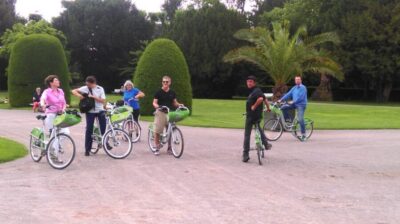 ★ 4.8Strasbourg: Guided Bike Tour with a Local GuideFrom $46573 reviews
Also on these France lists