
Reviewed · BURGUNDY WINE TOURS
Taste Wine in Lyon: Burgundy, Beaujolais, Rhône, and more
Lyon turns wine lessons into an easy evening. I love the small-group vibe (max 10) and the cheese-and-charcuterie pairing that keeps things relaxed, not stiff. In the middle of a restored 1800s silk loft, I get to sample five sustainable pours that link Beaujolais, Burgundy, and the Northern Rhône, guided in English by hosts such as Julia or Margaret Rose.
One possible drawback: the meeting spot is on a steep walk. Wear shoes you trust, and give yourself an extra few minutes to arrive calm, not sweaty.
In This Review
- Key things to know before you go
- Why Lyon is a smart place to learn French wine
- The restored silk loft, and how the tasting actually feels
- Your two-timing choice: 12pm or 4pm
- The tasting flow: Crémant first, then Burgundy, Beaujolais, Rhône
- A practical way to taste along
- The blind taste test, and the hidden value of learning to notice
- Cheese and charcuterie: why the pairing makes sense here
- How much information is it, and will it feel too much?
- Timing, logistics, and practical tips so you arrive ready
- Get to the meeting spot smoothly
- Group size and pacing
- Plan for the end of the tour
- What to bring
- Price and value: does $120.98 make sense?
- Who this tasting fits best
- Should you book this Lyon wine tasting?
- FAQ
- How long is the wine tasting in Lyon?
- What time are the tastings?
- How many wines do I taste, and what kinds?
- Is food included?
- Are dietary restrictions accommodated?
- How many people are in the group?
- Where does it start and end?
- Is there free cancellation?
Key things to know before you go
- A 1800s silk-loft setting with AC, comfortable seating, and a lived-in, almost living-room feel
- Five wines in one tasting, always starting with Crémant de Bourgogne, then moving through Lyon’s neighbor regions
- Local cheese and charcuterie included, with bread on the side to keep you going between pours
- Small group format, so you can actually ask questions and join the conversation
- A blind tasting element, plus guided tips for noticing differences fast
Why Lyon is a smart place to learn French wine
Lyon is not just for food. It is also one of the best places in France to get your head around wine regions without turning your day into a travel mission.
This tasting is built around Lyon’s position between Beaujolais, Burgundy, and the Northern Rhône. That matters, because you can hear how French wine “thinks” in terms of place. You also get a practical shortcut: you start linking grapes and styles to what is happening in the vineyard and the region, instead of memorizing labels like a school assignment.
The best part for me is that this experience is made for real people. You can be brand new to wine, or you can already have favorite bottles at home. Either way, the guide keeps you moving, not lost. Names I saw in the guide line-up from past tastings include Julia, Madeleine, Nicholas, Margaret Rose, and Ghjulia, all described as friendly and fully up for questions.
More of the Burgundy slope, reviewed
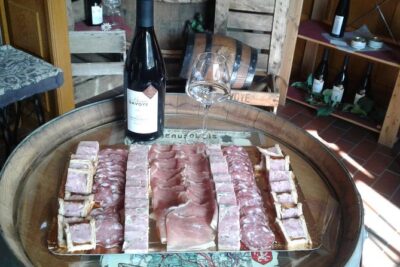
The restored silk loft, and how the tasting actually feels
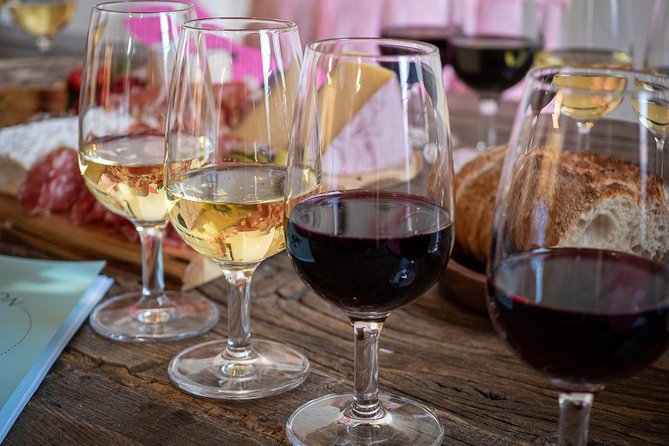
Your tasting happens at 12 Gd Rue de la Croix-Rousse, 69004 Lyon. You meet at the building, then go up the dark staircase to the second floor. One useful tip: look for a large ornate dark wooden door with a visible number that can look like 19. Past visitors said the 12 marking is faded, so it can be confusing at first. Then you knock on the door marked C. Connor and the host opens up.
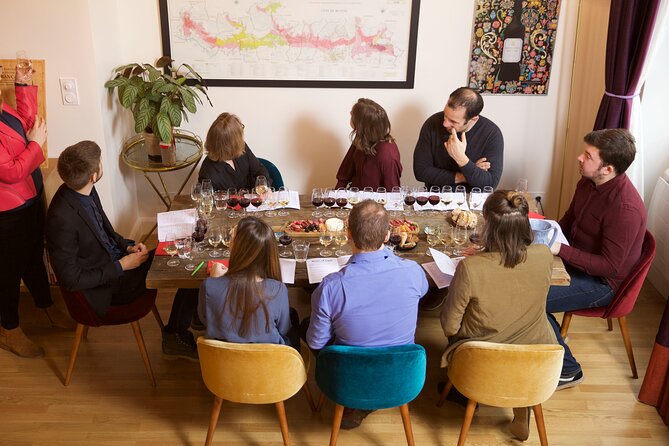
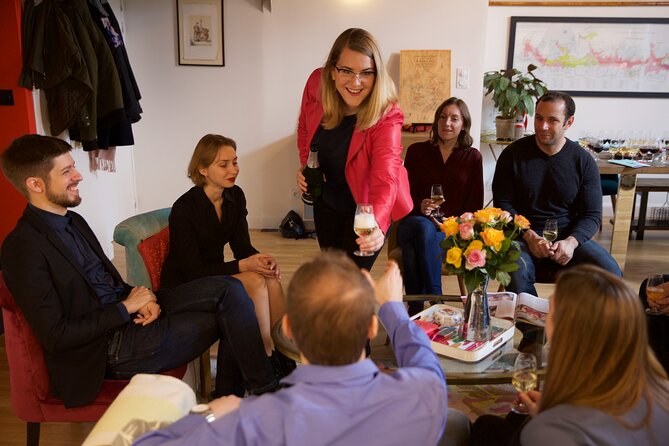
Inside, the space is part of the experience. This is a beautifully restored 1800s silk loft, and it includes AC, which is a big deal on hot days. The vibe is not a formal wine hall. Think comfortable seating and a couple of table setups. Some groups start around a coffee table for the early pours, then shift to a longer table for the full tasting spread.
Because the group maxes out at 10, you do not get stuck watching from the edges. You get pulled in. You can hear explanations, ask follow-ups, and actually compare what you are tasting to what the guide is pointing out.
Also, this is offered in English and uses mobile tickets. That means you can keep things simple and focus on the food and wine instead of fussing with paper.
Your two-timing choice: 12pm or 4pm
You choose between tastings at 12pm or 4pm. Duration is listed as about 2 hours, and some past guests felt it ran closer to 2.5 hours, depending on conversation and questions.
If you are coming at lunch time, you are not walking in hungry. The experience includes food, and the format is designed so you can show up and enjoy it without needing a full separate meal before.
My advice: pick the time that matches your day in Lyon. If you have plans in the afternoon, 12pm tends to be easier. If you want the tasting to act like your early evening event, 4pm can feel perfect. Either way, plan to stay in the neighborhood afterward, since you end back at the meeting point.
The tasting flow: Crémant first, then Burgundy, Beaujolais, Rhône
The tasting menu is built around five sustainable, locally sourced wines. Each one comes with a story and an explanation of terroir and character, not just a label read.
It always starts with Crémant de Bourgogne. That matters because it sets your palate up. Sparkling wine tends to wake up your senses and make the next steps easier to compare. From there, you move through the regional storyline: Beaujolais, Burgundy, and the Northern Rhône.
There is also a wildcard wine. That is a nice trick, because it keeps you from getting boxed into one “type” of wine. You get variety, plus a reminder that French wine regions do not follow neat boxes.
What you taste includes a mix of styles. Past guests referenced tasting both whites and reds across multiple appellations. In practice, that means you can learn how the same basic grape category might behave differently depending on where it is grown and how it is made.
A practical way to taste along
When the guide pauses between pours, do this. Smell once, taste once, then look at what changed. Was it fruit, acidity, weight, or dryness that shifted? If you can name one change per glass, you will retain more than if you just try to rank them.
The guide style also matters. Multiple past guests mentioned conversation and Q&A, plus a relaxed pace that fits both beginners and experienced sippers. That makes the tasting feel like learning how to think, not learning how to be impressed.
The blind taste test, and the hidden value of learning to notice
One of the most praised parts is the learning format, including a blind tasting moment. That is not there just for fun. It trains your brain to focus on what is in the glass rather than what you think you should taste.
So when the wine is presented without context for a moment, you end up learning the mechanics: how to pick up on aroma, how to notice acidity and tannins in reds, and how to describe what you are tasting in a way that actually helps you choose wine later.
If you are coming to France and want to shop better at wine stores, this is where the value shows up. You start building a vocabulary. More importantly, you build a method. You learn how to go from taste sensation to a likely regional style.
This also helps with confidence. Wine can feel intimidating on a menu. After a session like this, you have a checklist in your head: sweetness level, acidity, body, and the balance between fruit and structure.
Other Lyon tours, compared
- Lyon City Hop-on Hop-off Sightseeing Bus Tour
★ 4.0 · 1,614 reviews - Lyon: Musée de l’illusion Entrance Ticket
★ 3.9 · 1,023 reviews - Vieux Lyon Cultural & Historical Walking Guided Tour (English)
★ 5.0 · 942 reviews - Lyon: Private Walking Tour of “Traboules” in the Old Town
★ 5.0 · 866 reviews - Lyon: City Highlights Walking Tour
★ 4.9 · 847 reviews
Cheese and charcuterie: why the pairing makes sense here
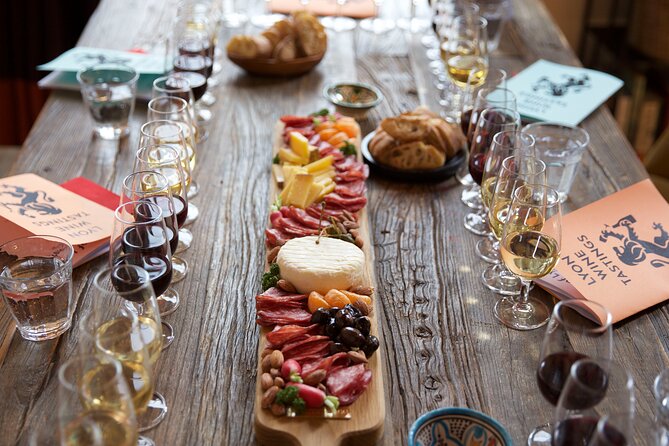
The food is not an afterthought. You get a cheese & charcuterie board with local cheeses and cold cuts, plus artisan bread. If you have dietary restrictions, reach out at least 24 hours in advance so they can plan accordingly.
Pairing in wine tastings can go two ways. Sometimes it turns into empty filler. Here, the logic is clearer because you are tasting across regions and styles. Cheese and charcuterie give you a neutral, salty, fatty baseline so the wines show their differences instead of disappearing.
A couple of helpful details from past tastings:
- People described the boards as generous and first class
- Some hosts adjusted the board for dietary needs, such as a goat-cheese version when requested
- The snack pacing kept everyone comfortable while learning
One practical tip: take small bites between glasses. Do not clear the table in one go. You want the food to support your palate, not drown it.
How much information is it, and will it feel too much?
This is the balancing act for wine tours: too little info feels like you just paid for drinks. Too much info turns it into a lecture.
The tone here seems to hit a sweet spot. Guests described the experience as educational without being overwhelming. You get plenty of guidance, but you still have time to talk with your group and ask questions.
Many reviews called out the instructor as the engine of the experience. Some even said the instructor covers most of the tasting, with the rest coming from group conversation. That is ideal for a small group. You are not stuck waiting for your turn, and you do not feel like you are competing to be heard.
Also, the setting helps. A loft apartment vibe, comfortable seating, and a table setup that allows eye contact make it easier to absorb explanations and relax at the same time.
Timing, logistics, and practical tips so you arrive ready
Here are the things I would plan for as you book:
Get to the meeting spot smoothly
The meeting point is 12 Gd Rue de la Croix-Rousse, 69004 Lyon. Past visitors noted the address is a bit of a puzzle door situation, so arrive with extra time. The walk is also steep, so plan for that.
If you want to be stress-free, do a quick recon the day before or give yourself a buffer on the tasting day.
Group size and pacing
With a maximum of 10 travelers, you should expect a guided pace that can respond to questions. If someone in your group is new to wine, the guide has room to slow down. If someone else is curious and asks deeper questions, there is room to go there too.
Plan for the end of the tour
The experience ends back at the meeting point. That is helpful because you do not need to coordinate transit right after you finish tasting and eating.
What to bring
You do not need special gear. But I do recommend thinking like a learner. Bring one pen or notes app so you can jot down any wine type you loved, especially if the guide gives recommendations for what to look for next.
Price and value: does $120.98 make sense?
At $120.98 per person, you are paying for more than just five drinks. You are paying for a guided learning experience, a curated set of wine regions, and food pairings in a small-group format.
Here is the value breakdown based on what is included:
- Five wines included, selected across key regional styles
- Crémant de Bourgogne first, then Beaujolais, Burgundy, Northern Rhône, plus a wildcard
- Cheese & charcuterie board with artisan bread
- English-speaking educator who helps you connect taste to region and technique
- Small group max 10, which keeps it interactive
For me, the best part is the knowledge transfer. A tasting like this helps you pick wines later in Lyon, or back home, without guessing. If you buy wine just because you liked a label last time, you lose money and you miss the point. If you learn how to identify the style you like, that is when the cost starts to feel worth it.
Who this tasting fits best
This is a strong choice if:
- You want French wine education in English and in a small group
- You prefer city-based tastings over hopping between multiple wineries
- You want both variety and structure, with a guide leading the comparisons
- You like food pairing as part of learning
It may not be the best fit if you want a long outdoor day, vineyard walking, or a full day schedule. This is about taste, talk, and understanding wines from Lyon’s neighboring regions in one focused session.
Should you book this Lyon wine tasting?
Yes, if you want a high-impact wine lesson without complicated logistics. Book it if your main goal is to understand how French wine regions connect to what you taste, and if you appreciate a small-group setting where you can ask questions.
I would skip it only if you already know you want a vineyard visit and nothing else. If you are happy learning in a restored 1800s silk loft, tasting five region-spanning wines, and leaving with a better ability to choose bottles confidently, this is a very solid use of your time in Lyon.
FAQ
How long is the wine tasting in Lyon?
It lasts about 2 hours.
What time are the tastings?
Tastings are at 12pm or 4pm.
How many wines do I taste, and what kinds?
You taste 5 sustainable wines. The tasting always starts with Crémant de Bourgogne, then you move through Beaujolais, Burgundy, and the Northern Rhône, plus a wildcard wine.
Is food included?
Yes. You get a cheese & charcuterie board with artisan bread alongside the tasting.
Are dietary restrictions accommodated?
Dietary restrictions can be supported if you reach out at least 24 hours in advance.
How many people are in the group?
The tasting has a maximum of 10 travelers.
Where does it start and end?
It starts at 12 Gd Rue de la Croix-Rousse, 69004 Lyon, France, and ends back at the meeting point.
Is there free cancellation?
Yes. You can cancel for a full refund up to 24 hours in advance of the experience start time.
The Whole Lyon Shelf
- Lyon City Hop-on Hop-off Sightseeing Bus Tour
★ 4.0 · 1,614 reviews - Lyon: Musée de l’illusion Entrance Ticket
★ 3.9 · 1,023 reviews - Vieux Lyon Cultural & Historical Walking Guided Tour (English)
★ 5.0 · 942 reviews - Lyon: Private Walking Tour of “Traboules” in the Old Town
★ 5.0 · 866 reviews - Lyon: City Highlights Walking Tour
★ 4.9 · 847 reviews
More of Lyon
- Lyon City Hop-on Hop-off Sightseeing Bus Tour
★ 4.0 · 1,614 reviews - Lyon: Musée de l’illusion Entrance Ticket
★ 3.9 · 1,023 reviews - Vieux Lyon Cultural & Historical Walking Guided Tour (English)
★ 5.0 · 942 reviews - Lyon: Private Walking Tour of “Traboules” in the Old Town
★ 5.0 · 866 reviews - Lyon: City Highlights Walking Tour
★ 4.9 · 847 reviews
Further Down the Burgundy Slope
- From Lyon: Golden Stones Beaujolais Wine Tasting Tour
★ 4.7 · 387 reviews - Golden stones Beaujolais Wine Tour with Tastings from Lyon
★ 4.5 · 158 reviews - Beaujolais wine tour from Lyon half day
★ 5.0 · 103 reviews - Beaujolais Segway Tour with Wine Tasting
★ 5.0 · 98 reviews - From Lyon: Beaujolais Wine Tour with Tastings
★ 4.6 · 93 reviews
The rest of the Lyon write-ups
- Segway Tour by ComhiC – Presqu’île – 1h★ 5.0 · 26 reviews
- Cotes du Rhone Wine Tour (9:00 am to 5:15 pm) – Small Group Tour from Lyon★ 5.0 · 26 reviews
- Lyon Ghost Hunt: Follow the Shadows Exploration Game★ 4.5 · 26 reviews
- Full-Day Beaujolais Wine Tour – Picnic Lunch Included★ 5.0 · 26 reviews
- Segway Tour by ComhiC – Tête d’Or Park – 2h★ 5.0 · 26 reviews
- Half-Day Guided Tour with Tasting of Beaujolais Wines★ 5.0 · 27 reviews
Burgundy Wine Tours, in full.
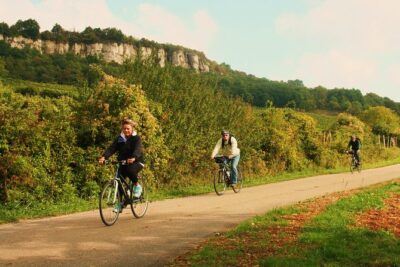 ★ 5.0Burgundy Bike Tour with Wine Tasting from BeauneFrom $253674 reviews
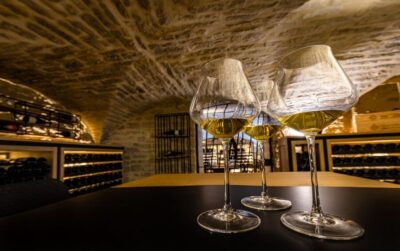 ★ 4.8Dijon: La Cave du Palais Burgundy Wine Tasting ExperienceFrom $64400 reviews
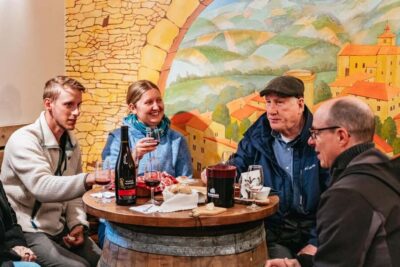 ★ 4.7From Lyon: Golden Stones Beaujolais Wine Tasting TourFrom $113387 reviews
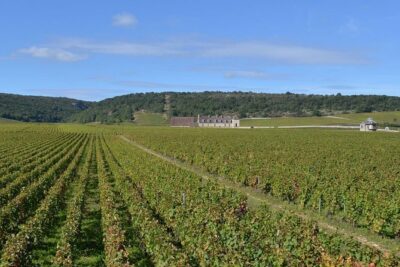 ★ 5.0Small-Group Full-Day Tour of Côte de Nuits, Côte de Beaune Vineyards and Beaune Historical DistrictFrom $161364 reviews
 ★ 4.4Beaune: Wine Tasting at Château de PommardFrom $34277 reviews
 ★ 4.8From Beaune: Burgundy Day Trip with 14 Wine TastingsFrom $294248 reviews
 ★ 5.0Burgundy Grand Crus Route Day Tour – 14 Wines Tastings in DomainsFrom $302223 reviews
 ★ 4.7Beaune: Maison Champy Guided Cellar Tour with Wine TastingFrom $29213 reviews
Also on these France lists