
Reviewed · BORDEAUX WINE TOURS
Traditional Gourmet Food & Wine Tour in Bordeaux
Bordeaux tastes like a plan, not a checklist. This 3.5-hour traditional food and wine tour threads old landmarks with serious bites, from cannelés to honey and chocolates, then winds up in a wine cellar. You will get a guided walk through the center of town, plus tastings tied to what you see as you go.
I like that the tour is built for small-group attention. With a maximum of 8 people, the guide can ask what you like, adjust what you sample, and steer you toward shops you can actually visit again later. I also love the mix of flavors, bread and pastries early on, then cheese, charcuterie, chocolates, and Bordeaux wine to cap it off.
One thing to consider is timing and weather. This is a walking tour with multiple stops, so if you hate time on your feet, you may find it a bit full for 3 hours 30 minutes. Also, it requires good weather, so expect an alternate date or refund if conditions are poor.
In This Review
- Quick hits before you book
- A 3.5-Hour Food Plan That Actually Makes Sense
- What You’ll Taste (And Why It’s More Than Snacks)
- Place Pey-Berland to Saint-André Cathedral: Cannelés With a View
- Hotel de Ville and Old Walls: The City as Your Background Flavor
- Porte Dijeaux and the Jewish District Debate
- Galerie des Grands Hommes: Market Streets Turned High-End Blocks
- Place de la Comédie: Chocolate by the Grand Théâtre
- The Calm Break and the Wine Cellar Finish in Chartrons
- Price and Value: What You’re Really Paying For
- Best Fit: Who This Tour Works For
- Practical Tips Before You Walk
- Should You Book This Bordeaux Food and Wine Tour?
- FAQ
- How long is the Bordeaux traditional gourmet food and wine tour?
- Where does the tour start and end?
- Is the tour offered in English?
- What tastings are included?
- How many people are in the group?
- Is free cancellation available?
Quick hits before you book
- Alexandra runs it with a personal, food-first approach, including asking about your tastes
- Cannelés stop in the heart of Bordeaux, plus honey and chocolates at later landmarks
- A proper mix of take-home foods you can buy along Rue des Remparts style stops
- Finish in Chartrons at the start of Rue Notre Dame, in a cozy wine cellar
- Small group (max 8) makes it easier to keep the pace friendly
A 3.5-Hour Food Plan That Actually Makes Sense
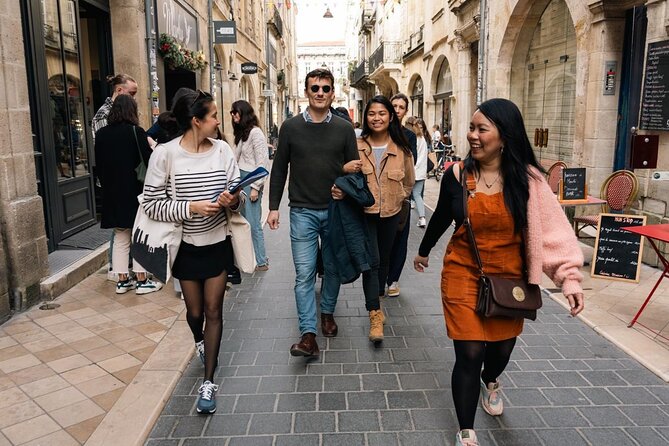
Bordeaux can feel like two trips at once: pretty streets and great food. This tour solves that by turning the walk itself into your itinerary. You move from squares and churches to gates and shopping streets, with tastings timed so your stomach stays happy and your head stays engaged.
The format is also efficient. You do not spend half the time “finding the next spot.” You start in Place Pey-Berland, then you keep dropping into nearby classic sights and food stores. By the time you hit Place de la Comédie and the chocolate stop, you already understand how the city’s layout and architecture tie to its food culture.
The value is strongest if you are the type of visitor who wants guidance. Yes, you could wander on your own and sample treats, but you would probably miss the logic, the best order, and the best places to buy for later. Here, the guide gives you a path, plus the taste education to make your own future choices.
More Bordeaux estates and tastings
What You’ll Taste (And Why It’s More Than Snacks)
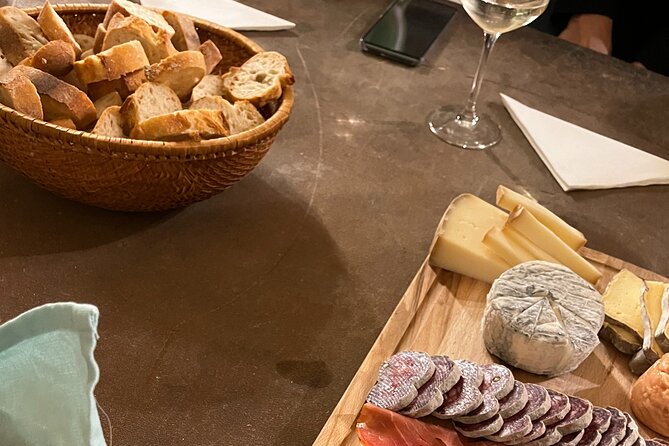
This tour is “gourmet” in the practical way, not the vague way. The tastings are built around a few core Bordeaux favorites that show up again and again in local shops. You will start with freshly baked bread and a famous regional pastry, then you will work through cannelés, honey, chocolates, and eventually cheese and charcuterie.
Here is what stands out about the menu style. It does not just throw sweets at you, then wine. It uses texture and flavor variety so you can recognize what makes the regional food identity feel consistent. Bread and pastry set the stage. Cannelés bring a caramelized crust with that signature soft center. Honey gives you something floral and clean. Then chocolates finish the arc before you settle into wine.
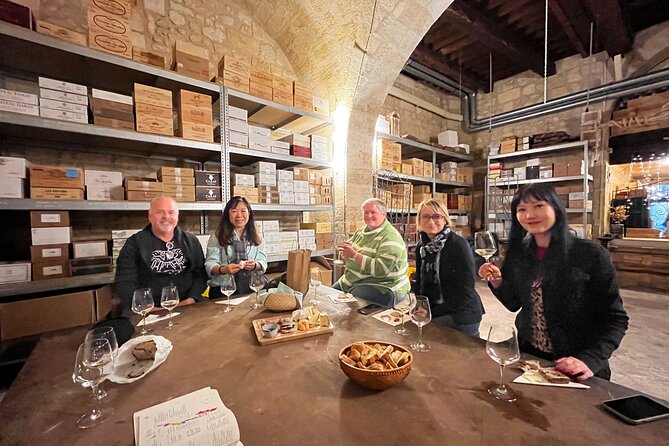
And the wine part matters because it lands at the end, in a proper cellar setting. You are not drinking while sprinting across town. You taste after you have built context, so the wine feels like part of the Bordeaux story, not a random add-on.
Also, I like that the guide can adapt. In at least one case, Alexandra made sure there were gluten-free options available for a guest. If you have dietary needs, it is worth saying something early so the guide can plan around it.
Place Pey-Berland to Saint-André Cathedral: Cannelés With a View
The tour begins at Place Pey-Berland, right in the center of Bordeaux. This is the kind of square where architecture and everyday life overlap, and Alexandra uses that energy to set the tone. She talks about the Pey Berland Tower and the role of the square as a landmark in town life.
Then you get the first serious edible payoff: you try the best cannelés in town, close to the cathedral area. Cannelés are Bordeaux’s calling card, and tasting them early is a smart move. It gives you a reference point for the rest of the tour, so later sweets feel like an evolution instead of a restart.
From there, the walk continues to Saint-André Cathedral. The cathedral is not just pretty, it links Bordeaux to wider history, including significance along the Camino de Santiago pilgrimage route. You also hear about the medieval-era wedding connections tied to the cathedral and surrounding area.
A short stop here, but it works. You are not getting a long lecture. You are getting the story behind the setting, then moving on while your energy level is still high.
Hotel de Ville and Old Walls: The City as Your Background Flavor
Next up is the Hotel de Ville de Bordeaux area. The building was constructed between 1771 and 1784 and originally served as the Archbishop’s Palace of Bordeaux. Now it works as the city’s administrative hub and a stage for official ceremonies.
This portion is brief, but it adds a key layer. Bordeaux is often discussed through wine, but the city itself has long been a power center. Seeing where governance and major buildings sit helps you understand why so many food shops thrive in tight, walkable districts.
Then you shift to Rue des Remparts. This street tells its own story through its name and shape. It is tied to the medieval past, when defensive walls once bordered the area. As you walk, you get a change of pace from grand buildings to small, practical storefront life.
And this is where the “food shopping” feel enters the tour. You stop by multiple establishments for bread and pastries, you do a honey tasting, and you pick up items like charcuterie. This is not a stop where you just stand and nibble. You learn what to buy and you can think ahead toward your own lunch plan.
Porte Dijeaux and the Jewish District Debate
You then pass Porte Dijeaux, one of Bordeaux’s iconic arched gates. What makes this stop interesting is the range of historical stories attached to it. Some accounts trace it back to ancient times, including a Roman-era temple connected with Jupiter. Others say it marked a barrier between the historic city and the Jewish district.
That mix of claims is a real part of how European old cities work. You rarely get one single clean origin story. You get layers, interpretations, and local memory.
For you, that means the stop is more than a photo break. Alexandra ties the gate to how Bordeaux evolved over time, which helps you see the city as a living archive. You walk through, you learn a bit, then you keep moving.
And because the group stays small, you do not feel rushed. You can ask a question without losing the flow of the walk.
Galerie des Grands Hommes: Market Streets Turned High-End Blocks
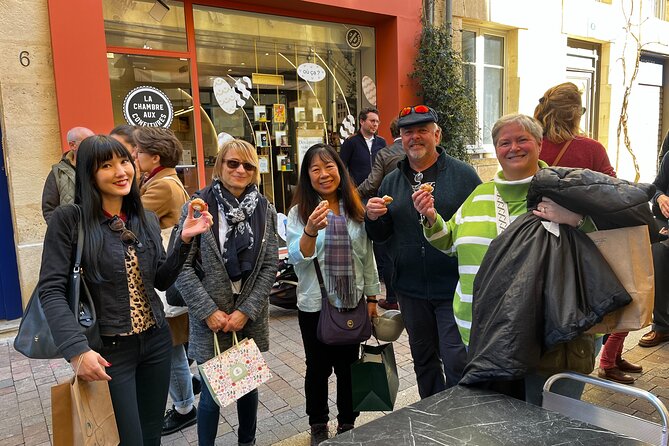
After the gate, the tour heads into the Galerie des Grands Hommes area in Bordeaux’s golden triangle. This is where you see refined architecture, higher-end shops, and cultural venues. It also helps explain why the area feels like a food destination, even if you are not in a market hall.
What Alexandra shares about the past adds the context. During the 18th century, this area functioned as a busy old market. Over time, as Bordeaux changed, the market transformed into the more elegant district you see now.
This matters because it teaches you how to read cities like Bordeaux. The “fancy” parts did not always exist. They grew out of the practical need to trade, sell, and gather. And food commerce, especially in wine regions, tends to follow that pattern.
You get time here to look around before the tour moves toward the bigger square and the final sweet tastings.
More Bordeaux bistro tables and cellar visits
- Saint Emilion Half-Day Trip with Wine Tasting & Winery Visit from Bordeaux
★ 4.5 · 1,034 reviews - From Bordeaux: Half-Day Saint-Émilion Tour and Wine Tasting
★ 4.6 · 657 reviews - Bordeaux Wine and Trade Museum Admission Ticket with Wine Tasting
★ 4.5 · 599 reviews - Bordeaux: Vineyards Wine Tasting Half-Day Trip
★ 4.2 · 470 reviews - From Bordeaux: Saint-Émilion Half-Day Tour with Wine Tasting
★ 4.9 · 389 reviews
Place de la Comédie: Chocolate by the Grand Théâtre
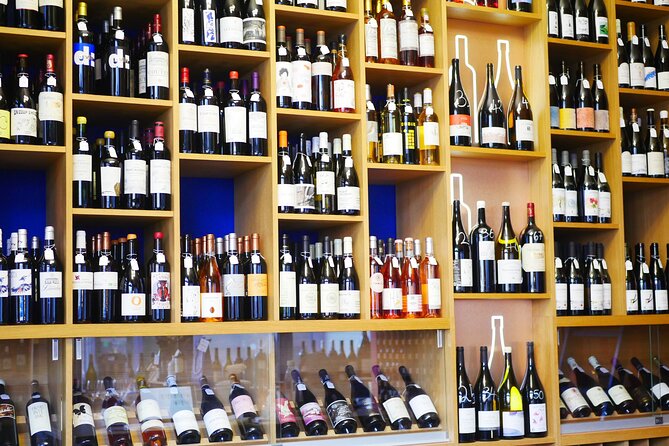
Place de la Comédie is the big, cinematic square in Bordeaux. It feels like the city’s stage, with the Grand Théâtre and the Grand Hôtel de Bordeaux facing each other. The avenue lines stretching out from the square give you those classic views that make Bordeaux look organized and grand.
Alexandra keeps the stop practical. She points out nearby sights including the Monument aux Girondins at Place des Quinconces. You also get a sense of why this area has long attracted both visitors and high-end dining.
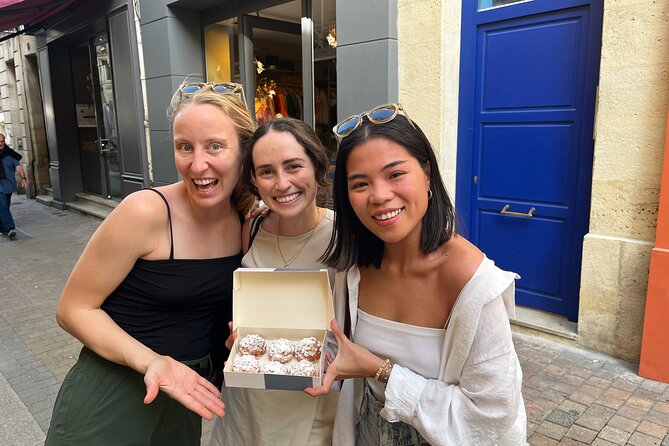
Then comes the chocolate component near the opera area. You will try different varieties of chocolates from one of the oldest chocolate institutions in Bordeaux. One review notes a chocolate stop at Dune Blanches, so if that is part of the route on your date, consider it a bonus stop for fans of chocolate craft.
Chocolate last, before wine, is a smart pacing choice. It satisfies your sweet tooth while the tour still has energy, and it also prepares your palate for wine pairing later in the afternoon.
The Calm Break and the Wine Cellar Finish in Chartrons
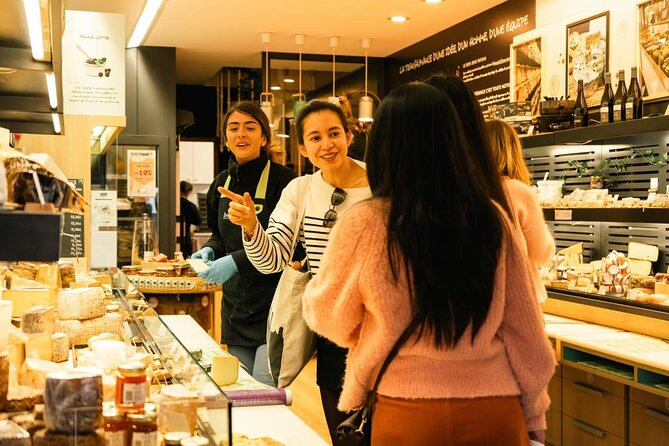
Somewhere near the end of the walk, you get a pause in a large public garden area described as 11 hectares and known as the lungs of Bordeaux. This is the moment that balances the rest of the tour. You get a bit of calm, plus space to reset before the final tastings.
The exact stop order can feel like a story arc: history and gates, then sweets and shopping streets, then a breath of green. If you like gardens in cities, this part is a welcome contrast.
Finally, the tour ends at 3 Rue Notre Dame, in the Chartrons district. You finish in a cozy wine cellar at the beginning of Rue Notre Dame. This is where the wine tasting happens, with regional wines as part of the included experience.
For me, the best part of the ending is the setting. Cellars make tasting feel grounded. You are not standing in a busy street or in a cramped shop queue. You get a more relaxed close while still staying connected to the local focus of the day.
Price and Value: What You’re Really Paying For
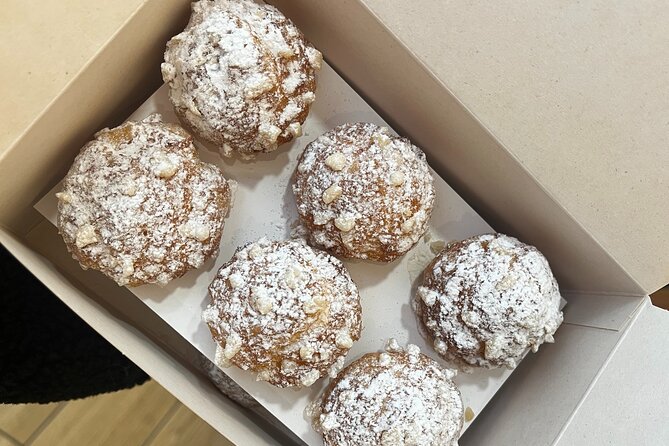
At $123.09 per person, this is not a cheap “walk and sample” add-on. But the cost makes sense when you compare what is included and how the pacing is designed.
You get a long-ish, 3.5-hour guided walk in a small group, plus multiple tastings that include bread, cannelés, honey, chocolates, cheese, charcuterie, and Bordeaux wine. That is a lot of separate items if you tried to buy them yourself in different shops across the city.
The other value is guidance. Alexandra helps you shop, not just taste. Reviews mention she asks for input about likes and dislikes and helps shape what you might want for lunch based on your preferences. That kind of personalization often saves money later because you avoid buying random items that do not match your taste.
Is it worth it? If you want one guided day that gives you a strong base for what to eat next in Bordeaux, yes. If you already know exactly where you want to go and you hate guided groups, you might prefer to build your own route.
Best Fit: Who This Tour Works For
This tour fits best if you like food plus city context. You will spend time at landmarks like Saint-André Cathedral and Place de la Comédie, but the emphasis stays on eating and understanding why those places matter.
It also works well for first-time visitors. Bordeaux’s center can look simple on a map, but choosing the right shops for local specialties takes effort. A guide helps you avoid the trial-and-error stage.
I also think it is a strong choice for couples and small groups. Reviews highlight that even when the tour had only two people, it still felt personalized, not like a rigid script.
If you are a picky eater, the good news is that Alexandra takes preferences seriously, including looking for gluten-free accommodations when needed. Still, you should tell her what you cannot eat ahead of time so she can plan.
Practical Tips Before You Walk
Wear comfortable shoes. This is a walking tour and you will be moving through squares and streets, including several landmark areas. Plan for a few tastings back to back, so do not schedule a heavy dinner immediately afterward.
Bring a water bottle if you tend to get thirsty, especially in warmer months. Tastings are not described as filling meals, so hydration keeps the day enjoyable.
Decide in advance how you want to handle shopping. The route includes food stops where you can buy items like bread, charcuterie, and other treats. If you want souvenirs that actually taste like Bordeaux, this is a good day for that.
And if you have dietary needs, speak up. The tour has a track record of working with at least one gluten-free request, which suggests the guide takes care to make adjustments.
Should You Book This Bordeaux Food and Wine Tour?
Book it if you want the simplest way to eat like a local while still seeing Bordeaux’s central sights. The combination of cannelés, honey, chocolates, cheese, charcuterie, and Bordeaux wine, plus landmark context, makes it feel like one coherent day, not separate activities.
Skip it if you dislike walking, or if you only want one or two tastings and prefer total freedom. In that case, you could spend less and wander at your own pace.
With a 5-star rating and 100% of reviewers recommending it, this is the kind of tour that hits its target audience well: food lovers who want guided structure and a real local feel. If that sounds like you, I would grab a spot, especially since this type of experience can sell out and is commonly booked about 70 days in advance.
FAQ
How long is the Bordeaux traditional gourmet food and wine tour?
It lasts about 3 hours 30 minutes.
Where does the tour start and end?
You start at Place Pey Berland, and the tour ends at 3 Rue Notre Dame in the Chartrons district, in a wine cellar at the beginning of Rue Notre Dame.
Is the tour offered in English?
Yes, it is offered in English.
What tastings are included?
The tour includes freshly baked breads, regional wines, cannelés, gourmet chocolates, honey tastings, local cheese and charcuterie, and local pastries.
How many people are in the group?
The tour has a maximum of 8 travelers.
Is free cancellation available?
Yes. You can cancel for a full refund up to 24 hours before the experience starts.
Everything Else Filed Under Bordeaux
- Saint Emilion Day Trip with Sightseeing Tour & Wine Tastings from Bordeaux
★ 5.0 · 1,120 reviews - From Bordeaux: St. Emilion Village Half-Day Wine Tour
★ 4.7 · 728 reviews - From Bordeaux: St-Emilion Day Tour with Tastings and Lunch
★ 4.9 · 714 reviews - Bordeaux: Historic Center & Chartrons District Bike Tour
★ 4.8 · 709 reviews - Saint-Emilion Electric Bike Day Tour with Wine Tastings & Lunch
★ 5.0 · 696 reviews
The Whole Bordeaux Shelf
- Bordeaux: Cité du Vin Entry Ticket and Wine Tasting
★ 4.6 · 3,885 reviews - Bordeaux: River Garonne Cruise with Glass of Wine and Canelé
★ 4.5 · 3,630 reviews - From Bordeaux: Afternoon Saint-Emilion Wine Tasting & snack
★ 4.8 · 1,581 reviews - Medoc or Saint Emilion Wine Tasting and Chateau from Bordeaux
★ 5.0 · 1,415 reviews - Saint Emilion Day Trip with Sightseeing Tour & Wine Tastings from Bordeaux
★ 5.0 · 1,120 reviews
More Bordeaux Estates
- Bordeaux: Cité du Vin Entry Ticket and Wine Tasting
★ 4.6 · 3,885 reviews - Bordeaux: River Garonne Cruise with Glass of Wine and Canelé
★ 4.5 · 3,630 reviews - From Bordeaux: Afternoon Saint-Emilion Wine Tasting & snack
★ 4.8 · 1,581 reviews - Medoc or Saint Emilion Wine Tasting and Chateau from Bordeaux
★ 5.0 · 1,415 reviews - Saint Emilion Day Trip with Sightseeing Tour & Wine Tastings from Bordeaux
★ 5.0 · 1,120 reviews
The rest of the Bordeaux write-ups
- Bordeaux: Saint-Emilion Village Day Trip, 2 Chateaux & Lunch★ 4.8 · 57 reviews
- The Ultimate Bordeaux Food Tour: Full Meal & Fine Wines★ 4.8 · 61 reviews
- Bordeaux Food and Wine Tour : Authentic Artisanal Flavors★ 5.0 · 62 reviews
- No Diet Club : Bordeaux Food Tour in Bordeaux center !★ 4.9 · 62 reviews
- Bordeaux: Private Tour in a Citroën 2CV★ 4.7 · 64 reviews
- Bordeaux: St-Emilion and Medoc Wine Day Tour with Lunch★ 4.8 · 64 reviews
Bordeaux Wine Tours, in full.
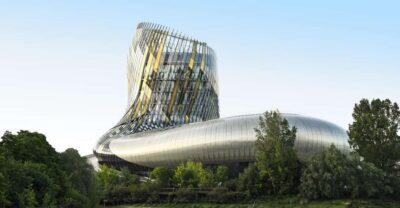 ★ 4.6Bordeaux: Cité du Vin Entry Ticket and Wine TastingFrom $273,885 reviews
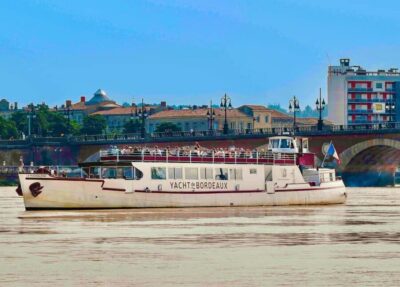 ★ 4.5Bordeaux: River Garonne Cruise with Glass of Wine and CaneléFrom $223,630 reviews
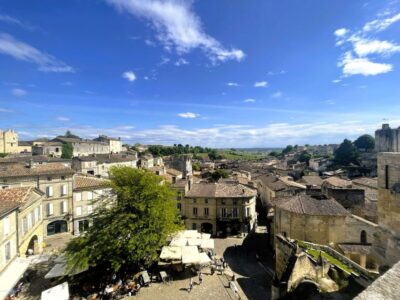 ★ 4.8From Bordeaux: Afternoon Saint-Emilion Wine Tasting & snackFrom $1121,581 reviews
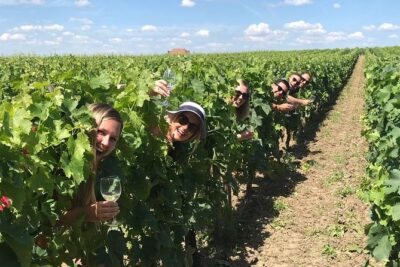 ★ 5.0Medoc or Saint Emilion Wine Tasting and Chateau from BordeauxFrom $1141,415 reviews
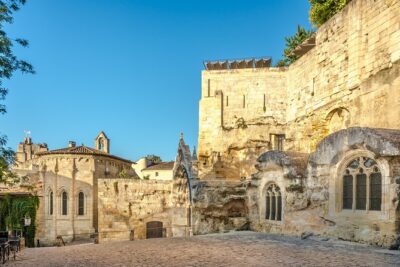 ★ 5.0Saint Emilion Day Trip with Sightseeing Tour & Wine Tastings from BordeauxFrom $2501,120 reviews
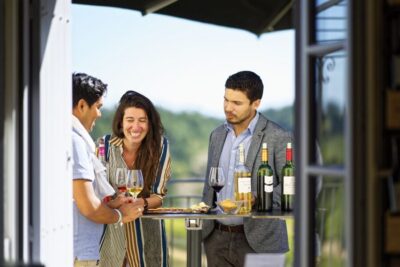 ★ 4.6Saint-Émilion: Grand Cru Classé Winery Visit and TastingFrom $231,118 reviews
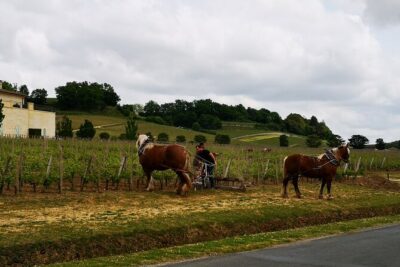 ★ 4.5Saint Emilion Half-Day Trip with Wine Tasting & Winery Visit from BordeauxFrom $1331,034 reviews
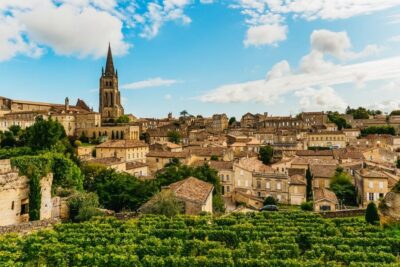 ★ 4.7From Bordeaux: St. Emilion Village Half-Day Wine TourFrom $129728 reviews
Also on these France lists