
Reviewed · BORDEAUX WINE TOURS
Bordeaux Historic and Gourmet Food Walking Tour
Place des Quinconces is a great starting line. This tour pairs Bordeaux architecture with French food culture at a relaxed pace, so you can learn and snack without feeling rushed. I like that the guide ties what you eat to how Bordeaux grew, especially through its wine story.
Two things I especially like: first, the tastings feel built for real wandering, not a sprint between shops. You get three distinct food stops plus wine by glass, and they’re chosen for how Bordeaux cooks and shops actually work. Second, the tour includes landmark time, including the cathedral highlight and a stop connected to Camille Julian, the famous Bordeaux archaeologist.
One possible drawback: it is not a heavy, all-you-can-eat plan. If you’re arriving starving and expecting a big feast, you may feel you need more food after the walk. It also has a stronger history-and-culture thread than some people expect from a “gourmet” label.
In This Review
- Key highlights to know before you go
- A Bordeaux food walk that treats landmarks as part of the menu
- How the 3-hour timing works (and why the pace matters)
- The tasting stops, from cannelé to South West plates
- Cannelé and the sweet start
- Chocolate, not just a sales pitch
- Cheese and dry ham in the South West style
- The historic sights, including a Bordeaux archaeologist and the cathedral moment
- Alcohol, wine glass, and how to pace your palate
- Small group size, guide style, and what that means for your experience
- Price and value in Bordeaux terms
- Who should book this tour, and who might prefer something else
- Should you book Bordeaux Historic and Gourmet Food Walking Tour?
- FAQ
- Where does the Bordeaux tour meet?
- How long is the walking tour?
- Is the tour offered in English?
- What is the maximum group size?
- What food and drink are included?
- What if the tour is canceled due to too few participants?
Key highlights to know before you go
- Girondins column start, right at the Place des Quinconces hub, easy to find
- Leisurely pacing that still covers key old-city sights
- Three tasting stops, including cannelé and South West specialties like cheese and dry ham
- Wine linked to Bordeaux history, explained as you walk
- Small group size with a maximum of 8 travelers, which helps questions stay friendly
- English mobile ticket, near public transport for an easy meetup
A Bordeaux food walk that treats landmarks as part of the menu
If you like the idea of eating your way through a city, Bordeaux is a smart choice. This tour starts where Bordeaux’s big geography meets its big history, at the Girondins column on Place des Quinconces, and then drifts through the center at a gentle pace. You’re not just following someone from one storefront to the next. You’re also learning how the city’s architecture and wine economy shaped what people eat and buy.
I like that the guide frames tastings as more than samples. The tour connects Bordeaux’s culinary culture to the region’s wine industry and to the city’s broader past, including a stop tied to Camille Julian, who is remembered as a major Bordeaux archaeologist. That historical thread makes your snacks feel earned, not random.
And because the group stays small, the vibe is more like a guided stroll with smart food stops than a cattle-line tour. In the past, guides such as Theo, Quentin, Deborah, Crystal, and Remi have led outings, and the through-line is the same: they keep the pace calm and answer questions without acting like your French vocabulary is a test.
More Bordeaux estates and tastings
How the 3-hour timing works (and why the pace matters)
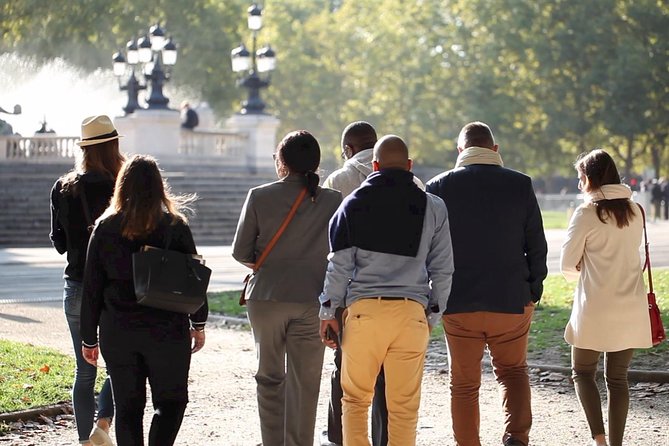
This is about 3 hours on foot, with a moderate physical fitness level. The key word in practice is leisurely. You’ll have time to look up at facades and take in squares, not just glance while walking past.
That matters for two reasons. First, Bordeaux rewards slow attention. The city center is full of details, and rushing the route can turn the whole thing into “check marks” instead of memories. Second, food tasting works best when you’re not out of breath. You want to taste, not gulp.
Still, plan for weather. Rain is common enough in Bordeaux that you should dress like you expect it, not like you hope it. One guest described pouring rain but still having a great time, which is a good hint that the route and stop lengths are designed to keep going even when the sky disagrees.
The tasting stops, from cannelé to South West plates
The tour is built around three snack stops (plus a wine glass) rather than long sit-down meals. That approach is efficient and fun, especially if you want to keep the rest of your day open. It also helps the walk feel balanced: you snack, then walk, then snack again, and so on.
Here’s what you can expect from the food side based on how the tour has been run in the field:
Cannelé and the sweet start
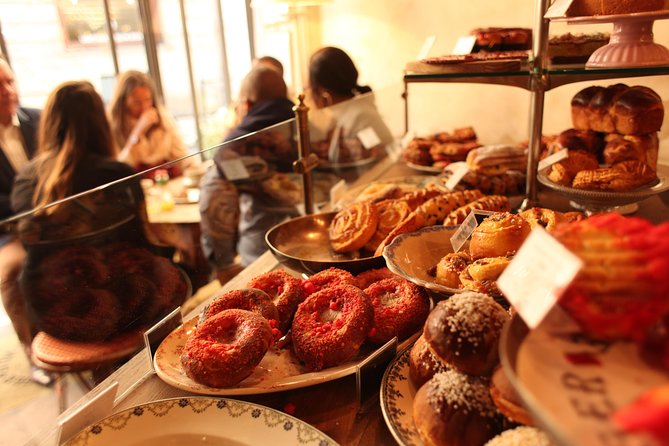
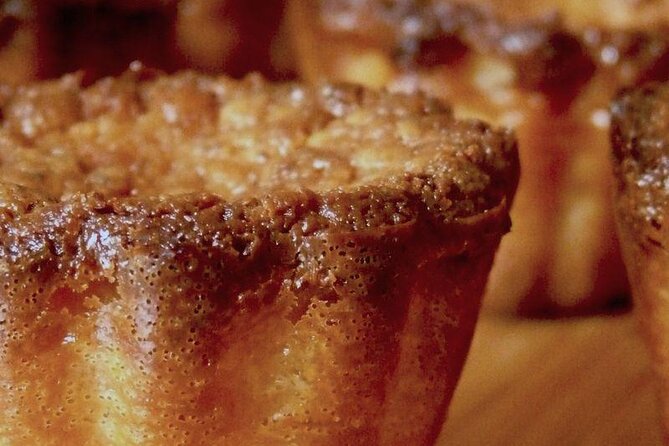
One clear stop is cannelé, Bordeaux’s signature little custard cake with a dark, caramelized shell. It’s the kind of food that tastes simple until you notice the texture and the contrast between crisp exterior and tender inside. Starting with something like this also gives you a baseline sweetness early, which makes later cheese and savory bites easier to appreciate.
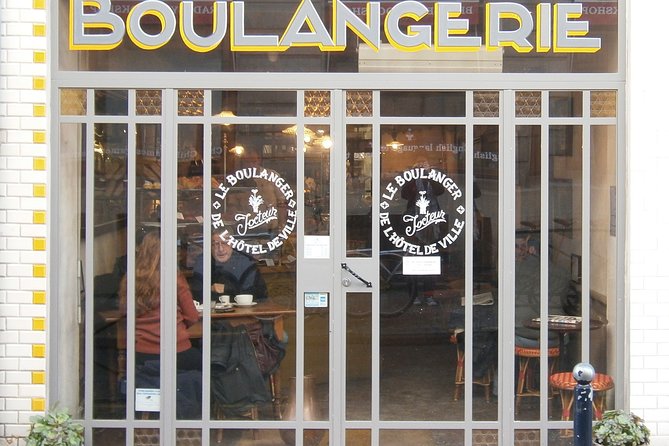
In several outings, the start has also included a pastry and coffee style break around the first food stop. Even if your exact first tasting differs, the idea is the same: begin with a Bordeaux classic and let your taste buds wake up before you move into savory territory.
Chocolate, not just a sales pitch
Many groups go to a chocolate maker stop that goes beyond grabbing a bar. You can expect to learn how chocolate is made and to taste multiple options. One of the most loved parts of the walk has been that the chocolate visit often feels like an activity, not a quick glance at display shelves.
If you’re the kind of person who likes seeing process, not just product, this is where the tour tends to win people over. It’s also a good reminder that Bordeaux has craft food in addition to wine culture.
Cheese and dry ham in the South West style
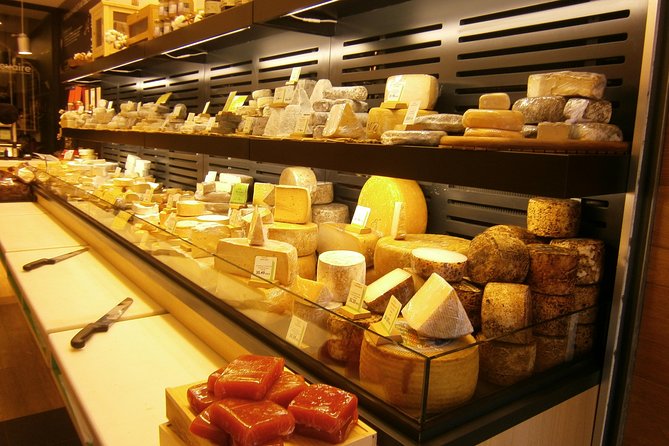
The later tasting stop is focused on cheeses and dry ham from the South West of France. This is where the tour’s regional identity shows. Bordeaux sits inside a broader culinary zone, and the guide’s job is to help you understand those overlaps, not just recite Bordeaux trademarks.
Guests have highlighted the variety and quality, with multiple cheeses presented for tasting and a chance to choose favorites in some formats. Dry ham also fits naturally here, because savory salty flavors make a satisfying bridge from chocolate or sweet pastry to something richer in your stomach.
One practical tip: if you’re planning to buy something at the end, keep an eye on what you like during tasting, not just what looks impressive. Many guests find they want to purchase after sampling, especially chocolate.
More Bordeaux walks on the list
- Private – Best of Bordeaux Walking Tour + Glass of Bordeaux Wine
★ 5.0 · 240 reviews - Professional – Bordeaux Wine and Cheese Tasting with a walking tour
★ 5.0 · 218 reviews - 2-Hour Walking Tour of the City’s Iconic Sights and History
★ 4.0 · 207 reviews - Bordeaux City – Private Guided Walking Tour with Local Sophia
★ 5.0 · 164 reviews - Welcome to Bordeaux: Private Walking Tour with a Local
★ 4.4 · 116 reviews
The historic sights, including a Bordeaux archaeologist and the cathedral moment
The non-food portion is not an afterthought. You’ll make time for the city’s structure, which is part of the tour’s value: it explains why these culinary traditions make sense in this place.
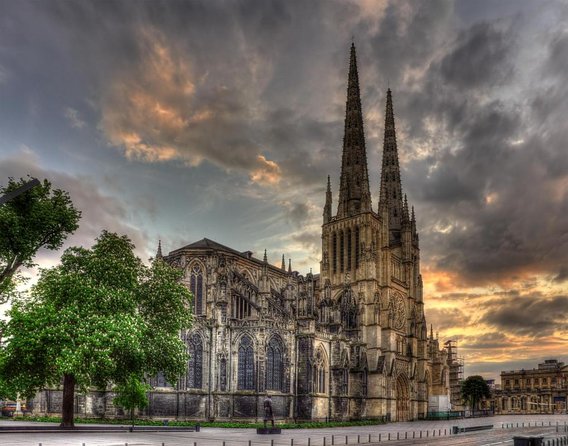
The route includes “historic place” stops and culminates with a major cathedral highlight, described as the most beautiful cathedral of Bordeaux. Even without getting too formal about the architecture, you should expect a chance to take photos and get the story behind the building, not just the building’s silhouette.
You also get a stop tied to Camille Julian, described as a famous archeologist of Bordeaux. That kind of detail might sound niche, but it helps connect Bordeaux to time depth, not just a single era of tourism.
And since the guide ties in the wine industry and Bordeaux’s history, you’ll start to see how vineyards and trade shaped neighborhoods, wealth, and the kinds of foods that earned reputations. You’ll walk away with more than what you ate. You’ll understand why someone would build a city the way Bordeaux was built.
Alcohol, wine glass, and how to pace your palate
The tour includes alcoholic beverages with a wine glass. That’s a classic touch for a wine city, and it’s also a good built-in pacing tool. You’ll probably taste wine once during the walk, then keep the rest of your tasting mindful.
A small note for your comfort: if you’re sensitive to alcohol, you can still enjoy the tastings by taking small sips. The food is still the main event, and the guide should help you focus on what matters in the glass and on the plate.
Also, if you plan to have a long meal after, remember the tour is designed as a snack experience. Even with wine and cheese, you may still want a proper dinner later, especially if you skipped breakfast.
Small group size, guide style, and what that means for your experience
With a maximum group size of 8, the tour stays conversational. This matters because food is personal. One person wants more sweetness, another wants more savory, and the best guides tailor their explanations based on what people ask.
The feedback pattern has been consistent around guide quality and personality. Names like Quentin, Deborah, Crystal, Theo, and Remi show up in different outings, and the shared strengths include friendly pacing and a knack for mixing city facts with food talk. English is offered, and multiple guests have said the guides handled questions well.
The biggest practical benefit of a small group is flexibility. If something catches your eye in a square or you want to ask about a neighborhood detail, a larger bus-style group can feel too loud and rushed. Here, the structure is walking plus stops, which gives the guide room to slow down.
Price and value in Bordeaux terms
At $103.78 per person for about 3 hours, the price is not “cheap,” but it can feel fair if you value guided context plus multiple tastings. The tour includes:
- a professional guide
- tastings and snacks at three different stops
- an alcoholic drink (wine glass)
What you’re paying for is two things: time and access. Food tastings take money and coordination, and a guide who can explain how Bordeaux food ties to the city’s growth is part of the package.
Here’s the balanced way to judge value. If you expect a full meal heavy tour, some people have felt disappointed because the food quantity is snack-sized. If you want a structured introduction to Bordeaux tastes while seeing the key historic beats, the value is easier to justify.
Who should book this tour, and who might prefer something else
This tour is a great match if you:
- want Bordeaux landmarks plus food in one outing
- like learning as you walk, not sitting in one place
- enjoy classic regional foods like cannelé, cheese, and dry ham
- prefer small groups and guides who talk with you, not at you
It may be less ideal if you:
- show up starving with no breakfast and need a large meal to feel satisfied
- want only “food-first” stops with long on-site dining (this is more guided walk plus tastings)
- strongly prefer only French-sourced items, because the South West style can include regional connections that may surprise some people
If you’re planning your day around dinner plans later, this is a smart morning or early afternoon activity.
Should you book Bordeaux Historic and Gourmet Food Walking Tour?
I’d book it if you want a calm, well-paced introduction to Bordeaux where the history actually explains the food. The mix of a signature stop like cannelé, the big regional flavors of cheese and dry ham, and the inclusion of wine makes it feel like a true Bordeaux experience, not just a snack hunt.
I’d think twice if your top priority is maximum food quantity and a restaurant-style meal. The plan is built around tastings, and you may still crave a bigger bite after. If that’s you, plan a light breakfast, bring a snack for later, or be ready to order a real dinner after the walk.
Finally, if you dress for weather and keep a flexible attitude, this tour tends to deliver. Bordeaux is beautiful, and this is one of the better ways to connect the look of the city to the flavors of the region.
FAQ
Where does the Bordeaux tour meet?
It meets at 2792 Pl. des Quinconces, 33000 Bordeaux, France. The tour ends back at the same meeting point.
How long is the walking tour?
It runs for approximately 3 hours.
Is the tour offered in English?
Yes, the tour is offered in English.
What is the maximum group size?
The group size is capped at 8 travelers.
What food and drink are included?
The tour includes a professional guide, tastings, and snacks at three different stops. It also includes alcoholic beverages with a wine glass.
What if the tour is canceled due to too few participants?
The tour may be canceled if there is only 1 participant. If that happens, you will be contacted and you will receive a full refund. You may also be offered a different date or experience.
Everything Else Filed Under Bordeaux
- Saint Emilion Day Trip with Sightseeing Tour & Wine Tastings from Bordeaux
★ 5.0 · 1,120 reviews - From Bordeaux: St. Emilion Village Half-Day Wine Tour
★ 4.7 · 728 reviews - From Bordeaux: St-Emilion Day Tour with Tastings and Lunch
★ 4.9 · 714 reviews - Bordeaux: Historic Center & Chartrons District Bike Tour
★ 4.8 · 709 reviews - Saint-Emilion Electric Bike Day Tour with Wine Tastings & Lunch
★ 5.0 · 696 reviews
The Whole Bordeaux Shelf
- Bordeaux: Cité du Vin Entry Ticket and Wine Tasting
★ 4.6 · 3,885 reviews - Bordeaux: River Garonne Cruise with Glass of Wine and Canelé
★ 4.5 · 3,630 reviews - From Bordeaux: Afternoon Saint-Emilion Wine Tasting & snack
★ 4.8 · 1,581 reviews - Medoc or Saint Emilion Wine Tasting and Chateau from Bordeaux
★ 5.0 · 1,415 reviews - Saint Emilion Day Trip with Sightseeing Tour & Wine Tastings from Bordeaux
★ 5.0 · 1,120 reviews
More Bordeaux Estates
- Bordeaux: Cité du Vin Entry Ticket and Wine Tasting
★ 4.6 · 3,885 reviews - Bordeaux: River Garonne Cruise with Glass of Wine and Canelé
★ 4.5 · 3,630 reviews - From Bordeaux: Afternoon Saint-Emilion Wine Tasting & snack
★ 4.8 · 1,581 reviews - Medoc or Saint Emilion Wine Tasting and Chateau from Bordeaux
★ 5.0 · 1,415 reviews - Saint Emilion Day Trip with Sightseeing Tour & Wine Tastings from Bordeaux
★ 5.0 · 1,120 reviews
The rest of the Bordeaux write-ups
- Bordeaux Historic and Gourmet Food Walking Tour★ 4.5 · 82 reviews
- Exclusive! Bordeaux: Nighttime Highlights Walking Tour★ 4.9 · 85 reviews
- Arcachon Bay Full Day Trip from Bordeaux with lunch and Pyla Dune★ 4.5 · 95 reviews
- Bordeaux Walking Tour with a Local Private Guide★ 5.0 · 97 reviews
- Bordeaux Wines Masterclass paired with cheeses & charcuterie★ 5.0 · 110 reviews
- Bordeaux: Garonne River Yacht Cruise with Brunch★ 4.5 · 112 reviews
Bordeaux Wine Tours, in full.
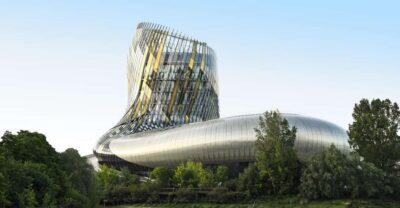 ★ 4.6Bordeaux: Cité du Vin Entry Ticket and Wine TastingFrom $273,885 reviews
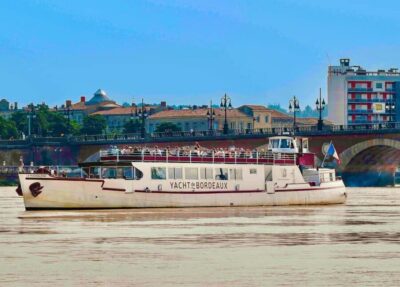 ★ 4.5Bordeaux: River Garonne Cruise with Glass of Wine and CaneléFrom $223,630 reviews
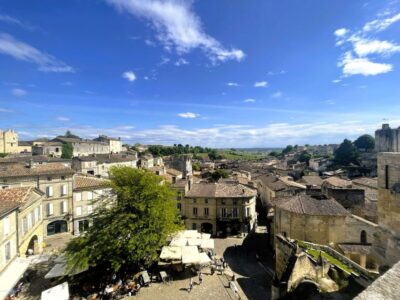 ★ 4.8From Bordeaux: Afternoon Saint-Emilion Wine Tasting & snackFrom $1121,581 reviews
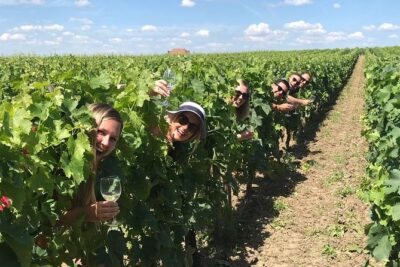 ★ 5.0Medoc or Saint Emilion Wine Tasting and Chateau from BordeauxFrom $1141,415 reviews
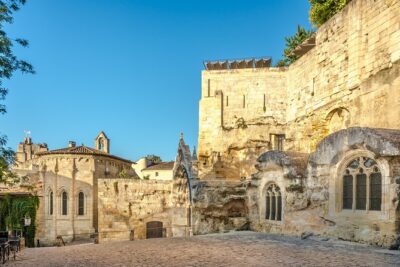 ★ 5.0Saint Emilion Day Trip with Sightseeing Tour & Wine Tastings from BordeauxFrom $2501,120 reviews
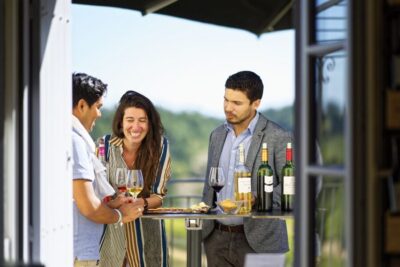 ★ 4.6Saint-Émilion: Grand Cru Classé Winery Visit and TastingFrom $231,118 reviews
 ★ 4.5Saint Emilion Half-Day Trip with Wine Tasting & Winery Visit from BordeauxFrom $1331,034 reviews
 ★ 4.7From Bordeaux: St. Emilion Village Half-Day Wine TourFrom $129728 reviews
Also on these France lists