
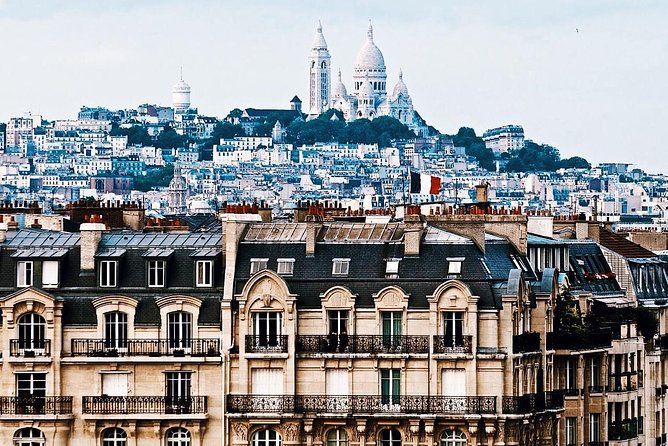
Reviewed · MONTMARTRE & SACRE-COEUR TOURS
Impressionist Paris: d’Orsay & Montmartre Exclusive Guided Tour
Paris is better when art comes with directions. This tour links Musée d’Orsay and Montmartre into one guided art story, so you see paintings and the streets behind them. You also get a private guide, which matters when you want real explanations instead of just standing quietly near a label.
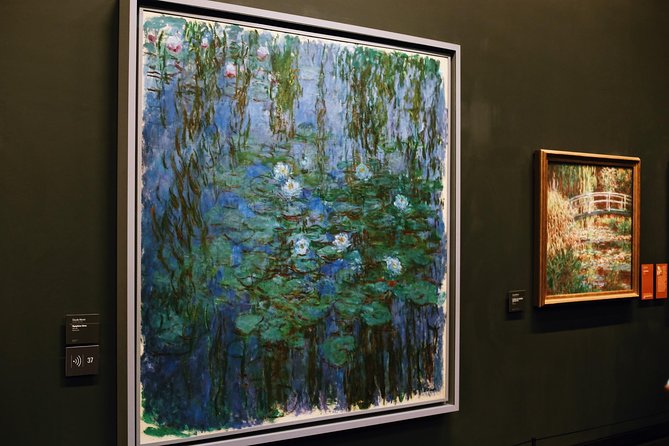
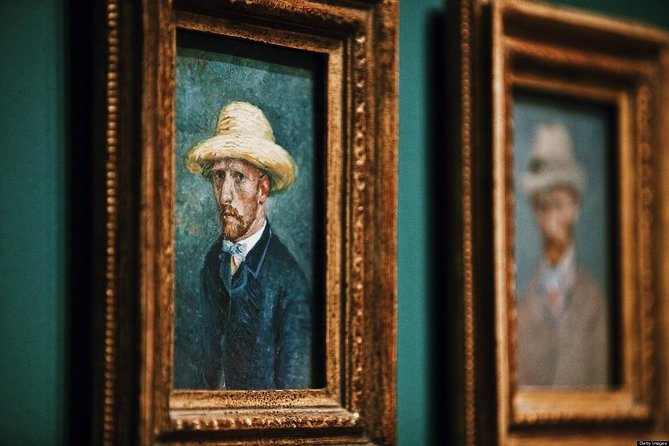
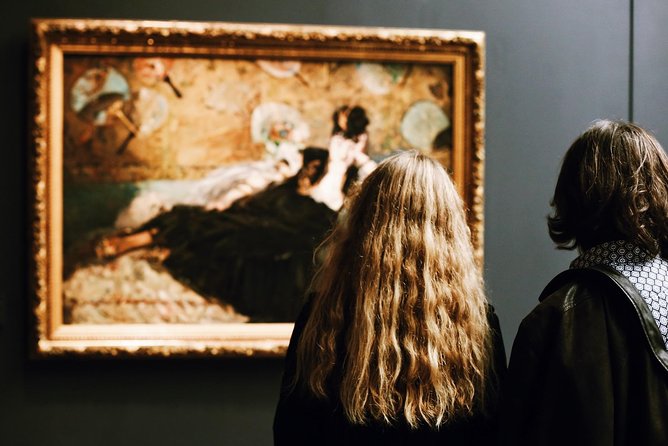
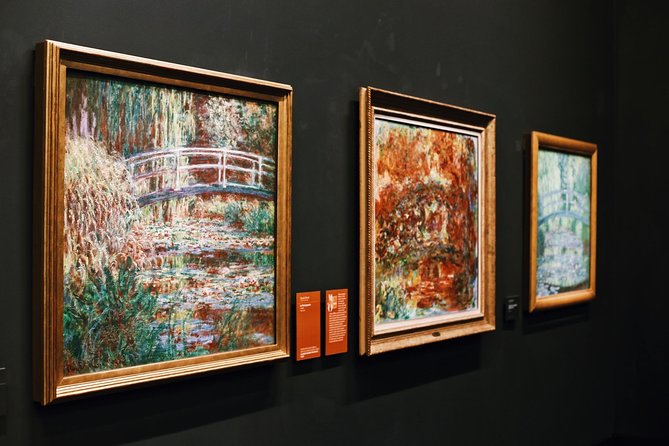
I love how the Orsay portion is handled with reserved entry and a clear “how Impressionism happened” walkthrough. You’ll see big names like Manet, Renoir, Monet, and also Van Gogh’s Bedroom in Arles, plus the kind of art context that makes the style feel less random and more like a movement with opinions.
I also like the Montmartre stretch because it’s not only pretty views, it’s painter-linked. You move from the Moulin Rouge area up to Sacré-Cœur, then pass sites tied to artists and creative Paris life, including places connected to Renoir, Van Gogh, Picasso, and even Dalida.
The main drawback to plan for is the walking and climbing. Montmartre has steep cobbled streets, and this tour’s path works best if you have moderate physical fitness and comfortable shoes.
In This Review
- Key things that make this tour worth your time
- Why this d’Orsay plus Montmartre pairing actually works
- Musée d’Orsay: the fast track to Impressionism and what came before
- The Orsay-to-Montmartre transfer: fewer wasted minutes, more climbing energy left
- Montmartre on foot: the artists’ streets, from Moulin Rouge to Sacré-Cœur
- Sacré-Cœur: the view and the mosaic inside
- What you might pay extra for on the Montmartre side
- Price and value: is $259.04 a fair deal for 5.5 hours?
- Who this tour suits best (and who might want a different plan)
- Should you book this Impressionist Paris tour?
- FAQ
- How long is the tour?
- What time does it start and where do we meet?
- Is this a private tour?
- Are entrance fees included?
- Are there Montmartre stops that require extra tickets?
- Do we travel by car between Orsay and Montmartre?
- Is food or drinks included?
- What should I know about bags and entry at Musée d’Orsay?
- What happens if Musée d’Orsay is closed or delayed?
- Is there free cancellation?
Key things that make this tour worth your time
- Reserved Orsay entry that gets you into the museum quickly, with a guided art timeline.
- Montmartre tied to specific artists, not just postcards and selfie stops.
- Private car transfer from Orsay to Montmartre, so you do less time-shuffling.
- A mix of major sights and smaller creative corners, like Jardin Sauvage de St-Vincent and Clos Montmartre.
- Sacré-Cœur at the top with prime Paris views built into the route.
- Some stops are viewpoint-driven while others may require extra tickets on your side.
Why this d’Orsay plus Montmartre pairing actually works
Musee d’Orsay and Montmartre feel like two different trips, but they share the same creative engine. At Orsay, you’re watching how 19th-century painters changed what art could look like. In Montmartre, you’re following the people and places that helped that mindset take shape.
This tour has a smart rhythm. You start with art where brushstrokes, color choices, and subjects are the main event. Then you switch to streets where you can see how artists actually lived, wandered, and argued. That connection helps your brain hold onto what you learned, instead of letting it evaporate by dinner.
Also, paying for private guiding makes sense here. In a museum, a good guide helps you look with intent. On steep streets, a good guide helps you move efficiently and still learn something at every stop.
Other Paris art collections we have written up



Musée d’Orsay: the fast track to Impressionism and what came before
Orsay sits in a converted Beaux-Arts train station, so even before the paintings start talking, you’re in a dramatic setting. Once inside, the guide frames the story of Impressionism like it’s an ongoing conversation, not a sudden magic trick.
You’ll spend about 2.5 hours here, with reserved entry included. That timing is ideal for first-timers. You get enough time to see major works without feeling like you need to sprint your way through 4,000-plus pieces.
What I like most about the Orsay approach is the sequence. You don’t only hear about Impressionists. You also meet the artists who helped lead into the movement, and the painters who pushed beyond it.
Expect to see highlights such as:
- Manet’s Luncheon on the Grass, the kind of painting that caused serious eyebrows to rise
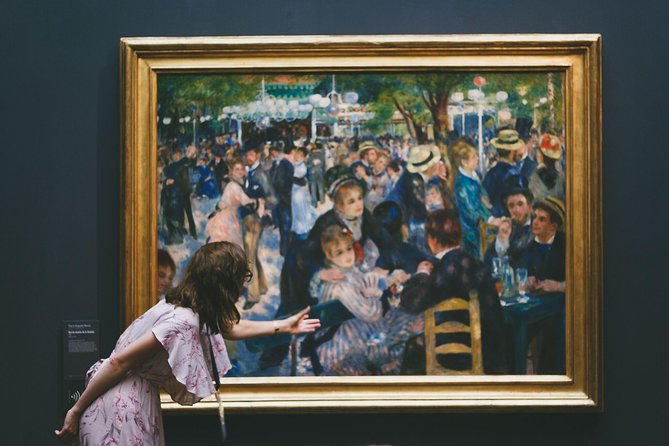
- Renoir’s Dance at Le Moulin de la Galette, where light and bodies feel in motion
- Millet and The Gleaners, a strong reminder that Impressionism grew from real earlier ideas
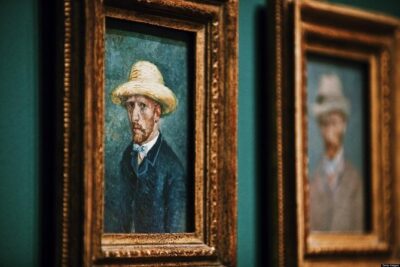
- Van Gogh’s Bedroom in Arles, to show how the story kept evolving after the core Impressionist moment
- Claude Monet’s poppies, including the attention to color that made him such a game changer
The guide also explains techniques and why these works were revolutionary at the time. That matters because Impressionism can look simple until someone points out what you should actually be noticing, like how color is used to suggest light instead of just describing objects.
One practical thing: Orsay has security rules. You can’t bring large bags inside. The tour notes that only handbags or small thin bag packs go through security. Plan to travel light.
If you’re worried about rules inside the museum, relax. Some rooms can be quiet or restricted for speaking, and the guide will cover what you need before you enter those spaces.
The Orsay-to-Montmartre transfer: fewer wasted minutes, more climbing energy left
After Orsay, you’re not left to figure out transport with bags of museum souvenirs and time pressure. A private car takes you toward Montmartre, then there’s a short break before the walk starts.
This is one of those “small” value points that makes a real difference. You show up at the base of the hill with energy left instead of arriving tired, hot, and slightly irritated. And since Montmartre is all about walking uphill, that matters.
It also helps you keep the day flowing. The tour doesn’t feel chopped into random halves. Orsay sets the art story, and the car transfer gets you into the neighborhood where that story can be felt in the streets.
Montmartre on foot: the artists’ streets, from Moulin Rouge to Sacré-Cœur
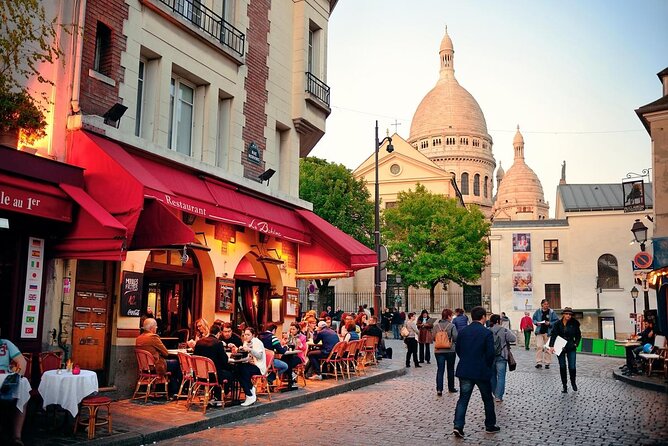
Montmartre is famous for views, but this route keeps steering you back to creativity. You’ll start near the Moulin Rouge windmill area, then climb through charming cobbled streets.
The guide connects the neighborhood to the artists you associate with Impressionism and beyond. You’re not just walking uphill, you’re walking with a purpose.
Key Montmartre stops included along the way:
- Moulin Rouge area: the windmill links the neighborhood to classic painter inspiration.
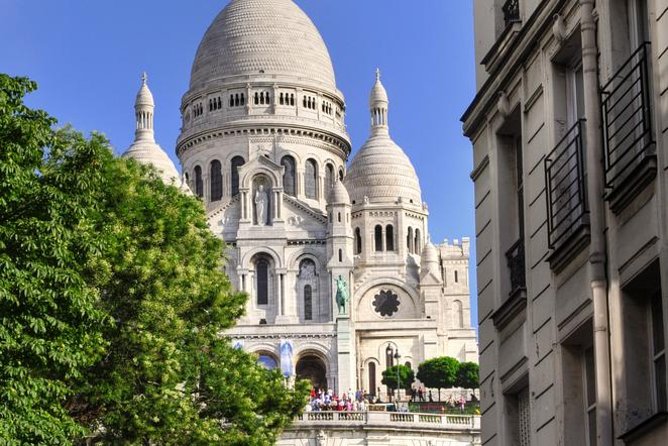
- The route continues toward Sacré-Cœur, the summit payoff where you get the iconic white basilica and a major photo moment over Paris.
- Place Dalida: a tribute square for the singer Dalida.
- Jardin Sauvage de St-Vincent: a sloped, wild-plant garden concept where the city left the ecosystem more natural.
- Le Clos Montmartre: one of the last remaining vineyards in central Paris, tucked into the smaller streets behind Sacré-Cœur.
- Au Lapin Agile: a historic cabaret sign that’s become part of the Montmartre look and lore.
- Place du Tertre: an artists’ square, where easels and street art culture still show up in plain sight.
- You’ll also pass by sites connected to art creation and famous names, including Bateau-Lavoir Saint-Julien and La Maison de Dalida.
Two things to know here. First, the tour is walking heavy, and Montmartre rewards good shoes. Second, not every stop is treated as an admission ticket inside. Some are quick pass-bys or short time in the area, which helps keep you moving so you reach Sacré-Cœur without losing the whole afternoon to lines.
Sacré-Cœur: the view and the mosaic inside
Reaching the top is part of why this tour works. Sacré-Cœur gives you that wide Paris skyline look that photographs well, but it’s also just a great moment to reset after all the steps.
Time-wise, you’ll have about 20 minutes at the basilica, including interior access. The tour notes that the inside contains one of the world’s largest mosaics depicting Jesus Christ.
Even if you’re not a church person, it’s worth using your time here. The mix of architecture, light, and city views helps you feel why Montmartre keeps pulling artists in.
What you might pay extra for on the Montmartre side
Entrance fees are included for the tour as a whole, but several Montmartre sites listed on the route are marked as not included. That means you might want to budget for optional entries depending on your interests.
Not included items specifically called out:
- Moulin Rouge
- Van Gogh’s House on Rue Lepic
- Au Lapin Agile
- Espace Dali (Dali Museum Paris area)
- Bateau Lavoir Saint-Julien
- La Maison de Dalida
Other stops on the route are marked free, including Sacré-Cœur, Place Dalida, Jardin Sauvage de St-Vincent, Le Clos Montmartre, and Place du Tertre.
My practical advice: decide what you want most before you arrive. If you’re a big Van Gogh fan, build time for Rue Lepic. If you care more about art history atmosphere than ticketed interiors, you can enjoy the streets and the views without adding extra costs.
Deeper into Montmartre
- Montmartre Hidden Gems and Scenic Highlights Walking Tour
★ 5.0 · 2,684 reviews - Montmartre Hill French Gourmet Food and Wine Tasting Walking Tour
★ 5.0 · 2,588 reviews - Paris: Montmartre Cheese, Wine & Pastry Guided Walking Tour
★ 4.8 · 2,255 reviews - Paris: Montmartre Highlights Walking Tour with a Local Guide
★ 4.9 · 1,668 reviews - Private Montmartre Food Tour with Wine, Cheese & Pastries
★ 5.0 · 1,027 reviews
Price and value: is $259.04 a fair deal for 5.5 hours?
At $259.04 per person for about 5.5 hours, you’re paying for three things that matter in Paris: time, access, and a private guide.
You get reserved entry at Orsay, and entrance fees are included. That alone helps the math, because Orsay is not cheap and the day becomes more efficient with less waiting.
You also get private transport from Orsay to Montmartre. This is not optional in spirit, because Montmartre is hard on timing. The car transfer protects your energy and makes the itinerary actually feel like a plan.
Finally, the guide is exclusive for your group (private setup). On a museum visit, a guide can turn a crowd-watching experience into a “now I get it” experience, especially with Impressionism where the differences are subtle until someone shows you what to look for.
So the value works best if you like art explanation and you want to cut the guesswork in Montmartre. If you’re the type who prefers to wander with no structure, you might find the price harder to justify.
Who this tour suits best (and who might want a different plan)
This tour is a strong match for:
- First-time visitors who want the Impressionism storyline without jumping between tickets and transit
- People who like learning as they walk, not reading quietly on the sidelines
- Art lovers who want Orsay highlights without getting stuck in “which room do I even go to” mode
It might be less ideal if:
- You don’t like steep climbs and long walking
- You want a slow, open-ended day with lots of free time for browsing on your own
- You’re hoping to enter every Montmartre stop listed on the route without extra ticket decisions
One more reality check: private guiding can vary by guide. The day can be excellent when your guide keeps you engaged and adapts the pace. If you care a lot about personalization, tell the guide early what you want from Orsay and what you want from Montmartre, then check in at the end of the museum.
Should you book this Impressionist Paris tour?
If your goal is to connect Impressionism in paint with Impressionism in place, book it. The Orsay part gives you the movement in a clear order, and the Montmartre walk puts you where the artists’ world actually was.
I’d especially recommend it if you hate museum lines, and if you’d rather spend your energy looking at art than figuring out transport. It also works well for couples and small groups who want a private guide and a clear arc to the afternoon.
If steep streets and walking are a concern, consider whether you can handle the climb up to Sacré-Cœur with comfortable shoes and a steady pace. If yes, this is the kind of Paris day that feels coherent, not random.
FAQ
How long is the tour?
It runs for about 5.5 hours.
What time does it start and where do we meet?
It starts at 1:30 pm at Musée d’Orsay, 75007 Paris. The tour ends in Montmartre, 75018 Paris.
Is this a private tour?
Yes. It’s a private tour/activity, and only your group participates.
Are entrance fees included?
Yes. All entrance fees for the included parts are included, with reserved entry included for the Musée d’Orsay portion.
Are there Montmartre stops that require extra tickets?
Yes. The Moulin Rouge, Van Gogh’s House, Au Lapin Agile, Dali Museum Paris (Espace Dali), Bateau Lavoir Saint-Julien, and La Maison de Dalida are listed as admission not included.
Do we travel by car between Orsay and Montmartre?
Yes. The tour includes private transport from Orsay to Montmartre.
Is food or drinks included?
No. Food and drinks are not included.
What should I know about bags and entry at Musée d’Orsay?
No large bags or suitcases are allowed inside the museum. The note says only handbags or small thin bag packs are allowed through security. Appropriate dress is required for entry into some sites.
What happens if Musée d’Orsay is closed or delayed?
The Orsay museum may be subject to occasional closures without previous warning. If the museum opening time is delayed more than 1 hour from the tour start, the provider will provide an appropriate alternative. In those cases, they say refunds or discounts are not available.
Is there free cancellation?
Yes. You can cancel up to 24 hours in advance for a full refund.
If you want, tell me your travel dates and whether you’re more into Monet, Renoir, Van Gogh, or modern art. I can suggest how to prioritize the ticketed Montmartre stops during this same route.
The Whole Paris Shelf
- Paris: Louvre Museum Timed-Entrance Ticket
★ 4.6 · 71,977 reviews - Disneyland® Paris 1-Day Ticket
★ 4.6 · 49,412 reviews - Paris: Versailles Palace and Gardens Full Access Ticket
★ 4.6 · 41,579 reviews - Paris: Evening River Cruise with Music
★ 4.4 · 22,721 reviews - Paris: Eiffel Tower Entry Ticket with Optional Summit Access
★ 4.4 · 20,035 reviews
Montmartre, Keep Climbing
- Montmartre Hidden Gems and Scenic Highlights Walking Tour
★ 5.0 · 2,684 reviews - Montmartre Hill French Gourmet Food and Wine Tasting Walking Tour
★ 5.0 · 2,588 reviews - Paris: Montmartre Cheese, Wine & Pastry Guided Walking Tour
★ 4.8 · 2,255 reviews - Paris: Montmartre Highlights Walking Tour with a Local Guide
★ 4.9 · 1,668 reviews - Private Montmartre Food Tour with Wine, Cheese & Pastries
★ 5.0 · 1,027 reviews
Other Paris Art Museums
- Paris in a Day: Louvre or Orsay, Eiffel Tower, City Walk & Cruise
★ 5.0 · 1,956 reviews - Paris: Musée d’Orsay Skip-the-Line Tour with Expert Guide
★ 4.5 · 1,145 reviews - Musée d’Orsay Skip-the-Line Tour with Expert Guide
★ 4.8 · 1,088 reviews - The Musée d’Orsay Guided Tour Orsay Museum Semi-Private 6ppl Max
★ 5.0 · 904 reviews - Louvre & Musée d’Orsay Guided Museum Tour Semi-Private 6ppl Max
★ 5.0 · 619 reviews
The rest of the Paris write-ups
- Montmartre: Guided Tour for Kids and Families★ 4.9 · 57 reviews
- From Paris: Versailles Palace and Gardens Guided Day Trip★ 4.5 · 57 reviews
- Versailles Palace and Garden Tour with Paris Private Transfers★ 5.0 · 58 reviews
- Louvre Evening Escape – Avoid The Crowds! Semi-Private 6ppl Max★ 5.0 · 58 reviews
- Summit Eiffel Tower Audio Guide Tour with Unlimited Time Access★ 4.5 · 58 reviews
- Private Half Day Historic Tour★ 5.0 · 58 reviews
Montmartre & Sacre-Coeur Tours, in full.
 ★ 5.0Montmartre Hidden Gems and Scenic Highlights Walking TourFrom $382,684 reviews
 ★ 5.0Montmartre Hill French Gourmet Food and Wine Tasting Walking TourFrom $1452,588 reviews
 ★ 4.8Paris: Montmartre Cheese, Wine & Pastry Guided Walking TourFrom $1272,255 reviews
 ★ 4.9Paris: Montmartre Highlights Walking Tour with a Local GuideFrom $341,668 reviews
 ★ 4.1Paris: Sacré-Coeur and Montmartre Tour with Expert GuideFrom $281,027 reviews
 ★ 5.0Private Montmartre Food Tour with Wine, Cheese & PastriesFrom $3021,027 reviews
 ★ 5.0Paris Montmartre Food Tour – A Full French Meal by Do Eat BetterFrom $95877 reviews
 ★ 5.0Hidden Montmartre: Paris’ Secret Streets Walking TourFrom $44809 reviews
Also on these France lists