
Reviewed · PARIS PASTRY & MACARON WORKSHOPS
Paris: Bread and Croissant-Making Class
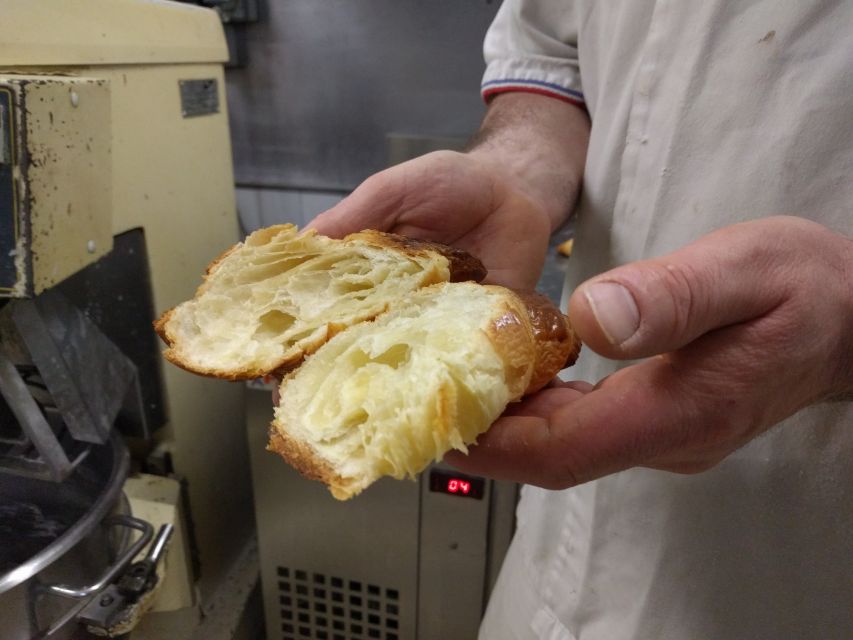
Your flour-covered hands learn French fast. This 2-hour class in central Paris gives you behind-the-counter access to a family-run bakery, where you watch baguette steps up close and then start shaping your own. You also get tips for that classic crusty golden outside and soft, warm inside that makes a Paris baguette taste like Paris.
I especially like that you do more than observe, you actually make and shape croissants with guidance from the baker and an interpreter. In past sessions, you might work with interpreters such as Luis, Elsa, or Luce, and that language support matters because the technique is step-by-step.
One drawback is the price: at $258 per person, this is a real splurge. And if you are traveling with very young kids, it is not suitable for children under 6.
In This Review
- Key Highlights You Should Know Before You Go
- Where This Paris Bread Class Starts, Le Petit Mitron on Rue Oberkampf
- Behind the Counter: The Family Boulangerie Angle That Makes It Work
- Baguette Lessons That Target the Two Things You Can Actually Taste
- Hands-On Dough Time: Making, Shaping, and Getting Results
- Croissants in Real Life: Shaping Skills, Not Just a Recipe
- Tasting During the Class: Eat While You Learn
- What You Leave With: Recipes, Utensils, and Real Bread to Take Home
- Price and Value: Is $258 Per Person Worth It?
- Language Support and the Instructor Team You Might Work With
- Who Should Book This Paris Bread and Croissant Class
- Should You Book This Paris Bread and Croissant Class?
- FAQ
- Where is the meeting point for the Paris bread and croissant class?
- How long is the class?
- How much does the experience cost?
- How many people are in the group?
- What languages are supported?
- What is included in the price?
- What do I learn to make?
- Is it suitable for young children?
- Can I get a refund if my plans change?
Key Highlights You Should Know Before You Go
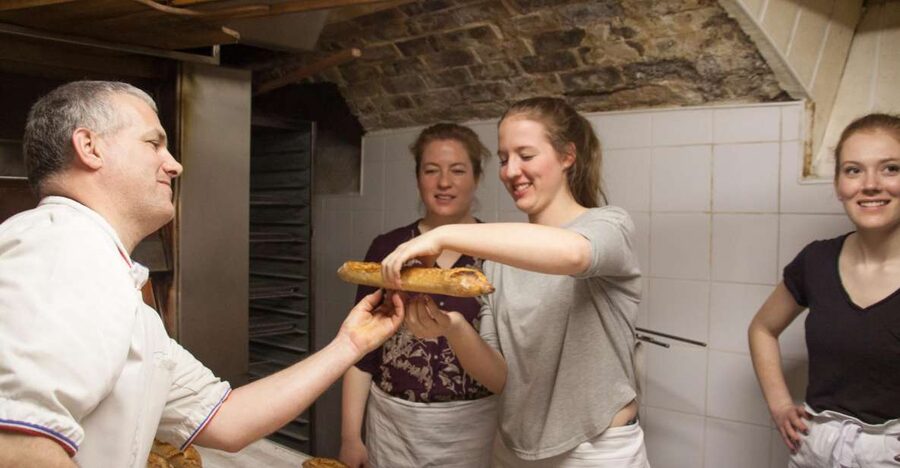
- Small group size (up to 8) keeps the pace interactive and lets you ask questions while the dough is in your hands.
- Behind-the-counter baguette lessons at Le Petit Mitron, where you see a classic process from start to finish.
- Two baguette styles, including a bakery-famous version called La Parisse.
- Croissant shaping practice, not just a talk-through, so you leave with usable technique.
- Warm tasting during class, including baguettes and croissants while everything is fresh.
- Recipes delivered by email, so you can retry at home instead of relying on memory.
Where This Paris Bread Class Starts, Le Petit Mitron on Rue Oberkampf
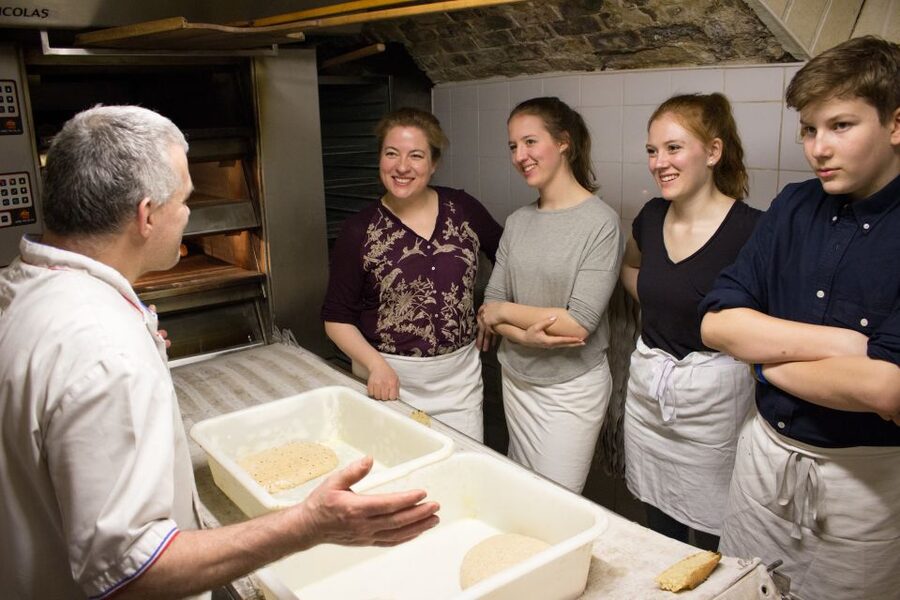
Meet at Le Petit Mitron, 8 rue Oberkampf, 75011 Paris. This matters because you are not wandering between stops, you are stepping straight into a working bakery environment.
The class also runs with an English, French, Japanese, or Spanish instructor and language support. In practice, that means the technical parts do not get lost, especially when you need to follow instructions for shaping and handling dough.
It lasts 2 hours, so you should treat it like a focused workshop. You will not get a long bakery tour, you will get making, tasting, and learning.
Still hungry? More Paris pastry sessions
Behind the Counter: The Family Boulangerie Angle That Makes It Work
A normal bakery visit gives you a display case and a receipt. This class gives you the other side of the counter, where a real artisan workflow happens.
You learn by watching step-by-step baguette making, then practicing key parts with the baker’s guidance. Family ownership and multi-generation craft are a big part of the experience, including stories and techniques passed down through the boulangerie.
In some sessions, participants have described how the baker ties the work back to essentials like wheat sourcing and grinding, which helps explain why the bread tastes the way it does. Even if you are not chasing every detail, you still get a better sense of what shapes flavor: ingredients, fermentation timing, and the final shaping before baking.
Baguette Lessons That Target the Two Things You Can Actually Taste
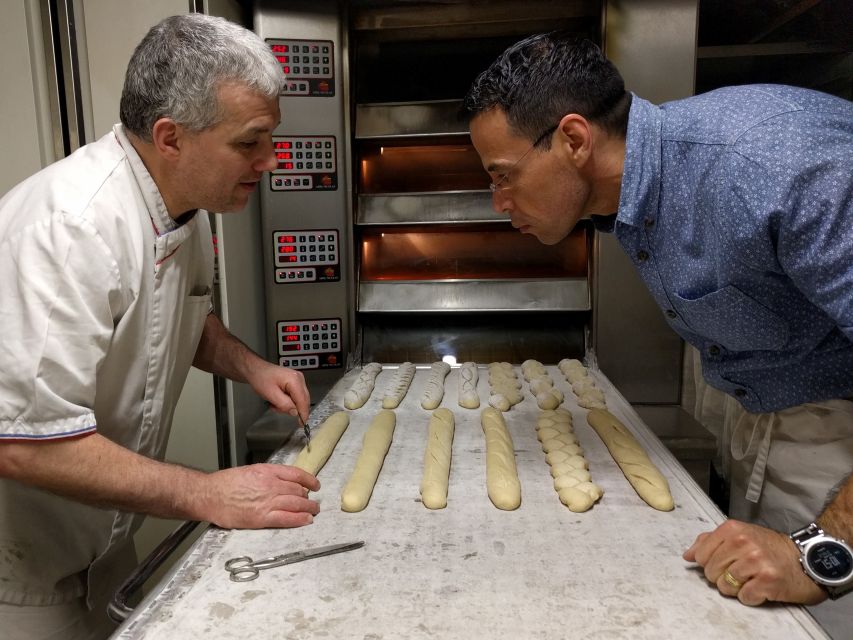
French baguette success comes down to two results: a crust that snaps and a crumb that stays soft and warm. The class is built around those outcomes, with tips aimed at creating the signature look and feel.
You will bake a classic French baguette and also a second style, La Parisse, which is a special version unique to the bakery and familiar around Paris. That variety is a smart teaching tool. If you only make one loaf, you never see how small process choices can change shape and texture.
Expect hands-on moments where you handle ingredients, roll up your sleeves, and work with dough under supervision. This is not just a show. It is practice, and that is why people who love bread tend to rate it so highly.
Hands-On Dough Time: Making, Shaping, and Getting Results
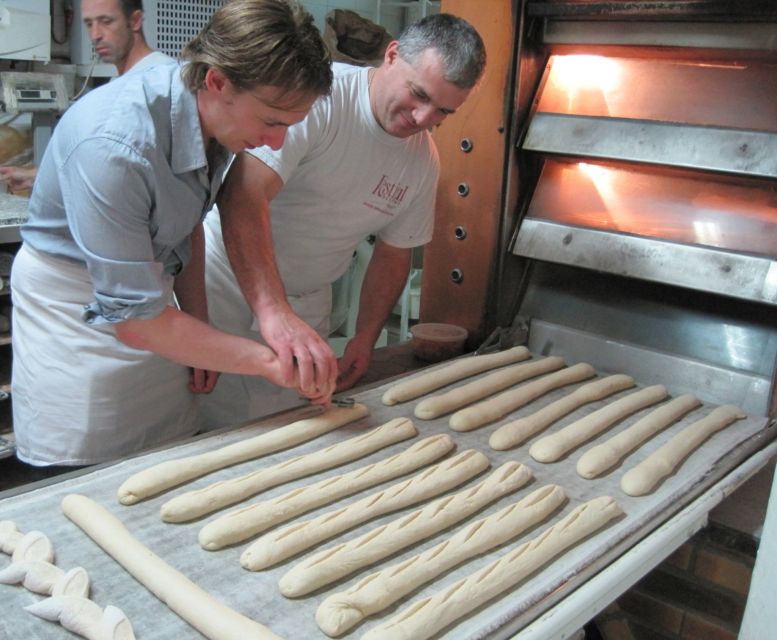
This is the part most people care about, the moment when your “I watched it once” idea turns into real technique.
You will learn how to create the look people associate with French baguettes, the crusty golden exterior paired with a tender interior. The baker’s coaching helps you focus on what to do differently if your dough behaves differently than expected.
You also create a special baguette unique to the bakery. That matters because it gives you something more interesting than the generic baguette lesson. At home, you will remember this as the Paris-specific loaf, not just another bread recipe.
Because the group is limited to 8 participants, you are not stuck waiting for the baker to notice you. The smaller size is one reason the class feels interactive, even when you are learning a skill that takes years to perfect.
Croissants in Real Life: Shaping Skills, Not Just a Recipe
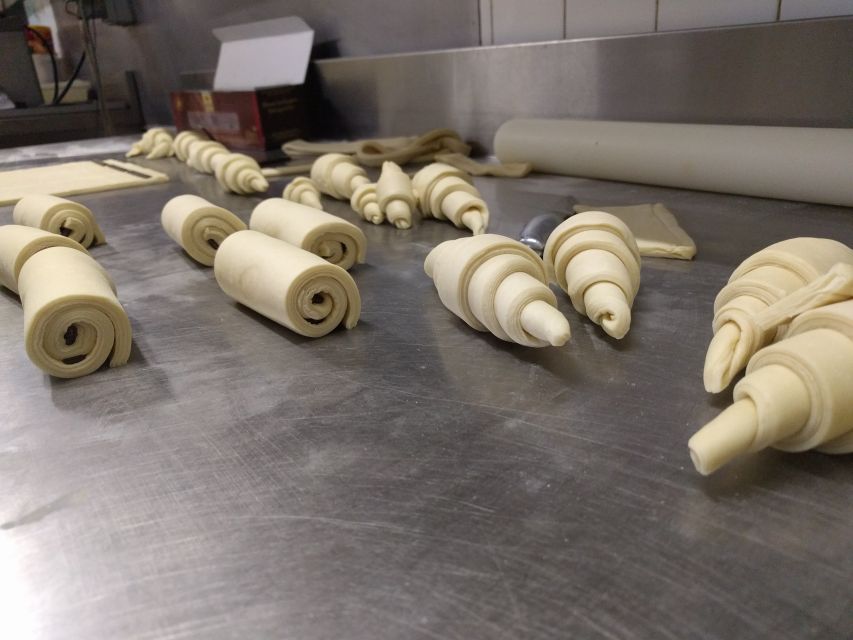
Croissants look elegant, but the technique is practical. This class helps you learn the process by teaching you how to make and shape croissants, with ongoing tips from the master baker.
The value here is control. You learn what matters when shaping, and you understand how the form and handling affect the final result. And since an interpreter may be present, you are not left piecing things together with hand gestures.
Croissants also pair beautifully with the baguette work. You start thinking in patterns, crust and crumb, dough texture, and how the final shape can change the eating experience. If you have ever tried croissants at home and wondered where it all went sideways, this kind of direct instruction is exactly the missing piece.
Tasting During the Class: Eat While You Learn
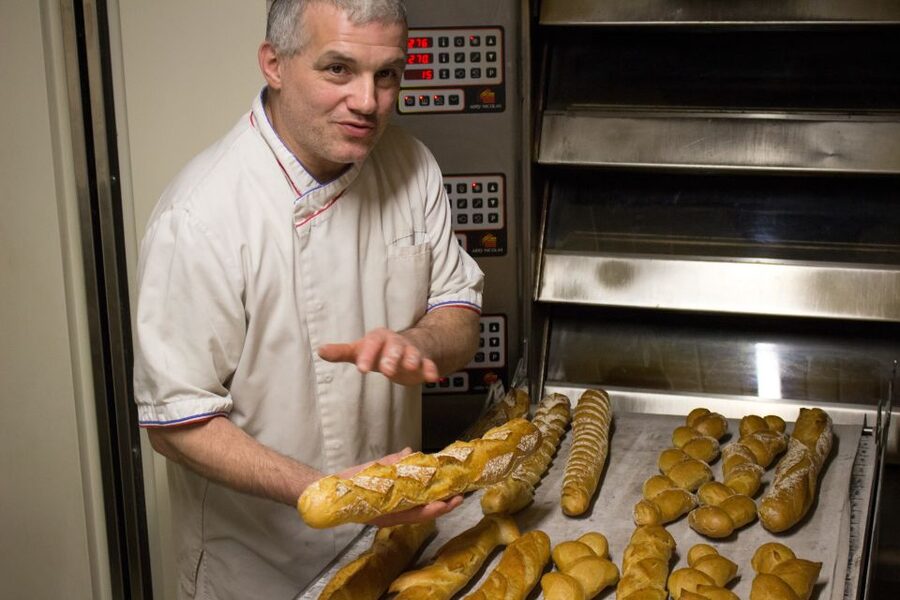
You do not wait until the end to find out if the class works. Many sessions include tasting warm breads during the workshop, including baguettes and croissants.
That is not just a nice extra. Tasting while you learn gives you instant feedback. If a tip leads to better color or better texture, you can connect that advice to what you are eating in real time.
Also, being able to compare multiple baked items from class helps you “calibrate” your palate. You start recognizing what the baker considers the target: aroma, crust feel, and softness when you tear into the loaf.
- Paris: Louvre Museum Timed-Entrance Ticket
★ 4.6 · 71,977 reviews - Disneyland® Paris 1-Day Ticket
★ 4.6 · 49,412 reviews - Paris: Versailles Palace and Gardens Full Access Ticket
★ 4.6 · 41,579 reviews - Paris: Evening River Cruise with Music
★ 4.4 · 22,721 reviews - Paris: Louvre Guided Tour with Reserved Access & Boat Cruise
★ 4.3 · 16,353 reviews
What You Leave With: Recipes, Utensils, and Real Bread to Take Home
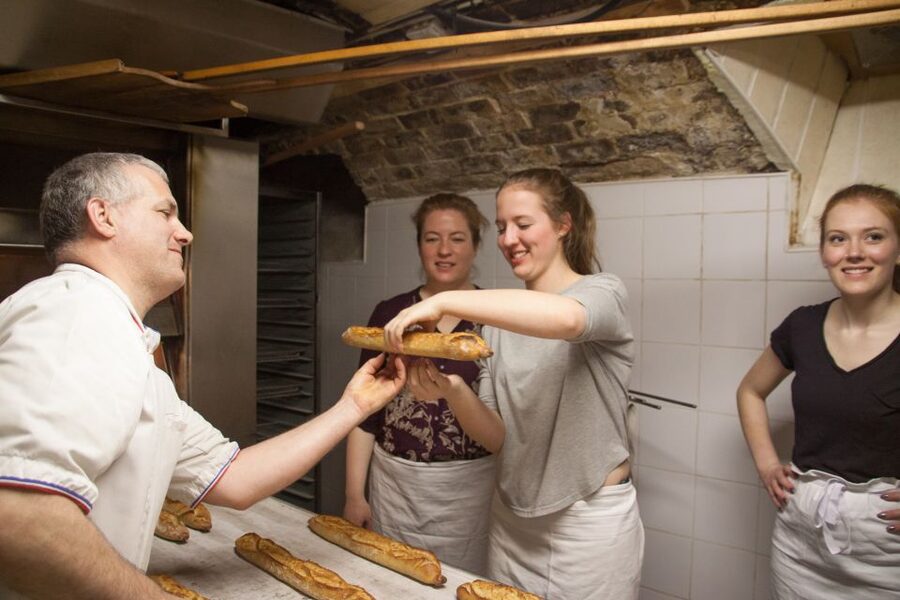
You leave with more than memories. The class includes all ingredients, plus utensils and an apron, so you do not show up wondering what you forgot.
The most useful take-home item is the recipe copy sent by email. That means you can cook again after you get home and stop relying on memory for ratios and steps.
You also take home the bread and croissants you make during the class. One practical benefit of that is timing. You can enjoy fresh bread immediately, then use the emailed recipes to reproduce the method later.
If you like to cook at home, the email recipe is where the class keeps paying dividends.
Price and Value: Is $258 Per Person Worth It?
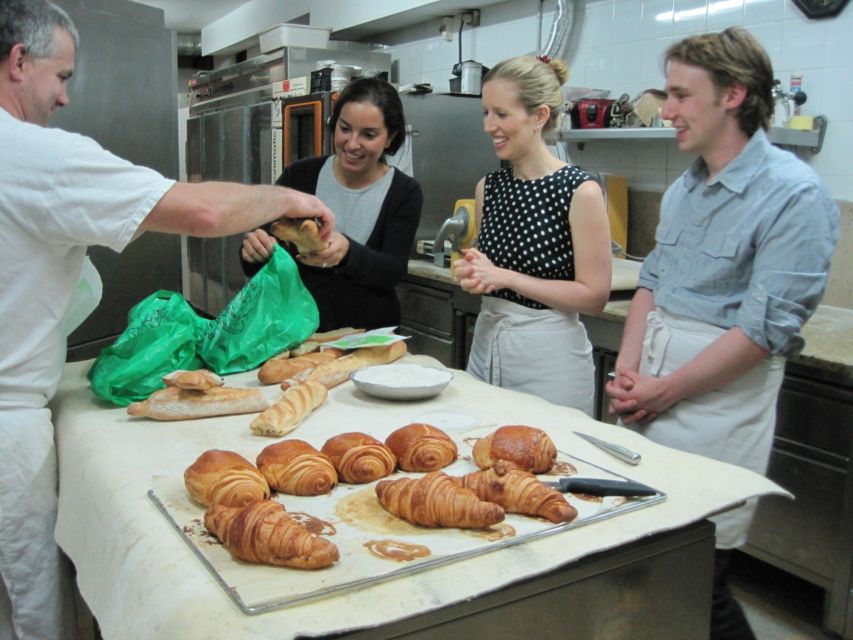
At $258 per person for a 2-hour workshop, this is not a budget activity. You are paying for three things at once:
First, you are paying for hands-on instruction from a working Paris baker, not a camera-friendly demo. Second, you are paying for the small group setup limited to 8 participants, which usually means you get more direct coaching and fewer long waits. Third, you are paying for included ingredients and equipment, plus the recipe delivered afterward.
You should also consider that you are leaving with both baguettes and croissants, plus the techniques to repeat at home. In bread classes, the “value” part is not the flour and butter. The value is learning what to do differently so your home bakes start resembling the Paris target.
If you are the type who loves cooking and wants tangible results, the price starts to make sense. If you only want a quick snack and a photo, this is probably too specialized.
Language Support and the Instructor Team You Might Work With
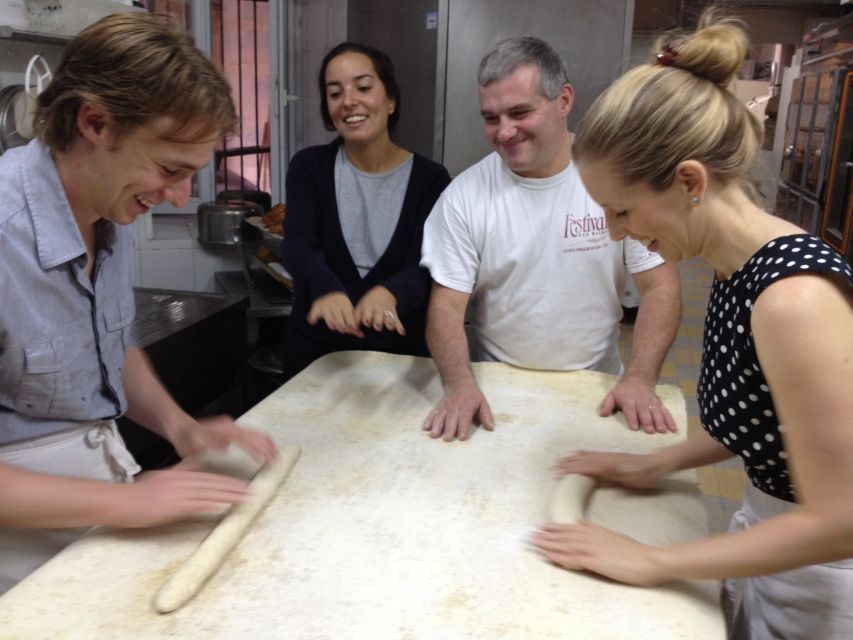
One of the hidden strengths is how the class handles language. The instructor and interpreter support English, French, Japanese, and Spanish, and participants have reported smooth translation with guides such as Luis, Elsa, and Luce.
The baker you may meet is often described as Chef Didier in session experiences, with a teaching style that blends technique with humor. That style matters because bread work can be a little repetitive. When the teacher keeps the room engaged, you stay focused long enough to learn the steps correctly.
If you have dietary concerns, one participant noted discussion around gluten intolerance and mentioned the flour is made on site with no additives. That is useful context, but it is still smart to ask questions before you attend. Do not assume a class is gluten-free just because it discusses gluten.
Who Should Book This Paris Bread and Croissant Class
Book this if you want a hands-on French food skill, especially if you care about baguette texture and croissant shaping. It is a great fit for adults who cook already and want better technique, not just a souvenir activity.
It can also work well for families with older kids. The class is not suitable for children under 6, but multiple experiences describe it as fun for kids who can follow instructions and handle the hands-on parts.
Skip it if you want a passive experience. This class is for people who like working with dough, learning by doing, and leaving with recipes you will actually use.
Should You Book This Paris Bread and Croissant Class?
I would book it if your trip includes time for one “learn something real” workshop. This one is tightly focused on baguette and croissant craft, and it includes the practical pieces that help you succeed at home: hands-on shaping, warm tasting, and emailed recipes.
I would hesitate only if $258 feels too steep for your budget or if you do not want to get your hands dirty and commit to a skill-based experience. Also, if you are traveling with a child under 6, it is simply not the right match.
If you like French baking and want a workshop that teaches the parts that make a Paris-style result, this is an easy yes.
FAQ
Where is the meeting point for the Paris bread and croissant class?
Meet at Le Petit Mitron, 8 rue Oberkampf 75011 Paris.
How long is the class?
The class duration is 2 hours.
How much does the experience cost?
The price is $258 per person.
How many people are in the group?
The group is small, limited to 8 participants.
What languages are supported?
The instructor and support include English, French, Japanese, and Spanish.
What is included in the price?
The experience includes all ingredients, utensils and an apron, and a copy of the recipe sent by email.
What do I learn to make?
You will learn how to make and shape French baguettes (including a classic baguette and La Parisse) and how to make and shape croissants.
Is it suitable for young children?
No. It is not suitable for children under 6 years.
Can I get a refund if my plans change?
Yes. There is free cancellation up to 24 hours in advance for a full refund.
The Whole Paris Shelf
- Paris: Louvre Museum Timed-Entrance Ticket
★ 4.6 · 71,977 reviews - Disneyland® Paris 1-Day Ticket
★ 4.6 · 49,412 reviews - Paris: Versailles Palace and Gardens Full Access Ticket
★ 4.6 · 41,579 reviews - Paris: Evening River Cruise with Music
★ 4.4 · 22,721 reviews - Paris: Eiffel Tower Entry Ticket with Optional Summit Access
★ 4.4 · 20,035 reviews
Another Round of Pastry
- Paris Croissant Small-Group Baking Class with a Chef
★ 5.0 · 910 reviews - Paris: Macaron Class at Galeries Lafayette
★ 4.3 · 905 reviews - Paris: French Croissant Baking Class with a Chef
★ 4.9 · 712 reviews - Paris Cooking Class: Learn How to Make Macarons
★ 5.0 · 634 reviews - Paris: French Macaron Culinary Class with a Chef
★ 4.9 · 591 reviews
The rest of the Paris write-ups
- Montmartre: Guided Tour for Kids and Families★ 4.9 · 57 reviews
- From Paris: Versailles Palace and Gardens Guided Day Trip★ 4.5 · 57 reviews
- Versailles Palace and Garden Tour with Paris Private Transfers★ 5.0 · 58 reviews
- Louvre Evening Escape – Avoid The Crowds! Semi-Private 6ppl Max★ 5.0 · 58 reviews
- Summit Eiffel Tower Audio Guide Tour with Unlimited Time Access★ 4.5 · 58 reviews
- Private Half Day Historic Tour★ 5.0 · 58 reviews
Paris Pastry & Macaron Workshops, in full.
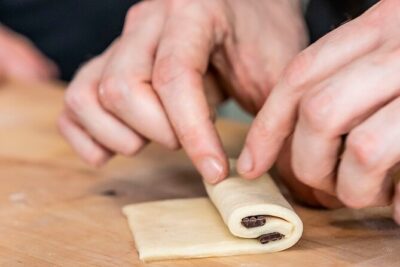 ★ 5.0Paris Croissant Small-Group Baking Class with a ChefFrom $157910 reviews
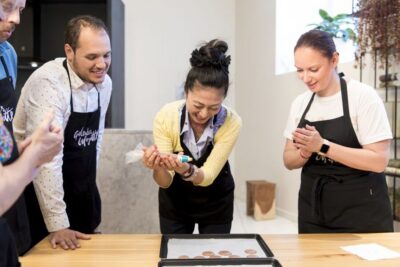 ★ 4.3Paris: Macaron Class at Galeries LafayetteFrom $67905 reviews
 ★ 4.9Paris: French Croissant Baking Class with a ChefFrom $159712 reviews
 ★ 5.0Paris Cooking Class: Learn How to Make MacaronsFrom $156634 reviews
 ★ 4.9Paris: French Macaron Culinary Class with a Chef591 reviews
 ★ 4.8Paris: Chocolate & Patisserie Walking Tour with TastingsFrom $113397 reviews
 ★ 5.0Paris Chocolate, Macaron & Pastry Food Tour: 10 Gourmet TastingsFrom $118339 reviews
 ★ 5.0Paris Macarons Small-Group Baking Class with a ChefFrom $157316 reviews
Also on these France lists