
Reviewed · WINE TASTING CLASSES
Paris: French Wine Tasting Class with Sommelier
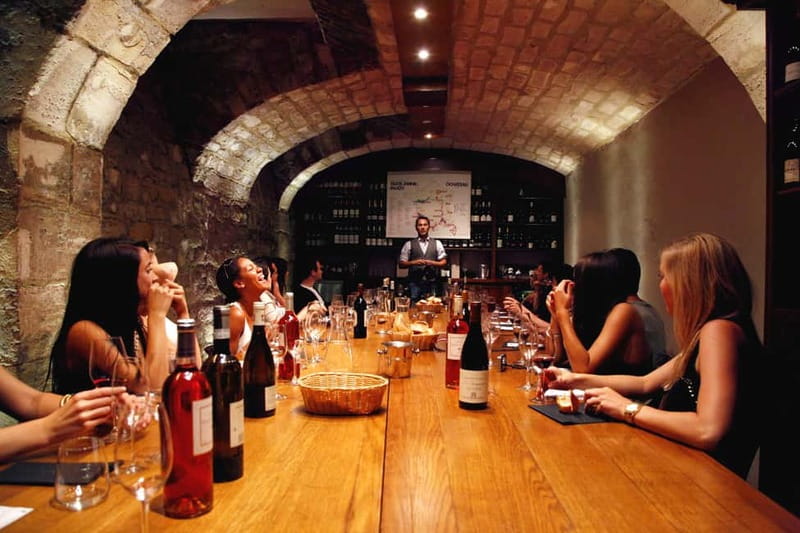
Six sips can change your whole palate. This 2-hour French wine tasting runs at 5pm in a 17th-century cellar near Le Louvre, where you sample six different wines and learn how to taste with confidence, not guess. It is a fun, structured session with a sommelier who keeps the pace light while still teaching real technique.
What I like most is how practical it feels. You get hands-on practice with wine and Champagne label reading, plus clear explanations of terroir and appellation, so you start understanding why wines taste the way they do. If you want an instructor example, I’ve seen names like Jasmina, Clement, Pierre, and Paul tied to this experience, and the common thread is strong English and an easygoing teaching style. One thing to consider is the group can be fairly large in some sessions, so if you’re hoping for lots of one-on-one question time, sitting where you can be heard matters.
In This Review
- Key highlights worth planning around
- Entering the 17th-century wine cellar near the Louvre
- The 2-hour flow: Champagne plus 5 regional French wines
- How the sommelier helps you taste with real technique
- Terroir and appellation: the words that explain the taste
- Reading French wine and Champagne labels before you buy
- Pairing wine with food, plus what’s included to make it work
- Price and value for a $85, 2-hour tasting session
- Who this class suits best (and who should think twice)
- Should you book the Paris French wine tasting with a sommelier?
- FAQ
- What time does the French wine tasting start?
- Where is the meeting point?
- How long is the class?
- What wines are included in the tasting?
- Is this class taught in English?
- Do you get any food during the tasting?
- Can I reserve now and pay later?
- Is free cancellation available?
Key highlights worth planning around
- A 5pm start in a 17th-century wine cellar just by the Louvre
- Six total tastings, including 1 Champagne and 5 still wines from French regions
- Label reading practice for both wine and Champagne
- Terroir and appellation explained in plain language
- Food pairing focus, with bread and still water included
- Optional cheese or charcuterie platter available for +€15
Entering the 17th-century wine cellar near the Louvre
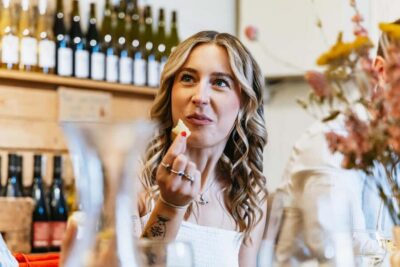
The timing is made for an easy Paris day. The class begins at 5pm, and the vibe is deliberately calm before dinner. You meet at 68 Rue Jean-Jacques Rousseau, in the 1st arrondissement, and the location is close enough that you can connect it to an afternoon of sightseeing without turning your evening into a logistics puzzle.
The closest metro options are Louvre-Rivoli (Line 1) or Etienne Marcel (Line 4), with the walk to the meeting point described as about 6 minutes. From there, you head into a 17th-century wine cellar, which instantly changes the feel from classroom to something more like a real tasting room. It also helps the experience stick, because you are learning about wine in an environment built for wine.
A small practical note: one person flagged that the cellar can get a little warm, so I’d wear light layers even if Paris feels cool when you start your day. The class is in English with a live sommelier, so you are not fighting a language barrier while you focus on smell, taste, and explanations.
Other tastings and blending sessions
The 2-hour flow: Champagne plus 5 regional French wines
This is a tight, well-paced 2-hour masterclass. Your tastings are built around the idea of a “tour” across French wine styles, and you actually get to taste across the country in a single sitting.
Here’s the core structure you can expect:
- 1 Champagne tasting
- 5 French wines from 5 different regions
- Totaling 6 main wine samples, with Champagne included as its own region in the mix
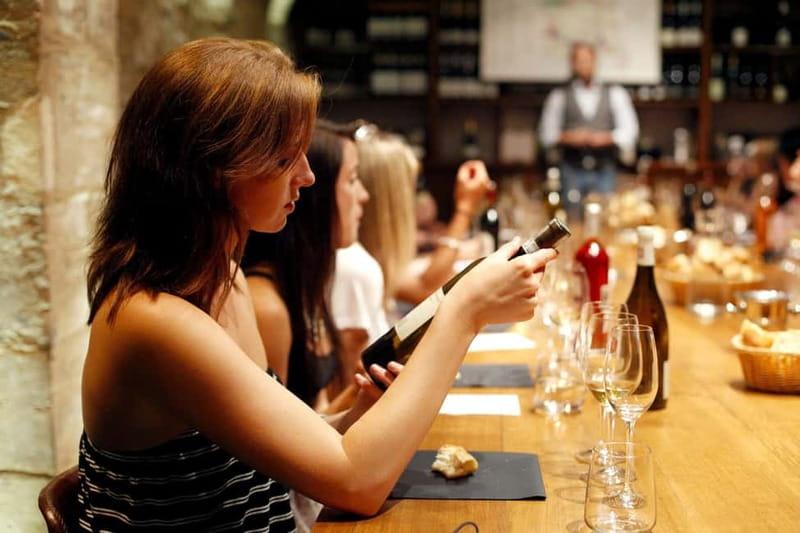
You also get a bread basket and still water on the table. That matters more than it sounds. Bread and water give you a reset between pours and help you focus as flavors change across the program. You’ll also receive a wine list during the session, which is handy for remembering what you liked once you are back out in the city.
By design, the class is not just “sip and smile.” The sommelier guides you through a set of themes meant to build skills fast:
- how Champagne is made
- how to taste and identify wines
- how to read French wine and Champagne labels
- how to understand grape variety styles tied to place
You should plan for a finish around 7pm so you can still pivot to dinner with a stronger sense of what to order.
How the sommelier helps you taste with real technique
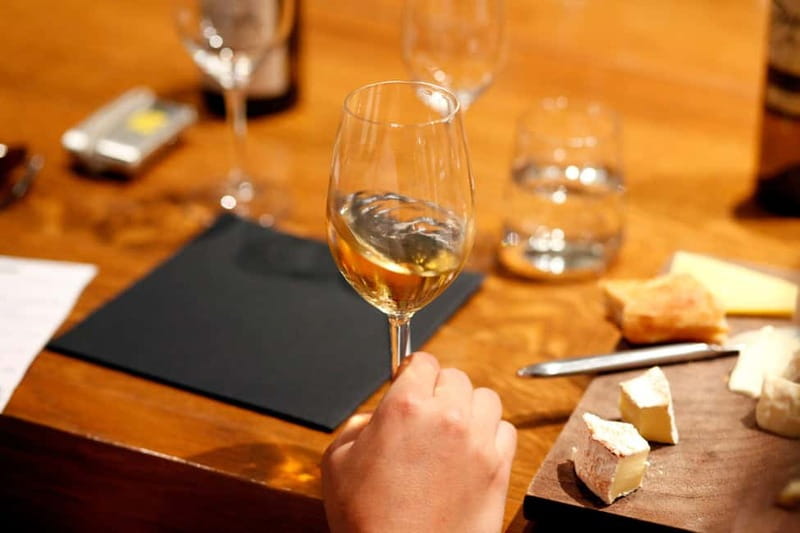
The best wine lessons teach you a method, not a vibe. This one leans into technique while keeping it fun. You’ll be encouraged to taste in a structured way so you can describe what you’re experiencing, whether it is acidity, fruitiness, or structure.
You learn how to identify wines, and the session includes key concepts people often struggle with, like tannins. When tannins enter the conversation, it is usually the turning point for first-timers, because it’s one of the main reasons some reds feel drying or grippy while others feel smoother.
A detail I appreciate here is the balance of education and conversation time. After the tastings, you get space to ask questions. Topics explicitly called out include:
- how Champagne is made
- where different grape varieties grow
- what tannins are
- new wine trends
- best food and wine pairings
- how to taste wine properly
In practice, a few different instructors have led the class, including Pierre, Preston, and Laurie, and the common feedback theme has been strong engagement and clear English. That matters because wine tasting can feel intimidating when the teaching is slow or overly technical. Here, the goal is to help you leave able to make sense of what you taste.
One balanced caution from real experience: in at least one instance, someone noted the use of the same glasses across white and red pours. That’s not a deal-breaker for most people, but it is worth noting if you are very picky about glass handling. If you’re the type who needs pristine separation, you can always pay attention and politely ask about it in the moment.
Terroir and appellation: the words that explain the taste
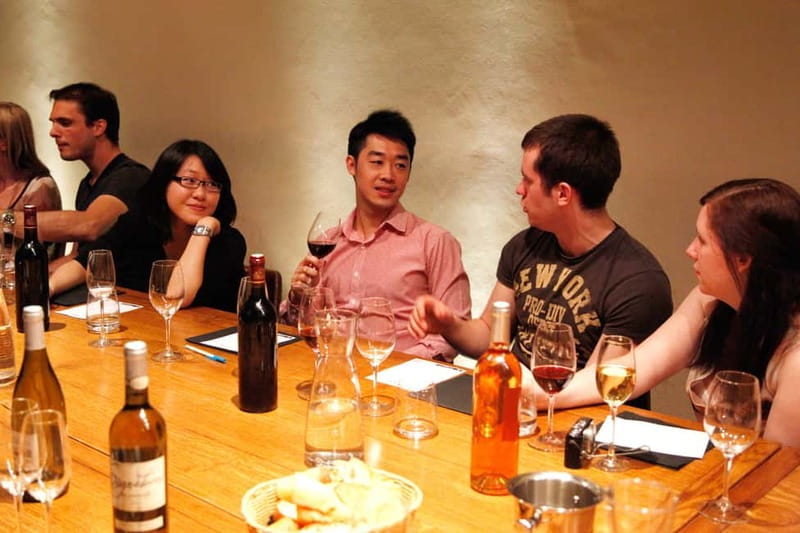
French wine has a vocabulary that can make you feel lost fast. The class tackles that head-on with terroir and appellation, and it does it in a way meant to be useful right away.
Think of it like this: you might know the grape name, but you still wonder why one bottle tastes lighter, another tastes more structured, and another feels more mineral or more fruit-forward. Terroir and appellation are the frameworks the French use to connect those differences to:
- where grapes are grown
- how the site and conditions influence style
- why bottles carry specific regional labels
This is especially valuable for travelers who plan to buy wine. If you can link a label to a style of taste, you spend less time guessing in shops and more time choosing bottles that match your preference. It’s also a confidence boost when you’re ordering in Paris restaurants, where the menu might list regions and appellations instead of plain English flavor descriptions.
Reading French wine and Champagne labels before you buy
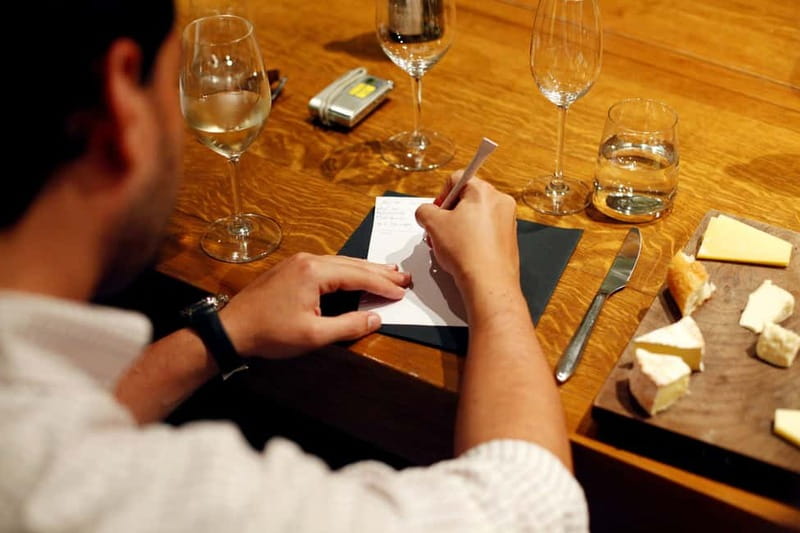
One of the best takeaways here is how you learn to read wine and Champagne labels. This is not only a trivia lesson. It’s practical, because labels are how you navigate the bottle selection in France, where producers love to communicate using specific terms.
During the session, the sommelier explains how to interpret what you see on the label, including how the information connects to the wine itself. You’ll taste wines tied to different regions and grapes, then learn what those terms on the bottle are telling you. After that, you are better prepared to:
- spot what type of wine you are actually buying
- understand how Champagne differs from still wine in production and style
- recognize how appellation and terroir affect what lands in your glass
Champagne gets its own spot in the lesson. You are taught how it is made, which helps when you compare it directly to still wines during the tasting. Once you understand the basics of Champagne production, the difference in texture, bubbles, and flavor intention makes more sense.
Pairing wine with food, plus what’s included to make it work
Wine tasting is one thing. Wine tasting that helps you eat better is another. This class focuses on the connection between wine and food, and it does it with a built-in pairing support system.
Included in the experience:
- a basket of bread
- still water
- tasting pours and a wine list
Bread and water may feel simple, but they’re functional tools. Bread helps clear your palate, and water keeps you from chasing flavors too far. Then you get pairing guidance. Food and wine pairing comes up in the Q and A topics, and it’s the kind of advice that directly improves your next meal.
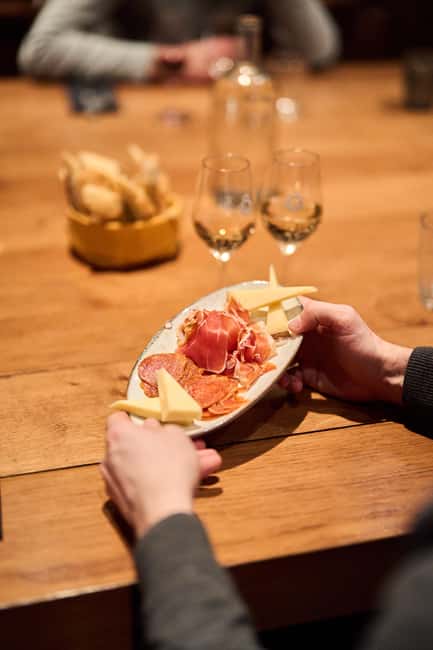
You also have an optional add-on. For +€15, you can add either:
- a cheese platter, or
- a charcuterie combo (meat and cheese platter)
If you’re trying to decide, I’d treat this add-on as your dinner warm-up. Champagne and lighter whites often pair nicely with cheese, while heartier reds can stand up to richer meats. If you like to keep it simple, the cheese option is usually the easiest way to start without overthinking the match.
More Paris bistro tables and cellar visits
- Paris: Seine Cruise & Crepe Tasting near the Eiffel Tower
★ 4.4 · 11,231 reviews - Authentic Parisian Gourmet Food Tour with 10 Local Dishes & Wines
★ 5.0 · 4,754 reviews - Normandy D-Day Small-Group Day Trip with Omaha Beach, Cemetery & Cider Tasting
★ 5.0 · 2,786 reviews - Paris: Illuminated Evening River Cruise & Waffle Tasting
★ 4.1 · 2,697 reviews - Montmartre Hill French Gourmet Food and Wine Tasting Walking Tour
★ 5.0 · 2,588 reviews
Price and value for a $85, 2-hour tasting session
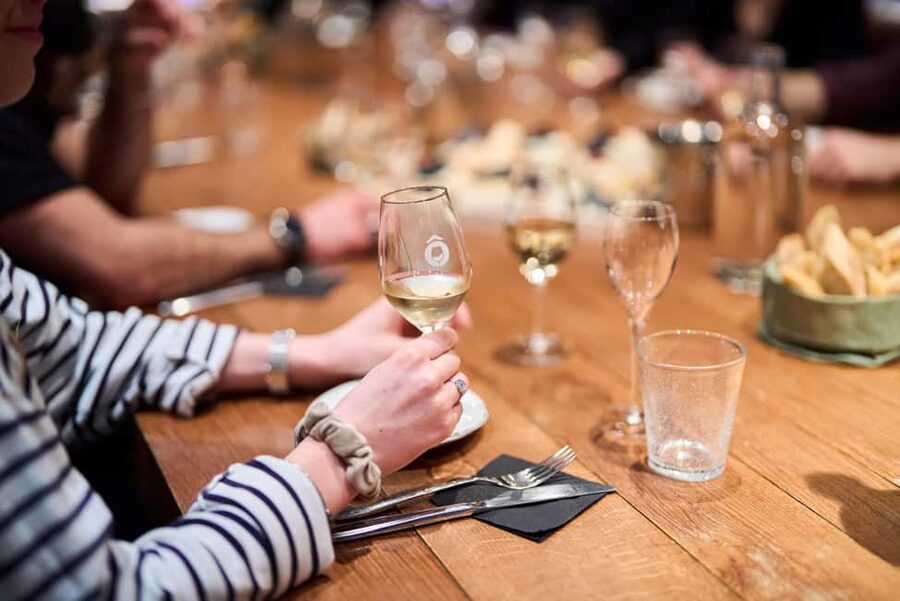
At $85 per person, you are paying for more than six small tastes. You’re paying for:
- a professional sommelier-led format
- instruction on tasting and labeling
- a structured tour across multiple French wine regions
- one Champagne plus five still wines
- bread and still water
- an ending with time for questions
In Paris, location is part of the value story too. Meeting near the Louvre and using a wine cellar setting gives the experience a sense of place, not just a pop-up table in a random corner. The class also ends early enough to keep your evening flexible, rather than locking you into a long, heavy night.
There’s also a practical “value beyond the pour” angle. The experience notes that the wines tasted are available to buy, so you can ask what you liked and purchase with more confidence than you would walking into a shop blind. That turns the lesson into an actual purchasing advantage, which can easily matter more than the tasting itself.
Who this class suits best (and who should think twice)
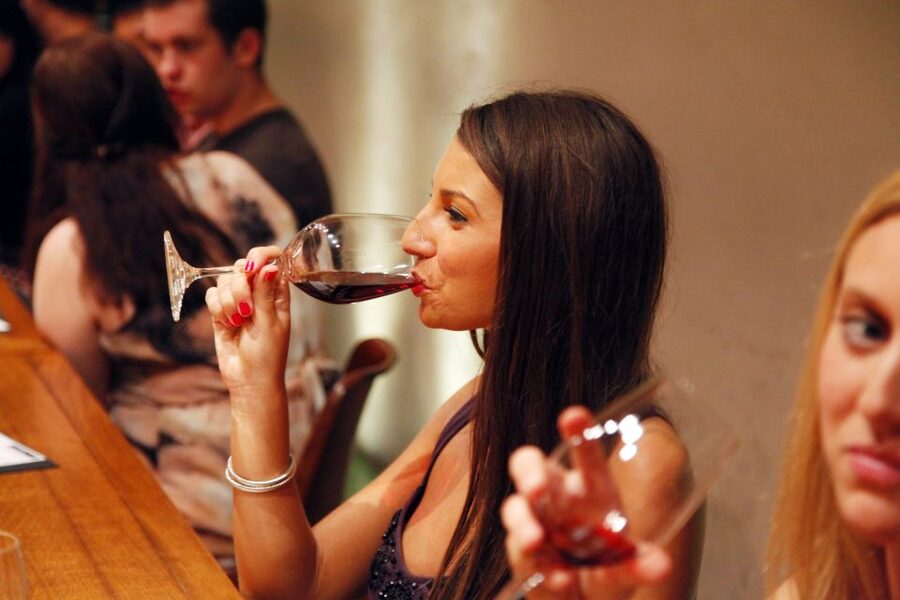
This is a strong fit if you are:
- new to French wine and want a fast, clear starting point
- the type who learns by doing, not by reading alone
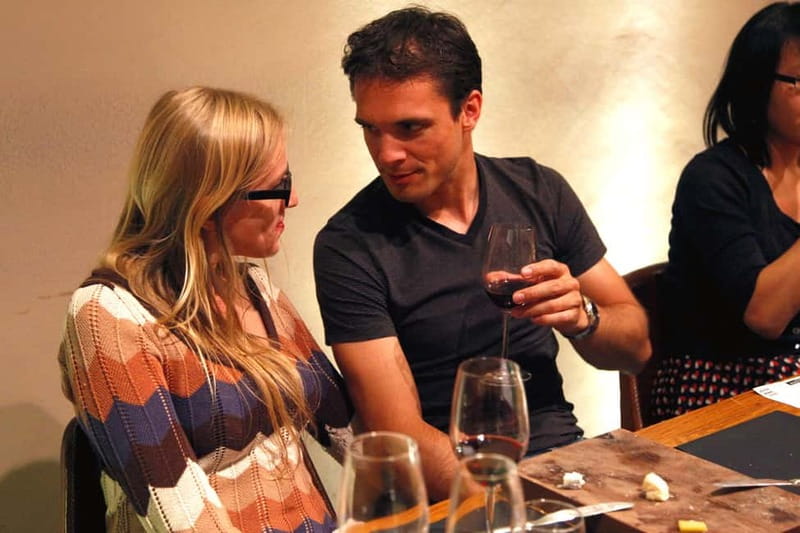
- a couple or small group looking for a fun pre-dinner activity
- someone who wants label confidence before ordering bottles or tasting menus
In that sense, it’s also a good “confidence builder.” You leave knowing how to taste, how to explain what you’re noticing, and how to connect a label to a style.
It may be less ideal if:
- you need lots of quiet space for questions and do not want a large-group vibe
- you’re extremely picky about glassware details
- you already know wine terms and label systems and feel ready to skip the basics
One more tiny practical note from the on-site vibe: because it’s a cellar, wear something light and comfortable. Wine classes are not the place for heavy layers or tight shoes that make you feel stuck.
Should you book the Paris French wine tasting with a sommelier?
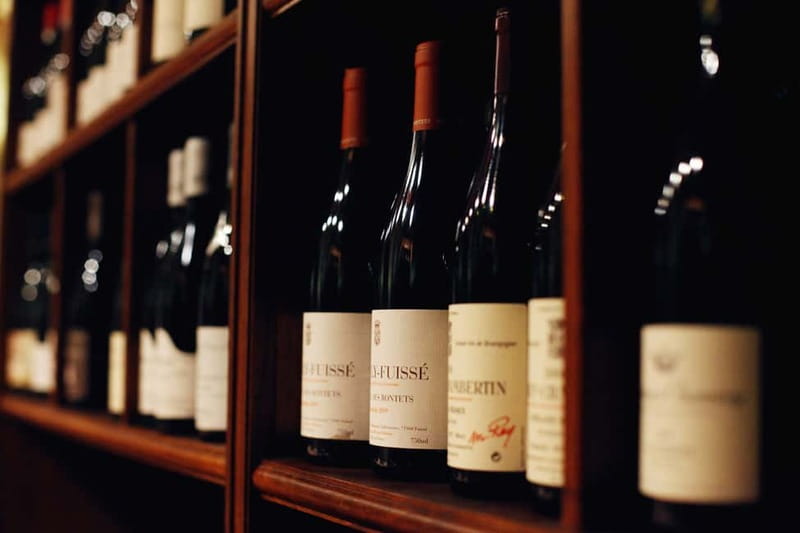
If you want an evening that teaches you something useful, not just an empty souvenir, I’d book this. The big selling points are straightforward: six wine samples (including Champagne), a real focus on tasting technique and label reading, and explanations of terroir and appellation that actually help you make better choices later.
You should especially book if you plan to buy wine or order wine in restaurants and you want to feel less intimidated. It’s also a great way to start your Paris trip, because you can carry the language of wine into the rest of your meals.
My only hesitation is group size in some sessions. If you know you freeze when it’s loud or crowded, arrive with a couple of questions ready so you can jump in during the Q and A.
FAQ
What time does the French wine tasting start?
The tasting starts at 5pm. It typically ends around 7pm.
Where is the meeting point?
Meet at 68 Rue Jean-Jacques Rousseau in the 1st arrondissement. The nearest metro stops are Louvre-Rivoli (Line 1) or Etienne Marcel (Line 4).
How long is the class?
The experience lasts 2 hours.
What wines are included in the tasting?
You’ll taste 1 Champagne and 5 French wines from 5 regions of France, for a total of six wine samples.
Is this class taught in English?
Yes. It includes a live tour guide in English.
Do you get any food during the tasting?
Yes. You get a basket of bread and still water included. There is also an optional cheese or charcuterie platter add-on for €15.
Can I reserve now and pay later?
Yes. You can reserve now & pay later, so you can keep plans flexible.
Is free cancellation available?
Yes. There is free cancellation up to 24 hours in advance for a full refund.
More Paris Bistro Tables and Cellars
- Paris: Seine Cruise & Crepe Tasting near the Eiffel Tower
★ 4.4 · 11,231 reviews - Authentic Parisian Gourmet Food Tour with 10 Local Dishes & Wines
★ 5.0 · 4,754 reviews - Normandy D-Day Small-Group Day Trip with Omaha Beach, Cemetery & Cider Tasting
★ 5.0 · 2,786 reviews - Paris: Illuminated Evening River Cruise & Waffle Tasting
★ 4.1 · 2,697 reviews - Montmartre Hill French Gourmet Food and Wine Tasting Walking Tour
★ 5.0 · 2,588 reviews
The Whole Paris Shelf
- Paris: Louvre Museum Timed-Entrance Ticket
★ 4.6 · 71,977 reviews - Disneyland® Paris 1-Day Ticket
★ 4.6 · 49,412 reviews - Paris: Versailles Palace and Gardens Full Access Ticket
★ 4.6 · 41,579 reviews - Paris: Evening River Cruise with Music
★ 4.4 · 22,721 reviews - Paris: Eiffel Tower Entry Ticket with Optional Summit Access
★ 4.4 · 20,035 reviews
More Tastings and Blending Sessions
- Montmartre Hill French Gourmet Food and Wine Tasting Walking Tour
★ 5.0 · 2,588 reviews - From Paris: Loire Valley Castles Day Trip With Wine Tasting
★ 4.6 · 1,727 reviews - Paris Le Marais District Original Food and Wine Tasting Tour
★ 4.5 · 880 reviews - Cheese & Wine Tasting in Montmartre with Local Cheesemonger
★ 5.0 · 470 reviews - Paris: Food and Wine Tasting Walking Tour in Le Marais
★ 4.9 · 446 reviews
The rest of the Paris write-ups
- Montmartre: Guided Tour for Kids and Families★ 4.9 · 57 reviews
- From Paris: Versailles Palace and Gardens Guided Day Trip★ 4.5 · 57 reviews
- Versailles Palace and Garden Tour with Paris Private Transfers★ 5.0 · 58 reviews
- Louvre Evening Escape – Avoid The Crowds! Semi-Private 6ppl Max★ 5.0 · 58 reviews
- Summit Eiffel Tower Audio Guide Tour with Unlimited Time Access★ 4.5 · 58 reviews
- Private Half Day Historic Tour★ 5.0 · 58 reviews
Wine Tasting Classes, in full.
 ★ 4.6Bordeaux: Cité du Vin Entry Ticket and Wine TastingFrom $273,885 reviews
 ★ 5.0Montmartre Hill French Gourmet Food and Wine Tasting Walking TourFrom $1452,588 reviews
 ★ 4.6From Paris: Loire Valley Castles Day Trip With Wine TastingFrom $1041,727 reviews
 ★ 4.8From Bordeaux: Afternoon Saint-Emilion Wine Tasting & snackFrom $1121,581 reviews
 ★ 5.0Medoc or Saint Emilion Wine Tasting and Chateau from BordeauxFrom $1141,415 reviews
 ★ 4.5Saint Emilion Half-Day Trip with Wine Tasting & Winery Visit from BordeauxFrom $1331,034 reviews
 ★ 4.5Paris Le Marais District Original Food and Wine Tasting TourFrom $157880 reviews
 ★ 5.0Burgundy Bike Tour with Wine Tasting from BeauneFrom $253674 reviews
Also on these France lists