
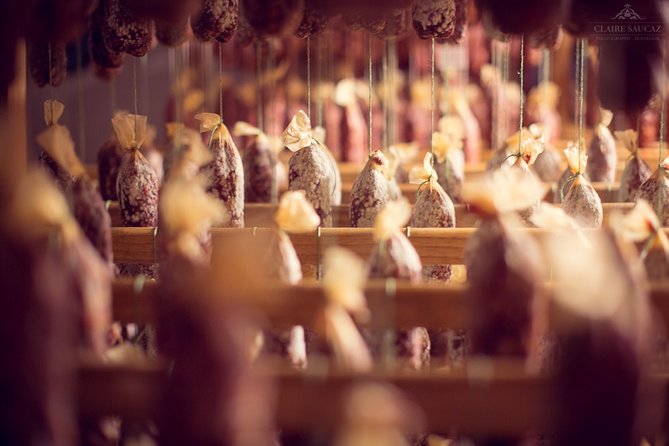
Reviewed · WORKSHOPS
Pierre IBAIALDE: Guided Tour Ham Workshop, tasting
Ham dries. Then you taste the proof. This guided visit at Pierre Ibaialde shows you the last salting room and the still-active ham drying setup in Bayonne, then finishes with a tasting of the house’s own products. It’s a compact, 45-minute stop that feels hands-on, because the process you hear about is actually happening around you.
I like how the guide keeps the story practical, with clear, simple explanations that work even if you have kids in the group. I also like the pay-off at the end, the tasting of original house products, which makes the whole tour feel worth it. One thing to plan for: the guidance is French only, and the salting room and dryer are on the second floor, reached by stairs with no elevator.
In This Review
- Key things to know before you go
- Arriving at Pierre Ibaialde in Bayonne, right on Rue des Cordeliers
- The flow of the tour, salting and drying first, tasting last
- Inside the last active salting room, where the process starts
- The ham dryer experience, seeing the scale of production
- The guide and the language question, what you’ll still get without French
- The included tasting, turning lessons into flavor
- Price and value, why this feels like a deal
- How to fit it into a day in Bayonne
- Who should book the Pierre Ibaialde ham workshop
- Should you book this ham workshop?
- FAQ
- Where does the tour start?
- How long is the guided workshop and tasting?
- Is the tasting included, or do I pay extra?
- What language is the guide?
- Is the tour accessible by elevator?
- Is pickup or drop-off provided?
- Is it suitable for most people?
- What is the cancellation policy?
Key things to know before you go
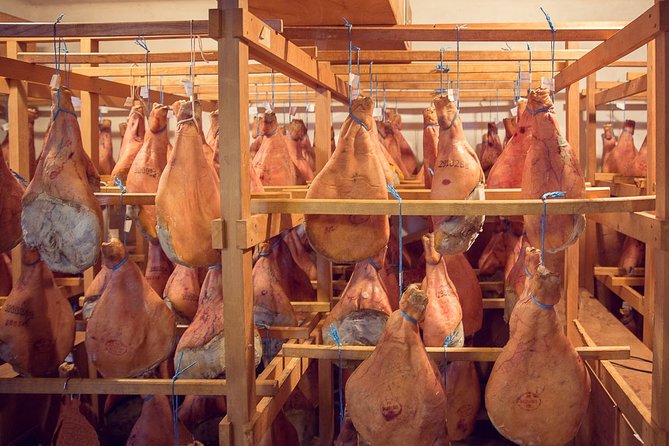
- It’s a working workshop: you visit the last active salting room and the ham dryer in Bayonne.
- 45 minutes, focused route: short enough to fit between other Bayonne sights.
- Tasting is included: you finish with house specialties, not just a brochure.
- Small feel with a cap of 35: the group limit keeps it from turning into a lecture hall.
- French-only guidance: if you do not speak French, you’ll rely on body language and a few key food words.
- 2nd-floor access by stairs: the rooms are reached via a staircase, no elevator.
Arriving at Pierre Ibaialde in Bayonne, right on Rue des Cordeliers
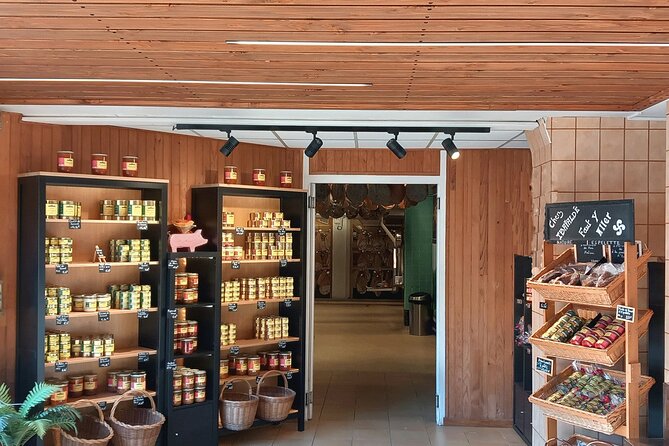
The meeting point is easy to find and central: 41 Rue des Cordeliers, 64100 Bayonne. It’s also near public transportation, which helps because you can treat this like a quick, well-timed neighborhood visit rather than a big logistical project.
This is a mobile-ticket activity, so you can keep things simple on your phone. Confirmation comes at booking, so you’ll have what you need before you head out.
If your day in Bayonne runs a little tight, that timing matters. This is about 45 minutes, and it returns you back to the meeting point at the end. In other words, you are not committing to half a day just to learn how ham is made.
The flow of the tour, salting and drying first, tasting last
The visit is built like a mini “how it becomes ham” timeline. You start in the part of the operation where meat is prepared for the long transformation, then you move to the dryer where the work keeps going. Only after you’ve seen and understood the process do you reach the tasting.
That order is smart for your brain and your appetite. If you taste too early, it just becomes a snack. If you taste at the end, the flavor becomes the final chapter of what you just learned, including why it tastes the way it does.
Also, because the rooms are part of a real active operation, you get the sense that this is not just a show. The process is ongoing, which makes the tour feel more grounded than a museum-style walkthrough.
Inside the last active salting room, where the process starts
The highlight of the first part is visiting the last salting room still active in Bayonne. Salting is where the transformation begins, and the guide walks you through what happens from the origin of the meat to the operations needed before drying even starts.
What I like about this stop is that it explains the steps in human terms. You do not need a chemistry degree to follow along, and the guide tends to use language that helps kids keep up too. That matters in a family setting, because you want everyone engaged, not just the adults nodding politely.
A practical note: you will be on the second floor. Expect a staircase. If you are traveling with anyone who struggles with stairs, this is the one thing that can change the whole plan.
The ham dryer experience, seeing the scale of production
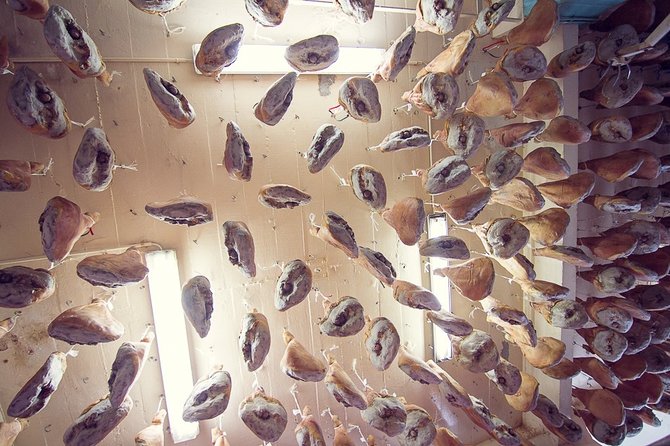
Next comes the ham dryer, also still active. This is where the “waiting” part of cured meat becomes real, because the drying room is exactly where time does its work. The guide ties the earlier steps to what comes later, so you can connect process to result.
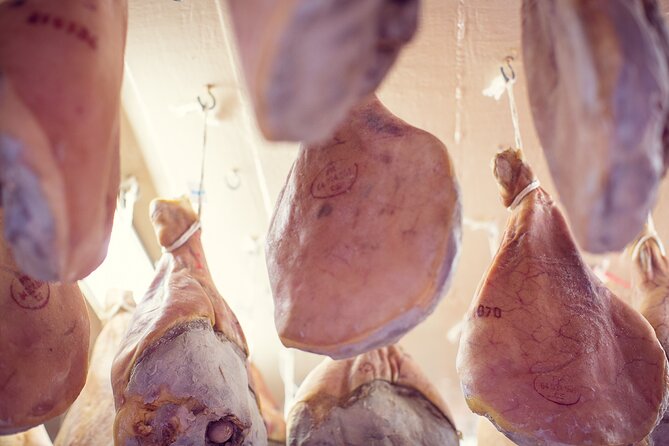
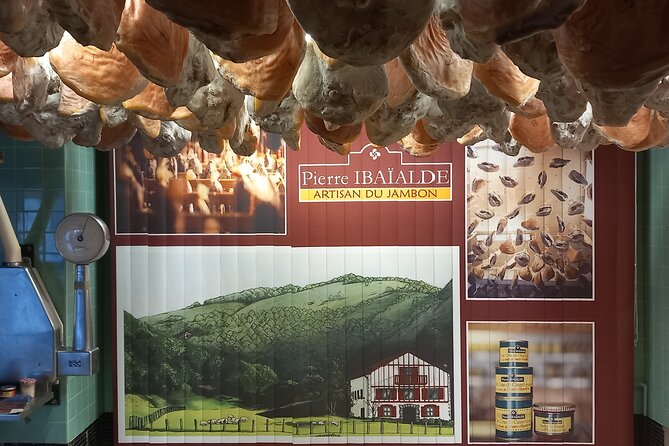
One detail that people often find impressive is the sheer number of hams in the production area. At times, the affinage space can hold more than eight hundred hams, which helps you understand that this is not a tiny hobby operation. You are watching a serious workflow.
If you like food that has patience built in, this part clicks fast. You start thinking differently about flavor, because you realize that texture and taste come from controlled time and careful handling, not just spices and marketing.
The guide and the language question, what you’ll still get without French
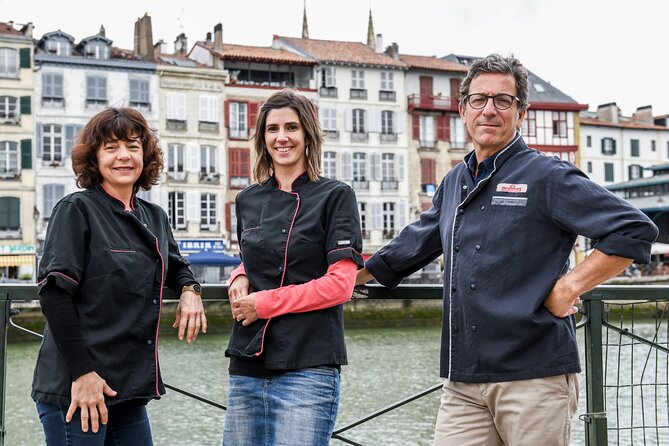
The tour guidance is French only, so it helps to go in with realistic expectations. If you read a little French, you’ll likely pick up extra. If you do not, you will still get the core ideas through demonstration, pacing, and what the guide points out.
What’s promising is that the explanations are designed to be clear. Some visitors describe the guide as using simple words that are easier for children to understand. Even if you’re not following every sentence, you can still follow the logic: meat, salting, then drying, then the final product.
You can also prepare a tiny toolkit of helpful phrases like jambon, salage, séchage, and dégustation. You do not need much to make the visit feel smoother, and it often turns the tour into more of a conversation even when you do not speak much French.
The included tasting, turning lessons into flavor
The tasting at the end is not optional in your experience plan, because it’s included. You sample the house’s original products, which is the logical finish to a tour about how those products are made.
This is where a working ham operation earns its keep. You get to judge for yourself, based on the taste and quality that match the process you just saw. Several visitors highlight that the tasting is excellent, with quality products that genuinely give you reasons to buy.
And yes, you might feel the urge to bring something home. Part of the satisfaction is that the tasting often leaves a strong “I want this again” impression, not just a polite bite. If there happens to be a shop promo during your visit, that’s simply a bonus.
Tip: take your time during the tasting. Think back to the steps you heard, and notice how salt level, aroma, and texture fit the story you were told. It’s the quickest way to make this feel like more than a one-time stop.
Price and value, why this feels like a deal
At $5.81 per person, this tour is priced low for what you get: a guided look at the process, access to active rooms, and an included tasting. Many food experiences cost a lot more for less time or without that practical, behind-the-scenes access.
The value also comes from the format. 45 minutes is the sweet spot for people who want something meaningful without losing an entire afternoon. You can do it on a travel day, even if you only have a short window in Bayonne.
The small-group cap of 35 matters too. A tighter group often means the guide can explain, answer, and pace better, which is consistent with the positive vibe around the guides being friendly and clear.
How to fit it into a day in Bayonne
Since it starts and ends at the same address, you can anchor it to the rest of your day. Aim to arrive a few minutes early, because you’re going up to the second floor and you do not want to waste time when the tour is ready to begin.
A good strategy is to place it after an earlier walk around the center so you can come hungry but not rushed. You’ll get more from the tasting if you have appetite and energy.
If you are pairing this with other Bayonne experiences, think of it as a focused food stop. It’s not a long museum circuit. It’s short, practical, and ends with real product tasting.
Who should book the Pierre Ibaialde ham workshop
This is a great pick if you want a hands-on food story instead of a generic explanation. I’d especially recommend it if you love cured meats, enjoy learning how traditional processes work, or want a memorable Bayonne food moment that stays efficient.
It also works well for families. People note that children can follow along, and that the guide uses easy language. That’s a big deal, because ham tours can go too technical in other places.
On the flip side, if your French is near zero, you’ll still get something, but your enjoyment depends on how comfortable you are with guided tours in a different language. And if stairs are a problem, you should think carefully, since the key rooms are on the second floor with no elevator.
Should you book this ham workshop?
Book it if you want a short, affordable way to understand how Bayonne ham moves from meat to cured product. The combination of an active salting room, an active dryer, and an included tasting of house originals is the core reason it feels like a good deal.
Skip it or reconsider if the language barrier would frustrate you. Also reconsider if stairs are a deal-breaker for your group, because this is not an elevator-friendly layout.
If you can handle a French-only guide and you’re ready for a focused food stop, this is an easy yes for Bayonne.
FAQ
Where does the tour start?
The activity starts at 41 Rue des Cordeliers, 64100 Bayonne, France. The tour ends back at the same meeting point.
How long is the guided workshop and tasting?
It lasts about 45 minutes.
Is the tasting included, or do I pay extra?
Tasting is included. You’ll taste the house’s original products at the end.
What language is the guide?
The guidance is French only.
Is the tour accessible by elevator?
No. The salting room and ham dryer are on the 2nd floor, accessible by a staircase, and there is no elevator.
Is pickup or drop-off provided?
No. There is no pick up and drop off at the hotel.
Is it suitable for most people?
The activity states that most travelers can participate.
What is the cancellation policy?
You can cancel for a full refund up to 24 hours in advance. If you cancel less than 24 hours before the start time, the amount paid is not refunded.
Workshops, in full.
 ★ 4.5Fragonard Paris: Mini Perfume WorkshopFrom $361,924 reviews
 ★ 5.0Paris Cooking Class and Lunch with Wine plus Market Visit OptionFrom $2401,024 reviews
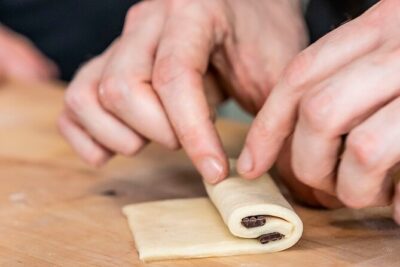 ★ 5.0Paris Croissant Small-Group Baking Class with a ChefFrom $157910 reviews
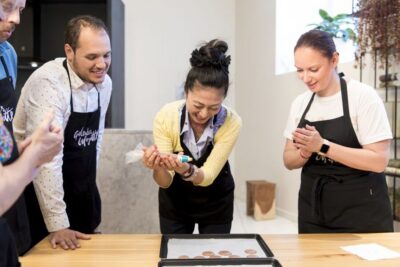 ★ 4.3Paris: Macaron Class at Galeries LafayetteFrom $67905 reviews
 ★ 4.5Fragonard Eze: Perfume Making Class and Factory TourFrom $36743 reviews
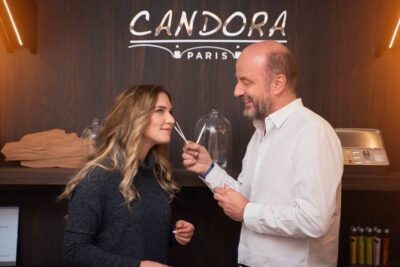 ★ 4.8Paris: 2-Hour Perfume Creation WorkshopFrom $115731 reviews
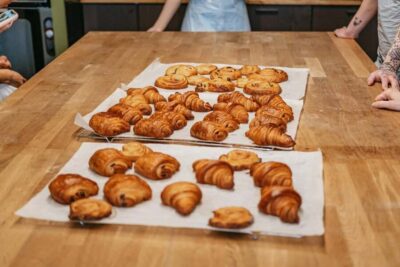 ★ 4.9Paris: French Croissant Baking Class with a ChefFrom $159712 reviews
 ★ 4.5Grasse: Perfume Making Class and Fragonard Factory TourFrom $36684 reviews
Also on these France lists