
Reviewed · COOKING CLASSES
Paris Cooking Class and Lunch with Wine plus Market Visit Option
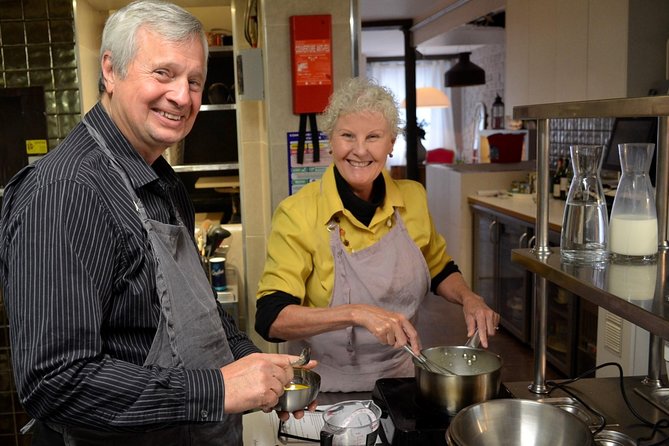
A Paris cooking class is a fast way to learn flavors you can use. Here you cook a 3-course lunch step by step, with a market visit option in the Latin Quarter that sets up your ingredients and your lunch story. The small group size means you actually get help, not just a seat near the counter.
I especially like the hands-on rhythm, plus the fact you’re pairing your food with wine while everything is fresh. A small drawback to think about: if you need a fully vegan or dairy-free plan, this class can’t switch to that in regular sessions.
Meet your instructor and get suited up at a cookery school in central Paris, then plan a menu and cook it for lunch. I like that your meal is both practical and classic, including a mix of techniques rather than just one dish. If you hate surprises, note the menu may vary by session, and you’ll also be tasting wine as part of the experience.
In This Review
- Market, Menu, and Wine: The Big Picture of This Paris Class
- Getting Oriented at 59 Rue du Cardinal Lemoine
- The 6-Hour vs 4.5-Hour Options, and What Changes
- Latin Quarter Market Visit: Shopping Skills Plus Cheese Tasting
- Planning Your 3-Course Menu Like a French Cook
- Hands-On Cooking: How the Class Stays Small and Skill-First
- Starter to Dessert: What You’ll Actually Cook
- Wine Pairing With Lunch: More Than Half a Bottle
- The Kitchen Team and Teaching Style: What Makes It Feel Personal
- What You Take Home: Electronic Recipes and the Drop-Stop
- Value and Price: Is $240.65 Worth It?
- Who This Class Fits Best in Your Paris Schedule
- A Few Things to Consider Before You Go
- Should You Book This Paris Cooking Class?
- FAQ
- How long is the cooking class?
- Is there an option with a market visit?
- Where does the class meet?
- What meal will I cook?
- Is wine included?
- How big is the group?
- Can they accommodate dietary restrictions?
- Will I receive recipes to take home?
- What are the age rules?
- Is the class offered in English?
Market, Menu, and Wine: The Big Picture of This Paris Class
This is the kind of Paris activity that turns sightseeing into skills. Instead of just looking at food, you pick ingredients, prep them in a working kitchen, and sit down to eat what you made. It’s also structured, so even if French cooking feels intimidating, you’re not left to figure it out alone.
The class runs in a small group, with up to 12 people. That matters, because French technique is detail work. You’ll get pointers on timing, textures, and what to watch for as you cook. The instructors you might meet across sessions include chefs named Frederick, Luke, Luc, Paolo, and Frédéric, and the common thread is hands-on teaching with lots of conversation.
Then comes lunch with wine pairing. You’re not just handed a glass, you’re guided to think about why the drink works with what’s on your plate.
Getting Oriented at 59 Rue du Cardinal Lemoine
You meet at 59 Rue du Cardinal Lemoine in the 5th arrondissement. It’s central, and the location is close to public transportation, which helps if you’re juggling a busy Paris day.
Plan for an active morning or midday. Even in a relaxed class, you’re chopping, mixing, and cooking. Reviews also mention the portion sizes can be bigger than expected, so I’d come with comfortable clothes. Think stretchy pants, not stiff “nice outfit” pants.
You’ll also use required equipment and attire provided by the school. That means less fuss about what to bring beyond the basics.
Other Paris wine visits

The 6-Hour vs 4.5-Hour Options, and What Changes
You’ve got two main timing choices.
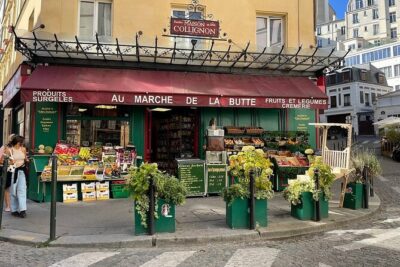
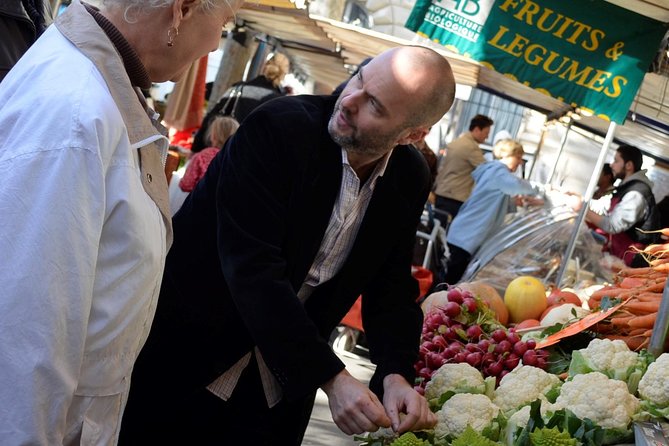
6-hour class with market visit: You start at the school, then you begin with a croissant and coffee or tea before heading to an open-air market near the Latin Quarter. You buy ingredients for your meal, and you also get cheese samples with guidance from your instructor.
4.5-hour class without market visit: You skip the market and start right at the school. Your instructor has already returned from the market, so you begin by planning your 3-course menu and then move into cooking.
If you love the idea of picking produce and getting schooled on what makes ingredients good, choose the full 6-hour version. If you’re short on time and want the cooking and wine pairing right away, the 4.5-hour option is the clean choice.
Latin Quarter Market Visit: Shopping Skills Plus Cheese Tasting
If you take the 6-hour option, the market near the Latin Quarter becomes more than a photo stop. You’re there to learn what to buy and how to think like a cook.
Expect a walk-and-taste approach. Part of the value is learning how to identify quality and what’s in season. One of the most repeated themes from the experience is that the instructors talk through the logic behind ingredient choice, not just where to find it.
Cheese also gets real attention. In class sessions, you may cover different types of French cheese and how to identify quality labels, and you’ll taste several samples with your instructor. That’s a smart bonus, because it makes the rest of the meal feel connected. When you later pair wine with food, you’re already practicing how flavors relate.
A practical tip for the market portion: try to keep your questions ready and simple. Ask what ingredient you should prioritize and what to ignore if you’re shopping on your own later. The instructors are used to that.
Planning Your 3-Course Menu Like a French Cook
Whether you do the full 6 hours or the shorter version, you end up with the same core promise: you’ll cook a starter, main, and dessert lunch.
Menu planning is part of the work. You’ll work through what you’re making and why, so your cooking steps feel less random. This is where French cooking stops being mysterious. You see the building blocks: balance, texture, acidity, and timing.
The menu example provided for one session includes:
- Starter: Salmon tartare with yuzu, served on a soy-poached turnip
- Main: Parisian-style coq au vin
- Dessert: Poached peach, raspberry coulis, and homemade vanilla ice cream
In other sessions, you might also see classic variations such as dishes including Mushrooms Normande, baked salmon with beurre blanc, ratatouille, and Poire Belle Helene. The important part is that you’re still practicing real French techniques, not just assembling something simple.
Hands-On Cooking: How the Class Stays Small and Skill-First
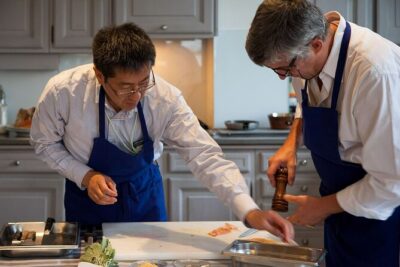
Once the kitchen time starts, the structure keeps you moving. You’re not watching from the sidelines. You’ll work at cooking stations and get guidance before you start each step.
A standout theme from the experience is how collaborative it feels. People work together on prep, and you learn from watching how someone else tackles the same ingredient. If you’re traveling solo, that can turn into an unexpectedly social moment, especially when the group is lively.
What you learn tends to be both technique and the reasoning behind it. Reviews mention a focus on the science of cooking and baking, which is helpful because it explains what’s happening when you adjust heat, timing, or texture. That’s the difference between following instructions and actually learning.
And yes, you cook plenty. The upside is you get a satisfying lunch. The downside is you’ll want to pace yourself and keep your energy up.
Starter to Dessert: What You’ll Actually Cook
Let’s talk through the dishes in practical terms.
Salmon tartare with yuzu is a great starter choice because it teaches freshness and control. Tartare is about precision and texture, and yuzu adds a bright note that makes the whole meal feel lighter.
Coq au vin is the classic comfort main. You’re dealing with richer flavors and a slower, sauce-driven approach. It’s one of those dishes that shows how French cooking builds depth through layers, not shortcuts.
For dessert, poached peach with raspberry coulis and homemade vanilla ice cream is a memorable way to end. Poaching teaches gentle heat control. The coulis builds flavor punch with fruit. And the vanilla ice cream component gives you a clear win, even if you’re not an advanced baker.
In some classes, you might instead cook a mix of items like ratatouille or a beurre blanc style sauce approach, depending on the session. Either way, the class uses your meal as a training plan, not just a payoff.
More Paris kitchens to book
- Paris Croissant Small-Group Baking Class with a Chef
★ 5.0 · 910 reviews - Paris: French Croissant Baking Class with a Chef
★ 4.9 · 712 reviews - Paris Cooking Class: Learn How to Make Macarons
★ 5.0 · 634 reviews - Paris Evening Cooking Class French Dinner and Market Visit Option
★ 5.0 · 430 reviews - Paris French Cuisine Small Group Cooking Class with Lunch
★ 4.5 · 418 reviews
Wine Pairing With Lunch: More Than Half a Bottle
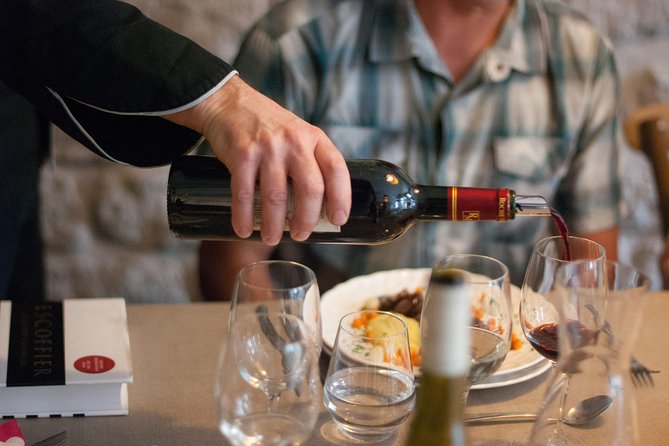
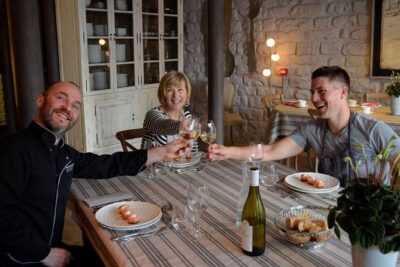
Wine is built into the experience. You’ll sample a selection of different wines paired to your food, and during lunch you enjoy half a bottle of white or red wine per person.
The pairing lesson is one of the most useful parts, because it gives you a framework. You start thinking in terms of how a wine’s acidity, fat feel, and flavor weight can match a dish. It’s the kind of knowledge you can use when you’re out eating in France, not just during the class.
There’s also a practical safety angle: you should be 18 or older to drink, and the class follows that rule. If you’re not drinking, you can still enjoy the food learning portion, but the wine pairing element is part of the program as described.
The Kitchen Team and Teaching Style: What Makes It Feel Personal
The instructors behind this experience are a major part of the value. Across sessions, names like Chef Luke, Chef Luc, Chef Paolo, and Chef Frédéric come up, and the consistent feedback is teaching that’s friendly, funny, and patient. You’re not just being talked at. You’re being coached.
A small-group class also means it’s easier to get individual corrections. If your sauce looks too tight or your technique needs adjustment, you can get feedback quickly.
One more practical note from the experience: the instructors handle questions well, including food dislikes and allergies. You’ll want to advise your needs when booking, because the school sets the plan based on what it can accommodate. Reviews describe that the chef can make substitutions when possible, but the key is to communicate early.
What You Take Home: Electronic Recipes and the Drop-Stop
Your lunch isn’t the only souvenir. Before you leave, you receive electronic copies of your recipes. That’s a big deal for value, because it turns the class into a skill you can repeat at home.
You’ll also receive a complimentary Drop-Stop for the perfect pour every time. It’s small, but it’s also directly tied to the wine side of the experience.
If you’re the kind of traveler who loves bringing something home that actually gets used, this is a good match. If you only want photos, you can still enjoy it, but the recipe files are what make this class keep paying off after your trip.
Value and Price: Is $240.65 Worth It?
At about $240.65 per person, this isn’t a cheap throw-in activity. But it also isn’t just entertainment.
You’re paying for:
- a hands-on 3-course cooking class
- an included lunch that you cook yourself
- wine pairing and wine with lunch
- equipment and attire
- an instructor who stays involved during prep and cooking
- optional market visit with ingredient buying and cheese tasting
- recipe copies and a small wine tool (Drop-Stop)
So the value is in the full package. You’re not paying just for ingredients, and you’re not paying just for wine. You’re paying for guidance, structure, and a learning experience that you can reproduce later.
If your Paris plan already includes a fancy dinner, note that you’ll likely feel full after this. I’d avoid booking another big meal right after.
Who This Class Fits Best in Your Paris Schedule
This experience is a strong fit if you want a hands-on “Paris skill,” not only sightseeing. It’s also great when you like learning from a teacher while you’re working, tasting, and asking questions.
It’s especially good for:
- food lovers who want to understand why French cooking works
- solo travelers, because small-group size helps you connect
- couples or friends who want something interactive and different from a restaurant meal
- travelers who want both market education and kitchen practice
If you’re extremely time-pressured, the 4.5-hour option makes sense. If your priority is ingredient shopping and cheese education, take the 6-hour option.
A Few Things to Consider Before You Go
This is where you should check your expectations.
- Diet limits: You should advise any dietary requirements at booking. The class cannot accommodate a vegan or dairy-free diet in its regular format.
- Allergies and dislikes: The chef can consider concerns, but your best move is to share details upfront so the plan can be adjusted if possible.
- Alcohol and age rules: Minimum drinking age is 18. The experience includes wine, so keep that in mind for mixed-age groups.
- You may cook a lot: Come prepared for a hands-on day with a satisfying meal, not a light snack.
Should You Book This Paris Cooking Class?
Yes, if you want a small-group, practical French food lesson with a real lunch at the end. The combo of market learning (on the 6-hour option), hands-on cooking, and wine pairing is a rare blend. It’s the kind of activity that gives you something to practice at home, not just memories.
Book it with confidence if you like classic French dishes, and if you’re happy to spend a few hours actually cooking. Choose the shorter option if your schedule is tight, and choose the full market version if you want the ingredient education plus cheese tasting.
If vegan or dairy-free is a must, skip this one based on the regular class limitations. Otherwise, this is one of those Paris experiences that feels worth doing once, and worth repeating later.
FAQ
How long is the cooking class?
The experience runs for about 6 hours (approx.).
Is there an option with a market visit?
Yes. The 6-hour class includes a market visit in the Latin Quarter to buy ingredients (plus cheese samples). The shorter class does not include the market visit.
Where does the class meet?
You meet at 59 Rue du Cardinal Lemoine, 75005 Paris, France.
What meal will I cook?
You cook a 3-course lunch with an appetizer, main, and dessert. Example dishes mentioned include salmon tartare with yuzu, coq au vin, and a peach-and-raspberry dessert with vanilla ice cream.
Is wine included?
Yes. The class includes wine pairings and lunch includes white and red wine, with half a bottle per person. Minimum drinking age is 18.
How big is the group?
This activity has a maximum of 12 travelers, so it stays small.
Can they accommodate dietary restrictions?
You should advise specific dietary requirements at booking. The regular classes cannot accommodate vegan or dairy-free diets. The chef may be able to consider allergies or food dislikes if you provide details in advance.
Will I receive recipes to take home?
Yes. You’ll receive electronic copies of the recipes.
What are the age rules?
The minimum age is 12 years. No unaccompanied children are accepted.
Is the class offered in English?
Yes, it is offered in English.
More Paris Kitchens to Book
- Paris Croissant Small-Group Baking Class with a Chef
★ 5.0 · 910 reviews - Paris: French Croissant Baking Class with a Chef
★ 4.9 · 712 reviews - Paris Cooking Class: Learn How to Make Macarons
★ 5.0 · 634 reviews - Paris Evening Cooking Class French Dinner and Market Visit Option
★ 5.0 · 430 reviews - Paris French Cuisine Small Group Cooking Class with Lunch
★ 4.5 · 418 reviews
More Paris Wine Visits
- Paris: Moulin Rouge Cabaret Show Ticket with Champagne
★ 4.7 · 16,088 reviews - Authentic Parisian Gourmet Food Tour with 10 Local Dishes & Wines
★ 5.0 · 4,754 reviews - Loire Valley Castles Day Trip from Paris with Complementary Wine
★ 4.5 · 3,907 reviews - Montmartre Hill French Gourmet Food and Wine Tasting Walking Tour
★ 5.0 · 2,588 reviews - Paris: Montmartre Cheese, Wine & Pastry Guided Walking Tour
★ 4.8 · 2,255 reviews
The Whole Paris Shelf
- Paris: Louvre Museum Timed-Entrance Ticket
★ 4.6 · 71,977 reviews - Disneyland® Paris 1-Day Ticket
★ 4.6 · 49,412 reviews - Paris: Versailles Palace and Gardens Full Access Ticket
★ 4.6 · 41,579 reviews - Paris: Evening River Cruise with Music
★ 4.4 · 22,721 reviews - Paris: Eiffel Tower Entry Ticket with Optional Summit Access
★ 4.4 · 20,035 reviews
The rest of the Paris write-ups
- Montmartre: Guided Tour for Kids and Families★ 4.9 · 57 reviews
- From Paris: Versailles Palace and Gardens Guided Day Trip★ 4.5 · 57 reviews
- Versailles Palace and Garden Tour with Paris Private Transfers★ 5.0 · 58 reviews
- Louvre Evening Escape – Avoid The Crowds! Semi-Private 6ppl Max★ 5.0 · 58 reviews
- Summit Eiffel Tower Audio Guide Tour with Unlimited Time Access★ 4.5 · 58 reviews
- Private Half Day Historic Tour★ 5.0 · 58 reviews
Cooking Classes, in full.
 ★ 5.0Paris Croissant Small-Group Baking Class with a ChefFrom $157910 reviews
 ★ 4.9Paris: French Croissant Baking Class with a ChefFrom $159712 reviews
 ★ 5.0Paris Cooking Class: Learn How to Make MacaronsFrom $156634 reviews
 ★ 5.0Paris Evening Cooking Class French Dinner and Market Visit OptionFrom $252430 reviews
 ★ 4.5Paris French Cuisine Small Group Cooking Class with LunchFrom $217418 reviews
 ★ 5.0Paris Macarons Small-Group Baking Class with a ChefFrom $157316 reviews
 ★ 4.7Paris: Macaron Baking Class for Families and KidsFrom $112270 reviews
 ★ 5.0Amazing Sweet Crêpe Cooking Class ParisFrom $105233 reviews
Also on these France lists