
Reviewed · BORDEAUX WINE TOURS
Saint-Émilion: 2 hours – Visit of the vineyard, the cellar and tasting
Saint-Émilion wine starts in the vines. This 2-hour walk through Château Haute-Nauve mixes vineyard views, cellar production steps, and a guided tasting of 4 Château wines. I love that it focuses on how the estate works across the year, not just a quick photo stop, and I also like the small-group feel, where the guide (Florent or Marie-Anne) can actually answer your questions. One thing to consider: the tour is about 2 hours, so you will move at a steady pace.
You also get a lesson in how this family estate thinks about wine today, including sustainability choices and dealing with weather threats like crop freezes. The tasting is the payoff, including a rosé, a Saint-Émilion, and two Saint-Émilion Grand Cru wines, guided so you know what you are looking for. The main drawback is simple: with the time box, there is not much room to linger long in any single spot.
In This Review
- Key highlights you will care about
- The Vineyard Walk: where the family story becomes real
- What to notice as you walk
- Vineyard “seasonality” talk, and why it makes the rest of the tour click
- Crop freezes and sustainability, in plain terms
- Inside the winery: production steps you can picture
- Tanks, machines, and how it all fits together
- Barrel cellar aging: the quiet part that shapes the taste
- The tasting: 4 Château wines, with Grand Cru in the mix
- How the tasting is presented
- Timing and group size: plan for a steady, enjoyable pace
- Language note
- Price and value: what $30.04 gets you
- Where it fits best (and who might want a different option)
- Should you book Château Haute-Nauve?
- FAQ
- How long is the Saint-Émilion vineyard, cellar, and tasting tour?
- What is included in the tasting?
- Are Grand Cru wines part of the tasting?
- Is the tour offered in English?
- How big is the group?
- Where does the tour start?
- Who guides the visit?
- Is cancellation free?
- Is this a mobile ticket experience?
Key highlights you will care about
- Small group, max 15 people, so the experience stays personal
- English-language tour with Florent or Marie-Anne
- Vineyard walk tied to seasonal work and different plots of vines
- Cellar and barrel cellar visit, including fermentation, pumping, pressing, and aging
- 4-wine tasting with a rosé, a Saint-Émilion, and two Grand Cru bottles
- Estate sustainability + resilience stories, including crop-freeze challenges
The Vineyard Walk: where the family story becomes real
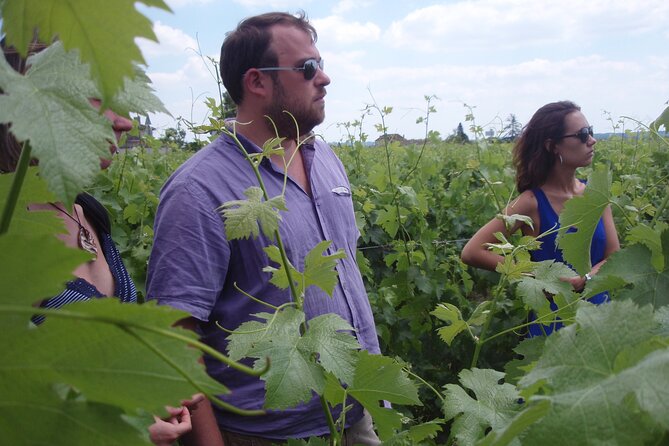
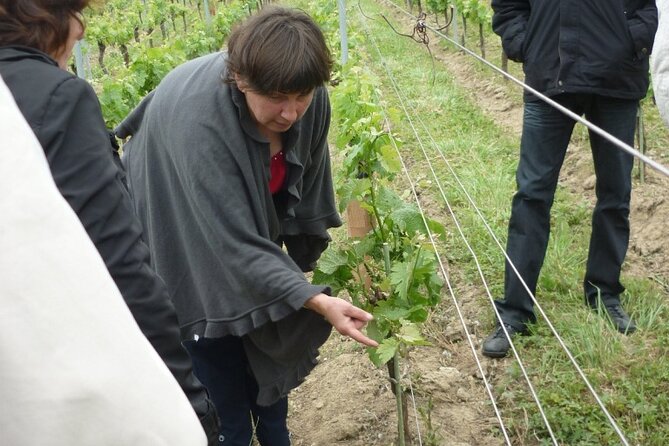
This tour begins where most wine magic actually happens: in the vineyard. You walk the estate while the guides explain the property’s family story, including that it is a fourth-generation wine estate. That matters because you are not just hearing facts, you are hearing how those facts connect to decisions made over decades.
You will also get a clearer sense of the Saint-Émilion appellation from the ground level. Instead of only hearing broad labels, you see how the vines are managed and how the work changes over the year. If you have ever wondered why two vineyards can look similar in one month and completely different later, this kind of seasonal explanation helps you connect the dots.
Still comparing options? These are other tours in France we have reviewed.

What to notice as you walk
Keep an eye out for details the guide points out. On this estate you will learn about specific approaches to vineyard challenges and sustainability efforts, and you will also see some striking landmarks that make the visit memorable.
One is a wind turbine. Another is a wine bottle that is about 6 meters high. These are not there just for fun. They frame the estate’s message: they are thinking about energy, farming choices, and the realities of producing wine year after year.
Vineyard “seasonality” talk, and why it makes the rest of the tour click
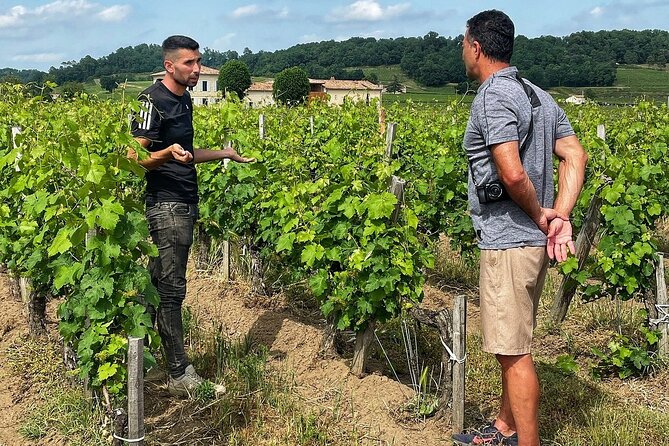
A lot of wine tours tell you what the steps are. This one helps you understand when the steps happen and why. You will walk through different plots of vines and learn how the vineyard team’s work evolves through the year, with the guide linking those seasonal changes to the broader goal of making wine consistently.
That helps when you later see fermentation, pressing, and barrel aging. Without that earlier context, the cellar can feel like a sequence of machines and tanks. With it, you start making sense of why certain decisions happen upstream.
Crop freezes and sustainability, in plain terms
The guide also explains the estate’s response to crop freezes, plus their push toward sustainability and diversification. Even if you are not a wine expert, you will get the key point: farming is about risk management as much as it is about romance.
If you like tours that stay practical, not just poetic, you will appreciate how the story connects weather, farming choices, and the wines you taste later.
Inside the winery: production steps you can picture
After the vineyard walk, you move into the winery area and the guide walks you through the production process. You will see the flow of the winemaking steps from harvest into the cellar work, including fermentation, pumping, and pressing.
This is one of the most valuable parts of the tour for non-experts. You are not expected to know the vocabulary. Instead, you get the steps in the order they happen, with enough explanation that you can picture what is changing from one stage to the next.
Tanks, machines, and how it all fits together
You will also see the big practical equipment used after the harvest. The tour is built so you can connect tools to outcomes. For example, when you hear how fermentation fits into the overall timeline, you are better prepared to understand why the wines taste the way they do at the end.
Some tours rush the cellar. This one keeps the production sequence understandable and tied back to the estate and its choices in the vineyard.
More France bistro tables and cellar visits
- Winery Tour & Wine Tasting – Deli Plate & 3 Wines
★ 5.0 · 72 reviews - Winery Visit with Food and Wine in Carcassonne
★ 5.0 · 59 reviews - Cellar visit and Alsace wine tasting with a feminine touch
★ 4.7 · 40 reviews - Unusual visit & Tasting of our organic wines
★ 5.0 · 34 reviews - Discovery visit of Château Rol Valentin with tasting
★ 5.0 · 34 reviews
Barrel cellar aging: the quiet part that shapes the taste
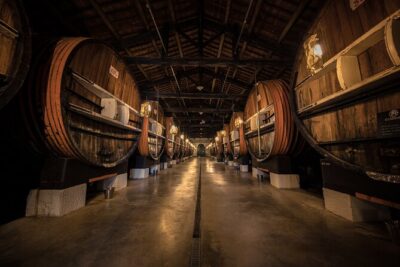
The tour ends in the cellar’s barrel aging area. This stop is shorter than the vineyard section, but it is important. Aging in barrels is where wine develops character over time, and seeing the setup makes it easier to connect the tasting notes you hear from the guide to real aging practices you can visually anchor.
If you like learning by looking, this is a good match. The guide shows you the methods used for aging the wine, so you are not just hearing terms like barrel aging. You can associate them with the physical environment.
The tasting: 4 Château wines, with Grand Cru in the mix
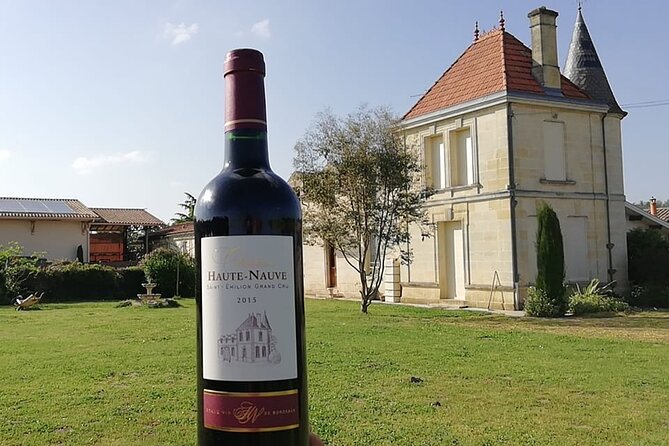
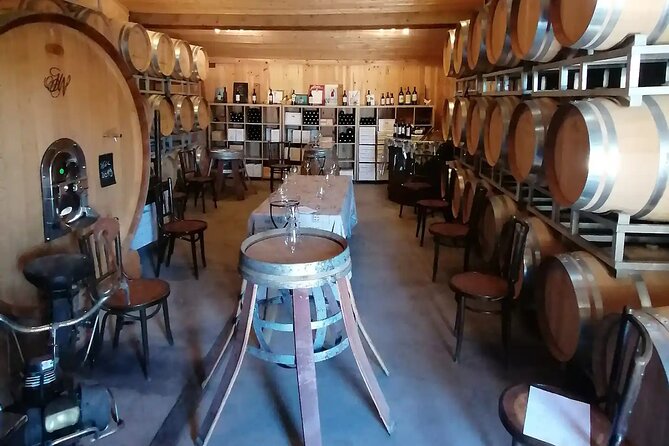
Now for the part most people really sign up for. The guided tasting includes four wines from Château Haute-Nauve.
The lineup is:
- a rosé
- a Saint-Émilion
- two Saint-Émilion Grand Cru wines
That mix is smart. You get variety in what you taste, and you also get a chance to compare within the same appellation tier. If you are new to Saint-Émilion and especially if you are curious about what Grand Cru means in your glass, this structure gives you a clear framework.
How the tasting is presented
The tasting is guided, so you are not just handed glasses and told good luck. The guide helps you notice differences between the wines, and the experience is paced so you can actually follow along.
From the overall vibe, the guides do well at keeping it relaxed. You might find the tone includes humor, and that makes the tasting feel less like a lecture and more like a conversation with someone who cares about their craft.
Timing and group size: plan for a steady, enjoyable pace
This is an approximately 2-hour experience. That duration is long enough to include three meaningful parts, vineyard, winery, and cellar aging, plus a real tasting. It is short enough that you can still do other Saint-Émilion sightseeing the same day.
Group size is capped at 15 travelers. In practice, that matters. Smaller groups tend to mean you get more interaction, especially during the cellar and tasting portions where questions usually pop up.
Language note
The tour is offered in English, and that is a big deal. Wine tours can get frustrating when the guide is speaking too fast or skipping context. Here, the structure is clearly designed to be understandable in English.
Price and value: what $30.04 gets you
At about $30.04 per person, this tour is priced like many short winery visits, but it stacks value in two ways.
First, the tour includes a tasting of 4 Château wines, which means you are not paying extra at the end. Second, two of those wines are Saint-Émilion Grand Cru, so you are tasting at least part of what the estate considers its higher tier selection.
You also get more than just a sniff-and-sip. You walk through vineyard work across the year, see production steps like fermentation, pumping, and pressing, then visit barrel aging before tasting. For a 2-hour window, that is a lot of structure.
Where it fits best (and who might want a different option)
This tour is ideal if you want:
- a hands-on vineyard and cellar program in a short timeframe
- an English guide who can explain the process clearly
- a tasting that includes Grand Cru alongside other estate wines
It is also a strong choice if you are traveling with older parents or family members who want something rewarding without a full day tour. The estate walk and cellar stops are paced enough to feel like a shared experience.
One possible mismatch: if you are the type who wants ultra-deep technical detail or long, lingering time in one place, this 2-hour format may feel brisk. In exchange, you get a complete overview without losing the tasting payoff.
Should you book Château Haute-Nauve?
I would book this tour if you want a straightforward, well-paced Saint-Émilion winery visit that includes both the production story and a guided tasting. The combo of vineyard walk, cellar steps, barrel aging, and a 4-wine lineup with two Grand Cru bottles makes it good value for the time.
If you are choosing between a quick tasting-only stop and something more structured, this is the better bet. You leave knowing how the estate works, not just what the wines taste like.
If you prefer a slow tour with lots of independent wandering, you might want a longer winery visit instead. But for most people, this is a smart, efficient way to experience the heart of the appellation and the estate’s approach to wine.
FAQ
How long is the Saint-Émilion vineyard, cellar, and tasting tour?
The tour lasts about 2 hours.
What is included in the tasting?
The tasting includes 4 Château wines.
Are Grand Cru wines part of the tasting?
Yes, the tasting includes two Saint-Émilion Grand Cru wines.
Is the tour offered in English?
Yes, the tour is offered in English.
How big is the group?
The tour has a maximum of 15 travelers.
Where does the tour start?
The meeting point is Château Haute Nauve1 Haute Nauve, 33330 Saint-Laurent-des-Combes, France.
Who guides the visit?
The tour is run by the estate’s family, including either Château Haute-Nauve Marie-Anne or Florent.
Is cancellation free?
Yes, you can cancel for a full refund up to 24 hours in advance.
Is this a mobile ticket experience?
Yes, the tour uses a mobile ticket, and confirmation is received within 48 hours of booking, subject to availability.
More France Bistro Tables and Cellars
- Winery Tour & Wine Tasting – Deli Plate & 3 Wines
★ 5.0 · 72 reviews - Winery Visit with Food and Wine in Carcassonne
★ 5.0 · 59 reviews - Cellar visit and Alsace wine tasting with a feminine touch
★ 4.7 · 40 reviews - Unusual visit & Tasting of our organic wines
★ 5.0 · 34 reviews - Discovery visit of Château Rol Valentin with tasting
★ 5.0 · 34 reviews
The Whole France Shelf
- Leisure ride on an electric scooter
★ 5.0 · 276 reviews - Canyoning Annecy Angon Discovery
★ 5.0 · 181 reviews - Cave Museum Village Troglodyte of Rochemenier Admission Ticket
★ 4.5 · 143 reviews - Maison Noilly Prat VIP tour, wine and vermouth tastings
★ 4.5 · 134 reviews - Puy du Fou Theme Park Multi Day Entrance Dated Ticket
★ 4.5 · 103 reviews
The rest of the France write-ups
- Picnic at the Château de la Selve!★ 5.0 · 26 reviews
- Cross electric skateboard ride★ 5.0 · 26 reviews
- Discovery Day in the footsteps of the Builder Monks★ 5.0 · 28 reviews
- Discover Béziers differently with a Food Tour★ 5.0 · 28 reviews
- Electric scooter tour in Hossegor★ 5.0 · 31 reviews
- From Cargèse: Scandola Day Tour & Girolata Lunch Stop★ 4.5 · 31 reviews
Bordeaux Wine Tours, in full.
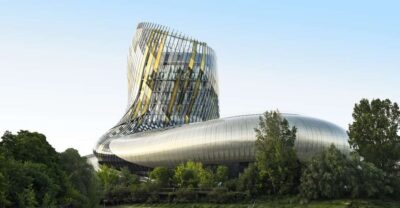 ★ 4.6Bordeaux: Cité du Vin Entry Ticket and Wine TastingFrom $273,885 reviews
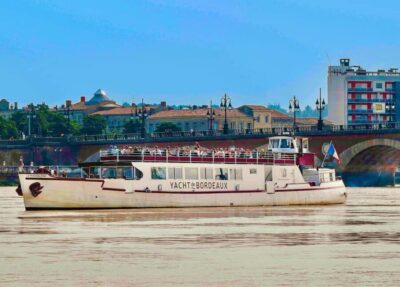 ★ 4.5Bordeaux: River Garonne Cruise with Glass of Wine and CaneléFrom $223,630 reviews
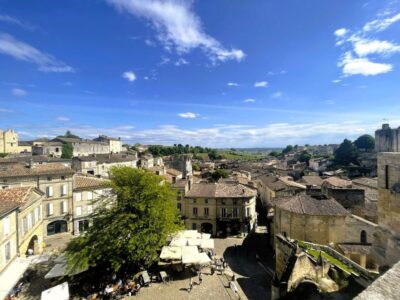 ★ 4.8From Bordeaux: Afternoon Saint-Emilion Wine Tasting & snackFrom $1121,581 reviews
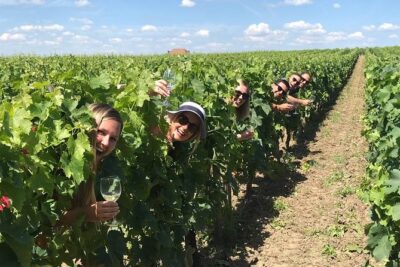 ★ 5.0Medoc or Saint Emilion Wine Tasting and Chateau from BordeauxFrom $1141,415 reviews
 ★ 5.0Saint Emilion Day Trip with Sightseeing Tour & Wine Tastings from BordeauxFrom $2501,120 reviews
 ★ 4.6Saint-Émilion: Grand Cru Classé Winery Visit and TastingFrom $231,118 reviews
 ★ 4.5Saint Emilion Half-Day Trip with Wine Tasting & Winery Visit from BordeauxFrom $1331,034 reviews
 ★ 4.7From Bordeaux: St. Emilion Village Half-Day Wine TourFrom $129728 reviews
Also on these France lists