
Reviewed · PARIS PASTRY & MACARON WORKSHOPS
Paris: Croissant Baking Class with a Chef
Flaky croissants start with patient folding. In Paris at Studio Pâtisserie, this 3-hour class is interesting because it pairs hands-on coaching from Chef Léo with a small group size so you get real-time fixes as you roll and fold. I especially like the clear balance of technique and theory (butter quality, proofing, why each step matters) and the fact you eat what you make, warm and fresh at the end. The main drawback to plan for is physical effort, rolling dough takes arm strength, and the class is not suitable for children under 15.
You will meet in a gray storefront building at Studio Pâtisserie, near Metro Line 2 Rome and Metro Line 3 Villiers. The class runs in English with an instructor guiding you step-by-step, and you may also have the option of bi-color croissants on selected days if you book that variant.
In This Review
- Key things I’d circle on your planner
- Croissant class at Studio Pâtisserie: cozy, structured, and very practical
- Meet Chef Léo, and why the teaching style matters
- The 3-hour reality: dough rests are part of the lesson
- What you’ll make, and how the tasting works
- Folding technique: where most home bakers need help
- The science segment you actually need: butter quality and proofing cues
- Bi-color croissants: a fun upgrade if your class day offers it
- Equipment and the small-group size: you learn faster than you expect
- Physical effort and age limits: plan around the arm workout
- Meeting point near Rome and Villiers: quick to find, once you look for the gray storefront
- English instruction: the difference between cooking and guessing
- Price and value at about $140 per person
- Who this class is best for
- What to expect leaving class with, and how to use the recipe
- Should you book this croissant baking class?
- FAQ
- How long is the croissant baking class?
- Is the class in English?
- How big is the class?
- What is included in the class?
- Does the class offer bi-color croissants?
- What age requirements apply?
- Where do I meet the class?
Key things I’d circle on your planner
- Small group (8 max) means you are not lost in a crowd
- Chef-led, hands-on steps from dough prep to shaping crescents
- Science meets technique: butter choice, dough rest, proofing cues
- Warm tastings plus take-home payoff with a recipe you can repeat later
- Optional bi-color croissants for a fun twist on the classic
- English instruction with time for questions during the process
Croissant class at Studio Pâtisserie: cozy, structured, and very practical
Paris has no shortage of food tours. This one is different because it is not about tasting and walking away. You roll up your sleeves. You learn the process, not just the final look.
The setting is a bakery kitchen style space, where the air is filled with the smell of fresh pastry while you work. That matters more than you might think. When your kitchen senses match what you are building, you pick up cues faster, like how dough changes texture as it warms and relaxes.
This is a small-group class, limited to 8 participants. That size keeps things manageable, and you get closer attention while you knead, fold, and shape. If you have ever tried to follow baking instructions at home, you know where things usually go sideways. Here, the chef can spot the common issues early, like uneven thickness or folds that are too tight.
Still hungry? More Paris pastry sessions
Meet Chef Léo, and why the teaching style matters
Chef Léo is the name you will see connected with this class, and the consistent theme in participant feedback is the same: patient guidance, clear explanations, and a lighthearted vibe. People repeatedly mention that the chef stays engaged with each person rather than just demonstrating from the front.
That teaching style is a big value factor at this price point. You are paying for professional coaching, not ingredients and a recipe printout. When the chef answers questions and checks your technique as you go, you learn faster and you are more likely to get results later when you try again at home.
A note from the experience data you provided: some comments also mention Maria as an instructor. So if your session is led by Maria, you can still expect the same hands-on approach and structured instruction that people describe across recent bookings.
The 3-hour reality: dough rests are part of the lesson
On paper, 3 hours sounds short for croissants. In practice, it is the right length for a hands-on workshop because croissant dough is built on timing. Resting and proofing are not empty waiting time. They are how the dough develops structure and flavor.
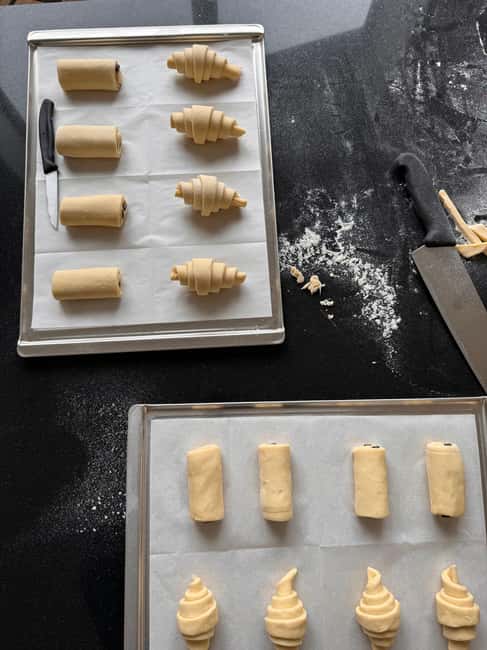
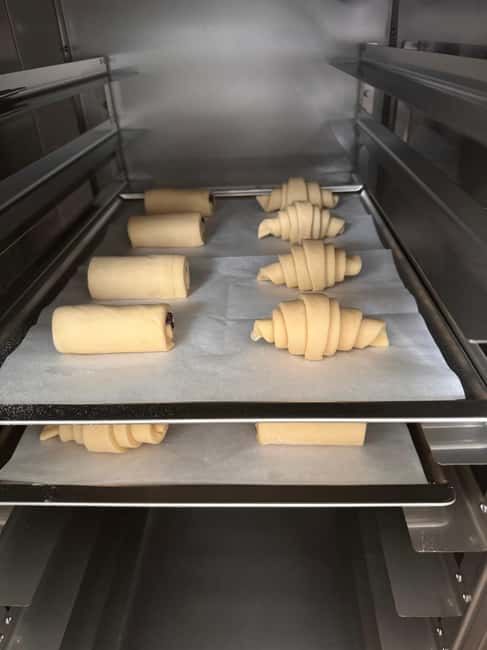
During your class, you will move through the process with the chef guiding each step. You will prepare the delicate dough, then learn folding techniques that create those signature flaky layers. When the dough rests and rises, you will also learn the science behind what is happening. That is useful because croissants are not forgiving like a cookie dough. Temperature, butter consistency, and timing all show up in the final layers.
If you are the type who hates waiting, you might find the pauses a bit long. But the way the class is explained, the rest periods are where you absorb the why, not just the how. That is what makes the skills stick.
What you’ll make, and how the tasting works
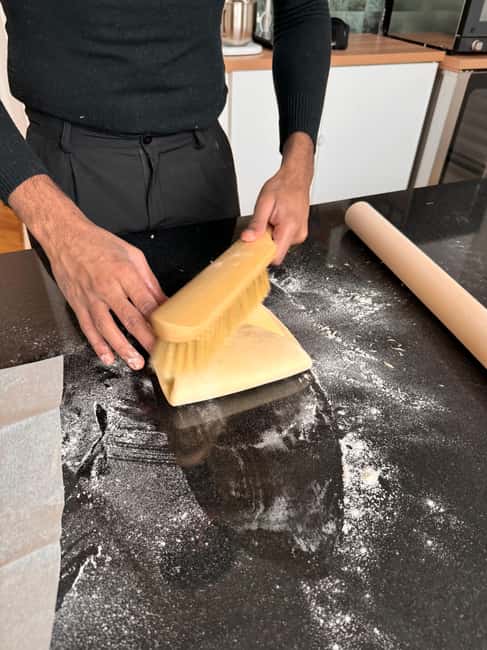
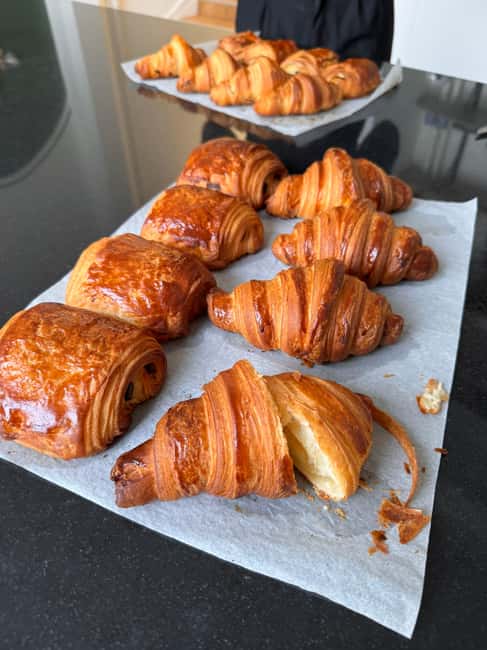
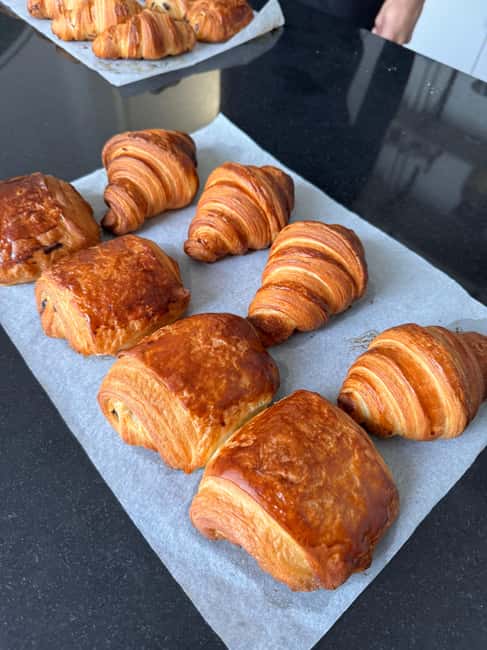
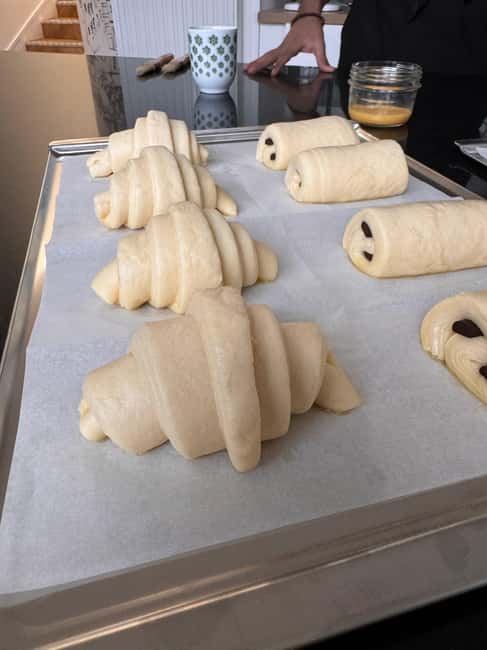
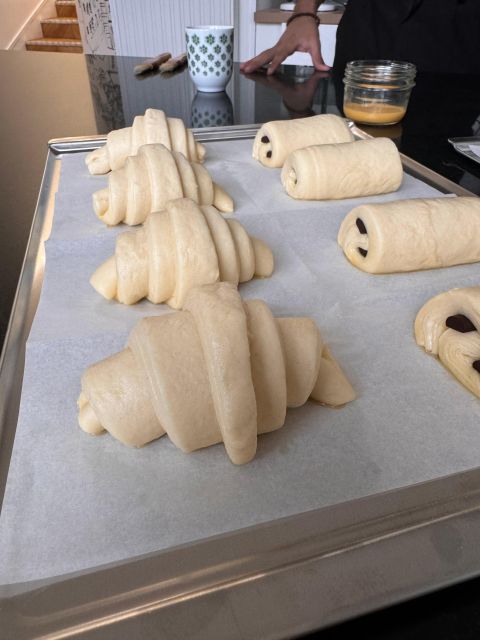
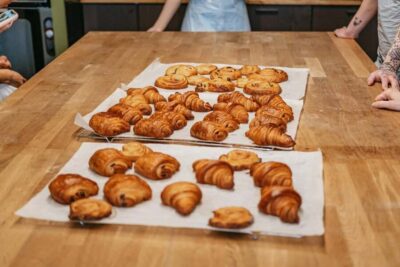
This is built around croissants, with multiple participants specifically mentioning both croissants and pain au chocolat. The experience description emphasizes crafting your own croissants, then sampling freshly baked croissants during the class from what you made.
You should plan on finishing with warm pastries. Many reviews highlight the joy of eating croissants straight from the oven. Some also mention a beverage to go with the tasting. Even if the exact menu details vary by session, the core idea is consistent: you leave with the results, not just dough in a bag.
Also, come hungry in the good way. Even if you do not finish everything, you will likely want to taste right away, then take some home. Several comments talk about taking pastries back to the hotel, so there is usually enough output for a real souvenir.
Folding technique: where most home bakers need help
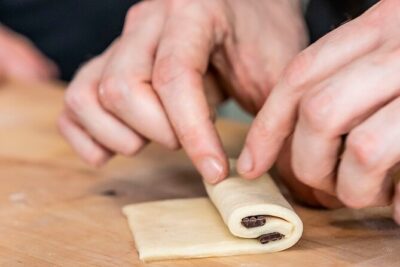
Croissant success starts with folding, but folding is where most people get frustrated at home. The workshop approach is helpful because you are not memorizing steps. You are learning the physical feel of correct layering.
As the chef guides you at your station, you learn to:
- prepare the dough
- handle it through rolling stages
- fold with intention so the butter layers distribute correctly
- shape classic crescents carefully
The magic in croissants is that the layers are thin and numerous. You will not get that by rushing. You need consistent thickness and controlled handling so the butter stays in the right state between folds. The chef’s corrections are the difference between a croissant that looks okay and one that flakes properly.
The science segment you actually need: butter quality and proofing cues
One reason this class keeps earning top marks is the way it combines technique with explanation. People highlight that the chef shares insights into the science behind perfect croissant making.
From the information you provided, key concepts include:
- the importance of butter quality
- how proofing affects texture and flavor
- why rest periods matter
That science talk is not just academic. It directly impacts what you do later at home. If you understand proofing as dough development, you stop guessing when to move to shaping. If you understand butter as a structural ingredient, you stop using random butter and start thinking about consistency and temperature.
In my view, that blend is what makes this class more than a fun cooking activity. It turns you from someone who follows instructions into someone who can troubleshoot.
More Paris kitchens to book
- Paris Croissant Small-Group Baking Class with a Chef
★ 5.0 · 910 reviews - Paris: French Croissant Baking Class with a Chef
★ 4.9 · 712 reviews - Paris Cooking Class: Learn How to Make Macarons
★ 5.0 · 634 reviews - Paris Evening Cooking Class French Dinner and Market Visit Option
★ 5.0 · 430 reviews - Paris French Cuisine Small Group Cooking Class with Lunch
★ 4.5 · 418 reviews
Bi-color croissants: a fun upgrade if your class day offers it
There is an exclusive option on selected days for bi-color croissants. If you book it, the class includes the bi-color ingredients and the specific class content.
This is a clever add-on for two reasons. First, it gives you a creative goal beyond shape and flake. Second, it teaches you about incorporating extra elements into croissant dough while still keeping structure intact.
If you are already a bit confident in baking or you love presentation, bi-color is a great way to make the experience feel special. If you are brand new, it can still be fun, but do not worry if you mostly care about nailing the classic technique. The chef should still guide you through the fundamentals that matter.
Equipment and the small-group size: you learn faster than you expect
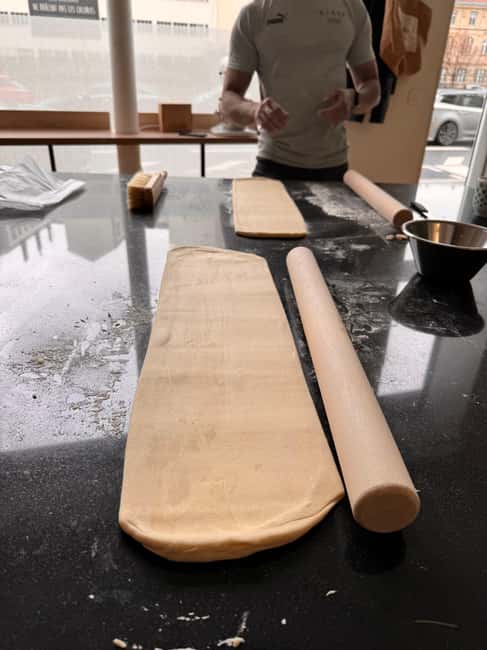
Included in the class are access to professional-grade kitchen equipment and tools. That matters because croissant dough is temperamental. The right tools and surfaces help you roll evenly and shape with less stickiness drama.
Small group size is where the value shows up most. With a limit of 8 participants, the chef can check your dough and correct issues while you are still at that step. Many reviews mention personalized tips and attention, and that is exactly what you want when learning folds and rolling.
If you have ever watched a group class where everyone gets the same demo and then you struggle alone, you already know the difference. Here, the format supports questions, and the chef can keep you on track.
Physical effort and age limits: plan around the arm workout
This class is not for couch potatoes. Croissant dough needs physical strength to roll out. That is not a small detail. It affects who will enjoy the class.
The guidance provided says:
- Children under 15 are not suitable
- Children under 17 must be accompanied by a paying adult
If you are bringing a teen, or you have a strong family cooking vibe, this can work well. Some families in the feedback describe it as a great activity for a mother-daughter trip, and a teen who likes baking enjoyed the tips.
If your mobility is limited, or you are expecting a gentle stroll of a class, consider this an active workshop. You will knead and roll. You should be comfortable using your arms and hands for repeated movements.
Meeting point near Rome and Villiers: quick to find, once you look for the gray storefront
You meet at Studio Pâtisserie, in the building with a gray-colored storefront. The nearest metro lines listed are Metro Line 2 Rome and Metro Line 3 Villiers.
This is practical travel advice, not just trivia. In a city like Paris, you want to arrive with minimal stress. If you are using public transit, getting close to the right metro line reduces the risk of wandering while you are hungry and a bit anxious about being late.
Plan to arrive a few minutes early so you can settle in and start with your first step without rushing.
English instruction: the difference between cooking and guessing
The instructor is English. That is a real advantage because croissant-making depends on precise instructions. When you understand the explanation, you notice changes in dough and respond correctly.
The class format also includes time for questions. Based on participant feedback, people appreciated that the chef makes sure everyone is carrying out each part correctly and understands why each step matters. That helps if you are a beginner. It also helps if you have baked before but have never made croissants.
And since the class includes a recipe to take home, you get something you can rely on once you are back in your apartment and the kitchen conditions are totally different from the class.
Price and value at about $140 per person
Let’s talk money in plain terms. At around $140 per person for a 3-hour class, you are paying for:
- an expert chef guiding the full process
- ingredients and bi-color ingredients if you choose that option
- professional equipment access
- personalized tips
- a take-home recipe
- and a tasting of freshly baked pastries you help make
Compared with buying pastries and doing a basic cooking demo, this is a higher cost. But croissants are technically difficult, and the value comes from expert feedback plus the fact you actually produce real pastries during the class.
The small-group limit of 8 also supports the price. You are not just getting a recipe. You are getting in-person corrections while you work, which is hard to replicate on your own.
If you are a food lover who wants one memorable hands-on Paris activity that feels different from a museum or a long walking day, this price can make sense. If you are purely price-sensitive and only want to taste, you may decide to spend less elsewhere. But if you want skills you can repeat, you are buying instruction that upgrades what you can do at home.
Who this class is best for
This class fits best if you:
- want a hands-on cooking experience in Paris, not just tasting
- enjoy learning techniques and the reasoning behind them
- like small group classes where you can ask questions
- are willing to do some physical work, rolling dough takes effort
It also works for mixed skill levels. Reviews mention it is friendly for beginners and fun even for people who do not consider themselves bakers.
If you are traveling solo, you still get plenty of attention because the group stays small. Couples also tend to like it because you can work side by side and share the results at the end.
What to expect leaving class with, and how to use the recipe
A strong point in the experience data is that you do not just walk out with knowledge. You walk out with pastries and a recipe.
You should plan to take home what you can, because croissants and pain au chocolat are best when you can share them soon after baking. Some feedback mentions taking a bunch back to the hotel, which is exactly what a take-home recipe and warm output are for.
For using the recipe at home, the key is to remember what the chef explains about consistency and timing. The rest periods are part of the process, not optional. If you follow the steps but ignore the reasons, you will still struggle. If you follow the steps and the cues the chef teaches, you stand a much better chance.
Should you book this croissant baking class?
Book it if you want a true Paris food skill, not just a quick taste. The combination that makes this worth your time is the small group size, hands-on coaching, and the mix of technique plus practical science. You also get immediate payoff by eating warm croissants you helped make, and you take home a recipe to repeat.
Skip it if you are looking for a low-effort class or you do not want to work with dough. Plan around the arm strength needed for rolling. And if you are traveling with kids, double-check the age rules since the class is not suitable for children under 15, and younger participants require an accompanying paying adult.
If you want one activity in Paris that feels both fun and useful, this is the kind of class you can justify even when your schedule is tight.
FAQ
How long is the croissant baking class?
The class lasts 3 hours.
Is the class in English?
Yes, the instructor provides instruction in English.
How big is the class?
It is a small group limited to 8 participants.
What is included in the class?
You get expert guidance from Chef Léo, all necessary ingredients to craft your own croissants, access to professional-grade kitchen equipment and tools, ample sampling of freshly baked croissants during the class, insights into the history and science of croissant-making, personalized tips and tricks, and a recipe to take home.
Does the class offer bi-color croissants?
There is a bi-color croissant option on selected days. If selected, the class includes bi-color croissant ingredients and class content.
What age requirements apply?
Children under 15 are not suitable. Children under 17 must be accompanied by a paying adult.
Where do I meet the class?
Meet at Studio Pâtisserie, in the building with a gray-colored storefront. The nearest metro lines listed are Metro Line 2 Rome and Metro Line 3 Villiers.
More Paris Kitchens to Book
- Paris Cooking Class and Lunch with Wine plus Market Visit Option
★ 5.0 · 1,024 reviews - Paris Croissant Small-Group Baking Class with a Chef
★ 5.0 · 910 reviews - Paris: French Croissant Baking Class with a Chef
★ 4.9 · 712 reviews - Paris Cooking Class: Learn How to Make Macarons
★ 5.0 · 634 reviews - Paris Evening Cooking Class French Dinner and Market Visit Option
★ 5.0 · 430 reviews
The Whole Paris Shelf
- Paris: Louvre Museum Timed-Entrance Ticket
★ 4.6 · 71,977 reviews - Disneyland® Paris 1-Day Ticket
★ 4.6 · 49,412 reviews - Paris: Versailles Palace and Gardens Full Access Ticket
★ 4.6 · 41,579 reviews - Paris: Evening River Cruise with Music
★ 4.4 · 22,721 reviews - Paris: Eiffel Tower Entry Ticket with Optional Summit Access
★ 4.4 · 20,035 reviews
Another Round of Pastry
- Paris Croissant Small-Group Baking Class with a Chef
★ 5.0 · 910 reviews - Paris: Macaron Class at Galeries Lafayette
★ 4.3 · 905 reviews - Paris: French Croissant Baking Class with a Chef
★ 4.9 · 712 reviews - Paris Cooking Class: Learn How to Make Macarons
★ 5.0 · 634 reviews - Paris: French Macaron Culinary Class with a Chef
★ 4.9 · 591 reviews
The rest of the Paris write-ups
- Montmartre: Guided Tour for Kids and Families★ 4.9 · 57 reviews
- From Paris: Versailles Palace and Gardens Guided Day Trip★ 4.5 · 57 reviews
- Versailles Palace and Garden Tour with Paris Private Transfers★ 5.0 · 58 reviews
- Louvre Evening Escape – Avoid The Crowds! Semi-Private 6ppl Max★ 5.0 · 58 reviews
- Summit Eiffel Tower Audio Guide Tour with Unlimited Time Access★ 4.5 · 58 reviews
- Private Half Day Historic Tour★ 5.0 · 58 reviews
Paris Pastry & Macaron Workshops, in full.
 ★ 5.0Paris Croissant Small-Group Baking Class with a ChefFrom $157910 reviews
 ★ 4.3Paris: Macaron Class at Galeries LafayetteFrom $67905 reviews
 ★ 4.9Paris: French Croissant Baking Class with a ChefFrom $159712 reviews
 ★ 5.0Paris Cooking Class: Learn How to Make MacaronsFrom $156634 reviews
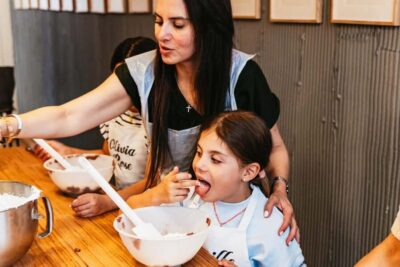 ★ 4.9Paris: French Macaron Culinary Class with a Chef591 reviews
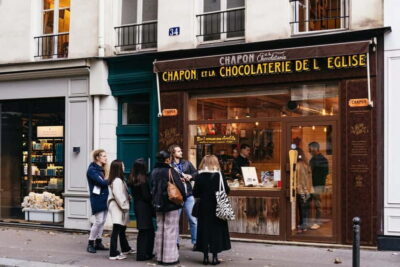 ★ 4.8Paris: Chocolate & Patisserie Walking Tour with TastingsFrom $113397 reviews
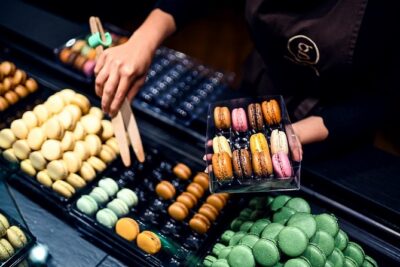 ★ 5.0Paris Chocolate, Macaron & Pastry Food Tour: 10 Gourmet TastingsFrom $118339 reviews
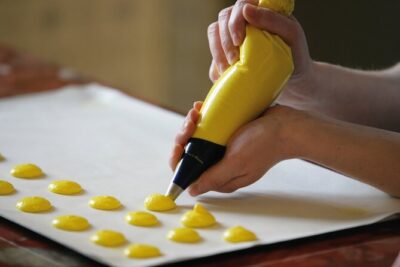 ★ 5.0Paris Macarons Small-Group Baking Class with a ChefFrom $157316 reviews
Also on these France lists