
Reviewed · COOKING CLASSES
Paris French Baking Class Baguettes and Croissants in a Bakery
Flour, heat, and warm croissants in Paris. What makes this class fun is the behind-the-scenes bakery kitchen feel, plus you get real hands-on time shaping dough and taking your baking out warm. The only catch to flag up front: baguettes take most of the focus, so if you expect a full croissant boot camp, plan for croissant work that is more about technique and shaping than complete mastery.
This is a small, English-friendly workshop led by master baker Didier with translator support from Luz, so you can actually follow what is happening. You’ll leave with recipes to recreate the breads at home, not just photos. One more consideration: if you have sensitive airborne allergies, this indoor flour environment may not be your best match.
In This Review
- Key Things I’d Pay Attention To
- Entering A Paris Bakery Kitchen, Not A Demo Room
- Didier and Luz: A Small Group Workshop That Moves With You
- What You Actually Make: Baguettes Plus Croissants You Taste Warm
- Behind the Dough: Techniques, Shaping, and Real Bakery Rhythm
- The Take-Home Part: Recipes, Tips, and Planning Your First Attempt
- Price and Value for a 2.5 Hour Paris Baking Class
- Who This Workshop Suits Best, and Who Might Reconsider
- A Quick Decision Guide: Should You Book This Class?
- FAQ
- Where is the class meeting point?
- How long is the baking workshop?
- Is the class offered in English?
- How big is the class?
- What do you include in the experience?
- What is not included?
- What is the minimum age?
- Is this class recommended if I have allergies?
- What is the cancellation policy?
Key Things I’d Pay Attention To
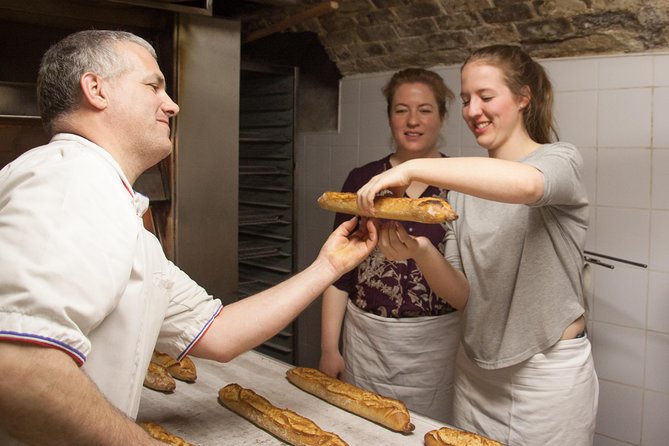
- Small group limit of 10 means you are not stuck watching from the back.
- Boulangerie Pâtisserie Le Petit Mitron in the Oberkampf Bastille area keeps it local and bakery-real.
- Didier and Luz help you understand French bread methods in clear English.
- You taste warm baguette and croissants right after baking, so you learn by smell and texture too.
- Recipes are included, plus tips for when you do not have pro equipment.
- Baguette time dominates, even though croissants are part of the payoff.
Entering A Paris Bakery Kitchen, Not A Demo Room
The class meets at Boulangerie Pâtisserie Le Petit Mitron à Oberkampf Bastille, 8 Rue Oberkampf, 75011 Paris. This is not one of those experiences where you start in a hotel lobby and get whisked away. You arrive near public transportation, walk in on your own, and head straight to the working space.
The workshop runs about 2.5 hours, so it is long enough to learn steps, not just watch a show. There is no hotel pickup or drop-off, which is actually a plus if you like being flexible. It also means you can plan your morning or afternoon meal around the class instead of rearranging your whole day for a driver.
If you like practical travel moments, this one hits the sweet spot. You get to see how real dough behaves, how timing matters, and how bakers think in feel, not just recipes.
More Paris kitchens to book
Didier and Luz: A Small Group Workshop That Moves With You
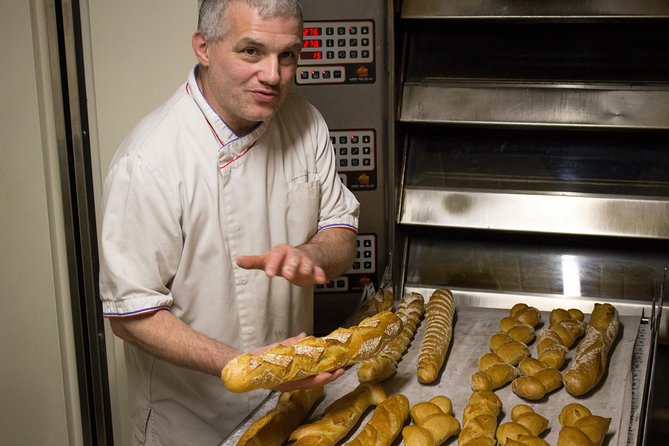
The big reason this class keeps scoring high is the size. It is capped at a maximum of 10 people, so the baker can correct your shaping and handling. You also get help in English, with translator support throughout.
In many baking workshops, translation is a speed bump. Here, Luz is part of the flow, not an afterthought. That matters because bread is technique-heavy. If you miss one step about dough temperature, folding, or shaping tension, the whole result changes.
Family groups also tend to have an easier time because the lesson is interactive. The minimum age is 6, and minors must be accompanied by an adult. If you bring kids, go in expecting concentration for the full 2.5 hours, since baking is active and there is no quick exit button once the dough starts moving through its stages.
What You Actually Make: Baguettes Plus Croissants You Taste Warm
The class centers on two classic French staples: baguettes and croissants. You’ll work on baguettes with hands-on shaping and handling, then move into croissant dough and techniques, guided step-by-step.
A key detail for expectations: baguettes get a lot of time. That is not a flaw. It is part of how French bread education works. Baguette dough teaches you structure and fermentation timing, and those skills carry into laminated dough and croissant shaping.
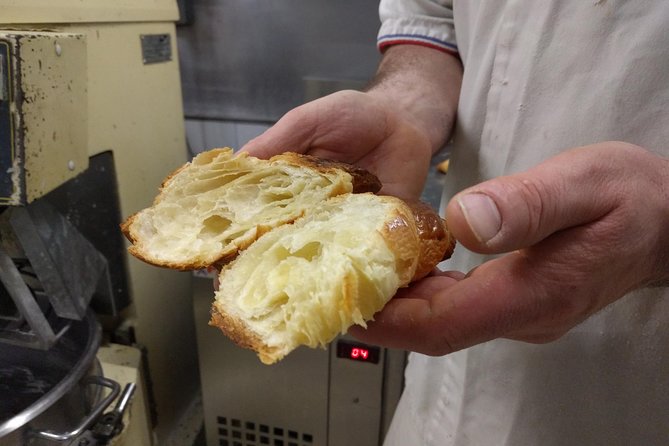
On the croissant side, you will not just watch. You’ll roll and shape dough with instructor guidance, and the warm payoff is real. At the end, you take your freshly baked bread out of the oven and taste it while it is still warm. That experience matters because it shows the difference between dough that was handled well versus dough that was rushed.
You might also see additional pastries such as pain au chocolat included in some sessions based on how the class runs. If chocolate is your thing, it’s worth asking when you arrive, but either way croissants are part of the core program.
Behind the Dough: Techniques, Shaping, and Real Bakery Rhythm
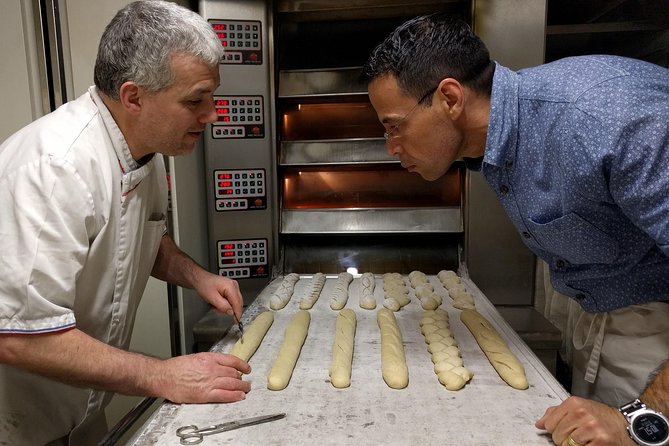
This workshop is set up like a working bakery lesson, not a lecture. The instructor demonstrates proper techniques for preparing and handling dough, then you try those techniques yourself with help as you go.
One standout detail from the class style is the focus on process. Instead of only giving a list of ingredients, Didier explains how to think about dough. You get tips on equipment needs, handling habits, and why certain actions lead to better texture.
There is also a strong flour angle. In past sessions, the baker has discussed milling grain on site, which is a reminder that bread is not just butter and flour. It is about what is inside the ingredients and how they behave.
If you are the type who learns by doing, you’ll likely enjoy the parts where you take turns shaping dough, and where you handle bread tools. Some people even highlight the moment of taking bread out of the oven with a long wooden paddle, which gives you that hands-on bakery feeling you cannot get from a cooking class kitchen at home.
The Take-Home Part: Recipes, Tips, and Planning Your First Attempt
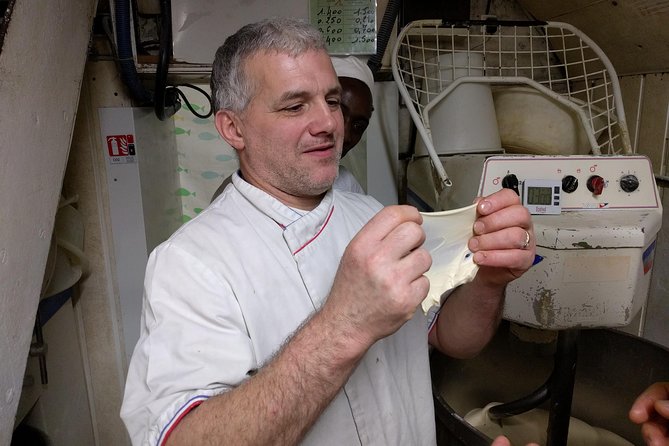
You do not leave empty-handed. Recipes are included, and the goal is that you can recreate the experience at home.
What helps is that you get more than just a printed ingredient list. You also get learnable tricks for the real world, like how to work when you do not have every professional tool. That is important, because French bread can be intimidating until you understand what you can simplify at home without ruining the outcome.
From what people report, there is also follow-up support after the class, such as recipes being sent after. That is useful because after you get home, you are not scrambling to remember how the dough should feel at each stage.
Practical move: before your first baking attempt, skim the recipe once end-to-end. Then read it again while looking up basic dough terms like shaping tension, fermentation, and lamination. If you do that, you will spend your first session learning what matters instead of guessing.
Price and Value for a 2.5 Hour Paris Baking Class
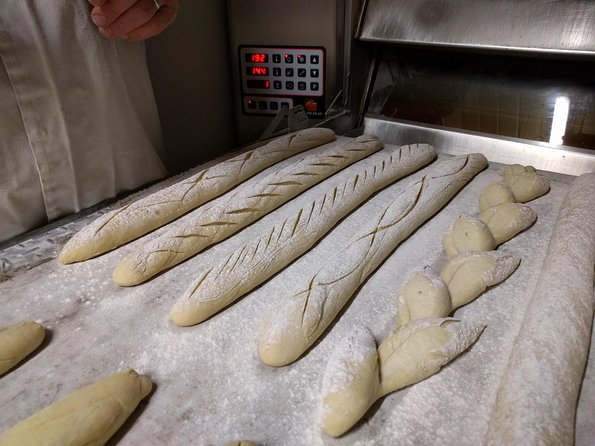
At $264.95 per person for about 2 hours 30 minutes, this is not a budget activity. So the question becomes: what are you buying?
You are paying for:
- A real bakery kitchen experience rather than an outside demo.
- Small group size (max 10), so your questions get answered while you work.
- Hands-on baking that ends with warm tasting.
- Recipes included, so the learning does not disappear after one afternoon.
- Bilingual support in English, which is a big deal in food technique classes.
Also, since there is no hotel pickup, you are not paying for transport. You are paying for instruction and equipment-based learning time.
If your Paris trip is packed with museums and lines, this is a high-value contrast. You get to do something active and delicious, and you leave with bread that you can eat immediately. That combination is hard to beat, especially when you factor in the included tastings and recipes.
- Paris: Louvre Museum Timed-Entrance Ticket
★ 4.6 · 71,977 reviews - Disneyland® Paris 1-Day Ticket
★ 4.6 · 49,412 reviews - Paris: Versailles Palace and Gardens Full Access Ticket
★ 4.6 · 41,579 reviews - Paris: Evening River Cruise with Music
★ 4.4 · 22,721 reviews - Paris: Louvre Guided Tour with Reserved Access & Boat Cruise
★ 4.3 · 16,353 reviews
Who This Workshop Suits Best, and Who Might Reconsider
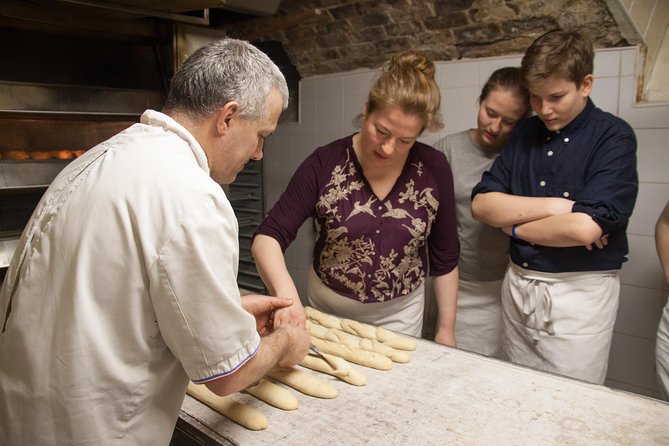
This is a great fit if you:
- Want a break from a monument and museum schedule.
- Enjoy hands-on cooking instead of watching someone else work.
- Like learning food technique with real instruction.
- Travel with family and want an experience that can include kids as long as they can focus for about 2.5 hours.
- Appreciate English guidance so the steps make sense while your hands are moving.
You might want to rethink it if:
- You have sensitive airborne allergies. Flour and dough in an indoor kitchen environment can be a problem.
- You expect a croissant-focused class where you will finish with deep lamination mastery. This workshop devotes a large chunk of time to baguettes, and croissants are handled as part of the lesson rather than the whole curriculum.
- You need hotel pickup. This is take-yourself-to-the-meeting-point style, so you should be comfortable navigating on foot or with transit.
If you fall somewhere in the middle, you can still have a good time. The key is aligning expectations with what you’ll spend most of your time doing.
A Quick Decision Guide: Should You Book This Class?
Book it if you want the most authentic version of French baking you can do in a single afternoon. The small group limit, the live guidance from Didier, and the translator support from Luz turn this into a real learning experience, not just a fun photo stop.
Skip it if your main goal is croissants only and you want a longer, more croissant-heavy workshop. Also consider a different activity if you have allergy concerns, since the environment is flour-filled and indoor.
My practical take: if you like the idea of shaping dough, getting immediate feedback, and tasting warm bread you made, this is one of the most satisfying ways to spend time in Paris. It is not just food, it is skill, and the payoff is something you can eat right there and then recreate later.
FAQ
Where is the class meeting point?
The class starts at Boulangerie Pâtisserie Le Petit Mitron à Oberkampf Bastille, 8 Rue Oberkampf, 75011 Paris, France. The activity ends back at the meeting point.
How long is the baking workshop?
It runs about 2 hours 30 minutes.
Is the class offered in English?
Yes. The experience is offered in English, with translator support available during the workshop.
How big is the class?
The maximum group size is 10 travelers.
What do you include in the experience?
Included are the cooking class, tasting of baguettes and pastries, and recipes to take home.
What is not included?
Hotel pickup and drop-off are not included.
What is the minimum age?
The minimum age is 6 years old, and minors must be accompanied by an adult.
Is this class recommended if I have allergies?
It is not recommended for travelers with sensitive airborne allergies.
What is the cancellation policy?
You can cancel up to 24 hours in advance for a full refund. If you cancel less than 24 hours before the start time, the amount paid will not be refunded.
More Paris Kitchens to Book
- Paris Cooking Class and Lunch with Wine plus Market Visit Option
★ 5.0 · 1,024 reviews - Paris Croissant Small-Group Baking Class with a Chef
★ 5.0 · 910 reviews - Paris: French Croissant Baking Class with a Chef
★ 4.9 · 712 reviews - Paris Cooking Class: Learn How to Make Macarons
★ 5.0 · 634 reviews - Paris Evening Cooking Class French Dinner and Market Visit Option
★ 5.0 · 430 reviews
The Whole Paris Shelf
- Paris: Louvre Museum Timed-Entrance Ticket
★ 4.6 · 71,977 reviews - Disneyland® Paris 1-Day Ticket
★ 4.6 · 49,412 reviews - Paris: Versailles Palace and Gardens Full Access Ticket
★ 4.6 · 41,579 reviews - Paris: Evening River Cruise with Music
★ 4.4 · 22,721 reviews - Paris: Eiffel Tower Entry Ticket with Optional Summit Access
★ 4.4 · 20,035 reviews
The rest of the Paris write-ups
- Montmartre: Guided Tour for Kids and Families★ 4.9 · 57 reviews
- From Paris: Versailles Palace and Gardens Guided Day Trip★ 4.5 · 57 reviews
- Versailles Palace and Garden Tour with Paris Private Transfers★ 5.0 · 58 reviews
- Louvre Evening Escape – Avoid The Crowds! Semi-Private 6ppl Max★ 5.0 · 58 reviews
- Summit Eiffel Tower Audio Guide Tour with Unlimited Time Access★ 4.5 · 58 reviews
- Private Half Day Historic Tour★ 5.0 · 58 reviews
Cooking Classes, in full.
 ★ 5.0Paris Cooking Class and Lunch with Wine plus Market Visit OptionFrom $2401,024 reviews
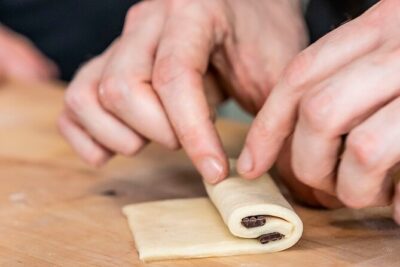 ★ 5.0Paris Croissant Small-Group Baking Class with a ChefFrom $157910 reviews
 ★ 4.9Paris: French Croissant Baking Class with a ChefFrom $159712 reviews
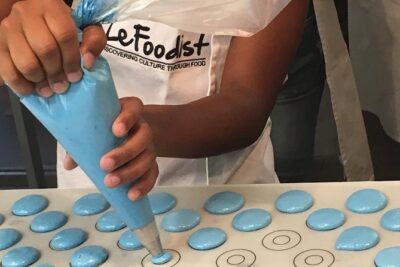 ★ 5.0Paris Cooking Class: Learn How to Make MacaronsFrom $156634 reviews
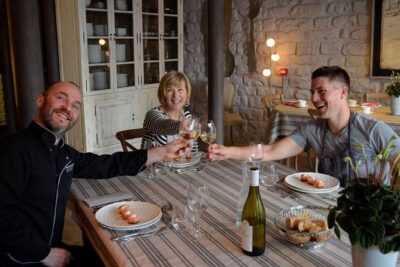 ★ 5.0Paris Evening Cooking Class French Dinner and Market Visit OptionFrom $252430 reviews
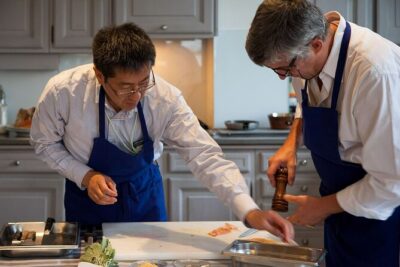 ★ 4.5Paris French Cuisine Small Group Cooking Class with LunchFrom $217418 reviews
 ★ 5.0Paris Macarons Small-Group Baking Class with a ChefFrom $157316 reviews
 ★ 4.7Paris: Macaron Baking Class for Families and KidsFrom $112270 reviews
Also on these France lists