
Reviewed · PARIS PASTRY & MACARON WORKSHOPS
Paris: French Macarons Baking Class with a Parisian Chef
Macarons look fancy, but the method is learnable. This French macaron baking class pairs a small group with a Parisian chef to help you make true macaron shells the right way. I love the hands-on coaching and the fact you can take everything home, recipe included. One possible drawback is that macarons are finicky, so you will need to follow instructions closely to get that smooth, shiny top.
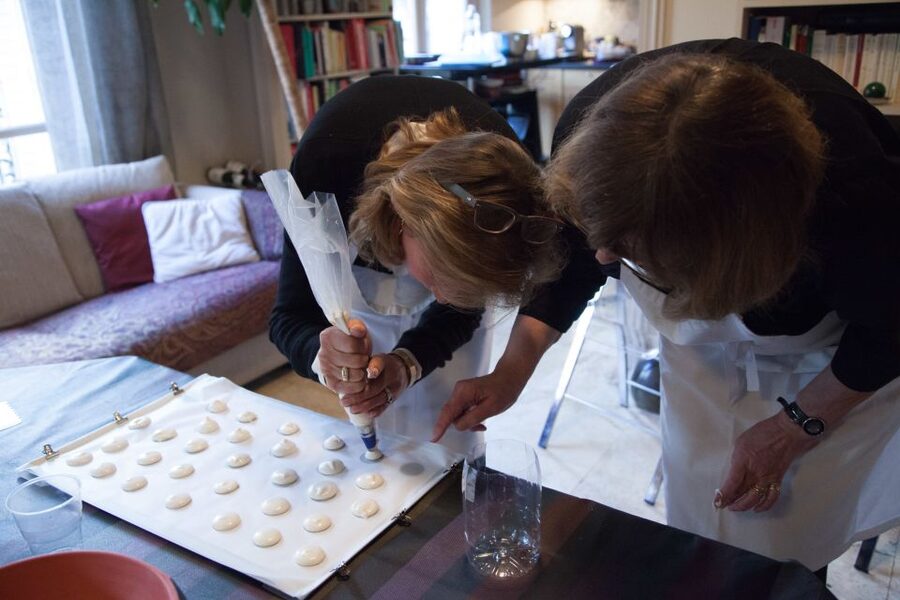
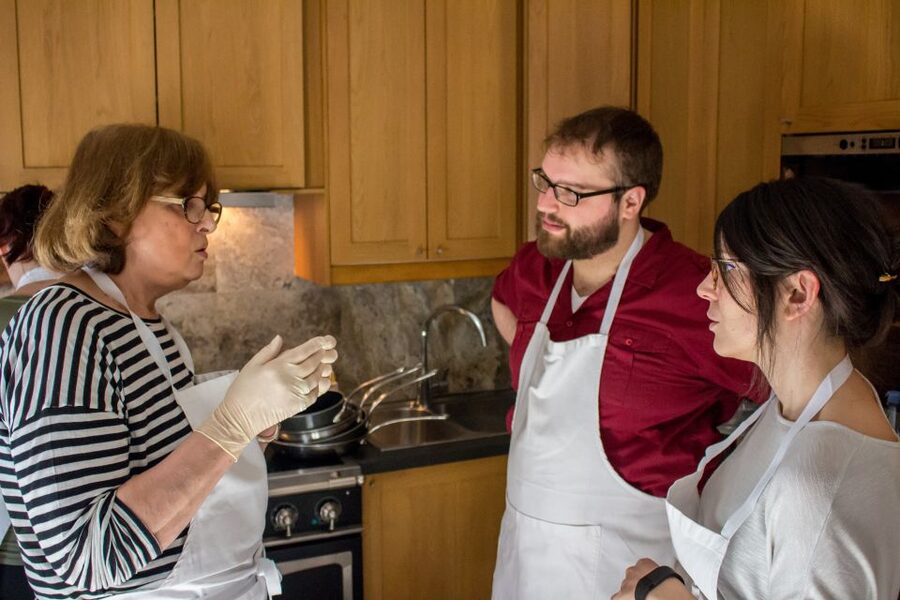
The class happens in a real apartment kitchen, not a big demo room. Expect a relaxed, friendly vibe, and you will work with other people in a tight group of up to 8. Past sessions have been led by chefs such as Chef Frédéric and Chef Marthe, and the energy is serious about technique but not stuffy.
You will also get to choose a flavor set, and that helps the whole afternoon feel fun instead of repetitive. Still, your success depends on timing, oven behavior, and how you handle the batter, so go in ready to pay attention.
In This Review
- Key points to know before you bake
- A Paris apartment kitchen where macarons actually make sense
- Picking your flavor, then learning the French macaron method
- Your 3 hours: shells, baking, fillings, and the take-home moment
- Chef tips that help you bake at home, not just in class
- How many macarons you get, and how to share them
- Price, group size, and value of a 3-hour class in Paris
- Who should book this class, and who might want to skip it
- Should you book it?
- FAQ
- How long is the macaron baking class in Paris?
- How large are the groups?
- Where does the class take place?
- When will I get the exact meeting address?
- What macaron flavors can I choose?
- What’s included with the class price?
- What languages are offered during the class?
- Can I cancel for a refund?
- What if the class is canceled due to group numbers?
Key points to know before you bake
- Private apartment kitchen setting makes it feel local, calm, and genuinely hands-on
- Small group size (2 to 8) means you can ask questions and get feedback
- Choose your macaron flavors from classic and creative options like tonka bean or coffee
- You take home the results plus an emailed copy of the recipe
- Chef-led technique focus helps you learn the “why,” not only the steps
A Paris apartment kitchen where macarons actually make sense
Paris macarons are everywhere, lined up in pastry shop windows like edible jewelry. The trick is that the process behind them is less magic and more precision. That is why this class works: you practice the method in a normal kitchen space, with real tools and hands-on guidance.
What I like most is the setting. You are not stuck watching from the sidelines. Instead, you use utensils and equipment provided for you, and you wear an apron while you work. That removes the usual “I hope I brought the right stuff” stress and lets you focus on technique.
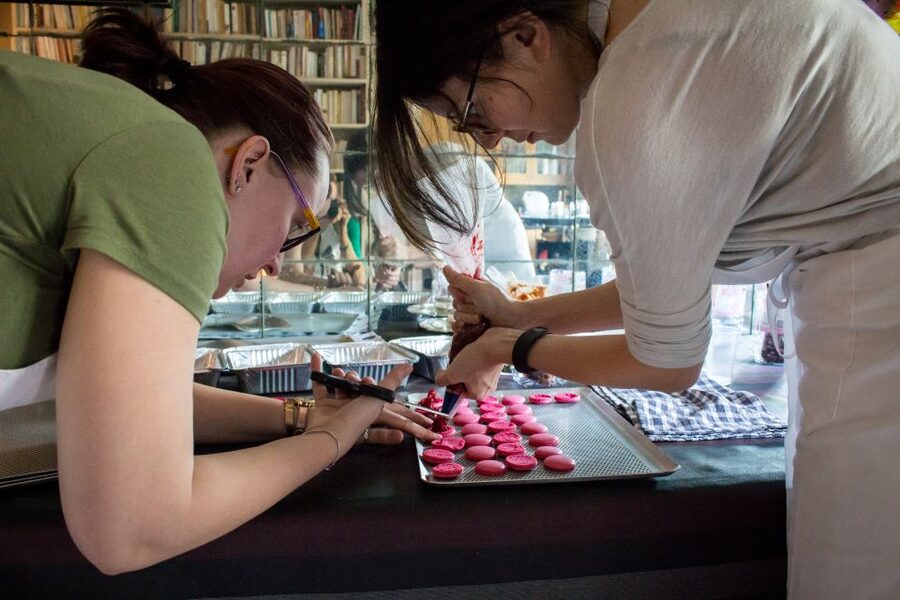
Another plus is the small-group feel. With only 2 to 8 people, you are more likely to get personal corrections, whether it is how the batter should look or how to manage the resting and baking timing. The vibe from prior classes has been relaxed and pleasant, with chefs who stay attentive and patient, even when kids are in the mix.
The one thing to keep in mind is that macarons can be stubborn. Even with good instruction, you need to follow each step closely. If you are the type who hates details like folding consistency and timing, you might find the process a little demanding.
Still hungry? More Paris pastry sessions
Picking your flavor, then learning the French macaron method
This class gives you a menu of flavor choices, and that matters more than it sounds. When you build macarons with different flavors, you start to understand what changes in the batter and filling, and what stays the same. You get to pick from options like chocolate and cocoa, lemon, raspberry with tonka bean, coconut with milk chocolate, or coffee.
Those flavors also set expectations for texture and sweetness. For example, lemon macarons tend to feel brighter and a bit more tangy, while coffee and chocolate versions often come across deeper and more dessert-like. Tonka bean is a fun wildcard here, and it is a great pick if you like aromatic flavors that smell a little “grown-up.”
You will learn the French way to make these delicate cookies, not just how to follow a recipe blindly. That is the difference between ending up with a tray of pretty failures and getting the classic look, feet, and chewy shell-bite combo people chase.
Also, I appreciate that the chef can teach in English and French. Even if your French is basic, you can still stay in sync with instructions and ask questions when something feels unclear.
Your 3 hours: shells, baking, fillings, and the take-home moment
Think of the class as a guided production line, but with time to learn. The exact flow can vary by group, but you can expect a full cycle from mixing to finished macarons within the 3-hour window.
First, you will start with setup and ingredients. Everything you need is provided, including ingredients and utensils. You also get an apron, so you can roll up your sleeves without worrying about protecting clothes. For a lot of people, this stage is where confidence forms, because you see how the kitchen tools are set up and what the batter should look like at each point.
Then comes the mixing phase, where the French method earns its reputation. The goal is consistency, and the chef will guide you through the steps that affect texture. This is where you will likely hear and practice the kind of timing and hand-feel cues that are hard to learn from a video. A previous group praised how clearly the chef explained every step, and that clarity makes a big difference for your final result.
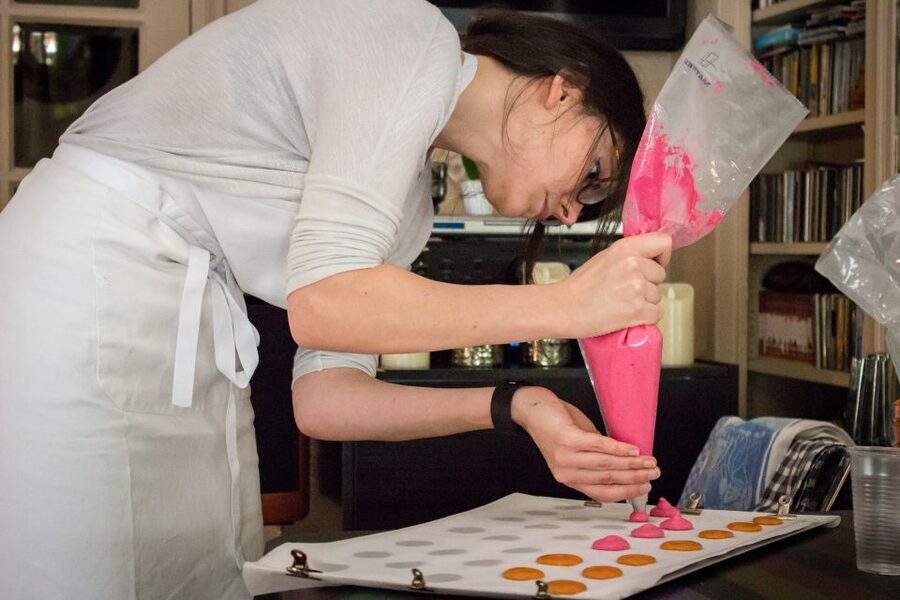
Next, you move to piping and shaping. Macarons are all about form, because the shell surface is what sets up the final look. The chef will show you how to aim for the right roundness and batter thickness. If your batter is too stiff or too loose, the shape and final texture can shift fast.
After that, you deal with the waiting. This is one of those steps you might not fully understand until you do it, because resting time affects whether you get that smooth, glossy finish. The chef helps you judge the right moment, not just the right minutes. And yes, this is where patience earns its paycheck.
Then comes baking. Oven temperatures and baking behavior can vary, even in the same city. The chef helps you watch cues so you bake what you need, not what you guessed. Many classes end with a result that looks beautiful and professional, and that is the payoff for sticking with the method closely.
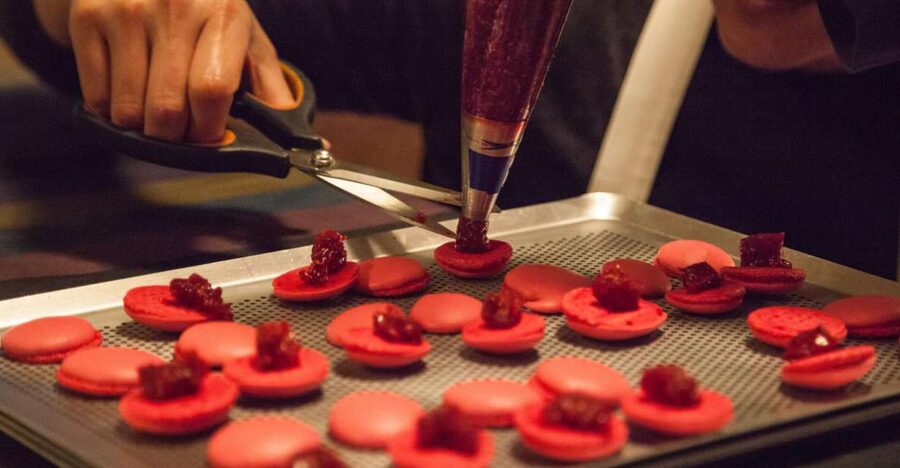
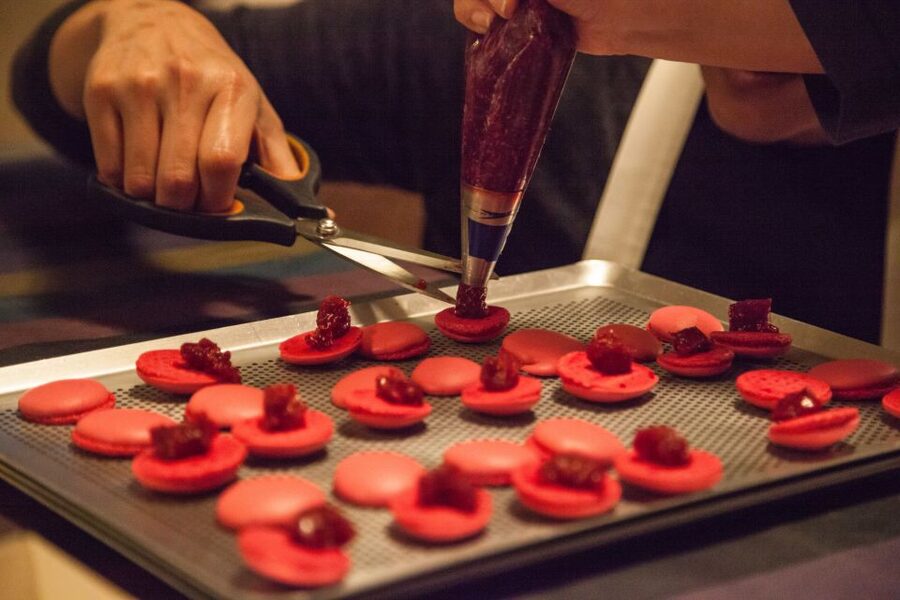
Finally, you assemble. You will fill the shells, often in a matching set, and you get to taste what you made. This part is where you see if your flavor choices hit the mark. Past participants described the process as engaging and educational, and that is usually because you stay involved all the way through, not just at the start.
You can also take your baked goods home. That matters. A class like this is not only about learning, it is also about enjoying your work. If you are traveling, it can become a sweet souvenir that does not turn into a rushed snack you eat on the train.
Chef tips that help you bake at home, not just in class
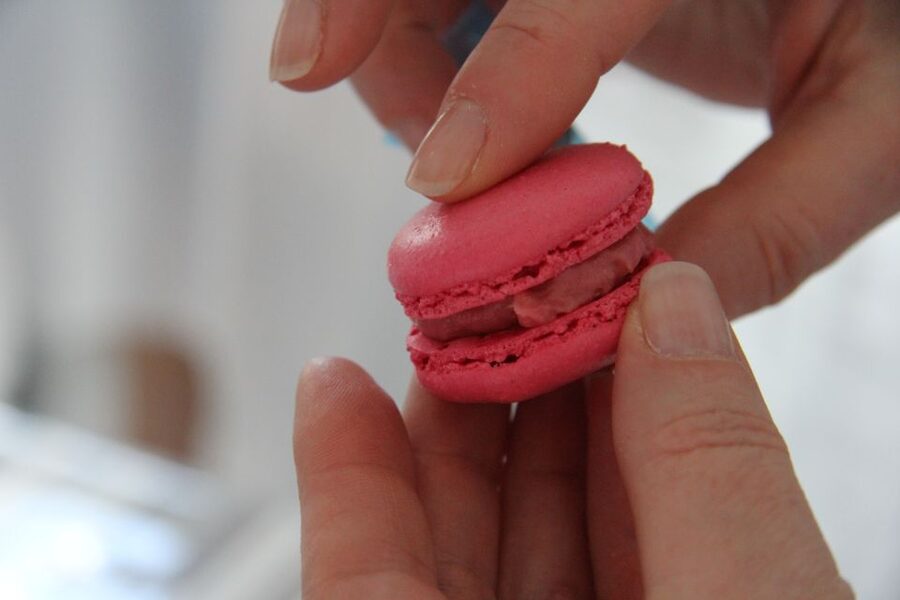
This is the part that often separates a fun afternoon from a skill you can reuse. The best chefs do more than instruct; they teach how to diagnose problems.
From past experiences, the chefs have been friendly, funny, and very attentive. That does not just make the class more enjoyable. It also encourages questions, which is huge when you are learning a finicky technique. One group noted the chef was great at explaining every step and giving helpful hints for making macarons again at home. Another highlighted patience and clear instructions, which is exactly what you want when a batter stage feels ambiguous.
Some chefs also share practical local advice for supplies. In past classes, participants received recommendations for where to buy items needed for macaron making at home. If you want your next batch to succeed, having the right tools and ingredients makes a difference, and that extra guidance can save you time and money.
One funny detail from a previous class: the kitchen fridge was used to chill a bottle of champagne while macarons baked. That is not essential to your macaron success, but it tells you something real about the atmosphere: it feels like a host welcoming you into their space, not a factory line.
The most important takeaway for you is that you will learn to look for visual and consistency cues. That is what helps after the class when you cannot rely on the chef standing next to your bowl. If your batter looks off, your resting needs adjusting, or your shells do not form right feet, you will be able to adjust because you learned the logic behind the method.
How many macarons you get, and how to share them
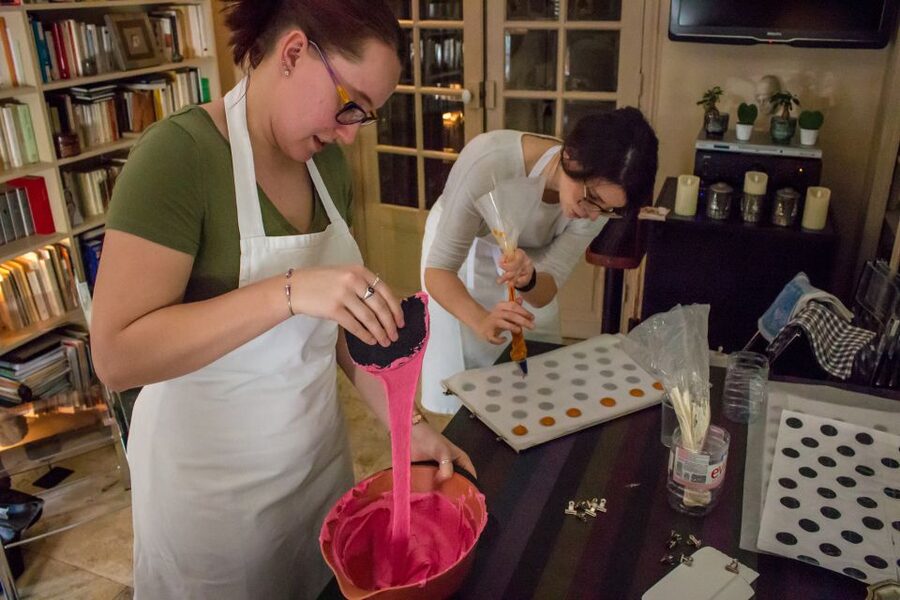
A common question is whether you will leave with enough to feel like the class was worth it. Based on how these sessions typically run, you should expect to take home a good batch. People have praised ending up with lots of macarons, not just a couple for show.
That take-home portion is valuable in two ways. First, it lets you enjoy the flavors immediately, while your technique is still fresh in your mind. Second, it gives you a chance to compare your results with what you baked in class. If you nail the first batch, you can try variations afterward.
What you do with them is up to you. Share with friends in your apartment or pack a few for later, but remember macarons are best when they have time to set. Even if you are not planning a long stay, you can use the recipe to recreate the flavor at home and refine your approach.
If you are traveling with kids, this can be a strong pick. Several past experiences mentioned chefs being good with children and making it feel welcoming. Still, the process requires care, so younger hands should expect to be supervised during the most delicate steps.
Price, group size, and value of a 3-hour class in Paris
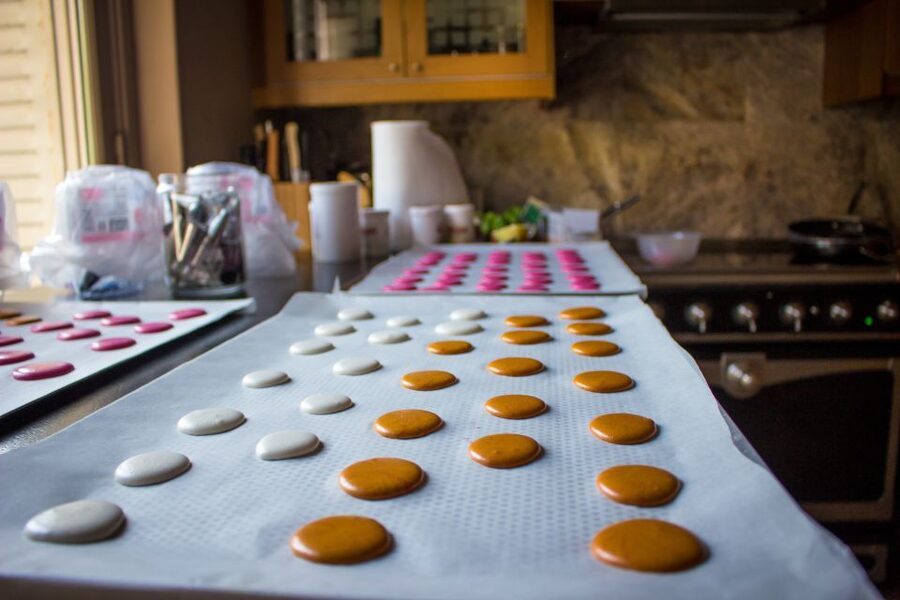
At $213 per person, you are paying for more than ingredients. You are paying for chef time, small-group instruction, and a kitchen setup you do not have to assemble yourself.
Here is how I think about the value. First, the group size is limited to 8, with classes made for 2 to 8 participants. That restriction usually improves the teaching quality because you are not competing for attention.
Second, the class includes ingredients, utensils, and an apron. You also receive a copy of the recipe by email. That makes the cost easier to justify because you can recreate the results, not only eat them in the moment.
Third, the apartment kitchen setting often means you get the feeling of a local, normal day in a Paris kitchen. That authentic vibe is part of what makes the class memorable. If you prefer experiences where you cook with people rather than watch from a distance, the format tends to feel worth it.
The practical consideration is that you should treat this like a real cooking class, not a casual sweet-making demo. If you are expecting zero effort, macarons might disappoint you. But if you want a hands-on skill, you are in the right place.
More Paris kitchens to book
- Paris Croissant Small-Group Baking Class with a Chef
★ 5.0 · 910 reviews - Paris: French Croissant Baking Class with a Chef
★ 4.9 · 712 reviews - Paris Cooking Class: Learn How to Make Macarons
★ 5.0 · 634 reviews - Paris Evening Cooking Class French Dinner and Market Visit Option
★ 5.0 · 430 reviews - Paris French Cuisine Small Group Cooking Class with Lunch
★ 4.5 · 418 reviews
Who should book this class, and who might want to skip it
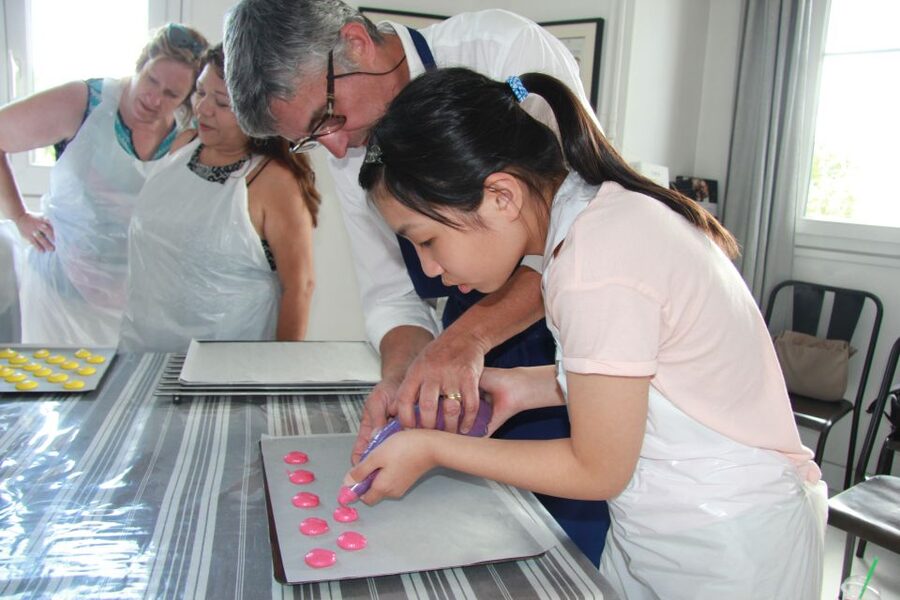
This class is ideal if you want a true French baking skill with a chance to practice under guidance. You will likely enjoy it if you like food, you enjoy learning processes, and you want a recipe you can return to later.
It is also a great fit if you travel with a partner or small group. The small-group limit makes the experience feel personal, and you can work side by side while still getting attention from the chef.
If you are a total beginner, you can still do well, especially because instruction is in English and French and the chef can explain steps clearly. One of the most common compliments in these sessions is how the chef stayed patient and helpful, which tends to support beginners.
Should you skip it? If you hate technique-focused cooking and want a quick tasting experience only, this might feel like homework. Also, if you are rushing through Paris with very little time flexibility, the 3-hour duration may be tight.
Should you book it?
I think you should book this macaron class if you want something more useful than another pastry stroll. You get hands-on practice, flavor choices, and a recipe that lets you keep baking after you go home. It is also one of those experiences that feels both classic and playful, because macarons are familiar, but the process is genuinely learnable.
If you have a calm afternoon free and you like the idea of learning the French technique in a real apartment kitchen, this is a strong bet. Just be ready for precision and pay attention to the batter stages, because macarons reward focus.
FAQ
How long is the macaron baking class in Paris?
The class lasts 3 hours.
How large are the groups?
Groups are small, with a maximum of 8 participants.
Where does the class take place?
The class takes place in the kitchen of a private apartment, and you will receive the exact address by email.
When will I get the exact meeting address?
The address is emailed within 48 business hours of booking, and you will also receive the exact address a couple of days after you confirm your reservation.
What macaron flavors can I choose?
You can choose between chocolate and cocoa, lemon, raspberry with tonka bean, coconut with milk chocolate, or coffee.
What’s included with the class price?
All ingredients, utensils, and an apron are provided, and you receive a copy of the recipe by email.
What languages are offered during the class?
The instructor teaches in English and French.
Can I cancel for a refund?
Yes. You can cancel up to 24 hours in advance for a full refund.
What if the class is canceled due to group numbers?
Minimum and maximum numbers apply. If there are not enough passengers or if a booking would be overbooked, you may be offered an alternate date or a full refund.
More Paris Kitchens to Book
- Paris Cooking Class and Lunch with Wine plus Market Visit Option
★ 5.0 · 1,024 reviews - Paris Croissant Small-Group Baking Class with a Chef
★ 5.0 · 910 reviews - Paris: French Croissant Baking Class with a Chef
★ 4.9 · 712 reviews - Paris Cooking Class: Learn How to Make Macarons
★ 5.0 · 634 reviews - Paris Evening Cooking Class French Dinner and Market Visit Option
★ 5.0 · 430 reviews
The Whole Paris Shelf
- Paris: Louvre Museum Timed-Entrance Ticket
★ 4.6 · 71,977 reviews - Disneyland® Paris 1-Day Ticket
★ 4.6 · 49,412 reviews - Paris: Versailles Palace and Gardens Full Access Ticket
★ 4.6 · 41,579 reviews - Paris: Evening River Cruise with Music
★ 4.4 · 22,721 reviews - Paris: Eiffel Tower Entry Ticket with Optional Summit Access
★ 4.4 · 20,035 reviews
Another Round of Pastry
- Paris Croissant Small-Group Baking Class with a Chef
★ 5.0 · 910 reviews - Paris: Macaron Class at Galeries Lafayette
★ 4.3 · 905 reviews - Paris: French Croissant Baking Class with a Chef
★ 4.9 · 712 reviews - Paris Cooking Class: Learn How to Make Macarons
★ 5.0 · 634 reviews - Paris: French Macaron Culinary Class with a Chef
★ 4.9 · 591 reviews
The rest of the Paris write-ups
- Montmartre: Guided Tour for Kids and Families★ 4.9 · 57 reviews
- From Paris: Versailles Palace and Gardens Guided Day Trip★ 4.5 · 57 reviews
- Versailles Palace and Garden Tour with Paris Private Transfers★ 5.0 · 58 reviews
- Louvre Evening Escape – Avoid The Crowds! Semi-Private 6ppl Max★ 5.0 · 58 reviews
- Summit Eiffel Tower Audio Guide Tour with Unlimited Time Access★ 4.5 · 58 reviews
- Private Half Day Historic Tour★ 5.0 · 58 reviews
Paris Pastry & Macaron Workshops, in full.
 ★ 5.0Paris Croissant Small-Group Baking Class with a ChefFrom $157910 reviews
 ★ 4.3Paris: Macaron Class at Galeries LafayetteFrom $67905 reviews
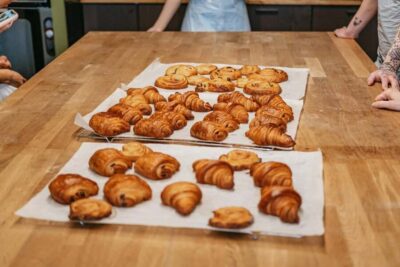 ★ 4.9Paris: French Croissant Baking Class with a ChefFrom $159712 reviews
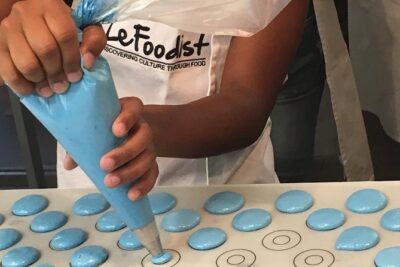 ★ 5.0Paris Cooking Class: Learn How to Make MacaronsFrom $156634 reviews
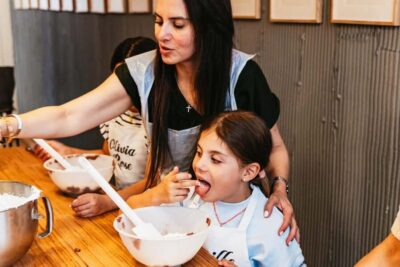 ★ 4.9Paris: French Macaron Culinary Class with a Chef591 reviews
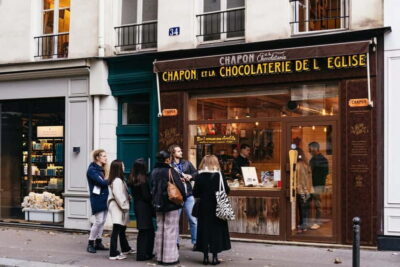 ★ 4.8Paris: Chocolate & Patisserie Walking Tour with TastingsFrom $113397 reviews
 ★ 5.0Paris Chocolate, Macaron & Pastry Food Tour: 10 Gourmet TastingsFrom $118339 reviews
 ★ 5.0Paris Macarons Small-Group Baking Class with a ChefFrom $157316 reviews
Also on these France lists