
Reviewed · PARIS PASTRY & MACARON WORKSHOPS
Paris: Macaron Baking Class in Central Paris
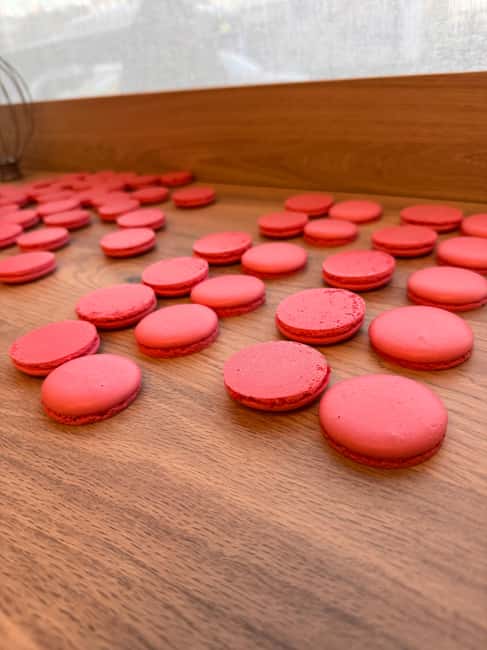
Paris is famous for macarons, so why not make them? This class in central Paris turns a French pastry obsession into hands-on skill and real confidence. I like that you get both the story and the technique, not just a sweet ending.
What I really like is the small group setup, typically capped at 10, which makes it easier to get corrections when your batter or piping goes off track. I also love the way the session mixes craft with practical “why it works” guidance, so you can troubleshoot problems instead of guessing.
One drawback to plan for: it is not suitable for vegans and it is not for people with nut allergies, since macarons rely on ingredients that can include nuts.
In This Review
- Key Things Worth Knowing Before You Go
- Entering a Paris Macaron Workshop, Not a Demo Kitchen
- The Pre-Mix Lesson: Where Macaron History Meets Real Technique
- Hands-On Shells: The Step That Makes or Breaks Your Batch
- Fillings and Flavor: More Than Just a Sweet Sandwich
- The Drying and Baking Moment, Where Patience Wins
- Tasting Your Results, Then Leaving With a Plan
- Price and Value: Is $122 Fair for a 150-Minute Class?
- Who This Class Fits Best (And Who Should Skip It)
- Quick Planning Tips for a Smooth 150 Minutes
- Should You Book This Central Paris Macaron Class?
- FAQ
- Where do I meet for the macaron baking class?
- How long is the class?
- Is the class taught in English?
- How big is the group?
- What is included in the price?
- What should I bring to the class?
- Is this class suitable for children?
- Can people with nut allergies join?
- Can I cancel and get a refund?
- Is pay later available?
Key Things Worth Knowing Before You Go
- Small group, capped at 10, so you actually practice and get help
- English instruction with an instructor who explains step-by-step
- Science meets technique, especially for shells, macaronage, and texture
- You taste what you make, then take the recipe home
- Bring comfy shoes, since you will be on your feet at the stations
- Not vegan-friendly and nut-allergy risky, so check this before you book
Entering a Paris Macaron Workshop, Not a Demo Kitchen
The class meets at a grey-colored storefront on the main road. That simple detail matters, because in Paris you want to arrive calm, not hunting for a door while your timer (and nerves) are already running.
Once you’re inside, the vibe is practical. You’re not watching from the sidelines. You get settled, you meet your fellow bakers, and then you start working through the macaron process like a small pastry lab. Multiple participants noted that the studio feels clean and organized, with stations set up so the room does not turn into a squeeze. That is a big deal when you’re learning a finicky technique, because you need space for piping, drying, and staying consistent.
You’ll also be standing and moving a bit during the session, so comfortable shoes help. The class runs 150 minutes, so plan to wear clothes that let you work at a counter, lean in, and move without fuss.
Still hungry? More Paris pastry sessions
The Pre-Mix Lesson: Where Macaron History Meets Real Technique
Before you start mixing, the instructor frames macarons as both an art form and a food science problem. You get an intro to the history and cultural significance of macarons, plus what the ingredients are meant to do in the final cookie.
Why this matters: macarons fail for predictable reasons. Too wet, too dry, air bubbles, wrong mixing, wrong resting, wrong bake. When you understand what each step aims to accomplish, you stop treating it like a mysterious French magic trick.
Instructors have been praised for walking people through the why, including pointing out that baking is not just vibes. One theme that came up a lot in feedback is that the teaching style is clear and patient, with humor that makes the session feel light even when the tasks get technical.
Hands-On Shells: The Step That Makes or Breaks Your Batch
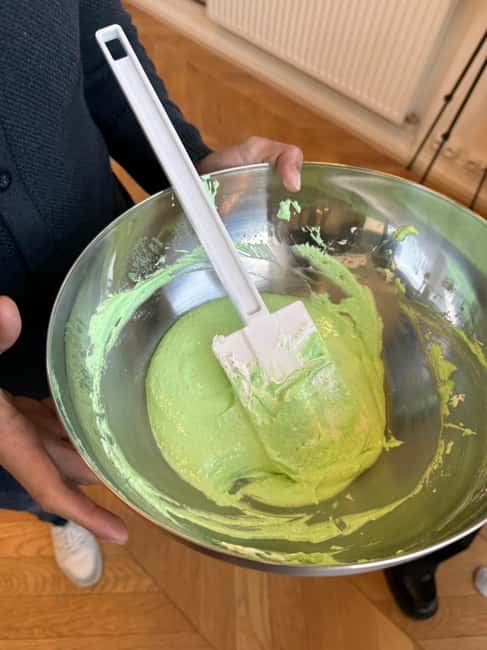
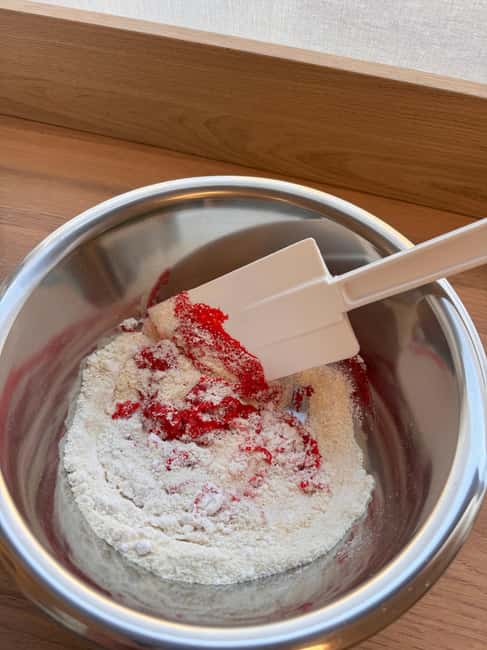
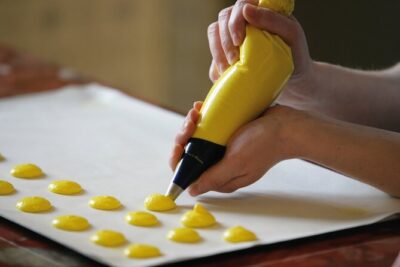
Now for the work: you begin making macaron shells. This is where the class earns its keep, because shells are the whole game. You learn how to prep your batter, how to pipe, and what the correct look and consistency should be like before the shells go into the oven.
You’ll practice the key skills that usually feel hardest on the first try:
- mixing the batter to the right texture
- piping consistent rounds
- learning how to judge readiness before baking
You also get instructor guidance as you work. That feedback loop is huge. If your batter is too thick, your shells will come out wrong. If it is too loose, you risk spreading. If your piping is uneven, your final sandwich looks lopsided. In a small group, the instructor can spot those issues early and steer you back.
A fun extra detail from the experience style: instructors tend to be very interactive. People have mentioned that Chef Leo, for example, brings energy to the room, engages with questions, and gives practical tips that help during the tricky parts. That matters because macarons reward attention, not autopilot.
Fillings and Flavor: More Than Just a Sweet Sandwich
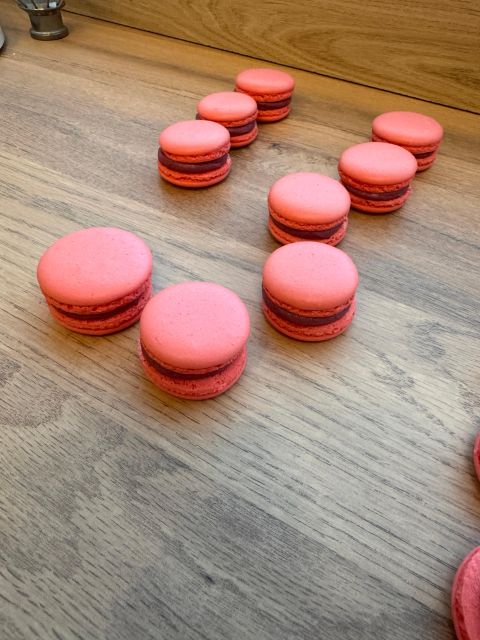
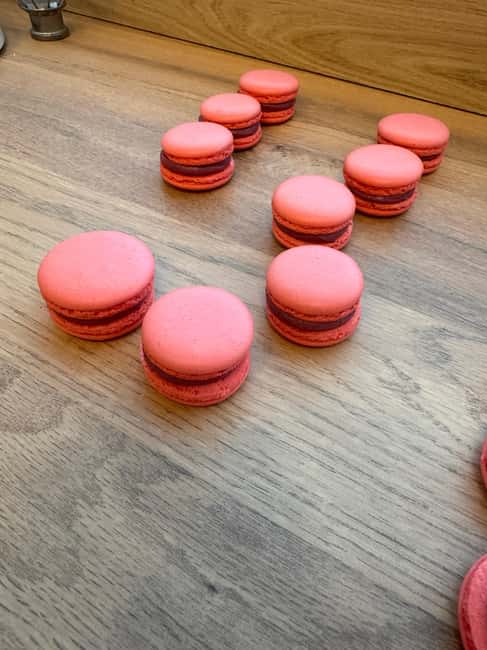
After you’re comfortable with shell-making, you move to fillings. Depending on the session, you may work with a few flavor options rather than only one classic combination. In feedback, some people noted the class flavors leaned toward bold choices like chocolate, black currant, and passionfruit.
This is not a deal-breaker, but it is a consideration if you only want mainstream flavors like vanilla or pistachio. I suggest you treat the flavor mix as part of the fun. You will still learn the core technique for building a balanced macaron sandwich: pair the filling correctly, and aim for a filling-to-shell ratio that tastes right in one bite.
The Drying and Baking Moment, Where Patience Wins
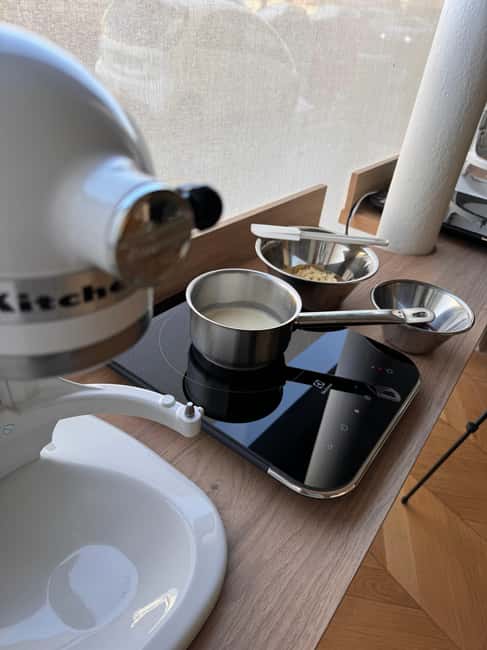
Once the shells are piped, you wait and bake. That middle step, the drying or resting stage, is where many home attempts go wrong. The class setting helps because you’re following a guided timeline, with the instructor explaining what you should look for and what changes mean something is off.
Then comes the oven part. Baking macarons is not the same as baking cookies. The shells need to form feet, stay delicate, and develop that classic chewy center. The instructor’s job is to keep you from common pitfalls, like overbaking or rushing the drying step.
One thing I appreciate in this kind of class: you do not just get a product. You get feedback. When you know what to adjust, you can reproduce the results later instead of repeating trial-and-error forever.
Tasting Your Results, Then Leaving With a Plan
At the end, you taste the finished macarons. This is the payoff: you see what the process created, and you can compare texture, sweetness, and consistency across what you made.
Then you take home a recipe. That part is what makes the class useful beyond the day. Paris is great, but you are the one who has to bake back home. A recipe you can follow, plus the technique you practiced with real guidance, turns the memory into a future skill.
Many participants also mentioned leaving with enough macarons to snack for days, and some noted taking home sizable boxes based on the session. The exact quantity can vary with how the class is organized, but the consistent theme is that you get to enjoy the results, not just watch them disappear at the table.
More Paris kitchens to book
- Paris Croissant Small-Group Baking Class with a Chef
★ 5.0 · 910 reviews - Paris: French Croissant Baking Class with a Chef
★ 4.9 · 712 reviews - Paris Cooking Class: Learn How to Make Macarons
★ 5.0 · 634 reviews - Paris Evening Cooking Class French Dinner and Market Visit Option
★ 5.0 · 430 reviews - Paris French Cuisine Small Group Cooking Class with Lunch
★ 4.5 · 418 reviews
Price and Value: Is $122 Fair for a 150-Minute Class?
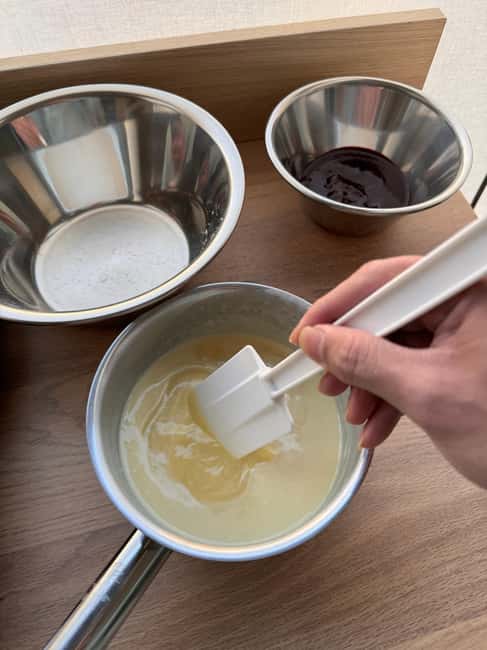
$122 for a 150-minute, hands-on macaron class in central Paris is not cheap, but it is not random either. You are paying for a few valuable things at the same time:
- Instruction from a real pastry chef, not a passive host
- A small group that justifies more time and attention
- A focused experience that covers the full workflow, shells to filling to baking
- A tasting plus a recipe take-home
If your goal is a one-time pastry photo, you can do that for less. If your goal is to learn a repeatable technique, practice it, and then bring it home, the price starts to make sense. The best value usually comes when you treat this as a skill-building class, not a candy-shopping stop.
Also consider what this replaces. If you try macarons at home without training, ingredients and failed batches cost money too. This class gives you an instructor’s corrections and “what went wrong” guidance while you are actively working.
Who This Class Fits Best (And Who Should Skip It)
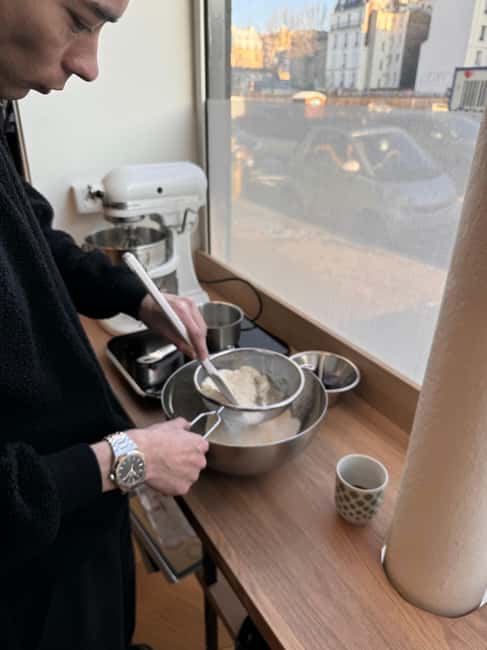
This is a great fit if you want a fun, hands-on way to experience French pastry culture in a way that sticks. It also works well for couples and solo travelers who like structured activities with real payoff.
It is also a good choice if you like learning. Feedback repeatedly mentioned clear instructions, patient teaching, and a balance of humor and professionalism. That style helps when you are new to baking and feel pressure to get it right.
But skip it if any of these apply:
- Children under 12, since the class is not suitable for them
- Vegans, since it is not vegan-friendly
- Nut allergies, because macarons are not safe for nut-allergy participants based on the activity rules
Quick Planning Tips for a Smooth 150 Minutes
A few practical choices make a big difference:
- Wear comfortable shoes, because you will work at your station.
- Wear comfortable clothes, since baking involves leaning forward, mixing, and standing.
- Plan your day so you have time after class to enjoy your macarons. You will want to settle in and taste what you made.
- If you care about specific flavors, be flexible. Some sessions may emphasize fruit-forward or chocolate-forward options rather than only classic nut-based fillings.
In Paris, also remember that your energy level matters. This is not a walking tour where you can drift. You will focus. If you start tired, the technical steps can feel harder than they need to.
Should You Book This Central Paris Macaron Class?
If you want a memorable Paris food experience that actually teaches you something, I’d say yes. The combination of small group size, English instruction, hands-on shell technique, and a take-home recipe makes this more than a one-hour sugar hit.
Book it if:
- you like hands-on learning
- you want clear, step-by-step guidance
- you want a pastry skill you can recreate at home
Think twice if:
- you need vegan ingredients
- you have a nut allergy
- you hate any class where you must concentrate for a full 150 minutes
For most people, the best sign is the teaching style people describe, especially the patient, interactive way instructors guide you through the science of macarons while you’re doing it, not just reading about it.
FAQ
Where do I meet for the macaron baking class?
You meet at a grey-colored store front on the main road.
How long is the class?
The class duration is 150 minutes.
Is the class taught in English?
Yes, the instructor teaches in English.
How big is the group?
The class is a small group limited to 10 participants.
What is included in the price?
The price includes the instructor, the baking class, a tasting, and a recipe to take home.
What should I bring to the class?
Wear comfortable shoes and comfortable clothes.
Is this class suitable for children?
No, it is not suitable for children under 12.
Can people with nut allergies join?
No, it is not suitable for people with nut allergies.
Can I cancel and get a refund?
Yes. You can cancel up to 24 hours in advance for a full refund.
Is pay later available?
Yes. You can reserve now and pay later, which lets you keep travel plans flexible and pay nothing today.
More Paris Kitchens to Book
- Paris Cooking Class and Lunch with Wine plus Market Visit Option
★ 5.0 · 1,024 reviews - Paris Croissant Small-Group Baking Class with a Chef
★ 5.0 · 910 reviews - Paris: French Croissant Baking Class with a Chef
★ 4.9 · 712 reviews - Paris Cooking Class: Learn How to Make Macarons
★ 5.0 · 634 reviews - Paris Evening Cooking Class French Dinner and Market Visit Option
★ 5.0 · 430 reviews
The Whole Paris Shelf
- Paris: Louvre Museum Timed-Entrance Ticket
★ 4.6 · 71,977 reviews - Disneyland® Paris 1-Day Ticket
★ 4.6 · 49,412 reviews - Paris: Versailles Palace and Gardens Full Access Ticket
★ 4.6 · 41,579 reviews - Paris: Evening River Cruise with Music
★ 4.4 · 22,721 reviews - Paris: Eiffel Tower Entry Ticket with Optional Summit Access
★ 4.4 · 20,035 reviews
Another Round of Pastry
- Paris Croissant Small-Group Baking Class with a Chef
★ 5.0 · 910 reviews - Paris: Macaron Class at Galeries Lafayette
★ 4.3 · 905 reviews - Paris: French Croissant Baking Class with a Chef
★ 4.9 · 712 reviews - Paris Cooking Class: Learn How to Make Macarons
★ 5.0 · 634 reviews - Paris: French Macaron Culinary Class with a Chef
★ 4.9 · 591 reviews
The rest of the Paris write-ups
- Montmartre: Guided Tour for Kids and Families★ 4.9 · 57 reviews
- From Paris: Versailles Palace and Gardens Guided Day Trip★ 4.5 · 57 reviews
- Versailles Palace and Garden Tour with Paris Private Transfers★ 5.0 · 58 reviews
- Louvre Evening Escape – Avoid The Crowds! Semi-Private 6ppl Max★ 5.0 · 58 reviews
- Summit Eiffel Tower Audio Guide Tour with Unlimited Time Access★ 4.5 · 58 reviews
- Private Half Day Historic Tour★ 5.0 · 58 reviews
Paris Pastry & Macaron Workshops, in full.
 ★ 5.0Paris Croissant Small-Group Baking Class with a ChefFrom $157910 reviews
 ★ 4.3Paris: Macaron Class at Galeries LafayetteFrom $67905 reviews
 ★ 4.9Paris: French Croissant Baking Class with a ChefFrom $159712 reviews
 ★ 5.0Paris Cooking Class: Learn How to Make MacaronsFrom $156634 reviews
 ★ 4.9Paris: French Macaron Culinary Class with a Chef591 reviews
 ★ 4.8Paris: Chocolate & Patisserie Walking Tour with TastingsFrom $113397 reviews
 ★ 5.0Paris Chocolate, Macaron & Pastry Food Tour: 10 Gourmet TastingsFrom $118339 reviews
 ★ 5.0Paris Macarons Small-Group Baking Class with a ChefFrom $157316 reviews
Also on these France lists