
Reviewed · STRASBOURG TOURS
Strasbourg: Traditional Food Walking Tour with Tastings
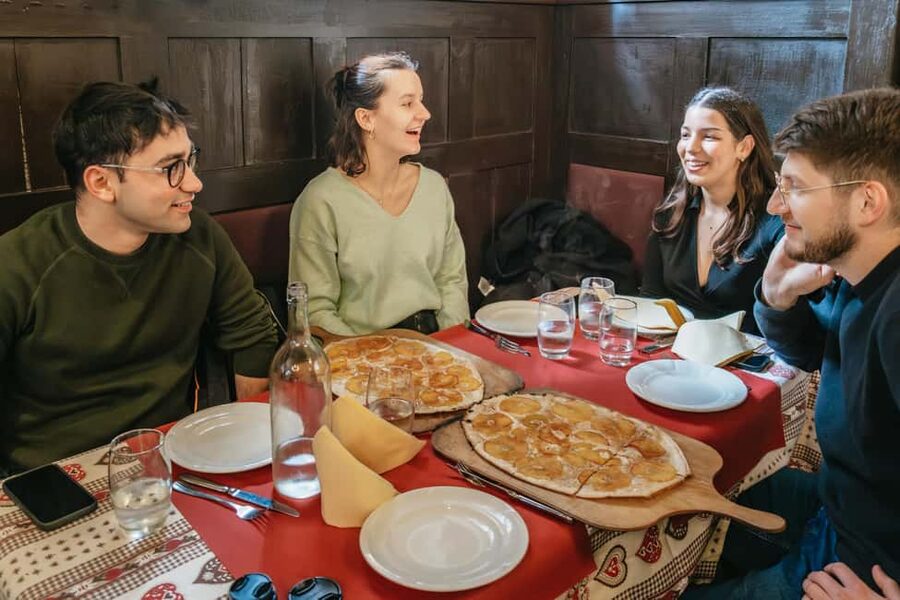
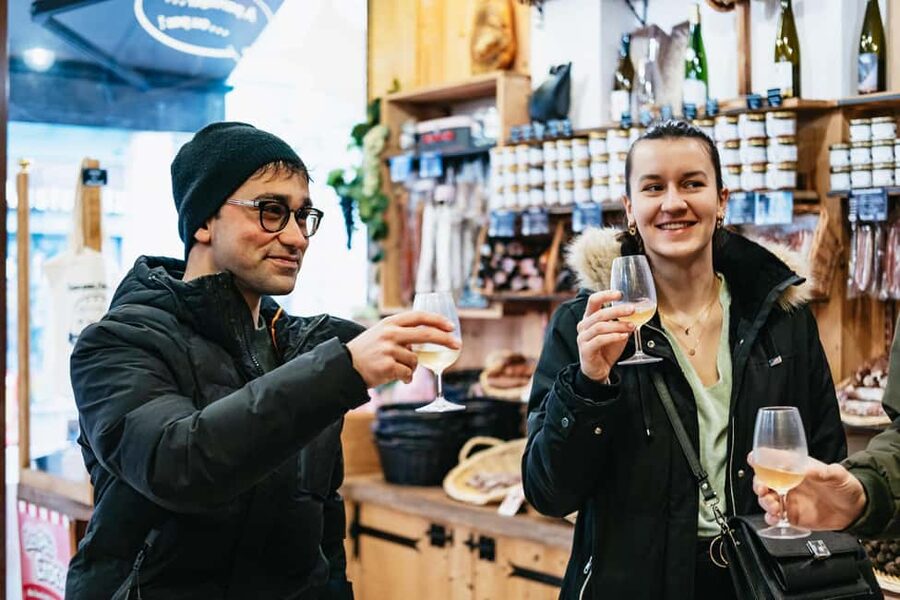
Your appetite will lead the way. This Strasbourg walking tour strings together Alsatian tastings across the old center, with four or more food stops and a guide who ties each bite to local life. Expect savory hits like bretzels, charcuterie, cheese, and choucroute garnie, then finish with sweet classics such as Alsatian gingerbread or tarte flambée, depending on what’s available.
I like that the guide-focused format keeps it small and human sized. With a maximum of 12 people (and often much fewer), you get explanations as you go, plus plenty of chances to ask about what you’re eating and where to find it again later.
One thing to consider up front: it’s not designed for mobility challenges, and the food is hearty. If you’re not into sausage and sauerkraut style dishes, you’ll still have options, but you may not love the main course.
In This Review
- Quick hits before you book
- Starting at Place d’Austerlitz: the tour’s first “taste of orientation”
- Fortwenger Strasbourg cathedrale area: first tastings without the rush
- Rue des Grandes Arcades: where Strasbourg’s eating habits show up on the street
- Petite France: the main course energy, with choucroute garnie as the anchor
- Alsatian wine (and sometimes beer): what to pay attention to beyond the taste
- Desserts in Petite France: pain d’épices, kugelhopf, and tarte flambée
- How long 210 minutes really feels in real life
- Group size, guides, and why the tour feels personal
- Price and value: what $116 gets you besides food
- Who should book this Strasbourg food walking tour
- Final call: should you book this tour?
- FAQ
- Where does the tour start?
- How long is the Strasbourg food walking tour?
- How many food stops are included?
- What drinks are included?
- Is the tour suitable for people with mobility impairments?
- What should I wear or bring?
Quick hits before you book
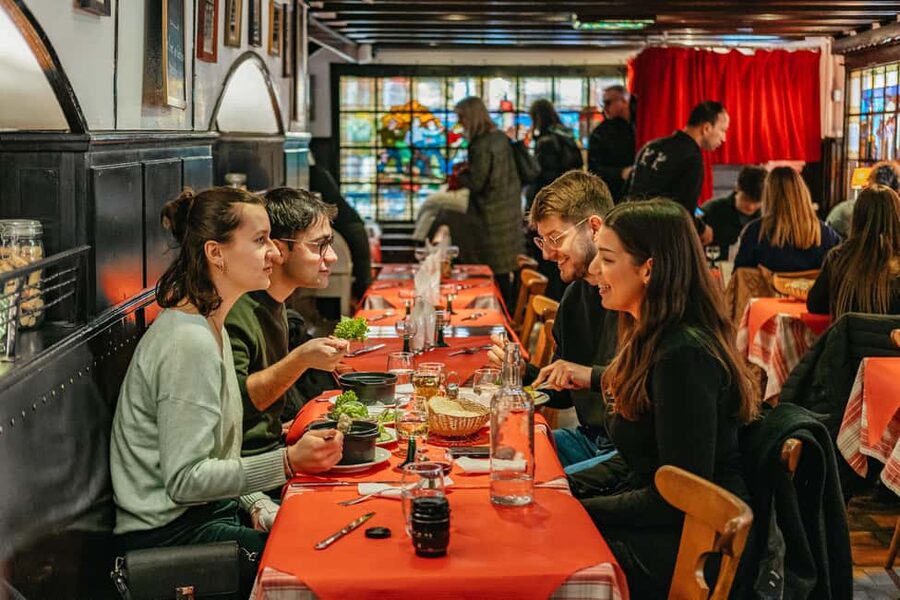
- 4+ food stops with at least one serving at each stop, plus water
- Intimate group size (max 12) for a more relaxed pace and Q-and-A time
- Alsatian classics on the menu, including choucroute garnie and local desserts like pain d’épices or tarte flambée
- Wine and beer options show up as part of the included drink tastings (availability varies)
- Old town walking route with big scenery hits, including the cathedral area and Petite France
Starting at Place d’Austerlitz: the tour’s first “taste of orientation”
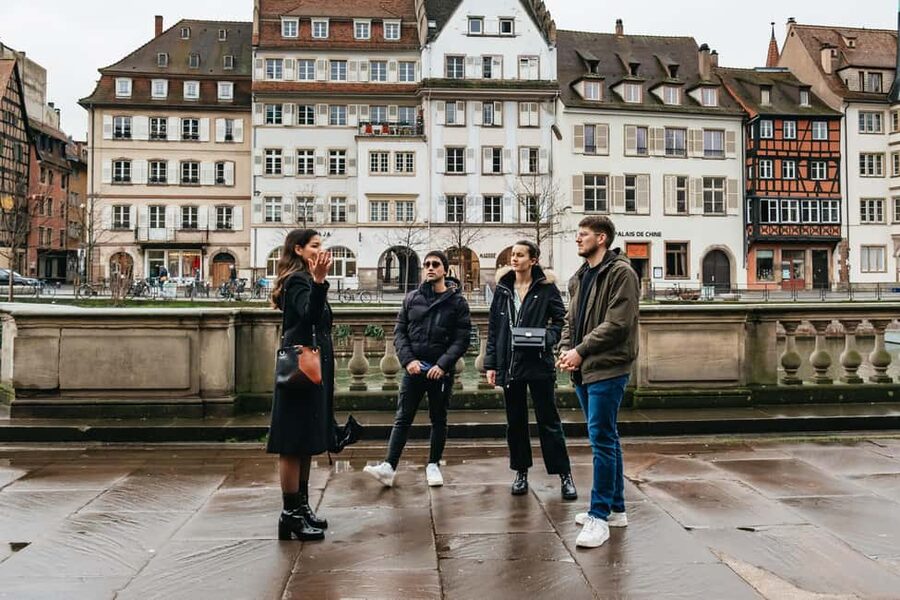
I like tours that help you understand where you are, fast. This one begins at Place d’Austerlitz, in front of the miniature of Strasbourg. That tiny landmark matters because Strasbourg is easy to get turned around in, especially when you’re hunting for the right corner near the historic center.
From there, the tour moves on foot through classic neighborhoods that make Strasbourg feel like a living postcard. You’re walking through layers of the city, from landmarks tied to the city’s identity to streets that still carry the rhythm of everyday eating and browsing.
Two practical notes help your experience:
- Wear comfortable shoes. It’s a walking tour, and you want your legs fresh for the tastings.
- Bring a little patience at the start. Meeting points can be tricky on maps, and the miniature landmark may not be the first thing you notice. If you’re arriving right at start time, give yourself an extra 10 minutes to locate it.
More of Strasbourg
Fortwenger Strasbourg cathedrale area: first tastings without the rush
The early part of the route takes you toward the Fortwenger Strasbourg cathedrale area, where you get a strong sense of why Strasbourg’s food culture feels tied to place. This is when the tour turns from sightseeing to eating, and you’ll likely be served your first savory tastings.
What you can expect here, based on the tour description:
- A selection of charcuterie
- Soft bretzels
- Local cheese from a cheese-focused shop
This is a smart start. Charcuterie and cheese are built for snacking, so you can enjoy multiple flavors without feeling stuffed too early. And bretzels in particular are useful, because they anchor the saltiness and help you pace yourself for the heavier dishes that come later.
Also, guides often treat this section like a mini lesson. You’ll learn how Alsace’s food culture grew from local agriculture and neighboring influences, and you’ll hear tips that go beyond what’s written on a menu. The guides I saw mentioned across departures include locals such as Raphael, JP, Loubna, Christine, and Nahama, and the pattern is consistent: they explain what you’re tasting and what to look for when you return to the shop on your own.
Rue des Grandes Arcades: where Strasbourg’s eating habits show up on the street
Next comes Rue des Grandes Arcades, one of those streets that feels made for strolling and grazing. The tour keeps things easy and flat, and you’re not trying to “finish” the city before you eat. You’re meant to slow down and actually notice the atmosphere.
This segment is where the tour often builds toward the bigger savory moment. Depending on the day and seasonal availability, you may see a mix of more traditional eateries and spots that feel modern or trend-aware. That matters because Strasbourg’s identity is not frozen in time. You’re sampling the “old favorites” while also learning what locals are reaching for now.
One theme you’ll hear from the guides: Alsatian food isn’t just about big flavors. It’s also about balance, texture, and timing. That shows up in the way your bites move from cheese and bretzels to the kinds of dishes that show up when people want a full meal.
If you’re taking this tour as your first afternoon in Strasbourg, Rue des Grandes Arcades can be especially useful. You’ll come away with a mental map for where to return later for dessert, a second glass, or a specific ingredient you liked.
Petite France: the main course energy, with choucroute garnie as the anchor
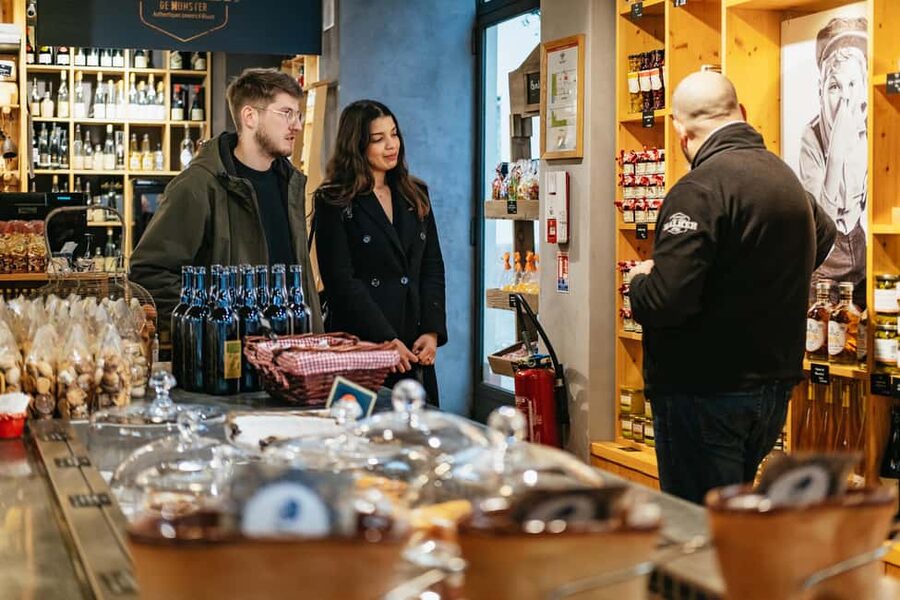
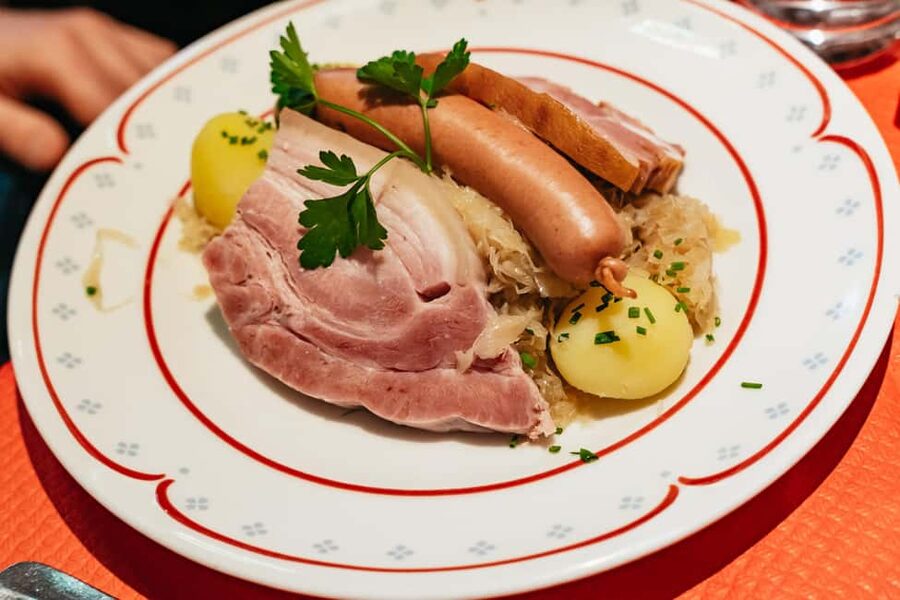
The tour then reaches Petite France, Strasbourg’s best-known historic district, and this is where things tend to get seriously hearty. The description specifically calls out choucroute garnie as a regional gastronomical symbol, typically made with smoked sausages and sauerkraut.
This part is valuable for two reasons:
- It’s the regional “signature.” Even if you’ve had sauerkraut before, the Alsatian approach is a different league when it’s served warm and paired with sausages.
- It’s your best taste of comfort food as a whole local meal, not just a snack.
You’ll be served a portion as part of the included stops. And based on the experience style described across departures, the servings are not tiny. People consistently mention leaving very full. So if your plan for later involves walking off dinner, you might want to keep it flexible.
Practical tip: the tour is designed so you taste across several stops, not so you skip around the city yourself. I’d treat it like your one “big eating block” of the day. That lets you enjoy the desserts afterward without feeling sick or regretful.
Alsatian wine (and sometimes beer): what to pay attention to beyond the taste
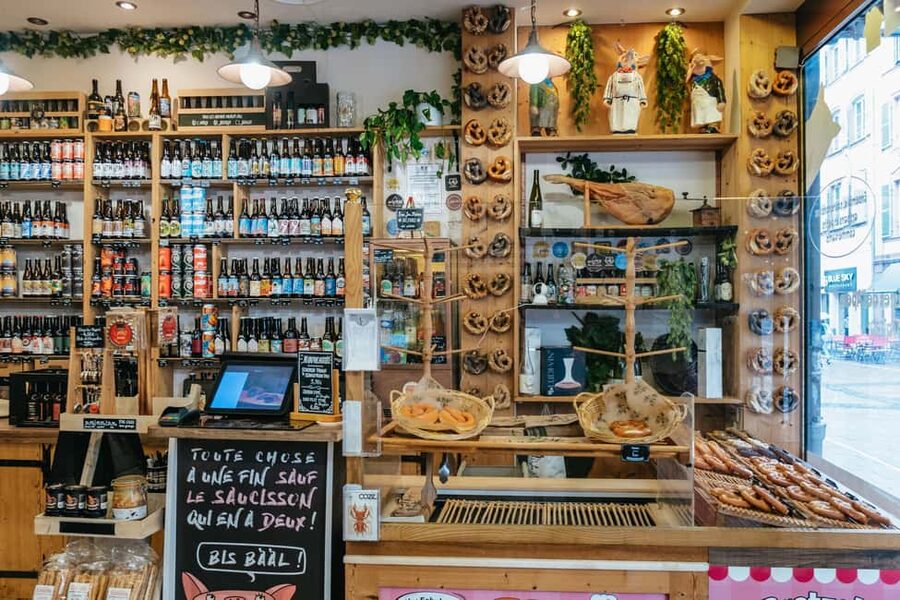
After the savory foundation, the tour includes an alcoholic drink. The description points to Alsatian wine, and it also explains why the region is famous for its vineyards. That’s the context part that helps you order with confidence later.
In plain terms, this stop is where you learn how to talk about wine (or beer) like a local:
- what grapes or styles matter in Alsace
- why the local geography produces distinctive flavors
- how these drinks pair with fatty or salty foods like cheese and charcuterie
Some departures also include beer alongside wine tastings, depending on what the host partners are pouring that day. Either way, you’re not just drinking. You’re learning what you’re tasting, and that makes the city feel more personal when you’re back on your own.
If you’re the type who likes to remember details, use this stop to note what you enjoyed most. You’ll thank yourself when you’re trying to find the same style at a shop or bar the next day.
Desserts in Petite France: pain d’épices, kugelhopf, and tarte flambée
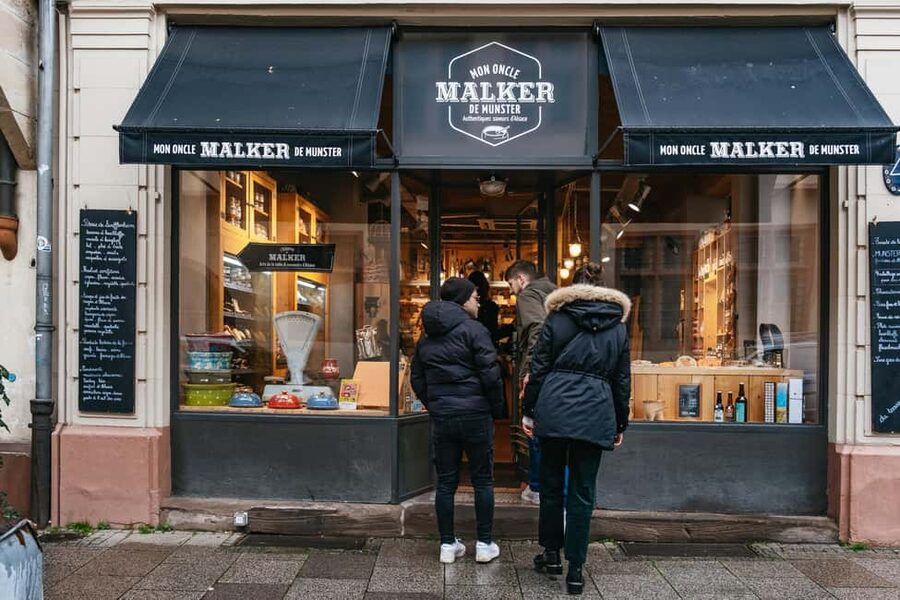
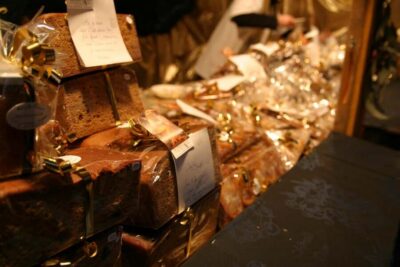
Then comes the sweet section, and it’s where Strasbourg shows off its dessert personality. The tour description highlights Alsatian gingerbread, Pain d’épices, and says dessert tastings can also include Kugelhopf or tarte flambée depending on season and availability.
Here’s the practical reality: dessert after a choucroute-style meal can sound like too much. But the tour is paced so the sweets feel like a natural finish rather than a punishment.
What I like about these choices:
- Pain d’épices gives you deep spice character, not just sugar.
- Kugelhopf brings a cake-like richness and an Alsatian baking tradition.
- Tarte flambée is a surprise for many people. It’s often thought of as a savory dish, but some formats of tasting treat it as a key local highlight.
And because dessert selection varies, this stop rewards repeat visits. If the day you go doesn’t include your top favorite, the city still gives you a path to find it later.
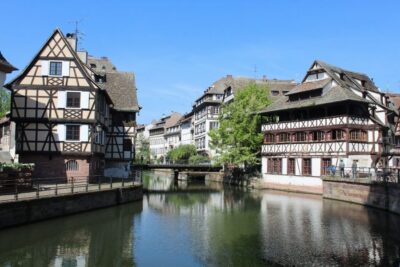
Also, Petite France is a perfect place to end a food tour visually. You’re surrounded by the kind of scenery that makes it feel like you’ve spent time in the city, not just passed through it.
More Strasbourg walks on the list
- Strasbourg: Walking Tour with a Local Guide
★ 4.3 · 607 reviews - Strasbourg: Walking Tour with Local Guide
★ 5.0 · 598 reviews - Strasbourg: Guided Historical Neighborhoods Walking Tour
★ 4.9 · 275 reviews - Strasbourg: Traditional Food Walking Tour with Tastings
★ 4.8 · 219 reviews - Strasbourg Private Walking Tour with a Local
★ 4.5 · 156 reviews
How long 210 minutes really feels in real life
The duration is listed as 210 minutes, about 3.5 hours. In reality, the pace tends to be relaxed. Multiple notes describe a tour that is not a marathon and that keeps walking manageable, with lots of stops for eating and small bursts of sightseeing.
That matters because food tours go wrong when they turn into speed-walking between venues. Here, the design is about tasting and learning at each stop. You’re likely to stand in the right places to get classic Strasbourg photos too, especially around the main old-town sights.
So for planning your day:
- Consider this tour your anchor activity.
- Leave room after for a slow wander, but don’t plan anything intense for right after desserts unless you’re very confident in your digestion.
Group size, guides, and why the tour feels personal
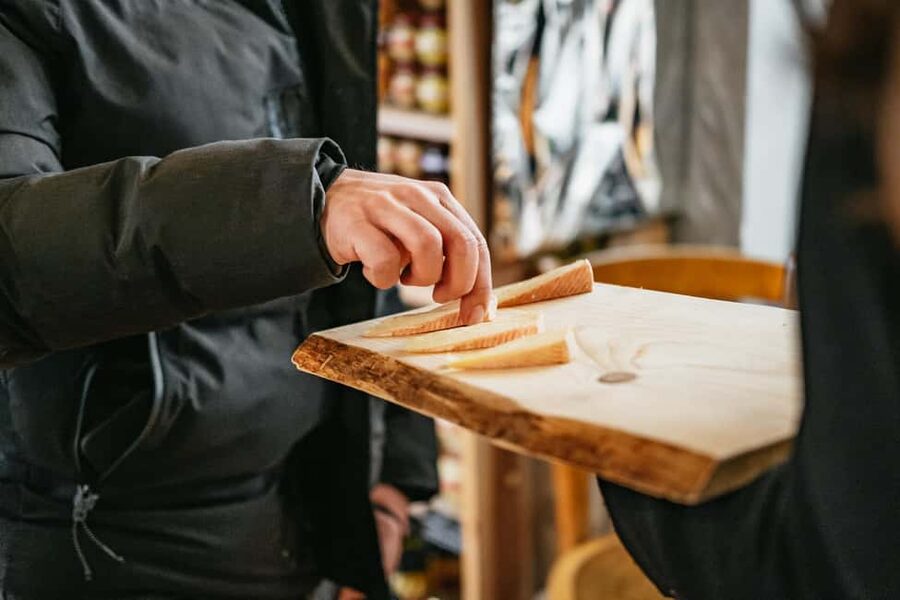
With a maximum group size of 12, this tour avoids the chaotic feeling that big group tours can create. Many departures also sound intimate. People describe groups as small and guides as actively engaged, with humor and clear explanations.
Guide names that show up in the experience include Raphael, JP, Loubna, Christine, and Nahama. What stands out in the pattern of feedback is how consistently the guides manage three things at once:
- keep the route moving at an easy pace
- explain what makes the food Alsatian
- answer questions without turning it into a lecture
That’s not fluff. It changes how you remember the trip. Instead of just tasting food, you leave with a better sense of why it matters and where to look for it again.
Price and value: what $116 gets you besides food
At $116 per person for about 3.5 hours, it’s not a “cheap snack tour.” But you are paying for something that goes beyond a couple of bites.
Here’s the value equation from what’s included:
- Tour guide
- At least 4 food stops, with at least one serving at each
- 1 alcoholic drink included
- Water
Then add the reality check from the experience style described: portions can be generous, and the overall structure feels like an eating experience that can fill you up well past what most bite-size tours do. If you go in hungry, the price starts to make sense fast.
I’d also factor in that the tour is taking you through a meaningful chunk of central Strasbourg, including Petite France and major scenic streets. So you get both the food education and a built-in way to see highlights without building an itinerary from scratch.
Who should book this Strasbourg food walking tour
This is a good match if you want:
- Alsatian comfort food in a guided, organized format
- a route that mixes historic streets with places that serve real local favorites
- a tour that teaches you while you eat, not just hands you a paper napkin and moves on
It’s also a strong choice for a first trip to Strasbourg because the route covers key areas and you return from it with a sense of where to go next.
Two groups should rethink the fit:
- People with mobility impairments, since it’s listed as not suitable.
- Anyone who hates hearty dishes built around sausage and sauerkraut. You might still enjoy parts, but choucroute garnie is a central highlight.
Final call: should you book this tour?
I’d book it if you’re craving a true Alsatian food introduction, and you like the idea of learning through tastings rather than reading about cuisine after the fact. The combination of charcuterie, cheese, a signature hot dish like choucroute garnie, and dessert options such as pain d’épices makes it feel like a full culinary storyline.
I’d skip it if you want a light, minimalist food experience, or if you’re traveling with limited ability to walk. And if you’re unsure whether you should eat before you go, my advice is simple: plan to arrive hungry. This tour is designed to feed you.
FAQ
Where does the tour start?
The meeting point is Place d’Austerlitz, in front of the miniature of Strasbourg.
How long is the Strasbourg food walking tour?
The tour lasts 210 minutes.
How many food stops are included?
You get at least 4 food stops, with 1 serving at each stop.
What drinks are included?
The tour includes water and at least 1 alcoholic drink (the specific drink can vary).
Is the tour suitable for people with mobility impairments?
No. The tour is listed as not suitable for people with mobility impairments.
What should I wear or bring?
Bring comfortable shoes. Pets and luggage or large bags are not allowed.
Everything Else Filed Under Strasbourg
- Strasbourg: Euro Guided Tour by Segway
★ 4.7 · 808 reviews - 2-Hour Strasbourg Euro Tour by Segway
★ 5.0 · 642 reviews - Strasbourg Food Tour – A Taste of Tradition by Do Eat Better
★ 5.0 · 614 reviews - Strasbourg: Walking Tour with a Local Guide
★ 4.3 · 607 reviews - Strasbourg: Walking Tour with Local Guide
★ 5.0 · 598 reviews
The Whole Strasbourg Shelf
- Strasbourg: Euro Guided Tour by Segway
★ 4.7 · 808 reviews - Colmar, Medieval Village & Castle Small Group from Strasbourg
★ 5.0 · 769 reviews - 2-Hour Strasbourg Euro Tour by Segway
★ 5.0 · 642 reviews - From Strasbourg: Best Of Alsace Historical Day Trip
★ 4.7 · 633 reviews - Strasbourg Food Tour – A Taste of Tradition by Do Eat Better
★ 5.0 · 614 reviews
Strasbourg, Keep Going
- Strasbourg: Euro Guided Tour by Segway
★ 4.7 · 808 reviews - Colmar, Medieval Village & Castle Small Group from Strasbourg
★ 5.0 · 769 reviews - 2-Hour Strasbourg Euro Tour by Segway
★ 5.0 · 642 reviews - From Strasbourg: Best Of Alsace Historical Day Trip
★ 4.7 · 633 reviews - Strasbourg Food Tour – A Taste of Tradition by Do Eat Better
★ 5.0 · 614 reviews
The rest of the Strasbourg write-ups
- Strasbourg: Neustadt and Petite France in 1 Hour by Pedicab★ 4.8 · 27 reviews
- Wine tour, tasting and Alsatian meal – 100% immersive experience★ 4.5 · 31 reviews
- Alsace Private Tailored Tour in a Luxury Car★ 5.0 · 32 reviews
- Strasbourg Scavenger Hunt and City Highlights Walking Tour★ 4.5 · 33 reviews
- Local Craft Beer Tasting in Strasbourg★ 5.0 · 34 reviews
- Strasbourg : Hidden Gems and Untold Stories★ 5.0 · 35 reviews
Strasbourg Tours, in full.
 ★ 4.7Strasbourg: Euro Guided Tour by SegwayFrom $70808 reviews
 ★ 5.0Colmar, Medieval Village & Castle Small Group from StrasbourgFrom $241769 reviews
 ★ 5.02-Hour Strasbourg Euro Tour by SegwayFrom $71642 reviews
 ★ 4.7From Strasbourg: Best Of Alsace Historical Day TripFrom $147633 reviews
 ★ 5.0Strasbourg Food Tour – A Taste of Tradition by Do Eat BetterFrom $95614 reviews
 ★ 4.3Strasbourg: Walking Tour with a Local GuideFrom $28607 reviews
 ★ 5.0Strasbourg: Walking Tour with Local GuideFrom $41598 reviews
 ★ 4.8Strasbourg: Guided Bike Tour with a Local GuideFrom $46573 reviews
Also on these France lists